 DRAWINGS
 CARTOONS
 STRIPS DRAWINGS
 DIAGRAMS
 CHARTS
 GRAPHS
 MAPS
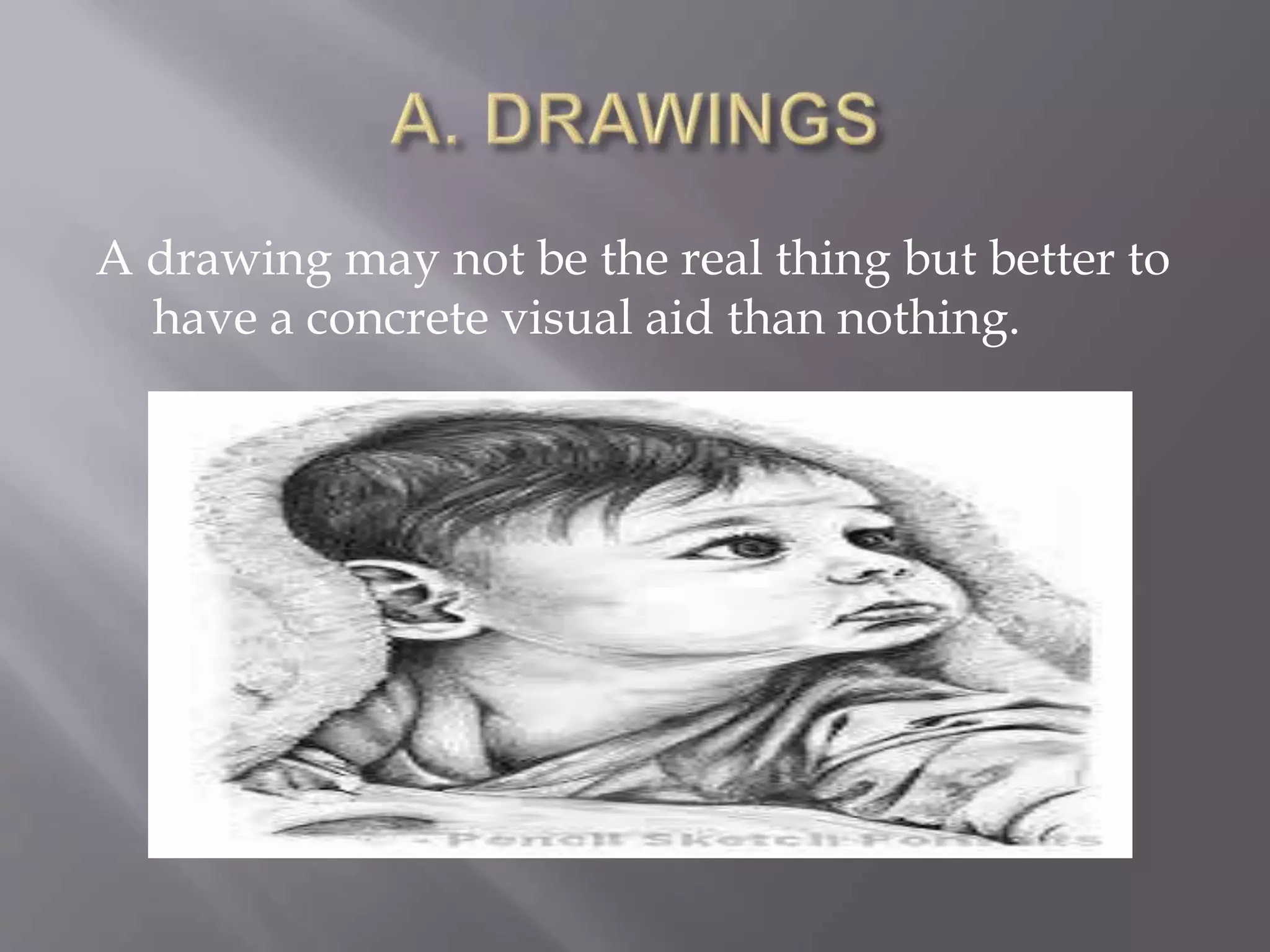
A drawing may not be the real thing but better to
have a concrete visual aid than nothing.
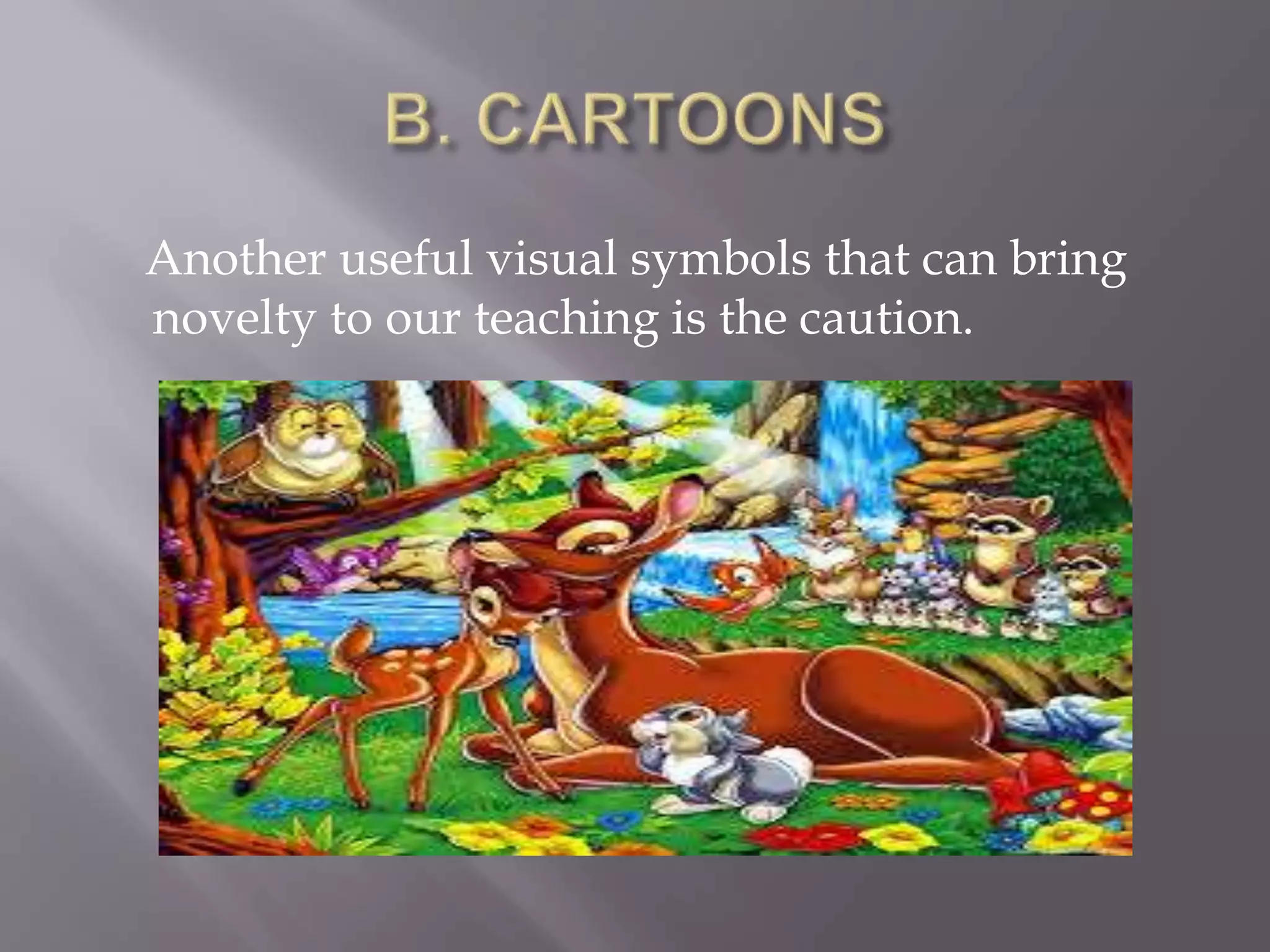
Another useful visual symbols that can bring
novelty to our teaching is the caution.
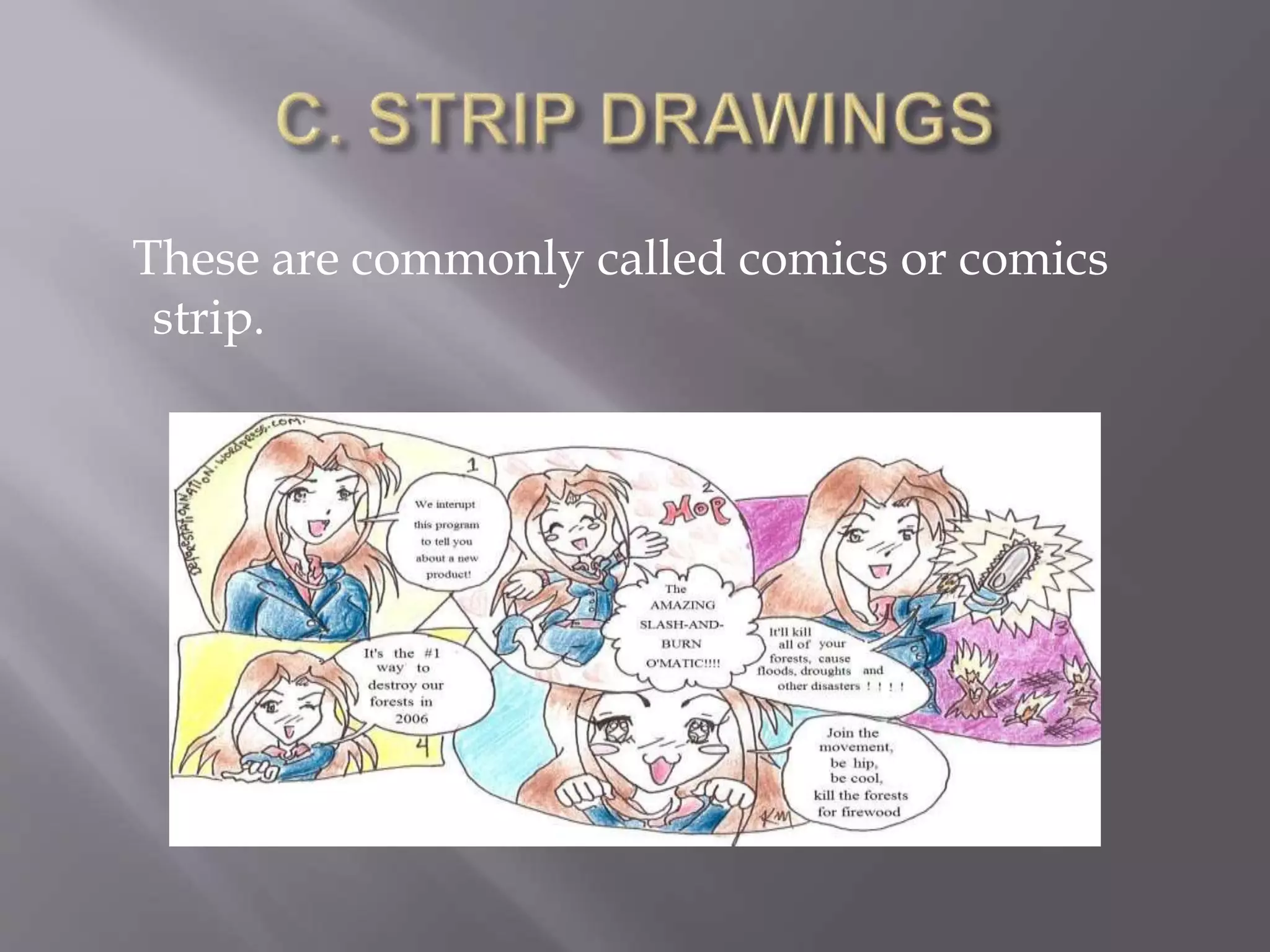
These are commonly called comics or comics
strip.
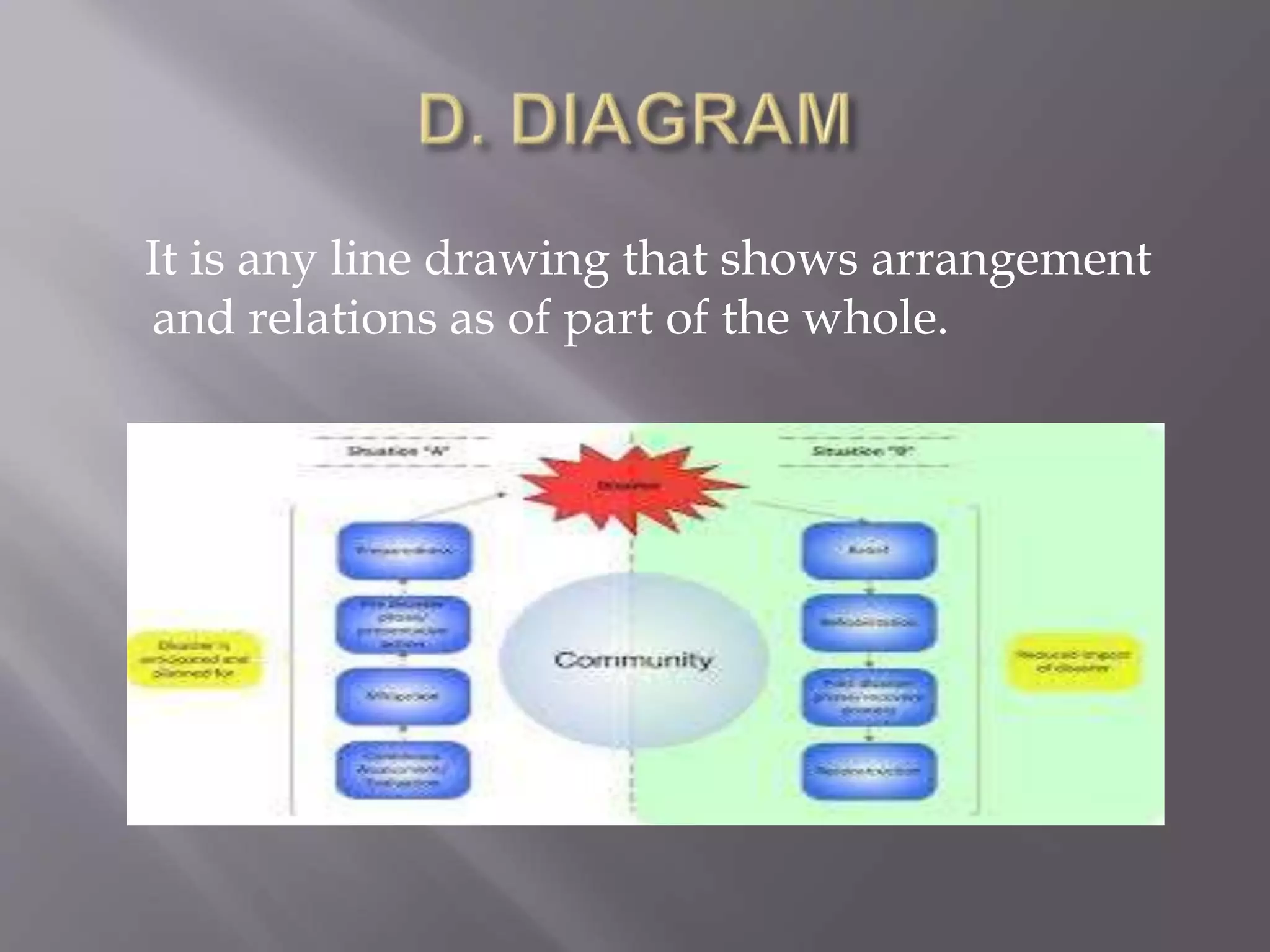
It is any line drawing that shows arrangement
and relations as of part of the whole.
 Affinity diagram
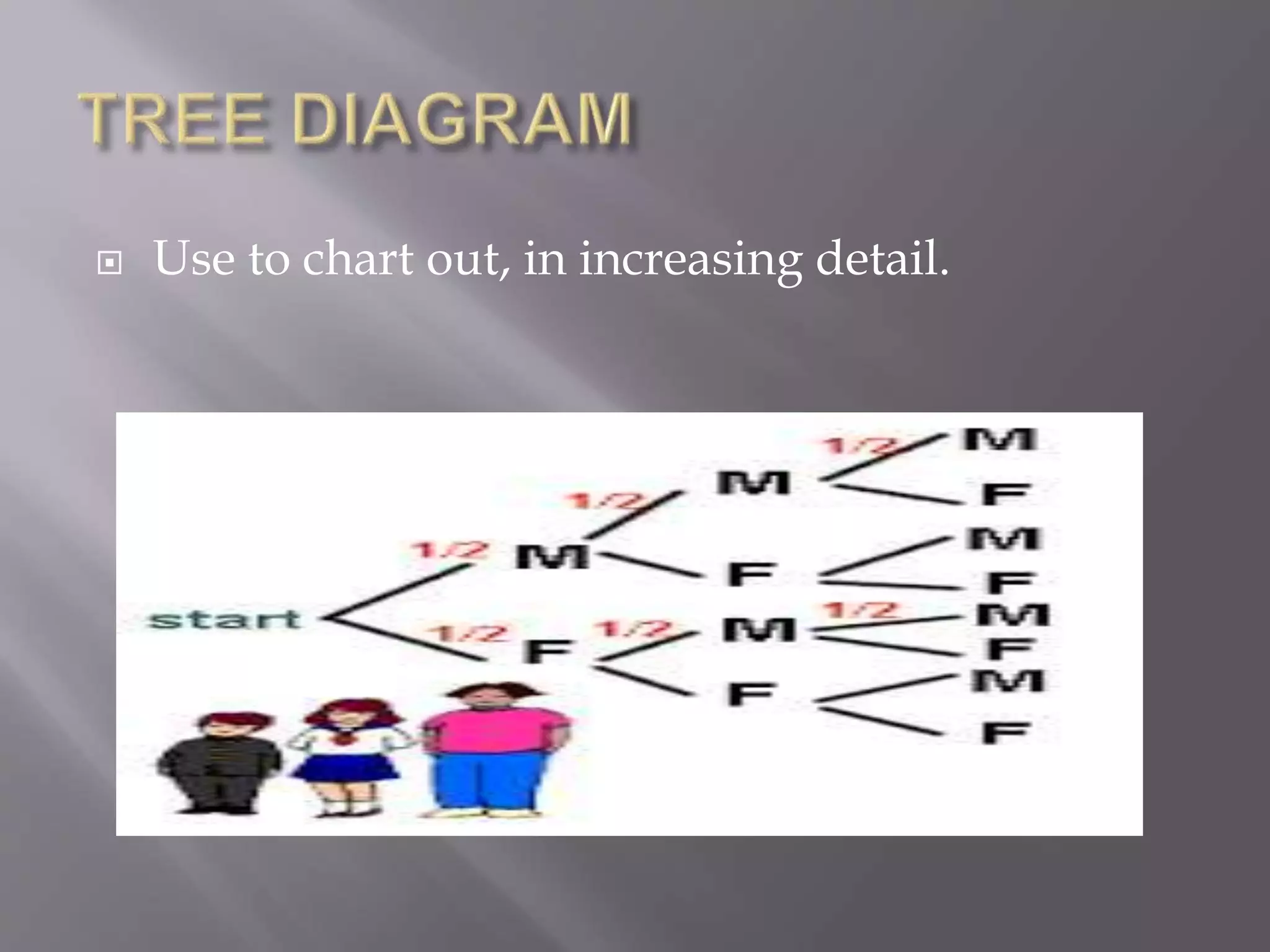
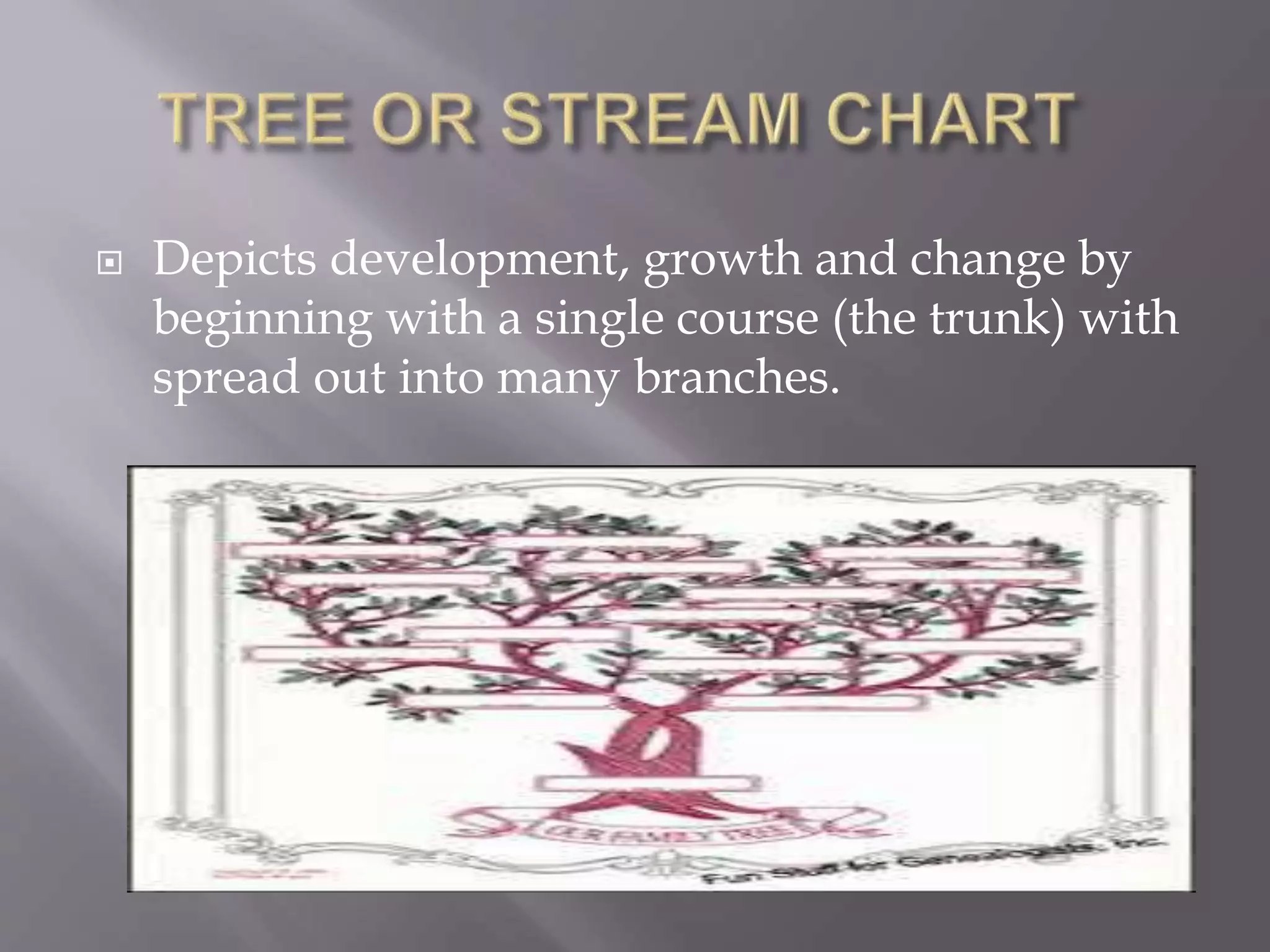
 Tree diagram
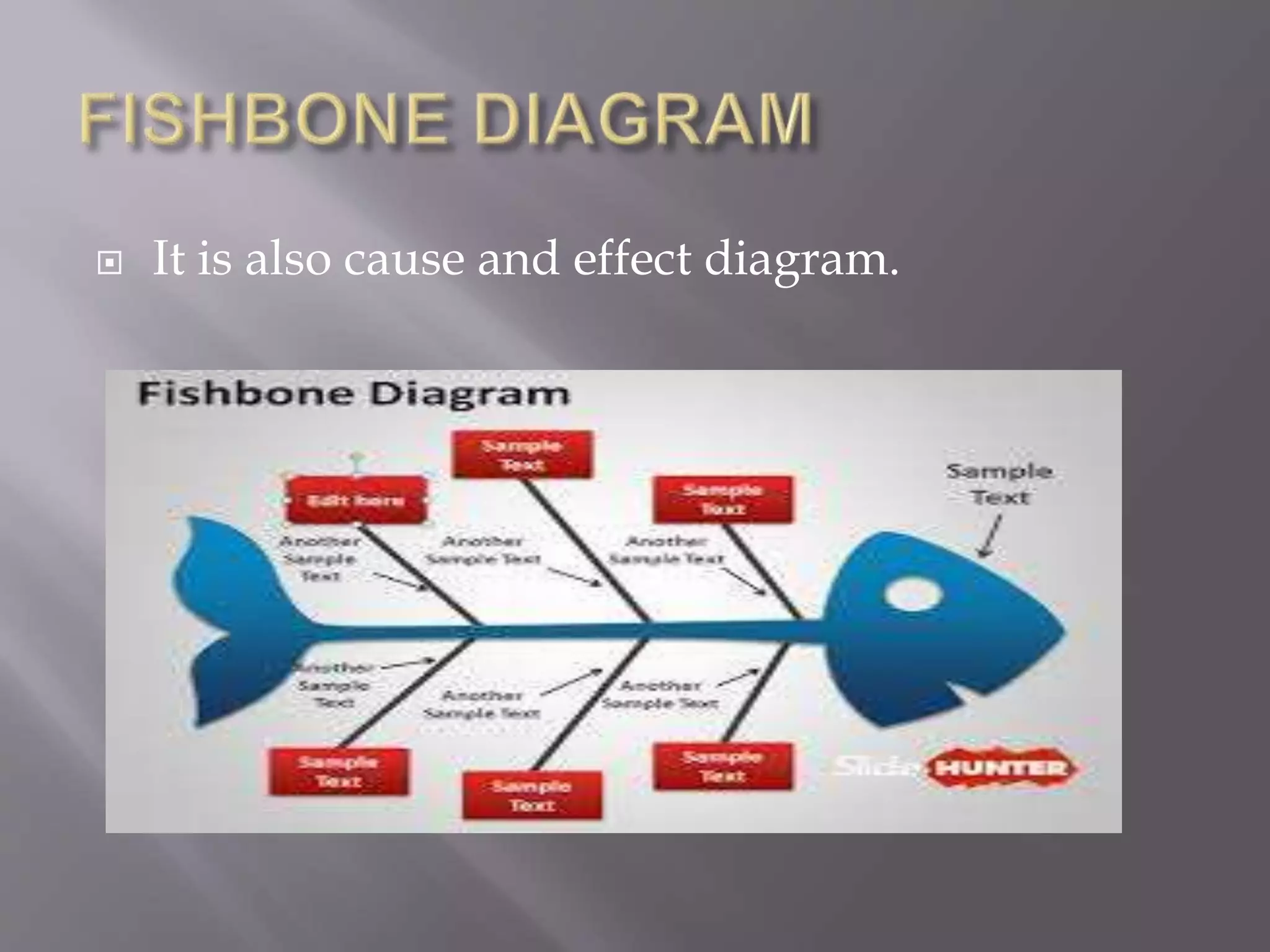
 Fishbone diagram
 Use to cluster complex apparently unrelated
data.
 Use to chart out, in increasing detail.
 It is also cause and effect diagram.
 A chart is a diagrammatic representation of
relationship among individual within an
organization.
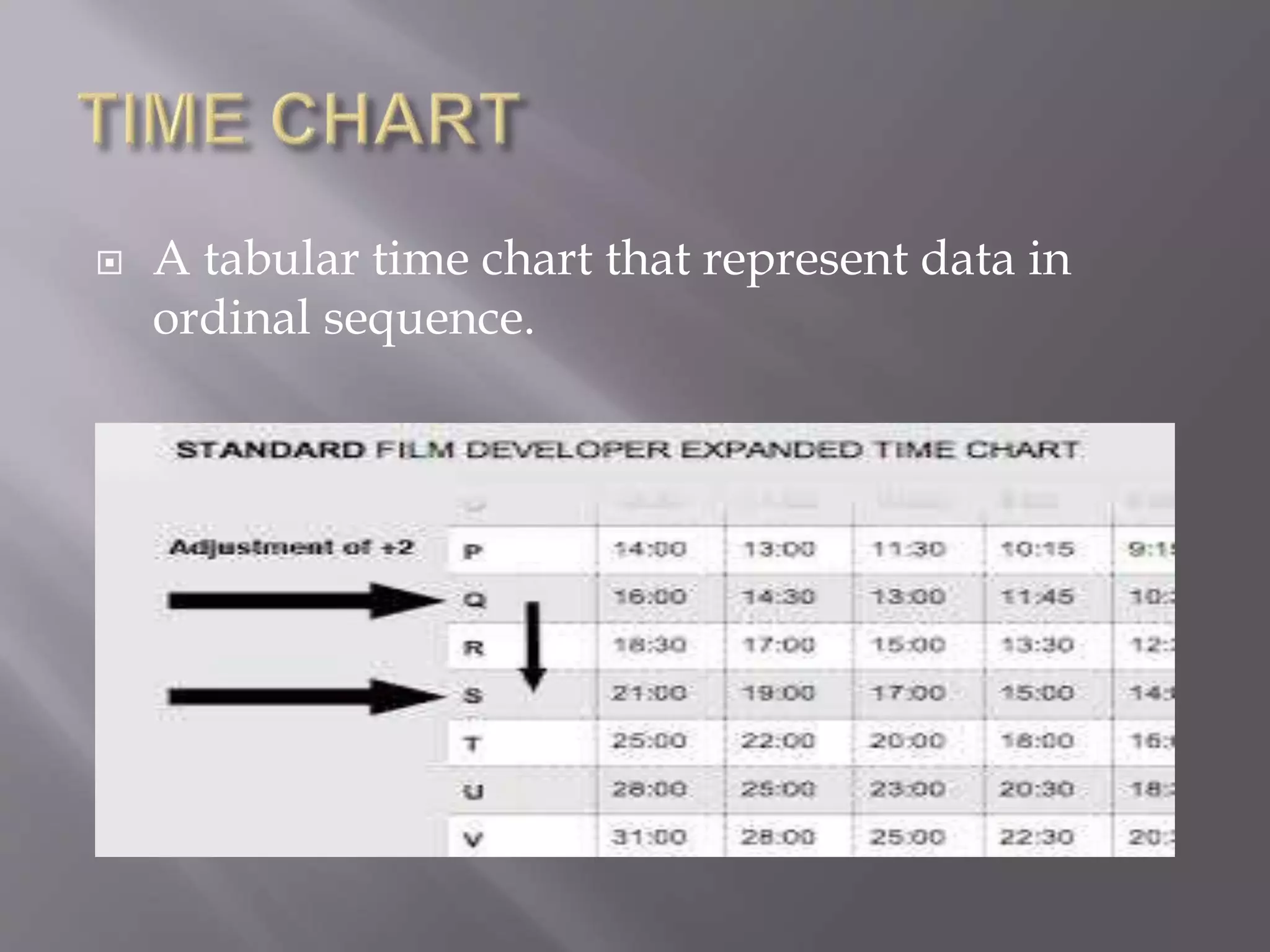
 Time chart
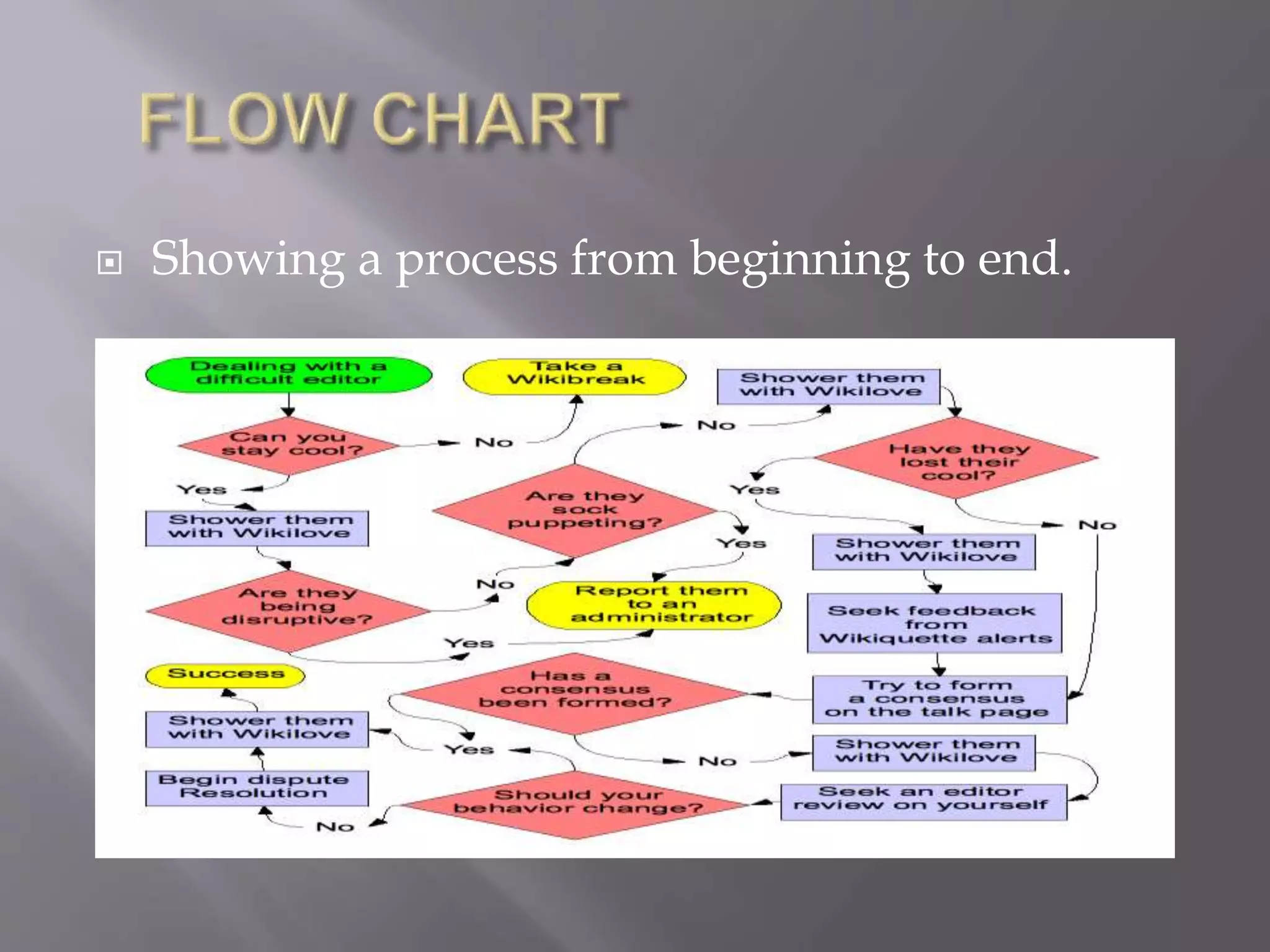
 Flow chart
 Organizational chart
 Comparison and contrast chart
 Pareto chart
 Gannt chart
 A tabular time chart that represent data in
ordinal sequence.
 Depicts development, growth and change by
beginning with a single course (the trunk) with
spread out into many branches.
 Showing a process from beginning to end.
 Shows how one part of the organization relates
to other part of the organization.
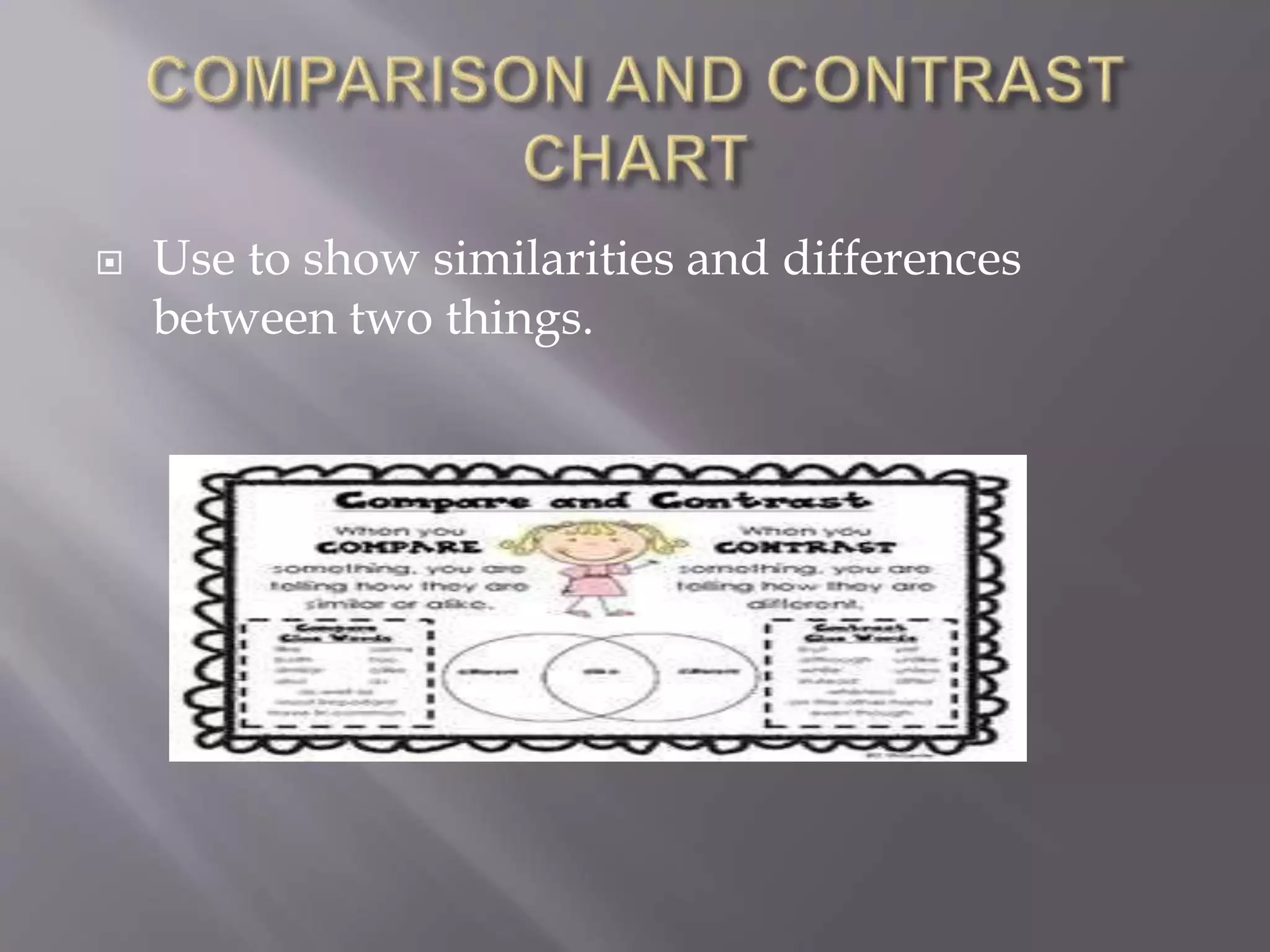
 Use to show similarities and differences
between two things.
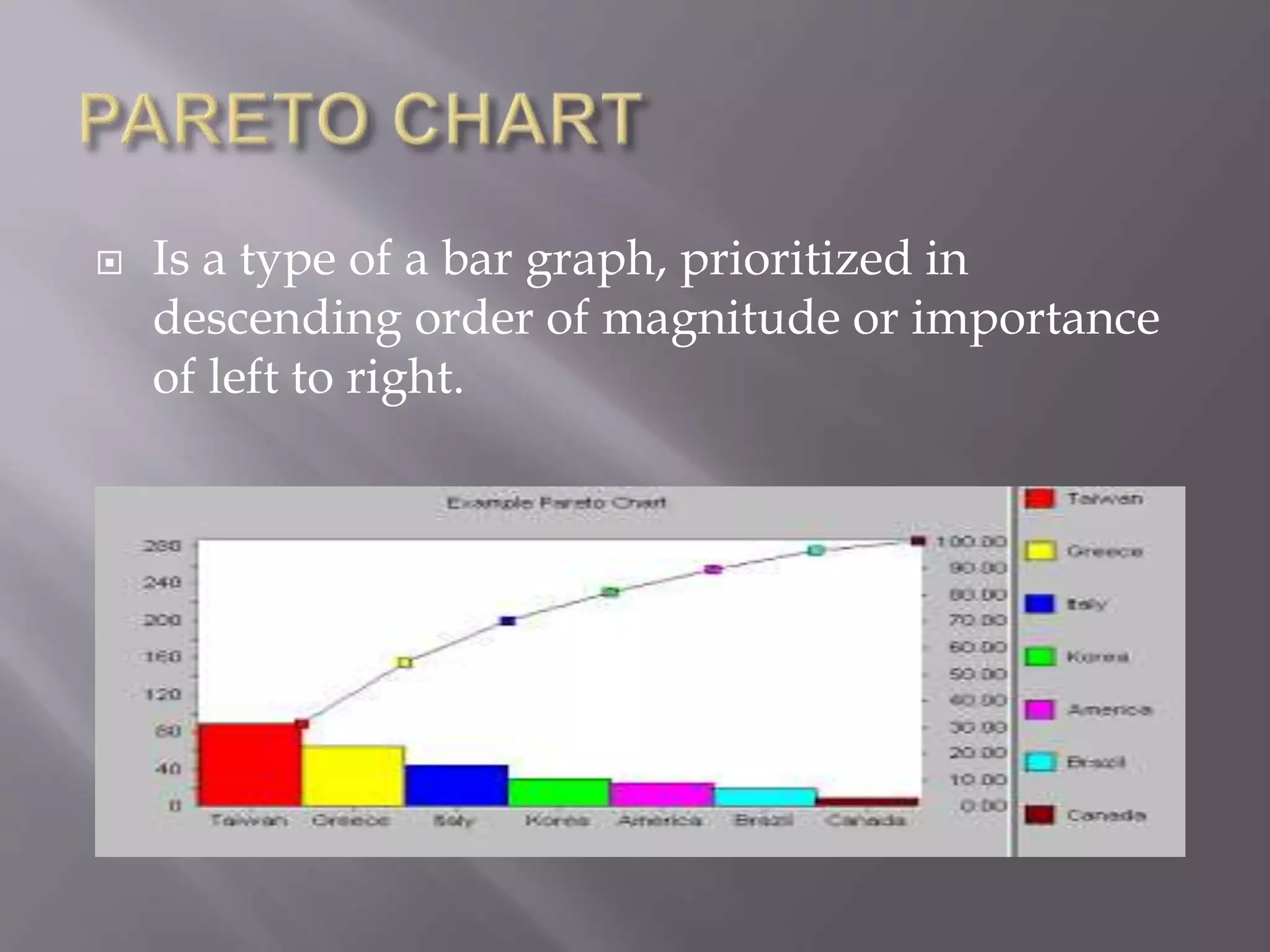
 Is a type of a bar graph, prioritized in
descending order of magnitude or importance
of left to right.
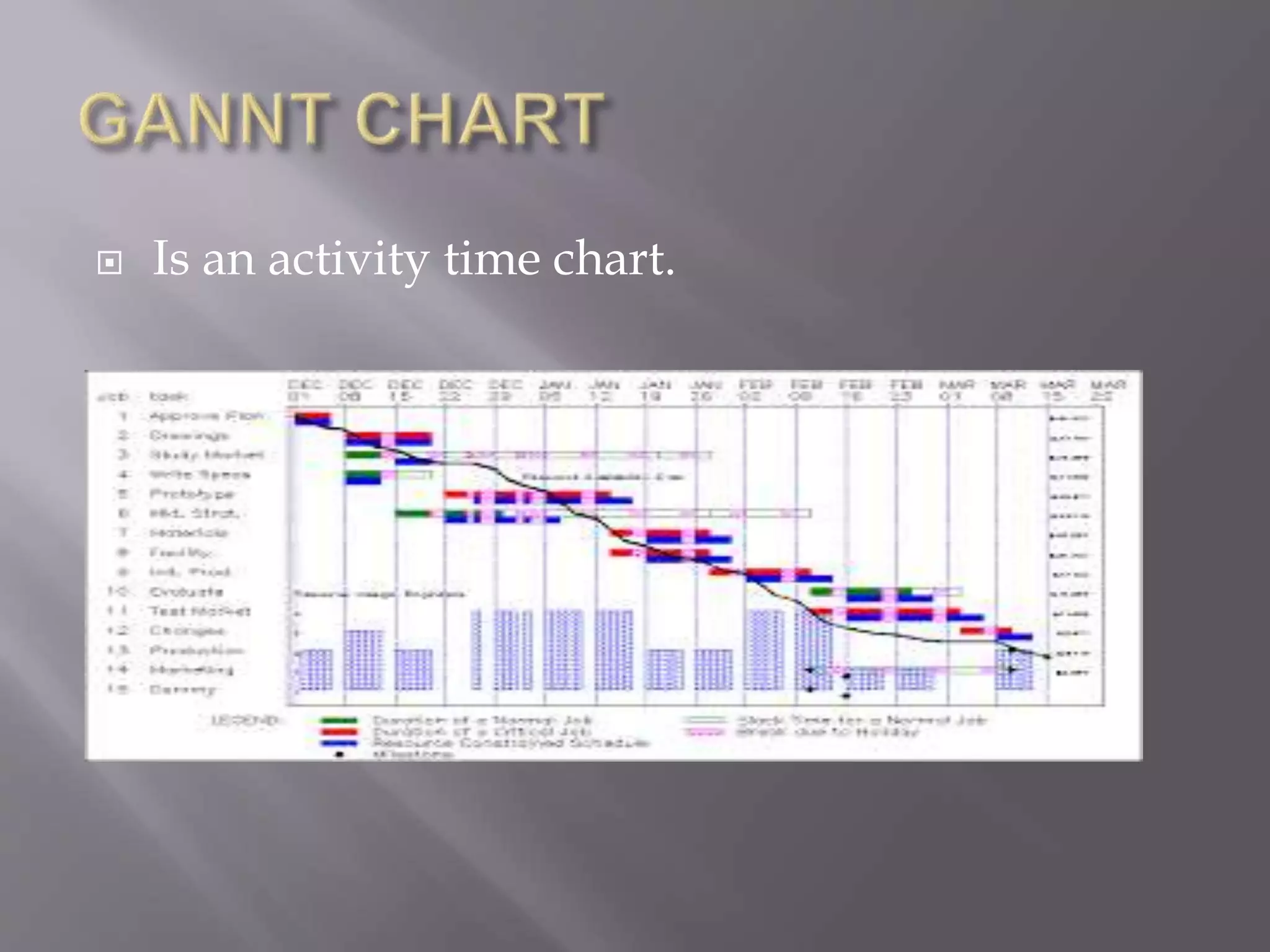
 Is an activity time chart.
 There are several types of graph,
They are:
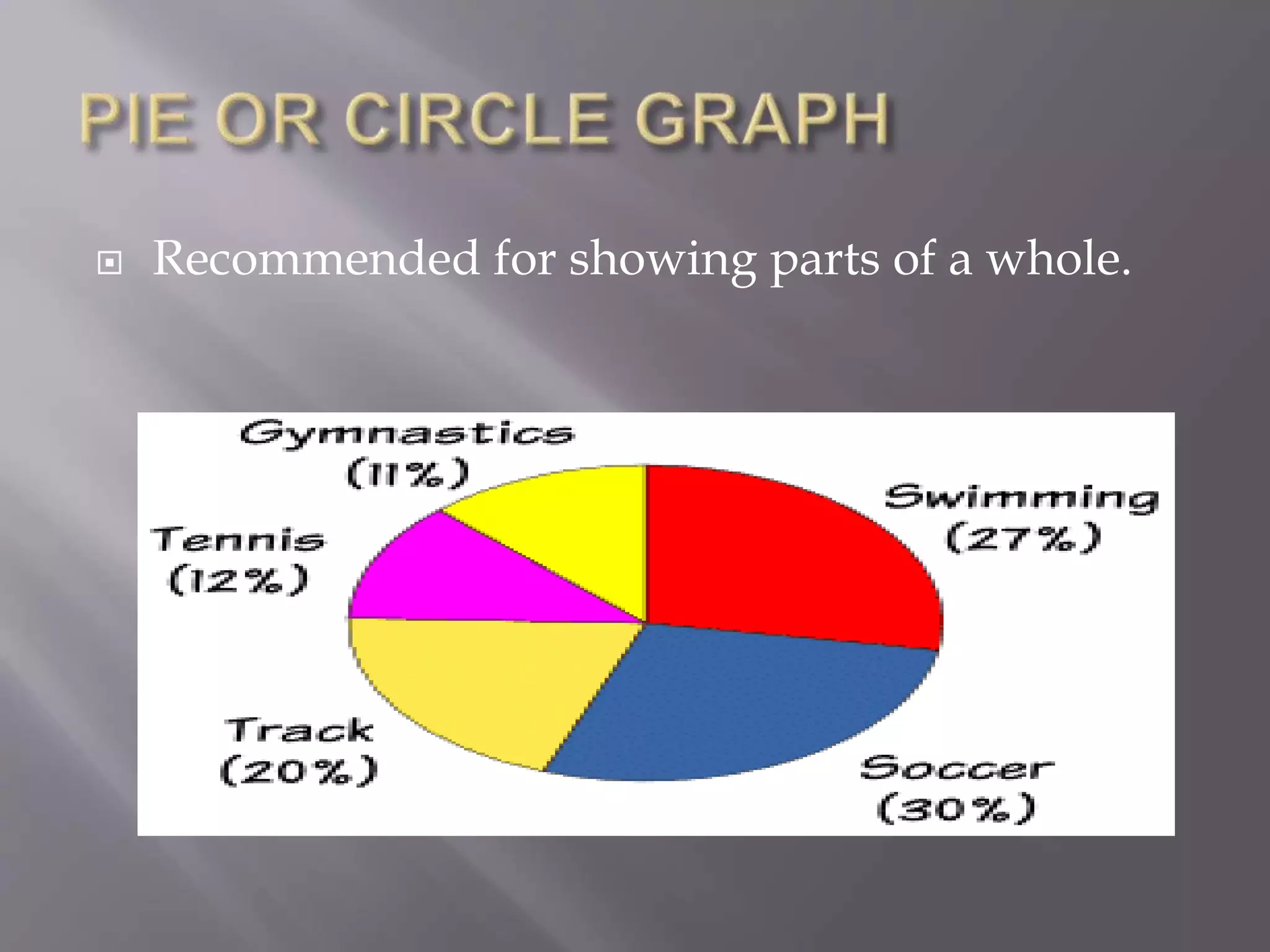
 Circle pie graph
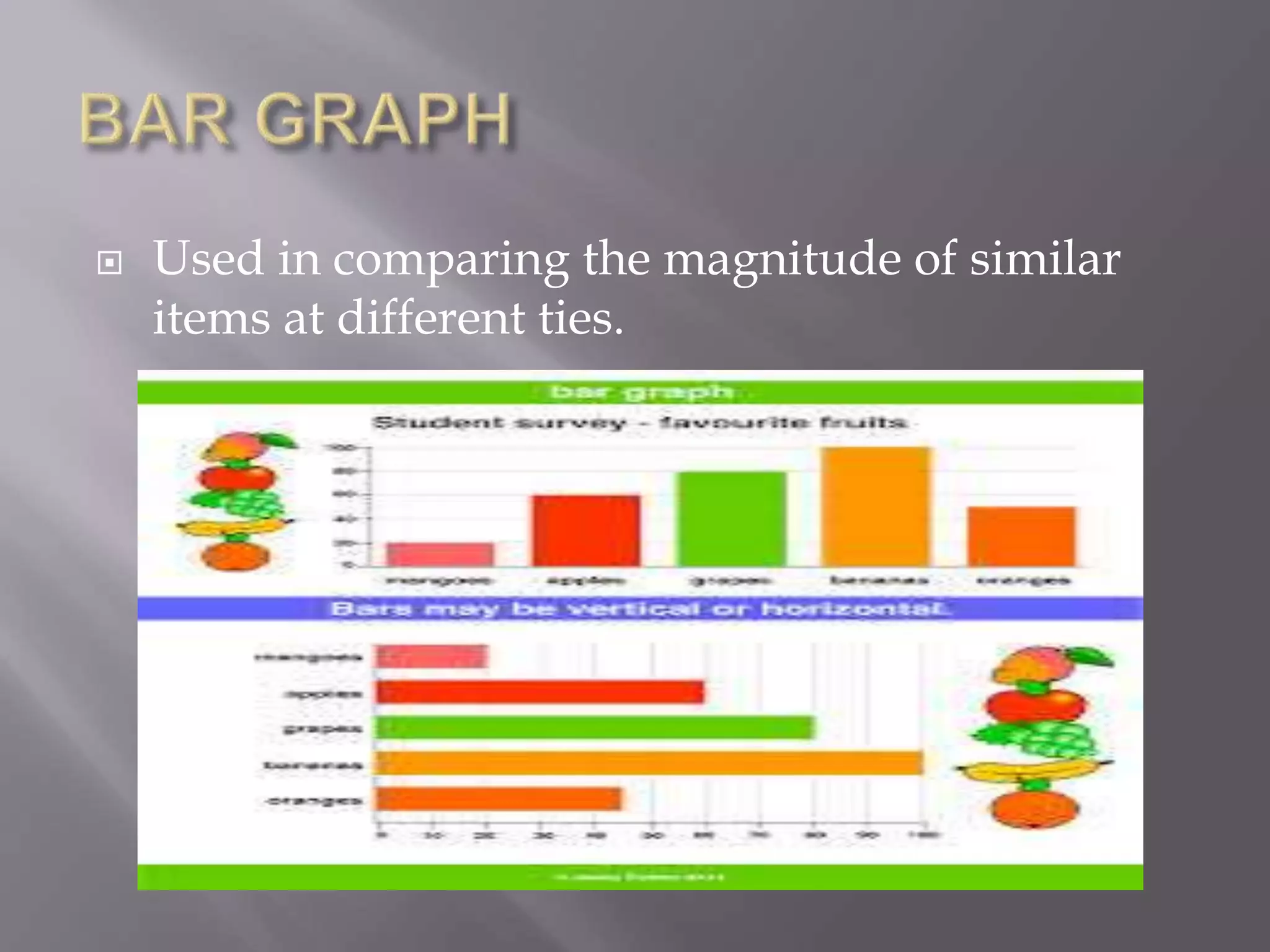
 Bar graph
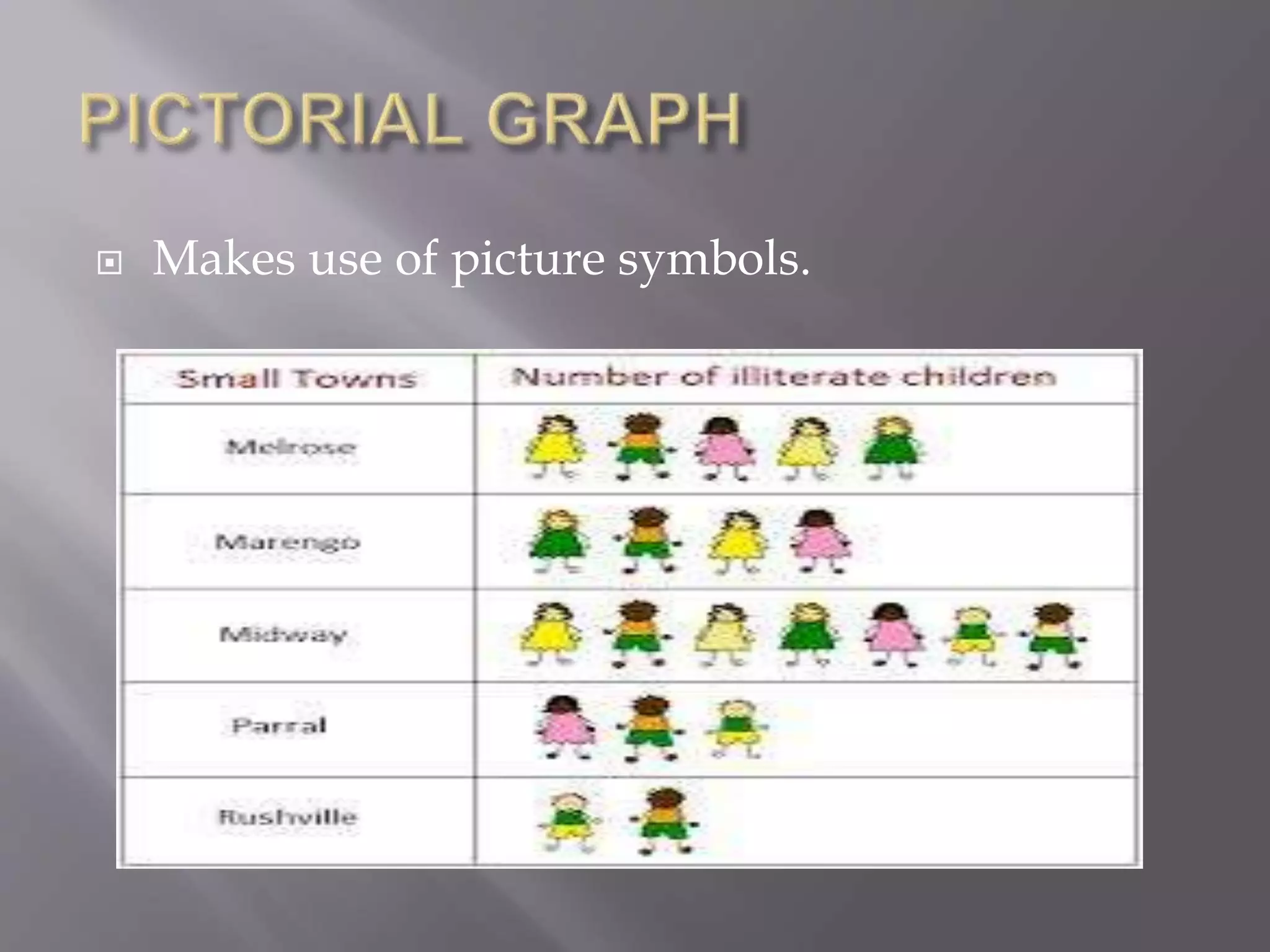
 Pictorial graph
 Recommended for showing parts of a whole.
 Used in comparing the magnitude of similar
items at different ties.
 Makes use of picture symbols.
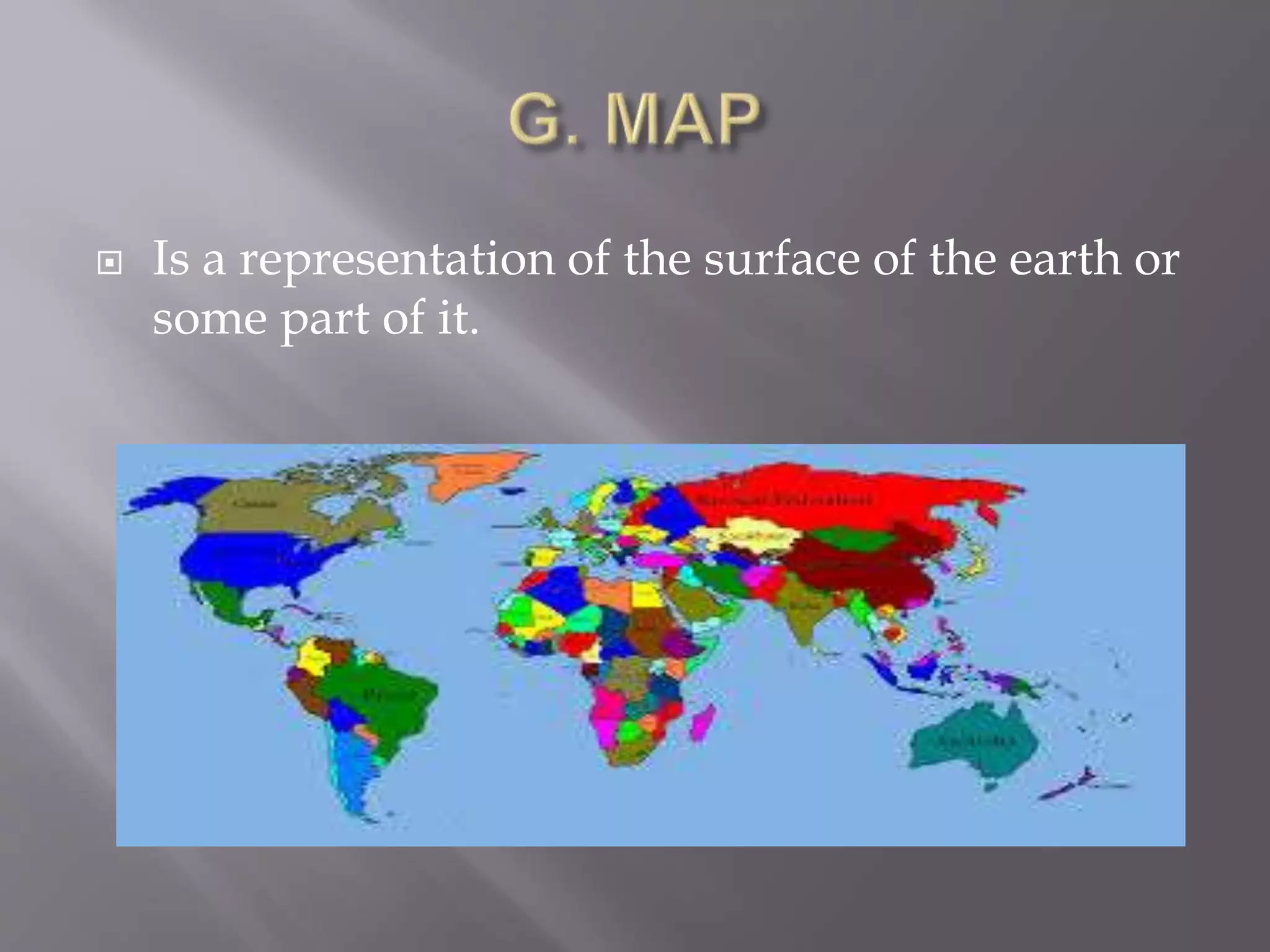
 Is a representation of the surface of the earth or
some part of it.
 Physical map
 Relief map
 Commercial or economic map
 Political map.
 Prepared by: ESER JOSE, JESSICA F.
2BEED-2A

Teaching with visual symbols

  • 2.
     DRAWINGS  CARTOONS STRIPS DRAWINGS  DIAGRAMS  CHARTS  GRAPHS  MAPS
  • 3.
    A drawing maynot be the real thing but better to have a concrete visual aid than nothing.
  • 4.
    Another useful visualsymbols that can bring novelty to our teaching is the caution.
  • 5.
    These are commonlycalled comics or comics strip.
  • 6.
    It is anyline drawing that shows arrangement and relations as of part of the whole.
  • 7.
     Affinity diagram Tree diagram  Fishbone diagram
  • 8.
     Use tocluster complex apparently unrelated data.
  • 9.
     Use tochart out, in increasing detail.
  • 10.
     It isalso cause and effect diagram.
  • 11.
     A chartis a diagrammatic representation of relationship among individual within an organization.
  • 12.
     Time chart Flow chart  Organizational chart  Comparison and contrast chart  Pareto chart  Gannt chart
  • 13.
     A tabulartime chart that represent data in ordinal sequence.
  • 14.
     Depicts development,growth and change by beginning with a single course (the trunk) with spread out into many branches.
  • 15.
     Showing aprocess from beginning to end.
  • 16.
     Shows howone part of the organization relates to other part of the organization.
  • 17.
     Use toshow similarities and differences between two things.
  • 18.
     Is atype of a bar graph, prioritized in descending order of magnitude or importance of left to right.
  • 19.
     Is anactivity time chart.
  • 20.
     There areseveral types of graph, They are:  Circle pie graph  Bar graph  Pictorial graph
  • 21.
     Recommended forshowing parts of a whole.
  • 22.
     Used incomparing the magnitude of similar items at different ties.
  • 23.
     Makes useof picture symbols.
  • 24.
     Is arepresentation of the surface of the earth or some part of it.
  • 25.
     Physical map Relief map  Commercial or economic map  Political map.
  • 26.
     Prepared by:ESER JOSE, JESSICA F. 2BEED-2A