Lesson 13 
Teaching 
with Visual 
Symbols
“Visual Symbols will be 
made meaningful if we 
can use them as 
summaries of our own 
direct experiences or our 
own rich indirect 
experiences… A little can 
stand for a lot!”
Abstraction 
“…graphs and 
images are worth 
a thousand words…”
Visual Symbols
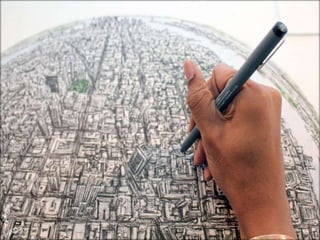
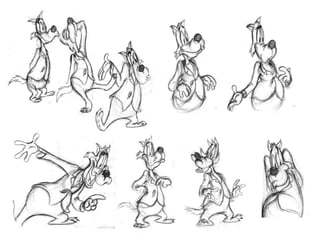
1. Drawings 
may not be the real thing but it 
is better to have a concrete 
visual aid than nothing. 
it is good that our drawing 
correctly represents the real 
thing to avoid confusion.
2. Cartoons 
tells a story metaphorically, a 
perfect cartoon needs no caption. 
The lesser the artist depends on 
words, the more effective the 
symbolism.
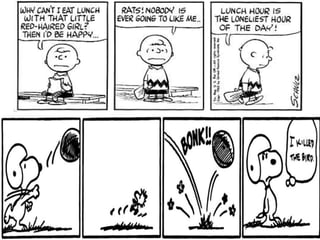
3. Strip Drawings 
commonly called comics or 
comic strips, these tell of very 
short stories with pictures. These 
can serve as motivation and 
starter for the lesson.
4. Diagram 
any line drawing that shows 
arrangement and relations as of 
parts to the whole, relative 
values, origins and development, 
chronological fluctuations, 
distribution and many more.” 
(Dale, 1969)
Types of 
Diagrams
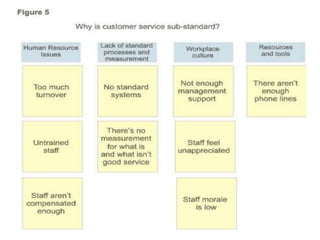
Affinity Diagram 
used to cluster apparently 
unrelated data into natural 
and meaningful groups.
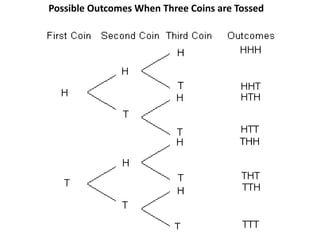
Tree Diagram 
used to chart out, in increasing 
detail, the various tasks that must 
be accomplished to complete a 
project or achieve an objective.
Possible Outcomes When Three Coins are Tossed
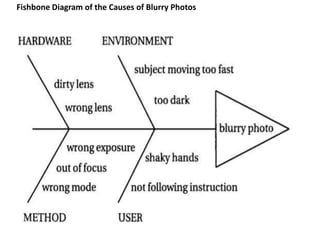
Fishbone Diagram 
also called cause-and-effect 
diagram, it is a structured form of 
brainstorming that graphically 
shows the relationship of 
possible causes to identify effect 
or solution
Fishbone Diagram of the Causes of Blurry Photos
5. Charts 
a diagrammatic 
representation of 
relationships among 
individuals within an 
organization.
Types of Charts
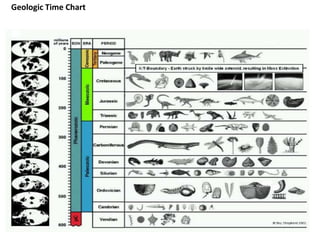
Time Chart 
a tabular time chart that 
presents data in ordinal 
sequence
Geologic Time Chart
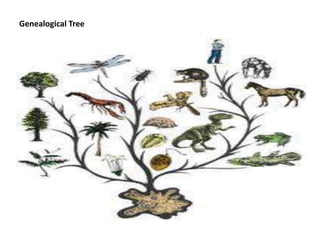
Tree/Stream Charts 
depicts development, growth 
and change by beginning with 
a single course which spread 
out into many branches.
Genealogical Tree
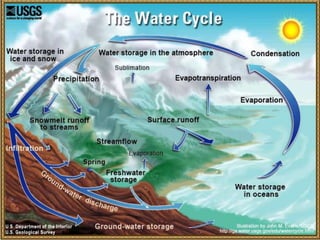
Flow Chart 
a visual way of charting or 
showing a process from 
beginning to end, this is a means 
of analyzing a process. This 
involves outlining every step in a 
process.
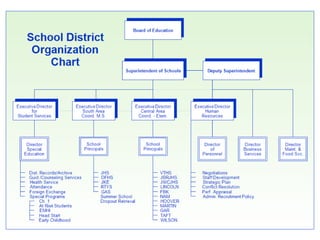
Organizational Chart 
this shows how one part 
of the organization relates 
to other parts of the 
organization.
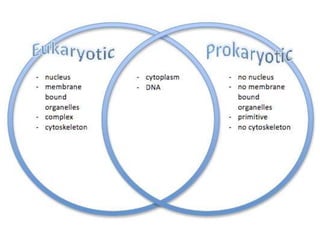
Comparison and 
Contrast Chart 
this is a chart in table form 
that shows the similarities and 
differences of two compared 
data or object.
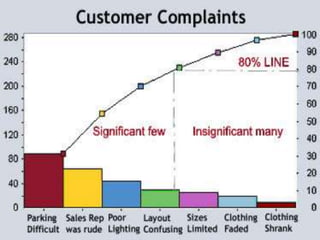
Pareto Chart 
a type of bar chart, prioritized 
in descending order of 
magnitude or importance from 
left to right
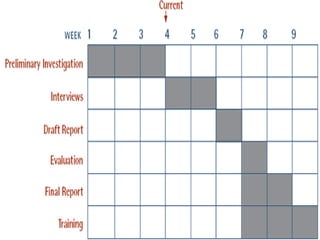
Gannt Chart 
this is an activity time chart 
which shows the days/period 
to do an activity and the 
activities to be done.
6. Graphs 
Images which come in varied 
forms that visually show data 
making one person seeing it 
compare.
Types of Graphs
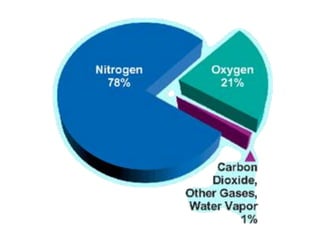
Pie or Circle Graph 
this type of graph is circle 
in form and is 
recommended to show 
parts of a whole.
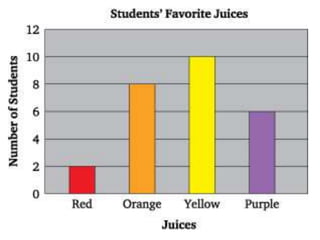
Bar Graph 
this type of graph is used in 
comparing the magnitude of 
similar items at different ties 
or seeing relative sizes of the 
parts of the whole.
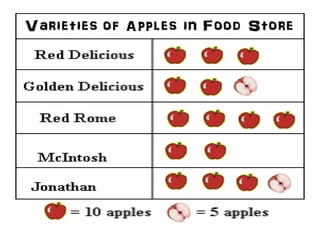
Pictograph 
this makes use of symbols or 
pictures which serves as 
representations of an amount 
or a number. The symbol or 
picture used is called a 
LEGEND.
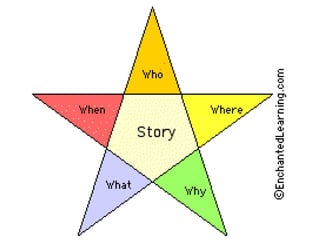
Graphic Organizers 
graphics that help in the 
organization of the content 
or the subject matter 
therefore making it easier 
to understand
7. Maps 
this is “a representation of 
the surface of the earth or 
some part of it…” (Dale, 
1969)
Kinds of Maps
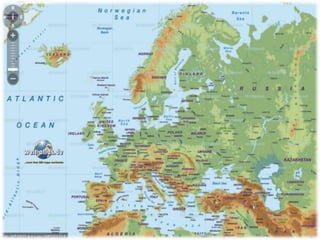
Physical Map 
combines in a singe 
projection data like altitude, 
temperature, rainfall, 
precipitation, vegetation and 
soil.
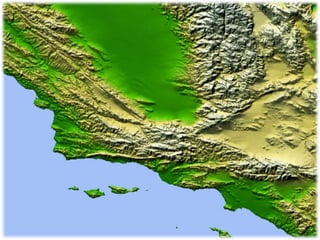
Relief Map 
a three-dimensional 
representation, this shows 
contours of the physical data 
of the earth or part of the 
earth
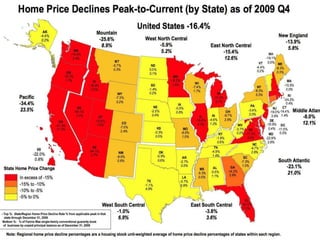
Economic Map 
also called COMMERCIAL 
MAP, this map shows land 
areas in relation to the 
economy
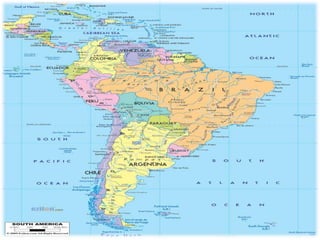
Political Map 
this map shows detailed 
information about countries, 
provinces, cities and towns 
and roads and highways. It 
also features oceans, rivers 
and lakes.
Map Language
Scale 
expressed in words and 
figures, this shows how much 
of the actual earth’s surface is 
represented by a given 
measurement on a map.
Symbols 
these are mere lines or 
traces which represent a 
certain feature. These are 
recognized by the LEGEND.
Colors 
these represent the place 
and its boundaries
Geographic Grids 
the entire system of these grids are 
called GRID LINES which are of two 
kinds: 
meridian – a north to south pole 
line 
parallel – lines drawn around a 
globe with all points along each 
line with an equal distance from 
the pole
Other Measurements 
LONGITUDE – the distance in 
degrees of any place east or 
west of the prime meridian 
LATITUDE – the distance in 
degrees of any place north or 
south of the equator
END OF LESSON 13 
Reporters: 
Arnie A. Valera 
Chariz Angel L. Arbol 
Christine Joy A. Tag at

Lesson 13 Teaching With Visual Symbols (EDUC Subject, can't remember)

  • 1.
    Lesson 13 Teaching with Visual Symbols
  • 2.
    “Visual Symbols willbe made meaningful if we can use them as summaries of our own direct experiences or our own rich indirect experiences… A little can stand for a lot!”
  • 3.
    Abstraction “…graphs and images are worth a thousand words…”
  • 4.
  • 5.
    1. Drawings maynot be the real thing but it is better to have a concrete visual aid than nothing. it is good that our drawing correctly represents the real thing to avoid confusion.
  • 7.
    2. Cartoons tellsa story metaphorically, a perfect cartoon needs no caption. The lesser the artist depends on words, the more effective the symbolism.
  • 9.
    3. Strip Drawings commonly called comics or comic strips, these tell of very short stories with pictures. These can serve as motivation and starter for the lesson.
  • 11.
    4. Diagram anyline drawing that shows arrangement and relations as of parts to the whole, relative values, origins and development, chronological fluctuations, distribution and many more.” (Dale, 1969)
  • 12.
  • 13.
    Affinity Diagram usedto cluster apparently unrelated data into natural and meaningful groups.
  • 15.
    Tree Diagram usedto chart out, in increasing detail, the various tasks that must be accomplished to complete a project or achieve an objective.
  • 16.
    Possible Outcomes WhenThree Coins are Tossed
  • 17.
    Fishbone Diagram alsocalled cause-and-effect diagram, it is a structured form of brainstorming that graphically shows the relationship of possible causes to identify effect or solution
  • 18.
    Fishbone Diagram ofthe Causes of Blurry Photos
  • 19.
    5. Charts adiagrammatic representation of relationships among individuals within an organization.
  • 20.
  • 21.
    Time Chart atabular time chart that presents data in ordinal sequence
  • 22.
  • 23.
    Tree/Stream Charts depictsdevelopment, growth and change by beginning with a single course which spread out into many branches.
  • 24.
  • 25.
    Flow Chart avisual way of charting or showing a process from beginning to end, this is a means of analyzing a process. This involves outlining every step in a process.
  • 27.
    Organizational Chart thisshows how one part of the organization relates to other parts of the organization.
  • 29.
    Comparison and ContrastChart this is a chart in table form that shows the similarities and differences of two compared data or object.
  • 31.
    Pareto Chart atype of bar chart, prioritized in descending order of magnitude or importance from left to right
  • 33.
    Gannt Chart thisis an activity time chart which shows the days/period to do an activity and the activities to be done.
  • 35.
    6. Graphs Imageswhich come in varied forms that visually show data making one person seeing it compare.
  • 36.
  • 37.
    Pie or CircleGraph this type of graph is circle in form and is recommended to show parts of a whole.
  • 39.
    Bar Graph thistype of graph is used in comparing the magnitude of similar items at different ties or seeing relative sizes of the parts of the whole.
  • 41.
    Pictograph this makesuse of symbols or pictures which serves as representations of an amount or a number. The symbol or picture used is called a LEGEND.
  • 43.
    Graphic Organizers graphicsthat help in the organization of the content or the subject matter therefore making it easier to understand
  • 45.
    7. Maps thisis “a representation of the surface of the earth or some part of it…” (Dale, 1969)
  • 46.
  • 47.
    Physical Map combinesin a singe projection data like altitude, temperature, rainfall, precipitation, vegetation and soil.
  • 49.
    Relief Map athree-dimensional representation, this shows contours of the physical data of the earth or part of the earth
  • 51.
    Economic Map alsocalled COMMERCIAL MAP, this map shows land areas in relation to the economy
  • 53.
    Political Map thismap shows detailed information about countries, provinces, cities and towns and roads and highways. It also features oceans, rivers and lakes.
  • 55.
  • 56.
    Scale expressed inwords and figures, this shows how much of the actual earth’s surface is represented by a given measurement on a map.
  • 57.
    Symbols these aremere lines or traces which represent a certain feature. These are recognized by the LEGEND.
  • 58.
    Colors these representthe place and its boundaries
  • 59.
    Geographic Grids theentire system of these grids are called GRID LINES which are of two kinds: meridian – a north to south pole line parallel – lines drawn around a globe with all points along each line with an equal distance from the pole
  • 60.
    Other Measurements LONGITUDE– the distance in degrees of any place east or west of the prime meridian LATITUDE – the distance in degrees of any place north or south of the equator
  • 61.
    END OF LESSON13 Reporters: Arnie A. Valera Chariz Angel L. Arbol Christine Joy A. Tag at