

WEL-COME
WELCOME
TO
SEMINAR
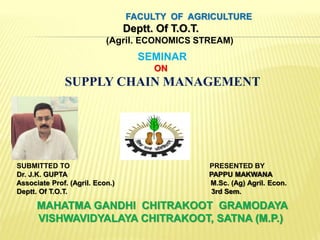
FACULTY OF AGRICULTURE
Deptt. Of T.O.T.
(Agril. ECONOMICS STREAM)
SEMINAR
ON
SUPPLY CHAIN MANAGEMENT
SUBMITTED TO PRESENTED BY
Dr. J.K. GUPTA PAPPU MAKWANA
Associate Prof. (Agril. Econ.) M.Sc. (Ag) Agril. Econ.
Deptt. Of T.O.T. 3rd Sem.
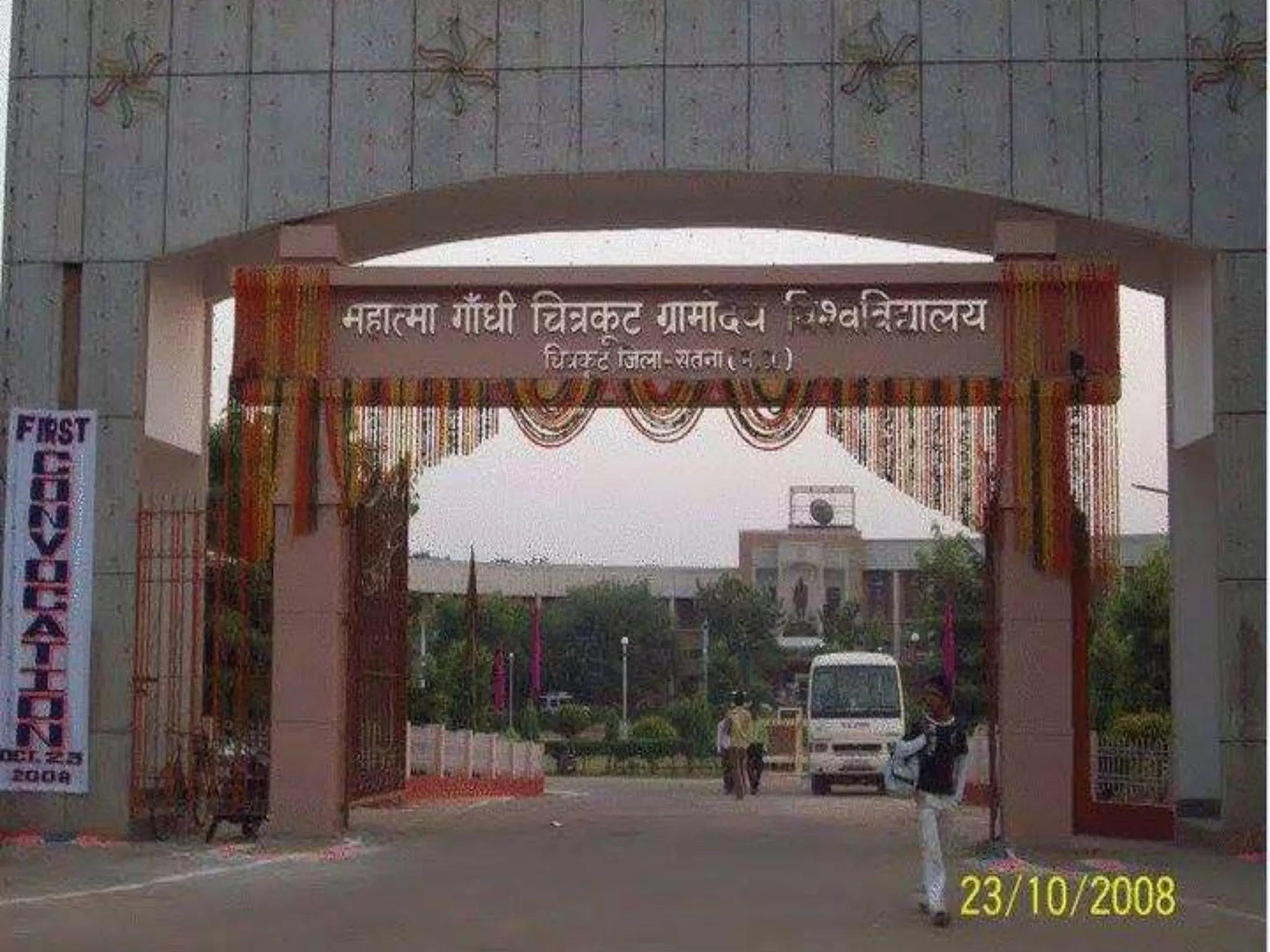
MAHATMA GANDHI CHITRAKOOT GRAMODAYA
VISHWAVIDYALAYA CHITRAKOOT, SATNA (M.P.)
CONTENT
1. INTRODUCTION
2. MEANING
3. DEFINITION.
4. DIFFERENT MARKETING CHANNELS .
5. IMPORTANCE OF SUPPLY CHAIN MANAGEMENT .
6. FACTOR AFFECTING OF MARKETING CHANNELS.
7. CONCULSION
Supply chain management (SCM)
Introduction
Supply chain management concept is being used by
organized retail chains as well as exporters. Supply chain
management (SCM) refers to the management of the entire
set of production, distribution and marketing processes by
which a consumer is supplied with a desired product. The
supply chain activities start from selection of varieties for
demand driven marketing and end with the supply of the
commodity to the consumers with higher satisfaction at lower
prices.
MEANING OF SUPPLY CHAIN MANAGEMENT –
Marketing channels are routes through which agriculture
products move from producers to consumers. The length of
the channel varies from commodity to commodity , depending
on thee quantity to be moved. The form of consumer demand
and degree of regional specialization in production.
DEFINITION-
A/C TO Moore- The chain of intermediaries through whom the
various food grain’s pass from producers to consumers
constitutes their marketing channels.
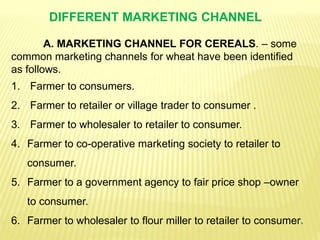
DIFFERENT MARKETING CHANNEL
A. MARKETING CHANNEL FOR CEREALS. – some
common marketing channels for wheat have been identified
as follows.
1. Farmer to consumers.
2. Farmer to retailer or village trader to consumer .
3. Farmer to wholesaler to retailer to consumer.
4. Farmer to co-operative marketing society to retailer to
consumer.
5. Farmer to a government agency to fair price shop –owner
to consumer.
6. Farmer to wholesaler to flour miller to retailer to consumer.
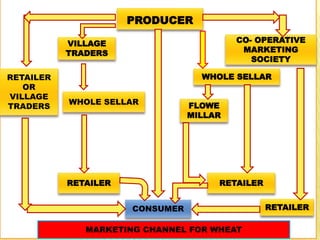
PRODUCER
CO- OPERATIVE
MARKETING
SOCIETY
WHOLE SELLAR
RETAILER
RETAILERCONSUMER
RETAILER
OR
VILLAGE
TRADERS
VILLAGE
TRADERS
WHOLE SELLAR
RETAILER
FLOWE
MILLAR
MARKETING CHANNEL FOR WHEAT
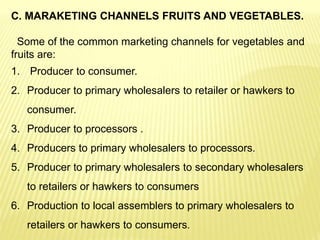
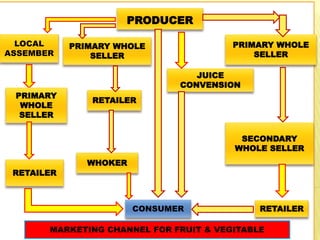
C. MARAKETING CHANNELS FRUITS AND VEGETABLES.
Some of the common marketing channels for vegetables and
fruits are:
1. Producer to consumer.
2. Producer to primary wholesalers to retailer or hawkers to
consumer.
3. Producer to processors .
4. Producers to primary wholesalers to processors.
5. Producer to primary wholesalers to secondary wholesalers
to retailers or hawkers to consumers
6. Production to local assemblers to primary wholesalers to
retailers or hawkers to consumers.
PRODUCER
PRIMARY WHOLE
SELLER
JUICE
CONVENSION
RETAILERCONSUMER
PRIMARY WHOLE
SELLER
RETAILER
WHOKER
MARKETING CHANNEL FOR FRUIT & VEGITABLE
SECONDARY
WHOLE SELLER
LOCAL
ASSEMBER
PRIMARY
WHOLE
SELLER
RETAILER
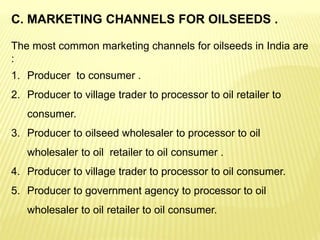
C. MARKETING CHANNELS FOR OILSEEDS .
The most common marketing channels for oilseeds in India are
:
1. Producer to consumer .
2. Producer to village trader to processor to oil retailer to
consumer.
3. Producer to oilseed wholesaler to processor to oil
wholesaler to oil retailer to oil consumer .
4. Producer to village trader to processor to oil consumer.
5. Producer to government agency to processor to oil
wholesaler to oil retailer to oil consumer.
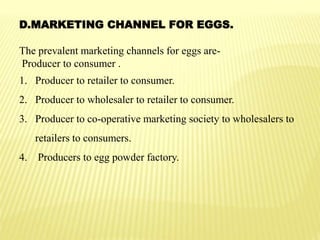
D.MARKETING CHANNEL FOR EGGS.
The prevalent marketing channels for eggs are-
Producer to consumer .
1. Producer to retailer to consumer.
2. Producer to wholesaler to retailer to consumer.
3. Producer to co-operative marketing society to wholesalers to
retailers to consumers.
4. Producers to egg powder factory.
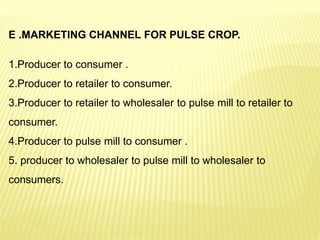
E .MARKETING CHANNEL FOR PULSE CROP.
1.Producer to consumer .
2.Producer to retailer to consumer.
3.Producer to retailer to wholesaler to pulse mill to retailer to
consumer.
4.Producer to pulse mill to consumer .
5. producer to wholesaler to pulse mill to wholesaler to
consumers.
IMPORTANCE OF SUPPLY CHAIN MANAGEMENT (SCM)
1. For perishable horticultural products (fruits , vegetables &
flowers).
2. For domestic and international marketing .
3. The supply chain management system in highly efficient in
the markets established by the organized corporate sector
companies.
4. For efficient management .
5. An efficient supply chain management is necessary for the
growers for increasing production and for the economy to
increase value addition and exports.
FACTORS AFFECTING OF LENGTH OF MARKETING
CHANNELS.
Marketing channel for agricultural products vary from product to
product . country to country. Lot to lot and time to time .
1. Factor related to products -
a. perishability of the product.
b. size of the product.
c. divisibility of product .
d. unit price of product .
2. company related factors –
a. company’s financial position.
b. product mix of company.
c. facilities and staff.
3. Factor related to middle man.
a. creditworthiness of middlemen.
b. attitudes of middlemen.
c. financial capacity of middlemen.
4. Factor related to competition –
a. intensity of competition.
b. company’s competitive position in market.
conclusion-
 India is bestowed with a vast network of markets and
infrastructural facilities but they lack proper linkages.
 In the absence of this ,producers of Horticultural product get
very low share in the price paid in the domestic market and
consumers have to pay high process.
 In the world market the credit for Indian products is poor due
to loss in quality In transit because of poor SCM of exports.
 A fully integrated approach will better improve
communication and minimize gaps in information flow among
all the parties and department involved.
THANK
YOU…

SUPPLY CHAIN MANAGEMENT

  • 1.
  • 2.
  • 3.
    FACULTY OF AGRICULTURE Deptt.Of T.O.T. (Agril. ECONOMICS STREAM) SEMINAR ON SUPPLY CHAIN MANAGEMENT SUBMITTED TO PRESENTED BY Dr. J.K. GUPTA PAPPU MAKWANA Associate Prof. (Agril. Econ.) M.Sc. (Ag) Agril. Econ. Deptt. Of T.O.T. 3rd Sem. MAHATMA GANDHI CHITRAKOOT GRAMODAYA VISHWAVIDYALAYA CHITRAKOOT, SATNA (M.P.)
  • 4.
    CONTENT 1. INTRODUCTION 2. MEANING 3.DEFINITION. 4. DIFFERENT MARKETING CHANNELS . 5. IMPORTANCE OF SUPPLY CHAIN MANAGEMENT . 6. FACTOR AFFECTING OF MARKETING CHANNELS. 7. CONCULSION
  • 5.
    Supply chain management(SCM) Introduction Supply chain management concept is being used by organized retail chains as well as exporters. Supply chain management (SCM) refers to the management of the entire set of production, distribution and marketing processes by which a consumer is supplied with a desired product. The supply chain activities start from selection of varieties for demand driven marketing and end with the supply of the commodity to the consumers with higher satisfaction at lower prices.
  • 6.
    MEANING OF SUPPLYCHAIN MANAGEMENT – Marketing channels are routes through which agriculture products move from producers to consumers. The length of the channel varies from commodity to commodity , depending on thee quantity to be moved. The form of consumer demand and degree of regional specialization in production. DEFINITION- A/C TO Moore- The chain of intermediaries through whom the various food grain’s pass from producers to consumers constitutes their marketing channels.
  • 7.
    DIFFERENT MARKETING CHANNEL A.MARKETING CHANNEL FOR CEREALS. – some common marketing channels for wheat have been identified as follows. 1. Farmer to consumers. 2. Farmer to retailer or village trader to consumer . 3. Farmer to wholesaler to retailer to consumer. 4. Farmer to co-operative marketing society to retailer to consumer. 5. Farmer to a government agency to fair price shop –owner to consumer. 6. Farmer to wholesaler to flour miller to retailer to consumer.
  • 8.
  • 9.
    C. MARAKETING CHANNELSFRUITS AND VEGETABLES. Some of the common marketing channels for vegetables and fruits are: 1. Producer to consumer. 2. Producer to primary wholesalers to retailer or hawkers to consumer. 3. Producer to processors . 4. Producers to primary wholesalers to processors. 5. Producer to primary wholesalers to secondary wholesalers to retailers or hawkers to consumers 6. Production to local assemblers to primary wholesalers to retailers or hawkers to consumers.
  • 10.
    PRODUCER PRIMARY WHOLE SELLER JUICE CONVENSION RETAILERCONSUMER PRIMARY WHOLE SELLER RETAILER WHOKER MARKETINGCHANNEL FOR FRUIT & VEGITABLE SECONDARY WHOLE SELLER LOCAL ASSEMBER PRIMARY WHOLE SELLER RETAILER
  • 11.
    C. MARKETING CHANNELSFOR OILSEEDS . The most common marketing channels for oilseeds in India are : 1. Producer to consumer . 2. Producer to village trader to processor to oil retailer to consumer. 3. Producer to oilseed wholesaler to processor to oil wholesaler to oil retailer to oil consumer . 4. Producer to village trader to processor to oil consumer. 5. Producer to government agency to processor to oil wholesaler to oil retailer to oil consumer.
  • 12.
    D.MARKETING CHANNEL FOREGGS. The prevalent marketing channels for eggs are- Producer to consumer . 1. Producer to retailer to consumer. 2. Producer to wholesaler to retailer to consumer. 3. Producer to co-operative marketing society to wholesalers to retailers to consumers. 4. Producers to egg powder factory.
  • 13.
    E .MARKETING CHANNELFOR PULSE CROP. 1.Producer to consumer . 2.Producer to retailer to consumer. 3.Producer to retailer to wholesaler to pulse mill to retailer to consumer. 4.Producer to pulse mill to consumer . 5. producer to wholesaler to pulse mill to wholesaler to consumers.
  • 14.
    IMPORTANCE OF SUPPLYCHAIN MANAGEMENT (SCM) 1. For perishable horticultural products (fruits , vegetables & flowers). 2. For domestic and international marketing . 3. The supply chain management system in highly efficient in the markets established by the organized corporate sector companies. 4. For efficient management . 5. An efficient supply chain management is necessary for the growers for increasing production and for the economy to increase value addition and exports.
  • 15.
    FACTORS AFFECTING OFLENGTH OF MARKETING CHANNELS. Marketing channel for agricultural products vary from product to product . country to country. Lot to lot and time to time . 1. Factor related to products - a. perishability of the product. b. size of the product. c. divisibility of product . d. unit price of product . 2. company related factors – a. company’s financial position. b. product mix of company. c. facilities and staff.
  • 16.
    3. Factor relatedto middle man. a. creditworthiness of middlemen. b. attitudes of middlemen. c. financial capacity of middlemen. 4. Factor related to competition – a. intensity of competition. b. company’s competitive position in market.
  • 17.
    conclusion-  India isbestowed with a vast network of markets and infrastructural facilities but they lack proper linkages.  In the absence of this ,producers of Horticultural product get very low share in the price paid in the domestic market and consumers have to pay high process.  In the world market the credit for Indian products is poor due to loss in quality In transit because of poor SCM of exports.  A fully integrated approach will better improve communication and minimize gaps in information flow among all the parties and department involved.
  • 18.