Streptococcus pneumoniae
Presented by-
Md. Masud Rana
Characteristics
 First isolated simultaneously and independently by the U.S.
Army physician George Sternberg and the French chemist Louis Pasteur.
 Gram-positive, alpha-hemolytic, facultative anaerobic member of
the genus Streptococcus.
 Major cause of pneumonia in the late 19th century.
Incubation period of pneumococcal pneumonia is short about 1 to 3 days.
 Rapidly diagnosed by collecting sputum specimens.
Catalase test negative.
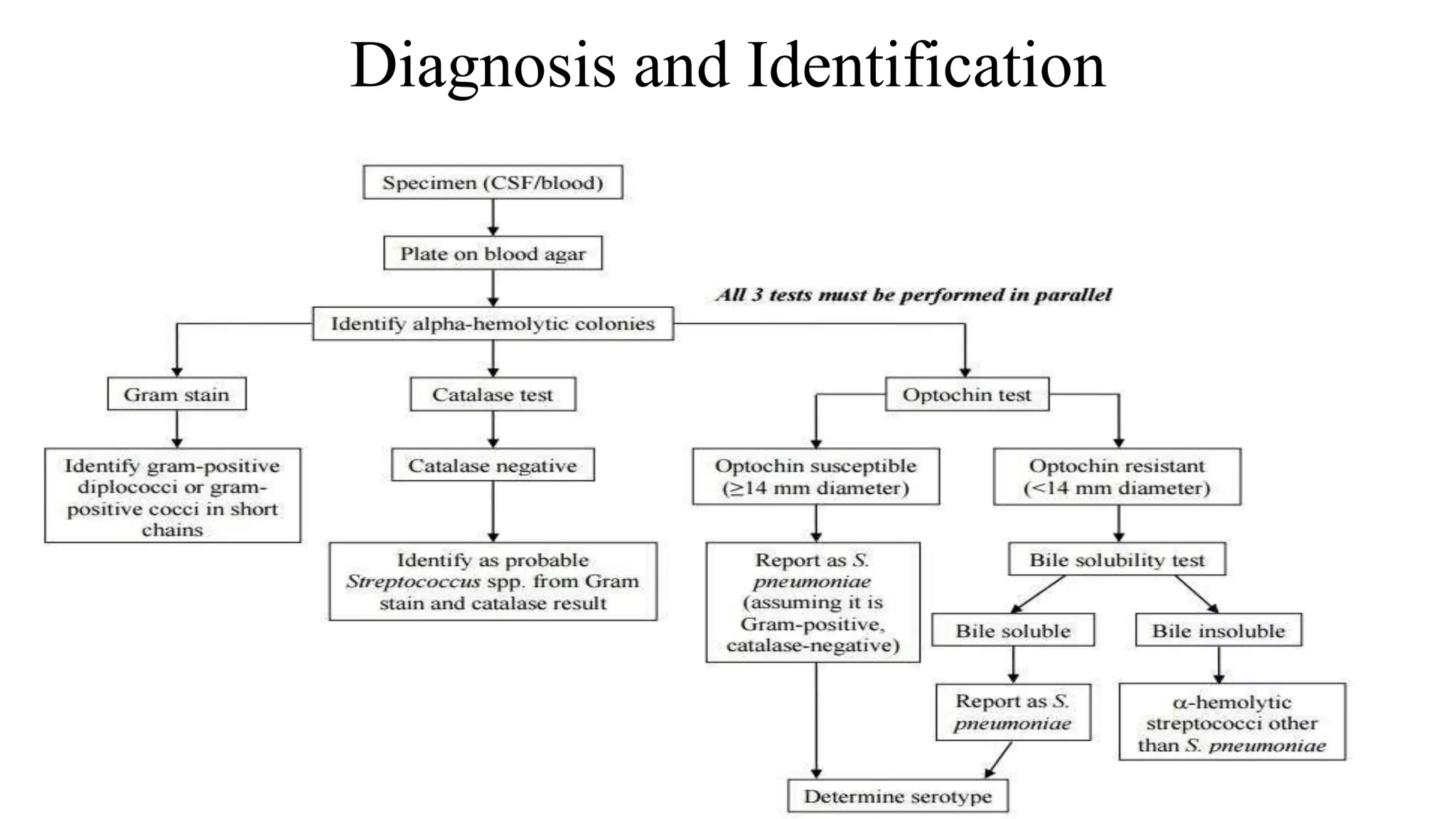
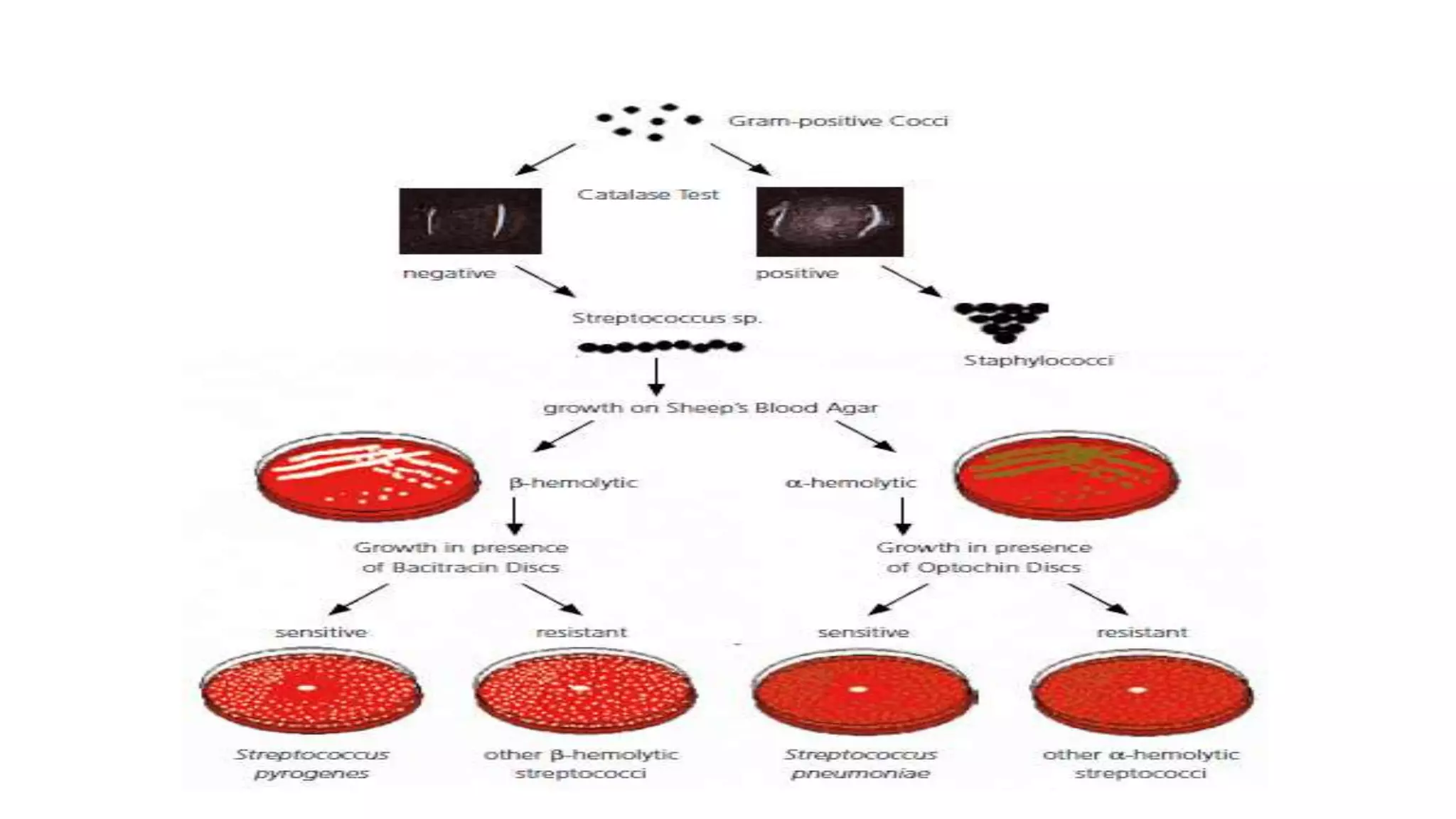
Diagnosis and Identification
QUELLUNG REACTION
Virulence factor
 Pneumolysin
• Binds cholesterol
• Forms pores
• Impair phagocytes
• Contribute to lung damage
PspA- function unknown
SpsA- binds secretory chain of sIgA
PsaA- adherence to pneumocytes
CbpA- binds choline
Virulence factor
Virulence factor
 Capsule
• Complex polysaccharide
• Anti phagocytic
 Cell wall components
• Inflammation
• Peptidoglycan fragments
• Interaction with meninges
Pathogenesis & Disease
Pneumonia
Sign and Symptoms
 Symptoms of pneumococcal disease depend on the part of the body
that is infected. They can include-
• fever
• cough
• shortness of breath
• chest pain
• stiff neck
• confusion and disorientation
• sensitivity to light
• joint pain, chills, ear pain, sleeplessness, and irritability.
• In severe cases cause hearing loss, brain damage, and death.
Epidemiology
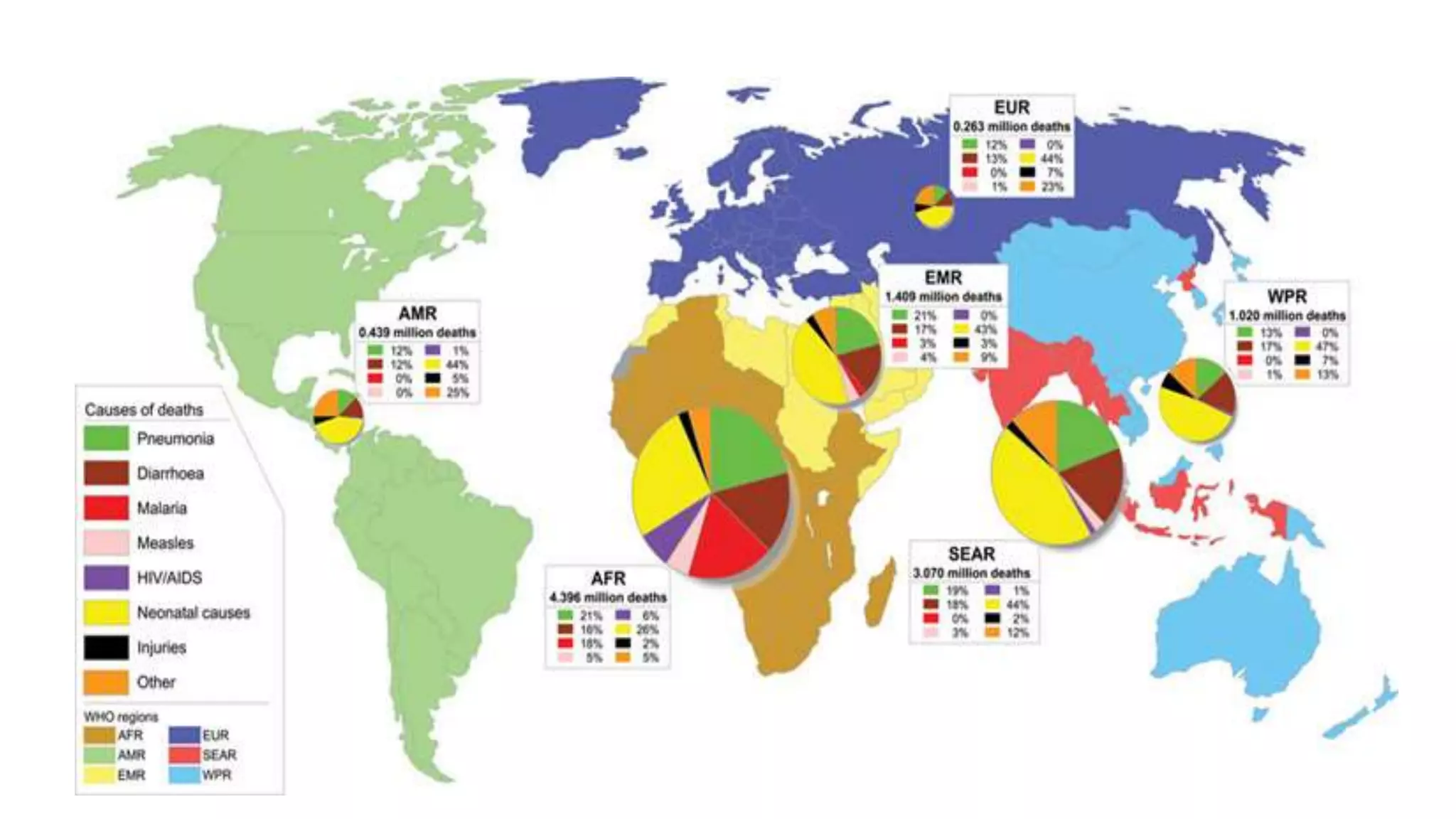
• The African Region has the highest burden of global child mortality
• About 45% of global under-5 deaths
• 50% of worldwide deaths from pneumonia in this age group
• Less than 2% of these deaths take place in the European Region
• Less than 3% in the Region of the Americas
• More than 90% of all deaths due to pneumonia in children aged less
than 5 years take place in 40 countries
• According to the official estimates from WHO for the year 2000, two-
thirds of all these deaths are concentrated in just 10 countries.
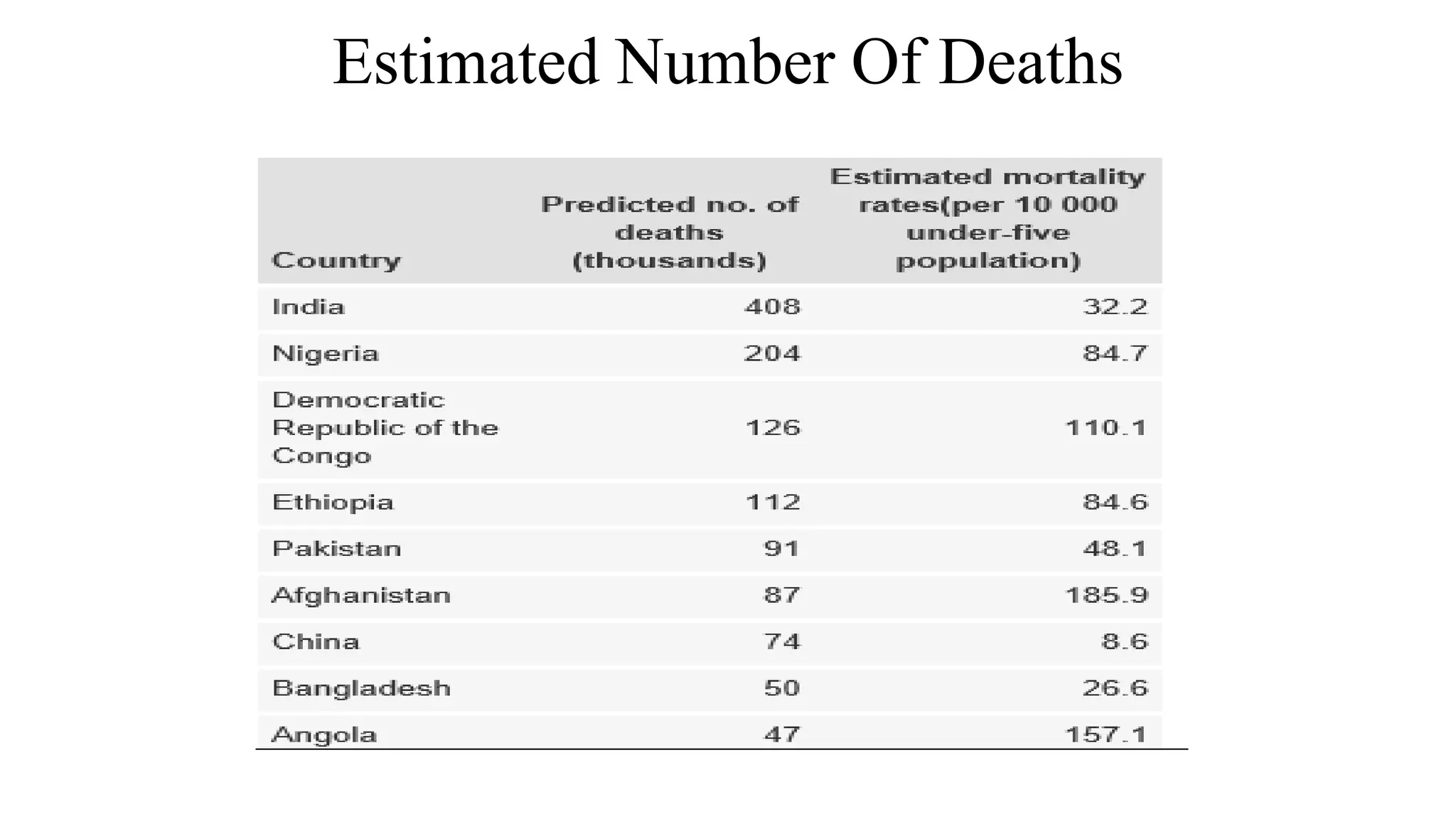
Estimated Number Of Deaths
 Burden of Pneumococcal infections among under five children
Result-
• Around 30% of the sample respondents had Pneumonia
• 17% had Severe Pneumonia
• 26% had been affected by Meningitis
• The rest had been suffering from Sepsis
• Mother’s higher education level had been linked up with the reduction of
Pneumonia
• Mean difference of Nature of fuel used for cooking, weight and weight for age
were significantly differ among children with pneumococcal and non-
Pneumococcal infection groups.
Epidemiology In Bangladesh
Risk Factors
 Risk factors related to the host and the environment that affect incidence of
childhood clinical pneumonia in the community in developing countries
zz
Definite risk factors
Malnutrition
Low birth weight (≤ 2500 g)
Non-exclusive breastfeeding (during the first 4 months of life)
Indoor air pollution
Crowding
Likely risk factors
smoking
Zinc deficiency
Concomitant diseases (e.g. diarrhoea, heart disease, asthma)
Possible risk factors
Mother’s education
Rainfall (humidity)
Vitamin A deficiency
Outdoor air pollution
Transmission
 Pneumococcal bacteria spread from-
o-person-to-person by direct contact with respiratory secretions
o-sneezing
o-coughing
o-Many people have the bacteria in their nose or throat without being
ill. When immune system is impaired the symptoms of infection will
manifest.
Prevention and Treatment
 Antibiotics
• Penicillin only for susceptible pneumonia
• Some strain multidrug-resistant
 Vaccine
• Capsular vaccine-poorly immunogenic in elder
 New vaccine-protein conjugated to capsular serotypes
 Future vaccine-
-mixture of surface protein
-pneumolysin
-pspA DNA vaccine
Passive immunization-injection of anti-capsular antibodies from
Another source
SHOW IS OVER
Summary-
Please keep your environment clean ,
make your generation healthy & wealthy

Streptococcus pneumoniae

  • 1.
  • 2.
    Characteristics  First isolatedsimultaneously and independently by the U.S. Army physician George Sternberg and the French chemist Louis Pasteur.  Gram-positive, alpha-hemolytic, facultative anaerobic member of the genus Streptococcus.  Major cause of pneumonia in the late 19th century. Incubation period of pneumococcal pneumonia is short about 1 to 3 days.  Rapidly diagnosed by collecting sputum specimens. Catalase test negative.
  • 3.
  • 4.
  • 6.
    Virulence factor  Pneumolysin •Binds cholesterol • Forms pores • Impair phagocytes • Contribute to lung damage PspA- function unknown SpsA- binds secretory chain of sIgA PsaA- adherence to pneumocytes CbpA- binds choline
  • 7.
  • 8.
    Virulence factor  Capsule •Complex polysaccharide • Anti phagocytic  Cell wall components • Inflammation • Peptidoglycan fragments • Interaction with meninges
  • 9.
  • 10.
  • 11.
    Sign and Symptoms Symptoms of pneumococcal disease depend on the part of the body that is infected. They can include- • fever • cough • shortness of breath • chest pain • stiff neck • confusion and disorientation • sensitivity to light • joint pain, chills, ear pain, sleeplessness, and irritability. • In severe cases cause hearing loss, brain damage, and death.
  • 12.
    Epidemiology • The AfricanRegion has the highest burden of global child mortality • About 45% of global under-5 deaths • 50% of worldwide deaths from pneumonia in this age group • Less than 2% of these deaths take place in the European Region • Less than 3% in the Region of the Americas • More than 90% of all deaths due to pneumonia in children aged less than 5 years take place in 40 countries • According to the official estimates from WHO for the year 2000, two- thirds of all these deaths are concentrated in just 10 countries.
  • 14.
  • 15.
     Burden ofPneumococcal infections among under five children Result- • Around 30% of the sample respondents had Pneumonia • 17% had Severe Pneumonia • 26% had been affected by Meningitis • The rest had been suffering from Sepsis • Mother’s higher education level had been linked up with the reduction of Pneumonia • Mean difference of Nature of fuel used for cooking, weight and weight for age were significantly differ among children with pneumococcal and non- Pneumococcal infection groups. Epidemiology In Bangladesh
  • 16.
    Risk Factors  Riskfactors related to the host and the environment that affect incidence of childhood clinical pneumonia in the community in developing countries zz Definite risk factors Malnutrition Low birth weight (≤ 2500 g) Non-exclusive breastfeeding (during the first 4 months of life) Indoor air pollution Crowding Likely risk factors smoking Zinc deficiency Concomitant diseases (e.g. diarrhoea, heart disease, asthma) Possible risk factors Mother’s education Rainfall (humidity) Vitamin A deficiency Outdoor air pollution
  • 17.
    Transmission  Pneumococcal bacteriaspread from- o-person-to-person by direct contact with respiratory secretions o-sneezing o-coughing o-Many people have the bacteria in their nose or throat without being ill. When immune system is impaired the symptoms of infection will manifest.
  • 18.
    Prevention and Treatment Antibiotics • Penicillin only for susceptible pneumonia • Some strain multidrug-resistant  Vaccine • Capsular vaccine-poorly immunogenic in elder  New vaccine-protein conjugated to capsular serotypes  Future vaccine- -mixture of surface protein -pneumolysin -pspA DNA vaccine Passive immunization-injection of anti-capsular antibodies from Another source
  • 19.
    SHOW IS OVER Summary- Pleasekeep your environment clean , make your generation healthy & wealthy