School of Medical Laboratory Sciences
Department of Microbiology
Medical Bacteriology course
shigella
Dr.Mahadi Hassan Mahmoud
mahadi2010sd@yahoo.com
phD- Microiology
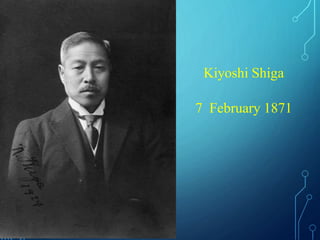
Kiyoshi Shiga
7 February 1871
Historical information
• Discovered over 100 years ago by a
• Japanese scientist named Kiyoshi Shiga,
• Since its discovery, there have been several
epidemics of shigellosis (caused by the S.
dysenteriae bacterium
• Outbreak in the Mexican-Guatemalan border
caused the deaths of 20,000 people
Reservoirs:
Human intestines are the
natural habitat and reservoir for
Shigella ,
thus the bacteria are present
in the stools of an infected
person up to a week or two
after the alleviation of
Morphology
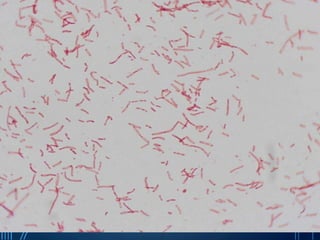
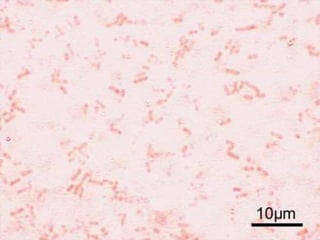
Shigellae are Gram negative, rods.
Unlike salmonellae and many other
enterobacteria, shigellae are non-motile.
Non-sporing
Noncapsulate
Subgroup A: Shigella dysenteriae
Contains 12 distinct serotypes
Serotype 1 was formerly called S. shiga
Serotype 2 was formerly called S. schmitzii
Subgroup B: Shigella flexneri
Contains 6 related serotypes and 4 serotypes
divided into subserotypes.
Subgroup C: Shigella boydii Contains 18
distinct serotypes Subgroup D: Shigella
sonnei Contains one serotype
Medically Important spp
Culture &chaacteristics:
Shigellae are aerobes and facultative
anaerobes.
They grow between 10–45 ºC with an
optimum temperature of 37 ºC.
Specimens must be cultured with the
minimum of delay.
A selective medium is required to
isolate Shigella species from faeces.
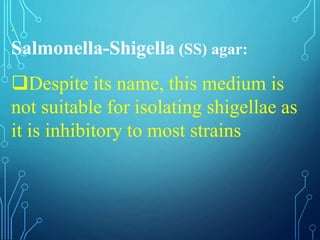
XLD agar: Shigellae produce red-
pink
colonies, 2–4 mm in diameter,
without black centres
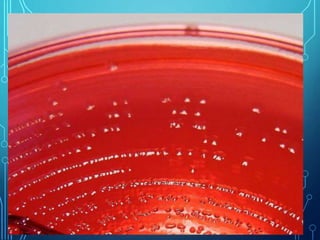
DCA and MacConkey agar:
Shigellae
produce non-lactose fermenting pale
coloured 1–2 mm diameter colonies.
On prolonged incubation, S. sonnei
forms pink colonies
.
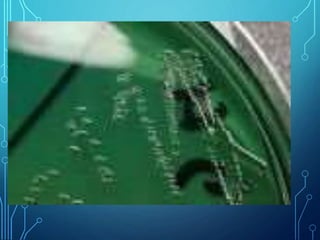
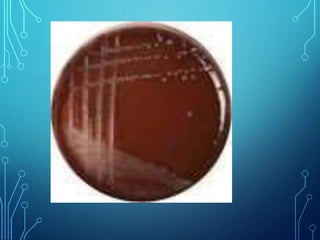
Salmonella-Shigella (SS) agar:
Despite its name, this medium is
not suitable for isolating shigellae as
it is inhibitory to most strains
Routes of transmission
Faecal-oral route with poor sanitation,
unhygienic conditions, overcrowding,
facilitating the rapid spread of infection.
Only a few organisms are required to
cause disease.
Houseflies help to transfer shigellae
from faeces to food. The
Reactions of shigellae
● Lactose negative (S. sonnei is a late lactose and
sucrose fermenter)
● H2S negative
● Urease negative
● Oxidase negative
● Citrate negative
● Lysine decarboxylase (LDC) negative
● Ornithine decarboxylase (ODC) negative except
S. sonnei which is ODC positive
● Beta-galactosidase (ONPG) negative. S. sonnei
and up to 15% of Sd 1 strains and minority of
S. boydii strains are ONPG positive
Colicins are bactericidal macromolecules
which have narrow spectrum activity and they
are produced by Sh.sonneii (16)
colicins kill sensitive bacteria in 3 defined
steps :
1.Adsorption onto a specific receptor at the
surface of the bacterium.
2.Translocation across the outer membrane.
3.Killing activity.
Colicins typing
several toxins (endotoxin, enterotoxin, and
cytotoxin)
its ability to induce endocytosis into host cells, and
intracellular growth.
Each variation of the bacteria is able to penetrate
large intestine epithelial cells and multiply within.
S. dysenteriae, however, causes more severe
symptoms due to the production of the Shiga toxin.
This enables it to kill host cells by inhibiting protein
synthesis
VIRULENCE FACTORS
PATHOLOGY: SHIGELLOSISDeveloping countries:
Sh. flexneri is endemic (always present) in most
communities
Sh. dysenteriae type 1 often occurs in an epidemic pattern
These two species of Shigella generally produce the most
severe illness.
Developed countries:
Sh. sonnei is the most common and is the least virulent
Sh. boydii causes disease of intermediate severity is least
common, except in the Indian sub-continent.
Fecal-oral transmission
person-to-person, fomites, food, water,
Waterborne and water-washed
Infectious dose: low; as few as 10 cells to
infect
Incubation period: 1 to 7 days; typically,
1-3 days
Duration of illness:
untreated: severe symptoms for about two
weeks
Antibiotic treatment shortens illness and
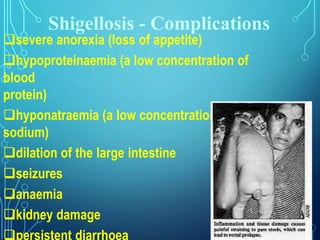
Shigellosis - Complications
severe anorexia (loss of appetite)
hypoproteinaemia (a low concentration of
blood
protein)
hyponatraemia (a low concentration of blood
sodium)
dilation of the large intestine
seizures
anaemia
kidney damage
Laboratory diagnosis
• Specimens:
• Collection of Spacimen
• Culture
• Identificaion
• Serology
• Molecular characterization
• -
• Ampicillin,
• Septra,
• Nalidixic acid
• Ciprofloxacin. Since many
• Shigella are becoming resistant to antibiotics, they
should be avoided as a means of treatment for mild
cases , as most will recover without help.
Antimicrobial suseptibility testing
Handwashing, especially after
defacation
Improved sanitation and hygiene
Improve water, waste
treatment/disposal and food sanitation
Reduce overcrowding, etc.
No effective vaccine
Prevention and Control:
THANKYOU FOR ATTENTION

.Shigella Dr. mahadi ppt

  • 1.
    School of MedicalLaboratory Sciences Department of Microbiology Medical Bacteriology course shigella Dr.Mahadi Hassan Mahmoud mahadi2010sd@yahoo.com phD- Microiology
  • 2.
  • 3.
    Historical information • Discoveredover 100 years ago by a • Japanese scientist named Kiyoshi Shiga, • Since its discovery, there have been several epidemics of shigellosis (caused by the S. dysenteriae bacterium • Outbreak in the Mexican-Guatemalan border caused the deaths of 20,000 people
  • 4.
    Reservoirs: Human intestines arethe natural habitat and reservoir for Shigella , thus the bacteria are present in the stools of an infected person up to a week or two after the alleviation of
  • 5.
    Morphology Shigellae are Gramnegative, rods. Unlike salmonellae and many other enterobacteria, shigellae are non-motile. Non-sporing Noncapsulate
  • 8.
    Subgroup A: Shigelladysenteriae Contains 12 distinct serotypes Serotype 1 was formerly called S. shiga Serotype 2 was formerly called S. schmitzii Subgroup B: Shigella flexneri Contains 6 related serotypes and 4 serotypes divided into subserotypes. Subgroup C: Shigella boydii Contains 18 distinct serotypes Subgroup D: Shigella sonnei Contains one serotype Medically Important spp
  • 9.
    Culture &chaacteristics: Shigellae areaerobes and facultative anaerobes. They grow between 10–45 ºC with an optimum temperature of 37 ºC. Specimens must be cultured with the minimum of delay. A selective medium is required to isolate Shigella species from faeces.
  • 10.
    XLD agar: Shigellaeproduce red- pink colonies, 2–4 mm in diameter, without black centres DCA and MacConkey agar: Shigellae produce non-lactose fermenting pale coloured 1–2 mm diameter colonies. On prolonged incubation, S. sonnei forms pink colonies
  • 11.
    . Salmonella-Shigella (SS) agar: Despiteits name, this medium is not suitable for isolating shigellae as it is inhibitory to most strains
  • 15.
    Routes of transmission Faecal-oralroute with poor sanitation, unhygienic conditions, overcrowding, facilitating the rapid spread of infection. Only a few organisms are required to cause disease. Houseflies help to transfer shigellae from faeces to food. The
  • 16.
    Reactions of shigellae ●Lactose negative (S. sonnei is a late lactose and sucrose fermenter) ● H2S negative ● Urease negative ● Oxidase negative ● Citrate negative ● Lysine decarboxylase (LDC) negative ● Ornithine decarboxylase (ODC) negative except S. sonnei which is ODC positive ● Beta-galactosidase (ONPG) negative. S. sonnei and up to 15% of Sd 1 strains and minority of S. boydii strains are ONPG positive
  • 17.
    Colicins are bactericidalmacromolecules which have narrow spectrum activity and they are produced by Sh.sonneii (16) colicins kill sensitive bacteria in 3 defined steps : 1.Adsorption onto a specific receptor at the surface of the bacterium. 2.Translocation across the outer membrane. 3.Killing activity. Colicins typing
  • 18.
    several toxins (endotoxin,enterotoxin, and cytotoxin) its ability to induce endocytosis into host cells, and intracellular growth. Each variation of the bacteria is able to penetrate large intestine epithelial cells and multiply within. S. dysenteriae, however, causes more severe symptoms due to the production of the Shiga toxin. This enables it to kill host cells by inhibiting protein synthesis VIRULENCE FACTORS
  • 19.
    PATHOLOGY: SHIGELLOSISDeveloping countries: Sh.flexneri is endemic (always present) in most communities Sh. dysenteriae type 1 often occurs in an epidemic pattern These two species of Shigella generally produce the most severe illness. Developed countries: Sh. sonnei is the most common and is the least virulent Sh. boydii causes disease of intermediate severity is least common, except in the Indian sub-continent.
  • 20.
    Fecal-oral transmission person-to-person, fomites,food, water, Waterborne and water-washed Infectious dose: low; as few as 10 cells to infect Incubation period: 1 to 7 days; typically, 1-3 days Duration of illness: untreated: severe symptoms for about two weeks Antibiotic treatment shortens illness and
  • 21.
    Shigellosis - Complications severeanorexia (loss of appetite) hypoproteinaemia (a low concentration of blood protein) hyponatraemia (a low concentration of blood sodium) dilation of the large intestine seizures anaemia kidney damage
  • 22.
    Laboratory diagnosis • Specimens: •Collection of Spacimen • Culture • Identificaion • Serology • Molecular characterization • -
  • 23.
    • Ampicillin, • Septra, •Nalidixic acid • Ciprofloxacin. Since many • Shigella are becoming resistant to antibiotics, they should be avoided as a means of treatment for mild cases , as most will recover without help. Antimicrobial suseptibility testing
  • 24.
    Handwashing, especially after defacation Improvedsanitation and hygiene Improve water, waste treatment/disposal and food sanitation Reduce overcrowding, etc. No effective vaccine Prevention and Control:
  • 25.