ECMO & REBOA:
ADVANCES IN TREATMENT
Joseph Shiber, MD, FACP, FACEP, FCCM
Associate Professor
Director ECMO Service & Co-Director NSICU
Emergency Medicine, Neurology, and Surgery
UF College of Medicine - Jacksonville
ECMO Background: since 1972 Adults
• ECMO does NOT fix anything BUT allows time for treatment
• Sometimes Time is the Treatment
• VA for pulmonary & cardiac support
• VV pulmonary: true “lung rest” to allow recovery
• Ultraprotective MV: not relying on lung for gas exchange
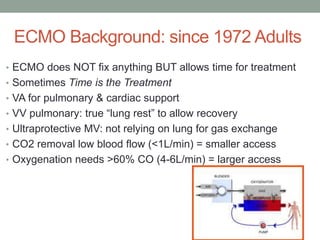
• CO2 removal low blood flow (<1L/min) = smaller access
• Oxygenation needs >60% CO (4-6L/min) = larger access
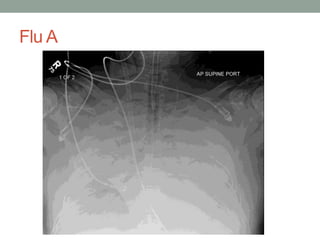
Flu A
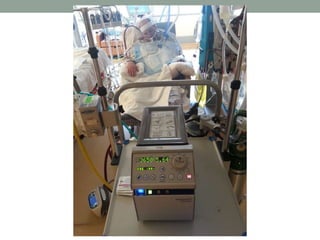
ECMO
• Dual Heart-Lung “bypass” parallel or Only Lung serial
• Lung Rest: ARDS, Asthma/COPD, lung trauma, air leak
• Heart: MI, PE, Blunt Cardiac Injury, Myocarditis, eCPR
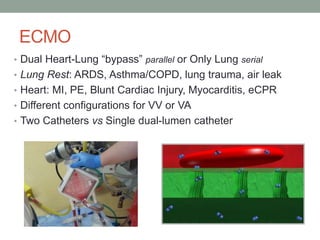
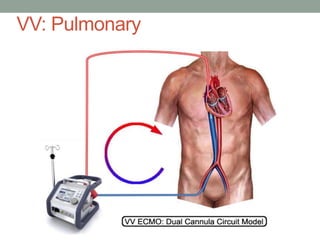
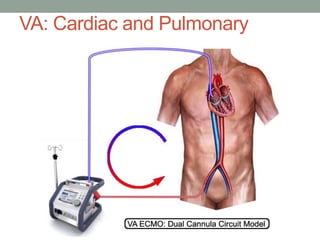
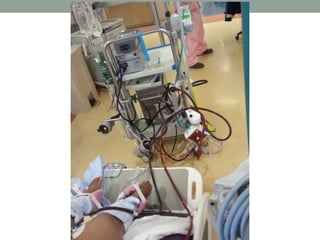
• Different configurations for VV or VA
• Two Catheters vs Single dual-lumen catheter
VV: Pulmonary
VA: Cardiac and Pulmonary
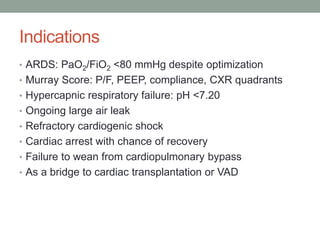
Indications
• ARDS: PaO2/FiO2 <80 mmHg despite optimization
• Murray Score: P/F, PEEP, compliance, CXR quadrants
• Hypercapnic respiratory failure: pH <7.20
• Ongoing large air leak
• Refractory cardiogenic shock
• Cardiac arrest with chance of recovery
• Failure to wean from cardiopulmonary bypass
• As a bridge to cardiac transplantation or VAD
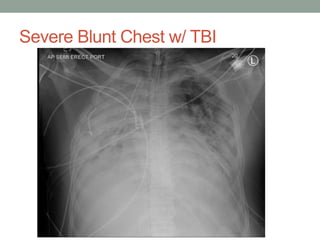
Severe Blunt Chest w/ TBI
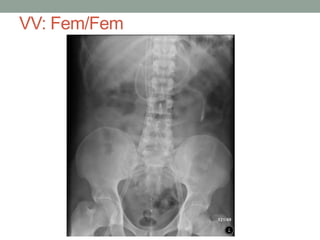
VV: Fem/Fem
Contraindications
• If the cause is irreversible
• Anticoagulation is contraindicated: bleeding, TBI, ICH
• Respiratory failure: on MV>10 D = poor outcome
• For cardiac failure, if VAD or transplant is contraindicated
• May exclude: advanced age, morbid obesity, neurologic
dysfunction, poor preexisting functional status
Outcomes
• Mortality severe ARDS 40-60% w/ ECMO reduced to 25%
• Referral to an ECMO center significantly improves recovery
and survival from severe ARDS!
• 15-25% of patients improve and recover without ECMO
• It is recommended that adult patients with severe ARDS
be referred to an ECMO center, assuming that there are
no contraindications
• Survival w/ GOOD Neuro Fxn s/p Cardiac Arrest ~ 1 - 2% but
~12% w/ ECMO
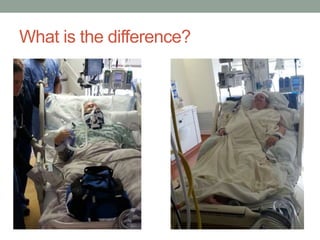
What is the difference?
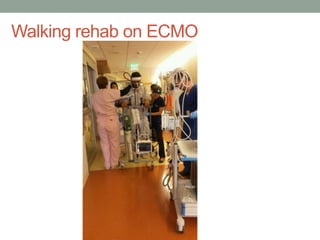
Walking rehab on ECMO
Resuscitative Endovascular Balloon Occlusion
of the Aorta
• Placement of an endovascular balloon in the aorta to
control hemorrhage and to augment afterload in
traumatic arrest and hemorrhagic shock
• Endovascular balloons have been used to control
hemorrhage in settings such as aortic aneurysm
surgery, gastro-intestinal bleeding, postpartum
hemorrhage as well as trauma
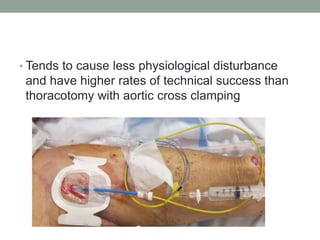
• Tends to cause less physiological disturbance
and have higher rates of technical success than
thoracotomy with aortic cross clamping
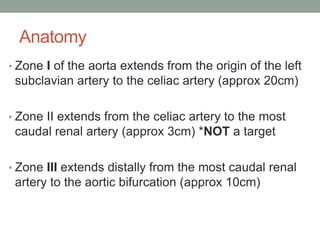
Anatomy
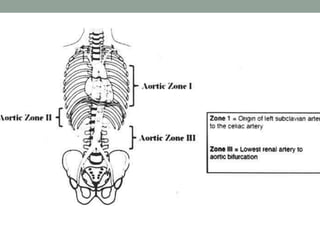
• Zone I of the aorta extends from the origin of the left
subclavian artery to the celiac artery (approx 20cm)
• Zone II extends from the celiac artery to the most
caudal renal artery (approx 3cm) *NOT a target
• Zone III extends distally from the most caudal renal
artery to the aortic bifurcation (approx 10cm)
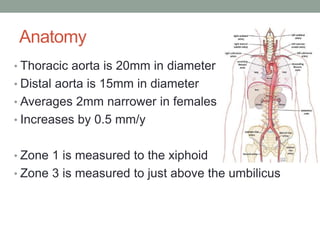
Anatomy
• Thoracic aorta is 20mm in diameter
• Distal aorta is 15mm in diameter
• Averages 2mm narrower in females
• Increases by 0.5 mm/y
• Zone 1 is measured to the xiphoid
• Zone 3 is measured to just above the umbilicus
Indications
• PEA arrest (<10 minutes) secondary to exsanguination
from sub-diaphragmatic hemorrhage and femoral
vessels immediately identifiable on US
• Severe hypovolemic shock and SBP <70mmHg
• Agonal state due to non-compressible exsanguinating
hemorrhage: non/partial responders to rapid volume
resuscitation (causes of obstructive shock excluded)
Indications
• Suspected or diagnosed intra-abdominal
hemorrhage due to blunt trauma or penetrating
torso injuries (Zone I)
• Blunt trauma with suspected pelvic fracture and
isolated pelvic hemorrhage (Zone III)
• Penetrating injury to the pelvic or groin area with
uncontrolled hemorrhage from a vascular injury of
iliac or common femoral vessels (Zone III)
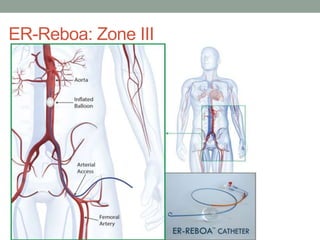
ER-Reboa: Zone III
Contraindications
• Age >70y
• PEA arrest (<10 minutes) secondary to exsanguination
from sub-diaphragmatic hemorrhage and femoral vessels
not immediately identifiable on ultrasound = open chest
• Cardiac arrest due to causes other than exsanguination
due to severe subdiaphragmatic trauma
• PEA arrest >10 minutes
• High clinical/radiological suspicion of proximal aortic injury
• Pre-existing terminal illness or significant comorbidities
Procedure Steps
• Access Common Femoral Artery (CFA) using ultrasound (or cutdown)
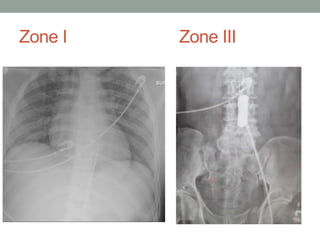
• Zone I – Xiphoid (approx 50cm)
• Zone III – Umbilicus (approx 40cm)
• Inflate balloon until moderate resistance (document time)
• Zone I – 15 to 20 mL
• Zone III – 10 to 15 mL
• X-ray – confirmation balloon position: 2 radiopaque bands
• Zone I – T4 to L1
• Zone III – L2 to L4
• Secure catheter
• Expedite departure to OR/IR (no CT post-REBOA)
Zone I Zone III
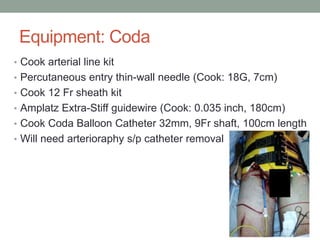
Equipment: Coda
• Cook arterial line kit
• Percutaneous entry thin-wall needle (Cook: 18G, 7cm)
• Cook 12 Fr sheath kit
• Amplatz Extra-Stiff guidewire (Cook: 0.035 inch, 180cm)
• Cook Coda Balloon Catheter 32mm, 9Fr shaft, 100cm length
• Will need arterioraphy s/p catheter removal
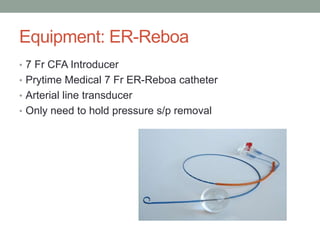
Equipment: ER-Reboa
• 7 Fr CFA Introducer
• Prytime Medical 7 Fr ER-Reboa catheter
• Arterial line transducer
• Only need to hold pressure s/p removal
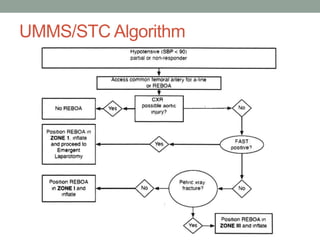
UMMS/STC Algorithm
QUESTIONS & COMMENTS
REBOA: Dr. Skarupa is Leader at UF Health
ECMO: Shiber, Skarupa, Yorkgitis; Mrs. Young
Shiber REBOA

Shiber REBOA

  • 1.
    ECMO & REBOA: ADVANCESIN TREATMENT Joseph Shiber, MD, FACP, FACEP, FCCM Associate Professor Director ECMO Service & Co-Director NSICU Emergency Medicine, Neurology, and Surgery UF College of Medicine - Jacksonville
  • 2.
    ECMO Background: since1972 Adults • ECMO does NOT fix anything BUT allows time for treatment • Sometimes Time is the Treatment • VA for pulmonary & cardiac support • VV pulmonary: true “lung rest” to allow recovery • Ultraprotective MV: not relying on lung for gas exchange • CO2 removal low blood flow (<1L/min) = smaller access • Oxygenation needs >60% CO (4-6L/min) = larger access
  • 3.
  • 4.
    ECMO • Dual Heart-Lung“bypass” parallel or Only Lung serial • Lung Rest: ARDS, Asthma/COPD, lung trauma, air leak • Heart: MI, PE, Blunt Cardiac Injury, Myocarditis, eCPR • Different configurations for VV or VA • Two Catheters vs Single dual-lumen catheter
  • 5.
  • 6.
    VA: Cardiac andPulmonary
  • 7.
    Indications • ARDS: PaO2/FiO2<80 mmHg despite optimization • Murray Score: P/F, PEEP, compliance, CXR quadrants • Hypercapnic respiratory failure: pH <7.20 • Ongoing large air leak • Refractory cardiogenic shock • Cardiac arrest with chance of recovery • Failure to wean from cardiopulmonary bypass • As a bridge to cardiac transplantation or VAD
  • 8.
  • 9.
  • 10.
    Contraindications • If thecause is irreversible • Anticoagulation is contraindicated: bleeding, TBI, ICH • Respiratory failure: on MV>10 D = poor outcome • For cardiac failure, if VAD or transplant is contraindicated • May exclude: advanced age, morbid obesity, neurologic dysfunction, poor preexisting functional status
  • 13.
    Outcomes • Mortality severeARDS 40-60% w/ ECMO reduced to 25% • Referral to an ECMO center significantly improves recovery and survival from severe ARDS! • 15-25% of patients improve and recover without ECMO • It is recommended that adult patients with severe ARDS be referred to an ECMO center, assuming that there are no contraindications • Survival w/ GOOD Neuro Fxn s/p Cardiac Arrest ~ 1 - 2% but ~12% w/ ECMO
  • 14.
    What is thedifference?
  • 15.
  • 17.
    Resuscitative Endovascular BalloonOcclusion of the Aorta • Placement of an endovascular balloon in the aorta to control hemorrhage and to augment afterload in traumatic arrest and hemorrhagic shock • Endovascular balloons have been used to control hemorrhage in settings such as aortic aneurysm surgery, gastro-intestinal bleeding, postpartum hemorrhage as well as trauma
  • 18.
    • Tends tocause less physiological disturbance and have higher rates of technical success than thoracotomy with aortic cross clamping
  • 19.
    Anatomy • Zone Iof the aorta extends from the origin of the left subclavian artery to the celiac artery (approx 20cm) • Zone II extends from the celiac artery to the most caudal renal artery (approx 3cm) *NOT a target • Zone III extends distally from the most caudal renal artery to the aortic bifurcation (approx 10cm)
  • 21.
    Anatomy • Thoracic aortais 20mm in diameter • Distal aorta is 15mm in diameter • Averages 2mm narrower in females • Increases by 0.5 mm/y • Zone 1 is measured to the xiphoid • Zone 3 is measured to just above the umbilicus
  • 22.
    Indications • PEA arrest(<10 minutes) secondary to exsanguination from sub-diaphragmatic hemorrhage and femoral vessels immediately identifiable on US • Severe hypovolemic shock and SBP <70mmHg • Agonal state due to non-compressible exsanguinating hemorrhage: non/partial responders to rapid volume resuscitation (causes of obstructive shock excluded)
  • 23.
    Indications • Suspected ordiagnosed intra-abdominal hemorrhage due to blunt trauma or penetrating torso injuries (Zone I) • Blunt trauma with suspected pelvic fracture and isolated pelvic hemorrhage (Zone III) • Penetrating injury to the pelvic or groin area with uncontrolled hemorrhage from a vascular injury of iliac or common femoral vessels (Zone III)
  • 24.
  • 25.
    Contraindications • Age >70y •PEA arrest (<10 minutes) secondary to exsanguination from sub-diaphragmatic hemorrhage and femoral vessels not immediately identifiable on ultrasound = open chest • Cardiac arrest due to causes other than exsanguination due to severe subdiaphragmatic trauma • PEA arrest >10 minutes • High clinical/radiological suspicion of proximal aortic injury • Pre-existing terminal illness or significant comorbidities
  • 26.
    Procedure Steps • AccessCommon Femoral Artery (CFA) using ultrasound (or cutdown) • Zone I – Xiphoid (approx 50cm) • Zone III – Umbilicus (approx 40cm) • Inflate balloon until moderate resistance (document time) • Zone I – 15 to 20 mL • Zone III – 10 to 15 mL • X-ray – confirmation balloon position: 2 radiopaque bands • Zone I – T4 to L1 • Zone III – L2 to L4 • Secure catheter • Expedite departure to OR/IR (no CT post-REBOA)
  • 27.
  • 28.
    Equipment: Coda • Cookarterial line kit • Percutaneous entry thin-wall needle (Cook: 18G, 7cm) • Cook 12 Fr sheath kit • Amplatz Extra-Stiff guidewire (Cook: 0.035 inch, 180cm) • Cook Coda Balloon Catheter 32mm, 9Fr shaft, 100cm length • Will need arterioraphy s/p catheter removal
  • 29.
    Equipment: ER-Reboa • 7Fr CFA Introducer • Prytime Medical 7 Fr ER-Reboa catheter • Arterial line transducer • Only need to hold pressure s/p removal
  • 30.
  • 31.
    QUESTIONS & COMMENTS REBOA:Dr. Skarupa is Leader at UF Health ECMO: Shiber, Skarupa, Yorkgitis; Mrs. Young