RESEARCH
DESIGN
Research design is a set of advance
decisions that make up the master
plan specifying the methods and
procedures for collecting and
analyzing the needed information.
A research design is an
arrangement of condition for collection
and analysis of data in a manner that
aims to combine relevance to research
purpose with an economy in procedure
In fact research design is a
conceptual structure with in which the
research is conducted
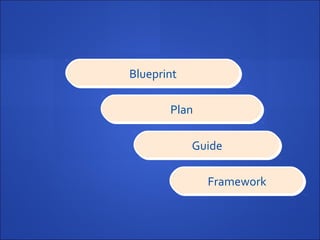
Blueprint
Blueprint
Plan
Plan
Guide
Guide
Framework
Framework
FACTOR DEFINING RESEARCH
DESIGN
 What is the study about
 Why is the study being made
 Where will be the study carried out
 What type of data is to be collected
 Where can be require data found
 What period of time would the will the study include
FACTOR DEFINING RESEARCH
DESIGN (cont…)
 Which technique of data collection to be used
 How will be the data anlyse
 In what style will the report prepred
 What will be the sample side
PARTS
 The sample design
 The observational design
 The statistical design
 The operational design
FEATURE
 Specifies the source and type of information relevant to

the research problem

 Specifies the approach to be used to gather & analyze the

data

 It include the time and cust budgeting

(the boundry for everything )
NEED
 To have an efficient research operation
 To be economical
 To have an plan in advance
 To have a back up idea
FEAURE OF A GOOD DESIGN
Good is usually characterised by the adjective like
 Appropriate
 Efficient
 Economical
 Flexible
FEAURE OF A GOOD DESIGN
(cont…)
 The design must minimize bias and maximize the

reliability

 The design providing less experimental error
 The design which yield maximum information
 The design provide an opportunity to consider many

different aspect of problem
RELATING CONCEPT
 Dependent & Independent variable
 Extraneous variable
 Control
 Confounded relationship
 Reseach hypothesis
 Experimental & non-experimental hypothesis-testing

research
RELATING CONCEPT (cont..)
 Experimental & control group
 Treatment
 Experiment
 Experimental unit
DIFFERENT RESEARCH DESIGN
 Exploratory

 Descriptive/Diagnostic

 Causal

 Please note that research does not necessarily follow the order

(1) exploratory, (2) descriptive, and (3) causal designs.
EXPLAATORY RESEARCH
• Exploratory research is unstructured, informal
research undertaken to gain background
information about the general nature of the
research problem.
• Uses of exploratory research include:
1. Gain background information.
2. Define terms.
3. Clarify problems and hypotheses.
4. Establish research priorities.
METHOD USED
• Secondary data analysis. Secondary data refers to the process of
searching for and interpreting existing info relevant to the
research problem (e.g., census data, articles in journals,
newspapers, etc.).
• Experience (Expert) surveys. Refers to gathering info from those
thought to be knowledgeable on the issues relevant to the
problem (i.e., ask experts).
• Case Analysis. Uses past situations that are similar to the present
research problem.
• Focus groups. Involves small (8-12) groups of people brought
together and guided by a moderator through unstructured,
spontaneous discussion.
IN SUCH CASES
 The sample size is small
 Non probability sampling design are used
 Data requirement are vague
 The objective is general rather than specific
 No definite recommendation are there as a result of

analysis

 There is inbuilt flexibility in the design
DESCIPTIVE OR DIAGNOSTIC
RESEARCH
 Descriptive research provides answers to the
questions of who, what, when, where, and how.
 Note that we cannot conclusively ascertain
answers to WHY using descriptive studies.
 Diagnostic research determine the frequency
with which somethingn occur or its association
with something else
IN SUCH CASES
 Formulating objective of the study
 Designing mythos of data collection
 Selecting the sample
 Collecting the data
 Processing and analyzing the data
 Reporting the finding
 The design is rigid
COMPARISION
Research Design

Exploratory Studies

Descriptive/diagnostic
studies

i.

Sampling design

Non-probability

Probability sampling design

sampling design
i.

Pre-planned design for
analysis

Observational

Unstructured

Structured or well

design

instruments for

throughout instruments for

collection of data
i.

No pre-planned design
for analysis

i.

Statistical design

collection of data

Operational design

No fixed decisions about Advanced decisions about
the operational
procedure.

operational procedure.
CASUAL RESEARCH
• Causality may be thought of as understanding a
phenomenon in terms of conditional statements of the
form, “If X, then Y.” Conditions for Causality are:
• Concomitant Variation: For variable X to cause a
change in variable Y, the two must be highly related in
that changes in Y are always associated with changes in
X.
• Temporal Precedence: Refers to the time sequence of
occurrence. For variable X to cause Y, it must always
occur before or precede Y.
• Absence of Competing Explanations: For X to cause Y,
other possible causes must be ruled out.
Here the researcher studies the hypothesis of casual
relationship between variable
It require procedure of
 Reduce bias
 Increased reliability
 Relationship between variable
 One or more extraneous variable of dependent variable
PRINCIPLE OF EXPERIMENTAL
RESEARCH
 Principle of accuracy

 Principle of randomization

 Principle of local control
THANK YOU

Research design

  • 1.
  • 2.
    Research design isa set of advance decisions that make up the master plan specifying the methods and procedures for collecting and analyzing the needed information.
  • 3.
    A research designis an arrangement of condition for collection and analysis of data in a manner that aims to combine relevance to research purpose with an economy in procedure In fact research design is a conceptual structure with in which the research is conducted
  • 4.
  • 5.
    FACTOR DEFINING RESEARCH DESIGN What is the study about  Why is the study being made  Where will be the study carried out  What type of data is to be collected  Where can be require data found  What period of time would the will the study include
  • 6.
    FACTOR DEFINING RESEARCH DESIGN(cont…)  Which technique of data collection to be used  How will be the data anlyse  In what style will the report prepred  What will be the sample side
  • 7.
    PARTS  The sampledesign  The observational design  The statistical design  The operational design
  • 8.
    FEATURE  Specifies thesource and type of information relevant to the research problem  Specifies the approach to be used to gather & analyze the data  It include the time and cust budgeting (the boundry for everything )
  • 9.
    NEED  To havean efficient research operation  To be economical  To have an plan in advance  To have a back up idea
  • 10.
    FEAURE OF AGOOD DESIGN Good is usually characterised by the adjective like  Appropriate  Efficient  Economical  Flexible
  • 11.
    FEAURE OF AGOOD DESIGN (cont…)  The design must minimize bias and maximize the reliability  The design providing less experimental error  The design which yield maximum information  The design provide an opportunity to consider many different aspect of problem
  • 12.
    RELATING CONCEPT  Dependent& Independent variable  Extraneous variable  Control  Confounded relationship  Reseach hypothesis  Experimental & non-experimental hypothesis-testing research
  • 13.
    RELATING CONCEPT (cont..) Experimental & control group  Treatment  Experiment  Experimental unit
  • 14.
    DIFFERENT RESEARCH DESIGN Exploratory  Descriptive/Diagnostic  Causal  Please note that research does not necessarily follow the order (1) exploratory, (2) descriptive, and (3) causal designs.
  • 15.
    EXPLAATORY RESEARCH • Exploratoryresearch is unstructured, informal research undertaken to gain background information about the general nature of the research problem. • Uses of exploratory research include: 1. Gain background information. 2. Define terms. 3. Clarify problems and hypotheses. 4. Establish research priorities.
  • 16.
    METHOD USED • Secondarydata analysis. Secondary data refers to the process of searching for and interpreting existing info relevant to the research problem (e.g., census data, articles in journals, newspapers, etc.). • Experience (Expert) surveys. Refers to gathering info from those thought to be knowledgeable on the issues relevant to the problem (i.e., ask experts). • Case Analysis. Uses past situations that are similar to the present research problem. • Focus groups. Involves small (8-12) groups of people brought together and guided by a moderator through unstructured, spontaneous discussion.
  • 17.
    IN SUCH CASES The sample size is small  Non probability sampling design are used  Data requirement are vague  The objective is general rather than specific  No definite recommendation are there as a result of analysis  There is inbuilt flexibility in the design
  • 18.
    DESCIPTIVE OR DIAGNOSTIC RESEARCH Descriptive research provides answers to the questions of who, what, when, where, and how.  Note that we cannot conclusively ascertain answers to WHY using descriptive studies.  Diagnostic research determine the frequency with which somethingn occur or its association with something else
  • 19.
    IN SUCH CASES Formulating objective of the study  Designing mythos of data collection  Selecting the sample  Collecting the data  Processing and analyzing the data  Reporting the finding  The design is rigid
  • 20.
    COMPARISION Research Design Exploratory Studies Descriptive/diagnostic studies i. Samplingdesign Non-probability Probability sampling design sampling design i. Pre-planned design for analysis Observational Unstructured Structured or well design instruments for throughout instruments for collection of data i. No pre-planned design for analysis i. Statistical design collection of data Operational design No fixed decisions about Advanced decisions about the operational procedure. operational procedure.
  • 21.
    CASUAL RESEARCH • Causalitymay be thought of as understanding a phenomenon in terms of conditional statements of the form, “If X, then Y.” Conditions for Causality are: • Concomitant Variation: For variable X to cause a change in variable Y, the two must be highly related in that changes in Y are always associated with changes in X. • Temporal Precedence: Refers to the time sequence of occurrence. For variable X to cause Y, it must always occur before or precede Y. • Absence of Competing Explanations: For X to cause Y, other possible causes must be ruled out.
  • 22.
    Here the researcherstudies the hypothesis of casual relationship between variable It require procedure of  Reduce bias  Increased reliability  Relationship between variable  One or more extraneous variable of dependent variable
  • 23.
    PRINCIPLE OF EXPERIMENTAL RESEARCH Principle of accuracy  Principle of randomization  Principle of local control
  • 24.