Downloaded 198 times
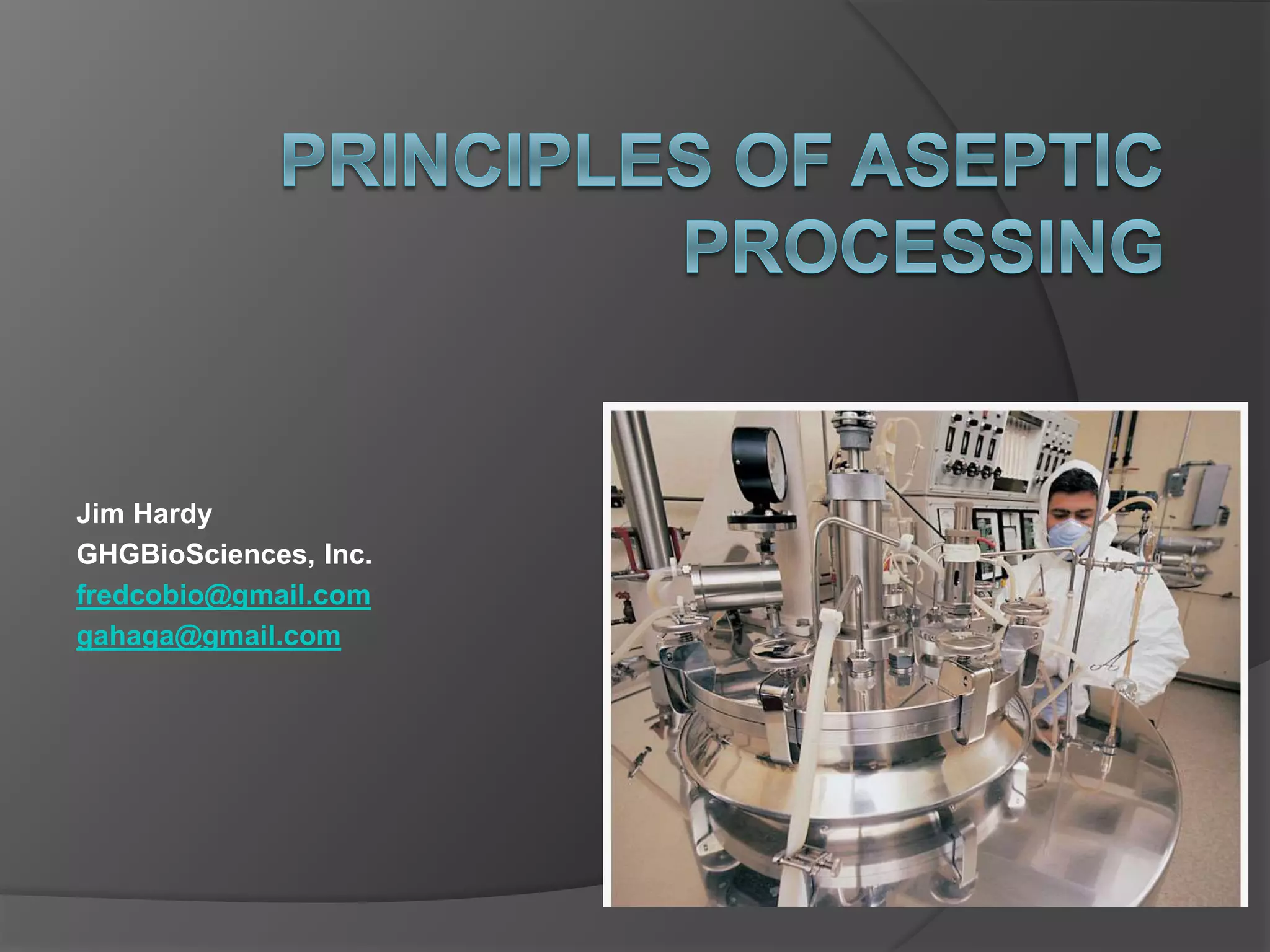
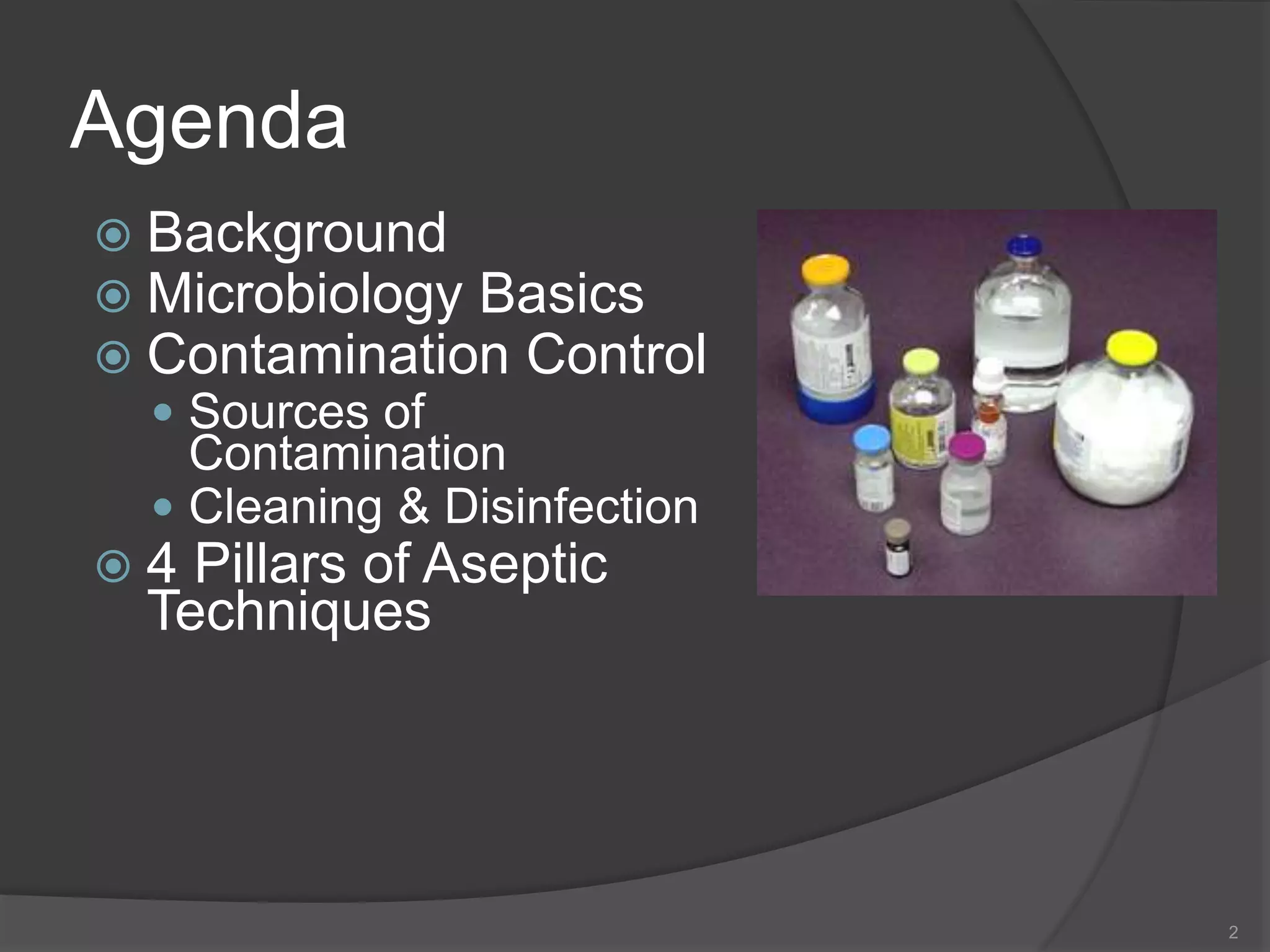
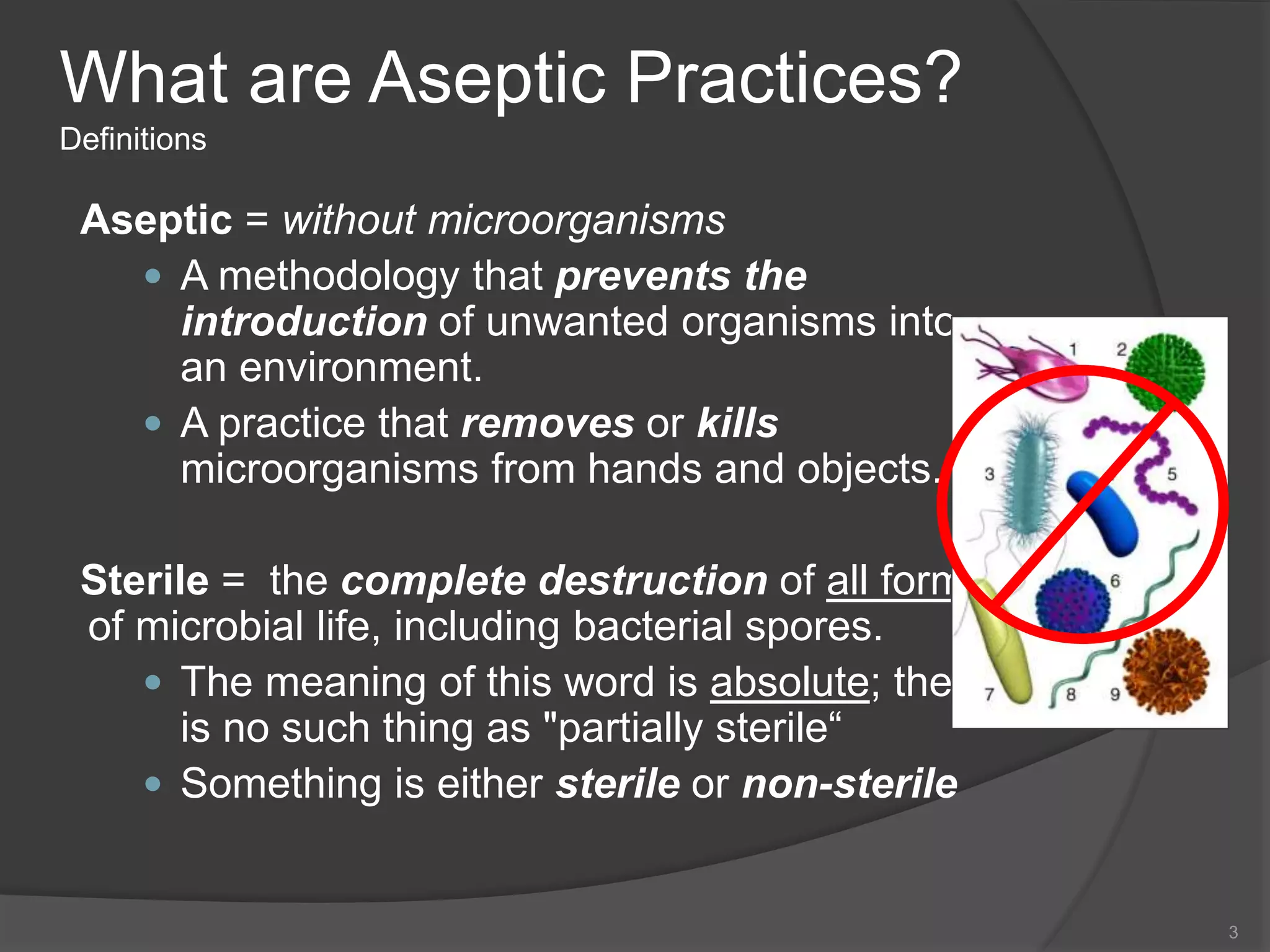
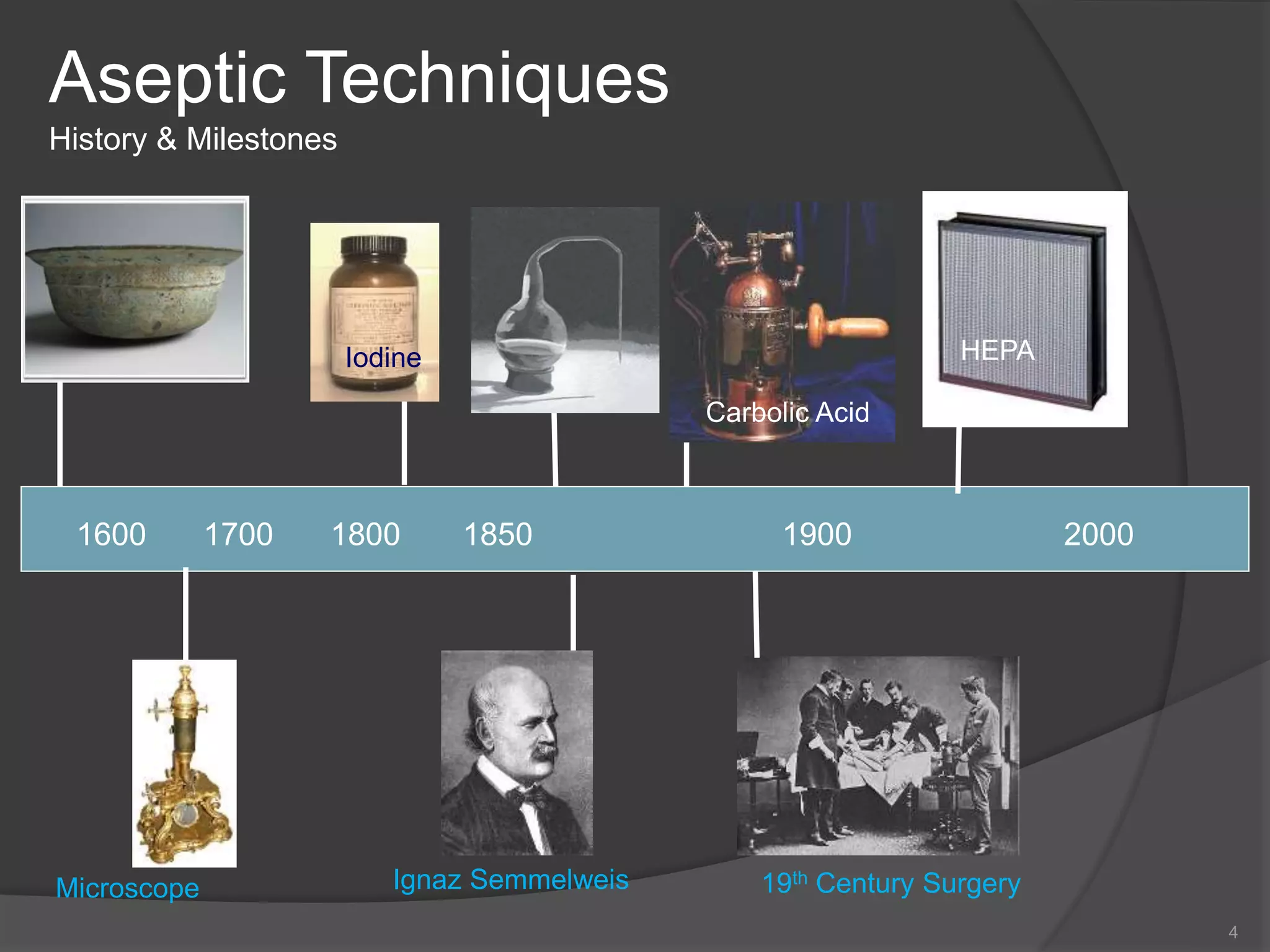
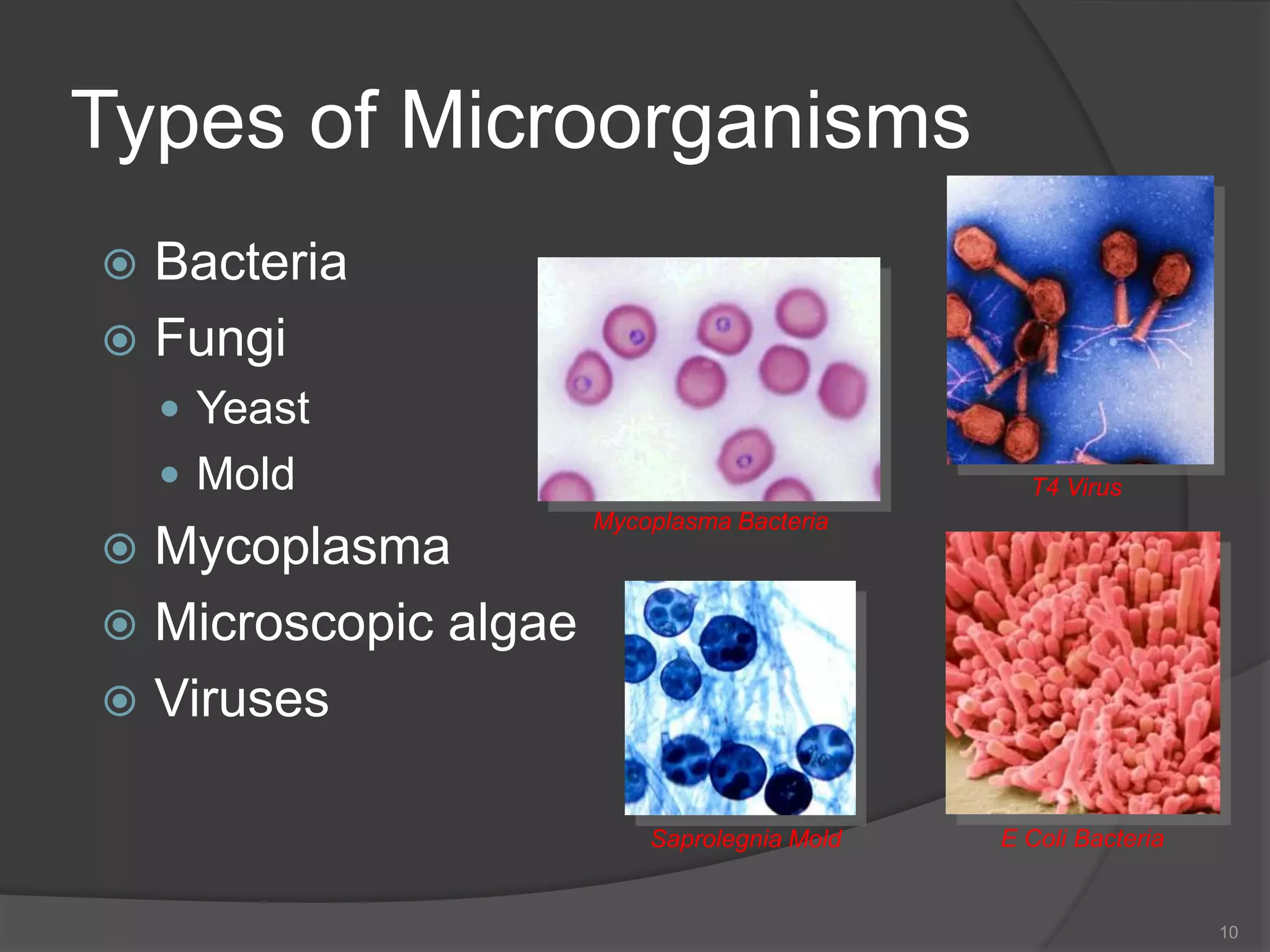
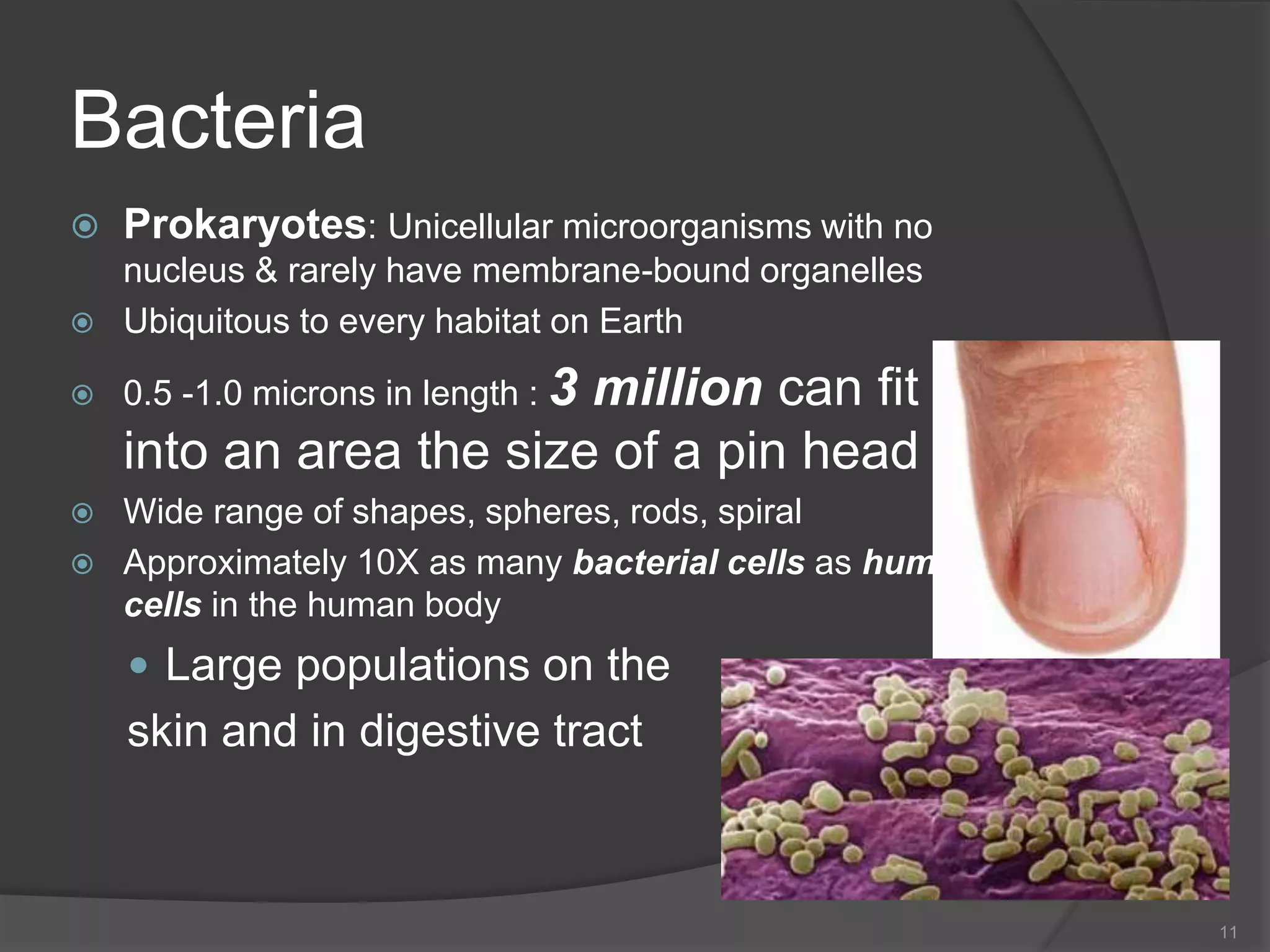
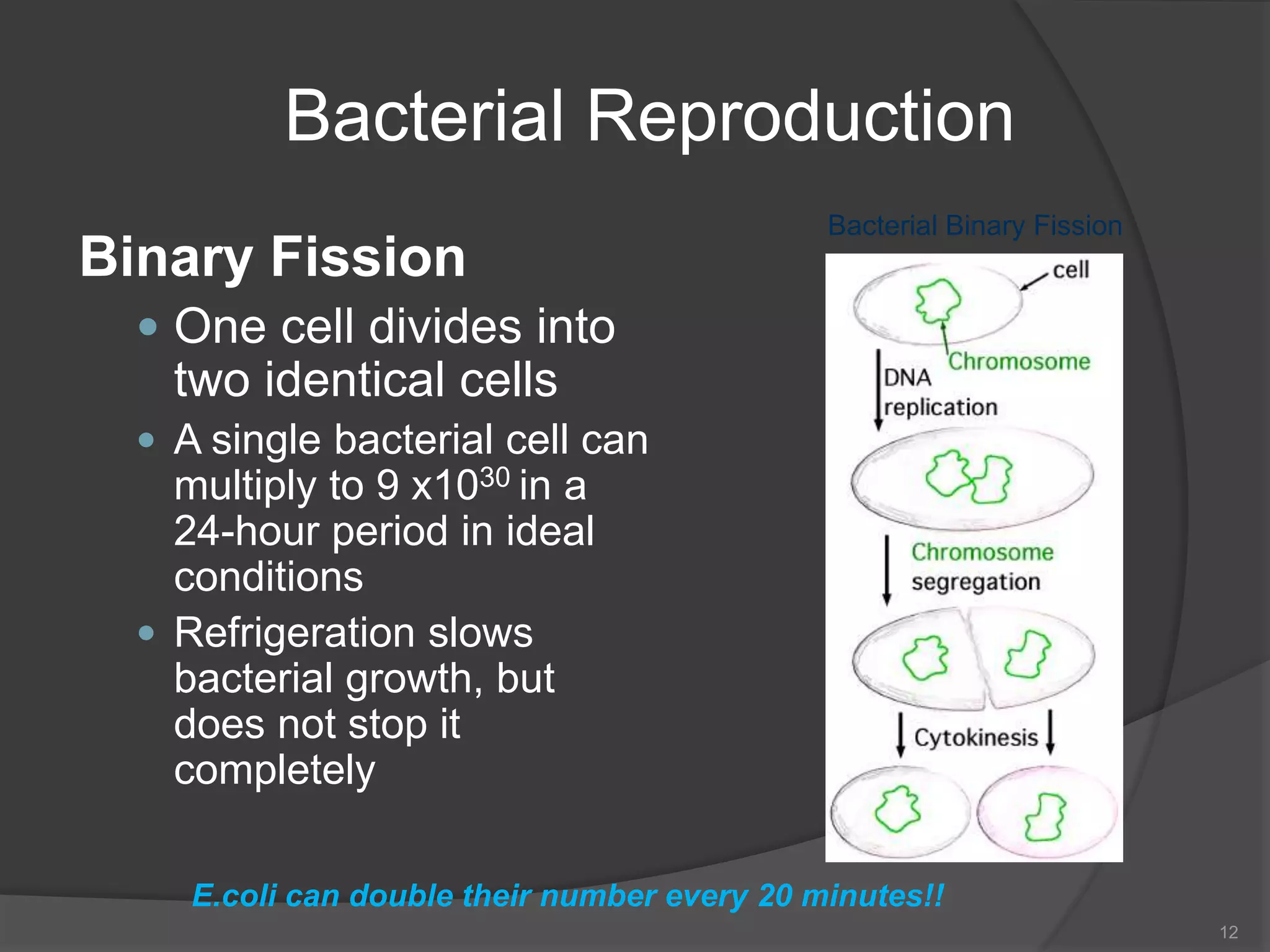
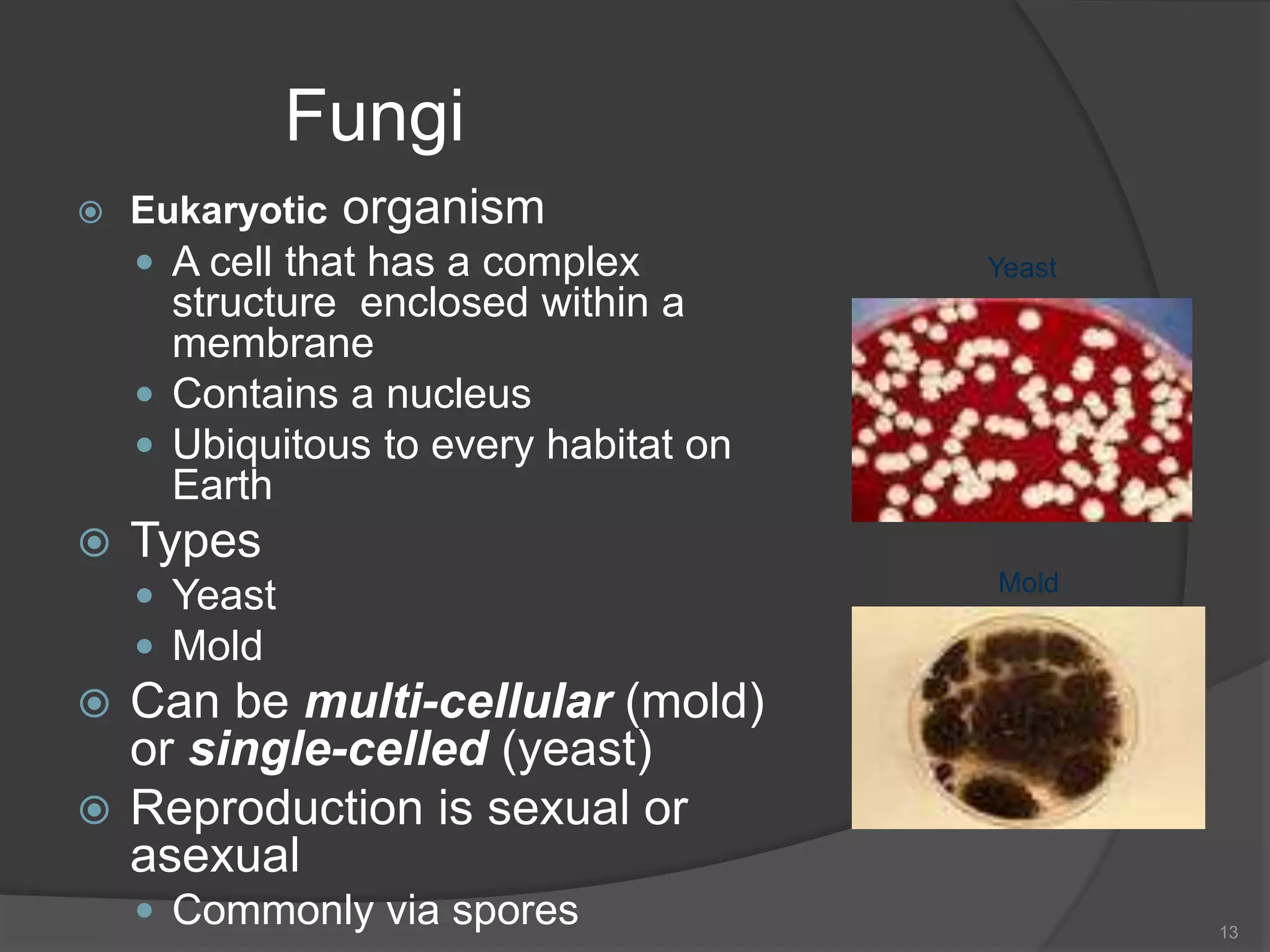
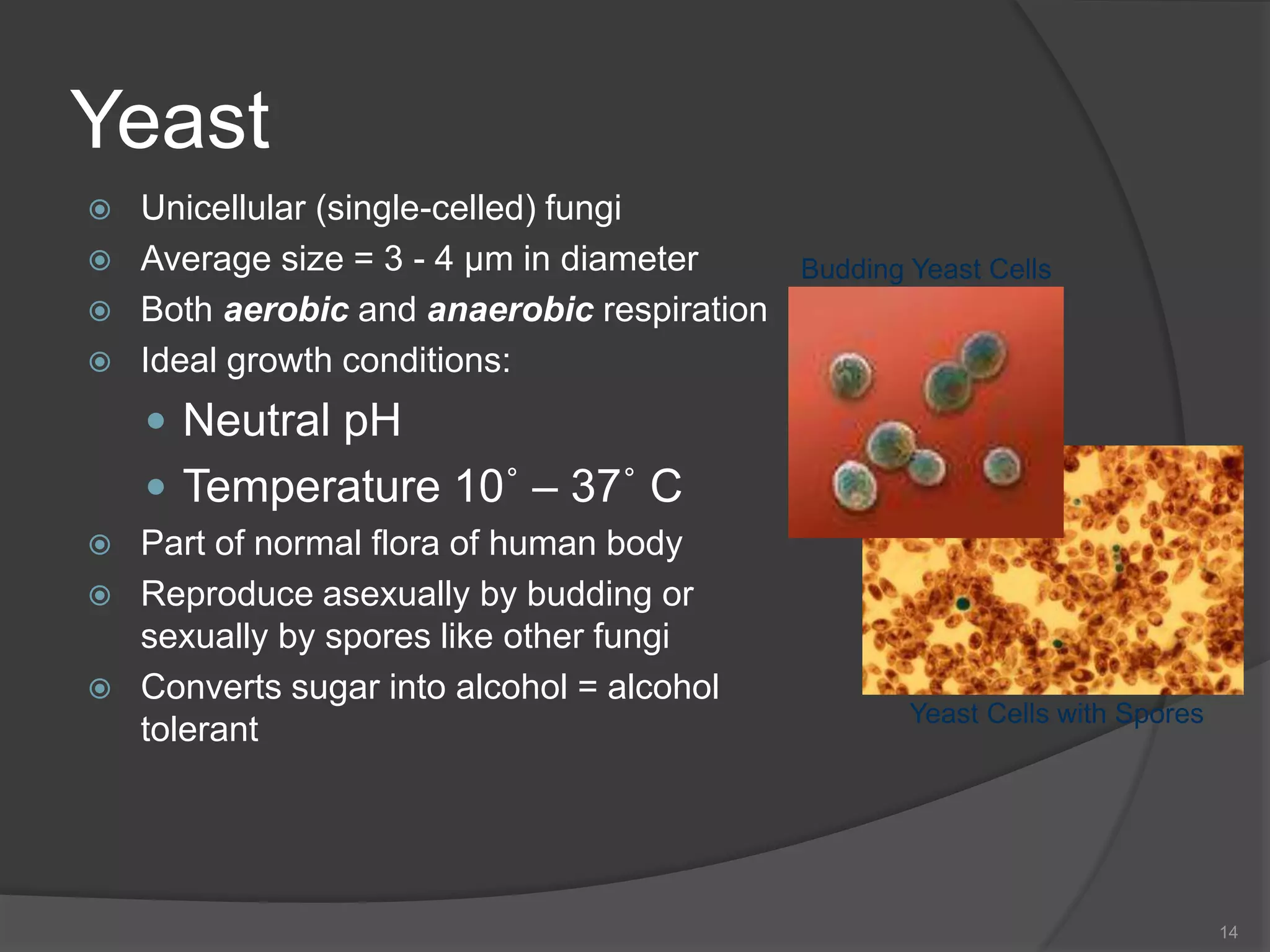
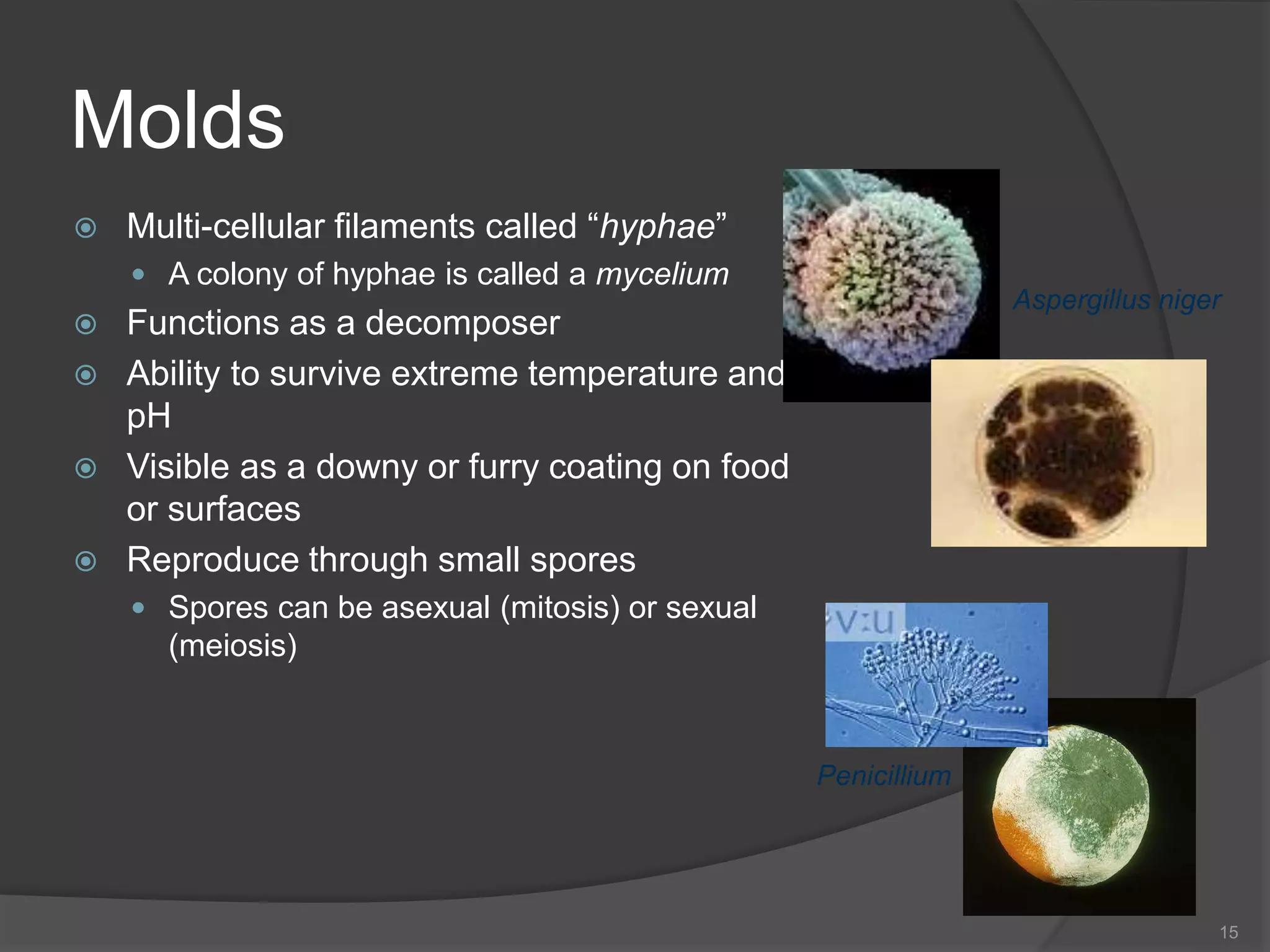
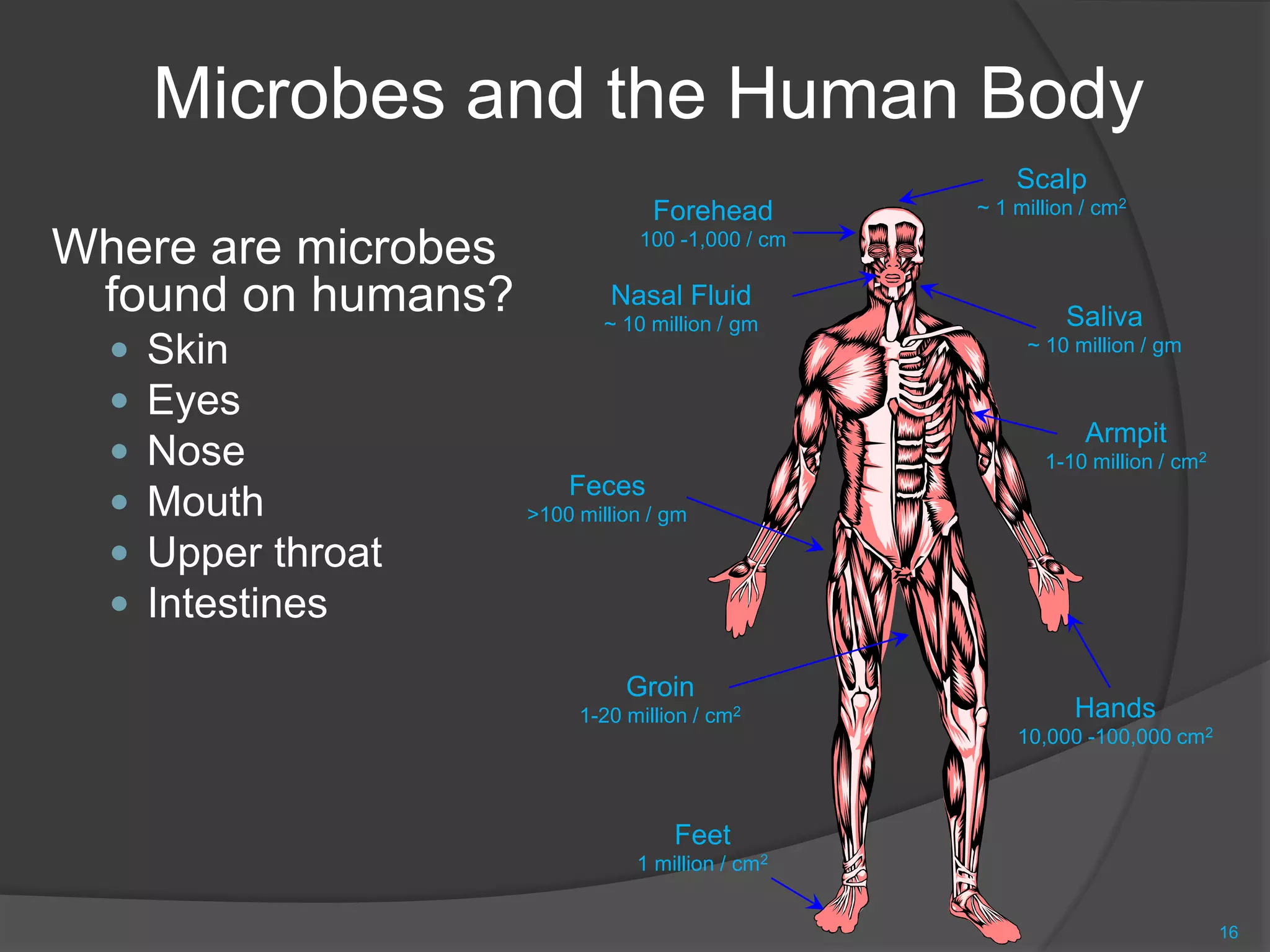
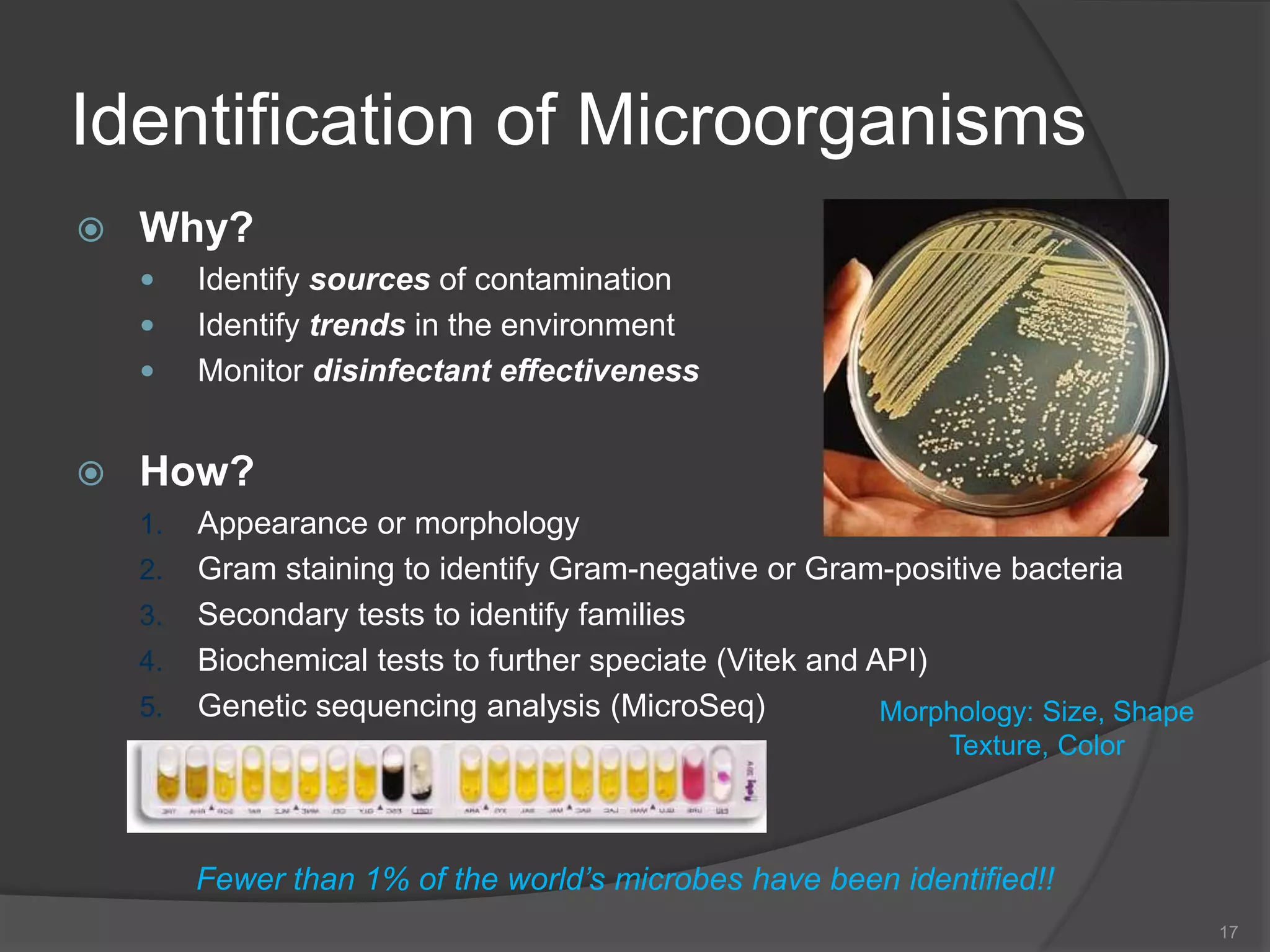
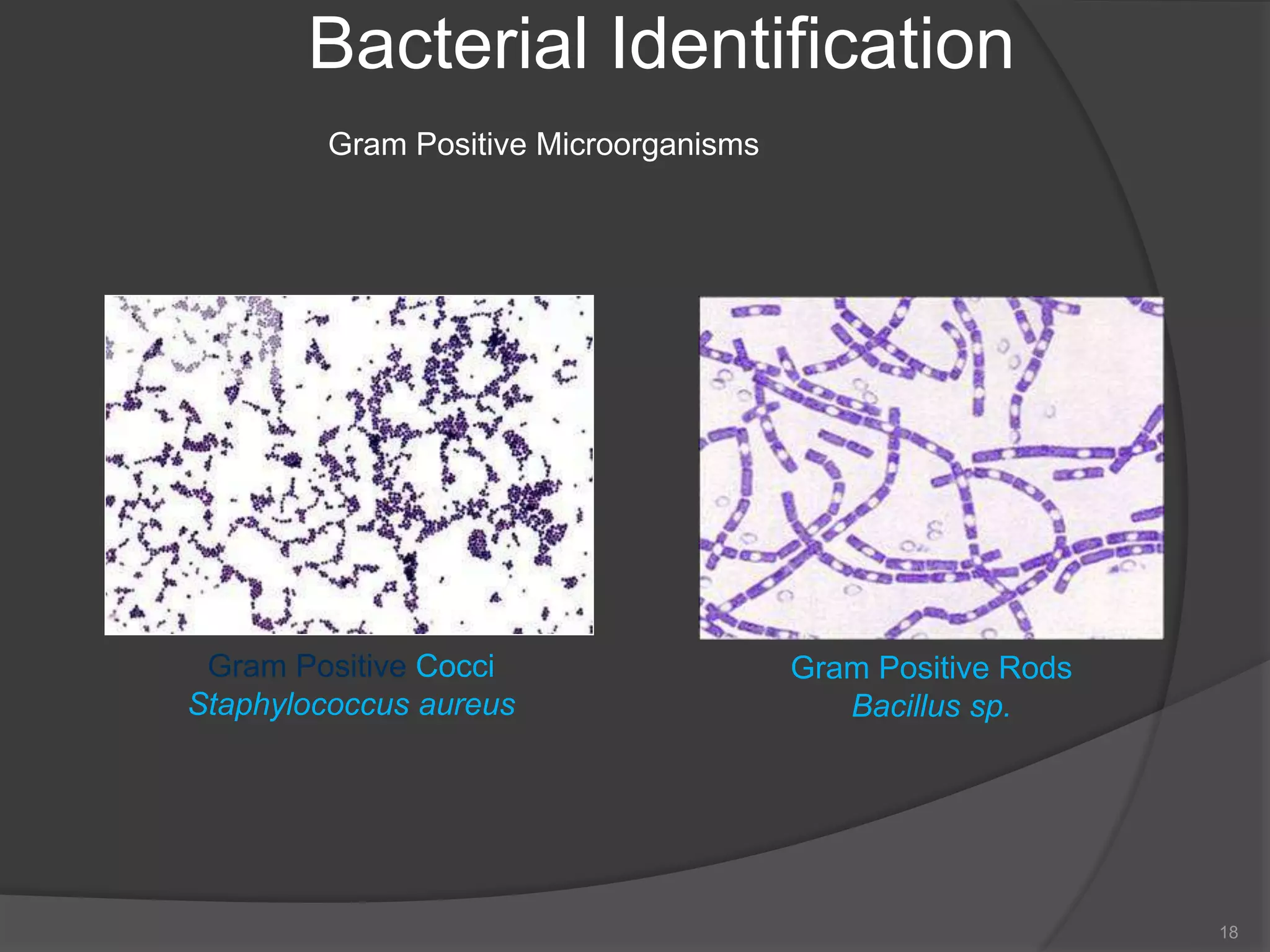
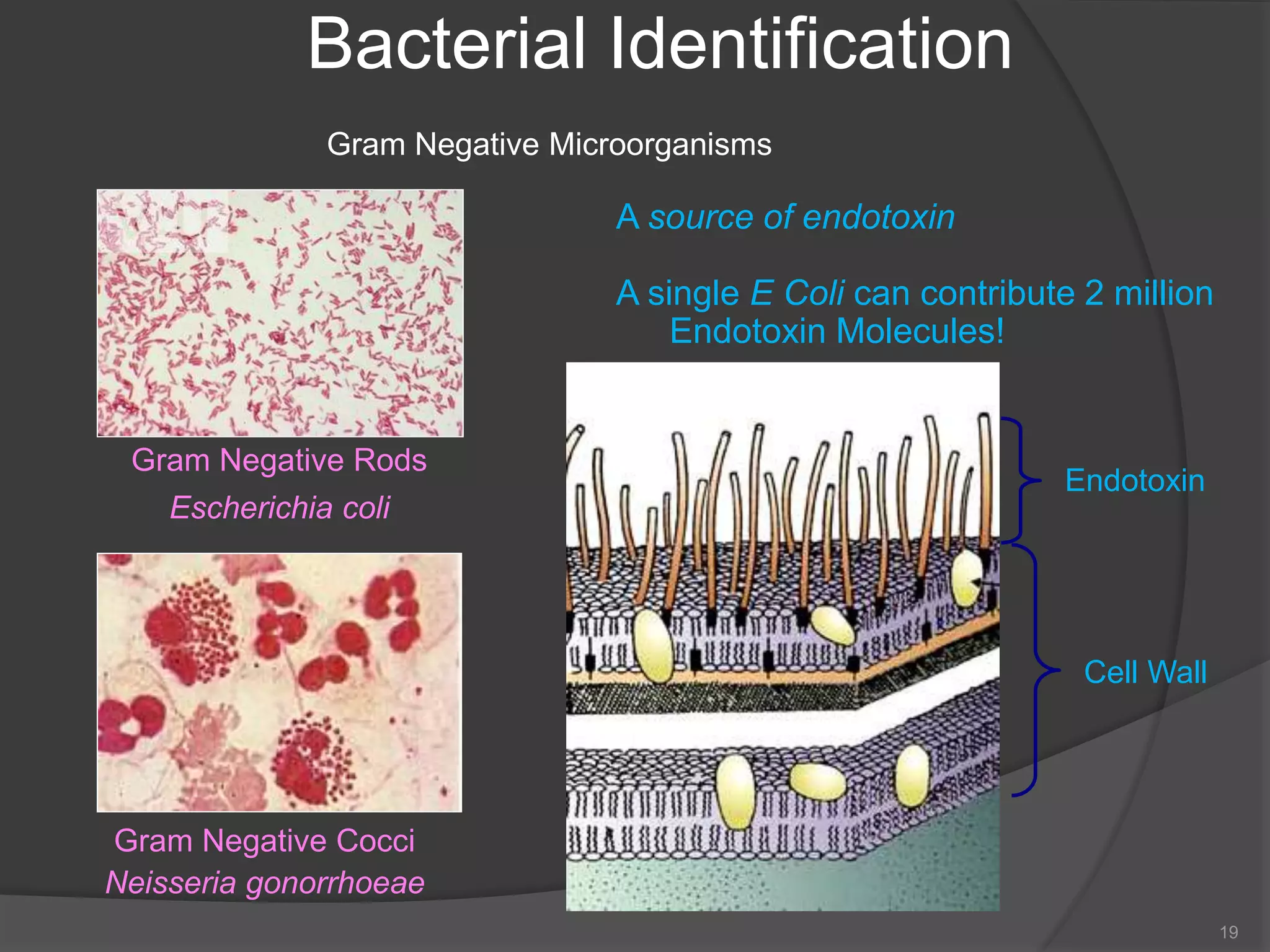
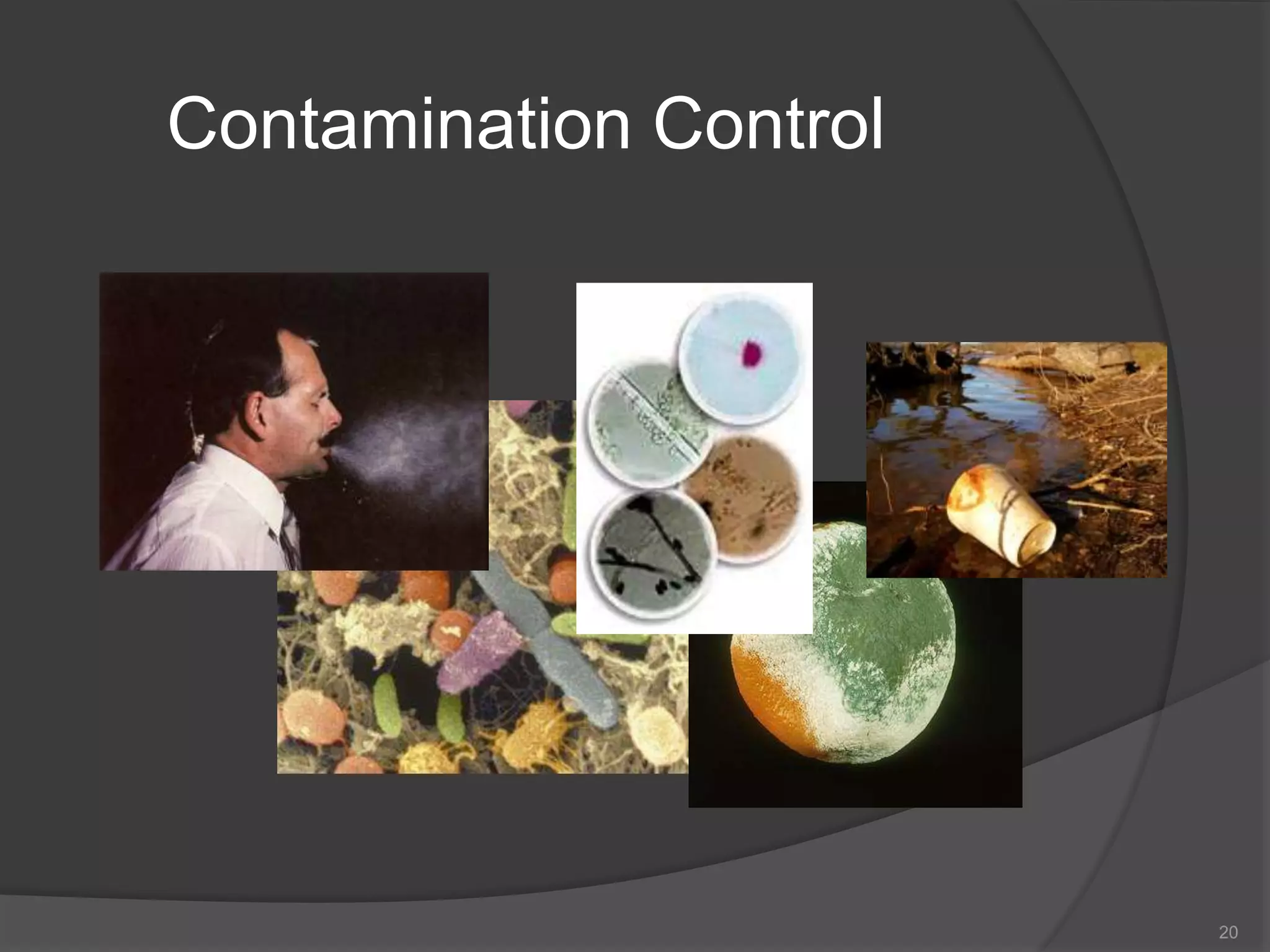
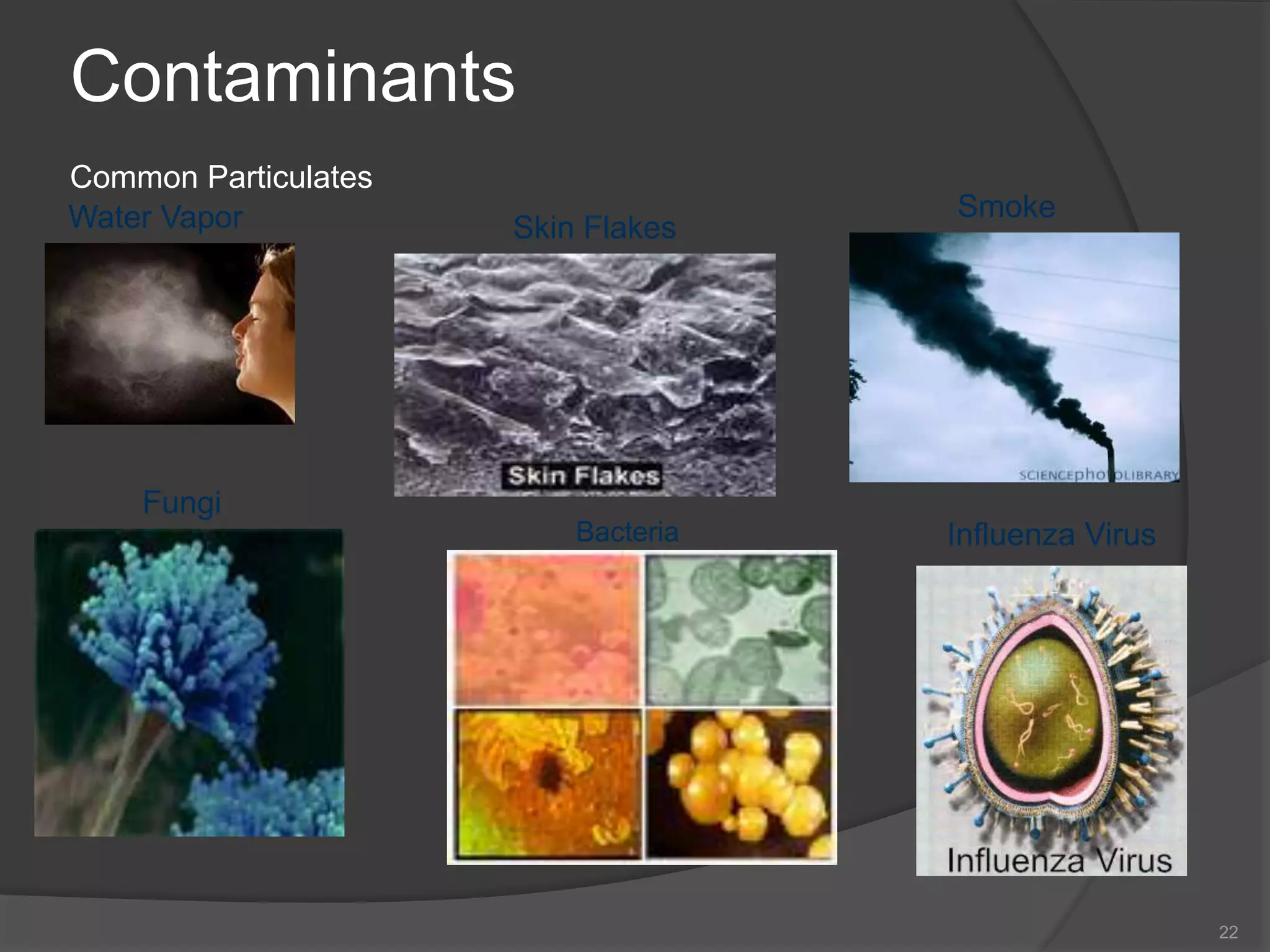
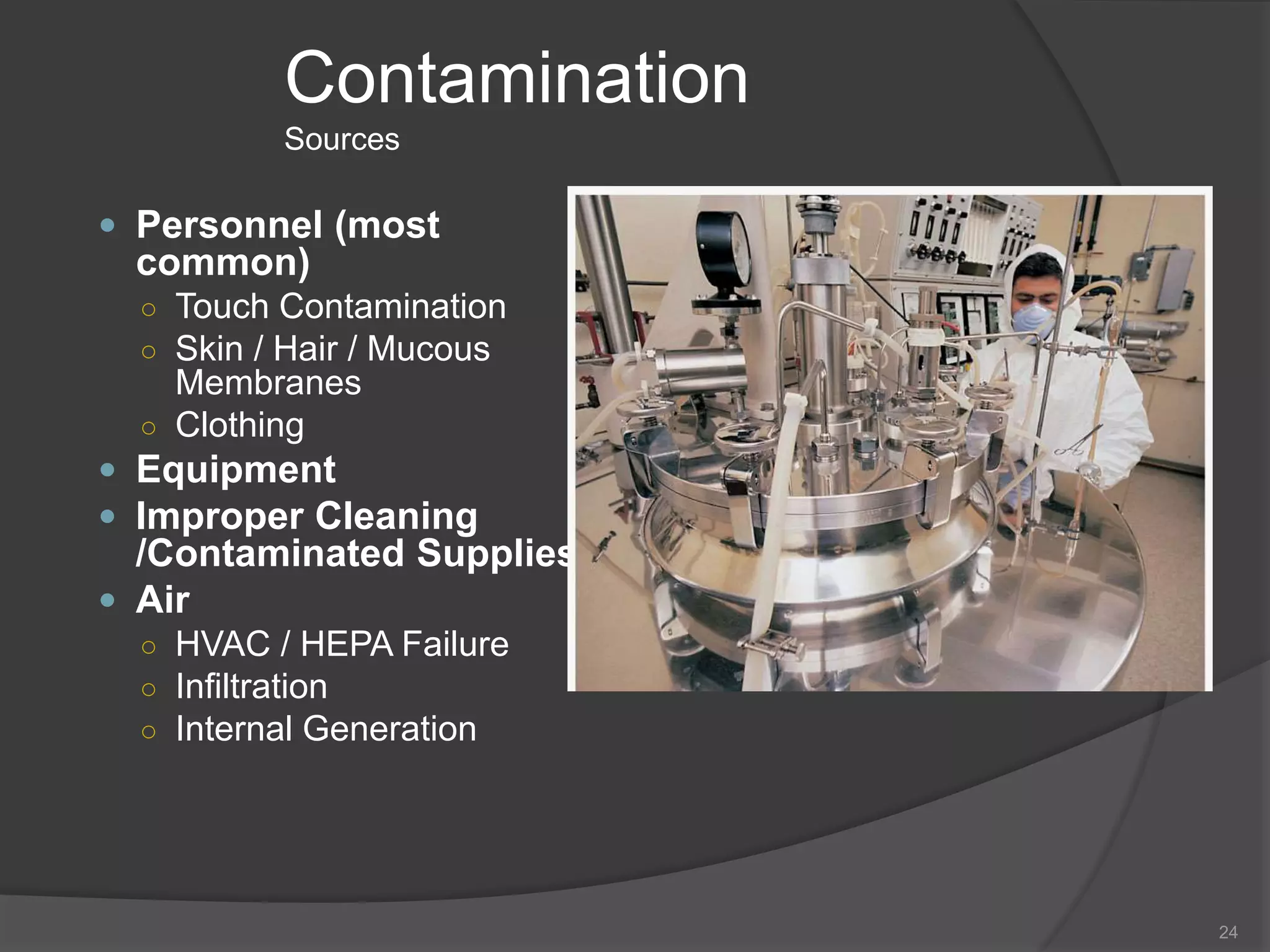
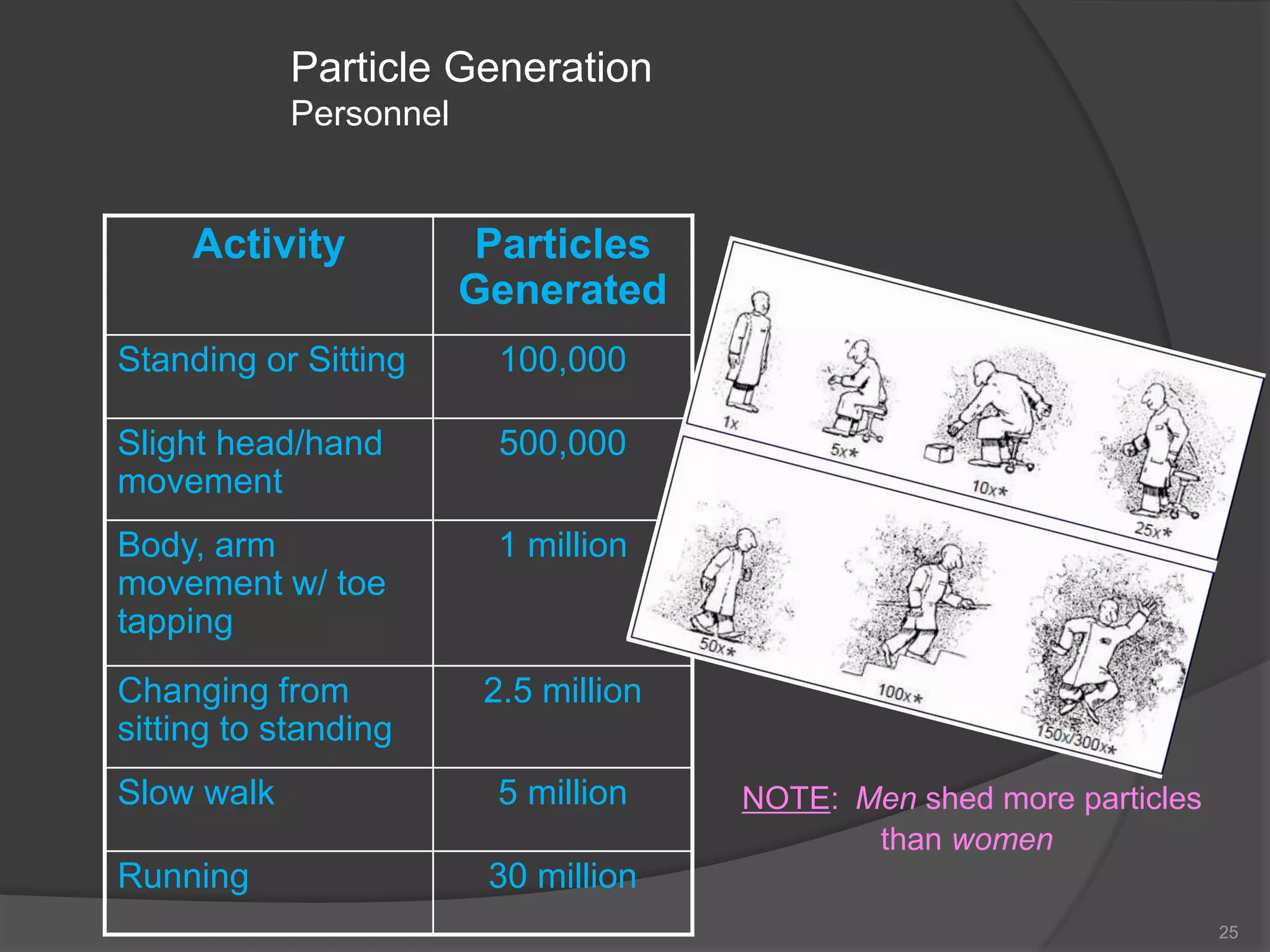
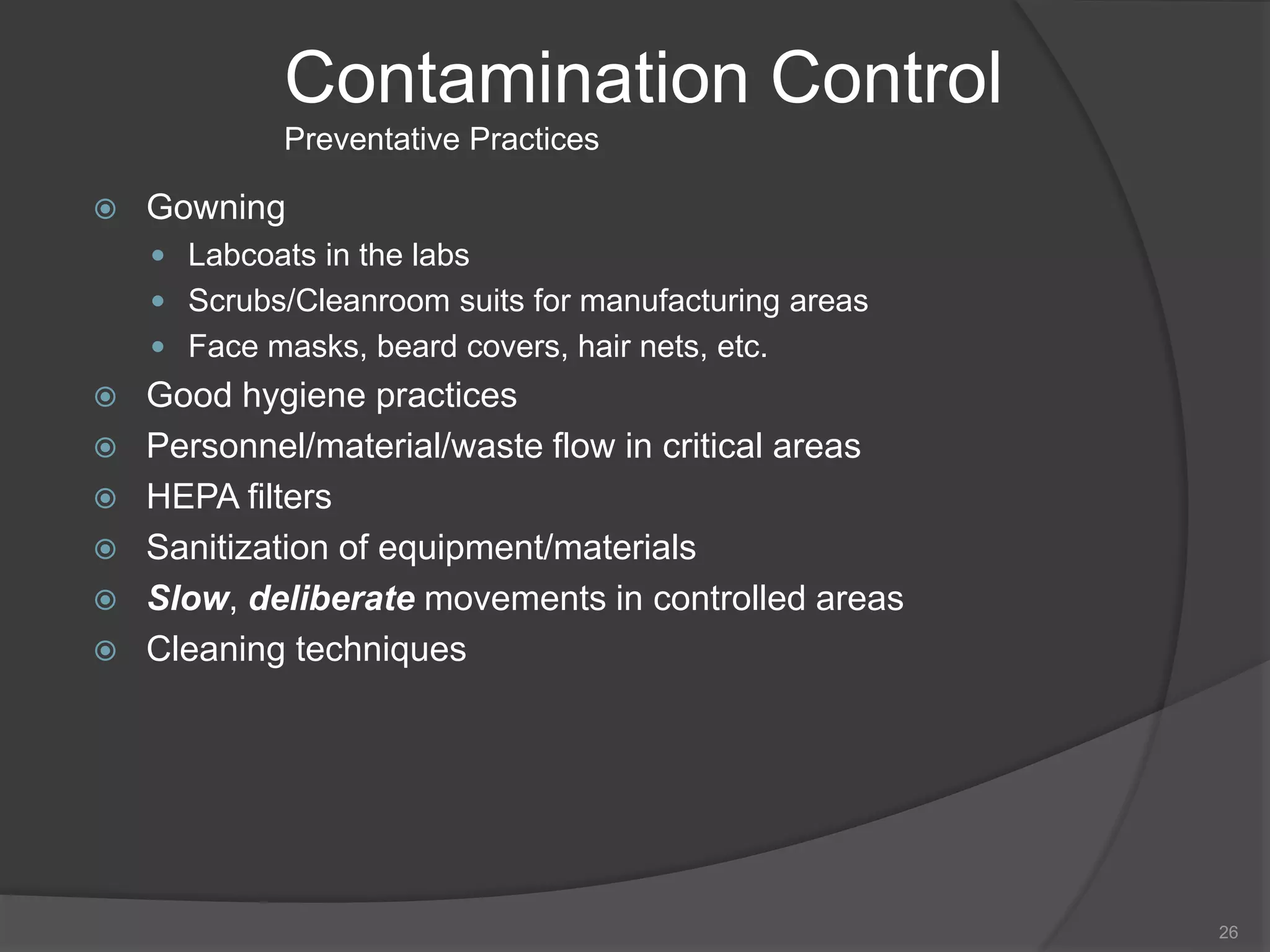
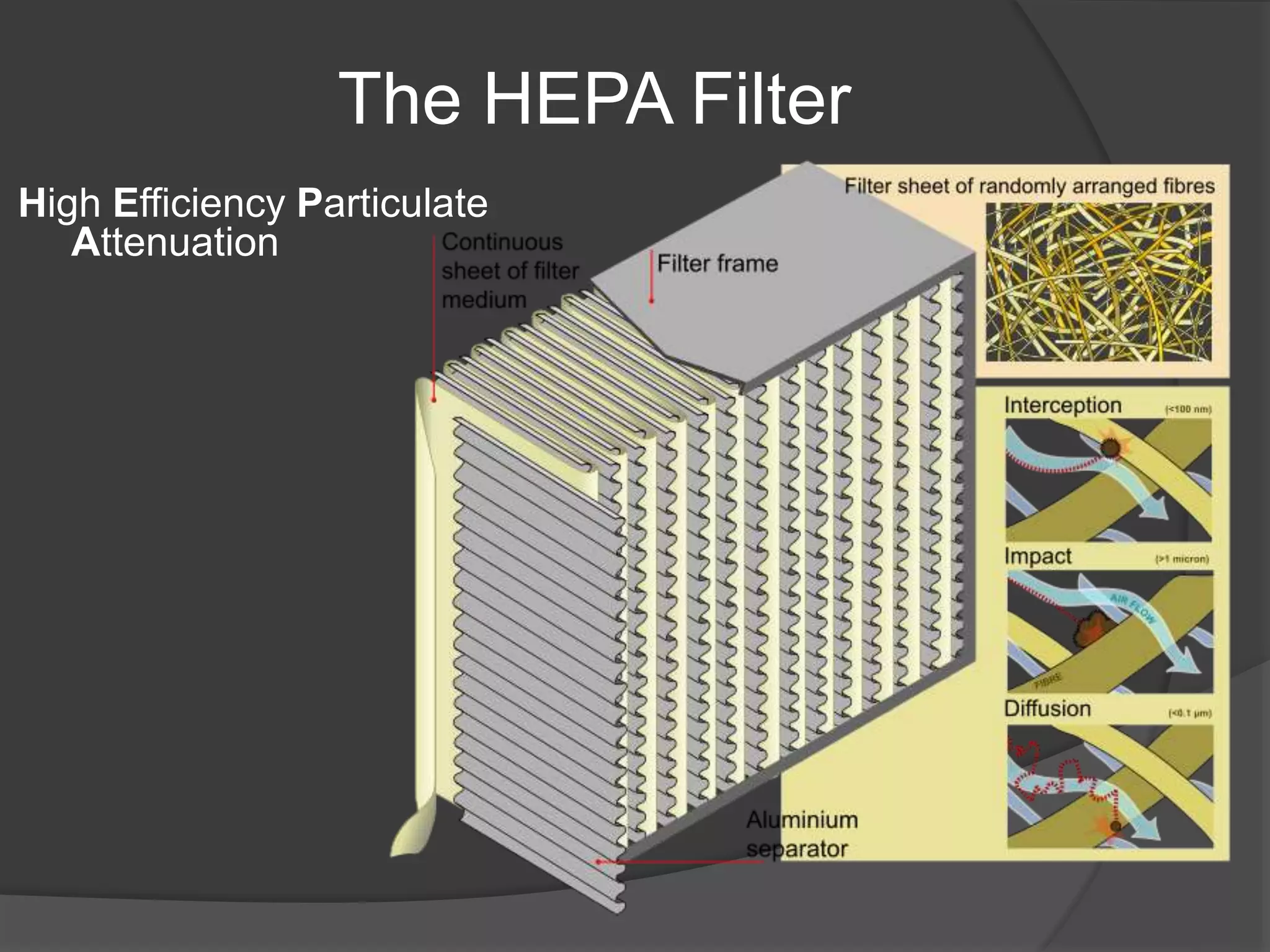
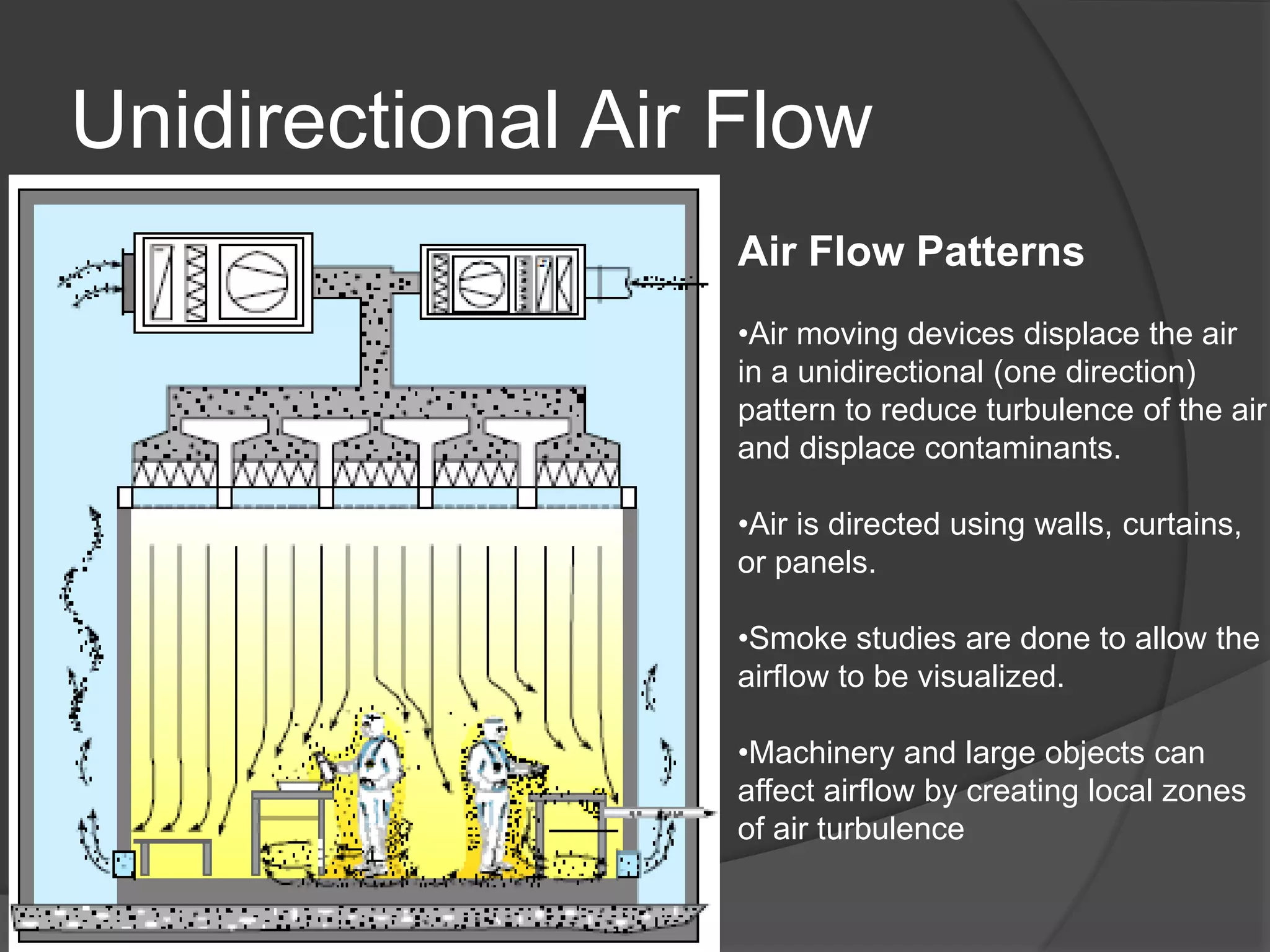
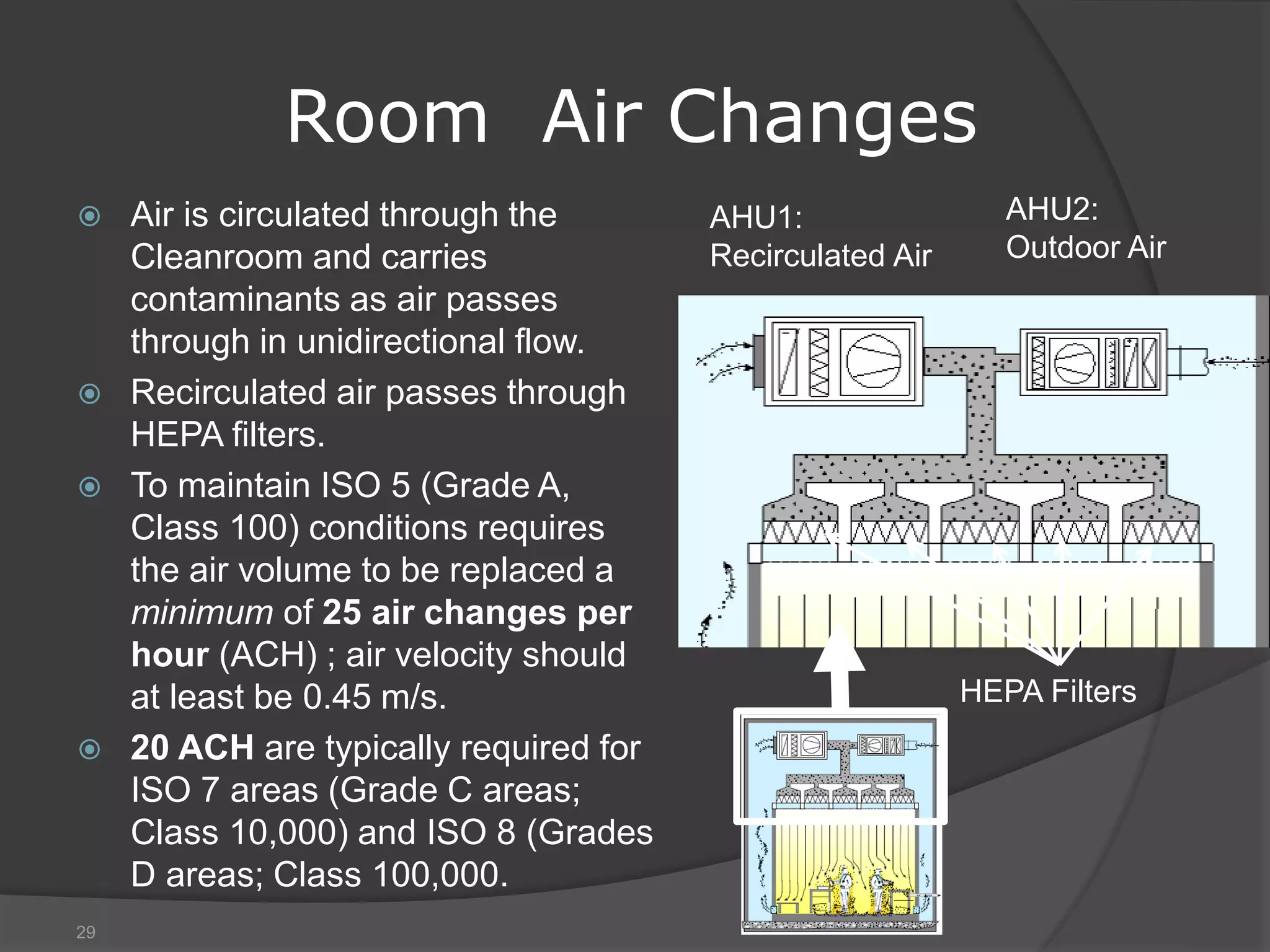
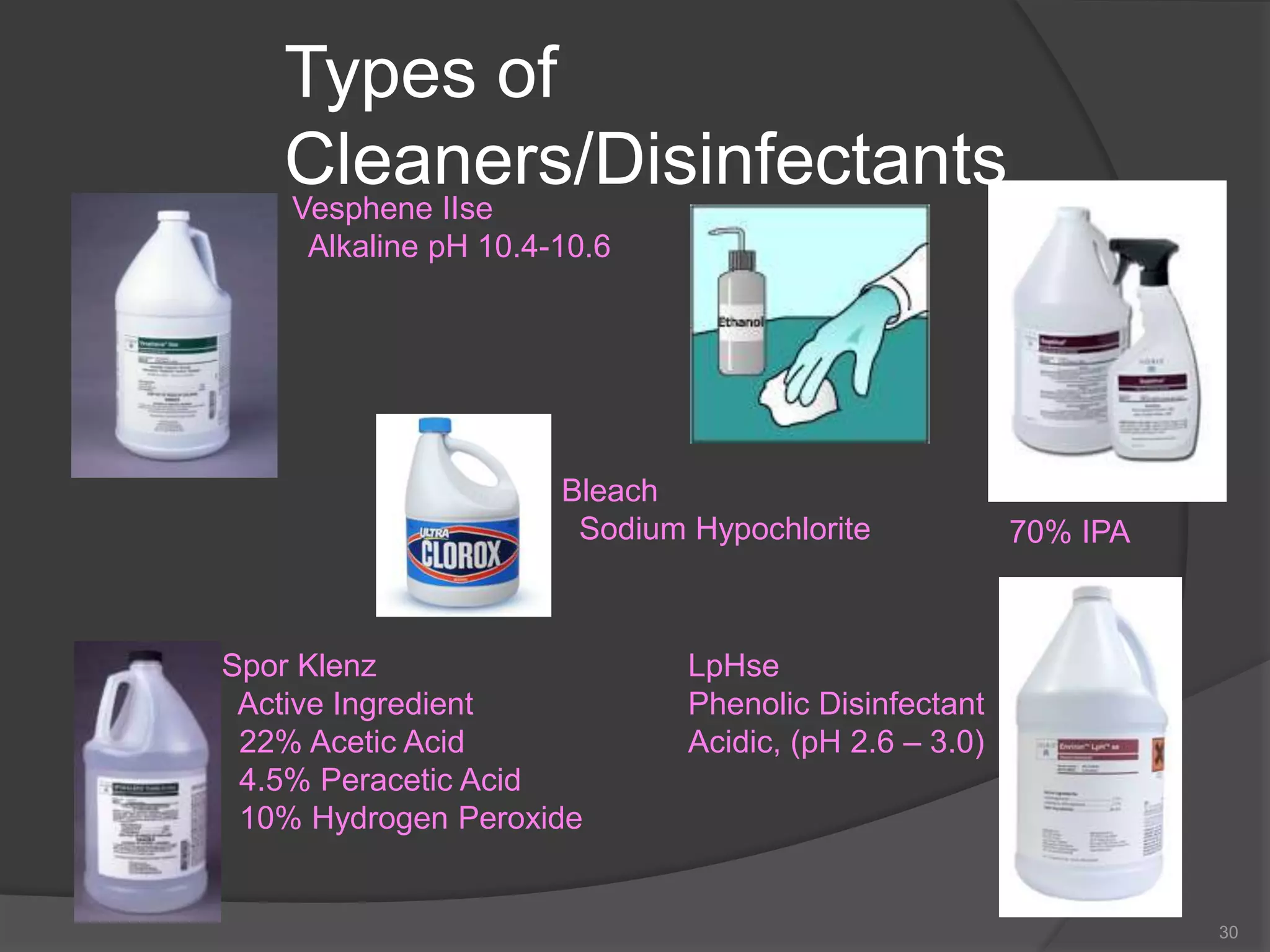
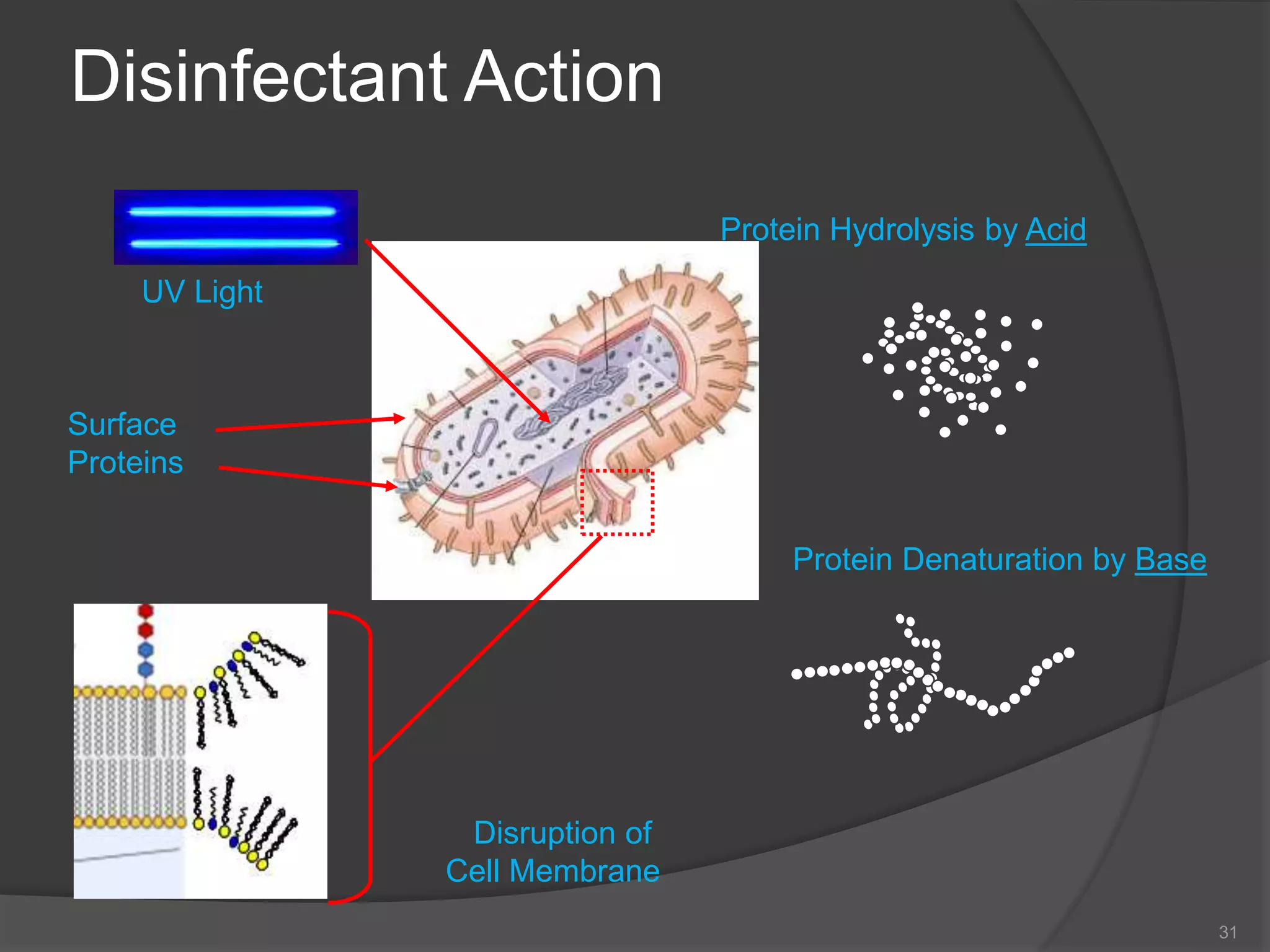
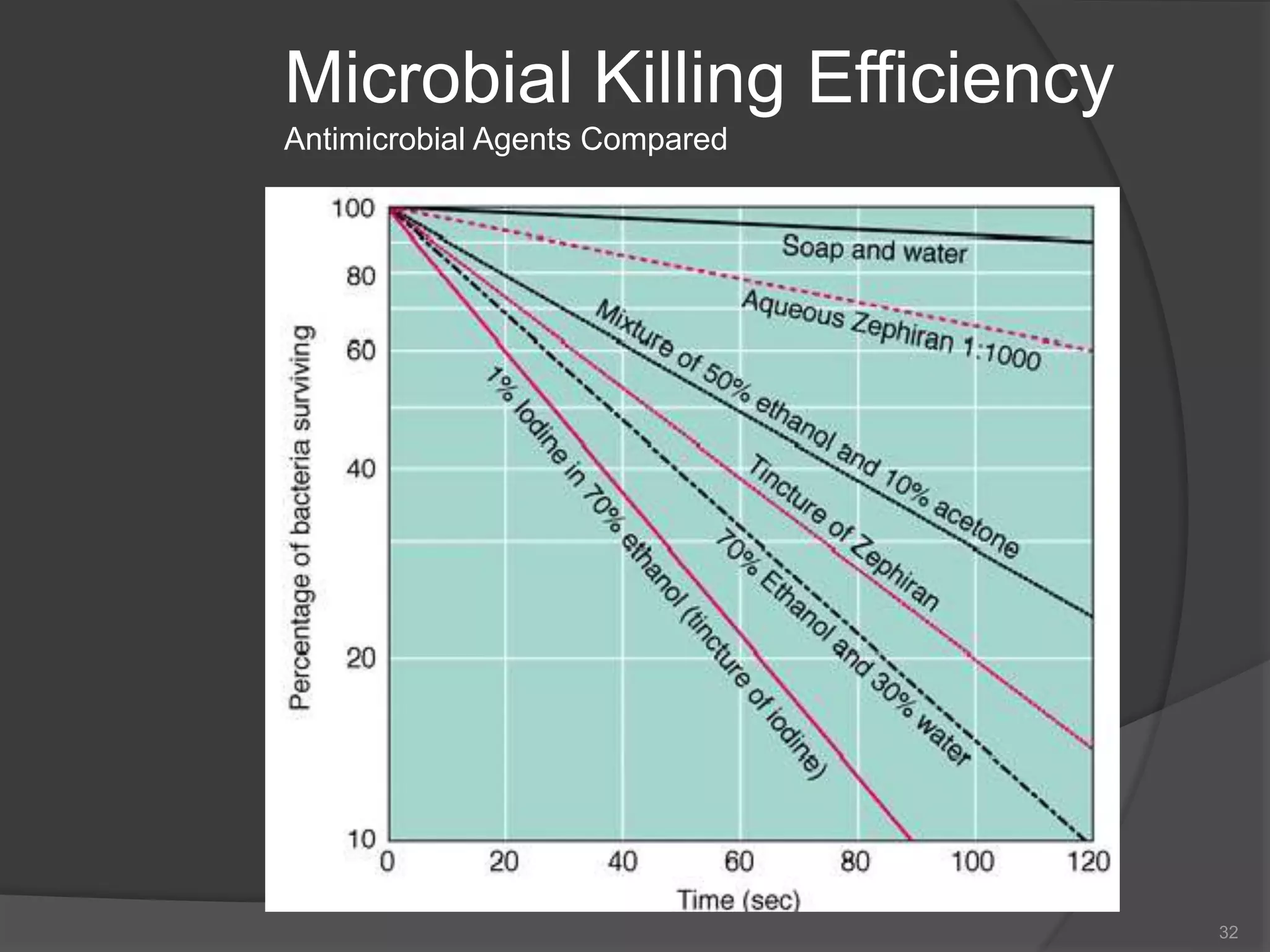
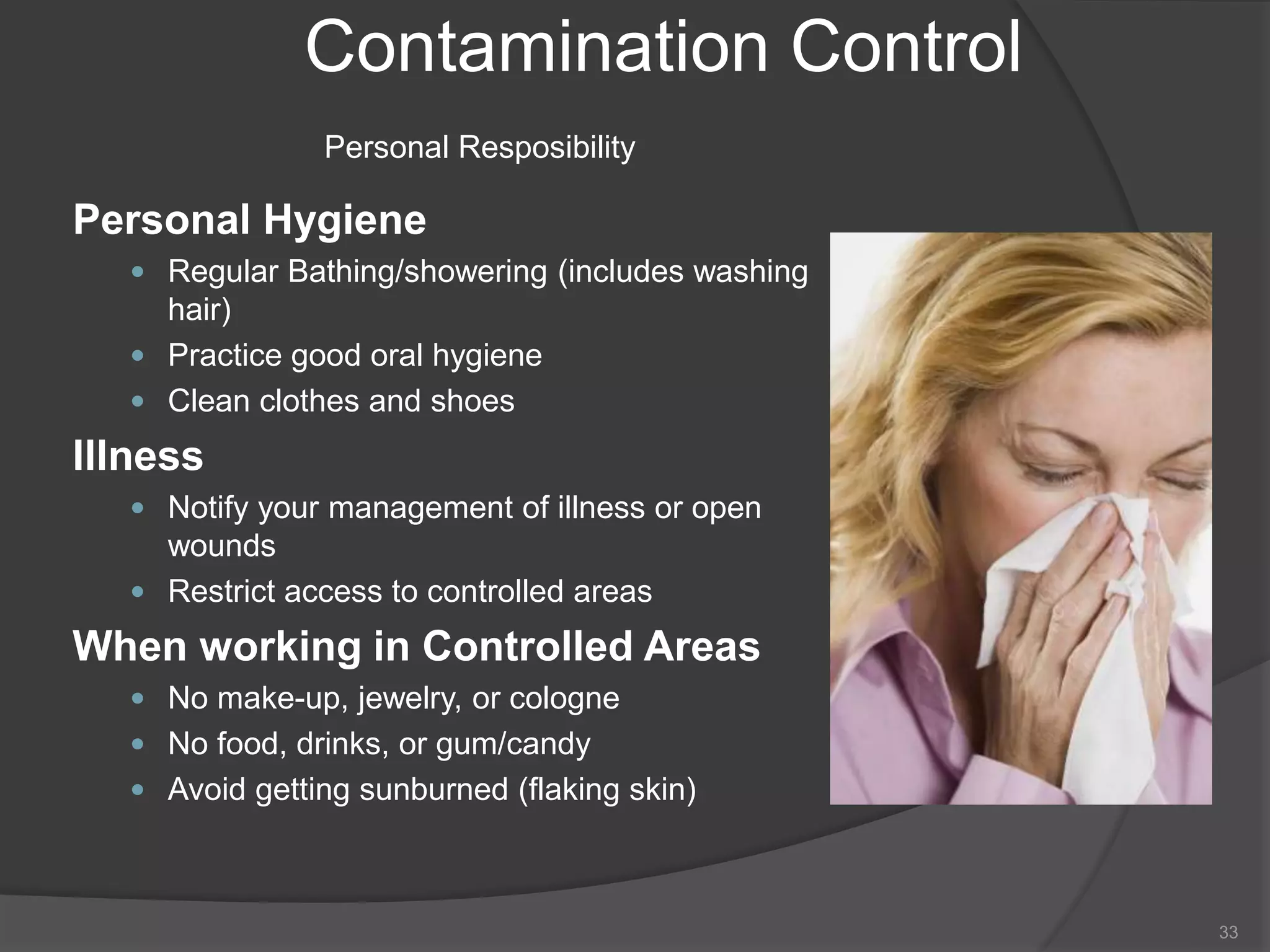
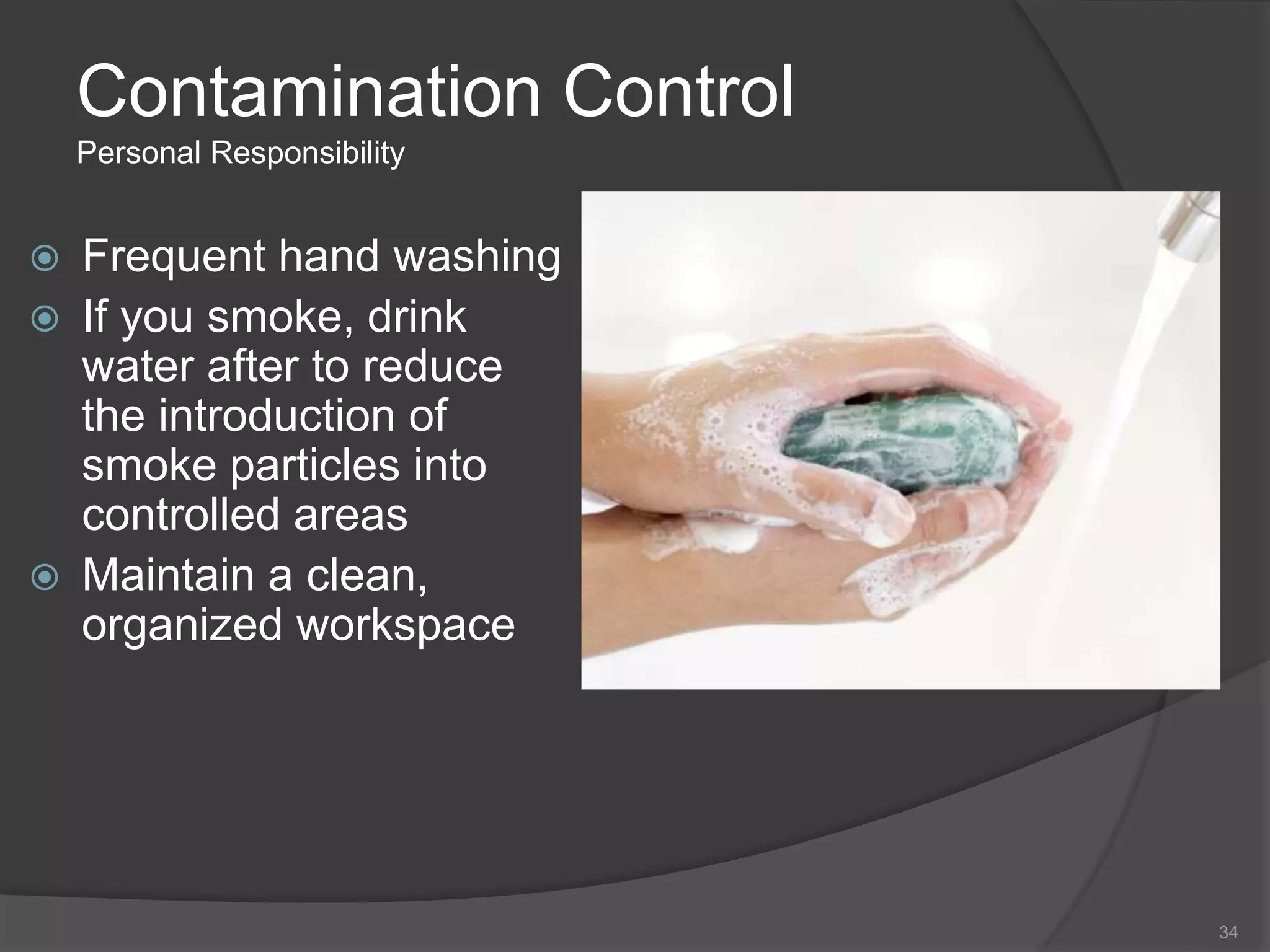
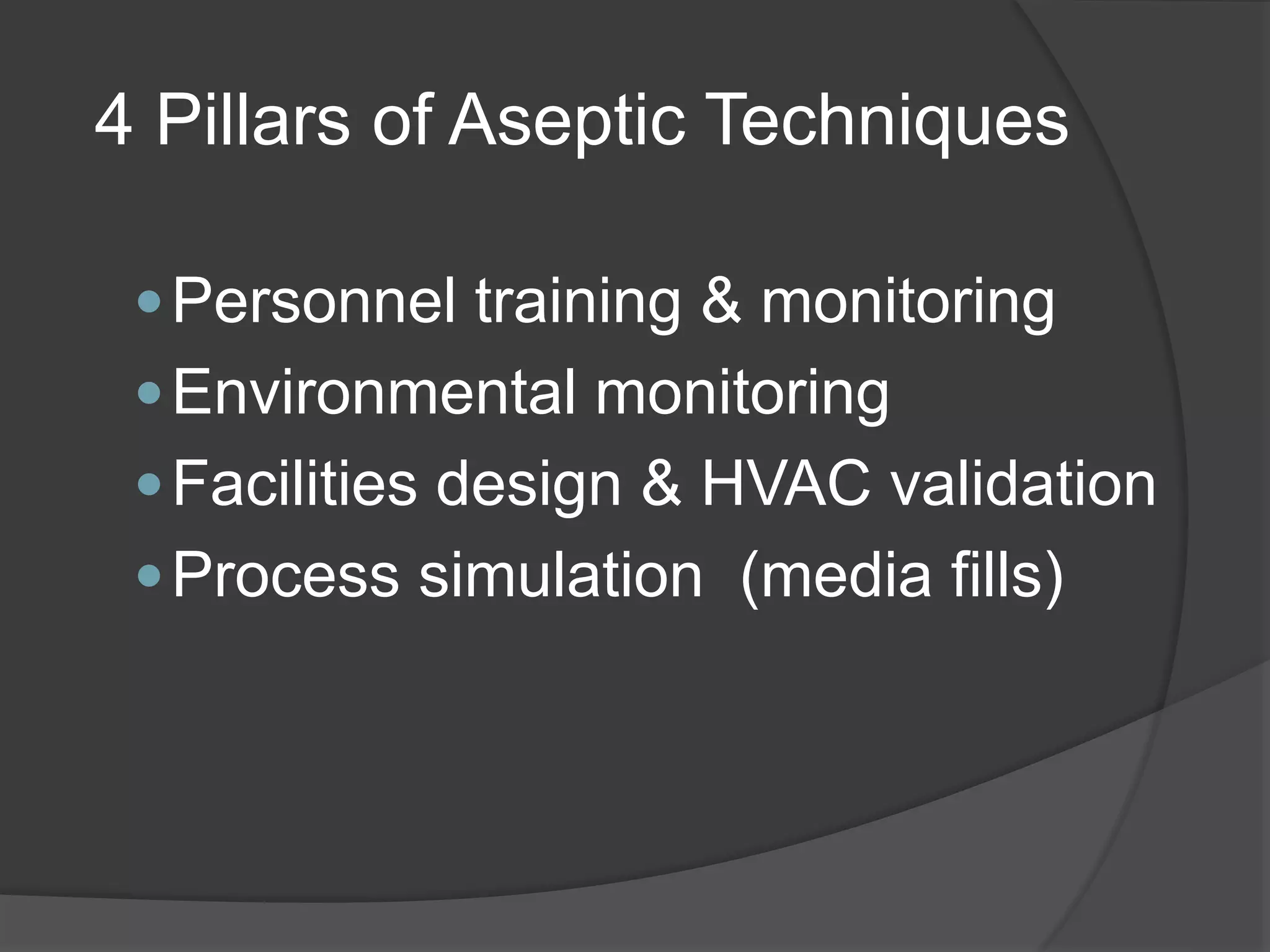
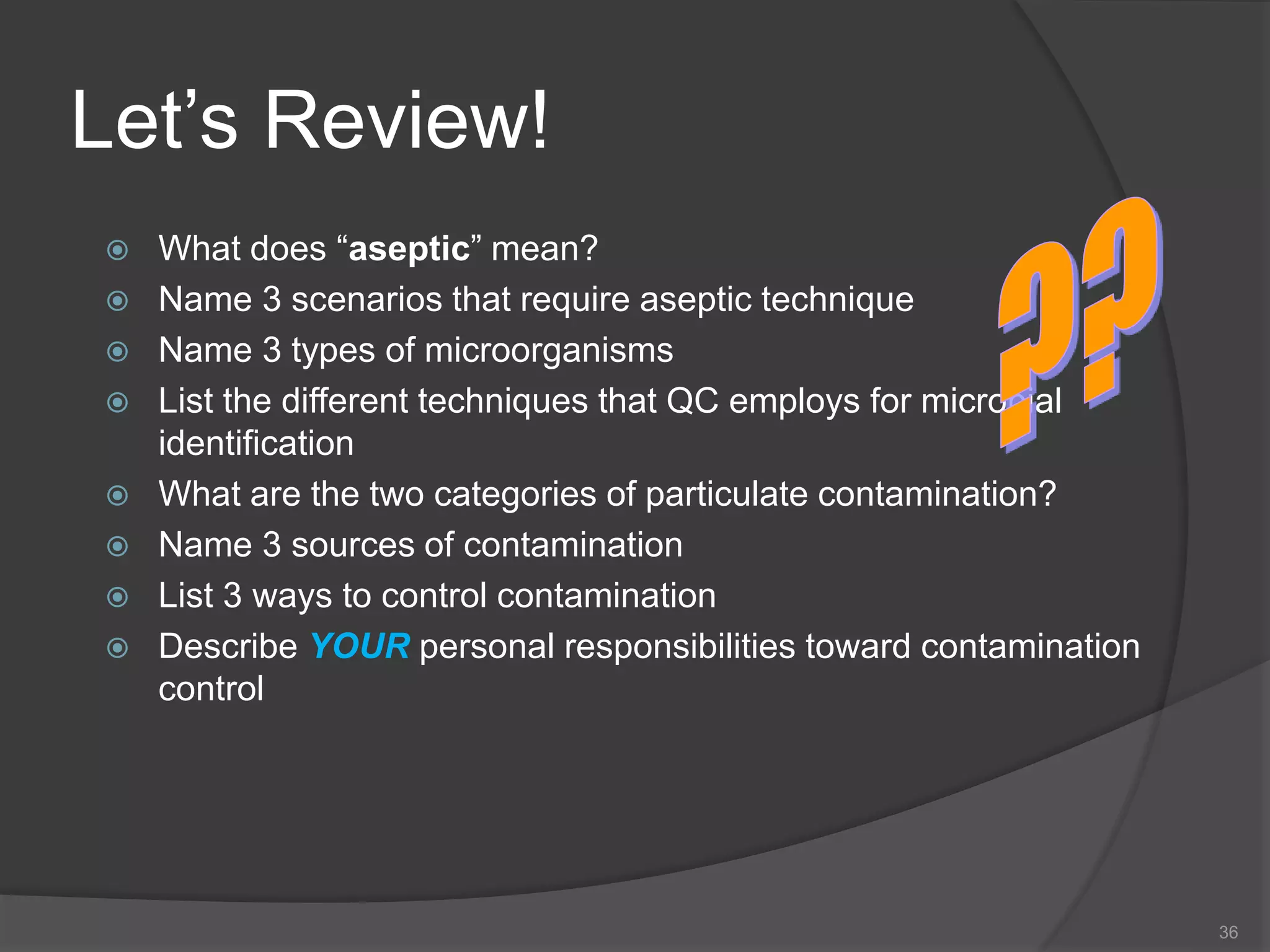


The document provides an overview of aseptic practices and microbiology basics. It discusses: - Definitions of aseptic, sterile, and related terms. - A brief history of aseptic techniques and milestones like the development of the microscope, iodine, and HEPA filters. - The importance of microbiology in contamination control and why microbes are studied. It describes common types of microbes like bacteria, fungi, and viruses. - Sources of contamination and methods for contamination control including cleaning/disinfection, hygiene practices, facilities design with HEPA filters and air flow, and the four pillars of aseptic techniques. - Personal responsibility in contamination prevention through practices like hand


