Overweight and
obesity in adults:
Clinical
Syndromes
CME PRESENTATION
By :Dr. Darayus P. Gazder
PG-R1
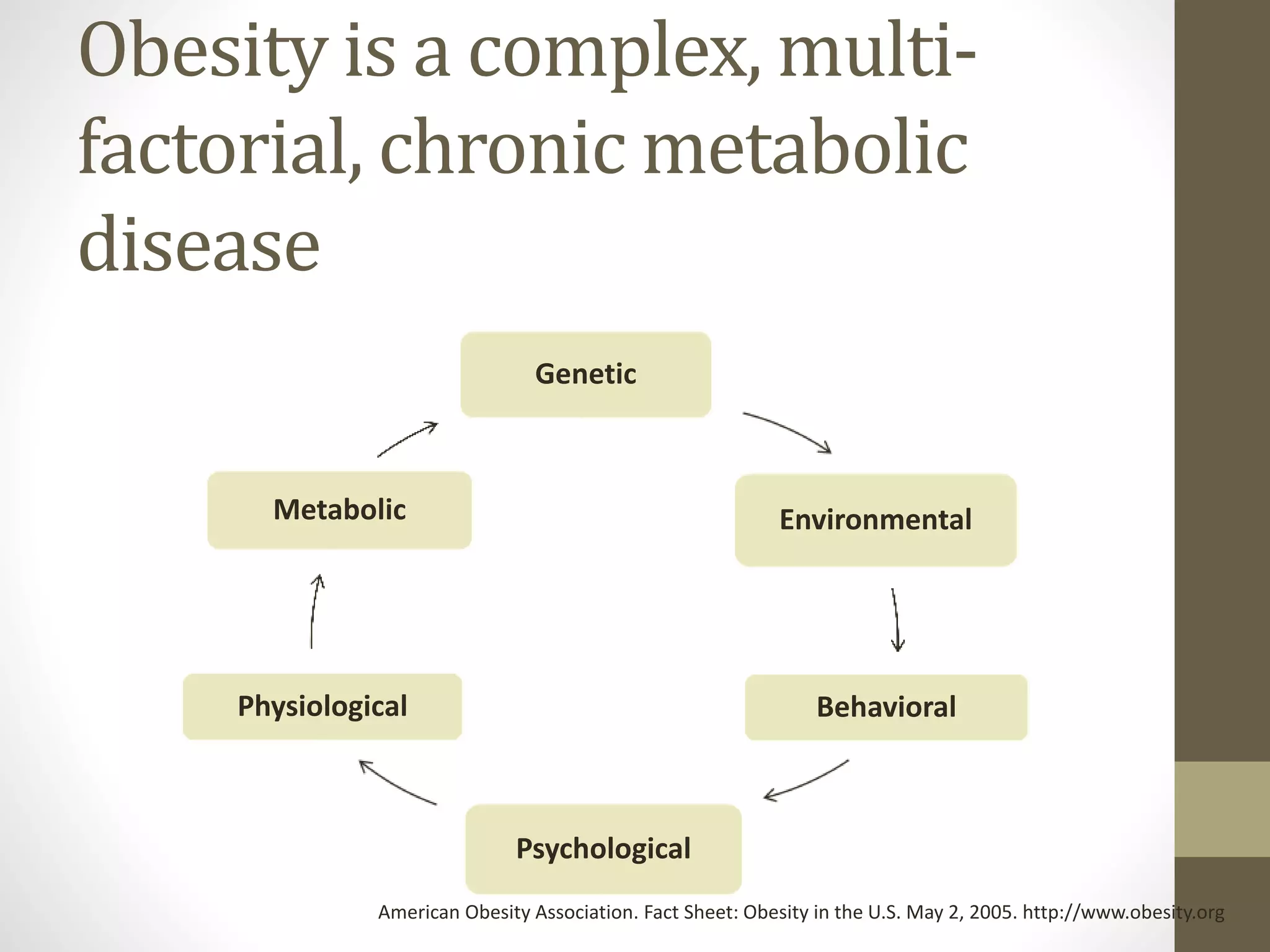
Genetic
Environmental
Behavioral
Psychological
Physiological
Metabolic
American Obesity Association. Fact Sheet: Obesity in the U.S. May 2, 2005. http://www.obesity.org
Obesity is a complex, multi-
factorial, chronic metabolic
disease
• The mortality and morbidity associated with being overweight or obese
have been known to the medical profession for more than 2000 years
• It has been suggested that the steady rise in life expectancy during the
past two centuries may come to an end because of the increasing
prevalence of obesity.
• Individuals who are both obese and smoke have a substantially greater
reduction in life expectancy than non obese smokers or obese
nonsmokers
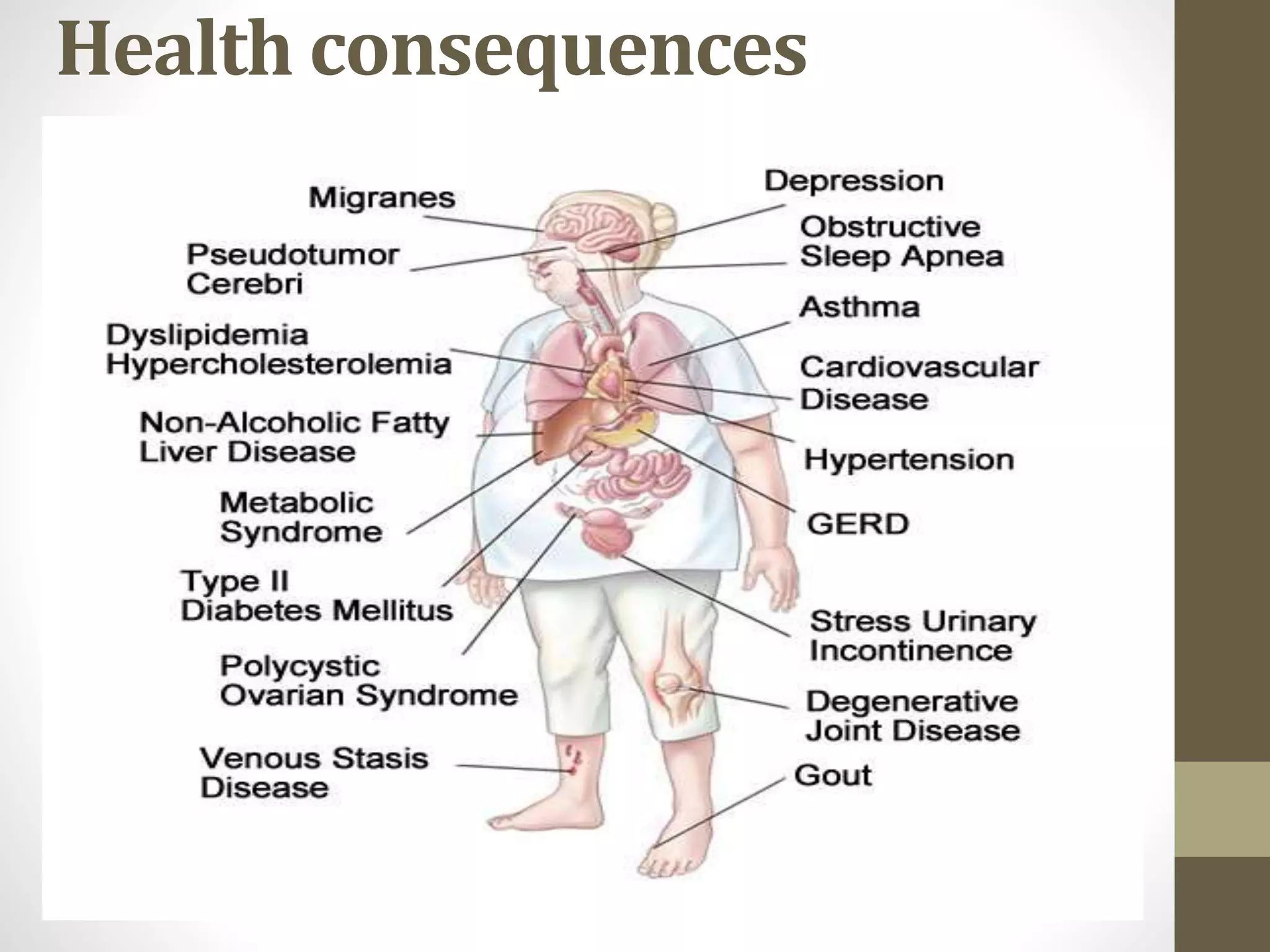
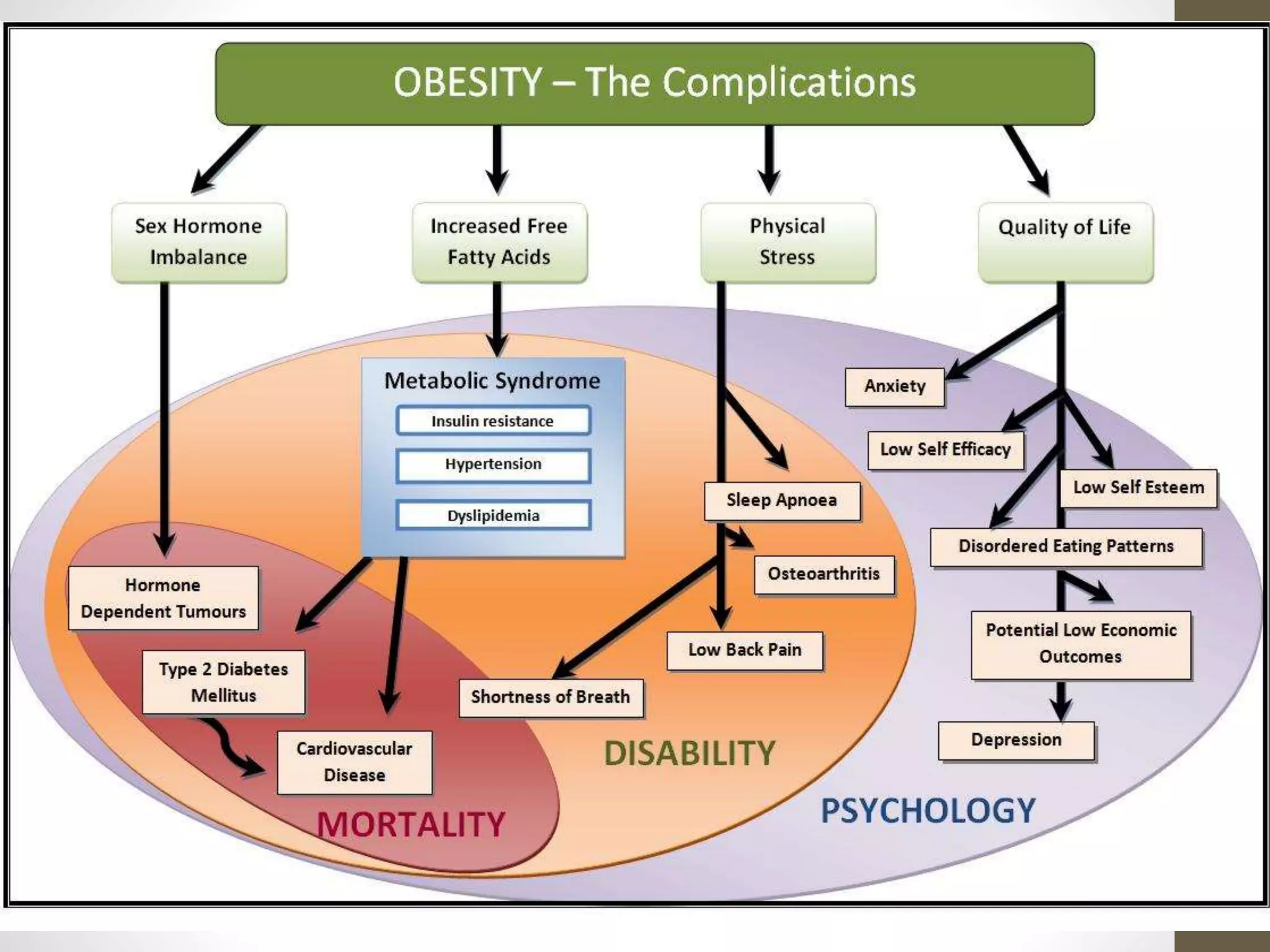
Health consequences
Morbidity
Morbidity
Overweight children and adolescents are at increased risk for future
adverse health effects, including the following:
❏ Increased prevalence of traditional cardiovascular risk factors such
as hypertension, hyperlipidemia, and DM.
❏ Poor school performance, tobacco use, alcohol use, and poor diet.
❏ Other associated health conditions, such as asthma, hepatic
steatosis, sleep apnea, stroke, cancers (breast, colon, and kidney),
renal insufficiency, musculoskeletal disorders, and gallbladder
disease.
Heart Disease and Stroke Statistics—2014 Update: Chapter 6
Morbidity
❏ Data from 4 Finnish cohort studies examining childhood and adult BMI
with a mean follow-up of 23 years found that overweight or obese children
who remained obese in adulthood had increased risks of the following:
Type 2 DM, Hypertension, Dyslipidemia, and Carotid atherosclerosis.
❏ The CARDIA study showed that young adults who were overweight or
obese had lower health-related quality of life than normal-weight
participants 20 years later.
Umer A, Kelley GA, Cottrell LE, Giacobbi P, Innes KE, Lilly CL.
Childhood obesity and adult cardiovascular disease risk
factors: a systematic review with meta-analysis. BMC public
health. 2017 Dec;17(1):683.
Coronary Artery Risk Development in Young
Adults Study (CARDIA).
Prevalence of Significant Morbidities per Weight
Stommel M, Schoenborn CA. Variations in BMI and prevalence of health risks in
diverse racial and ethnic populations. Obesity 2010; 18(9):1821-1826.
As a patient’s BMI rises, so does
the prevalence of co-morbid
conditions
4% 4%
19%
8%
5%
29%
17%
6%
45%
22%
6%
49%
0%
10%
20%
30%
40%
50%
60%
Diabetes Chronic Heart Disease Hypertension
BMI 25 BMI 30 BMI 40 BMI 40+
Morbidity
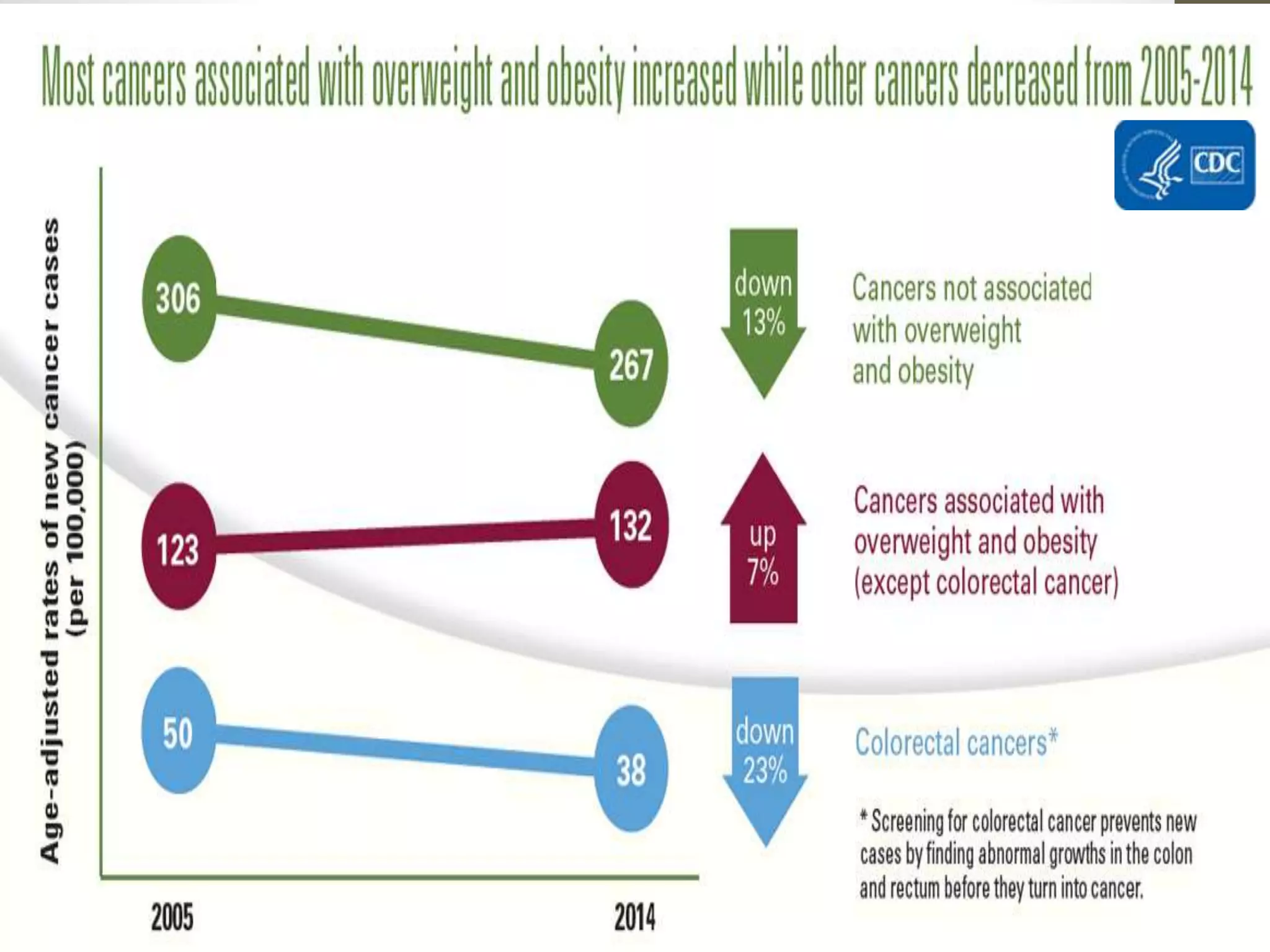
❏ One study, using NCI Surveillance, Epidemiology, and End Results (SEER)
data, estimated that in 2007 in the United States, about 34,000 new cases of
cancer in men (4 percent) and 50,500 in women (7 percent) were due to
obesity. The percentage of cases attributed to obesity varied widely for
different cancer types but was as high as 40 percent for some cancers,
particularly endometrial cancer and esophageal adenocarcinoma.
❏ A projection of the future health and economic burden of obesity in 2030
estimated that continuation of existing trends in obesity will lead to about
500,000 additional cases of cancer in the United States by 2030.
❏ This analysis also found that if every adult reduced their BMI by 1 percent,
which would be equivalent to a weight loss of roughly 1 kg (or 2.2 lbs) for an
adult of average weight, this would prevent the increase in the number of
cases and result in the avoidance of about 100,000 new cases of cancer
Morbidity
• Bone and cartilage degeneration (Osteoarthritis)
Obesity is an important risk factor for osteoarthritis (Knee Joint) / Obesity
confers a nine times increased risk in knee joint osteoarthritis in women
• Gallbladder disease
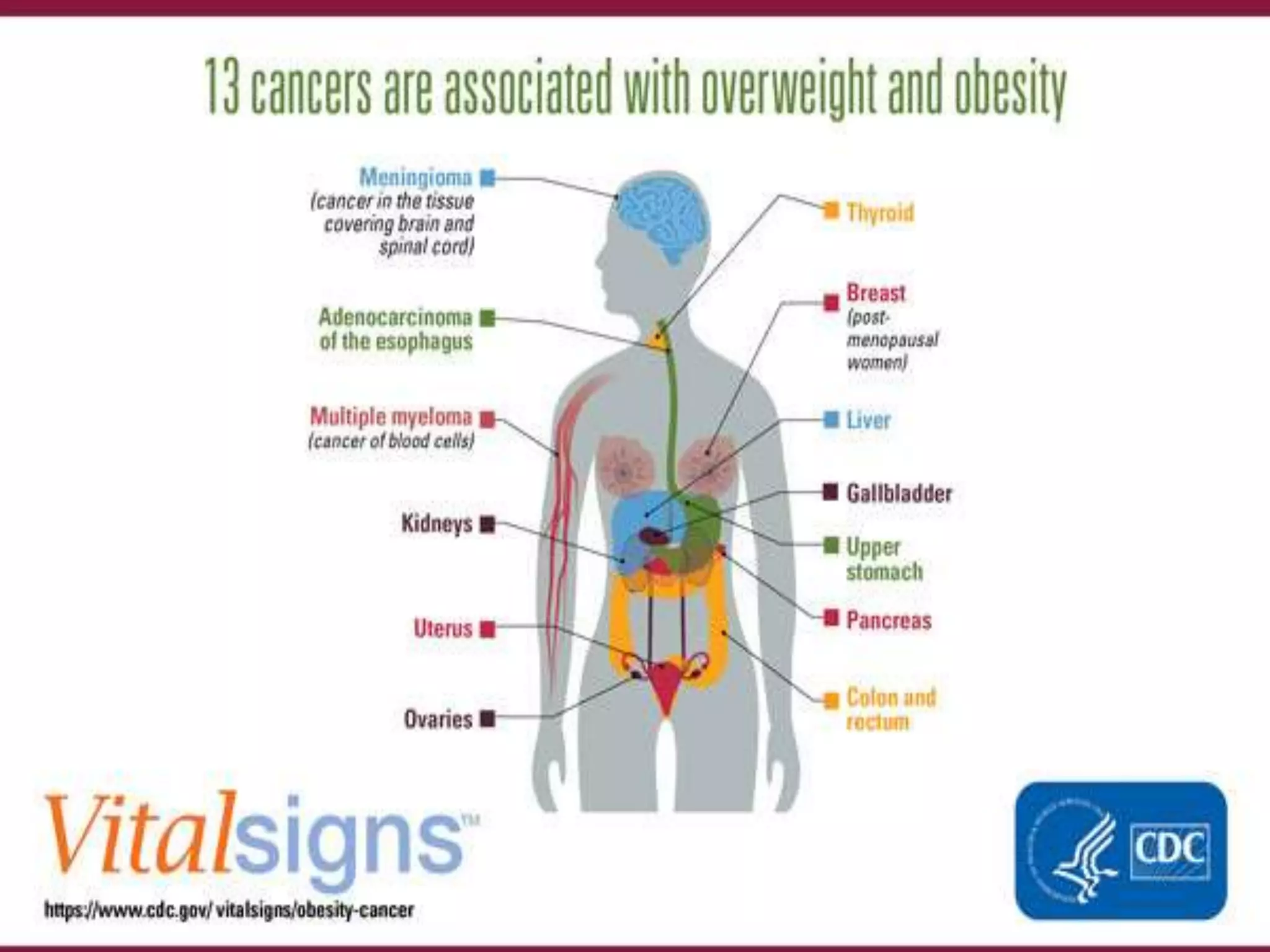
• Several cancers
In 2002, approximately 41,000 new cases of cancer in the USA were thought
to be due to obesity. In other words, about 3.2% of all new cancers are linked
to obesity.
• Sleep apnea
Obesity has been found to be linked to sleep apnea. Also, weight reduction
has been associated with comparable reductions in the severity of sleep
apnea. (NHLBI)
Polednak AP. Trends in incidence rates for
obesity-associated cancers in the US. Cancer
detection and prevention. 2003 Jan
1;27(6):415-21.
MORTALITY
• In general, greater body mass index (BMI), is associated with
increased rate of death from all causes and from cardiovascular
disease (CVD)
Whitlock G, Lewington S, Sherliker P,
et al. Body-mass index and cause-
specific mortality in 900,000 adults:
collaborative analyses of 57
prospective studies. Lancet 2009;
373:1083.
Mortality
❏ Researchers looked at data from more than 10.6 million participants from
239 large studies, conducted between 1970 and 2015, in 32 countries. A
combined 1.6 million deaths were recorded. Participants were followed
for an average of 14 years
EXCLUSION: Participants who were current / former smokers / Chronic diseases at
the beginning of the study, and any who died in the first five years of follow-up
22.5-<25 kg/m2 : Lowest mortality risk
25-<27.5 kg/m2: :7% higher risk of mortality
27.5-<30 kg/m2 :with a 20% higher risk
30.0-<35.0 kg/m2 :with a 45% higher risk
35.0-<40.0 kg/m2 :with a 94% higher risk
40.0-<60.0 kg/m2 :was associated with a nearly three-fold risk
Every 5 units higher BMI above 25 kg/m2was associated with about 31% higher
risk of premature death Di Angelantonio E, Bhupathiraju SN, Wormser D, Gao P, Kaptoge S, de
Gonzalez AB, Cairns BJ, Huxley R, Jackson CL, Joshy G, Lewington S. Body-
mass index and all-cause mortality: individual-participant-data meta-
analysis of 239 prospective studies in four continents. The Lancet. 2016
Aug 20;388(10046):776-86.
Mortality
❏ Obesity is associated with higher mortality rates for both CVD
and cancer.
❏ BMI is most strongly associated with cardiovascular disease
mortality among men (RR=2.90), but significantly increased risks
of CVD death were found at all BMIs of greater than 25.0 in
women and 26.5 in men.
The findings showed an increase of 40% to 80% in risk of dying from
cancer among both men and women in the highest weight
categories.
❏ Suggest that the gains in life expectancy from smoking cessation
are beginning to be outweighed by the loss of life expectancy
related to obesity.
Heart Disease and Stroke Statistics—2014 Update:
Chapter 6
Cost of Medical Care rises with
Obesity
• Currently, estimates for these costs range from $147 billion to nearly $210
billion per year.
• Obese adults spend 42 percent more on direct healthcare costs than adults
who are a healthy weight.
• Per capita healthcare costs for severely or morbidly obese adults (BMI >40) are
81 percent higher than for healthy weight adults
Cawley J The
Medical Care
Costs of Obesity:
An Instrumental
Variables
Approach. Journa
l of Health
Economics,2013
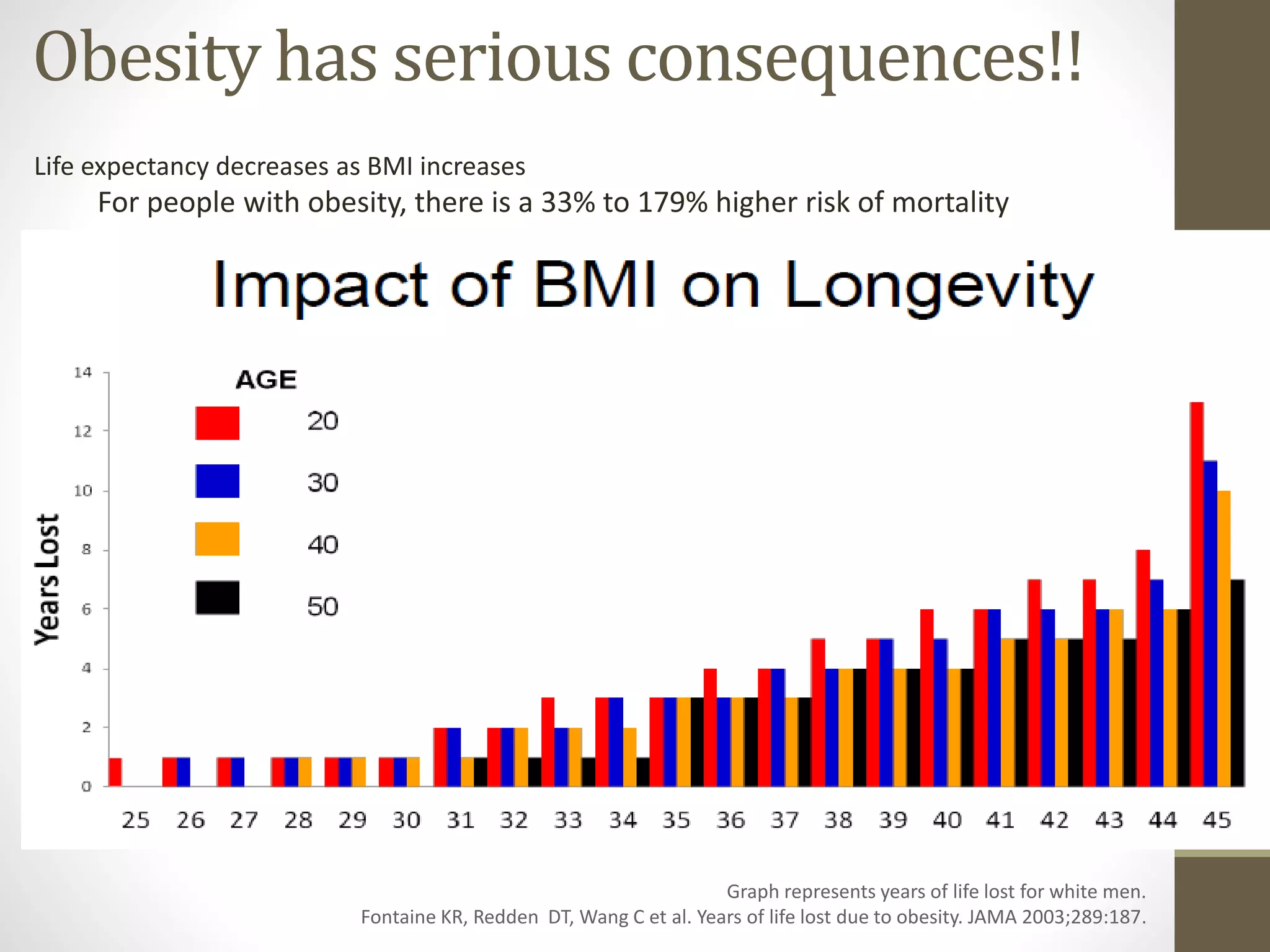
Obesity has serious consequences!!
Life expectancy decreases as BMI increases
For people with obesity, there is a 33% to 179% higher risk of mortality
Graph represents years of life lost for white men.
Fontaine KR, Redden DT, Wang C et al. Years of life lost due to obesity. JAMA 2003;289:187.
Cardiovascular involvement in obesity:
overview
• Hypertension — Blood pressure is often increased in obese
subjects. The risk of hypertension is greatest in those subjects
with upper body and abdominal obesity. Weight loss in obese
subjects is associated with a decline in blood pressure.
• Heart disease — Obesity is also associated with increased risks
of CHD, heart failure. Weight loss (if achieved through lifestyle
interventions, medication, or surgery) is associated with an
improvement in cardiovascular risk factors.
• Coronary heart disease – It is compounded by the frequent
coexistence of other CHD risk factors, such as hypertension,
dyslipidemia, and diabetes.
Obesity, weight reduction, and
cardiovascular disease"
Bariatric operations for
management of obesity: Indications
and preoperative preparation
Obesity-RelatedMechanismsofCardiovascularDysfunction
Asimplisticschematicofacomplexproblem.
• Heart failure – There is an important association between obesity and heart
failure. Mechanisms:
• Myocardial steatosis – One potential mechanism for heart disease
in obesity is thought to be excessive lipid accumulation in the
myocardium
• Electrocardiogram findings – Morbid obesity can cause changes in
cardiac morphology that can alter the surface electrocardiogram
(ECG).
• Atrial fibrillation – Obese individuals (BMI >30 kg/m2) are
significantly more likely to develop atrial fibrillation (AF) than those
with a normal BMI (<25 kg/m2).
For each point increase in BMI there is a 4% increase in the risk of
developing atrial fibrillation this is related to left atrial enlargement
and congestive heart failure
Nalliah CJ, Sanders P, Kottkamp H, Kalman JM. The role of
obesity in atrial fibrillation. European heart journal. 2015 Sep
14;37(20):1565-72.
Diabetes Mellitus
• One of the strongest risk factors for type 2 diabetes is
obesity,(Modifiable)
Risk of diabetes increases 53 times with severe obesity
• The risk of developing T2DM increases by 20% for each 1
kg/m2 increase in the BMI
• The risk of T2DM:
Does not increase up to a BMI <27.2 kg/m2
BMI of 27.2 to 29.4 kg/m2 the risk will rise by 100
Increases to about 300% for BMI >29.4 kg/m2
J La State Med Soc .2005; 157 (1): S42-49.
Obesity and Type 2 DM
In the United States
Among people diagnosed with
Type 2 diabetes,
55 percent have a BMI ≥ 30
(classified as obese),
30 percent have a
BMI ≥ 25 or ≤30
(classified as overweight), and
only 15 percent have a
BMI ≤ 25 (classified as
normal weight).
Adapted from:
http://www.obesityinamerica.org/trends/2016.html
BMI < 25
BMI > 25 or BMI < 30
BMI > 30
15%
30%55%
Diabetes Mellitus
Findings Relating to Weight loss
• Weight loss reduces the risk of developing diabetes.
• In the Health Professionals Follow-up Study, a weight loss of 5-11 kg
decreased the relative risk for developing diabetes by nearly 50%.
• Type 2 DM was almost nonexistent with a weight loss of more than 20 kg
(44 lbs) or in those with a BMI below 20.
J La State Med Soc .2005; 157 (1): S42-49.
CANCERS
A prospective study of 900,000
adults in the United States
showed that obesity accounts for
14% of all deaths from cancer in
men and for 20% of all deaths
from cancer in women
Calle et al., 2003
Breast Cancer
• Increased postmenopausal breast cancer
• Obesity acts as a protective factor for premenopausal breast
cancer
• Obesity is associated with increased risk of breast cancer
recurrence especially in Hormone receptor postive patients
Colon Cancer
• For men, increased BMI = increased risk
• The strongest association with abdominal obesity (waist
circumference)
• Also, increased BMI is associated with rectal cancer
Esophageal Cancer
• Esophageal adenocarcinoma is 2X’s higher in those who are
overweight and obese
• Associated link with gastroesophageal reflux and Barrett’s
esophagus
• Obesity exacerbates esophageal inflammation
Prostate Cancer
• Pooled data: obesity is associated with a slight increased risk
• Obese men have more aggressive cancers
• Linked to hormone and growth factors (esp IGF-1)
Other Cancers
• Obesity is associated with renal cell cancer
• Related to high insulin levels
• Associated with thyroid cancer
• Mechanism is unknown
• Associated with gallbladder cancer
• Possible mechanism related to frequency of gallstones
Endometrial Cancer
• Most common gynecologic cancer
• Its associated with obesity
• Hormone related cancer
• 23% of complex atypical hyperplasia (CAH)
progresses to endometrial cancer
• Excess of estrogen and lack of progesterone
causes abnormal proliferative drive
Endometrial Cancer: Annual Incidence and
Mortality
Year Cases Deaths
1987 35,000 2,900
2008 40,100 7,170*
American Cancer Society Estimates
*250% increase
American Cancer Society 2008
Pulmonary involvement in obesity:
overview
• Lung function in obesity
• Asthma and obesity
• Obstructive sleep apnea
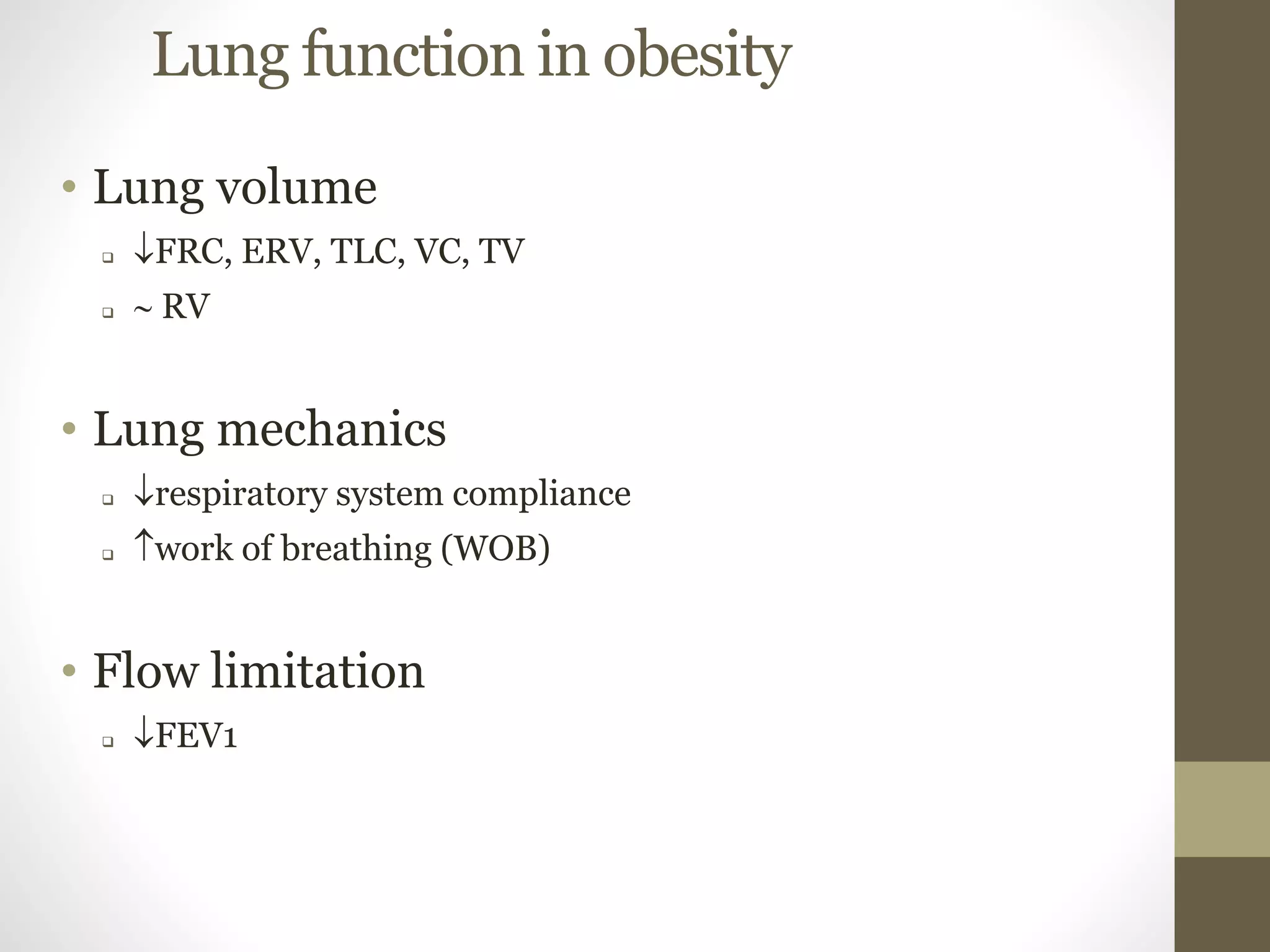
Lung function in obesity
• Lung volume
 FRC, ERV, TLC, VC, TV
  RV
• Lung mechanics
 respiratory system compliance
 work of breathing (WOB)
• Flow limitation
 FEV1
Obesity and Asthma, Am J Respir Crit Care Med 2006 ; 174. 112–119,
Obesity and asthma :pathophysiology
Obesity and Asthma,Am J Respir Crit Care Med2006; 174. 112–119
Obesity and asthma: pathophysiology
Inflammatory factors
Obstructive Sleep Apnea (OSA)
and Obesity
• OSA : Disorder of breathing during sleep characterized by prolonged partial upper
airway obstruction / intermittent complete obstruction that disrupts normal ventilation
during sleep and normal sleep pattern . (ATS. AJRCC.1996; 153: 866-878)
• Prevalence of OSA in obesity 37%- 46%
Mallory GB. et al. J Pediatr. 1989:115(6):892-7
Silvestri JM. et al. Ped Pulm. 1993;16(2):124-9
Marcus CL. et al. Ped Pul. 1996;21(3):176-83
OSA and obesity :pathophysiology
OBESITY
UA caliber ↓
UA compliance ↑
UA collapsibility ↑ OSAS
Pharyngeal fat ↑
Abdominal and
chest wall fat ↑
Lung volumes ↓
Obesity and weight loss in obstructive sleep apnea: a critical review.
Sleep
Psychosocial function
• Obese subjects are often exposed to public disapproval because of
their fatness. This stigma is seen in education, employment, and
health care, among other areas.
• For adolescents with a BMI above the 95% for age and sex:
* Completed fewer years of school
* 20% less likely to be married
* lower household incomes
* Higher rates of household poverty
• Depression has been associated with obesity causing profound
sadness, crying, and loss of energy
Depression in association with severe obesity: changes with weight loss.
Dixon JB, Dixon ME, O'Brien PE Arch Intern Med. 2013;163(17):2058.
2009
Psychological Disorders
Weight Loss
• Intentional weight loss has been
consistently associated with
improved quality of life.
• Severely obese patients who lost 43
kg through gastric bypass
demonstrated improved quality of life
scores to such an extent that their
post-weight loss scores were equal
to or even better than population
norms.
J La State Med Soc .2005; 157 (1): S42-49.
Endocrinol Metab Clin N Am. 2009; 32: 761-786.
• Dementia
• Obesity may be associated with an increased risk of dementia
• A recent meta-analysis of 15 prospective studies showed:
Alzheimers vs Vascular Dementia and
other Dementia’s
OVERWEIGHT: 1.35 1.26
OBESE : 2.04 1.64
• The inclusion of obesity in dementia forecast models
increases the estimated prevalence of dementia through
2050 by 9% in the United States and 19% in China.
Heart Disease and Stroke Statistics—2014 Update: Chapter 6
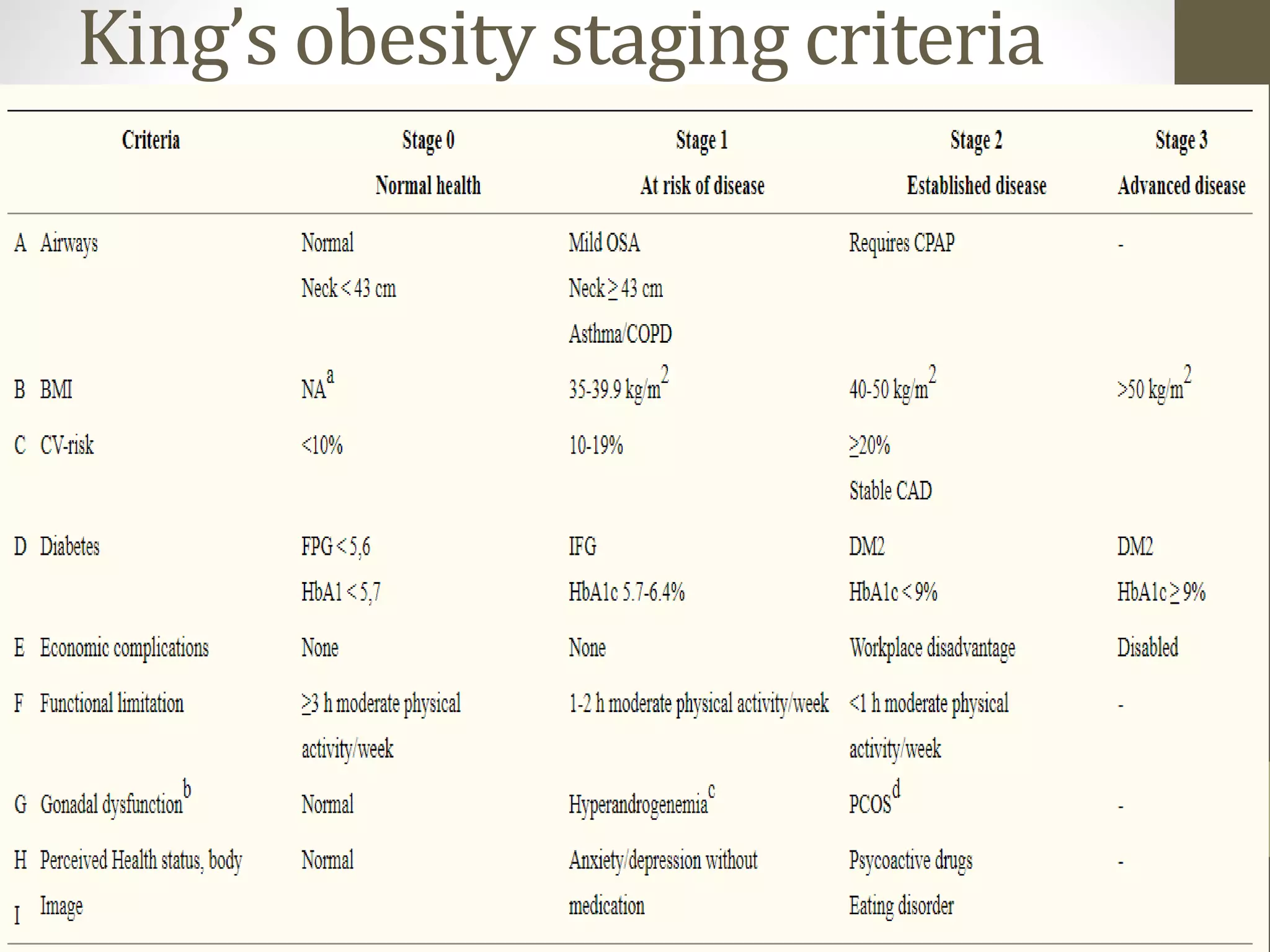
King’s obesity staging criteria
Summary
●Obesity is associated with significant excess morbidity and mortality.
There are over 200 comorbidities associated with obesity.
●In general, greater body mass index (BMI), calculated as weight (in
kg) divided by height (in m2), is associated with increased rate of death
from all causes and from cardiovascular disease (CVD)
●Specifically, obesity and increased central fat are associated with
diabetes mellitus, hypertension, heart disease, stroke, sleep apnea,
and many chronic and debilitating diseases. Even modest weight loss
improves these comorbidities.
●Obesity affects psychosocial function as obese individuals are often
exposed to public disapproval. This stigma is seen in education,
employment, and health care, among other areas.
●Treating obesity and obesity-related conditions represents an
enormous economic burden. In addition to direct health care
expenses, there are other costs, including lost work productivity and
lower household income.

Overweight and obesity in adults health consequences

  • 1.
    Overweight and obesity inadults: Clinical Syndromes CME PRESENTATION By :Dr. Darayus P. Gazder PG-R1
  • 2.
    Genetic Environmental Behavioral Psychological Physiological Metabolic American Obesity Association.Fact Sheet: Obesity in the U.S. May 2, 2005. http://www.obesity.org Obesity is a complex, multi- factorial, chronic metabolic disease
  • 3.
    • The mortalityand morbidity associated with being overweight or obese have been known to the medical profession for more than 2000 years • It has been suggested that the steady rise in life expectancy during the past two centuries may come to an end because of the increasing prevalence of obesity. • Individuals who are both obese and smoke have a substantially greater reduction in life expectancy than non obese smokers or obese nonsmokers
  • 4.
  • 6.
    Morbidity Morbidity Overweight children andadolescents are at increased risk for future adverse health effects, including the following: ❏ Increased prevalence of traditional cardiovascular risk factors such as hypertension, hyperlipidemia, and DM. ❏ Poor school performance, tobacco use, alcohol use, and poor diet. ❏ Other associated health conditions, such as asthma, hepatic steatosis, sleep apnea, stroke, cancers (breast, colon, and kidney), renal insufficiency, musculoskeletal disorders, and gallbladder disease. Heart Disease and Stroke Statistics—2014 Update: Chapter 6
  • 7.
    Morbidity ❏ Data from4 Finnish cohort studies examining childhood and adult BMI with a mean follow-up of 23 years found that overweight or obese children who remained obese in adulthood had increased risks of the following: Type 2 DM, Hypertension, Dyslipidemia, and Carotid atherosclerosis. ❏ The CARDIA study showed that young adults who were overweight or obese had lower health-related quality of life than normal-weight participants 20 years later. Umer A, Kelley GA, Cottrell LE, Giacobbi P, Innes KE, Lilly CL. Childhood obesity and adult cardiovascular disease risk factors: a systematic review with meta-analysis. BMC public health. 2017 Dec;17(1):683. Coronary Artery Risk Development in Young Adults Study (CARDIA).
  • 8.
    Prevalence of SignificantMorbidities per Weight Stommel M, Schoenborn CA. Variations in BMI and prevalence of health risks in diverse racial and ethnic populations. Obesity 2010; 18(9):1821-1826. As a patient’s BMI rises, so does the prevalence of co-morbid conditions 4% 4% 19% 8% 5% 29% 17% 6% 45% 22% 6% 49% 0% 10% 20% 30% 40% 50% 60% Diabetes Chronic Heart Disease Hypertension BMI 25 BMI 30 BMI 40 BMI 40+
  • 9.
    Morbidity ❏ One study,using NCI Surveillance, Epidemiology, and End Results (SEER) data, estimated that in 2007 in the United States, about 34,000 new cases of cancer in men (4 percent) and 50,500 in women (7 percent) were due to obesity. The percentage of cases attributed to obesity varied widely for different cancer types but was as high as 40 percent for some cancers, particularly endometrial cancer and esophageal adenocarcinoma. ❏ A projection of the future health and economic burden of obesity in 2030 estimated that continuation of existing trends in obesity will lead to about 500,000 additional cases of cancer in the United States by 2030. ❏ This analysis also found that if every adult reduced their BMI by 1 percent, which would be equivalent to a weight loss of roughly 1 kg (or 2.2 lbs) for an adult of average weight, this would prevent the increase in the number of cases and result in the avoidance of about 100,000 new cases of cancer
  • 10.
    Morbidity • Bone andcartilage degeneration (Osteoarthritis) Obesity is an important risk factor for osteoarthritis (Knee Joint) / Obesity confers a nine times increased risk in knee joint osteoarthritis in women • Gallbladder disease • Several cancers In 2002, approximately 41,000 new cases of cancer in the USA were thought to be due to obesity. In other words, about 3.2% of all new cancers are linked to obesity. • Sleep apnea Obesity has been found to be linked to sleep apnea. Also, weight reduction has been associated with comparable reductions in the severity of sleep apnea. (NHLBI) Polednak AP. Trends in incidence rates for obesity-associated cancers in the US. Cancer detection and prevention. 2003 Jan 1;27(6):415-21.
  • 11.
    MORTALITY • In general,greater body mass index (BMI), is associated with increased rate of death from all causes and from cardiovascular disease (CVD)
  • 12.
    Whitlock G, LewingtonS, Sherliker P, et al. Body-mass index and cause- specific mortality in 900,000 adults: collaborative analyses of 57 prospective studies. Lancet 2009; 373:1083.
  • 13.
    Mortality ❏ Researchers lookedat data from more than 10.6 million participants from 239 large studies, conducted between 1970 and 2015, in 32 countries. A combined 1.6 million deaths were recorded. Participants were followed for an average of 14 years EXCLUSION: Participants who were current / former smokers / Chronic diseases at the beginning of the study, and any who died in the first five years of follow-up 22.5-<25 kg/m2 : Lowest mortality risk 25-<27.5 kg/m2: :7% higher risk of mortality 27.5-<30 kg/m2 :with a 20% higher risk 30.0-<35.0 kg/m2 :with a 45% higher risk 35.0-<40.0 kg/m2 :with a 94% higher risk 40.0-<60.0 kg/m2 :was associated with a nearly three-fold risk Every 5 units higher BMI above 25 kg/m2was associated with about 31% higher risk of premature death Di Angelantonio E, Bhupathiraju SN, Wormser D, Gao P, Kaptoge S, de Gonzalez AB, Cairns BJ, Huxley R, Jackson CL, Joshy G, Lewington S. Body- mass index and all-cause mortality: individual-participant-data meta- analysis of 239 prospective studies in four continents. The Lancet. 2016 Aug 20;388(10046):776-86.
  • 14.
    Mortality ❏ Obesity isassociated with higher mortality rates for both CVD and cancer. ❏ BMI is most strongly associated with cardiovascular disease mortality among men (RR=2.90), but significantly increased risks of CVD death were found at all BMIs of greater than 25.0 in women and 26.5 in men. The findings showed an increase of 40% to 80% in risk of dying from cancer among both men and women in the highest weight categories. ❏ Suggest that the gains in life expectancy from smoking cessation are beginning to be outweighed by the loss of life expectancy related to obesity. Heart Disease and Stroke Statistics—2014 Update: Chapter 6
  • 15.
    Cost of MedicalCare rises with Obesity • Currently, estimates for these costs range from $147 billion to nearly $210 billion per year. • Obese adults spend 42 percent more on direct healthcare costs than adults who are a healthy weight. • Per capita healthcare costs for severely or morbidly obese adults (BMI >40) are 81 percent higher than for healthy weight adults Cawley J The Medical Care Costs of Obesity: An Instrumental Variables Approach. Journa l of Health Economics,2013
  • 16.
    Obesity has seriousconsequences!! Life expectancy decreases as BMI increases For people with obesity, there is a 33% to 179% higher risk of mortality Graph represents years of life lost for white men. Fontaine KR, Redden DT, Wang C et al. Years of life lost due to obesity. JAMA 2003;289:187.
  • 17.
    Cardiovascular involvement inobesity: overview • Hypertension — Blood pressure is often increased in obese subjects. The risk of hypertension is greatest in those subjects with upper body and abdominal obesity. Weight loss in obese subjects is associated with a decline in blood pressure. • Heart disease — Obesity is also associated with increased risks of CHD, heart failure. Weight loss (if achieved through lifestyle interventions, medication, or surgery) is associated with an improvement in cardiovascular risk factors. • Coronary heart disease – It is compounded by the frequent coexistence of other CHD risk factors, such as hypertension, dyslipidemia, and diabetes. Obesity, weight reduction, and cardiovascular disease" Bariatric operations for management of obesity: Indications and preoperative preparation
  • 18.
  • 19.
    • Heart failure– There is an important association between obesity and heart failure. Mechanisms:
  • 20.
    • Myocardial steatosis– One potential mechanism for heart disease in obesity is thought to be excessive lipid accumulation in the myocardium • Electrocardiogram findings – Morbid obesity can cause changes in cardiac morphology that can alter the surface electrocardiogram (ECG). • Atrial fibrillation – Obese individuals (BMI >30 kg/m2) are significantly more likely to develop atrial fibrillation (AF) than those with a normal BMI (<25 kg/m2). For each point increase in BMI there is a 4% increase in the risk of developing atrial fibrillation this is related to left atrial enlargement and congestive heart failure Nalliah CJ, Sanders P, Kottkamp H, Kalman JM. The role of obesity in atrial fibrillation. European heart journal. 2015 Sep 14;37(20):1565-72.
  • 21.
    Diabetes Mellitus • Oneof the strongest risk factors for type 2 diabetes is obesity,(Modifiable) Risk of diabetes increases 53 times with severe obesity • The risk of developing T2DM increases by 20% for each 1 kg/m2 increase in the BMI • The risk of T2DM: Does not increase up to a BMI <27.2 kg/m2 BMI of 27.2 to 29.4 kg/m2 the risk will rise by 100 Increases to about 300% for BMI >29.4 kg/m2 J La State Med Soc .2005; 157 (1): S42-49.
  • 23.
    Obesity and Type2 DM In the United States Among people diagnosed with Type 2 diabetes, 55 percent have a BMI ≥ 30 (classified as obese), 30 percent have a BMI ≥ 25 or ≤30 (classified as overweight), and only 15 percent have a BMI ≤ 25 (classified as normal weight). Adapted from: http://www.obesityinamerica.org/trends/2016.html BMI < 25 BMI > 25 or BMI < 30 BMI > 30 15% 30%55%
  • 24.
    Diabetes Mellitus Findings Relatingto Weight loss • Weight loss reduces the risk of developing diabetes. • In the Health Professionals Follow-up Study, a weight loss of 5-11 kg decreased the relative risk for developing diabetes by nearly 50%. • Type 2 DM was almost nonexistent with a weight loss of more than 20 kg (44 lbs) or in those with a BMI below 20. J La State Med Soc .2005; 157 (1): S42-49.
  • 25.
  • 28.
    A prospective studyof 900,000 adults in the United States showed that obesity accounts for 14% of all deaths from cancer in men and for 20% of all deaths from cancer in women Calle et al., 2003
  • 30.
    Breast Cancer • Increasedpostmenopausal breast cancer • Obesity acts as a protective factor for premenopausal breast cancer • Obesity is associated with increased risk of breast cancer recurrence especially in Hormone receptor postive patients Colon Cancer • For men, increased BMI = increased risk • The strongest association with abdominal obesity (waist circumference) • Also, increased BMI is associated with rectal cancer
  • 31.
    Esophageal Cancer • Esophagealadenocarcinoma is 2X’s higher in those who are overweight and obese • Associated link with gastroesophageal reflux and Barrett’s esophagus • Obesity exacerbates esophageal inflammation Prostate Cancer • Pooled data: obesity is associated with a slight increased risk • Obese men have more aggressive cancers • Linked to hormone and growth factors (esp IGF-1)
  • 32.
    Other Cancers • Obesityis associated with renal cell cancer • Related to high insulin levels • Associated with thyroid cancer • Mechanism is unknown • Associated with gallbladder cancer • Possible mechanism related to frequency of gallstones
  • 33.
    Endometrial Cancer • Mostcommon gynecologic cancer • Its associated with obesity • Hormone related cancer • 23% of complex atypical hyperplasia (CAH) progresses to endometrial cancer • Excess of estrogen and lack of progesterone causes abnormal proliferative drive
  • 34.
    Endometrial Cancer: AnnualIncidence and Mortality Year Cases Deaths 1987 35,000 2,900 2008 40,100 7,170* American Cancer Society Estimates *250% increase American Cancer Society 2008
  • 35.
    Pulmonary involvement inobesity: overview • Lung function in obesity • Asthma and obesity • Obstructive sleep apnea
  • 36.
    Lung function inobesity • Lung volume  FRC, ERV, TLC, VC, TV   RV • Lung mechanics  respiratory system compliance  work of breathing (WOB) • Flow limitation  FEV1
  • 37.
    Obesity and Asthma,Am J Respir Crit Care Med 2006 ; 174. 112–119, Obesity and asthma :pathophysiology
  • 38.
    Obesity and Asthma,AmJ Respir Crit Care Med2006; 174. 112–119 Obesity and asthma: pathophysiology Inflammatory factors
  • 39.
    Obstructive Sleep Apnea(OSA) and Obesity • OSA : Disorder of breathing during sleep characterized by prolonged partial upper airway obstruction / intermittent complete obstruction that disrupts normal ventilation during sleep and normal sleep pattern . (ATS. AJRCC.1996; 153: 866-878) • Prevalence of OSA in obesity 37%- 46% Mallory GB. et al. J Pediatr. 1989:115(6):892-7 Silvestri JM. et al. Ped Pulm. 1993;16(2):124-9 Marcus CL. et al. Ped Pul. 1996;21(3):176-83
  • 40.
    OSA and obesity:pathophysiology OBESITY UA caliber ↓ UA compliance ↑ UA collapsibility ↑ OSAS Pharyngeal fat ↑ Abdominal and chest wall fat ↑ Lung volumes ↓ Obesity and weight loss in obstructive sleep apnea: a critical review. Sleep
  • 41.
    Psychosocial function • Obesesubjects are often exposed to public disapproval because of their fatness. This stigma is seen in education, employment, and health care, among other areas. • For adolescents with a BMI above the 95% for age and sex: * Completed fewer years of school * 20% less likely to be married * lower household incomes * Higher rates of household poverty • Depression has been associated with obesity causing profound sadness, crying, and loss of energy Depression in association with severe obesity: changes with weight loss. Dixon JB, Dixon ME, O'Brien PE Arch Intern Med. 2013;163(17):2058.
  • 42.
    2009 Psychological Disorders Weight Loss •Intentional weight loss has been consistently associated with improved quality of life. • Severely obese patients who lost 43 kg through gastric bypass demonstrated improved quality of life scores to such an extent that their post-weight loss scores were equal to or even better than population norms. J La State Med Soc .2005; 157 (1): S42-49. Endocrinol Metab Clin N Am. 2009; 32: 761-786.
  • 43.
    • Dementia • Obesitymay be associated with an increased risk of dementia • A recent meta-analysis of 15 prospective studies showed: Alzheimers vs Vascular Dementia and other Dementia’s OVERWEIGHT: 1.35 1.26 OBESE : 2.04 1.64 • The inclusion of obesity in dementia forecast models increases the estimated prevalence of dementia through 2050 by 9% in the United States and 19% in China. Heart Disease and Stroke Statistics—2014 Update: Chapter 6
  • 44.
  • 47.
    Summary ●Obesity is associatedwith significant excess morbidity and mortality. There are over 200 comorbidities associated with obesity. ●In general, greater body mass index (BMI), calculated as weight (in kg) divided by height (in m2), is associated with increased rate of death from all causes and from cardiovascular disease (CVD) ●Specifically, obesity and increased central fat are associated with diabetes mellitus, hypertension, heart disease, stroke, sleep apnea, and many chronic and debilitating diseases. Even modest weight loss improves these comorbidities. ●Obesity affects psychosocial function as obese individuals are often exposed to public disapproval. This stigma is seen in education, employment, and health care, among other areas. ●Treating obesity and obesity-related conditions represents an enormous economic burden. In addition to direct health care expenses, there are other costs, including lost work productivity and lower household income.