DR. CHRISTINA SAMUEL 
PG- M.S OPHTHALMOLOGY 
MMCH & RI
GENERAL PROPERTIES OF VIRUS 
Virus is the smallest known micro organism 
[10nm-300nm] 
It consists of a nucleic acid core(RNA/DNA) 

surrounded by a protein coat. 
They are metabolically inert and hence requires 
living cells to survive and replicate. 
The protein coat which is antigenic in nature is 
called a ‘Capsid’ and together with the nucleic 
acid is termed as ‘Virion’. The capsid is made up 
of protein subunits called as ‘Capsomeres’
VIRUS 
 ADENO VIRUS 
 HERPES SIMPLEX 
 HERPES ZOSTER 
 CYTOMEGALOVIRUS 
 PAPOVA VIRUS 
 POX VIRUS- VARIOLA, VACCINIA, MOLLUSCUM 
 PICORNA VIRUS 
 PARAMYXO VIRUS 
 RUBEOLA 
 RUBELLA 
 HIV
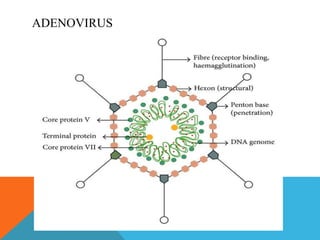
ADENOVIRUS- ADENOVIRAL CONJUNCTIVITIS 
Family- Adenoviridae 
Double stranded DNA virus without an envelope 
70-90nm in diameter, icosahedral symmetry, 252 capsomeres. 
Has an affinity for mucous surfaces and hence infect the 
conjunctiva, pharynx and small intestine. 
Humoral immunity plays a major role in combating adenovirus 
infections and aslo a long lasting immunity is conferred against 
reinfection. 
Mode of transmission- hand to eye transfer, unsterilized instruments, 
fomites, water borne(swimming pool)
ADENOVIRUS
Syndrome Adenovirus type 
- Pharyngo conjunctival 3,4,7,14,21 
fever, ARD 
- Follicular conjunctivitis 1,2,3,5,6,7 
- Epidemic 
keratoconjunctivitis 8,19,37 
(Shipyard eye)
SIGNS: 
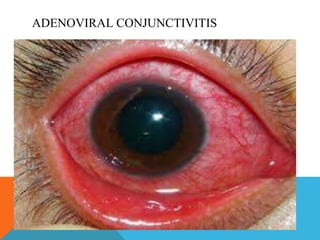
Conjunctiva- Eyelid edema, pre auricular lymphadenopathy, 
conjunctival congestion, follicles, chemosis, rarely membranes 
or pseudo membranes leaving a mild scar after resolution. 
Cornea- Non staining epithelial microcysts, punctate epithelial 
keratitis, focal subepithelial/anterior stromal infiltrates. 
Mild anterior uveitis in some cases. 
DD:- 
Acute haemorrhagic conjunctivitis- enterovirus/coxsackievirus 
Follicular conjunctivitis- HSV, varicella, mumps, measles,HIV
LAB DIAGNOSIS 
- Giemsa stain- mononuclear cells 
- Electron microscopy 
- Virus isolation from conjunctival swab 
- Cell line- primary human embryonic kidney cells, human epithelial 
cells and MRC-5 cells( observe cytopathic effect) = ‘plaques’ 
- Complement fixation test 
- ELISA & Enzyme Immunoassays 
- PCR
ADENOVIRAL CONJUNCTIVITIS
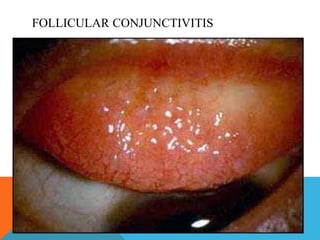
FOLLICULAR CONJUNCTIVITIS
TREATMENT 
Topical antibiotics 
Lubricants 
Topical steroids 
Discontinue contact lens 
Warm compressions 
Hygiene- hand wash
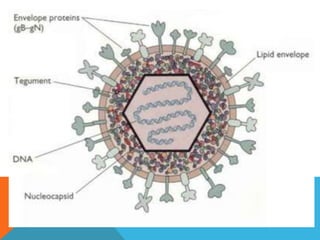
HERPES VIRUS 
Family- Alpha herpes virus 
Double stranded DNA virus with a capsid and envelope. 
150-200nm in diameter, 162 capsomeres 
2 subtypes- HSV 1 & HSV 2 
It multiplies in the nuclei of infected cells and produces 
intracellular inclusion bodies “Lipschutz inclusion bodies” 
Virus proliferates in the cells of the stroma and keratocytes and 
sets up an inflammatory reaction. 
It remains latent in the trigeminal ganglion- recurrent infection. 
Primary infection- face, eye, mouth( 6mth-5yrs/newborns through 
mother) 
Latent infection-reactivation. May not involve the eye
CLINICAL FEATURES 
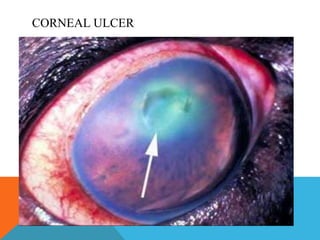
Epithelial dendritic/geographic keratitis causing ulcer which stains 
well with fluorescein dye. 
Ends of the ulcer has terminal buds staining with rose bengal 
Decreased corneal sensation. Scarring and vascularization in 
prolonged cases. Disciform keratitis, necrotizing stromal 
keratitis, neurotrophic ulceration 
Keratoconjunctivitis and anterior uveitis 
Preauricular lymphadenopathy, vesicular eruptions on the skin. 
Fever and malaise 
DD:- 
Herpes zoster keratitis 
Acanthaemoeba keratitis
CORNEAL ULCER
LAB DIAGNOSIS 
Direct demonstration by electron microscopy/immunofluorescence. 
Corneal scrappings- Giemsa/papanicola stain and intra nuclear 
eosinophilic inclusion bodies can be demonstrated. 
Cytology of infected tissue for multinuclear giant cells, 
polymorphonuclear cells and monocytes. 
Conjunctival fluid for virus culture- human embryo lung cells,BHK- 
21,MRC-5 cells. 
CPE occurs within 24-48hrs which is characterised by rounding of 
cells and plaque formation. 
ELISA
HERPES ZOSTER 
Same group as HSV, but antigenically distinct. 
It travels in a retrograde manner to the dorsal route and 
cranial nerve sensory ganglia, where it remains dormant 
for decades and gets reactivated when VZV-specific cell 
mediated immunity fades. 
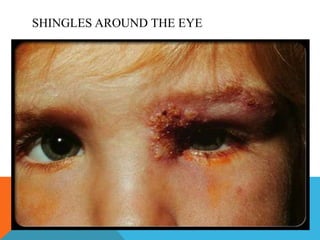
HZO describes Shingles involving the dermatome supplied 
by trigeminal nerve.
FEATURES: 
Direct viral invasion- conjunctivitis, epithelial keratitis 
Secondary inflammation with episcleritis, scleritis, keratitis, 
uveitis, optic neuritis, cranial nerve palsy and cicatrizing 
complications of eyelids. 
Inflammation and destruction of the peripheral nerves or 
central ganglia maybe responsible for post herpetic 
neuralgia. 
Reactivation causes necrosis and inflammation in the sensory 
ganglia, corneal anaesthesia causing neurotrophic keratitis. 
Skin vesicles occur which doesn’t cross the midline.
SHINGLES AROUND THE EYE
TREATMENT 
Oral/ointment/topical Acyclovir. 
Acyclovir Cream for skin lesions too. 
Ganciclovir 0.15% gel 
Oral valaciclovir/ famciclovir 
Interferon monotherapy 
Prostaglandins for IOP control 
Topical/ oral steroids
CYTOMEGALOVIRUS 
Family – Beta Herpes viridae 
Double stranded DNA virus with icosahedral capsid and envelope. 
Indistinguishable from HSV/VZV by electron microscopy. 
Transmission is through placenta, intimate contact, blood 
transfusion. 
CMV has a profound immunosuppressive effect on the host and 
has a tendency to persist in a latent state in the cellular 
components of the blood. 
Mononuclear phagocytes and natural killer cells play a role in 
combating CMV infection.
FEATURES: 
Keratitis 
Cataract 
Glaucoma 
Microphthalmia 
Retinal detachment 
Optic atrophy 
Chorioretinitis- multiple foci with a peripheral location 
Retinal haemorrhages 
DD:- 
Toxoplasmosis
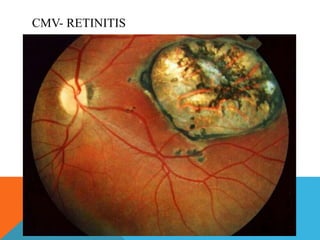
CMV- RETINITIS
LAB DIAGNOSIS: 
Cytology – “OWL’S EYE” scanty cytoplasm and large nucleus with 
acidophilic inclusion bodies. 
Culture – human fibroblast cell lines. CPE shows rounding up of cells 
in 2-3 weeks. 
Serology – complement fixation test, ELISA and radio immuno 
assays 
PCR 
TREATMENT:- 
I.V Ganciclovir, Foscarnet, Cidofovir 
Intravitreal vitrasert( ganciclovir slow release device)
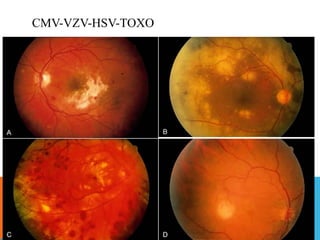
CMV-VZV-HSV-TOXO
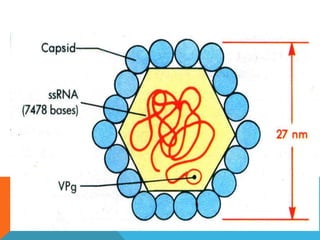
PICORNA VIRUS 
RNA virus. A large family 
27nm in diameter. 
Icosahedral symmetry 
Further sub divided 
Enterovirus 
poliovirus Rhinovirus 
coxsachie 
echovirus 
enterovirus types 68-72
OCULAR LESIONS 
ACUTE HAEMORRHAGIC CONJUNCTIVITIS-Coxsackie 
A24, Enterovirus type 70 
Transmission – fomites, faecal oral route, Direct inoculation into 
the conjunctiva (contaminated fingers). 
Incubation period – 2 days 
It multiplies in the conjunctival epithelium and causes 
haemorrhagic conjunctivitis.
LAB DIAGNOSIS 
Virus Isolation: conjunctival swab inoculated into cell lines 
like primary monkey kidney cell lines, Vero, HeLa. This 
virus produces typical cytopathic effect. 
Coxsackie: Isolated by suckling mice inoculation 
Serology: Neutralization tests 
TREATMENT: 
Topical antibiotics
POX VIRUS 
VARIOLA – 
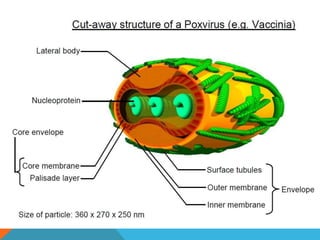
Commonly known as small pox virus. Brick shaped. 230-400nm. 
Has an envelope. 
Genome is a double stranded DNA and contains DNA dependent 
RNA polymerase. 
Causes Catarrhal purulent conjunctivitis, lid abscess, corneal pustule 
and albinotic spots on the iris. 
Lab diagnosis:- 
Growth on Chorioallantoic membrane of yolk sac produces pocks. 
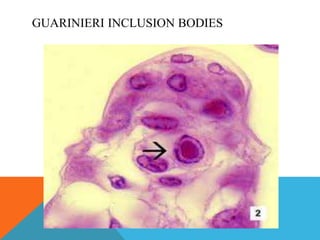
Cytoplasmic eosinophilic Guarinieri bodies- light microscopy 
Complement fixation test 
Gutstein’s methyl violet stain
POX VIRUS
GUARINIERI INCLUSION BODIES
VACCINA VIRUS 
Used as a small pox vaccine( induces immunity) 
Transmission either by contamination or auto innoculation. 
Signs :- 
Lids – swelling, pustules, Ulcerative blepharitis 
Purulent conjunctivitis 
Marginal/disciform keratitis. Corneal pustule. 
Pseudo retinitis pigmentosa 
LAB:- 
Growth on cell lines- HeLa, MRC-5 
TREATMENT:- 
Vidarabine and Iodoxuridine. 
Topical and i.m use of vaccina immunoglobulin
PARAMYXO VIRUS 
RNA virus, spherical in shape, pleomorphic, 150-300nm. 
Enveloped virus having a hemagglutin(HN) and fusion(F) 
glycoprotein spikes. HN is responsible for the host cell attachment 
of the virus and F for fusion of viral envelope with host cell 
plasma membrane. 
Transmitted by droplet infection, humans being their only host. 
Spreads to salivary glands. 
Incubation period= 7-25 days 
Ocular signs- Dacryoadenitis, optic neuritis, conjunctivitis, unilateral 
stromal disciform keratitis.
LAB DIAGNOSIS 
Immunofluorescence technique 
Virus isolation by monkey kidney cell lines- rounding and giant cell 
syncytium formation. Confirm by hemadsorption and 
hemagglutination inhibition test using mumps virus specific 
antiserum and immunofluorescence. 
Complement fixation test 
Haemagglutination inhibition test 
Single radial hemolysis 
ELISA 
TREATMENT:- Oral supportive therapy
MEASLES- RUBEOLA 
Enters the host via respiratory route and spreads to the lymph nodes. 
Incubation period= 1-3 weeks 
Both humoral and cell mediated immunity take part in combating 
infection, has a life long immunity. 
OCULAR MANIFESTATIONS-Conjunctivitis, 
Koplik’s spots, SPK 
LAB:- 
Virus isolation from conjunctival biopsy 
Direct immunofluorescence- microscopy 
Culture- Cell lines- primary monkey kidney, human fibroblast cells 
Serology- Hemagglutination inhibition test, complement fixation test, 
neutralisation test.
RUBELLA- GERMAN MEASLES 
RNA virus. 
Family- Togaviridae. 
Genus- Rubivirus 
Spherical virus 
70nm in diameter 
Has a lipid envelope which has virus specific hemagglutinin spikes. 
It Causes- 
Post natal Rubella 
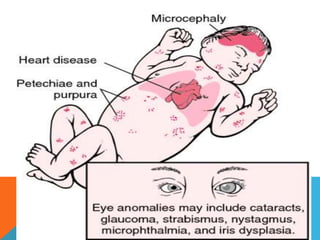
Congenital Rubella syndrome{CRS}
CRS 
Viremia occuring in pregnant women results in infection of 
placenta and the differentiating cells of the foetus. 
These children who are born secrete the virus in pharyngeal 
secretions, urine and CSF fluid, which is detectable for 12-18 
months. 
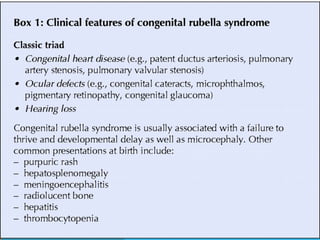
Clinical triad of CRS= 
Congenital heart disease+ Total/partial blindness(cataract, 
glaucoma, chorioretinitis)+ Neurosensory deafness 
Demonstration of IgM rubella antibody in infants is the Diagnostic 
of CRS.
LAB DIAGNOSIS 
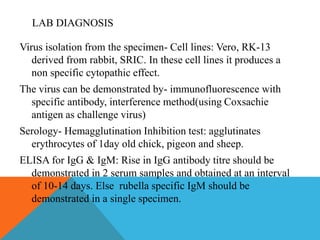
Virus isolation from the specimen- Cell lines: Vero, RK-13 
derived from rabbit, SRIC. In these cell lines it produces a 
non specific cytopathic effect. 
The virus can be demonstrated by- immunofluorescence with 
specific antibody, interference method(using Coxsachie 
antigen as challenge virus) 
Serology- Hemagglutination Inhibition test: agglutinates 
erythrocytes of 1day old chick, pigeon and sheep. 
ELISA for IgG & IgM: Rise in IgG antibody titre should be 
demonstrated in 2 serum samples and obtained at an interval 
of 10-14 days. Else rubella specific IgM should be 
demonstrated in a single specimen.
PREVENTION & CONTROL 
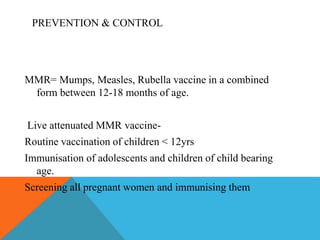
MMR= Mumps, Measles, Rubella vaccine in a combined 
form between 12-18 months of age. 
Live attenuated MMR vaccine- 
Routine vaccination of children < 12yrs 
Immunisation of adolescents and children of child bearing 
age. 
Screening all pregnant women and immunising them
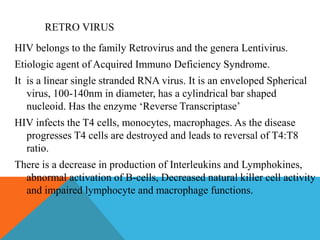
RETRO VIRUS 
HIV belongs to the family Retrovirus and the genera Lentivirus. 
Etiologic agent of Acquired Immuno Deficiency Syndrome. 
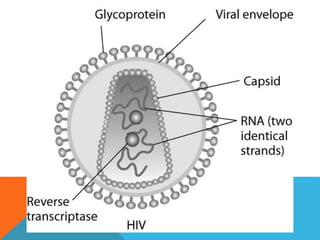
It is a linear single stranded RNA virus. It is an enveloped Spherical 
virus, 100-140nm in diameter, has a cylindrical bar shaped 
nucleoid. Has the enzyme ‘Reverse Transcriptase’ 
HIV infects the T4 cells, monocytes, macrophages. As the disease 
progresses T4 cells are destroyed and leads to reversal of T4:T8 
ratio. 
There is a decrease in production of Interleukins and Lymphokines, 
abnormal activation of B-cells, Decreased natural killer cell activity 
and impaired lymphocyte and macrophage functions.
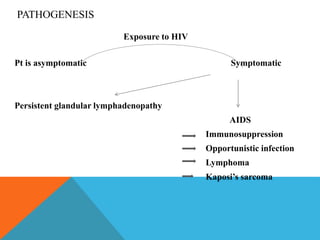
PATHOGENESIS 
Exposure to HIV 
Pt is asymptomatic Symptomatic 
Persistent glandular lymphadenopathy 
AIDS 
Immunosuppression 
Opportunistic infection 
Lymphoma 
Kaposi’s sarcoma
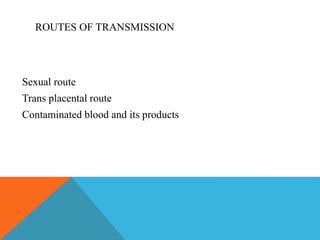
ROUTES OF TRANSMISSION 
Sexual route 
Trans placental route 
Contaminated blood and its products
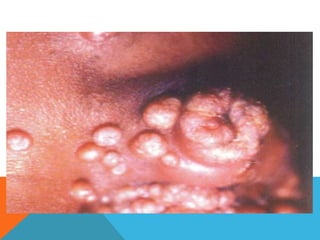
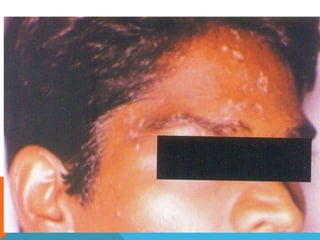
HIV AND THE EYELIDS 
Kaposi’s sarcoma 
Multiple molluscum lesions 
Severe herpes zoster ophthalmicus
HIV AND THE ORBIT 
CELLULITIS: 
From contiguous sinus infection 
B-CELL LYMPHOMA
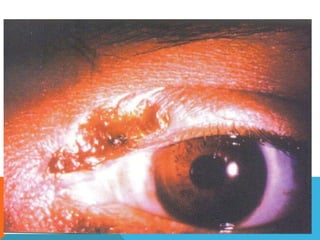
HIV AND THE CONJUNCTIVA 
Kaposi Sarcoma 
Squamous Cell Carcinoma
HIV AND THE CORNEA 
KERATITIS - Due to 
Microsporidium 
Herpes Simplex 
Herpes zoster
HIV AND THE EYE - 
UVEA AND POSTERIOR SEGMENT 
Anterior Uveitis 
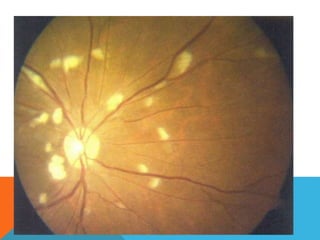
HIV Retinopathy 
 Asymptomatic 
 Multiple cotton wool spots
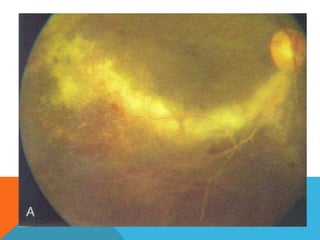
Retinitis - Due to 
CMV-Vasculitis, Vitritis, Haemorrhages. 
VZV-Progressive outer Retinal necrosis 
Toxoplasmosis-Retinitis
Choroiditis: 
 Pneumocystis 
 Cryptococcus 
B-cell Intraocular lymphoma
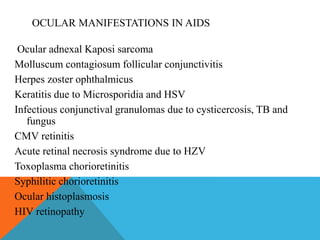
OCULAR MANIFESTATIONS IN AIDS 
Ocular adnexal Kaposi sarcoma 
Molluscum contagiosum follicular conjunctivitis 
Herpes zoster ophthalmicus 
Keratitis due to Microsporidia and HSV 
Infectious conjunctival granulomas due to cysticercosis, TB and 
fungus 
CMV retinitis 
Acute retinal necrosis syndrome due to HZV 
Toxoplasma chorioretinitis 
Syphilitic chorioretinitis 
Ocular histoplasmosis 
HIV retinopathy
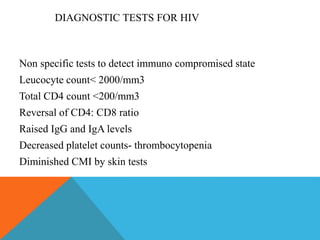
DIAGNOSTIC TESTS FOR HIV 
Non specific tests to detect immuno compromised state 
Leucocyte count< 2000/mm3 
Total CD4 count <200/mm3 
Reversal of CD4: CD8 ratio 
Raised IgG and IgA levels 
Decreased platelet counts- thrombocytopenia 
Diminished CMI by skin tests
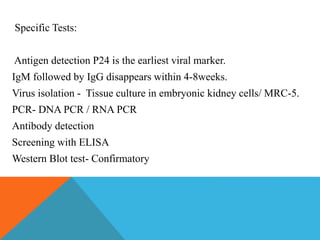
Specific Tests: 
Antigen detection P24 is the earliest viral marker. 
IgM followed by IgG disappears within 4-8weeks. 
Virus isolation - Tissue culture in embryonic kidney cells/ MRC-5. 
PCR- DNA PCR / RNA PCR 
Antibody detection 
Screening with ELISA 
Western Blot test- Confirmatory
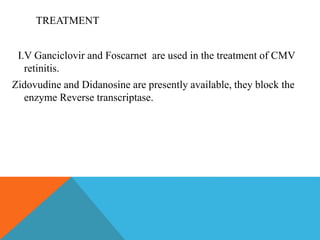
TREATMENT 
I.V Ganciclovir and Foscarnet are used in the treatment of CMV 
retinitis. 
Zidovudine and Didanosine are presently available, they block the 
enzyme Reverse transcriptase.
Thank you

Ocular virology

  • 1.
    DR. CHRISTINA SAMUEL PG- M.S OPHTHALMOLOGY MMCH & RI
  • 2.
    GENERAL PROPERTIES OFVIRUS Virus is the smallest known micro organism [10nm-300nm] It consists of a nucleic acid core(RNA/DNA) surrounded by a protein coat. They are metabolically inert and hence requires living cells to survive and replicate. The protein coat which is antigenic in nature is called a ‘Capsid’ and together with the nucleic acid is termed as ‘Virion’. The capsid is made up of protein subunits called as ‘Capsomeres’
  • 3.
    VIRUS  ADENOVIRUS  HERPES SIMPLEX  HERPES ZOSTER  CYTOMEGALOVIRUS  PAPOVA VIRUS  POX VIRUS- VARIOLA, VACCINIA, MOLLUSCUM  PICORNA VIRUS  PARAMYXO VIRUS  RUBEOLA  RUBELLA  HIV
  • 4.
    ADENOVIRUS- ADENOVIRAL CONJUNCTIVITIS Family- Adenoviridae Double stranded DNA virus without an envelope 70-90nm in diameter, icosahedral symmetry, 252 capsomeres. Has an affinity for mucous surfaces and hence infect the conjunctiva, pharynx and small intestine. Humoral immunity plays a major role in combating adenovirus infections and aslo a long lasting immunity is conferred against reinfection. Mode of transmission- hand to eye transfer, unsterilized instruments, fomites, water borne(swimming pool)
  • 5.
  • 6.
    Syndrome Adenovirus type - Pharyngo conjunctival 3,4,7,14,21 fever, ARD - Follicular conjunctivitis 1,2,3,5,6,7 - Epidemic keratoconjunctivitis 8,19,37 (Shipyard eye)
  • 7.
    SIGNS: Conjunctiva- Eyelidedema, pre auricular lymphadenopathy, conjunctival congestion, follicles, chemosis, rarely membranes or pseudo membranes leaving a mild scar after resolution. Cornea- Non staining epithelial microcysts, punctate epithelial keratitis, focal subepithelial/anterior stromal infiltrates. Mild anterior uveitis in some cases. DD:- Acute haemorrhagic conjunctivitis- enterovirus/coxsackievirus Follicular conjunctivitis- HSV, varicella, mumps, measles,HIV
  • 8.
    LAB DIAGNOSIS -Giemsa stain- mononuclear cells - Electron microscopy - Virus isolation from conjunctival swab - Cell line- primary human embryonic kidney cells, human epithelial cells and MRC-5 cells( observe cytopathic effect) = ‘plaques’ - Complement fixation test - ELISA & Enzyme Immunoassays - PCR
  • 9.
  • 10.
  • 11.
    TREATMENT Topical antibiotics Lubricants Topical steroids Discontinue contact lens Warm compressions Hygiene- hand wash
  • 12.
    HERPES VIRUS Family-Alpha herpes virus Double stranded DNA virus with a capsid and envelope. 150-200nm in diameter, 162 capsomeres 2 subtypes- HSV 1 & HSV 2 It multiplies in the nuclei of infected cells and produces intracellular inclusion bodies “Lipschutz inclusion bodies” Virus proliferates in the cells of the stroma and keratocytes and sets up an inflammatory reaction. It remains latent in the trigeminal ganglion- recurrent infection. Primary infection- face, eye, mouth( 6mth-5yrs/newborns through mother) Latent infection-reactivation. May not involve the eye
  • 14.
    CLINICAL FEATURES Epithelialdendritic/geographic keratitis causing ulcer which stains well with fluorescein dye. Ends of the ulcer has terminal buds staining with rose bengal Decreased corneal sensation. Scarring and vascularization in prolonged cases. Disciform keratitis, necrotizing stromal keratitis, neurotrophic ulceration Keratoconjunctivitis and anterior uveitis Preauricular lymphadenopathy, vesicular eruptions on the skin. Fever and malaise DD:- Herpes zoster keratitis Acanthaemoeba keratitis
  • 15.
  • 16.
    LAB DIAGNOSIS Directdemonstration by electron microscopy/immunofluorescence. Corneal scrappings- Giemsa/papanicola stain and intra nuclear eosinophilic inclusion bodies can be demonstrated. Cytology of infected tissue for multinuclear giant cells, polymorphonuclear cells and monocytes. Conjunctival fluid for virus culture- human embryo lung cells,BHK- 21,MRC-5 cells. CPE occurs within 24-48hrs which is characterised by rounding of cells and plaque formation. ELISA
  • 17.
    HERPES ZOSTER Samegroup as HSV, but antigenically distinct. It travels in a retrograde manner to the dorsal route and cranial nerve sensory ganglia, where it remains dormant for decades and gets reactivated when VZV-specific cell mediated immunity fades. HZO describes Shingles involving the dermatome supplied by trigeminal nerve.
  • 18.
    FEATURES: Direct viralinvasion- conjunctivitis, epithelial keratitis Secondary inflammation with episcleritis, scleritis, keratitis, uveitis, optic neuritis, cranial nerve palsy and cicatrizing complications of eyelids. Inflammation and destruction of the peripheral nerves or central ganglia maybe responsible for post herpetic neuralgia. Reactivation causes necrosis and inflammation in the sensory ganglia, corneal anaesthesia causing neurotrophic keratitis. Skin vesicles occur which doesn’t cross the midline.
  • 19.
  • 20.
    TREATMENT Oral/ointment/topical Acyclovir. Acyclovir Cream for skin lesions too. Ganciclovir 0.15% gel Oral valaciclovir/ famciclovir Interferon monotherapy Prostaglandins for IOP control Topical/ oral steroids
  • 21.
    CYTOMEGALOVIRUS Family –Beta Herpes viridae Double stranded DNA virus with icosahedral capsid and envelope. Indistinguishable from HSV/VZV by electron microscopy. Transmission is through placenta, intimate contact, blood transfusion. CMV has a profound immunosuppressive effect on the host and has a tendency to persist in a latent state in the cellular components of the blood. Mononuclear phagocytes and natural killer cells play a role in combating CMV infection.
  • 22.
    FEATURES: Keratitis Cataract Glaucoma Microphthalmia Retinal detachment Optic atrophy Chorioretinitis- multiple foci with a peripheral location Retinal haemorrhages DD:- Toxoplasmosis
  • 23.
  • 24.
    LAB DIAGNOSIS: Cytology– “OWL’S EYE” scanty cytoplasm and large nucleus with acidophilic inclusion bodies. Culture – human fibroblast cell lines. CPE shows rounding up of cells in 2-3 weeks. Serology – complement fixation test, ELISA and radio immuno assays PCR TREATMENT:- I.V Ganciclovir, Foscarnet, Cidofovir Intravitreal vitrasert( ganciclovir slow release device)
  • 25.
  • 26.
    PICORNA VIRUS RNAvirus. A large family 27nm in diameter. Icosahedral symmetry Further sub divided Enterovirus poliovirus Rhinovirus coxsachie echovirus enterovirus types 68-72
  • 28.
    OCULAR LESIONS ACUTEHAEMORRHAGIC CONJUNCTIVITIS-Coxsackie A24, Enterovirus type 70 Transmission – fomites, faecal oral route, Direct inoculation into the conjunctiva (contaminated fingers). Incubation period – 2 days It multiplies in the conjunctival epithelium and causes haemorrhagic conjunctivitis.
  • 29.
    LAB DIAGNOSIS VirusIsolation: conjunctival swab inoculated into cell lines like primary monkey kidney cell lines, Vero, HeLa. This virus produces typical cytopathic effect. Coxsackie: Isolated by suckling mice inoculation Serology: Neutralization tests TREATMENT: Topical antibiotics
  • 30.
    POX VIRUS VARIOLA– Commonly known as small pox virus. Brick shaped. 230-400nm. Has an envelope. Genome is a double stranded DNA and contains DNA dependent RNA polymerase. Causes Catarrhal purulent conjunctivitis, lid abscess, corneal pustule and albinotic spots on the iris. Lab diagnosis:- Growth on Chorioallantoic membrane of yolk sac produces pocks. Cytoplasmic eosinophilic Guarinieri bodies- light microscopy Complement fixation test Gutstein’s methyl violet stain
  • 31.
  • 32.
  • 33.
    VACCINA VIRUS Usedas a small pox vaccine( induces immunity) Transmission either by contamination or auto innoculation. Signs :- Lids – swelling, pustules, Ulcerative blepharitis Purulent conjunctivitis Marginal/disciform keratitis. Corneal pustule. Pseudo retinitis pigmentosa LAB:- Growth on cell lines- HeLa, MRC-5 TREATMENT:- Vidarabine and Iodoxuridine. Topical and i.m use of vaccina immunoglobulin
  • 35.
    PARAMYXO VIRUS RNAvirus, spherical in shape, pleomorphic, 150-300nm. Enveloped virus having a hemagglutin(HN) and fusion(F) glycoprotein spikes. HN is responsible for the host cell attachment of the virus and F for fusion of viral envelope with host cell plasma membrane. Transmitted by droplet infection, humans being their only host. Spreads to salivary glands. Incubation period= 7-25 days Ocular signs- Dacryoadenitis, optic neuritis, conjunctivitis, unilateral stromal disciform keratitis.
  • 36.
    LAB DIAGNOSIS Immunofluorescencetechnique Virus isolation by monkey kidney cell lines- rounding and giant cell syncytium formation. Confirm by hemadsorption and hemagglutination inhibition test using mumps virus specific antiserum and immunofluorescence. Complement fixation test Haemagglutination inhibition test Single radial hemolysis ELISA TREATMENT:- Oral supportive therapy
  • 37.
    MEASLES- RUBEOLA Entersthe host via respiratory route and spreads to the lymph nodes. Incubation period= 1-3 weeks Both humoral and cell mediated immunity take part in combating infection, has a life long immunity. OCULAR MANIFESTATIONS-Conjunctivitis, Koplik’s spots, SPK LAB:- Virus isolation from conjunctival biopsy Direct immunofluorescence- microscopy Culture- Cell lines- primary monkey kidney, human fibroblast cells Serology- Hemagglutination inhibition test, complement fixation test, neutralisation test.
  • 38.
    RUBELLA- GERMAN MEASLES RNA virus. Family- Togaviridae. Genus- Rubivirus Spherical virus 70nm in diameter Has a lipid envelope which has virus specific hemagglutinin spikes. It Causes- Post natal Rubella Congenital Rubella syndrome{CRS}
  • 39.
    CRS Viremia occuringin pregnant women results in infection of placenta and the differentiating cells of the foetus. These children who are born secrete the virus in pharyngeal secretions, urine and CSF fluid, which is detectable for 12-18 months. Clinical triad of CRS= Congenital heart disease+ Total/partial blindness(cataract, glaucoma, chorioretinitis)+ Neurosensory deafness Demonstration of IgM rubella antibody in infants is the Diagnostic of CRS.
  • 43.
    LAB DIAGNOSIS Virusisolation from the specimen- Cell lines: Vero, RK-13 derived from rabbit, SRIC. In these cell lines it produces a non specific cytopathic effect. The virus can be demonstrated by- immunofluorescence with specific antibody, interference method(using Coxsachie antigen as challenge virus) Serology- Hemagglutination Inhibition test: agglutinates erythrocytes of 1day old chick, pigeon and sheep. ELISA for IgG & IgM: Rise in IgG antibody titre should be demonstrated in 2 serum samples and obtained at an interval of 10-14 days. Else rubella specific IgM should be demonstrated in a single specimen.
  • 44.
    PREVENTION & CONTROL MMR= Mumps, Measles, Rubella vaccine in a combined form between 12-18 months of age. Live attenuated MMR vaccine- Routine vaccination of children < 12yrs Immunisation of adolescents and children of child bearing age. Screening all pregnant women and immunising them
  • 45.
    RETRO VIRUS HIVbelongs to the family Retrovirus and the genera Lentivirus. Etiologic agent of Acquired Immuno Deficiency Syndrome. It is a linear single stranded RNA virus. It is an enveloped Spherical virus, 100-140nm in diameter, has a cylindrical bar shaped nucleoid. Has the enzyme ‘Reverse Transcriptase’ HIV infects the T4 cells, monocytes, macrophages. As the disease progresses T4 cells are destroyed and leads to reversal of T4:T8 ratio. There is a decrease in production of Interleukins and Lymphokines, abnormal activation of B-cells, Decreased natural killer cell activity and impaired lymphocyte and macrophage functions.
  • 47.
    PATHOGENESIS Exposure toHIV Pt is asymptomatic Symptomatic Persistent glandular lymphadenopathy AIDS Immunosuppression Opportunistic infection Lymphoma Kaposi’s sarcoma
  • 48.
    ROUTES OF TRANSMISSION Sexual route Trans placental route Contaminated blood and its products
  • 49.
    HIV AND THEEYELIDS Kaposi’s sarcoma Multiple molluscum lesions Severe herpes zoster ophthalmicus
  • 52.
    HIV AND THEORBIT CELLULITIS: From contiguous sinus infection B-CELL LYMPHOMA
  • 53.
    HIV AND THECONJUNCTIVA Kaposi Sarcoma Squamous Cell Carcinoma
  • 55.
    HIV AND THECORNEA KERATITIS - Due to Microsporidium Herpes Simplex Herpes zoster
  • 56.
    HIV AND THEEYE - UVEA AND POSTERIOR SEGMENT Anterior Uveitis HIV Retinopathy  Asymptomatic  Multiple cotton wool spots
  • 58.
    Retinitis - Dueto CMV-Vasculitis, Vitritis, Haemorrhages. VZV-Progressive outer Retinal necrosis Toxoplasmosis-Retinitis
  • 60.
    Choroiditis:  Pneumocystis  Cryptococcus B-cell Intraocular lymphoma
  • 61.
    OCULAR MANIFESTATIONS INAIDS Ocular adnexal Kaposi sarcoma Molluscum contagiosum follicular conjunctivitis Herpes zoster ophthalmicus Keratitis due to Microsporidia and HSV Infectious conjunctival granulomas due to cysticercosis, TB and fungus CMV retinitis Acute retinal necrosis syndrome due to HZV Toxoplasma chorioretinitis Syphilitic chorioretinitis Ocular histoplasmosis HIV retinopathy
  • 62.
    DIAGNOSTIC TESTS FORHIV Non specific tests to detect immuno compromised state Leucocyte count< 2000/mm3 Total CD4 count <200/mm3 Reversal of CD4: CD8 ratio Raised IgG and IgA levels Decreased platelet counts- thrombocytopenia Diminished CMI by skin tests
  • 63.
    Specific Tests: Antigendetection P24 is the earliest viral marker. IgM followed by IgG disappears within 4-8weeks. Virus isolation - Tissue culture in embryonic kidney cells/ MRC-5. PCR- DNA PCR / RNA PCR Antibody detection Screening with ELISA Western Blot test- Confirmatory
  • 64.
    TREATMENT I.V Ganciclovirand Foscarnet are used in the treatment of CMV retinitis. Zidovudine and Didanosine are presently available, they block the enzyme Reverse transcriptase.
  • 65.