Maternal Physiology in PregnancyBy La Lura White MDMaternal Fetal Medicine
Maternal Physiology in PregnancyMajor adaptations in maternal anatomy, physiology, and metabolism are required for successful pregnancy. Nearly every organ system is affected. Understanding these changes helps to distinguish the normal physiology of pregnancy from pathological disease states.
Maternal Physiology in PregnancyThese changes create a myriad of pregnancy symptoms that includeNausea/Emesis (morning sickness)HeadachesBackachesUrinary frequencyHemorrhoids/ConstipationLeg CrampsEdema more common lower extremityBreast tendernessParesthesisVaricose veins
Maternal Physiology in PregnancyDue to the pregnancy effect on major organ systems including:NutritionalDigestive Tract ChangesUrinary SystemCardiovascular SystemRespiratory SystemMetabolismSkeletalEndocrineIntegumentOcular
Maternal Physiology in Pregnancy: NutritionalDuring pregnancy, nutritional requirements, including those for vitamins and minerals, are increased, and several maternal alterations occur to meet this demand.Addition of 300 kcal/day.The mother`s appetite usually increases, so that food intake is greater, although some women have a decreased appetite or experience nausea and vomiting.These symptoms may be related relaxation of smooth muscle, increasing levels of human chorionic gonadotrophin (hCG) and estrogen.
Maternal Physiology in PregnancyComplicates 70% of pregnancies normally from 4-16 weeksTrue Hyperemesis gravidarum (HG) is a severe form of morning sickness, with "unrelenting, excessive pregnancy-related nausea and/or vomiting that prevents adequate intake of food and fluids, “that may requiring hospitalization, IV fluids, anti-emetics even protonics or TPNPica: craving for substances that are not foodEtiology unknownCheck for poor weight gain and refractory anemiaSouth - clay or starch (laundry or cornstarch)UK – coalAlso soap, toothpaste and ice
Maternal Physiology in Pregnancy: Digestive Tract ChangesIf the pH of the oral cavity decreases, tooth decay may occur linked to pre-term deliveries.Tooth decay during pregnancy, however, is not due to lack of calcium in the teeth, dental calcium is stable and not mobilized during pregnancy as is bone calcium. The gums may become hypertrophic, hyperemic and friable; this maybe due to increased systemic estrogen. Vitamin C deficiency also can cause tenderness and bleeding of the gums.
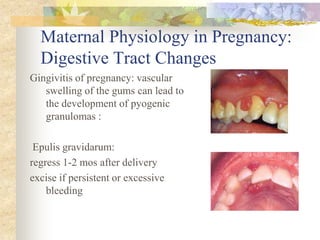
Maternal Physiology in Pregnancy: Digestive Tract ChangesGingivitis of pregnancy: vascular swelling of the gums can lead to the development of pyogenic granulomas : Epulis gravidarum: regress 1-2 mos after deliveryexcise if persistent or excessive bleeding
Maternal Physiology in Pregnancy: Digestive Tract ChangesGastrointestinal Motility Reduced during pregnancy due to increased levels of progesterone, which decrease the production of motilin, a hormonal peptide that is known to stimulate smooth muscle in the gut.Transit time of food throughout the gastrointestinal tract  much slower, more water than normal is reabsorbed, leading to constipation.
Maternal Physiology in Pregnancy: Digestive Tract ChangesDecreased tone and motility secondary to progesteroneEsophagus :dysmotilityEsophageal peristalses is deceased, accompanied by gastric reflux because of the slower emptying time and dilatation or relaxation of the cardiac sphincter.Stomach Reduced tone of the gastroesophageal junction sphincterProduction of the hormone gastin increases significantly, resulting in increased stomach volume and decreased stomach pH.
Maternal Physiology in PregnancyGastric compression due to enlarging uterus with decrease sphincter tone increasing incidence GERD This reflux is more prevalent in later pregnancy owing to elevation of the stomach by the enlarged uterus, making the use of anesthesia, especially general anesthesia more hazardous because of the increased possibility of regurgitation and aspiration.Lower incidence of PUD  (peptic ulcer disease)may be due to decreased gastric acid secretion delayed emptying, increase in gastric mucus, and protection of mucosa by prostaglandins
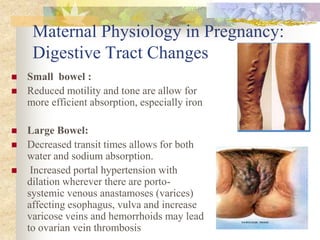
Maternal Physiology in Pregnancy: Digestive Tract ChangesSmall  bowel :Reduced motility and tone are allow for more efficient absorption, especially ironLarge Bowel:Decreased transit times allows for both water and sodium absorption. Increased portal hypertension with dilation wherever there are porto-systemic venous anastamoses (varices) affecting esophagus, vulva and increase varicose veins and hemorrhoids may lead to ovarian vein thrombosis
Maternal Physiology in Pregnancy: Gastrointestinal ChangesGallbladderDecreased rate of emptying and hypotonia of the smooth muscle wallEmptying time is slowed and often incomplete Bile can become thick, and bile stasisCholesterol saturation is increased while chenodeoxycholic acid is decreased in bileThese changes favor the development of gallstones
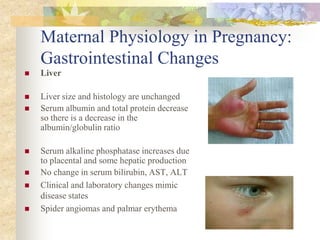
Maternal Physiology in Pregnancy: Gastrointestinal ChangesLiver Liver size and histology are unchanged Serum albumin and total protein decrease so there is a decrease in the albumin/globulin ratioSerum alkaline phosphatase increases due to placental and some hepatic productionNo change in serum bilirubin, AST, ALTClinical and laboratory changes mimic disease states Spider angiomas and palmar erythema
Maternal Physiology in Pregnancy: Urinary SystemAnatomic ChangesRenal hypertrophy Dilatation renal pelvis/calyces 15mm on the right in 3rd trimester 5mm on the left.Each kidney increases in length by 1-1.5cm, with a concomitant increase in weight.The ureters are dilated to 2 cm resulting in hydroureter from:      progesterone-induced smooth muscle relaxation causing hypotonia       mechanical compression above the brim of the bony pelvis by the ovarian vein complex in the suspensory ligament of the ovary      dextorotation of the uterus during pregnancy, may explain why the right ureter is usually more dilated than the left.
Maternal Physiology in Pregnancy: Urinary SystemHyperplasia of smooth muscle in distal one-third of the ureter may cause reduction in the luminal sizeThe ureters also elongate, widen, and become more curved: there is an increase in urinary stasisThis may lead to infection and predispose to pyelonephritis in the presence of asymptomatic bacteriuria  (30%)
Maternal Physiology in Pregnancy: Urinary SystemBladder As the uterus enlarges, the urinary bladder is displaced upward and flattened in the anterior-posterior diameterBladder vascularity increases and muscle tone decreases, increasing capacity up to 1500ml. Trigone elevation occurs with increased vascular tortuousity throughout the bladder leading to microhematuira Decrease bladder capacity Increased frequency of urinary incontinence
Maternal Physiology in Pregnancy: Urinary SystemRenal HemodynamicRenal blood flow increases 50% .GFR increases 50% (120cc/min180cc/m.)The renal plasma flow rate increases by as much as 25-50%..Serum Creatinine and BUN levels decrease. Urinary flow and sodium excretion rates in late pregnancy can be altered by posture, being twice as great in the lateral recumbent position as in the supine position.Even thought the GFR increased dramatically during pregnancy, the volume of the urine passed each day is not increased.
Maternal Physiology in Pregnancy: Urinary SystemWith the increase in GFR, there is an increase in endogenous clearance of creatinine.The concentration of creatinine in serum is reduced in proportion to increase in GFR, and concentration of blood urea nitrogen is similarly reduced.Glucosuria during pregnancy is not necessarily abnormal, may be explained by the increase in GFR with impairment or exceeding tubular reabsortion capacity for filtered glucose. Increased levels of urinary glucose also contribute to increased susceptibility of pregnant women to urinary tract infection. Proteinuria changes little during pregnancy and if more than 300mg/24h is lost, a disease process should be suspected.
Maternal Physiology in Pregnancy: Urinary SystemLevels of the enzyme renin, which is produced in kidney, increase early in the first trimester, and continue to rise until term This enzyme acts on its substrate angiotensinogen, to first form angiotensin1 and then angiotensin2, which acts as a vasoconstrictorNormal pregnant women are resistant to the pressor effect of elevated levels of angiotensin2 but those suffering from preeclampsia are not resistant, this is one of the some theories to explain this disease.
Maternal Physiology in Pregnancy: Cardiovascular SystemAs the uterus enlarges and the diaphragm becomes elevated, the heart is displaced upward and somewhat to the left with rotation on its long axis, so that the apex beat is moved laterally. (apparent cardiomegaly on chest x-ray)Cardiac capacity increases by 70-80mL.This may be due to increased volume or hypertrophy of cardiac muscle.The size of the heart appears to increase by about 12%.Increase in left ventricular end- diastolic dimension. Increase in left ventricular wall mass c/w mild hypertrophy. Increase in preload with increase capacitance of the systemic and pulmonary vascular resistances prevenst rise in CVP or wedge pressure.Grade II-III systolic flow murmurs at left lower sternal border.
Maternal Physiology in Pregnancy: Cardiovascular System30-35%  in CO (CO= SV x HR), reaching its maximum at 20-24 weeks gestation and continuing at this level until termThe increase in output can be as much as1.5L/min over the non pregnant level HR increases as early as 5 weeks GA Peaks at 32 weeks at 15-20 beats above baseline(20% increase) Stroke volume increases as early as 8 weeks GA,  peaks at 20 weeks with a 20-30% increase Cardiac output is very sensitive to changes in body position.
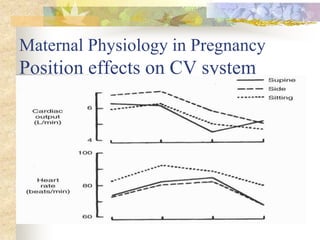
Maternal Physiology in Pregnancy: Cardiovascular SystemThis sensitivity increases with gestational age, presumably because the uterus impinges upon the inferior vena cava, thereby decreasing blood return to the heartBecause blood pressure either decreases or remain the same during pregnancy and cardiac output increases appreciably, there is good evidence that peripheral resistance( Peripheral resistance equals blood pressure divided by cardiac output) declines markedly.The elevated venous pressure returns toward normal if the woman lies in the lateral recumbent position.
Maternal Physiology in Pregnancy Position effects on CV system
Maternal Physiology in Pregnancy: Cardiovascular SystemEffects of the Labor on the Cardiovascular System When a patient is the supine position, uterine contractions can cause a 25% increase in maternal cardiac output, a 15% decrease in heart rate, and a resultant 33% increase in stroke volume.However when the laboring patient is in the recumbent position, the hemodynamic parameters stabilize , with only a 7.6% increase in cardiac output, a 7% decrease in heart rate, and a 7.7% increase in stroke volume These significant differences are attributable to inferior vena caval occlusion caused by the gravid uterus
Maternal Physiology in Pregnancy: Cardiovascular SystemDuring contractions, pulse pressure increases 26% in the supine position but only 6% in the lateral recumbent position.Important to have laboring patients in the left lateral recumbent position
Maternal Physiology in Pregnancy: Cardiovascular SystemBP= CO x SVR SVR decreases to a minimum at midpregnancy with a gradual rise towards term but still 20% lower than non-pregnancy Decrease SVR secondary to hormonal vasodilatation (progesterone), NO, prostaglandins, ANP BP changes nadir by midpregancy Diastolic and mean pressure decrease more than the systolic Increases to baseline in third trimester
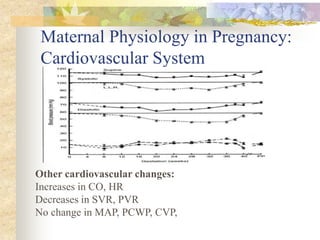
Maternal Physiology in Pregnancy: Cardiovascular SystemOther cardiovascular changes:Increases in CO, HRDecreases in SVR, PVRNo change in MAP, PCWP, CVP,
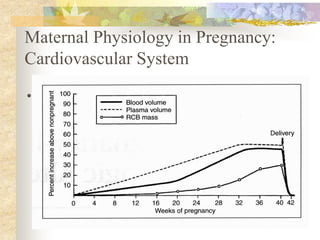
Maternal Physiology in Pregnancy: Cardiovascular SystemBlood Volume ` Increase in the blood volume beginning at 6 weeks and plateaus at 30 weeks The magnitude of the increases varies according to the size of woman, the number of pregnancies she has had, the number of infants she has delivered, and whether there is one or multiple fetusesBoth plasma volume (50%)and cell mass (30%) increase Physiologic anemia of pregnancy nadiring at 30 weeks
Maternal Physiology in Pregnancy: Cardiovascular SystemBy term, the average increase in volume  45-50%The increase is needed for extra blood flow to the uterus, extra metabolic needs of fetus, and increased perfusion of others organs, especially kidneysExtra volume also compensate for maternal blood loss deliveryThe average blood loss with vaginal delivery is 500ml,  cesarean section is 1000ml and C/Hyst 1500 ml10% drop HCT can be considered post-partum hemorrhage
Maternal Physiology in Pregnancy: Cardiovascular System
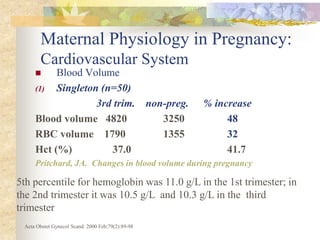
Maternal Physiology in Pregnancy: Cardiovascular SystemBlood VolumeSingleton (n=50)	                       3rd trim.    non-preg.	   % increaseBlood volume   4820		3250	            48 RBC volume    1790		1355		32 Hct (%)	     37.0		            41.7 Pritchard, JA.  Changes in blood volume during pregnancy 5th percentile for hemoglobin was 11.0 g/L in the 1st trimester; in the 2nd trimester it was 10.5 g/L  and 10.3 g/L in the  third trimester Acta Obstet Gynecol Scand. 2000 Feb;79(2):89-98
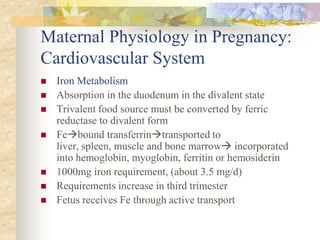
Maternal Physiology in Pregnancy: Cardiovascular SystemIron MetabolismAbsorption in the duodenum in the divalent state Trivalent food source must be converted by ferric reductase to divalent form Febound transferrintransported to liver, spleen, muscle and bone marrow incorporated into hemoglobin, myoglobin, ferritin or hemosiderin 1000mg iron requirement, (about 3.5 mg/d)  Requirements increase in third trimester Fetus receives Fe through active transport
Maternal Physiology in Pregnancy: Cardiovascular SystemWith the increase in red blood cells, the need for iron for the production of hemoglobin increases, but Fe supplementation usually not needed before 20 weeksFe supplementation	Ferrous sulfate 20% ( 65mg elemental Fe) Ferrous gluconate 12% (35mg of elemental Fe) and ferrous fumarate 33%(108mg of elemental Fe) ; fumerate and gluconate better absorbed(organic Fe)For severe anemia:PreparationsIron Dextran (Imferon, Dexferrum)High rate of serious reaction (requires test dose)Intramuscular or IntravenousDose based on estimated iron deficits
Maternal Physiology in Pregnancy: Cardiovascular System(Test dose)[25 mg] [100 ml] [5 min][Prescribed dose] [250 to 1000mg](Usually 500 ml NS) Total dose infusion: infuse over 2 to 6 hours.
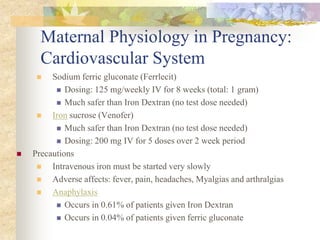
Maternal Physiology in Pregnancy: Cardiovascular SystemSodium ferric gluconate (Ferrlecit)Dosing: 125 mg/weekly IV for 8 weeks (total: 1 gram)Much safer than Iron Dextran (no test dose needed)Iron sucrose (Venofer)Much safer than Iron Dextran (no test dose needed)Dosing: 200 mg IV for 5 doses over 2 week periodPrecautionsIntravenous iron must be started very slowlyAdverse affects: fever, pain, headaches, Myalgias and arthralgiasAnaphylaxisOccurs in 0.61% of patients given Iron DextranOccurs in 0.04% of patients given ferric gluconate
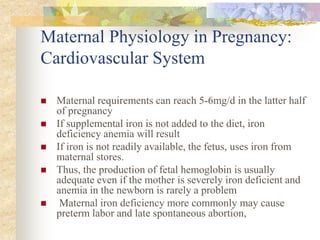
Maternal Physiology in Pregnancy: Cardiovascular SystemMaternal requirements can reach 5-6mg/d in the latter half of pregnancyIf supplemental iron is not added to the diet, iron deficiency anemia will result If iron is not readily available, the fetus, uses iron from maternal stores.Thus, the production of fetal hemoglobin is usually adequate even if the mother is severely iron deficient and anemia in the newborn is rarely a problem Maternal iron deficiency more commonly may cause preterm labor and late spontaneous abortion,
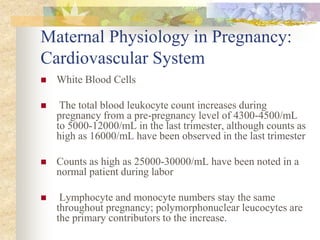
Maternal Physiology in Pregnancy: Cardiovascular SystemWhite Blood Cells The total blood leukocyte count increases during pregnancy from a pre-pregnancy level of 4300-4500/mL to 5000-12000/mL in the last trimester, although counts as high as 16000/mL have been observed in the last trimesterCounts as high as 25000-30000/mL have been noted in a normal patient during labor Lymphocyte and monocyte numbers stay the same throughout pregnancy; polymorphonuclear leucocytes are the primary contributors to the increase.
Maternal Physiology in Pregnancy: Cardiovascular SystemPlateletsProgressive decline in count from 1st-3rd trimester.Increased platelet destruction. Plts range between 70-150,000, gestational thrombocytopenia of pregnancy Burrows @Kelton reported an 8% prevalence. Diagnosis of exclusion: PIH/HELLP, ITP, viral disease, HIV, autoimmune disease, ie lupus.
Maternal Physiology in Pregnancy: Cardiovascular SystemOther Hematologic ChangesLeukocytosis secondary to increase neutophils  estrogen and cortisol inducedAltered immune status, immunocompromised Paradoxical decline of immunoglobins A,G,M Only IgG crosses the placenta
Maternal Physiology in Pregnancy: Cardiovascular SystemCoagulation SystemHypercoaguable state Increased venous stasis lead to vessel wall injury Changes in the coagulation cascade Increases in factors I,VII,VIII, IX and X Unchanged or mildly increasedfactors II, V, XII Decrease in factors XI, XIII Decrease in fibrinolysis with decreased plasminogen activator Increase in factor I (fibrinogen) causes elevated sed rate Decrease in protein S but no change in protein C and antithrombin III. Activated protein C decreases
Maternal Physiology in Pregnancy: Cardiovascular SystemFibrinolytic activity is depressed during pregnancy and labor, although the precise mechanism is unknownThe placenta may be partially responsible for this alteration in fibrinolytic statusPlasminogen levels increase concomitantly with fibrinogens levels, causing an equilibration of clotting and lysing activity
Maternal Physiology in Pregnancy:Respiratory SystemAnatomic and Physiologic Changes Pregnancy produces changes that affect respiratory performanceEarly in pregnancy, capillary dilatations occurs throughout the respiratory tract, leading to engorgement of the nasopharnyx, larnyx, trachea, and bronchi This causes the voice to change and makes breathing though the nose difficult.Upper respiratory tract hyperemia and edema induced by estrogen leading to nasal stuffiness and epistaxisChest X-rays reveal increased vascular makings in the lungs.
Maternal Physiology in Pregnancy:Respiratory SystemAs the uterus enlarges, the diaphragm is elevated as much as 4cm, but elevation of the diaphragm does not impede its movement.The rib cage is displaced upward and widens, increasing the lower thoracic diameter by 2cm and the thoracic circumference by up to 6cm.Chest circumference expands 5-7 cm Subcostal angle increases from 68 to 103 degreesRespiratory muscle function is not affected by pregnancyAbdominal muscles have less tone and are less active during the pregnancy, causing respiration to be more rather than less diaphragmatic.
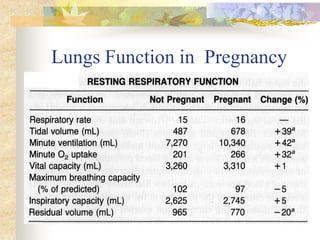
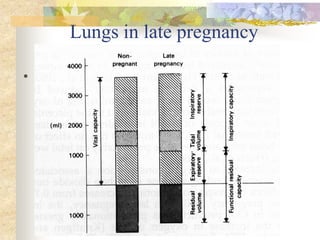
Maternal Physiology in Pregnancy:Respiratory SystemElevation of the diaphragm decreases the volume of the lungs in the resting state, reducing TLC by 5% and FRC by 20% FRC mainly decreased by RV Vital capacity does not changeChronic hyperventilation progesterone induced Minute volume is increased Tidal volume is increased Respiratory rate is unchanged( Increased early in the first trimester)
Maternal Physiology in Pregnancy:Respiratory SystemDead volumes increase owing to relaxation of the musculature of conducting airways. Tidal volumes increases gradually(35-50%)as pregnancy progresses. Total lung capacity is reduced (4-5%) by the elevation of the diaphragm. Functional residual capacity, residual volume, and respiratory reserve volume all decrease by about 20%.Larger tidal volume and smaller residual volume cause increased alveolar ventilation (about 65%) during pregnancy.Inspiratory capacity increases 5-10%.
Maternal Physiology in Pregnancy:Respiratory SystemFunctional respiratory changes include a slight increase in respiratory rate, a 50% increase in minute ventilation, a 40% increase in tidal volumeA progressive increase in oxygen consumption of up to 15-20% above non-pregnant levels by term. With the increase in respiratory tidal volume associated with a normal respiratory rate, there is an increase in respiratory minute volume of approximately 26%. As the respiratory minute volume increases, hyperventilation of pregnancy occurs, causing a decrease in alveolar CO2
Maternal Physiology in Pregnancy:Respiratory SystemThis decrease lowers the maternal blood CO2 tension; however alveolar oxygen tension is maintained within normal limits.Maternal hyperventilation is considered a protective measure that prevents the fetus from the exposure to excessive levels of CO2. Because this decrease in FRC occurs without a concomitant change in dead space, there is little residual dilution and, therefore, presumably more efficient gas exchange.
Maternal Physiology in Pregnancy:Respiratory SystemSpirometry: the most common of the Pulmonary Function Tests(PFTs), measuring lung function, specifically the measurement of the amount (volume) and/or speed (flow) of air that can be inhaled and exhaled.FEV1 (forced expiratory pressure in 1 second), 80-100% of average values are considered normal and is unchanged Peak  Expiratory Flow: is the maximal flow (or speed) achieved during the maximally forced expiration initiated at full inspiration, measured in liters per minute, also unchanged
Lungs Function in  Pregnancy
Lungs in late pregnancy
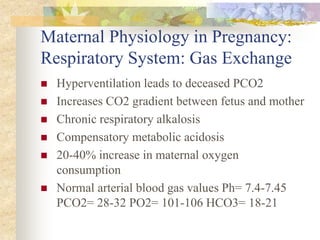
Maternal Physiology in Pregnancy:Respiratory System: Gas ExchangeHyperventilation leads to deceased PCO2 Increases CO2 gradient between fetus and motherChronic respiratory alkalosis Compensatory metabolic acidosis 20-40% increase in maternal oxygen consumption Normal arterial blood gas values Ph= 7.4-7.45 PCO2= 28-32 PO2= 101-106 HCO3= 18-21
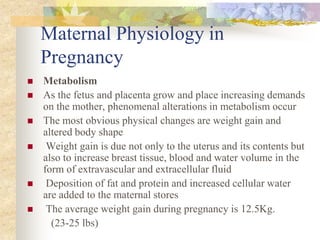
Maternal Physiology in PregnancyMetabolismAs the fetus and placenta grow and place increasing demands on the mother, phenomenal alterations in metabolism occurThe most obvious physical changes are weight gain and altered body shape Weight gain is due not only to the uterus and its contents but also to increase breast tissue, blood and water volume in the form of extravascular and extracellular fluid Deposition of fat and protein and increased cellular water are added to the maternal stores The average weight gain during pregnancy is 12.5Kg.         (23-25 lbs)
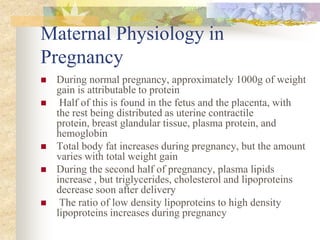
Maternal Physiology in PregnancyDuring normal pregnancy, approximately 1000g of weight gain is attributable to protein Half of this is found in the fetus and the placenta, with the rest being distributed as uterine contractile protein, breast glandular tissue, plasma protein, and hemoglobinTotal body fat increases during pregnancy, but the amount varies with total weight gainDuring the second half of pregnancy, plasma lipids increase , but triglycerides, cholesterol and lipoproteins decrease soon after delivery The ratio of low density lipoproteins to high density lipoproteins increases during pregnancy
Maternal Physiology in PregnancyBody Water MetabolismCondition of chronic water overload Active Na+ and water retention             1. Changes in osmoregulation             2. Renin-angiotensin system Body water increase 6.5L 8.5L            1. 1500 cc increase in blood volume            2. RBC  increase ~400cc Elevation of maternal CO
Maternal Physiology in PregnancyOsmoregulationNa+ retention increases 900 mEq but serum Na+ decreases 3-4 mmol/l Plasma osmolality decreases 10 mOsm/kg Enhanced tubular reabsorption of Na+ secondary to aldosterone, estrogen and deoxycorticosterone Increased GFR and Atrial Natriuretic Peptide favor Na+ excretion
Maternal Physiology in PregnancySkeletal Changes: Calcium metabolism Maternal total calcium levels decline due to decreased albumin bound concentration Serum ionized level remains unchanged Increased intestinal absorption occurs in first trimester, actively transported across the placenta Maternal serum phosphate levels are unchanged PTH levels remain unchanged Elevated levels of vitamin D allow for increase Ca++ absorption Calcitonin levels rise to preserve maternal skeleton
Maternal Physiology in PregnancySkeletal and Postural ChangesLordosis of pregnancy~ progressive increase in anterior convexity of the lumbar spine, preserves center of gravity Ligaments of the symphysis and sacroiliac joints loosen during pregnancy due to relaxin
Maternal Physiology in PregnancyEndocrine ChangesThyroid Physiology Euthyroid state Increase in thyroxine-binding globulin Decrease in circulating pool of extra-thyroidal iodide Slight thyromegaly Free T4 and Free T3 remain normalSmall amounts of  TRH /T4 cross the placenta Fetal thyroid active by 12 weeks gestation
Maternal Physiology in PregnancyEndocrine ChangesAdrenal function Increases in corticosteroid-binding globulin Increases in free cortisol Zona fasciculata is increased Marked increase in CRH from placental sourcesDelayed plasma clearance of cortisol due to renal changes Resetting of hypothalamic-pituitary sensitivity to cortisol feedback on ACTH production
Maternal Physiology in PregnancyEndocrine ChangesPituitary gland enlarges due to proliferation of prolactin-secreting cells Enlargement makes it more susceptible to alterations in blood flowProlactin levels are increased (ten times higher at term) to prepare breasts for lactation
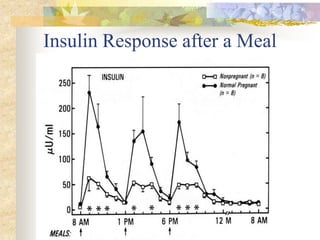
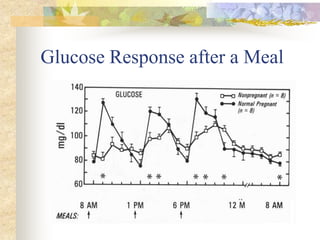
Maternal Physiology in PregnancyEndocrine ChangesPancreas and Fuel Metabolism Physiologic glucose intolerance to insure continuous transport of nutrients from mother to fetus Fasting hypoglycemia Postprandial hyperglycemia Hyperinsulinemia
Insulin Response after a Meal
Glucose Response after a Meal
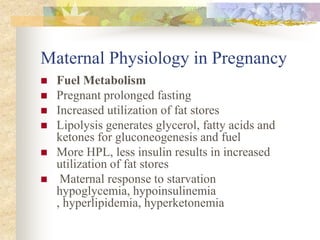
Maternal Physiology in PregnancyFuel MetabolismPregnant prolonged fasting Increased utilization of fat storesLipolysis generates glycerol, fatty acids and ketones for gluconeogenesis and fuel More HPL, less insulin results in increased utilization of fat stores Maternal response to starvation hypoglycemia, hypoinsulinemia , hyperlipidemia, hyperketonemia
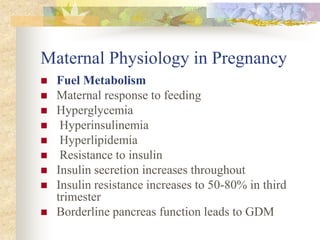
Maternal Physiology in PregnancyFuel MetabolismMaternal response to feeding Hyperglycemia Hyperinsulinemia Hyperlipidemia Resistance to insulin Insulin secretion increases throughout Insulin resistance increases to 50-80% in third trimester Borderline pancreas function leads to GDM
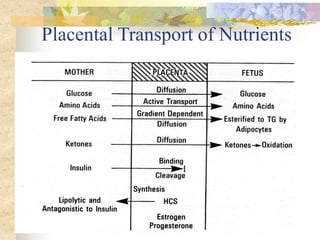
Maternal Physiology in PregnancyEndocrine ChangesDiabetogenic effects of pregnancy HPLlipolytic and anti-insulin( Cortisol Prolactin Estrogen and ProgesteroneFetal glucose levels are 20 mg/dl less than maternal values Placental glucose transport is carrier mediated facilitated transport that is energy independent
Maternal Physiology in PregnancyFuel and MetabolismLipids and lipoproteins increase in pregnancy Total cholesterol, LDL, HDL and triglycerides all increase Necessary as precursors for steroiodgenesis Does not appear to lead to atherosclerosis unless pre-existing hyperlipidemia
Placental Transport of Nutrients
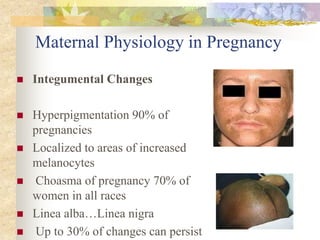
Maternal Physiology in PregnancyIntegumental ChangesHyperpigmentation 90% of pregnancies Localized to areas of increased melanocytes Choasma of pregnancy 70% of women in all racesLinea alba…Linea nigra Up to 30% of changes can persist
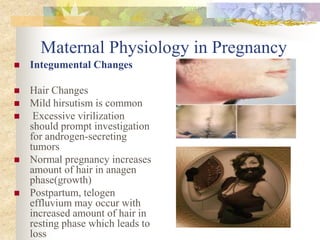
Maternal Physiology in PregnancyIntegumental ChangesHair Changes Mild hirsutism is common Excessive virilization should prompt investigation for androgen-secreting tumors Normal pregnancy increases amount of hair in anagen phase(growth) Postpartum, telogen effluvium may occur with increased amount of hair in resting phase which leads to loss
Maternal Physiology in PregnancyOcular ChangesIncreased thickness of the cornea secondary to fluid retention, this edema induces causing a 3% increase Affects contacts Decreased intraocular pressure Glaucoma improves Minimally decreases visual fields
Maternal Physiology in PregnancySo you see there are extensive changes in maternal physiology that occur in pregnancyBe careful in interpretations of what are normal pregnancy changes, especially when parameters like lab values represent the non-pregnant stateVisit our website @ secondopinion2.com or contact us at info@secondopinion2.com     “CHANGE THAT’S WORTH IT”

Maternal Physiology in Pregnancy

  • 1.
    Maternal Physiology inPregnancyBy La Lura White MDMaternal Fetal Medicine
  • 2.
    Maternal Physiology inPregnancyMajor adaptations in maternal anatomy, physiology, and metabolism are required for successful pregnancy. Nearly every organ system is affected. Understanding these changes helps to distinguish the normal physiology of pregnancy from pathological disease states.
  • 3.
    Maternal Physiology inPregnancyThese changes create a myriad of pregnancy symptoms that includeNausea/Emesis (morning sickness)HeadachesBackachesUrinary frequencyHemorrhoids/ConstipationLeg CrampsEdema more common lower extremityBreast tendernessParesthesisVaricose veins
  • 4.
    Maternal Physiology inPregnancyDue to the pregnancy effect on major organ systems including:NutritionalDigestive Tract ChangesUrinary SystemCardiovascular SystemRespiratory SystemMetabolismSkeletalEndocrineIntegumentOcular
  • 5.
    Maternal Physiology inPregnancy: NutritionalDuring pregnancy, nutritional requirements, including those for vitamins and minerals, are increased, and several maternal alterations occur to meet this demand.Addition of 300 kcal/day.The mother`s appetite usually increases, so that food intake is greater, although some women have a decreased appetite or experience nausea and vomiting.These symptoms may be related relaxation of smooth muscle, increasing levels of human chorionic gonadotrophin (hCG) and estrogen.
  • 6.
    Maternal Physiology inPregnancyComplicates 70% of pregnancies normally from 4-16 weeksTrue Hyperemesis gravidarum (HG) is a severe form of morning sickness, with "unrelenting, excessive pregnancy-related nausea and/or vomiting that prevents adequate intake of food and fluids, “that may requiring hospitalization, IV fluids, anti-emetics even protonics or TPNPica: craving for substances that are not foodEtiology unknownCheck for poor weight gain and refractory anemiaSouth - clay or starch (laundry or cornstarch)UK – coalAlso soap, toothpaste and ice
  • 7.
    Maternal Physiology inPregnancy: Digestive Tract ChangesIf the pH of the oral cavity decreases, tooth decay may occur linked to pre-term deliveries.Tooth decay during pregnancy, however, is not due to lack of calcium in the teeth, dental calcium is stable and not mobilized during pregnancy as is bone calcium. The gums may become hypertrophic, hyperemic and friable; this maybe due to increased systemic estrogen. Vitamin C deficiency also can cause tenderness and bleeding of the gums.
  • 8.
    Maternal Physiology inPregnancy: Digestive Tract ChangesGingivitis of pregnancy: vascular swelling of the gums can lead to the development of pyogenic granulomas : Epulis gravidarum: regress 1-2 mos after deliveryexcise if persistent or excessive bleeding
  • 9.
    Maternal Physiology inPregnancy: Digestive Tract ChangesGastrointestinal Motility Reduced during pregnancy due to increased levels of progesterone, which decrease the production of motilin, a hormonal peptide that is known to stimulate smooth muscle in the gut.Transit time of food throughout the gastrointestinal tract much slower, more water than normal is reabsorbed, leading to constipation.
  • 10.
    Maternal Physiology inPregnancy: Digestive Tract ChangesDecreased tone and motility secondary to progesteroneEsophagus :dysmotilityEsophageal peristalses is deceased, accompanied by gastric reflux because of the slower emptying time and dilatation or relaxation of the cardiac sphincter.Stomach Reduced tone of the gastroesophageal junction sphincterProduction of the hormone gastin increases significantly, resulting in increased stomach volume and decreased stomach pH.
  • 11.
    Maternal Physiology inPregnancyGastric compression due to enlarging uterus with decrease sphincter tone increasing incidence GERD This reflux is more prevalent in later pregnancy owing to elevation of the stomach by the enlarged uterus, making the use of anesthesia, especially general anesthesia more hazardous because of the increased possibility of regurgitation and aspiration.Lower incidence of PUD (peptic ulcer disease)may be due to decreased gastric acid secretion delayed emptying, increase in gastric mucus, and protection of mucosa by prostaglandins
  • 12.
    Maternal Physiology inPregnancy: Digestive Tract ChangesSmall bowel :Reduced motility and tone are allow for more efficient absorption, especially ironLarge Bowel:Decreased transit times allows for both water and sodium absorption. Increased portal hypertension with dilation wherever there are porto-systemic venous anastamoses (varices) affecting esophagus, vulva and increase varicose veins and hemorrhoids may lead to ovarian vein thrombosis
  • 13.
    Maternal Physiology inPregnancy: Gastrointestinal ChangesGallbladderDecreased rate of emptying and hypotonia of the smooth muscle wallEmptying time is slowed and often incomplete Bile can become thick, and bile stasisCholesterol saturation is increased while chenodeoxycholic acid is decreased in bileThese changes favor the development of gallstones
  • 14.
    Maternal Physiology inPregnancy: Gastrointestinal ChangesLiver Liver size and histology are unchanged Serum albumin and total protein decrease so there is a decrease in the albumin/globulin ratioSerum alkaline phosphatase increases due to placental and some hepatic productionNo change in serum bilirubin, AST, ALTClinical and laboratory changes mimic disease states Spider angiomas and palmar erythema
  • 15.
    Maternal Physiology inPregnancy: Urinary SystemAnatomic ChangesRenal hypertrophy Dilatation renal pelvis/calyces 15mm on the right in 3rd trimester 5mm on the left.Each kidney increases in length by 1-1.5cm, with a concomitant increase in weight.The ureters are dilated to 2 cm resulting in hydroureter from: progesterone-induced smooth muscle relaxation causing hypotonia mechanical compression above the brim of the bony pelvis by the ovarian vein complex in the suspensory ligament of the ovary dextorotation of the uterus during pregnancy, may explain why the right ureter is usually more dilated than the left.
  • 16.
    Maternal Physiology inPregnancy: Urinary SystemHyperplasia of smooth muscle in distal one-third of the ureter may cause reduction in the luminal sizeThe ureters also elongate, widen, and become more curved: there is an increase in urinary stasisThis may lead to infection and predispose to pyelonephritis in the presence of asymptomatic bacteriuria (30%)
  • 17.
    Maternal Physiology inPregnancy: Urinary SystemBladder As the uterus enlarges, the urinary bladder is displaced upward and flattened in the anterior-posterior diameterBladder vascularity increases and muscle tone decreases, increasing capacity up to 1500ml. Trigone elevation occurs with increased vascular tortuousity throughout the bladder leading to microhematuira Decrease bladder capacity Increased frequency of urinary incontinence
  • 18.
    Maternal Physiology inPregnancy: Urinary SystemRenal HemodynamicRenal blood flow increases 50% .GFR increases 50% (120cc/min180cc/m.)The renal plasma flow rate increases by as much as 25-50%..Serum Creatinine and BUN levels decrease. Urinary flow and sodium excretion rates in late pregnancy can be altered by posture, being twice as great in the lateral recumbent position as in the supine position.Even thought the GFR increased dramatically during pregnancy, the volume of the urine passed each day is not increased.
  • 19.
    Maternal Physiology inPregnancy: Urinary SystemWith the increase in GFR, there is an increase in endogenous clearance of creatinine.The concentration of creatinine in serum is reduced in proportion to increase in GFR, and concentration of blood urea nitrogen is similarly reduced.Glucosuria during pregnancy is not necessarily abnormal, may be explained by the increase in GFR with impairment or exceeding tubular reabsortion capacity for filtered glucose. Increased levels of urinary glucose also contribute to increased susceptibility of pregnant women to urinary tract infection. Proteinuria changes little during pregnancy and if more than 300mg/24h is lost, a disease process should be suspected.
  • 20.
    Maternal Physiology inPregnancy: Urinary SystemLevels of the enzyme renin, which is produced in kidney, increase early in the first trimester, and continue to rise until term This enzyme acts on its substrate angiotensinogen, to first form angiotensin1 and then angiotensin2, which acts as a vasoconstrictorNormal pregnant women are resistant to the pressor effect of elevated levels of angiotensin2 but those suffering from preeclampsia are not resistant, this is one of the some theories to explain this disease.
  • 21.
    Maternal Physiology inPregnancy: Cardiovascular SystemAs the uterus enlarges and the diaphragm becomes elevated, the heart is displaced upward and somewhat to the left with rotation on its long axis, so that the apex beat is moved laterally. (apparent cardiomegaly on chest x-ray)Cardiac capacity increases by 70-80mL.This may be due to increased volume or hypertrophy of cardiac muscle.The size of the heart appears to increase by about 12%.Increase in left ventricular end- diastolic dimension. Increase in left ventricular wall mass c/w mild hypertrophy. Increase in preload with increase capacitance of the systemic and pulmonary vascular resistances prevenst rise in CVP or wedge pressure.Grade II-III systolic flow murmurs at left lower sternal border.
  • 22.
    Maternal Physiology inPregnancy: Cardiovascular System30-35% in CO (CO= SV x HR), reaching its maximum at 20-24 weeks gestation and continuing at this level until termThe increase in output can be as much as1.5L/min over the non pregnant level HR increases as early as 5 weeks GA Peaks at 32 weeks at 15-20 beats above baseline(20% increase) Stroke volume increases as early as 8 weeks GA, peaks at 20 weeks with a 20-30% increase Cardiac output is very sensitive to changes in body position.
  • 23.
    Maternal Physiology inPregnancy: Cardiovascular SystemThis sensitivity increases with gestational age, presumably because the uterus impinges upon the inferior vena cava, thereby decreasing blood return to the heartBecause blood pressure either decreases or remain the same during pregnancy and cardiac output increases appreciably, there is good evidence that peripheral resistance( Peripheral resistance equals blood pressure divided by cardiac output) declines markedly.The elevated venous pressure returns toward normal if the woman lies in the lateral recumbent position.
  • 24.
    Maternal Physiology inPregnancy Position effects on CV system
  • 25.
    Maternal Physiology inPregnancy: Cardiovascular SystemEffects of the Labor on the Cardiovascular System When a patient is the supine position, uterine contractions can cause a 25% increase in maternal cardiac output, a 15% decrease in heart rate, and a resultant 33% increase in stroke volume.However when the laboring patient is in the recumbent position, the hemodynamic parameters stabilize , with only a 7.6% increase in cardiac output, a 7% decrease in heart rate, and a 7.7% increase in stroke volume These significant differences are attributable to inferior vena caval occlusion caused by the gravid uterus
  • 26.
    Maternal Physiology inPregnancy: Cardiovascular SystemDuring contractions, pulse pressure increases 26% in the supine position but only 6% in the lateral recumbent position.Important to have laboring patients in the left lateral recumbent position
  • 27.
    Maternal Physiology inPregnancy: Cardiovascular SystemBP= CO x SVR SVR decreases to a minimum at midpregnancy with a gradual rise towards term but still 20% lower than non-pregnancy Decrease SVR secondary to hormonal vasodilatation (progesterone), NO, prostaglandins, ANP BP changes nadir by midpregancy Diastolic and mean pressure decrease more than the systolic Increases to baseline in third trimester
  • 28.
    Maternal Physiology inPregnancy: Cardiovascular SystemOther cardiovascular changes:Increases in CO, HRDecreases in SVR, PVRNo change in MAP, PCWP, CVP,
  • 29.
    Maternal Physiology inPregnancy: Cardiovascular SystemBlood Volume ` Increase in the blood volume beginning at 6 weeks and plateaus at 30 weeks The magnitude of the increases varies according to the size of woman, the number of pregnancies she has had, the number of infants she has delivered, and whether there is one or multiple fetusesBoth plasma volume (50%)and cell mass (30%) increase Physiologic anemia of pregnancy nadiring at 30 weeks
  • 30.
    Maternal Physiology inPregnancy: Cardiovascular SystemBy term, the average increase in volume 45-50%The increase is needed for extra blood flow to the uterus, extra metabolic needs of fetus, and increased perfusion of others organs, especially kidneysExtra volume also compensate for maternal blood loss deliveryThe average blood loss with vaginal delivery is 500ml, cesarean section is 1000ml and C/Hyst 1500 ml10% drop HCT can be considered post-partum hemorrhage
  • 31.
    Maternal Physiology inPregnancy: Cardiovascular System
  • 32.
    Maternal Physiology inPregnancy: Cardiovascular SystemBlood VolumeSingleton (n=50) 3rd trim. non-preg. % increaseBlood volume 4820 3250 48 RBC volume 1790 1355 32 Hct (%) 37.0 41.7 Pritchard, JA. Changes in blood volume during pregnancy 5th percentile for hemoglobin was 11.0 g/L in the 1st trimester; in the 2nd trimester it was 10.5 g/L and 10.3 g/L in the third trimester Acta Obstet Gynecol Scand. 2000 Feb;79(2):89-98
  • 33.
    Maternal Physiology inPregnancy: Cardiovascular SystemIron MetabolismAbsorption in the duodenum in the divalent state Trivalent food source must be converted by ferric reductase to divalent form Febound transferrintransported to liver, spleen, muscle and bone marrow incorporated into hemoglobin, myoglobin, ferritin or hemosiderin 1000mg iron requirement, (about 3.5 mg/d) Requirements increase in third trimester Fetus receives Fe through active transport
  • 34.
    Maternal Physiology inPregnancy: Cardiovascular SystemWith the increase in red blood cells, the need for iron for the production of hemoglobin increases, but Fe supplementation usually not needed before 20 weeksFe supplementation Ferrous sulfate 20% ( 65mg elemental Fe) Ferrous gluconate 12% (35mg of elemental Fe) and ferrous fumarate 33%(108mg of elemental Fe) ; fumerate and gluconate better absorbed(organic Fe)For severe anemia:PreparationsIron Dextran (Imferon, Dexferrum)High rate of serious reaction (requires test dose)Intramuscular or IntravenousDose based on estimated iron deficits
  • 35.
    Maternal Physiology inPregnancy: Cardiovascular System(Test dose)[25 mg] [100 ml] [5 min][Prescribed dose] [250 to 1000mg](Usually 500 ml NS) Total dose infusion: infuse over 2 to 6 hours.
  • 36.
    Maternal Physiology inPregnancy: Cardiovascular SystemSodium ferric gluconate (Ferrlecit)Dosing: 125 mg/weekly IV for 8 weeks (total: 1 gram)Much safer than Iron Dextran (no test dose needed)Iron sucrose (Venofer)Much safer than Iron Dextran (no test dose needed)Dosing: 200 mg IV for 5 doses over 2 week periodPrecautionsIntravenous iron must be started very slowlyAdverse affects: fever, pain, headaches, Myalgias and arthralgiasAnaphylaxisOccurs in 0.61% of patients given Iron DextranOccurs in 0.04% of patients given ferric gluconate
  • 37.
    Maternal Physiology inPregnancy: Cardiovascular SystemMaternal requirements can reach 5-6mg/d in the latter half of pregnancyIf supplemental iron is not added to the diet, iron deficiency anemia will result If iron is not readily available, the fetus, uses iron from maternal stores.Thus, the production of fetal hemoglobin is usually adequate even if the mother is severely iron deficient and anemia in the newborn is rarely a problem Maternal iron deficiency more commonly may cause preterm labor and late spontaneous abortion,
  • 38.
    Maternal Physiology inPregnancy: Cardiovascular SystemWhite Blood Cells The total blood leukocyte count increases during pregnancy from a pre-pregnancy level of 4300-4500/mL to 5000-12000/mL in the last trimester, although counts as high as 16000/mL have been observed in the last trimesterCounts as high as 25000-30000/mL have been noted in a normal patient during labor Lymphocyte and monocyte numbers stay the same throughout pregnancy; polymorphonuclear leucocytes are the primary contributors to the increase.
  • 39.
    Maternal Physiology inPregnancy: Cardiovascular SystemPlateletsProgressive decline in count from 1st-3rd trimester.Increased platelet destruction. Plts range between 70-150,000, gestational thrombocytopenia of pregnancy Burrows @Kelton reported an 8% prevalence. Diagnosis of exclusion: PIH/HELLP, ITP, viral disease, HIV, autoimmune disease, ie lupus.
  • 40.
    Maternal Physiology inPregnancy: Cardiovascular SystemOther Hematologic ChangesLeukocytosis secondary to increase neutophils estrogen and cortisol inducedAltered immune status, immunocompromised Paradoxical decline of immunoglobins A,G,M Only IgG crosses the placenta
  • 41.
    Maternal Physiology inPregnancy: Cardiovascular SystemCoagulation SystemHypercoaguable state Increased venous stasis lead to vessel wall injury Changes in the coagulation cascade Increases in factors I,VII,VIII, IX and X Unchanged or mildly increasedfactors II, V, XII Decrease in factors XI, XIII Decrease in fibrinolysis with decreased plasminogen activator Increase in factor I (fibrinogen) causes elevated sed rate Decrease in protein S but no change in protein C and antithrombin III. Activated protein C decreases
  • 42.
    Maternal Physiology inPregnancy: Cardiovascular SystemFibrinolytic activity is depressed during pregnancy and labor, although the precise mechanism is unknownThe placenta may be partially responsible for this alteration in fibrinolytic statusPlasminogen levels increase concomitantly with fibrinogens levels, causing an equilibration of clotting and lysing activity
  • 43.
    Maternal Physiology inPregnancy:Respiratory SystemAnatomic and Physiologic Changes Pregnancy produces changes that affect respiratory performanceEarly in pregnancy, capillary dilatations occurs throughout the respiratory tract, leading to engorgement of the nasopharnyx, larnyx, trachea, and bronchi This causes the voice to change and makes breathing though the nose difficult.Upper respiratory tract hyperemia and edema induced by estrogen leading to nasal stuffiness and epistaxisChest X-rays reveal increased vascular makings in the lungs.
  • 44.
    Maternal Physiology inPregnancy:Respiratory SystemAs the uterus enlarges, the diaphragm is elevated as much as 4cm, but elevation of the diaphragm does not impede its movement.The rib cage is displaced upward and widens, increasing the lower thoracic diameter by 2cm and the thoracic circumference by up to 6cm.Chest circumference expands 5-7 cm Subcostal angle increases from 68 to 103 degreesRespiratory muscle function is not affected by pregnancyAbdominal muscles have less tone and are less active during the pregnancy, causing respiration to be more rather than less diaphragmatic.
  • 45.
    Maternal Physiology inPregnancy:Respiratory SystemElevation of the diaphragm decreases the volume of the lungs in the resting state, reducing TLC by 5% and FRC by 20% FRC mainly decreased by RV Vital capacity does not changeChronic hyperventilation progesterone induced Minute volume is increased Tidal volume is increased Respiratory rate is unchanged( Increased early in the first trimester)
  • 46.
    Maternal Physiology inPregnancy:Respiratory SystemDead volumes increase owing to relaxation of the musculature of conducting airways. Tidal volumes increases gradually(35-50%)as pregnancy progresses. Total lung capacity is reduced (4-5%) by the elevation of the diaphragm. Functional residual capacity, residual volume, and respiratory reserve volume all decrease by about 20%.Larger tidal volume and smaller residual volume cause increased alveolar ventilation (about 65%) during pregnancy.Inspiratory capacity increases 5-10%.
  • 47.
    Maternal Physiology inPregnancy:Respiratory SystemFunctional respiratory changes include a slight increase in respiratory rate, a 50% increase in minute ventilation, a 40% increase in tidal volumeA progressive increase in oxygen consumption of up to 15-20% above non-pregnant levels by term. With the increase in respiratory tidal volume associated with a normal respiratory rate, there is an increase in respiratory minute volume of approximately 26%. As the respiratory minute volume increases, hyperventilation of pregnancy occurs, causing a decrease in alveolar CO2
  • 48.
    Maternal Physiology inPregnancy:Respiratory SystemThis decrease lowers the maternal blood CO2 tension; however alveolar oxygen tension is maintained within normal limits.Maternal hyperventilation is considered a protective measure that prevents the fetus from the exposure to excessive levels of CO2. Because this decrease in FRC occurs without a concomitant change in dead space, there is little residual dilution and, therefore, presumably more efficient gas exchange.
  • 49.
    Maternal Physiology inPregnancy:Respiratory SystemSpirometry: the most common of the Pulmonary Function Tests(PFTs), measuring lung function, specifically the measurement of the amount (volume) and/or speed (flow) of air that can be inhaled and exhaled.FEV1 (forced expiratory pressure in 1 second), 80-100% of average values are considered normal and is unchanged Peak Expiratory Flow: is the maximal flow (or speed) achieved during the maximally forced expiration initiated at full inspiration, measured in liters per minute, also unchanged
  • 50.
  • 51.
    Lungs in latepregnancy
  • 52.
    Maternal Physiology inPregnancy:Respiratory System: Gas ExchangeHyperventilation leads to deceased PCO2 Increases CO2 gradient between fetus and motherChronic respiratory alkalosis Compensatory metabolic acidosis 20-40% increase in maternal oxygen consumption Normal arterial blood gas values Ph= 7.4-7.45 PCO2= 28-32 PO2= 101-106 HCO3= 18-21
  • 53.
    Maternal Physiology inPregnancyMetabolismAs the fetus and placenta grow and place increasing demands on the mother, phenomenal alterations in metabolism occurThe most obvious physical changes are weight gain and altered body shape Weight gain is due not only to the uterus and its contents but also to increase breast tissue, blood and water volume in the form of extravascular and extracellular fluid Deposition of fat and protein and increased cellular water are added to the maternal stores The average weight gain during pregnancy is 12.5Kg. (23-25 lbs)
  • 54.
    Maternal Physiology inPregnancyDuring normal pregnancy, approximately 1000g of weight gain is attributable to protein Half of this is found in the fetus and the placenta, with the rest being distributed as uterine contractile protein, breast glandular tissue, plasma protein, and hemoglobinTotal body fat increases during pregnancy, but the amount varies with total weight gainDuring the second half of pregnancy, plasma lipids increase , but triglycerides, cholesterol and lipoproteins decrease soon after delivery The ratio of low density lipoproteins to high density lipoproteins increases during pregnancy
  • 55.
    Maternal Physiology inPregnancyBody Water MetabolismCondition of chronic water overload Active Na+ and water retention 1. Changes in osmoregulation 2. Renin-angiotensin system Body water increase 6.5L 8.5L 1. 1500 cc increase in blood volume 2. RBC increase ~400cc Elevation of maternal CO
  • 56.
    Maternal Physiology inPregnancyOsmoregulationNa+ retention increases 900 mEq but serum Na+ decreases 3-4 mmol/l Plasma osmolality decreases 10 mOsm/kg Enhanced tubular reabsorption of Na+ secondary to aldosterone, estrogen and deoxycorticosterone Increased GFR and Atrial Natriuretic Peptide favor Na+ excretion
  • 57.
    Maternal Physiology inPregnancySkeletal Changes: Calcium metabolism Maternal total calcium levels decline due to decreased albumin bound concentration Serum ionized level remains unchanged Increased intestinal absorption occurs in first trimester, actively transported across the placenta Maternal serum phosphate levels are unchanged PTH levels remain unchanged Elevated levels of vitamin D allow for increase Ca++ absorption Calcitonin levels rise to preserve maternal skeleton
  • 58.
    Maternal Physiology inPregnancySkeletal and Postural ChangesLordosis of pregnancy~ progressive increase in anterior convexity of the lumbar spine, preserves center of gravity Ligaments of the symphysis and sacroiliac joints loosen during pregnancy due to relaxin
  • 59.
    Maternal Physiology inPregnancyEndocrine ChangesThyroid Physiology Euthyroid state Increase in thyroxine-binding globulin Decrease in circulating pool of extra-thyroidal iodide Slight thyromegaly Free T4 and Free T3 remain normalSmall amounts of TRH /T4 cross the placenta Fetal thyroid active by 12 weeks gestation
  • 60.
    Maternal Physiology inPregnancyEndocrine ChangesAdrenal function Increases in corticosteroid-binding globulin Increases in free cortisol Zona fasciculata is increased Marked increase in CRH from placental sourcesDelayed plasma clearance of cortisol due to renal changes Resetting of hypothalamic-pituitary sensitivity to cortisol feedback on ACTH production
  • 61.
    Maternal Physiology inPregnancyEndocrine ChangesPituitary gland enlarges due to proliferation of prolactin-secreting cells Enlargement makes it more susceptible to alterations in blood flowProlactin levels are increased (ten times higher at term) to prepare breasts for lactation
  • 62.
    Maternal Physiology inPregnancyEndocrine ChangesPancreas and Fuel Metabolism Physiologic glucose intolerance to insure continuous transport of nutrients from mother to fetus Fasting hypoglycemia Postprandial hyperglycemia Hyperinsulinemia
  • 63.
  • 64.
  • 65.
    Maternal Physiology inPregnancyFuel MetabolismPregnant prolonged fasting Increased utilization of fat storesLipolysis generates glycerol, fatty acids and ketones for gluconeogenesis and fuel More HPL, less insulin results in increased utilization of fat stores Maternal response to starvation hypoglycemia, hypoinsulinemia , hyperlipidemia, hyperketonemia
  • 66.
    Maternal Physiology inPregnancyFuel MetabolismMaternal response to feeding Hyperglycemia Hyperinsulinemia Hyperlipidemia Resistance to insulin Insulin secretion increases throughout Insulin resistance increases to 50-80% in third trimester Borderline pancreas function leads to GDM
  • 67.
    Maternal Physiology inPregnancyEndocrine ChangesDiabetogenic effects of pregnancy HPLlipolytic and anti-insulin( Cortisol Prolactin Estrogen and ProgesteroneFetal glucose levels are 20 mg/dl less than maternal values Placental glucose transport is carrier mediated facilitated transport that is energy independent
  • 68.
    Maternal Physiology inPregnancyFuel and MetabolismLipids and lipoproteins increase in pregnancy Total cholesterol, LDL, HDL and triglycerides all increase Necessary as precursors for steroiodgenesis Does not appear to lead to atherosclerosis unless pre-existing hyperlipidemia
  • 69.
  • 70.
    Maternal Physiology inPregnancyIntegumental ChangesHyperpigmentation 90% of pregnancies Localized to areas of increased melanocytes Choasma of pregnancy 70% of women in all racesLinea alba…Linea nigra Up to 30% of changes can persist
  • 71.
    Maternal Physiology inPregnancyIntegumental ChangesHair Changes Mild hirsutism is common Excessive virilization should prompt investigation for androgen-secreting tumors Normal pregnancy increases amount of hair in anagen phase(growth) Postpartum, telogen effluvium may occur with increased amount of hair in resting phase which leads to loss
  • 72.
    Maternal Physiology inPregnancyOcular ChangesIncreased thickness of the cornea secondary to fluid retention, this edema induces causing a 3% increase Affects contacts Decreased intraocular pressure Glaucoma improves Minimally decreases visual fields
  • 73.
    Maternal Physiology inPregnancySo you see there are extensive changes in maternal physiology that occur in pregnancyBe careful in interpretations of what are normal pregnancy changes, especially when parameters like lab values represent the non-pregnant stateVisit our website @ secondopinion2.com or contact us at info@secondopinion2.com “CHANGE THAT’S WORTH IT”