AMNIOTIC FLUID By La Lura White MD Maternal Fetal Medicine
AMNIOTIC FLUID The amniotic fluid that bathes the fetus is necessary for its proper growth and development. It cushions the fetus from physical trauma Provides a barrier against infection Allowing for freedom of fetal movement and permitting symmetrical musculoskeletal development  Maintaining a relatively constant temperature for the environment surrounding the fetus, thus protecting the fetus from heat loss  Permitting proper lung development
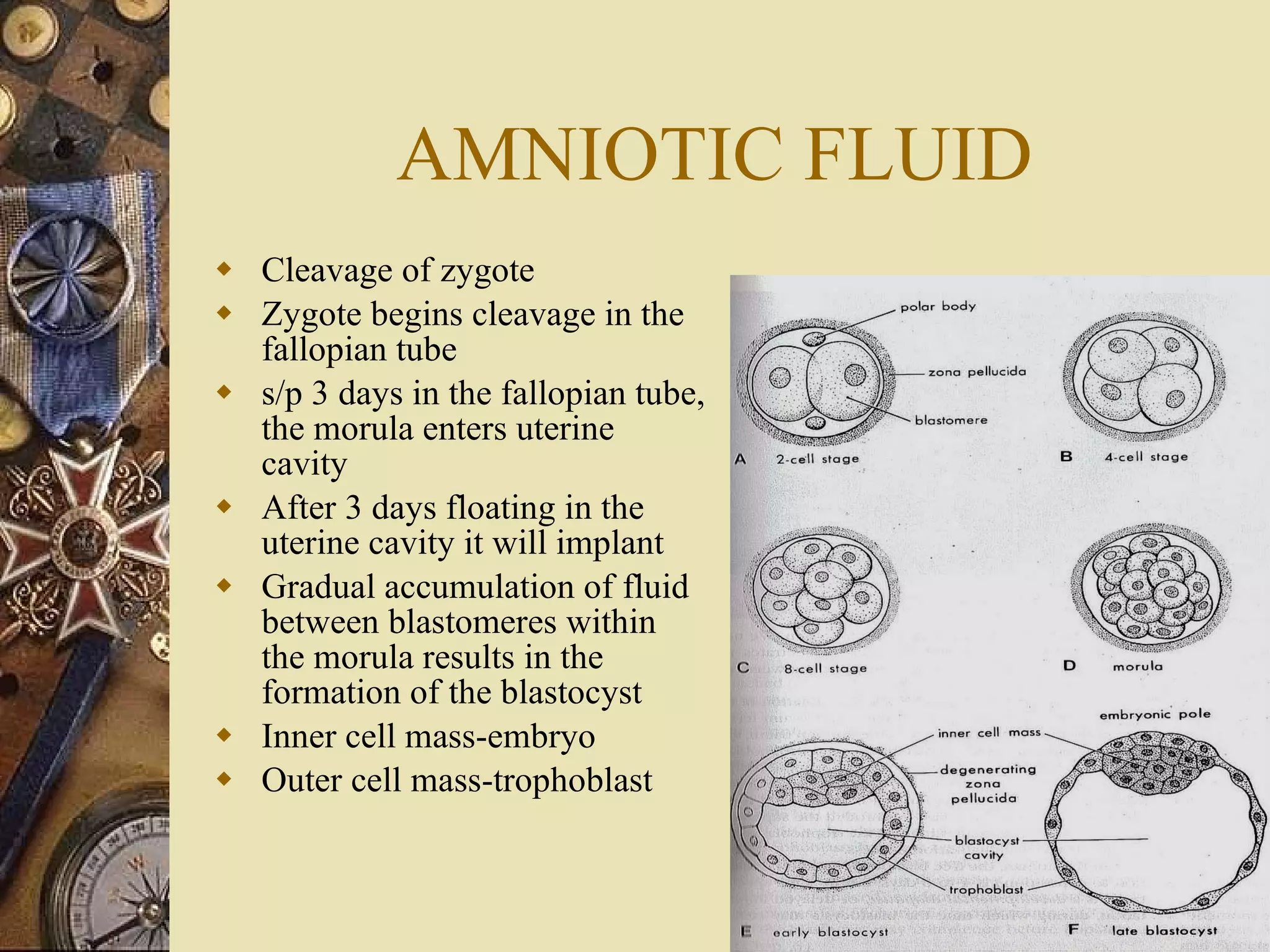
AMNIOTIC FLUID Cleavage of zygote Zygote begins cleavage in the fallopian tube s/p 3 days in the fallopian tube, the morula enters uterine cavity  After 3 days floating in the uterine cavity it will implant Gradual accumulation of fluid between blastomeres within the morula results in the formation of the blastocyst Inner cell mass-embryo Outer cell mass-trophoblast
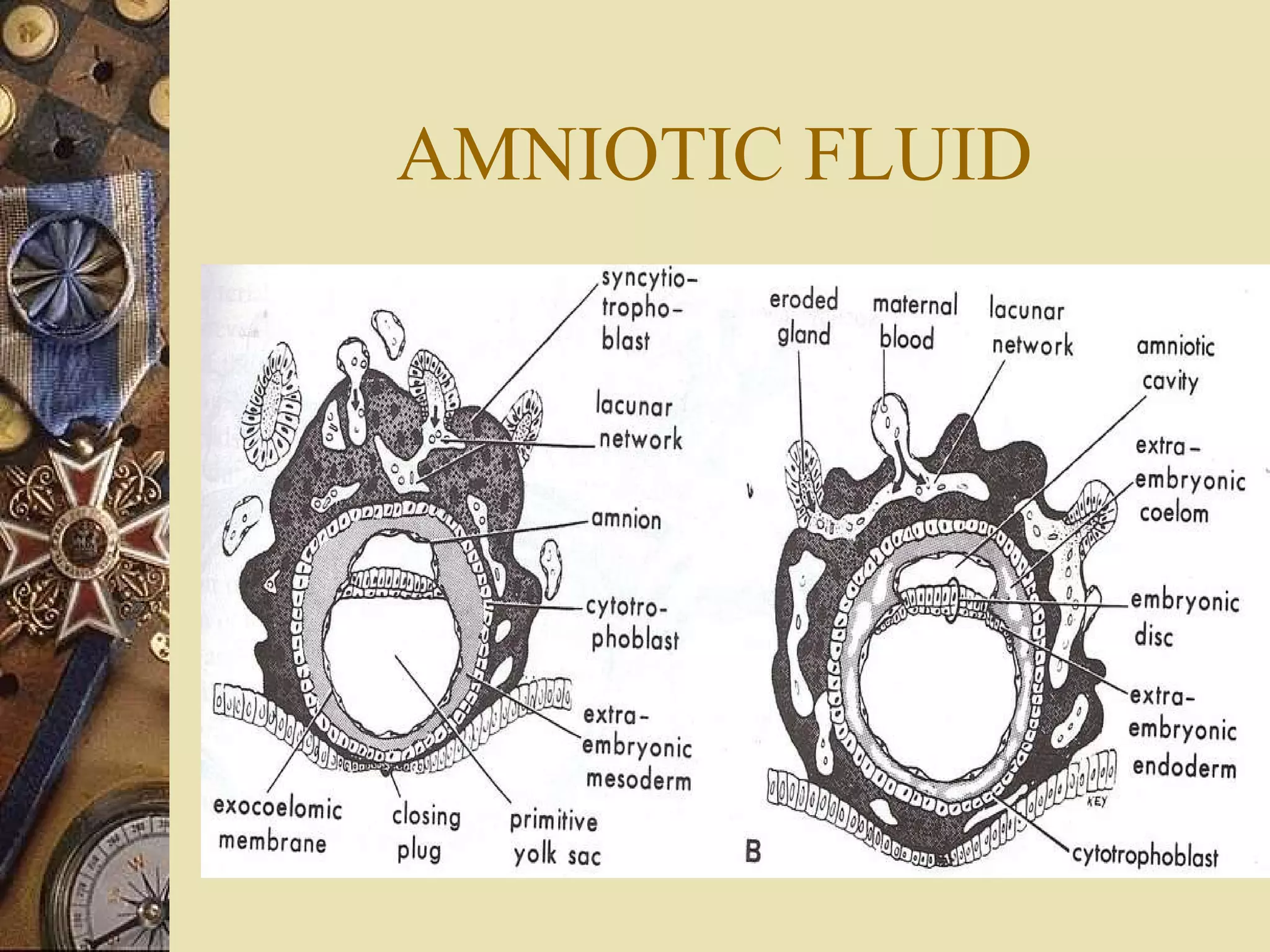
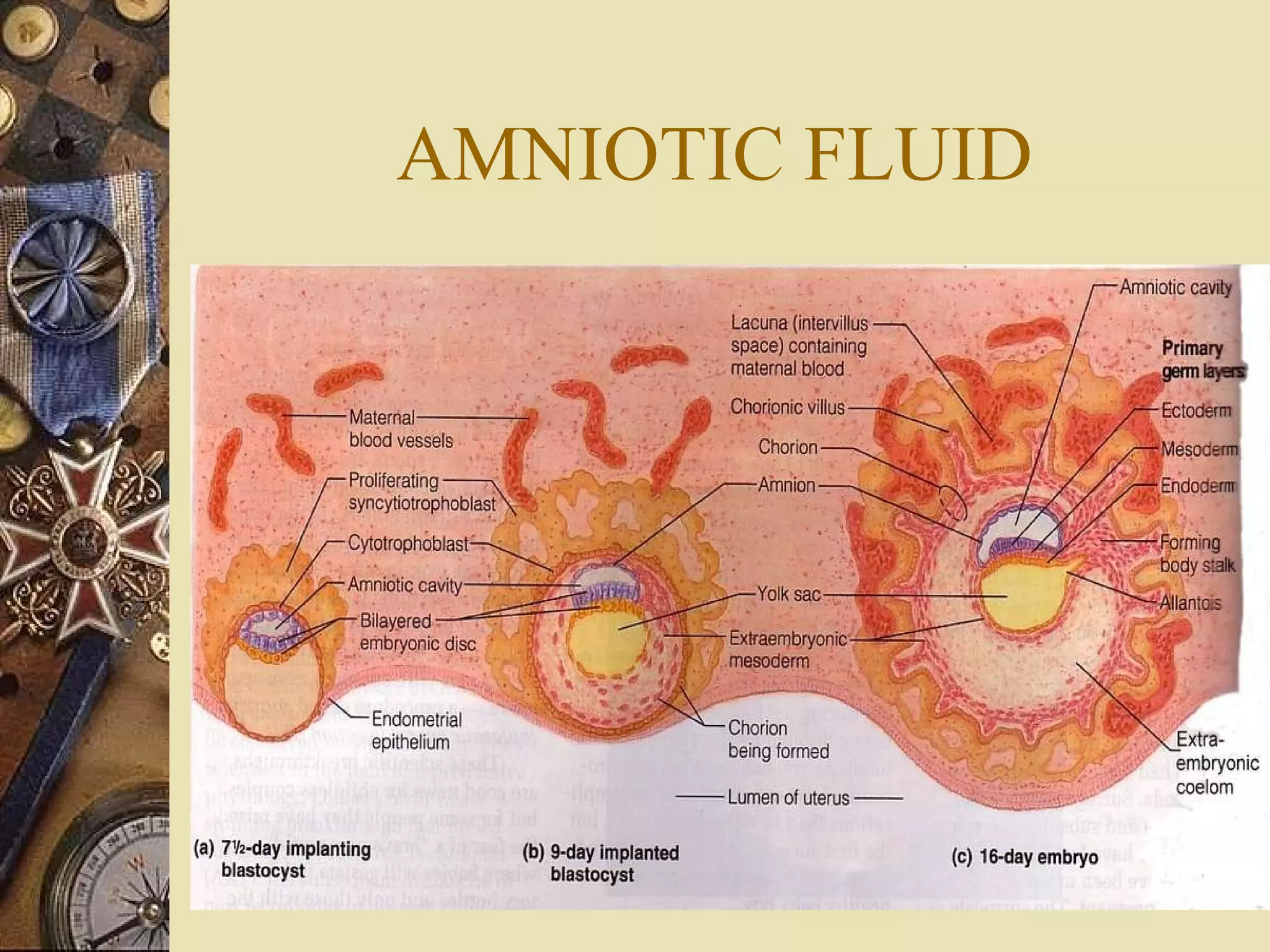
AMNIOTIC FLUID 7 1/2 days:  Trophoblast Cytotrophoblast: individual, pale staining cells Syncytiotrophoblast: dark staining nuclei within an amorphous common cytoplasm Inner cell mass: embryonic disc thick ectoderm and underlying endoderm Between the embryonic disc and the trophoblast, small cells appear that enclose a space that will become the amniotic cavity
AMNIOTIC FLUID
AMNIOTIC FLUID
AMNIOTIC FLUID Small cells line  the inner surface of the trophoblast called amniogenic cells, later to become amniotic epithelium The amnion develops by the 7-8 th day Derived from fetal ectoderm As the amnion enlarges, it gradually engulfs the embryo which prolapses into its cavity Distention of the amniotic sac brings it in contact with the chorion laeve The chorion and amnion are juxtaposed but not connected
AMNIOTIC FLUID
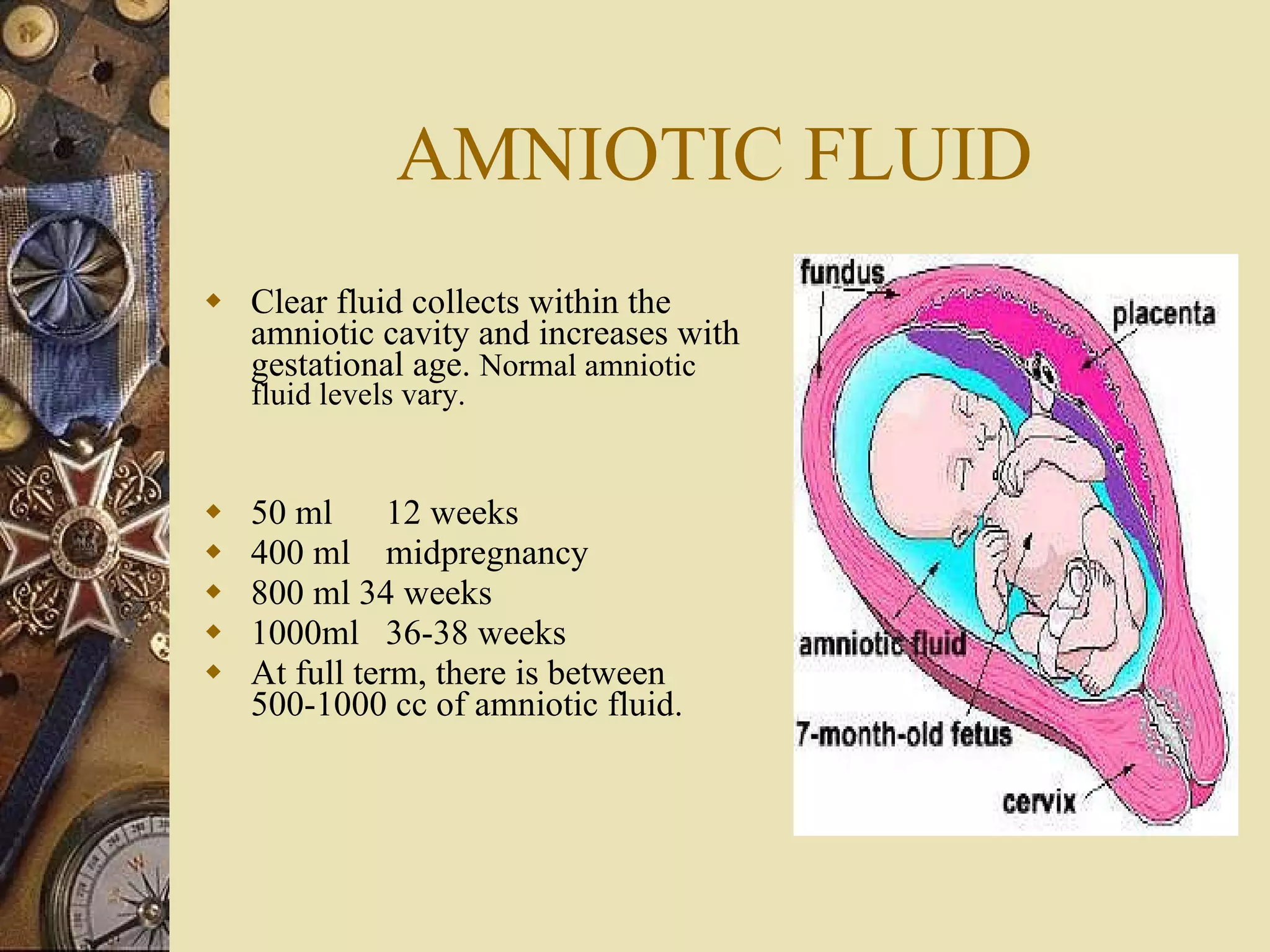
AMNIOTIC FLUID Clear fluid collects within the amniotic cavity and increases with gestational age.  Normal amniotic fluid levels vary.  50 ml  12 weeks 400 ml  midpregnancy 800 ml 34 weeks 1000ml  36-38 weeks At full term, there is between 500-1000 cc of amniotic fluid.
AMNIOTIC FLUID
AMNIOTIC FLUID
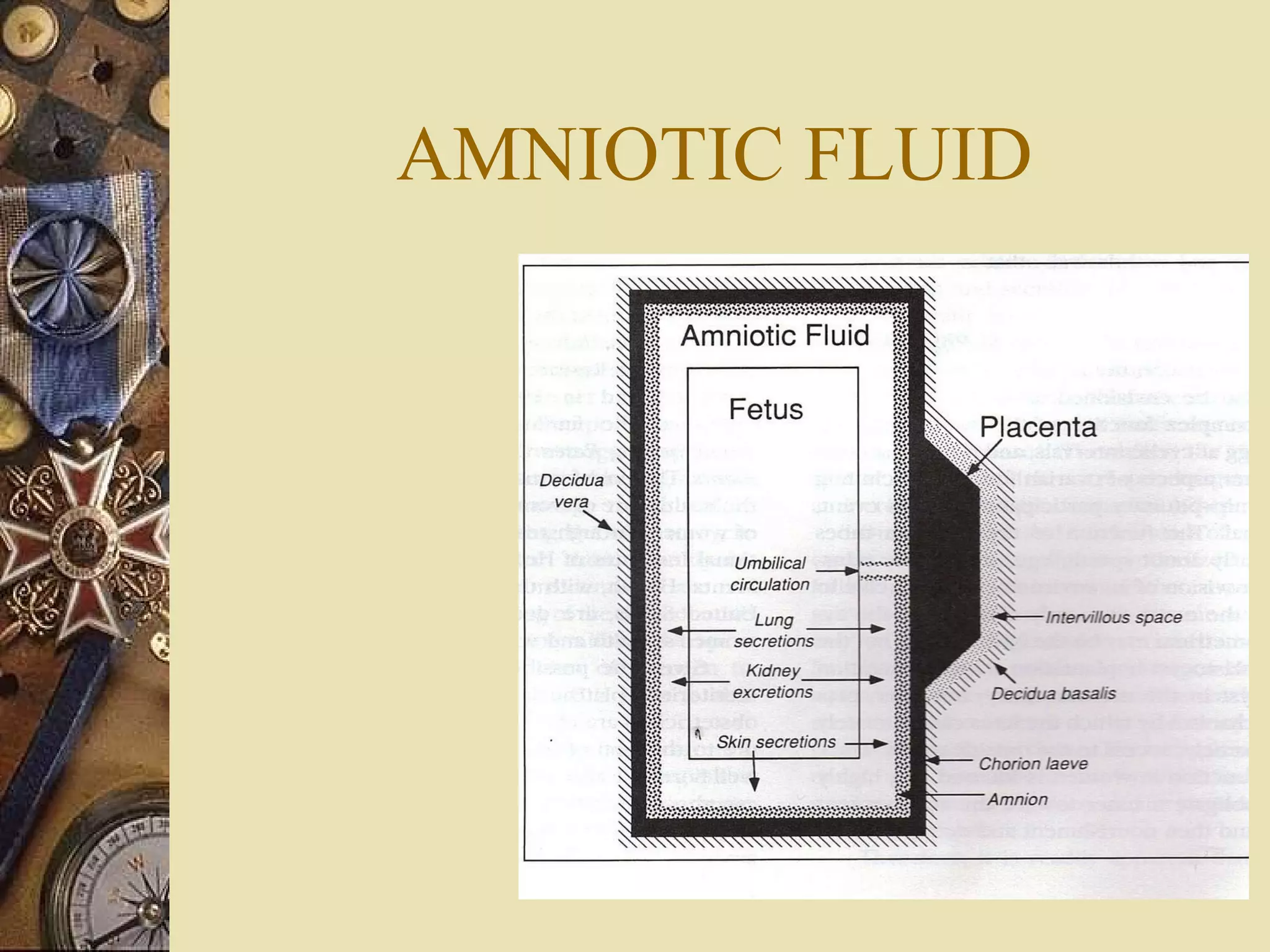
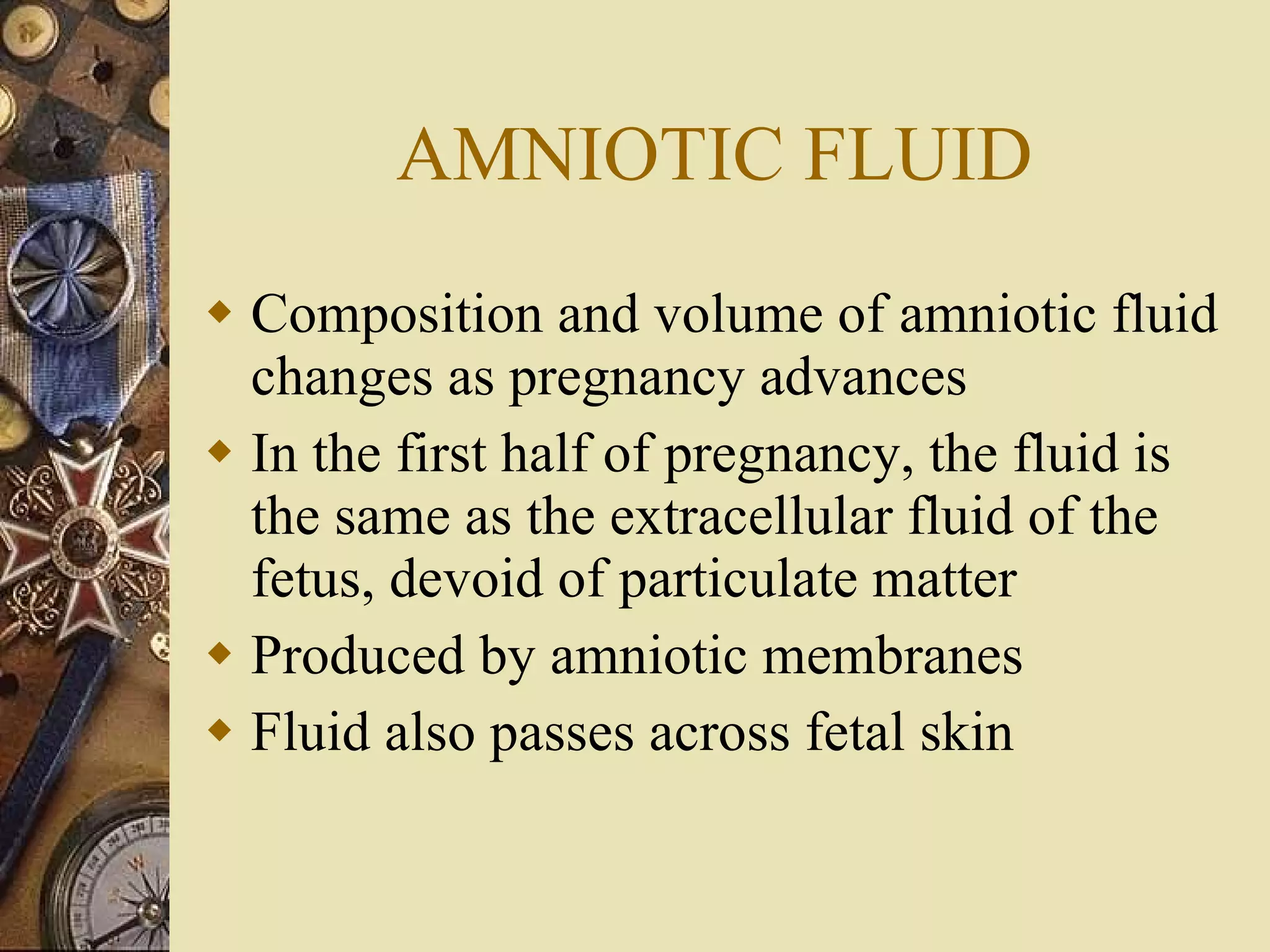
AMNIOTIC FLUID Composition and volume of amniotic fluid changes as pregnancy advances In the first half of pregnancy, the fluid is the same as the extracellular fluid of the fetus, devoid of particulate matter Produced by amniotic membranes Fluid also passes across fetal skin
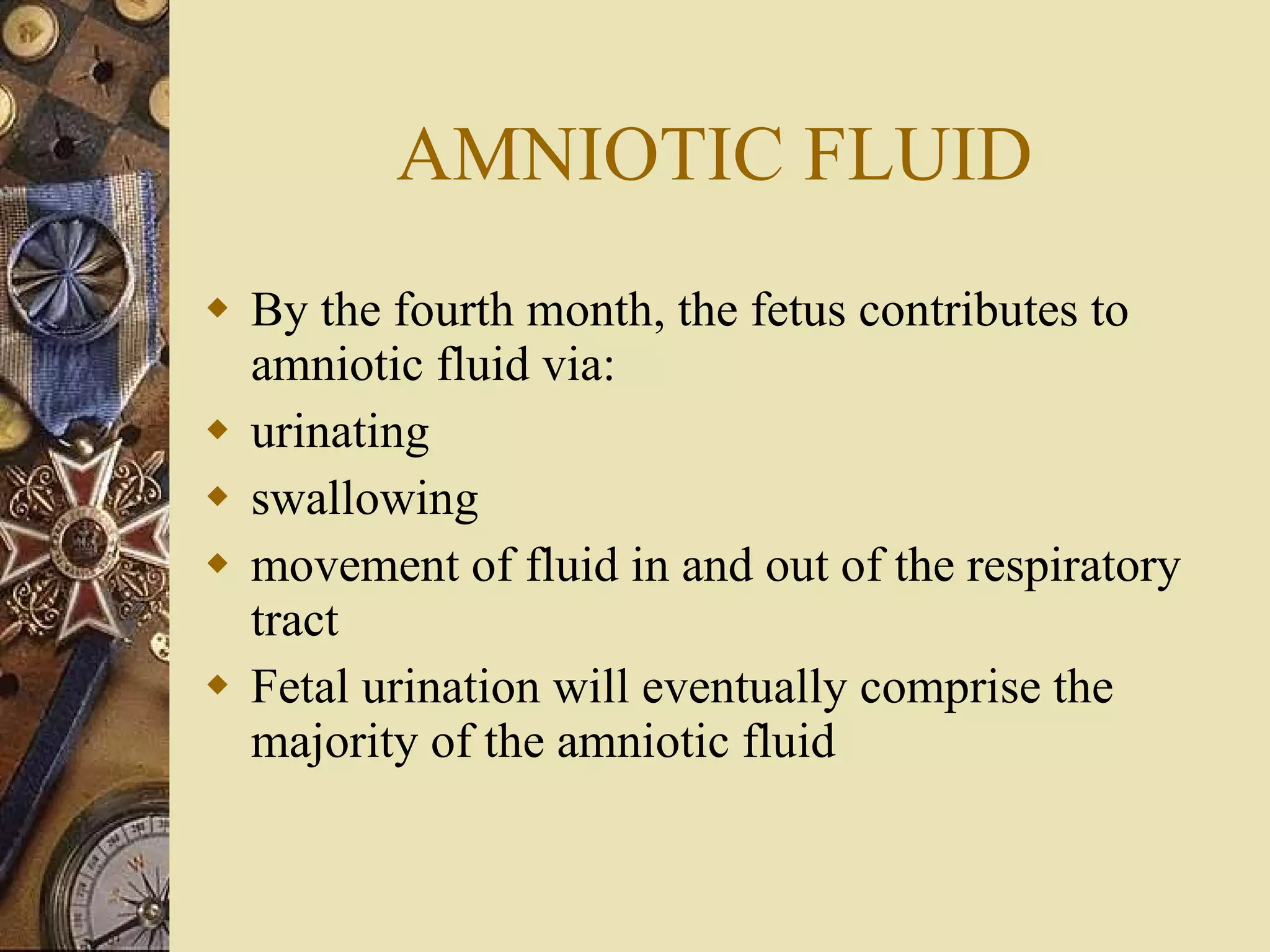
AMNIOTIC FLUID By the fourth month, the fetus contributes to amniotic fluid via: urinating swallowing movement of fluid in and out of the respiratory tract Fetal urination will eventually comprise the majority of the amniotic fluid
AMNIOTIC FLUID The fetal kidneys start to develop during the 4th and 5th weeks of gestation and begin to excrete urine into the amniotic fluid at the 8th to 11th week  At the 20th week the fetal kidneys produce most of the amniotic fluid  Fetal urine is hypotonic (c/w plasma) because of lower electrolyte concentration Contains more urea, creatinine and uric acid Osmolality decrease with increasing gestational age
AMNIOTIC FLUID An important function of the fetal kidney is to maintain a urine output sufficient to maintain  amniotic   fluid  volume Daily urine production is approximately 30% of fetal weight The excreted urine does not serve real excretory or homeostatic function because the urine, via the  amniotic   fluid , is recycled back to the fetus by swallowing (25% of fetal weight)
AMNIOTIC FLUID The factors involved in regulating amniotic fluid volume are still not completely understood. The 6 proposed pathways (Brace, 1997) for fluid movement into and out of the amniotic cavity include:
AMNIOTIC FLUID Pathway   Volume (ml)/day to the fetus  to amniotic fluid Fetal swallowing  500-1000 Oral secretions  25 Secretions from the  respiratory tract  170  170 Fetal urination  800-1200 Intramembranous flow  across the placenta,  umbilical cord  200-500 Transmembraneous flow  from the amniotic cavity into  the uterine circulation  10
AMNIOTIC FLUID Glycerophospholipids (lecithin, sphingomyelin) from the lungs accumulate in AF Desquamated fetal cells, lanugo, scalp hair and vernix caseosa are shed Also contains albumin, urea, uric acid, creatinine,, bilirubin, fat, fructose, leukocytes, proteins, epithelial cells, enzymes
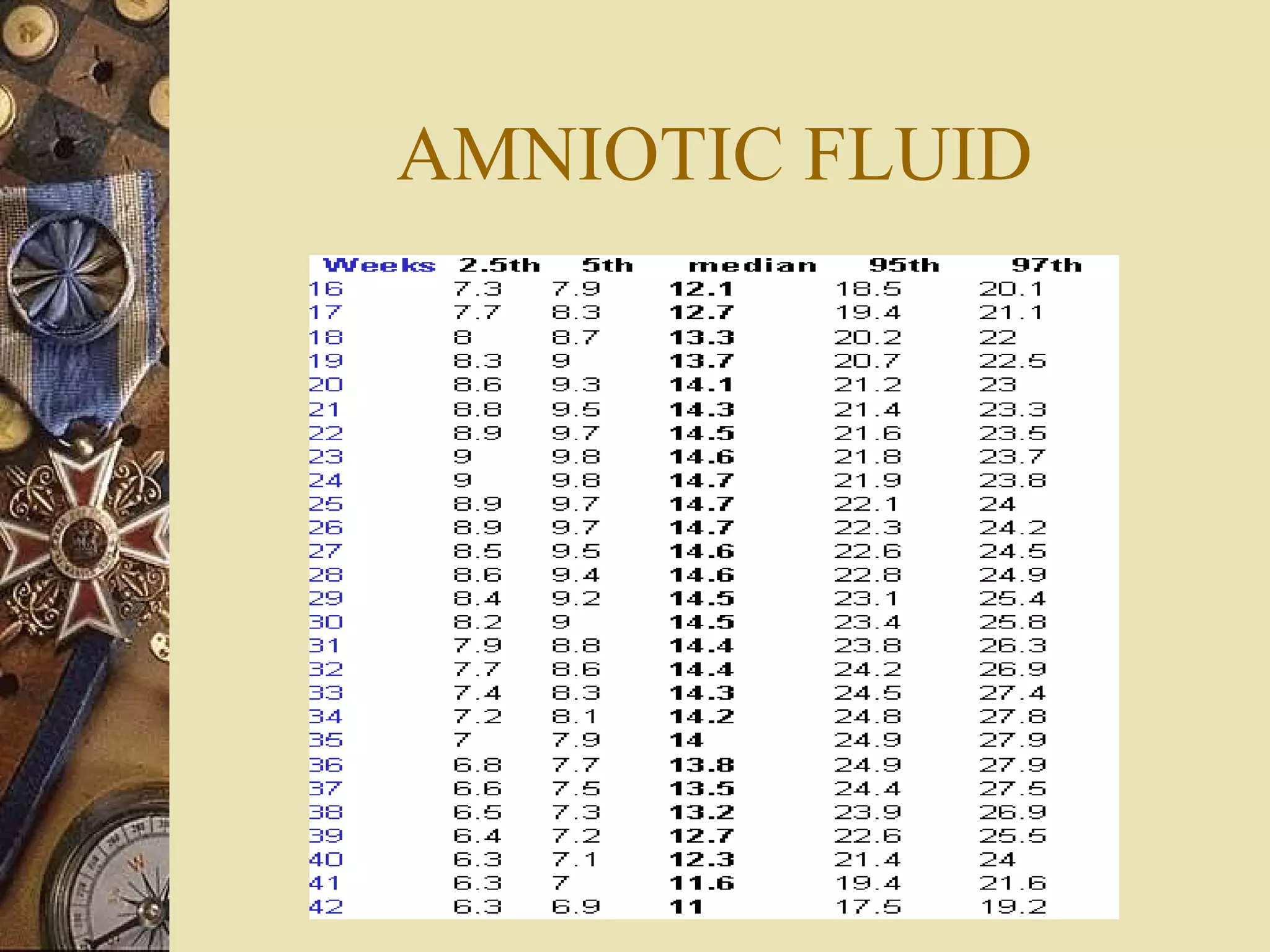
AMNIOTIC FLUID Amniotic fluid volume (AFI) The volume of the amniotic fluid is evaluated by visually dividing the mother's abdomen into 4 quadrants The largest vertical pocket of fluid in each quadrant is measured in centimeters Cord containing pocket < 30% The total volume is calculated by adding these values  <5 oligohydramnios
AMNIOTIC FLUID The 2 cm x 2 cm pocket definition (Magann, 1999a) and an AFI < 5 cm (Horsager, 1994) were compared to the actual amniotic fluid volume as measured by a dye-dilution technique.  The single 2 cm pocket had a sensitivity of 9.5%  AFI < 5.0 cm had a sensitivity of 18% for the detection of oligohydramnios
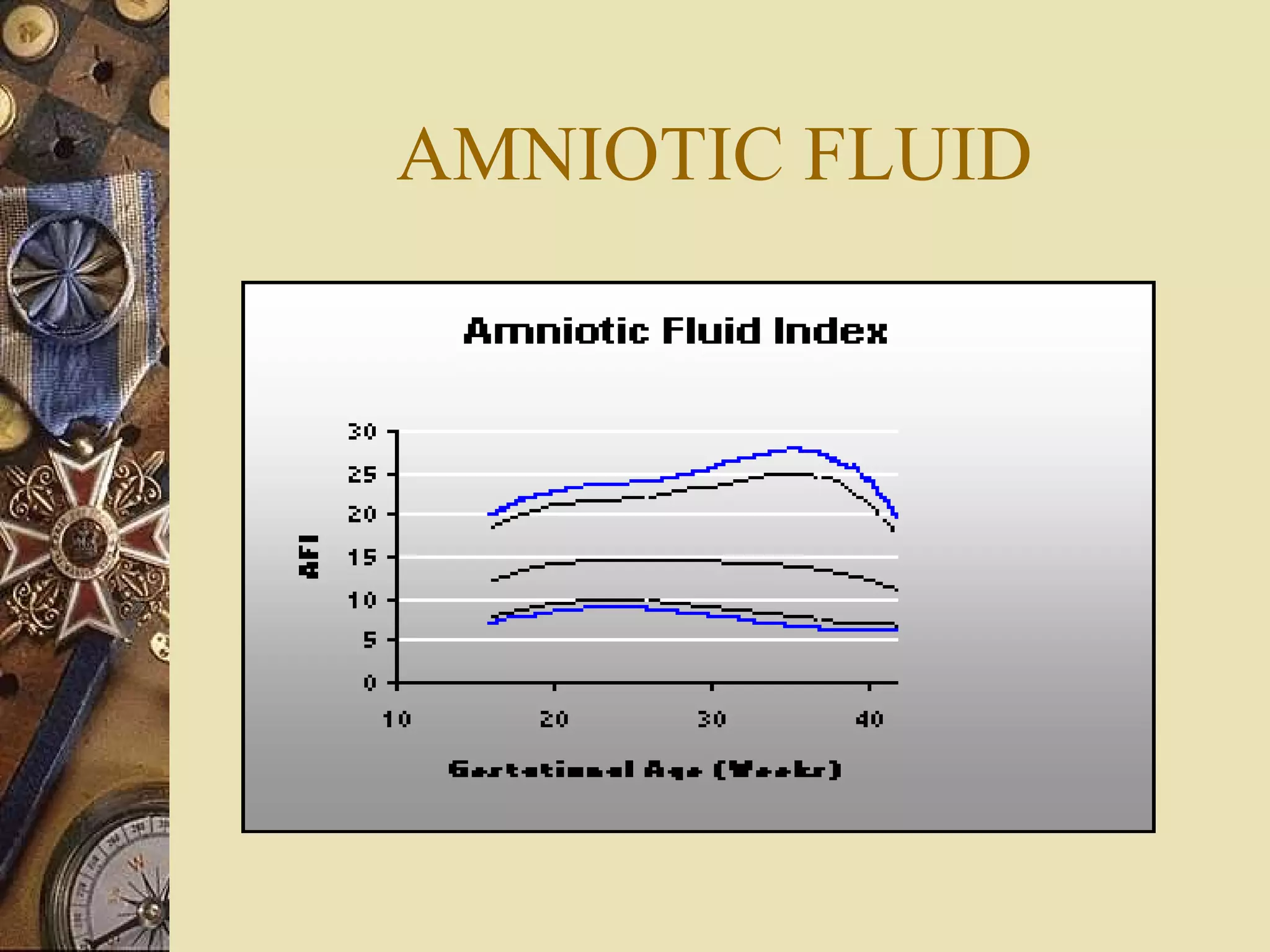
AMNIOTIC FLUID 6-8 borderline AFI 8-24 normal >24 polyhydramnios
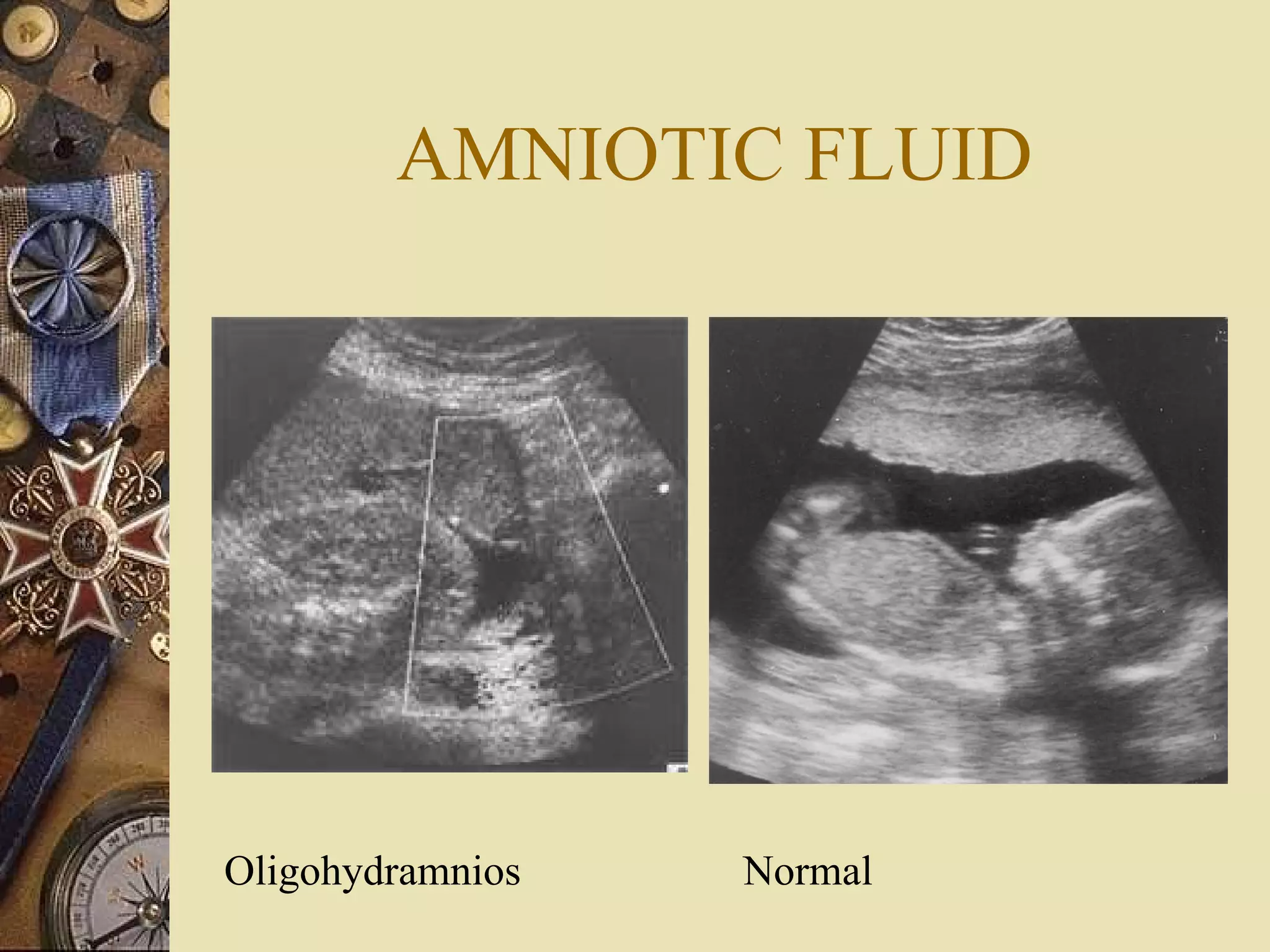
AMNIOTIC FLUID Oligohydramnios  Normal
AMNIOTIC FLUID Polyhydramnios is usually defined as; Amniotic fluid index (AFI) more than 24 cm  Single pocket of fluid at least 8 cm in deep that results in more than 2000 mL of fluid  Occurs in 1% of pregnancies Preterm labor and delivery occurs in approximately 26% of mothers with polyhydramnios.  Other complications are premature rupture of the membranes (PROM), abruptio placenta, malpresentation, cesarean delivery, and postpartum hemorrhage
AMNIOTIC FLUID An abnormally high level of amniotic fluid, polyhydramnios, alerts the clinician to possible fetal anomalies 80-90% are idiopathic In pregnancies affected by polyhydramnios, approximately 20% of the neonates are born with a congenital anomaly of some type  Gastrointestinal system (40%), central nervous system (26%), cardiovascular system (22%), genitourinary system (13%) and 50% of the patients had no associated risk factors.
AMNIOTIC FLUID Fetal akinesia syndrome: Absence of swallowing Blockage of the fetus' gastrointestinal tract Esophageal atresia (usually associated with a tracheoesophageal fistula) Tracheal agenesis Duodenal atresia .
AMNIOTIC FLUID Non-genetic Congenital cardiac-rhythm anomalies associated with hydrops, fetal-to-maternal hemorrhage, and parvovirus infection Maternal type 2 diabetes mellitus Multiple gestations
AMNIOTIC FLUID Polyhydramnios: treatment Patients with polyhydramnios tend to have a higher incidence of preterm labor secondary to overdistention of the uterus.  Schedule weekly or twice weekly perinatal visits and cervical examinations.  Place patients on bed rest to decrease the likelihood of preterm labor.  Perform serial ultrasonography to determine the AFI and document fetal growth.
AMNIOTIC FLUID Polyhydramnios Treat underlying cause Fetal anemia: Fetal transfusion Diabetes: control blood sugar Twin-Twin Transfusion: ablation
AMNIOTIC FLUID Polyhydramnios: Treatment Procedures:  Reductive amniocentesis may be performed and has contributed to prolonged pregnancy in patients who are severely affected by hydramnios. This procedure can reduce the risk of preterm labor, PROM, umbilical cord prolapse, and placental abruption. However, if too much fluid is removed, the risk of placental abruption due to uterine compression increases. Other risks of the procedure include infection, bleeding, and trauma to the fetus.  Laser ablation of placental vessels may be efficacious in cases of fetal-fetal transfusion syndrome
AMNIOTIC FLUID Most cases of polyhydramnios respond in the first week of treatment with indomethacin The approach appears to be highly effective (90-100% in some studies), provided that the cause is not hydrocephalus or a neuromuscular disorder that alter fetal swallowing. Drug Category:  Prostaglandin inhibitors  -- When administered to pregnant women with polyhydramnios, these drugs can reduce fetal urinary flow, decreasing the volume of amniotic fluid.  Drug Name Indomethacin (Indocin) -- Rapidly absorbed; metabolism occurs in liver by demethylation, deacetylation, and glucuronide conjugation Inhibits prostaglandin synthesis.  Adult Dose 25 mg PO q6h
AMNIOTIC FLUID Contraindications Documented hypersensitivity; GI bleeding; renal insufficiency  Interactions:  Co administration with aspirin increases risk of serious NSAID-related adverse effects Probenecid may increase concentrations and, possibly, toxicity of NSAIDs Decrease effect of hydralazine, captopril, and beta-blockers Decrease diuretic effects of furosemide and thiazides Monitor PT closely (instruct patients to watch for signs of bleeding) Increase risk of methotrexate toxicity Increase phenytoin levels when administered concurrently
AMNIOTIC FLUID Usually safe but benefits must outweigh the risks Can cause fetal renal and CNS complications; associated with premature closure of the fetal ductus arteriosus when administered near term Periventricular leukomalacia has been reported in infants whose mothers have received indomethacin as a tocolytic. Acute renal insufficiency, hyperkalemia, hyponatremia, interstitial nephritis, and renal papillary necrosis may occur; increases risk of acute renal failure in patients with preexisting renal disease or compromised renal perfusion; Reversible leukopenia may occur (discontinue if persistent leukopenia, granulocytopenia, or thrombocytopenia present).
AMNIOTIC FLUID Oligohydramnios occurs in 4% of pregnancies Sonographically defined as an AFI less than 5 cm or the absence of a fluid pocket 2-3 cm in depth. Inadequate levels of amniotic fluid, oligohydramnios, results in poor development of the lung tissue and can lead to fetal death secondary to bronchopulmonary dysplasia (BPD) and  pulmonary hypoplasia Rupture of the membranes is the most common cause of oligohydramnios and if prolonged can result in chorio
AMNIOTIC FLUID Oligohydramnios Fetal urinary tract anomalies, such as renal agenesis (Potter’s syndrome), polycystic kidneys, or any urinary obstructive lesion (eg, posterior urethral valves) Placental insufficiency, as seen in PIH, maternal diabetes, or postmaturity syndrome when the pregnancy extends beyond 42 weeks' gestation Maternal use of prostaglandin synthase inhibitors or angiotensin-converting enzyme (ACE) inhibitors
AMNIOTIC FLUID Severe oligohydramnios Marked deformation of the fetus due to of intrauterine constraint  External compression with a flattened facies Epicanthal folds Hypertelorism Low-set ears Mongoloid slant of the palpebral fissure Crease below the lower lip Micrognathia Thoracic compression  Bowed legs Clubbed feet
AMNIOTIC FLUID The mortality rate in oligohydramnios is high Pulmonary hypoplasia IUGR Meconium stainin Fetal heart conduction abnormalities Poor tolerance of labor Lower Apgar scores Fetal acidosis Physical deformities
AMNIOTIC FLUID Oligohydramnios: Treatment Maternal bed rest and hydration promote the production of amniotic fluid by increasing the maternal intravascular space.  Bed rest may also help when PIH is present, allowing prolongation of the pregnancy. Oral hydration
AMNIOTIC FLUID Oligohydramnios: Treatment The transabdominal instillation of indigo carmine may be used to evaluate for PROM The transcervical instillation of isotonic sodium chloride solution (ie, amnioinfusion) at the time of delivery reduces the risk of cord compression, fetal distress and meconium dilution. It also reduces the potential need for cesarean delivery.
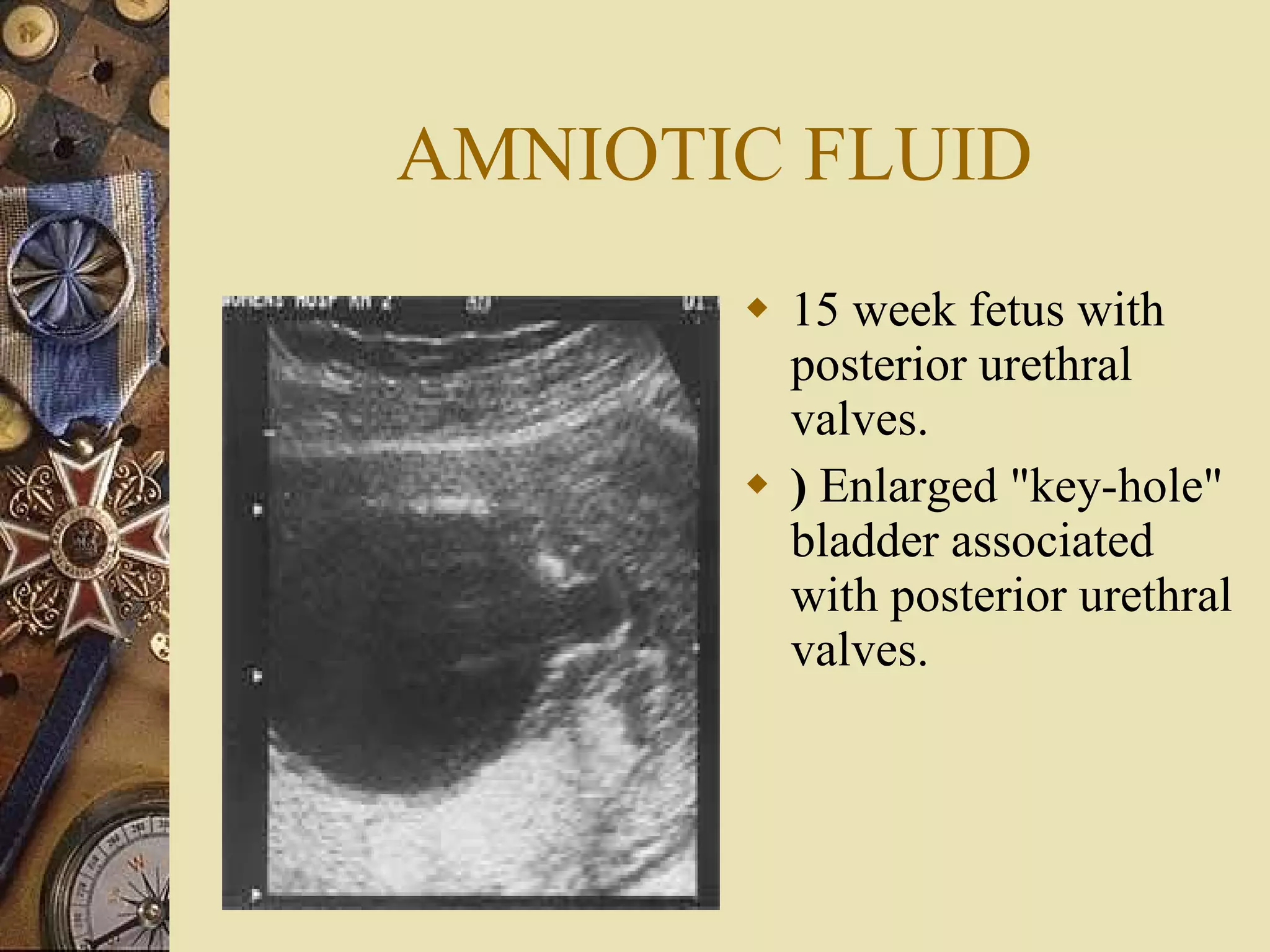
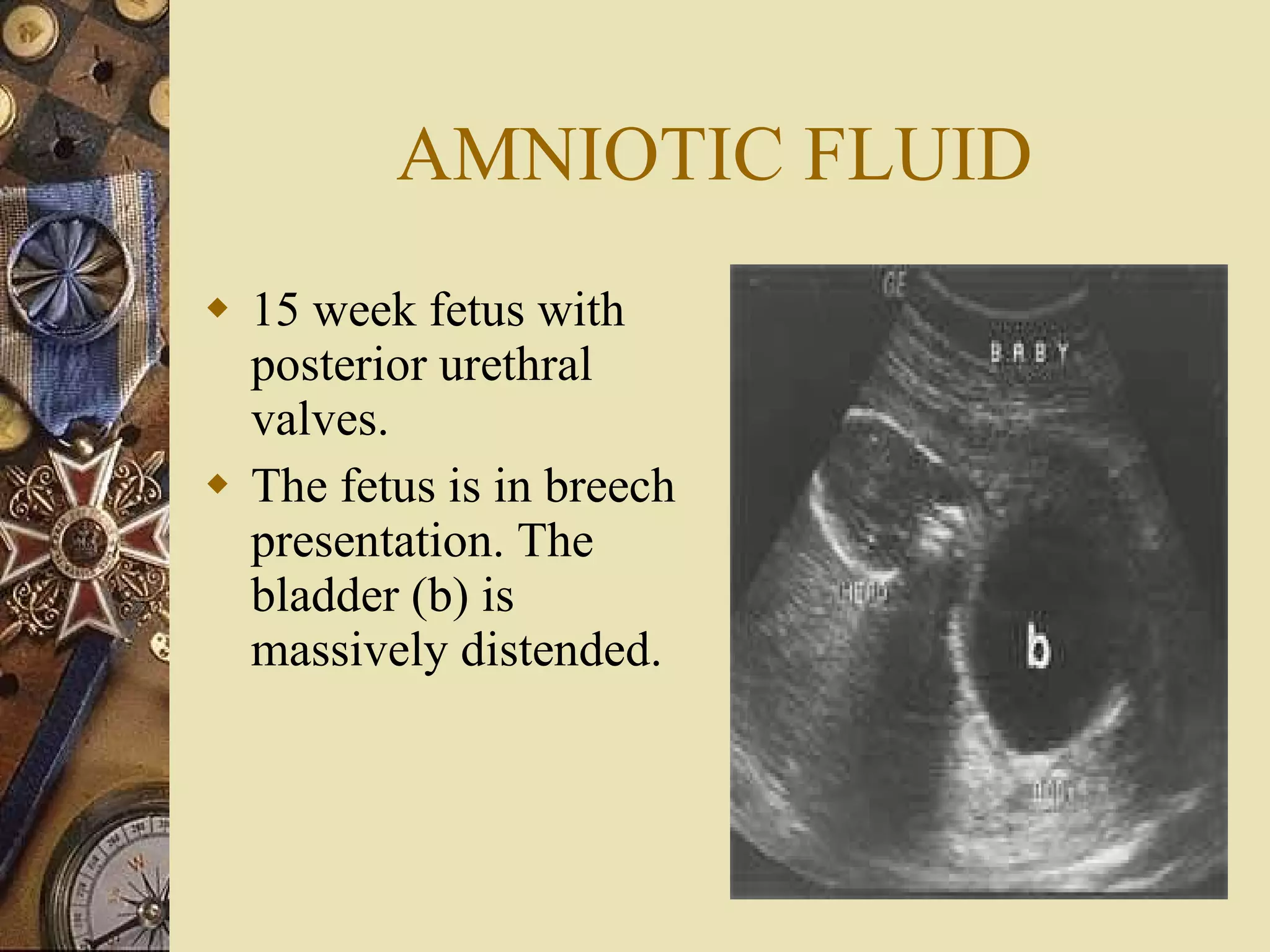
AMNIOTIC FLUID 15 week fetus with posterior urethral valves.  The fetus is in breech presentation. The bladder (b) is massively distended.
AMNIOTIC FLUID 15 week fetus with posterior urethral valves.  )  Enlarged &quot;key-hole&quot; bladder associated with posterior urethral valves.
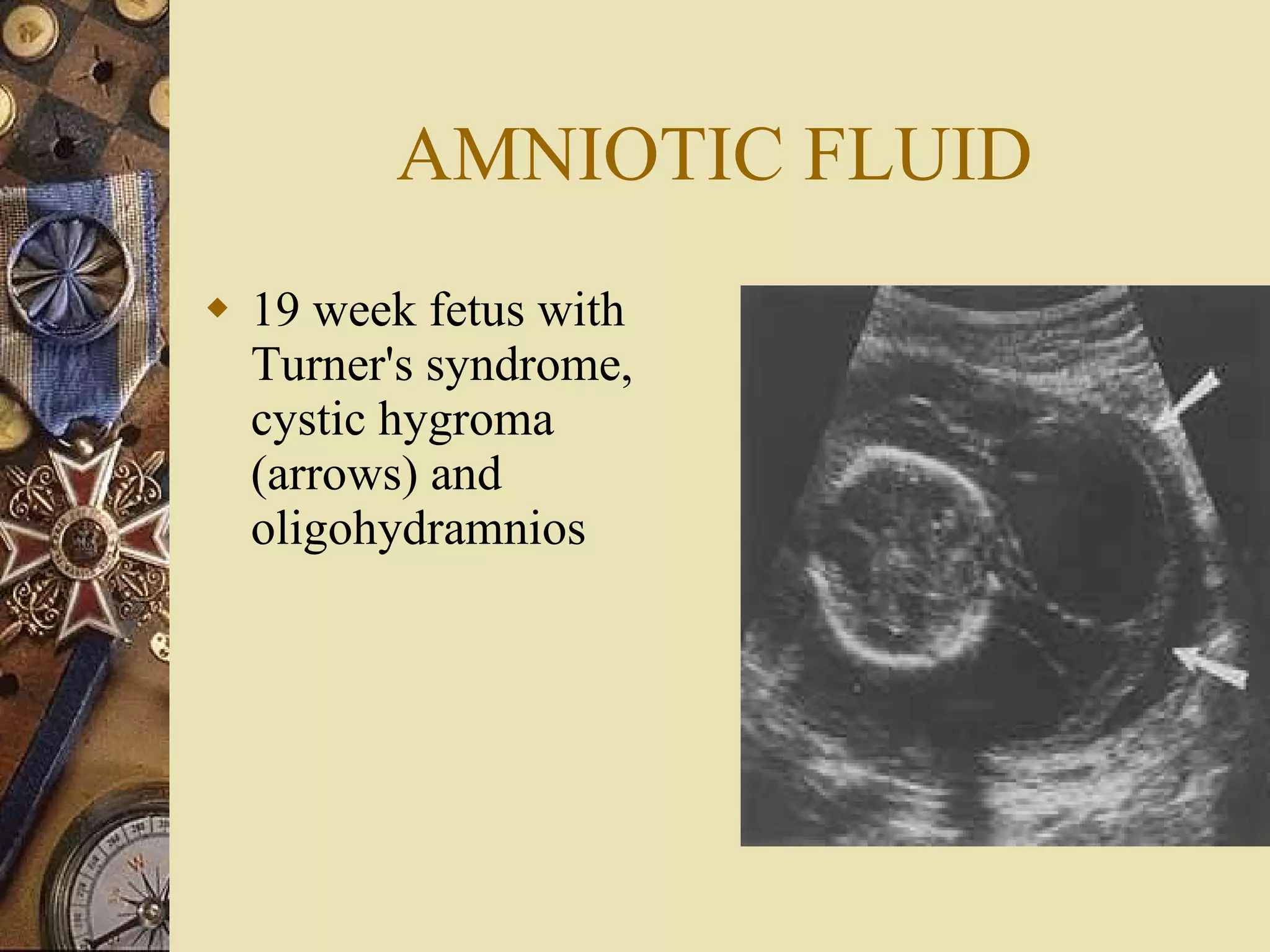
AMNIOTIC FLUID 19 week fetus with Turner's syndrome, cystic hygroma (arrows) and oligohydramnios
AMNIOTIC FLUID Mortality/Morbidity:  Chamberlin used ultrasonography to evaluate the perinatal mortality rate (PMR) in 7562 patients with high-risk pregnancies.  The PMR of patients with normal fluid volumes was 1.97 deaths per 1000 patients. The PMR increased to 4.12 deaths per 1000 patients with polyhydramnios  56.5 deaths per 1000 patients with oligohydramnios
AMNIOTIC FLUID Amnionitic fluid evaluation allows assessment of the fetal intrauterine environment Potentially invaluable information Requires close follow-up and evaluation secondopinion2.com [email_address]

Amniotic fluid

  • 1.
    AMNIOTIC FLUID ByLa Lura White MD Maternal Fetal Medicine
  • 2.
    AMNIOTIC FLUID Theamniotic fluid that bathes the fetus is necessary for its proper growth and development. It cushions the fetus from physical trauma Provides a barrier against infection Allowing for freedom of fetal movement and permitting symmetrical musculoskeletal development Maintaining a relatively constant temperature for the environment surrounding the fetus, thus protecting the fetus from heat loss Permitting proper lung development
  • 3.
    AMNIOTIC FLUID Cleavageof zygote Zygote begins cleavage in the fallopian tube s/p 3 days in the fallopian tube, the morula enters uterine cavity After 3 days floating in the uterine cavity it will implant Gradual accumulation of fluid between blastomeres within the morula results in the formation of the blastocyst Inner cell mass-embryo Outer cell mass-trophoblast
  • 4.
    AMNIOTIC FLUID 71/2 days: Trophoblast Cytotrophoblast: individual, pale staining cells Syncytiotrophoblast: dark staining nuclei within an amorphous common cytoplasm Inner cell mass: embryonic disc thick ectoderm and underlying endoderm Between the embryonic disc and the trophoblast, small cells appear that enclose a space that will become the amniotic cavity
  • 5.
  • 6.
  • 7.
    AMNIOTIC FLUID Smallcells line the inner surface of the trophoblast called amniogenic cells, later to become amniotic epithelium The amnion develops by the 7-8 th day Derived from fetal ectoderm As the amnion enlarges, it gradually engulfs the embryo which prolapses into its cavity Distention of the amniotic sac brings it in contact with the chorion laeve The chorion and amnion are juxtaposed but not connected
  • 8.
  • 9.
    AMNIOTIC FLUID Clearfluid collects within the amniotic cavity and increases with gestational age. Normal amniotic fluid levels vary. 50 ml 12 weeks 400 ml midpregnancy 800 ml 34 weeks 1000ml 36-38 weeks At full term, there is between 500-1000 cc of amniotic fluid.
  • 10.
  • 11.
  • 12.
    AMNIOTIC FLUID Compositionand volume of amniotic fluid changes as pregnancy advances In the first half of pregnancy, the fluid is the same as the extracellular fluid of the fetus, devoid of particulate matter Produced by amniotic membranes Fluid also passes across fetal skin
  • 13.
    AMNIOTIC FLUID Bythe fourth month, the fetus contributes to amniotic fluid via: urinating swallowing movement of fluid in and out of the respiratory tract Fetal urination will eventually comprise the majority of the amniotic fluid
  • 14.
    AMNIOTIC FLUID Thefetal kidneys start to develop during the 4th and 5th weeks of gestation and begin to excrete urine into the amniotic fluid at the 8th to 11th week At the 20th week the fetal kidneys produce most of the amniotic fluid Fetal urine is hypotonic (c/w plasma) because of lower electrolyte concentration Contains more urea, creatinine and uric acid Osmolality decrease with increasing gestational age
  • 15.
    AMNIOTIC FLUID Animportant function of the fetal kidney is to maintain a urine output sufficient to maintain amniotic fluid volume Daily urine production is approximately 30% of fetal weight The excreted urine does not serve real excretory or homeostatic function because the urine, via the amniotic fluid , is recycled back to the fetus by swallowing (25% of fetal weight)
  • 16.
    AMNIOTIC FLUID Thefactors involved in regulating amniotic fluid volume are still not completely understood. The 6 proposed pathways (Brace, 1997) for fluid movement into and out of the amniotic cavity include:
  • 17.
    AMNIOTIC FLUID Pathway Volume (ml)/day to the fetus to amniotic fluid Fetal swallowing 500-1000 Oral secretions 25 Secretions from the respiratory tract 170 170 Fetal urination 800-1200 Intramembranous flow across the placenta, umbilical cord 200-500 Transmembraneous flow from the amniotic cavity into the uterine circulation 10
  • 18.
    AMNIOTIC FLUID Glycerophospholipids(lecithin, sphingomyelin) from the lungs accumulate in AF Desquamated fetal cells, lanugo, scalp hair and vernix caseosa are shed Also contains albumin, urea, uric acid, creatinine,, bilirubin, fat, fructose, leukocytes, proteins, epithelial cells, enzymes
  • 19.
    AMNIOTIC FLUID Amnioticfluid volume (AFI) The volume of the amniotic fluid is evaluated by visually dividing the mother's abdomen into 4 quadrants The largest vertical pocket of fluid in each quadrant is measured in centimeters Cord containing pocket < 30% The total volume is calculated by adding these values <5 oligohydramnios
  • 20.
    AMNIOTIC FLUID The2 cm x 2 cm pocket definition (Magann, 1999a) and an AFI < 5 cm (Horsager, 1994) were compared to the actual amniotic fluid volume as measured by a dye-dilution technique. The single 2 cm pocket had a sensitivity of 9.5% AFI < 5.0 cm had a sensitivity of 18% for the detection of oligohydramnios
  • 21.
    AMNIOTIC FLUID 6-8borderline AFI 8-24 normal >24 polyhydramnios
  • 22.
  • 23.
    AMNIOTIC FLUID Polyhydramniosis usually defined as; Amniotic fluid index (AFI) more than 24 cm Single pocket of fluid at least 8 cm in deep that results in more than 2000 mL of fluid Occurs in 1% of pregnancies Preterm labor and delivery occurs in approximately 26% of mothers with polyhydramnios. Other complications are premature rupture of the membranes (PROM), abruptio placenta, malpresentation, cesarean delivery, and postpartum hemorrhage
  • 24.
    AMNIOTIC FLUID Anabnormally high level of amniotic fluid, polyhydramnios, alerts the clinician to possible fetal anomalies 80-90% are idiopathic In pregnancies affected by polyhydramnios, approximately 20% of the neonates are born with a congenital anomaly of some type Gastrointestinal system (40%), central nervous system (26%), cardiovascular system (22%), genitourinary system (13%) and 50% of the patients had no associated risk factors.
  • 25.
    AMNIOTIC FLUID Fetalakinesia syndrome: Absence of swallowing Blockage of the fetus' gastrointestinal tract Esophageal atresia (usually associated with a tracheoesophageal fistula) Tracheal agenesis Duodenal atresia .
  • 26.
    AMNIOTIC FLUID Non-geneticCongenital cardiac-rhythm anomalies associated with hydrops, fetal-to-maternal hemorrhage, and parvovirus infection Maternal type 2 diabetes mellitus Multiple gestations
  • 27.
    AMNIOTIC FLUID Polyhydramnios:treatment Patients with polyhydramnios tend to have a higher incidence of preterm labor secondary to overdistention of the uterus. Schedule weekly or twice weekly perinatal visits and cervical examinations. Place patients on bed rest to decrease the likelihood of preterm labor. Perform serial ultrasonography to determine the AFI and document fetal growth.
  • 28.
    AMNIOTIC FLUID PolyhydramniosTreat underlying cause Fetal anemia: Fetal transfusion Diabetes: control blood sugar Twin-Twin Transfusion: ablation
  • 29.
    AMNIOTIC FLUID Polyhydramnios:Treatment Procedures: Reductive amniocentesis may be performed and has contributed to prolonged pregnancy in patients who are severely affected by hydramnios. This procedure can reduce the risk of preterm labor, PROM, umbilical cord prolapse, and placental abruption. However, if too much fluid is removed, the risk of placental abruption due to uterine compression increases. Other risks of the procedure include infection, bleeding, and trauma to the fetus. Laser ablation of placental vessels may be efficacious in cases of fetal-fetal transfusion syndrome
  • 30.
    AMNIOTIC FLUID Mostcases of polyhydramnios respond in the first week of treatment with indomethacin The approach appears to be highly effective (90-100% in some studies), provided that the cause is not hydrocephalus or a neuromuscular disorder that alter fetal swallowing. Drug Category: Prostaglandin inhibitors -- When administered to pregnant women with polyhydramnios, these drugs can reduce fetal urinary flow, decreasing the volume of amniotic fluid. Drug Name Indomethacin (Indocin) -- Rapidly absorbed; metabolism occurs in liver by demethylation, deacetylation, and glucuronide conjugation Inhibits prostaglandin synthesis. Adult Dose 25 mg PO q6h
  • 31.
    AMNIOTIC FLUID ContraindicationsDocumented hypersensitivity; GI bleeding; renal insufficiency Interactions: Co administration with aspirin increases risk of serious NSAID-related adverse effects Probenecid may increase concentrations and, possibly, toxicity of NSAIDs Decrease effect of hydralazine, captopril, and beta-blockers Decrease diuretic effects of furosemide and thiazides Monitor PT closely (instruct patients to watch for signs of bleeding) Increase risk of methotrexate toxicity Increase phenytoin levels when administered concurrently
  • 32.
    AMNIOTIC FLUID Usuallysafe but benefits must outweigh the risks Can cause fetal renal and CNS complications; associated with premature closure of the fetal ductus arteriosus when administered near term Periventricular leukomalacia has been reported in infants whose mothers have received indomethacin as a tocolytic. Acute renal insufficiency, hyperkalemia, hyponatremia, interstitial nephritis, and renal papillary necrosis may occur; increases risk of acute renal failure in patients with preexisting renal disease or compromised renal perfusion; Reversible leukopenia may occur (discontinue if persistent leukopenia, granulocytopenia, or thrombocytopenia present).
  • 33.
    AMNIOTIC FLUID Oligohydramniosoccurs in 4% of pregnancies Sonographically defined as an AFI less than 5 cm or the absence of a fluid pocket 2-3 cm in depth. Inadequate levels of amniotic fluid, oligohydramnios, results in poor development of the lung tissue and can lead to fetal death secondary to bronchopulmonary dysplasia (BPD) and pulmonary hypoplasia Rupture of the membranes is the most common cause of oligohydramnios and if prolonged can result in chorio
  • 34.
    AMNIOTIC FLUID OligohydramniosFetal urinary tract anomalies, such as renal agenesis (Potter’s syndrome), polycystic kidneys, or any urinary obstructive lesion (eg, posterior urethral valves) Placental insufficiency, as seen in PIH, maternal diabetes, or postmaturity syndrome when the pregnancy extends beyond 42 weeks' gestation Maternal use of prostaglandin synthase inhibitors or angiotensin-converting enzyme (ACE) inhibitors
  • 35.
    AMNIOTIC FLUID Severeoligohydramnios Marked deformation of the fetus due to of intrauterine constraint External compression with a flattened facies Epicanthal folds Hypertelorism Low-set ears Mongoloid slant of the palpebral fissure Crease below the lower lip Micrognathia Thoracic compression Bowed legs Clubbed feet
  • 36.
    AMNIOTIC FLUID Themortality rate in oligohydramnios is high Pulmonary hypoplasia IUGR Meconium stainin Fetal heart conduction abnormalities Poor tolerance of labor Lower Apgar scores Fetal acidosis Physical deformities
  • 37.
    AMNIOTIC FLUID Oligohydramnios:Treatment Maternal bed rest and hydration promote the production of amniotic fluid by increasing the maternal intravascular space. Bed rest may also help when PIH is present, allowing prolongation of the pregnancy. Oral hydration
  • 38.
    AMNIOTIC FLUID Oligohydramnios:Treatment The transabdominal instillation of indigo carmine may be used to evaluate for PROM The transcervical instillation of isotonic sodium chloride solution (ie, amnioinfusion) at the time of delivery reduces the risk of cord compression, fetal distress and meconium dilution. It also reduces the potential need for cesarean delivery.
  • 39.
    AMNIOTIC FLUID 15week fetus with posterior urethral valves. The fetus is in breech presentation. The bladder (b) is massively distended.
  • 40.
    AMNIOTIC FLUID 15week fetus with posterior urethral valves. ) Enlarged &quot;key-hole&quot; bladder associated with posterior urethral valves.
  • 41.
    AMNIOTIC FLUID 19week fetus with Turner's syndrome, cystic hygroma (arrows) and oligohydramnios
  • 42.
    AMNIOTIC FLUID Mortality/Morbidity: Chamberlin used ultrasonography to evaluate the perinatal mortality rate (PMR) in 7562 patients with high-risk pregnancies. The PMR of patients with normal fluid volumes was 1.97 deaths per 1000 patients. The PMR increased to 4.12 deaths per 1000 patients with polyhydramnios 56.5 deaths per 1000 patients with oligohydramnios
  • 43.
    AMNIOTIC FLUID Amnioniticfluid evaluation allows assessment of the fetal intrauterine environment Potentially invaluable information Requires close follow-up and evaluation secondopinion2.com [email_address]