Unit 10
Prepared by –
Biniya Arakkal
Textile Science Faculty
Institute of Design & Technology
Surat
 Spandex is elastomeric fiber with superior
elasticity.
 Lycra- famous brand of spandex fiber.
 It’s a long chain synthetic polymer composed
of at least 85% of polyurethane.
 Lycra should blended with another fiber to
create a fabric- natural or manmade.
 Fabric enhanced with lycra retains
appearance of majority fiber used.
 Spandex is a lightweight, synthetic fiber that
is used to make stretchable clothing such as
sportswear.
 Spandex is generally used for swim wear.The
fabrics made of spandex are not affected by
the sea water.
 The type of fabric and its end use determine
the type of optimum performance and
aesthetics.
 Strength: Spandex filament is weak but it does not reach
the breaking point until the fiber has been stretched to
its maximum length.
 Elasticity: Spandex have excellent elasticity. It has more
shape retention than any other fabric. It can be
stretched up to 500 times.
 Resilience: Spandex have excellent resiliency. It quickly
recovers its original length.
 Drapability: Spandex are generally light in weight and are
pliable. It contribute to the draping qualities of fabric.
 Heat Conductivity: Spandex are bad conductor of heat which is
evident by some degree of heat sensed when wearing the
clothes made of spandex.
 Absorbency: Spandex are hydrophobic in nature and have very
low absorbency.
 Cleanliness and Washability: Spandex have good resistance to
the dry-cleaning. It can also be machine washed using
detergents under moderate temperature.
 Reaction to Bleaches: Spandex fabric are white in color and do
not require bleaching. If the spandex combined with other
fibres require bleaching, sodium chlorite is the safest bleach.
 Shrinkage: Spandex will not shrink by exposure to
water.
 Effect of Heat: Spandex are heat thermoplastic.
Excessive heat may result in loss of elasticity.
 Effect of Light: Spandex do not have degrading effects
on exposure to the sunlight. Strength may be lost,
or turn yellow if exposed for long time.
 Resistance to Mildew: Spandex have excellent
resistance to damage by mildew.
 Resistance to Insect: Spandex are unaffected by insects and moths.
 Reactionto Alkalis: Spandex are sensitive to alkalis. It turns yellow
or dark color on reaction with alkalis.
 Reactionto Acid: Spandex fabrics are generally resistance to
acids.
 Affinity for Dyes: Spandex is affinities for many dyes such as
disperse, acid, chrome and other dyes. Color of spandex may be
affected by repeated exposure to the sea water.
 Resistance to Perspiration: Spandex are resistant to perspiration.
Widely Used For Weaving Items Like –
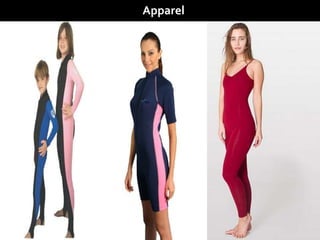
 Apparel ,
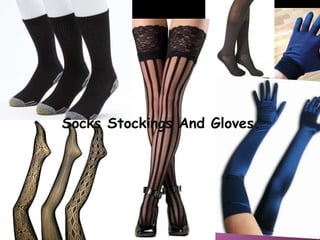
 Socks & Stockings,
 Seamless Garments,
 Gloves, Sweaters,
 Swimwear,
 Narrow Fabrics, Smocking,
 Medical Bandages,
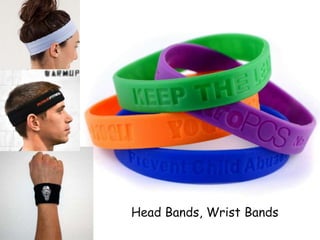
 Head Bandages, Wrist Bands.
 Hand or machine wash in lukewarm water.
 Never use chlorine bleach on fabric contain
lycra.
 Drip dry or machine dry using low
temperature settings.
 Spandex is synthetic elastomeric fabric
having superior elasticity.
 The long chain polymer consists of rigid and
flexible segments which contribute to the
strength and the elasticity of the spandex.
 They are resistant to degradation by body
oils, sea water etc., which make them
suitable for swim wear.
Apparel
Socks Stockings And Gloves.
Seamless Garments
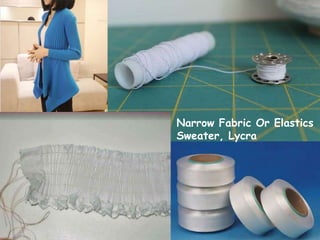
Narrow Fabric Or Elastics
Sweater, Lycra
Smocking
Medical Bandages
Head Bands, Wrist Bands
Man Made Rubber FIber Spandex

Man Made Rubber FIber Spandex

  • 1.
    Unit 10 Prepared by– Biniya Arakkal Textile Science Faculty Institute of Design & Technology Surat
  • 2.
     Spandex iselastomeric fiber with superior elasticity.  Lycra- famous brand of spandex fiber.  It’s a long chain synthetic polymer composed of at least 85% of polyurethane.  Lycra should blended with another fiber to create a fabric- natural or manmade.  Fabric enhanced with lycra retains appearance of majority fiber used.
  • 3.
     Spandex isa lightweight, synthetic fiber that is used to make stretchable clothing such as sportswear.  Spandex is generally used for swim wear.The fabrics made of spandex are not affected by the sea water.  The type of fabric and its end use determine the type of optimum performance and aesthetics.
  • 4.
     Strength: Spandexfilament is weak but it does not reach the breaking point until the fiber has been stretched to its maximum length.  Elasticity: Spandex have excellent elasticity. It has more shape retention than any other fabric. It can be stretched up to 500 times.  Resilience: Spandex have excellent resiliency. It quickly recovers its original length.  Drapability: Spandex are generally light in weight and are pliable. It contribute to the draping qualities of fabric.
  • 5.
     Heat Conductivity:Spandex are bad conductor of heat which is evident by some degree of heat sensed when wearing the clothes made of spandex.  Absorbency: Spandex are hydrophobic in nature and have very low absorbency.  Cleanliness and Washability: Spandex have good resistance to the dry-cleaning. It can also be machine washed using detergents under moderate temperature.  Reaction to Bleaches: Spandex fabric are white in color and do not require bleaching. If the spandex combined with other fibres require bleaching, sodium chlorite is the safest bleach.
  • 6.
     Shrinkage: Spandexwill not shrink by exposure to water.  Effect of Heat: Spandex are heat thermoplastic. Excessive heat may result in loss of elasticity.  Effect of Light: Spandex do not have degrading effects on exposure to the sunlight. Strength may be lost, or turn yellow if exposed for long time.  Resistance to Mildew: Spandex have excellent resistance to damage by mildew.
  • 7.
     Resistance toInsect: Spandex are unaffected by insects and moths.  Reactionto Alkalis: Spandex are sensitive to alkalis. It turns yellow or dark color on reaction with alkalis.  Reactionto Acid: Spandex fabrics are generally resistance to acids.  Affinity for Dyes: Spandex is affinities for many dyes such as disperse, acid, chrome and other dyes. Color of spandex may be affected by repeated exposure to the sea water.  Resistance to Perspiration: Spandex are resistant to perspiration.
  • 8.
    Widely Used ForWeaving Items Like –  Apparel ,  Socks & Stockings,  Seamless Garments,  Gloves, Sweaters,  Swimwear,  Narrow Fabrics, Smocking,  Medical Bandages,  Head Bandages, Wrist Bands.
  • 9.
     Hand ormachine wash in lukewarm water.  Never use chlorine bleach on fabric contain lycra.  Drip dry or machine dry using low temperature settings.
  • 10.
     Spandex issynthetic elastomeric fabric having superior elasticity.  The long chain polymer consists of rigid and flexible segments which contribute to the strength and the elasticity of the spandex.  They are resistant to degradation by body oils, sea water etc., which make them suitable for swim wear.
  • 11.
  • 12.
  • 13.
  • 14.
    Narrow Fabric OrElastics Sweater, Lycra
  • 15.
  • 16.