Unit 12
Prepared by –
Biniya Arakkal
Textile Science Faculty
Institute of Design & Technology
Surat
 Polyester – term derives from poly meaning
many and ester which is a basic organic
chemical.
 Polyester is a long chain polymers,
chemically composed of at least 85% by
weight of an ester and a dihydric alcohol
and a terephthalic acid.
 Reaction of alcohol with carboxylic acid
results in the formation of esters.
 Strength – good tenacity and good resistance
to abrasion.
 Elasticity – do not have high degree of
elasticity.They are stiff and are hard handle.
 Resilience- excellent resilience. Resist
wrinkles in dry as well as wet condition.
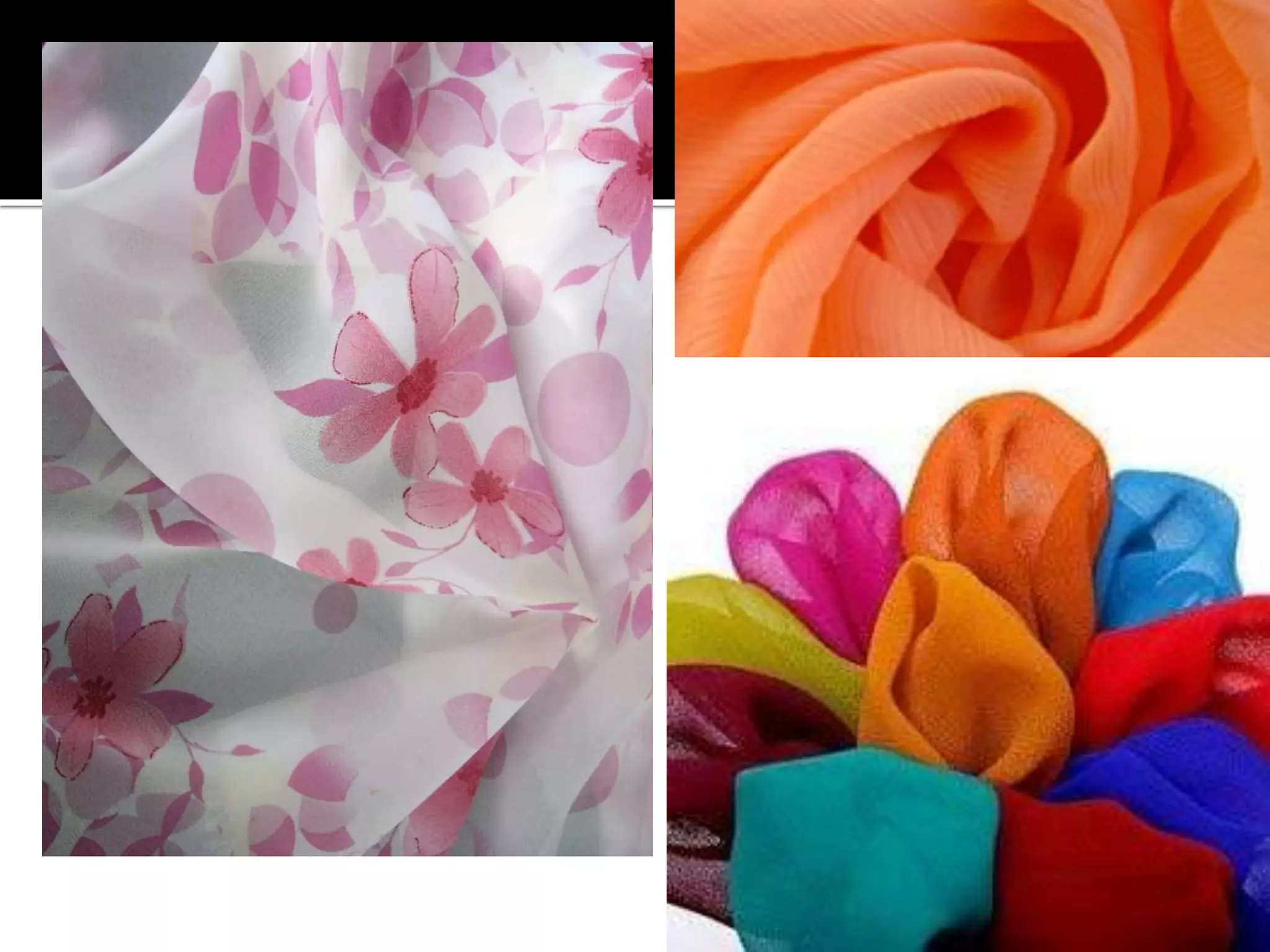
 Drapability – satisfactory draping qualities.
 Absorbency- hydrophobic. Best for water
repellent purposes.
 Heat conductivity- poor heat conductivity
and low heat resistance.
 Cleanliness andWashability – wash and dry
easily and have excellent wash and wear
characteristics.
 Reaction to bleaches – they are white and
thus doesn’t require to bleach. If they develop
stain, they can be bleached with chlorine or
oxidizing bleaches.
 Resistance to insect- good resistance.
 Reaction to alkalis- good resistance to weak
alkalis and fair resistance to strong.
 Reaction to acid- good resistance to acid.
 Affinity for dyes- polyester dyed with
appropriate dyes produces good shade with
excellent wash and light fastness.
 Resistance to perspiration – very resist. Do
not loose strength.
 Shrinkage – polyester retain shape after wash
and they don’t shrink.
 Effect of heat – polyester is thermoplastic.
They may be heated to set stability and
permanent pleates.
 Effect of light – good resistance to sunlight.
 Resistance to mildew – excellent resisance
and do not get stained or get weakened.
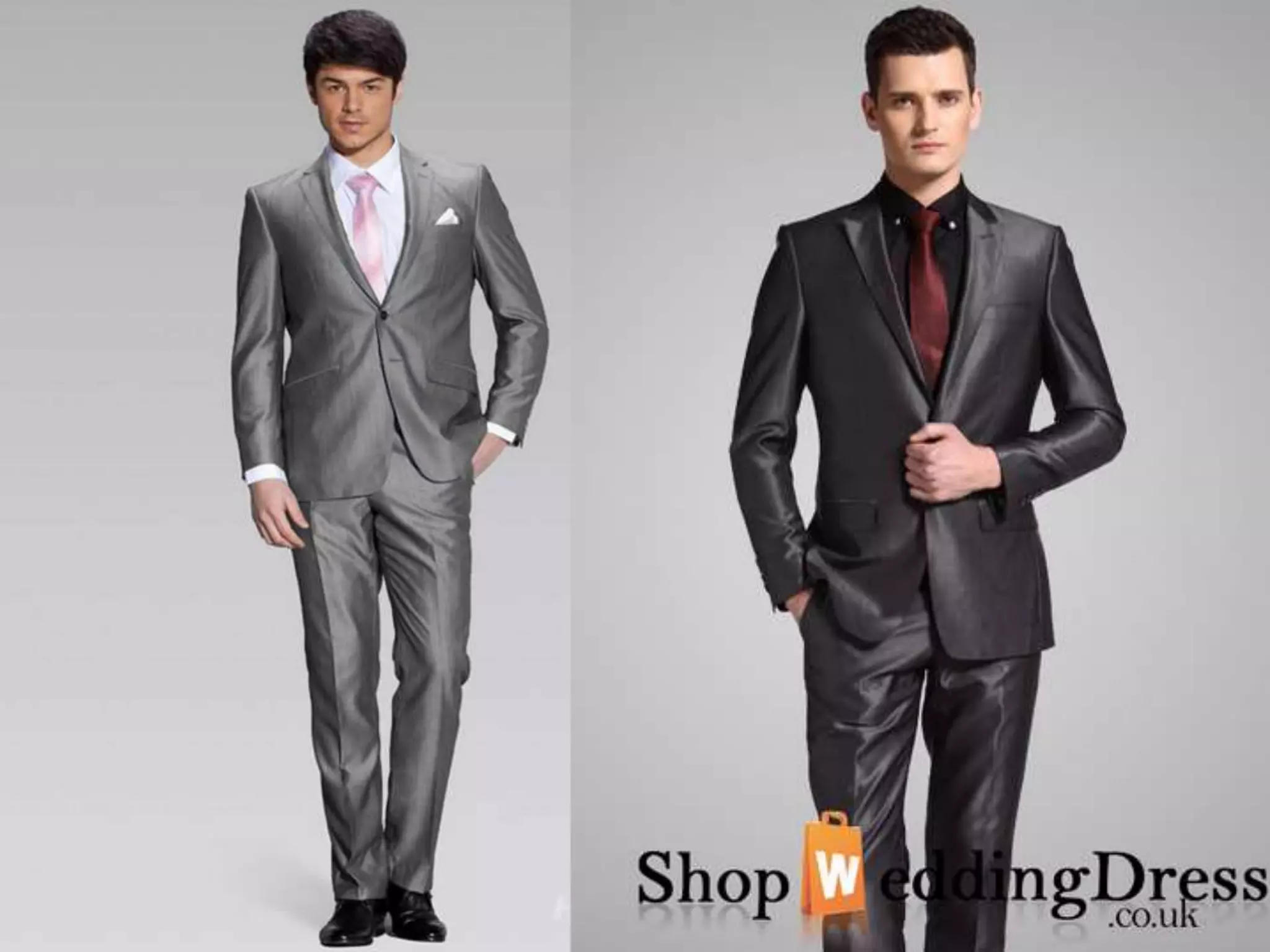
 Very popular for clothing.
 For suits.
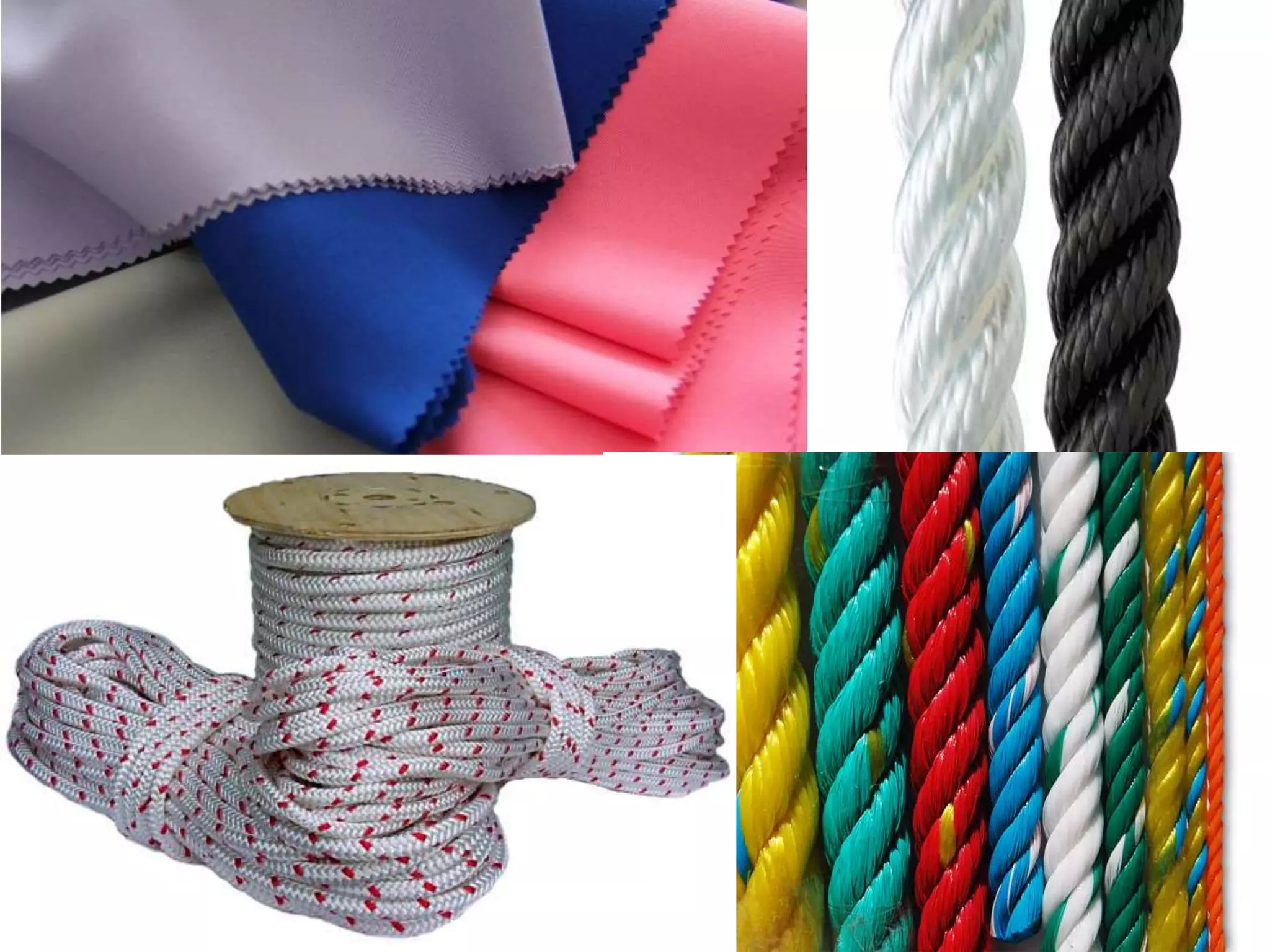
 Due to its strength and tenacity polyester is
used to make ropes.
 Plastic bottles or PET bottles.
 Really easily and time efficient.
 Machine washed and dried. Fabric softener
can be used.
 Dry the fabric @ low temperature.
 Doesn't require ironing.
 Can be dry cleaned too.
 Polyester fibers are made up of ester
molecules.
 Polyester is used for various applications due
to desirable characteristics.
 Good strength and durability.
 Good resistant to wrinkling, insects attacks
and perspiration.
 Suitable for winter apparel according to the
construction.
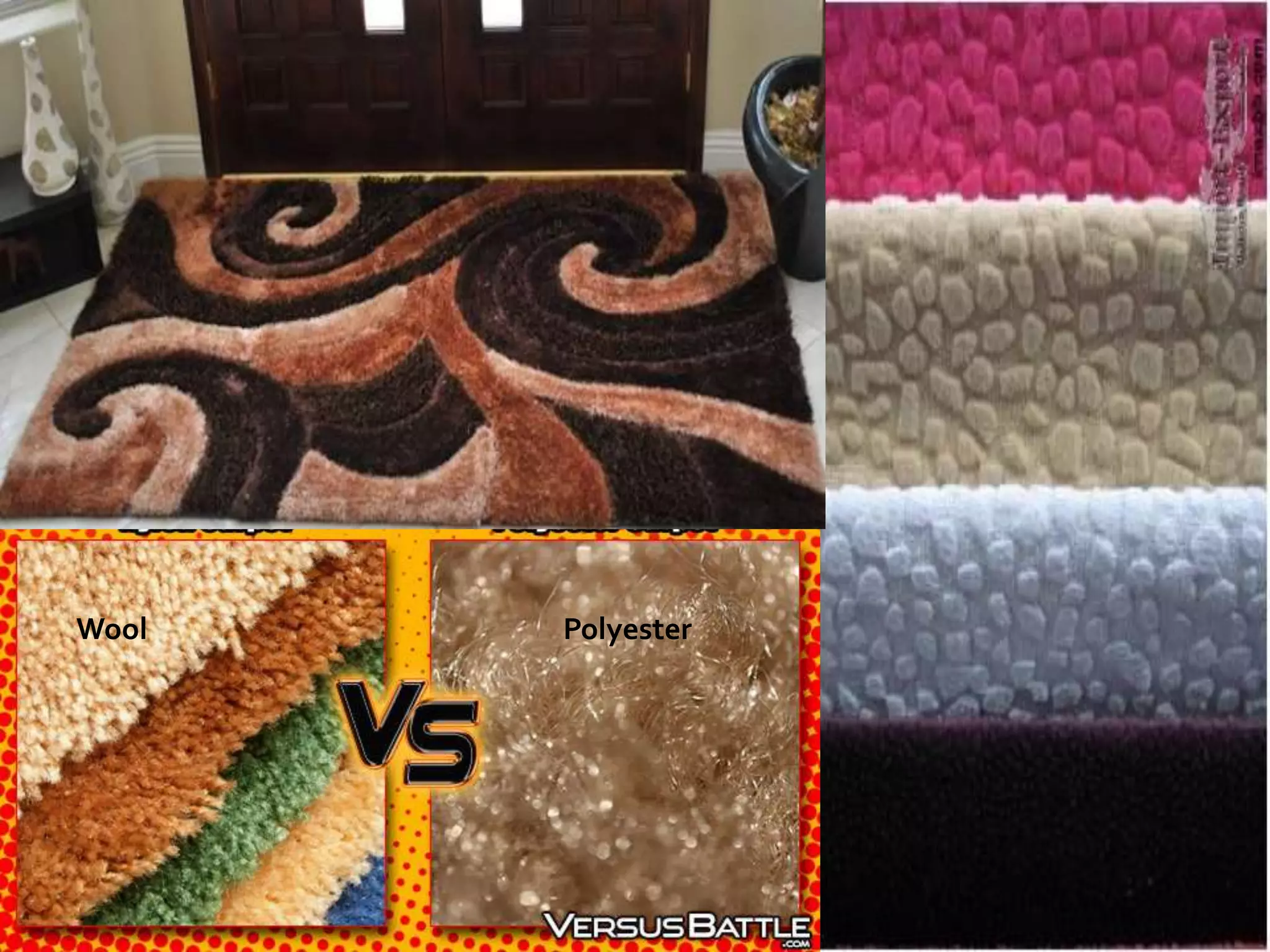
Wool Polyester
Man Made Non Cellulosic Fiber - Polyester

Man Made Non Cellulosic Fiber - Polyester

  • 1.
    Unit 12 Prepared by– Biniya Arakkal Textile Science Faculty Institute of Design & Technology Surat
  • 2.
     Polyester –term derives from poly meaning many and ester which is a basic organic chemical.  Polyester is a long chain polymers, chemically composed of at least 85% by weight of an ester and a dihydric alcohol and a terephthalic acid.  Reaction of alcohol with carboxylic acid results in the formation of esters.
  • 3.
     Strength –good tenacity and good resistance to abrasion.  Elasticity – do not have high degree of elasticity.They are stiff and are hard handle.  Resilience- excellent resilience. Resist wrinkles in dry as well as wet condition.  Drapability – satisfactory draping qualities.  Absorbency- hydrophobic. Best for water repellent purposes.
  • 4.
     Heat conductivity-poor heat conductivity and low heat resistance.  Cleanliness andWashability – wash and dry easily and have excellent wash and wear characteristics.  Reaction to bleaches – they are white and thus doesn’t require to bleach. If they develop stain, they can be bleached with chlorine or oxidizing bleaches.
  • 5.
     Resistance toinsect- good resistance.  Reaction to alkalis- good resistance to weak alkalis and fair resistance to strong.  Reaction to acid- good resistance to acid.  Affinity for dyes- polyester dyed with appropriate dyes produces good shade with excellent wash and light fastness.  Resistance to perspiration – very resist. Do not loose strength.
  • 6.
     Shrinkage –polyester retain shape after wash and they don’t shrink.  Effect of heat – polyester is thermoplastic. They may be heated to set stability and permanent pleates.  Effect of light – good resistance to sunlight.  Resistance to mildew – excellent resisance and do not get stained or get weakened.
  • 7.
     Very popularfor clothing.  For suits.  Due to its strength and tenacity polyester is used to make ropes.  Plastic bottles or PET bottles.
  • 8.
     Really easilyand time efficient.  Machine washed and dried. Fabric softener can be used.  Dry the fabric @ low temperature.  Doesn't require ironing.  Can be dry cleaned too.
  • 9.
     Polyester fibersare made up of ester molecules.  Polyester is used for various applications due to desirable characteristics.  Good strength and durability.  Good resistant to wrinkling, insects attacks and perspiration.  Suitable for winter apparel according to the construction.
  • 16.