Logo Design Process
When we look at the great world wise brands logos, we see that it is not the beauty of the logo
or the relativity of the nature of work makes the logo great. “So, if none of these things are
responsible for making a logo great, what is? It’s distinctiveness”(1). To achieve the
distinctiveness of the logo a process of designing is need, without going through a clear process
it is like driving a car without a clear road. The logo design process goes through 7 phases (1).
The 1st phase is Client Discovery, 2nd phase is Industry Discovery, 3rd phase is Application
Discovery, 4th phase is Sketching, 5th phase is Draft Design, 6th phase is Refinement, and
finally, 7th phase which is Identity Development. All of the phases will be discussed in details.
Figure 1 illustrates the process.
Figure 1: Logo Design Process
Client
Discovery
Industry
Discovery
Application
Discovery
Sketching
Draft
Design
Refinement
Identity
Developm-
ent
Phase 1: Client Discovery
The logo is the representation of the company and its values, people and culture and it what
distinguishes the company from another as discussed earlier. So, to know the values and
culture of the company, good conversations with the client is required to obtain the enough
information to know what logo must express and to inject the values and culture of the company
into the logo. Shinealight logo as seen in Figure 2 is an example of how the logo expresses the
values of the company. About the company as taken from their website is as the following
“ Shinealight provides refreshingly simple solutions for all your living needs. We are Property
experts and strong advocates of sustainable design and construction. We provide a full range of
energy efficient technologies and solutions for both residential and commercial applications.” (2)
Figure 2: Example of a Logo
Phase 2: Industry Discovery
After knowing the client, then the audience and competitive are required to be studied, who is
going to see the logo? and are the company is competing with?, these questions must be
studied. By knowing the audience, the style of the logo can be selected. For example, if the
audience is teenagers, the logo can be mainstream, loud and catchy, and if it for old peoples the
style can be traditional, easy on the eyes, etc.
Figure 3: Example 2 of a Logo
As seen in Figure 3, the go is for a gaming company and it is defecated for teens, the logo
shows loudness and eye attractiveness which can be representing the teen. So this is why it is
important to know from the client his customers, what they buy? how they think? and what they
like? so logo will be design in a way that they will love it. The second part of this phase, is to
research the client competition so the design of the logo will not be a like or near in similarity,
this is very bad for the identity of the client company.
Phase 3: Application Discovery
All what is needed from this phase and what is meant by application discovery, is to know where
the logo is going to used most of the time. “Different usage of the logo is typically referred to as
logo application.”(1) Knowing the where the logo is going to used most of the time can tell what
can be done an cannot be done the design of the logo. For example, if the logo is for an airline
company and place of the logo is going to be in tail of the airplane, the logo cannot be a
horizontal wide, or any shape that cannot be fit in the tail. Another example is if the company is
web-based, then the logo can be full colored, because the printing of the logo is not an issue,
Figure 4 shows an examples of airlines logos.
Figure 4: Example of Airlines Logos
Phase 4: Sketching
After having all the need information, a basic logos design is made, at to come up with these
basic logos design, a lot of sketching is required, the more the sketching the better, “Sketch,
then sketch some more, so you can really separate the wheat from the chaff. That’s how
professionals do it.” (1). When having a good amount of sketched logos, then only the best of
them is selected to present to the client.
Phase 5: Draft Designs
In this stage, after presenting to the client the chosen sketched logos, 5-7 of the best logos are
picked to make initial designs in software, for example, illustrator. The design should not be
detailed or even colored, only the idea and shape of the design must be clear. Then they are
presented to the client for review and feedback. Figure 5 bellow shows the drafts of Jecob Cass
for UKE logo.
Figure 5: Jecob Cass Draft for UKE Logo.
Phase 6: Refinement
In the stage, one logo or even more than one is selected for final refinements, “the refinement
stage is the longest one” (1) and this is because of the details designed. The details are
designed and redesigned for frequently until the final shape of logo is defined.
Phase 7: Identity Development
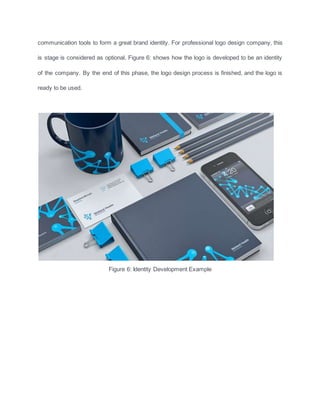
After finishing the design of the logo, it is not the end, after having the logo an identity of the
company is shaped based on it. The logo will be developed and represented in many
communication tools to form a great brand identity. For professional logo design company, this
is stage is considered as optional. Figure 6: shows how the logo is developed to be an identity
of the company. By the end of this phase, the logo design process is finished, and the logo is
ready to be used.
Figure 6: Identity Development Example
References
(1): http://99designs.com/designer-blog/2012/11/14/logo-design-process-how-professionals-do-
it/
(2): http://www.shinealightsolutions.com/about-us

Logo design process

  • 1.
    Logo Design Process Whenwe look at the great world wise brands logos, we see that it is not the beauty of the logo or the relativity of the nature of work makes the logo great. “So, if none of these things are responsible for making a logo great, what is? It’s distinctiveness”(1). To achieve the distinctiveness of the logo a process of designing is need, without going through a clear process it is like driving a car without a clear road. The logo design process goes through 7 phases (1). The 1st phase is Client Discovery, 2nd phase is Industry Discovery, 3rd phase is Application Discovery, 4th phase is Sketching, 5th phase is Draft Design, 6th phase is Refinement, and finally, 7th phase which is Identity Development. All of the phases will be discussed in details. Figure 1 illustrates the process. Figure 1: Logo Design Process Client Discovery Industry Discovery Application Discovery Sketching Draft Design Refinement Identity Developm- ent
  • 2.
    Phase 1: ClientDiscovery The logo is the representation of the company and its values, people and culture and it what distinguishes the company from another as discussed earlier. So, to know the values and culture of the company, good conversations with the client is required to obtain the enough information to know what logo must express and to inject the values and culture of the company into the logo. Shinealight logo as seen in Figure 2 is an example of how the logo expresses the values of the company. About the company as taken from their website is as the following “ Shinealight provides refreshingly simple solutions for all your living needs. We are Property experts and strong advocates of sustainable design and construction. We provide a full range of energy efficient technologies and solutions for both residential and commercial applications.” (2) Figure 2: Example of a Logo Phase 2: Industry Discovery After knowing the client, then the audience and competitive are required to be studied, who is going to see the logo? and are the company is competing with?, these questions must be studied. By knowing the audience, the style of the logo can be selected. For example, if the
  • 3.
    audience is teenagers,the logo can be mainstream, loud and catchy, and if it for old peoples the style can be traditional, easy on the eyes, etc. Figure 3: Example 2 of a Logo As seen in Figure 3, the go is for a gaming company and it is defecated for teens, the logo shows loudness and eye attractiveness which can be representing the teen. So this is why it is important to know from the client his customers, what they buy? how they think? and what they like? so logo will be design in a way that they will love it. The second part of this phase, is to research the client competition so the design of the logo will not be a like or near in similarity, this is very bad for the identity of the client company. Phase 3: Application Discovery All what is needed from this phase and what is meant by application discovery, is to know where the logo is going to used most of the time. “Different usage of the logo is typically referred to as logo application.”(1) Knowing the where the logo is going to used most of the time can tell what can be done an cannot be done the design of the logo. For example, if the logo is for an airline
  • 4.
    company and placeof the logo is going to be in tail of the airplane, the logo cannot be a horizontal wide, or any shape that cannot be fit in the tail. Another example is if the company is web-based, then the logo can be full colored, because the printing of the logo is not an issue, Figure 4 shows an examples of airlines logos. Figure 4: Example of Airlines Logos Phase 4: Sketching After having all the need information, a basic logos design is made, at to come up with these basic logos design, a lot of sketching is required, the more the sketching the better, “Sketch, then sketch some more, so you can really separate the wheat from the chaff. That’s how professionals do it.” (1). When having a good amount of sketched logos, then only the best of them is selected to present to the client. Phase 5: Draft Designs In this stage, after presenting to the client the chosen sketched logos, 5-7 of the best logos are picked to make initial designs in software, for example, illustrator. The design should not be detailed or even colored, only the idea and shape of the design must be clear. Then they are
  • 5.
    presented to theclient for review and feedback. Figure 5 bellow shows the drafts of Jecob Cass for UKE logo. Figure 5: Jecob Cass Draft for UKE Logo. Phase 6: Refinement In the stage, one logo or even more than one is selected for final refinements, “the refinement stage is the longest one” (1) and this is because of the details designed. The details are designed and redesigned for frequently until the final shape of logo is defined. Phase 7: Identity Development After finishing the design of the logo, it is not the end, after having the logo an identity of the company is shaped based on it. The logo will be developed and represented in many
  • 6.
    communication tools toform a great brand identity. For professional logo design company, this is stage is considered as optional. Figure 6: shows how the logo is developed to be an identity of the company. By the end of this phase, the logo design process is finished, and the logo is ready to be used. Figure 6: Identity Development Example
  • 7.