You probably know that one of the most
interesting projects that a graphic designer can
take on is designing a logo.
However, most of the time, a logo is not enough.
Large organizations with layers of management
require a thorough brand identity system that
provides a unified vision and tools that help
everyone build the brand.
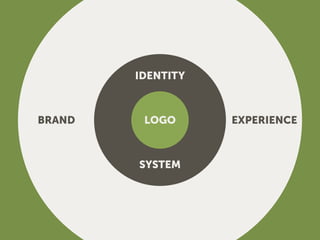
BRAND EXPERIENCE
IDENTITY
SYSTEM
LOGO
BRAND A Brand (or Branding) refers to the
perceived image and subsequent
emotional response to a company, its
products and services.
IDENTITY Describes the visual devices used to
represent the company. Identity systems
is a visual components package that is
paired with style guidelines and used as
a framework to ensure the corporate
image is cohesive and consistent.
LOGO Is the central, identifiable visual element
that helps customers discover, share and
remember a company's brand. It usually
takes the form of an icon (mark or
symbol), logotype, or combination of
the two.
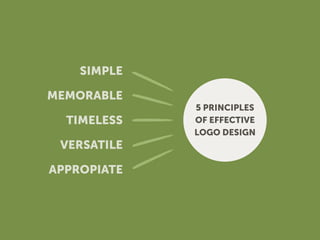
5 PRINCIPLES
OF EFFECTIVE
LOGO DESIGN
SIMPLE
MEMORABLE
TIMELESS
VERSATILE
APPROPIATE
PHASE 1
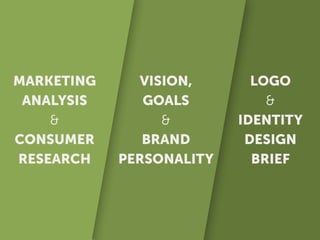
LOGO
&
IDENTITY
DESIGN
BRIEF
VISION,
GOALS
&
BRAND
PERSONALITY
MARKETING
ANALYSIS
&
CONSUMER
RESEARCH
This phase should be as thorough as required.
It’s the most crucial part of the overall process,
and should result in a design brief that guides the
rest of the project.
There are a couple of questions that will
help you understand the brand more.
- How is the brand perceived compared to
competitors in the market?
- What is the positioning statement of your brand?
- Who is your audience?
- What benefits do you want customers to associate
with your brand?
- What values & beliefs should the brand have
about the business?
The Design Brief
A design brief should contain summaries from the
research phase, such as: target audience(s), messaging
objectives, values and mission of the brand, and the
brand's products/services offered.
PHASE 2
LOGO
CONCEPT
&
DESIGN
IDENTITY
SYSTEM
&
RESOURCES
BRAND
&
STYLE
GUIDELINES
The Logo Concept
Get concepts down on paper and then expand on
those ideas. This can unlock new directions for
exploration and produce final solutions.
Pick the best sketched concept and iterate on it
digitally.
The Identity System
The identity system usually starts after the logo is
complete. The purpose of the identity system is to
form a systematic visual language around the logo.
The Style Guidelines
They contain and prescribe the logo’s usage rules,
typeface system, color palette, layout guidelines,
and more.
They exist so that others can create design collateral
and marketing materials that have a cohesive look and
voice.
PHASE 3
MONITORING
Regardless, over time, if your target
audience shifts, the market evolves, or the
brand's products and services change,
it may be time for a…
REBRANDING
The main challenge with rebranding is trying to
maintain familiarity and consistency so that your
customers will remember you.
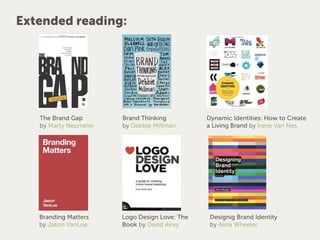
Extended reading:
The Brand Gap 

by Marty Neumeier
Dynamic Identities: How to Create
a Living Brand by Irene Van Nes
Branding Matters
by Jason VanLue
Logo Design Love: The
Book by David Airey
Designig Brand Identity
by Alina Wheeler
Brand Thinking
by Debbie Millman
Creative Market is a platform for handcrafted, mousemade
design content from independent creatives around the world.
www.creativemarket.com
facebook.com/crtvmrkt twitter.com/creativemarket
This presentation is brought to you by

How To Design a Brand Identity

  • 2.
    You probably knowthat one of the most interesting projects that a graphic designer can take on is designing a logo.
  • 3.
    However, most ofthe time, a logo is not enough. Large organizations with layers of management require a thorough brand identity system that provides a unified vision and tools that help everyone build the brand.
  • 4.
  • 5.
    BRAND A Brand(or Branding) refers to the perceived image and subsequent emotional response to a company, its products and services.
  • 6.
    IDENTITY Describes thevisual devices used to represent the company. Identity systems is a visual components package that is paired with style guidelines and used as a framework to ensure the corporate image is cohesive and consistent.
  • 7.
    LOGO Is thecentral, identifiable visual element that helps customers discover, share and remember a company's brand. It usually takes the form of an icon (mark or symbol), logotype, or combination of the two.
  • 8.
    5 PRINCIPLES OF EFFECTIVE LOGODESIGN SIMPLE MEMORABLE TIMELESS VERSATILE APPROPIATE
  • 9.
  • 10.
  • 11.
    This phase shouldbe as thorough as required. It’s the most crucial part of the overall process, and should result in a design brief that guides the rest of the project.
  • 12.
    There are acouple of questions that will help you understand the brand more. - How is the brand perceived compared to competitors in the market? - What is the positioning statement of your brand? - Who is your audience? - What benefits do you want customers to associate with your brand? - What values & beliefs should the brand have about the business?
  • 13.
    The Design Brief Adesign brief should contain summaries from the research phase, such as: target audience(s), messaging objectives, values and mission of the brand, and the brand's products/services offered.
  • 14.
  • 15.
  • 16.
    The Logo Concept Getconcepts down on paper and then expand on those ideas. This can unlock new directions for exploration and produce final solutions. Pick the best sketched concept and iterate on it digitally.
  • 17.
    The Identity System Theidentity system usually starts after the logo is complete. The purpose of the identity system is to form a systematic visual language around the logo.
  • 18.
    The Style Guidelines Theycontain and prescribe the logo’s usage rules, typeface system, color palette, layout guidelines, and more. They exist so that others can create design collateral and marketing materials that have a cohesive look and voice.
  • 19.
  • 20.
  • 21.
    Regardless, over time,if your target audience shifts, the market evolves, or the brand's products and services change, it may be time for a…
  • 22.
  • 23.
    The main challengewith rebranding is trying to maintain familiarity and consistency so that your customers will remember you.
  • 24.
    Extended reading: The BrandGap 
 by Marty Neumeier Dynamic Identities: How to Create a Living Brand by Irene Van Nes Branding Matters by Jason VanLue Logo Design Love: The Book by David Airey Designig Brand Identity by Alina Wheeler Brand Thinking by Debbie Millman
  • 25.
    Creative Market isa platform for handcrafted, mousemade design content from independent creatives around the world. www.creativemarket.com facebook.com/crtvmrkt twitter.com/creativemarket This presentation is brought to you by