Intravenous
Cannulation
Mr. Harshad Khade
MSc. Medical Technology (OTA)
Symbiosis International university, Pune.
Definition
• A intravenous cannula is a flexible tube which when inserted
into the body is used either to withdraw fluid or insert
medication.
• IV Cannula normally comes with a trocar ( a sharp pointed
needle ) attached which allows puncture of the body to get
into the intended space.
Indications
• Administration of anaesthesia.
• Administration of fluids.
• Administration of medications.
• Administration of blood or blood products.
• Radiological imaging using IV contrast.
Contraindication
• Sites close to infection .
• Veins of fractured limbs .
• Where there is an AV fistula present .
• Oedema.
• Side of Mastectom
Extra care to be taken on patients with bleeding, clotting disorders & on
warfarin.
Site Of Vein Selection
• Where:
- Back of hand
- Forearm
- Antecubital fossa
• What:
- Patent - Palpable
- Distal - Straight
- Avoid bifurcations
Areas To Be Avoided
• Areas of joint flexion
• Hardened / sclerosed veins
• Major veins near arteries
• Veins in lower extremities
• Areas of surgery
• Small veins
• Previously cannulated veins
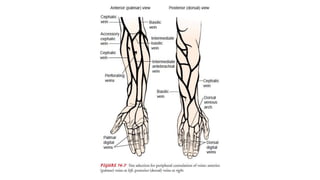
Location Of Veins
In Arm & Forearm
Veins of the Hand
1. Digital Dorsal veins
2. Dorsal Metacarpal veins
3. Dorsal venous network
4. Cephalic vein
5. Basilic vein
Veins of the Forearm
1. Cephalic vein
2. Basilic vein
3. .Median Cubital
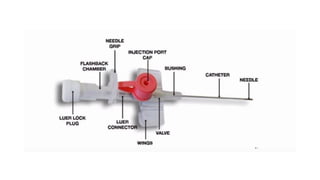
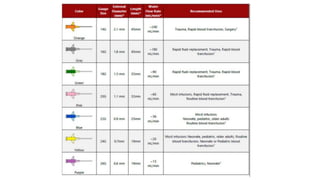
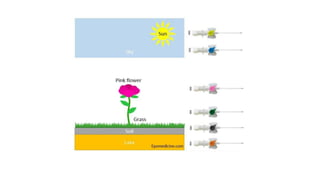
IV Cannula
Suggested Equipment For
IV cannula Insertion
• Cleaned procedural trolley.
• Sterile dressing pack or IV starter pack.
• Tourniquet: either a single use disposable or single patient use.
• Gloves
• Alcohol swab
• Appropriate sterile adhesive butterfly strips
• 10mL syringe or commercially available prefilled syringe for
flush
• 2ml hep-lock syringe
• Sterile gauze squares
• Sharps disposal bin.
• It is the responsibility of the clinician inserting the PIVC to ensure
items have not passed their expiry dates and that the integrity of
the packaging has been maintained.
Articles A Tray Containing
• Sterile gloves
• Iv cannula
• Tourniquet
• Cotton swabs
• Adhesive tape
• Spirit
• IV. stand
• I.V. tubing's
• Iodine solution
• Kidney tray
• Scissors
Procedure
Explain procedure to the patient.
Wear personal protection equipment's, i.e. gloves, apron (if required)
Select the location according to the procedure
Apply tourniquet
Make the selected vein prominent & clean the area with betadine solution.
Clean the area with alcohol swab
Stretch the skin and fix the vein
Insert the cannula at 45 degree to the vein.
Once cannula is inserted check the patency by using an IV flush.
Fix the cannula by using butterfly sticking.
Dispose the biological and plastic waste
New Methods
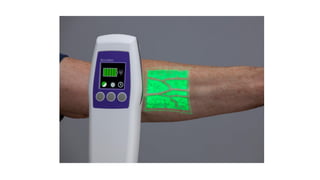
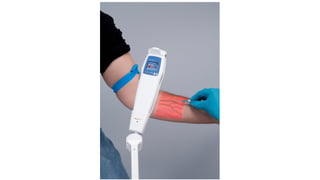
• AccuVein’s Illumination is the new infra-red device used
for venepuncture in the patients with difficult venous access
that include Elderly, Dark-skinned and Obese individuals.
Complications
• Hematoma
• Haemorrhage
• Infection
• Phlebitis
• Thrombophlebitis
• Puncturing an artery
• Puncturing a nerve
• Infiltration
• Extravasation
“
”
Thank You
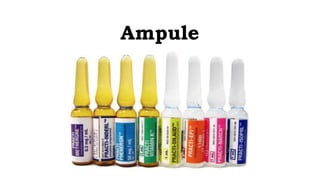
Ampule
Preparing Medication From Ampule
• Lightly tap the top of the ampule with finger until fluid moves down from
the neck of the ampule.
• Rub the ampule filter on the neck of the ampule.
• Place swab around the neck of the ampule.
• Snap the neck of the ampule quickly & firmly.
• Insert the needle attached to the syringe into the centre of the ampule
opening . Do not allow the needle tip or shaft to touch the rim of the
ampule.
• Liquid fill into syringe by gently pulling back & tilting the ampule .
• Put empty ampule in kidney tray.
• Expel the excess air bubbles , remove needle from the ampule , hold
syringe with tip of barrel upwards , tap the side of the syringe to raise
the bubbles towards the tip of the barrel .
• Draw up slightly on the plunger & then push the plunger upward to
eject air.
• Attach the covered needle to the syringe & put it in the tray.
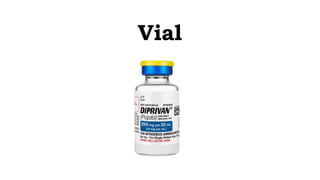
Vial
Preparing Medication From Vial
• Remove the cap covering of the vial to expose sterile rubber seal
, keeping the rubber seal sterile
• Hold the syringe & remove the needle cap.
• Pull back the plunger to draw the amount of air into the syringe
equivalent to volume of medication to be aspirated from the vial.
• Insert tip of the needle with bevelled tip entering through centre
of the rubber seal.
• Apply pressure to tip of the needle during insertion.
• Inject air into the vial’s air space.
• Invert vial while keeping firm hold on barrel & plunger.
• Fill syringe with the required medication & put the empty vial in
the kidney tray.
• Follow same expelling air step as ampule & needle capping step.
“
”
Thank You
(+91) 8087788417

Iv cannulation Intravenous Cannulation

  • 1.
    Intravenous Cannulation Mr. Harshad Khade MSc.Medical Technology (OTA) Symbiosis International university, Pune.
  • 2.
    Definition • A intravenouscannula is a flexible tube which when inserted into the body is used either to withdraw fluid or insert medication. • IV Cannula normally comes with a trocar ( a sharp pointed needle ) attached which allows puncture of the body to get into the intended space.
  • 3.
    Indications • Administration ofanaesthesia. • Administration of fluids. • Administration of medications. • Administration of blood or blood products. • Radiological imaging using IV contrast.
  • 4.
    Contraindication • Sites closeto infection . • Veins of fractured limbs . • Where there is an AV fistula present . • Oedema. • Side of Mastectom Extra care to be taken on patients with bleeding, clotting disorders & on warfarin.
  • 6.
    Site Of VeinSelection • Where: - Back of hand - Forearm - Antecubital fossa • What: - Patent - Palpable - Distal - Straight - Avoid bifurcations
  • 7.
    Areas To BeAvoided • Areas of joint flexion • Hardened / sclerosed veins • Major veins near arteries • Veins in lower extremities • Areas of surgery • Small veins • Previously cannulated veins
  • 8.
    Location Of Veins InArm & Forearm Veins of the Hand 1. Digital Dorsal veins 2. Dorsal Metacarpal veins 3. Dorsal venous network 4. Cephalic vein 5. Basilic vein Veins of the Forearm 1. Cephalic vein 2. Basilic vein 3. .Median Cubital
  • 9.
  • 13.
    Suggested Equipment For IVcannula Insertion • Cleaned procedural trolley. • Sterile dressing pack or IV starter pack. • Tourniquet: either a single use disposable or single patient use. • Gloves • Alcohol swab • Appropriate sterile adhesive butterfly strips • 10mL syringe or commercially available prefilled syringe for flush
  • 14.
    • 2ml hep-locksyringe • Sterile gauze squares • Sharps disposal bin. • It is the responsibility of the clinician inserting the PIVC to ensure items have not passed their expiry dates and that the integrity of the packaging has been maintained.
  • 15.
    Articles A TrayContaining • Sterile gloves • Iv cannula • Tourniquet • Cotton swabs • Adhesive tape • Spirit • IV. stand • I.V. tubing's • Iodine solution • Kidney tray • Scissors
  • 16.
  • 17.
    Explain procedure tothe patient. Wear personal protection equipment's, i.e. gloves, apron (if required) Select the location according to the procedure Apply tourniquet Make the selected vein prominent & clean the area with betadine solution. Clean the area with alcohol swab Stretch the skin and fix the vein Insert the cannula at 45 degree to the vein. Once cannula is inserted check the patency by using an IV flush. Fix the cannula by using butterfly sticking. Dispose the biological and plastic waste
  • 20.
    New Methods • AccuVein’sIllumination is the new infra-red device used for venepuncture in the patients with difficult venous access that include Elderly, Dark-skinned and Obese individuals.
  • 21.
    Complications • Hematoma • Haemorrhage •Infection • Phlebitis • Thrombophlebitis • Puncturing an artery • Puncturing a nerve • Infiltration • Extravasation
  • 22.
  • 23.
  • 24.
    Preparing Medication FromAmpule • Lightly tap the top of the ampule with finger until fluid moves down from the neck of the ampule. • Rub the ampule filter on the neck of the ampule. • Place swab around the neck of the ampule. • Snap the neck of the ampule quickly & firmly. • Insert the needle attached to the syringe into the centre of the ampule opening . Do not allow the needle tip or shaft to touch the rim of the ampule. • Liquid fill into syringe by gently pulling back & tilting the ampule . • Put empty ampule in kidney tray.
  • 25.
    • Expel theexcess air bubbles , remove needle from the ampule , hold syringe with tip of barrel upwards , tap the side of the syringe to raise the bubbles towards the tip of the barrel . • Draw up slightly on the plunger & then push the plunger upward to eject air. • Attach the covered needle to the syringe & put it in the tray.
  • 26.
  • 27.
    Preparing Medication FromVial • Remove the cap covering of the vial to expose sterile rubber seal , keeping the rubber seal sterile • Hold the syringe & remove the needle cap. • Pull back the plunger to draw the amount of air into the syringe equivalent to volume of medication to be aspirated from the vial.
  • 28.
    • Insert tipof the needle with bevelled tip entering through centre of the rubber seal. • Apply pressure to tip of the needle during insertion. • Inject air into the vial’s air space. • Invert vial while keeping firm hold on barrel & plunger. • Fill syringe with the required medication & put the empty vial in the kidney tray. • Follow same expelling air step as ampule & needle capping step.
  • 29.