1
Isothermal Nucleic Acid Amplification
Techniques
2
Terminology
Introduction
Techniques
Conclusion
References
3
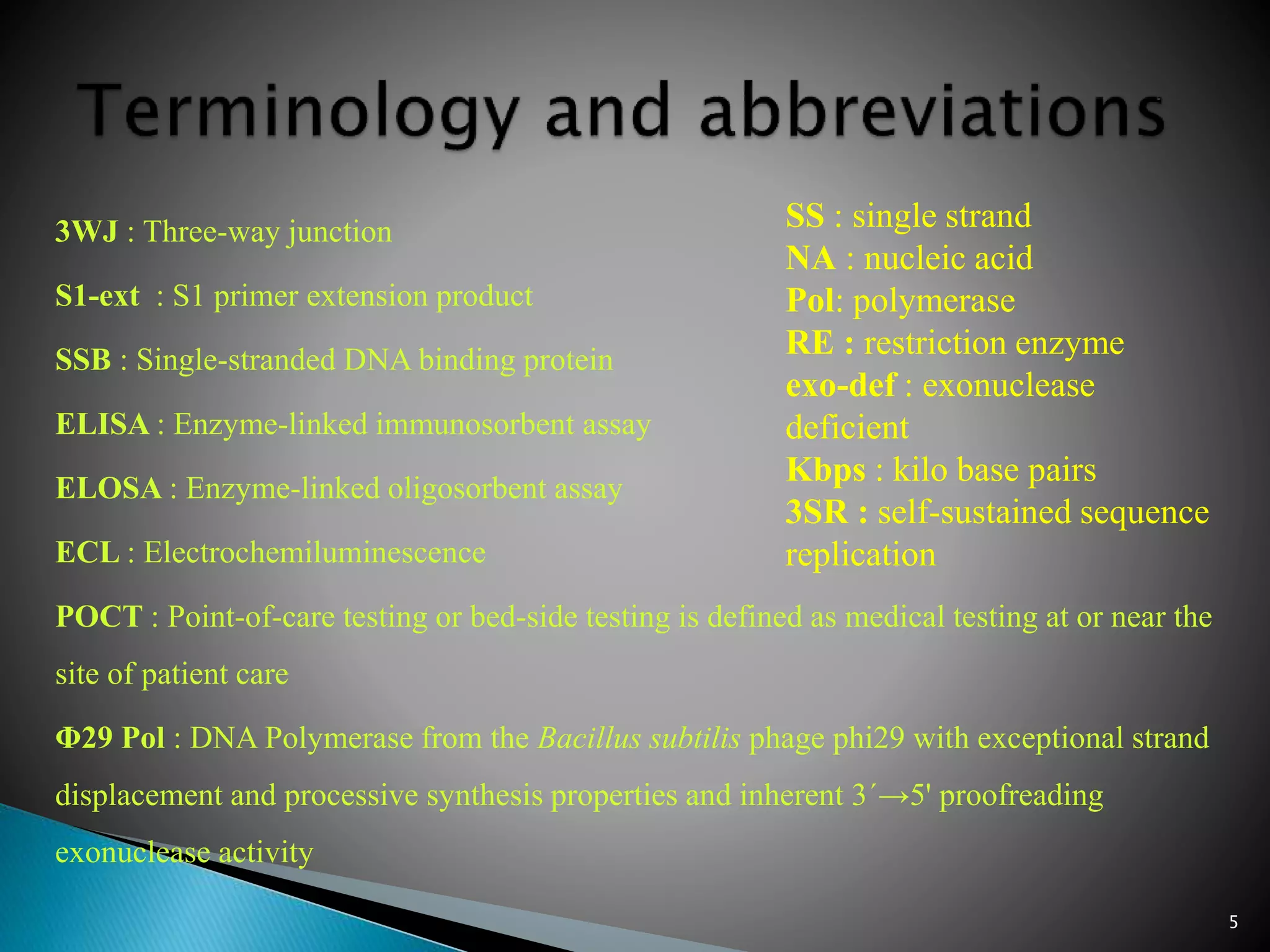
TMA : Transcription mediated amplification
NASBA : Nucleic acid sequence based amplification
SMART : Signal mediated amplification of RNA technology
SDA : Strand displacement amplification
RCA : Rolling circle amplification
MPRCA : Multiply-primed rolling circle amplification
LAMP : Loop-mediated isothermal amplification
IMDA : Isothermal multiple displacement amplification
HDA : Helicase-dependent amplification
SPIA : Single primer isothermal amplification
cHDA : Circular Helicase-dependent amplification
RAM : Ramification amplification method
4
3WJ : Three-way junction
S1-ext : S1 primer extension product
SSB : Single-stranded DNA binding protein
ELISA : Enzyme-linked immunosorbent assay
ELOSA : Enzyme-linked oligosorbent assay
ECL : Electrochemiluminescence
POCT : Point-of-care testing or bed-side testing is defined as medical testing at or near the
site of patient care
Φ29 Pol : DNA Polymerase from the Bacillus subtilis phage phi29 with exceptional strand
displacement and processive synthesis properties and inherent 3´→5' proofreading
exonuclease activity
SS : single strand
NA : nucleic acid
Pol: polymerase
RE : restriction enzyme
exo-def : exonuclease
deficient
Kbps : kilo base pairs
3SR : self-sustained sequence
replication
5
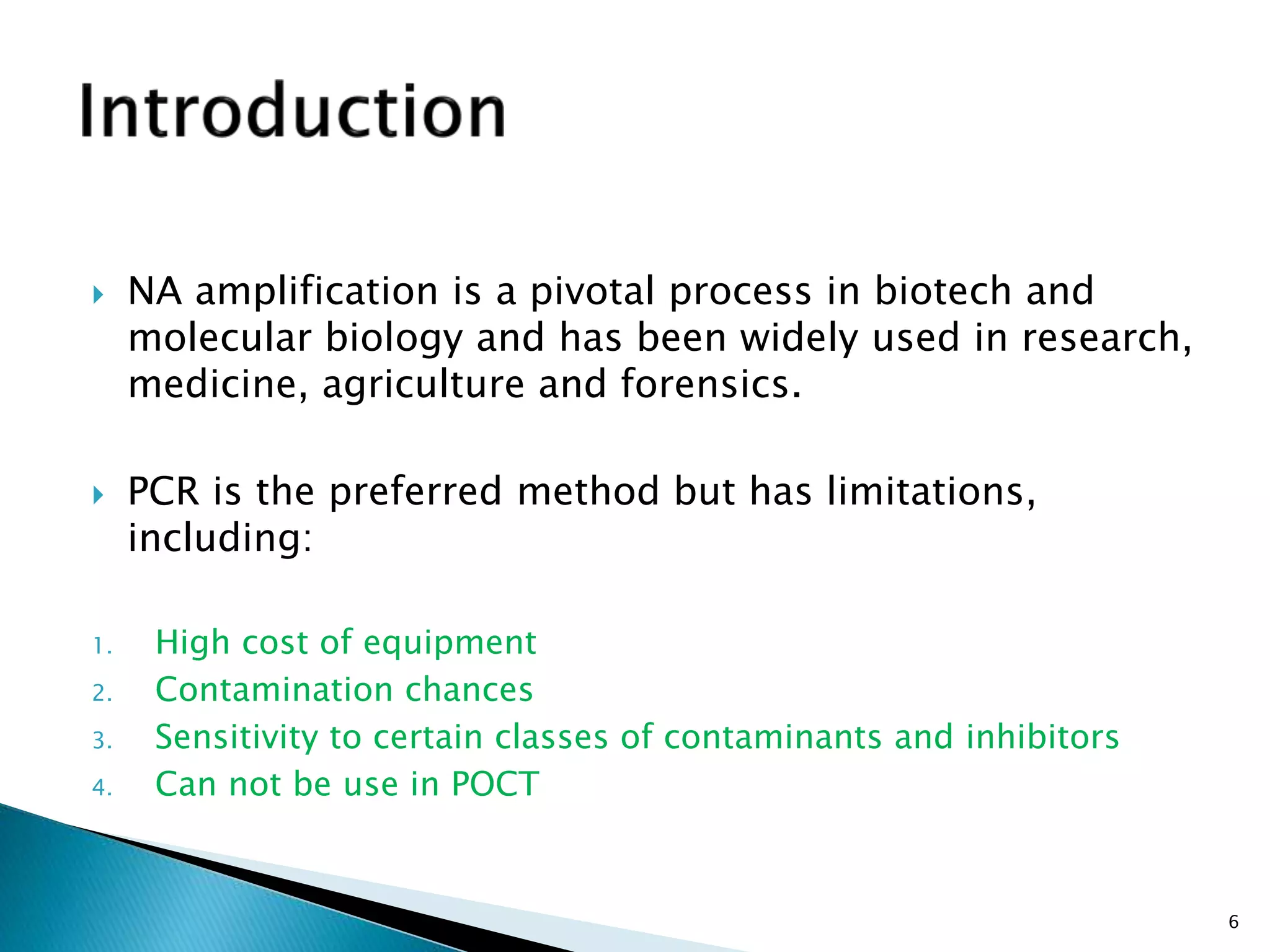
 NA amplification is a pivotal process in biotech and
molecular biology and has been widely used in research,
medicine, agriculture and forensics.
 PCR is the preferred method but has limitations,
including:
1. High cost of equipment
2. Contamination chances
3. Sensitivity to certain classes of contaminants and inhibitors
4. Can not be use in POCT
6
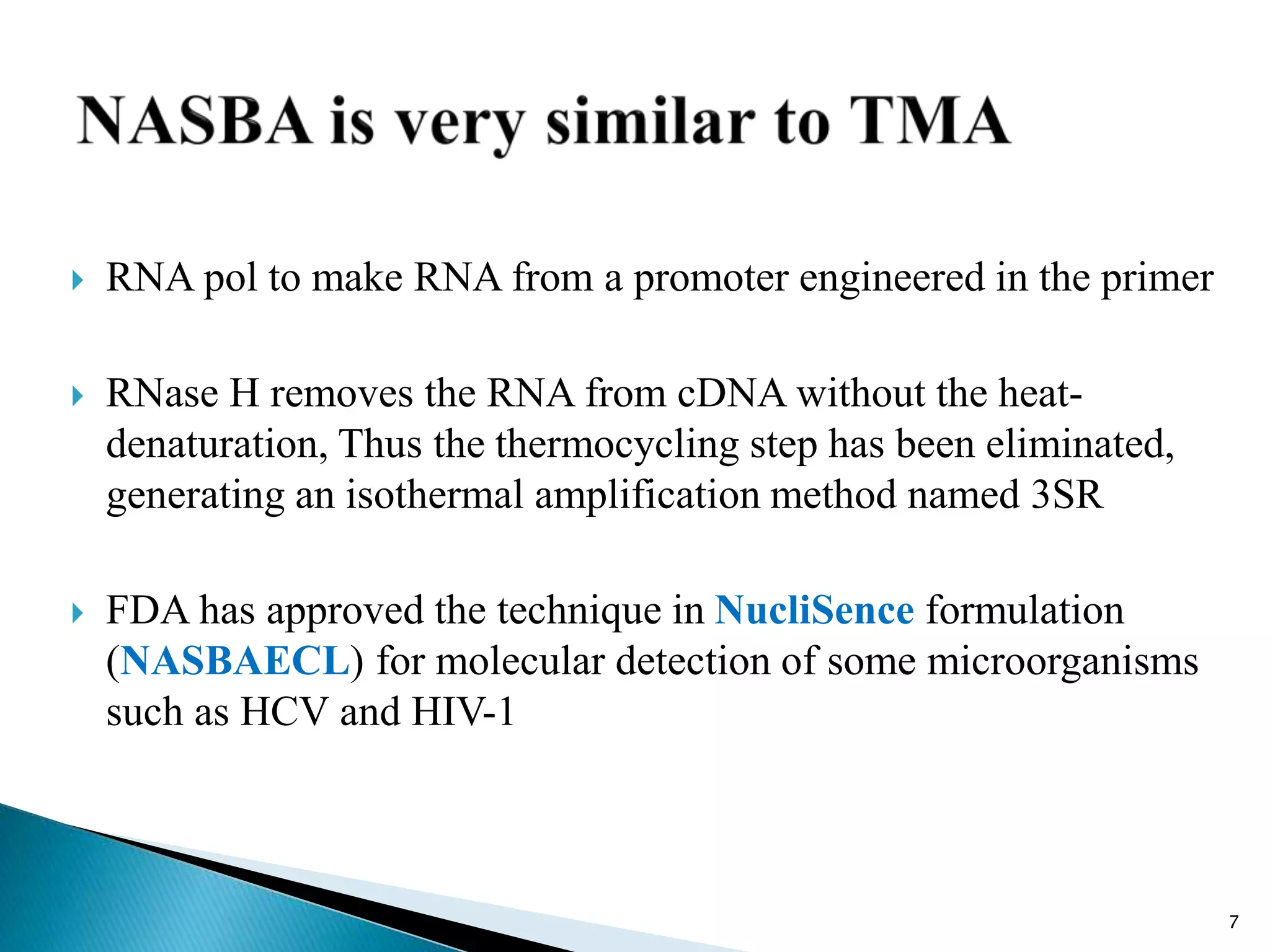
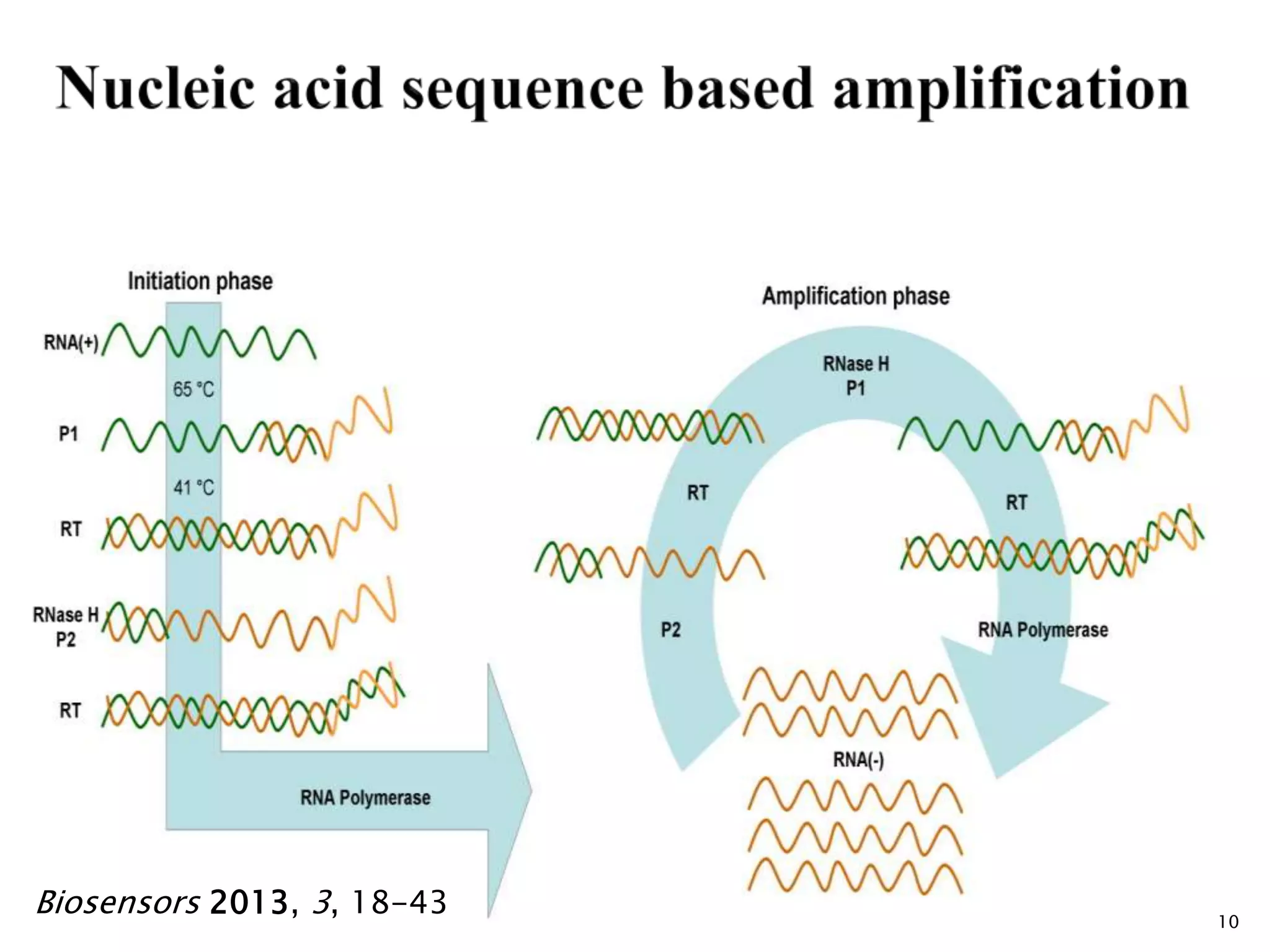
 RNA pol to make RNA from a promoter engineered in the primer
 RNase H removes the RNA from cDNA without the heat-
denaturation, Thus the thermocycling step has been eliminated,
generating an isothermal amplification method named 3SR
 FDA has approved the technique in NucliSence formulation
(NASBAECL) for molecular detection of some microorganisms
such as HCV and HIV-1
7
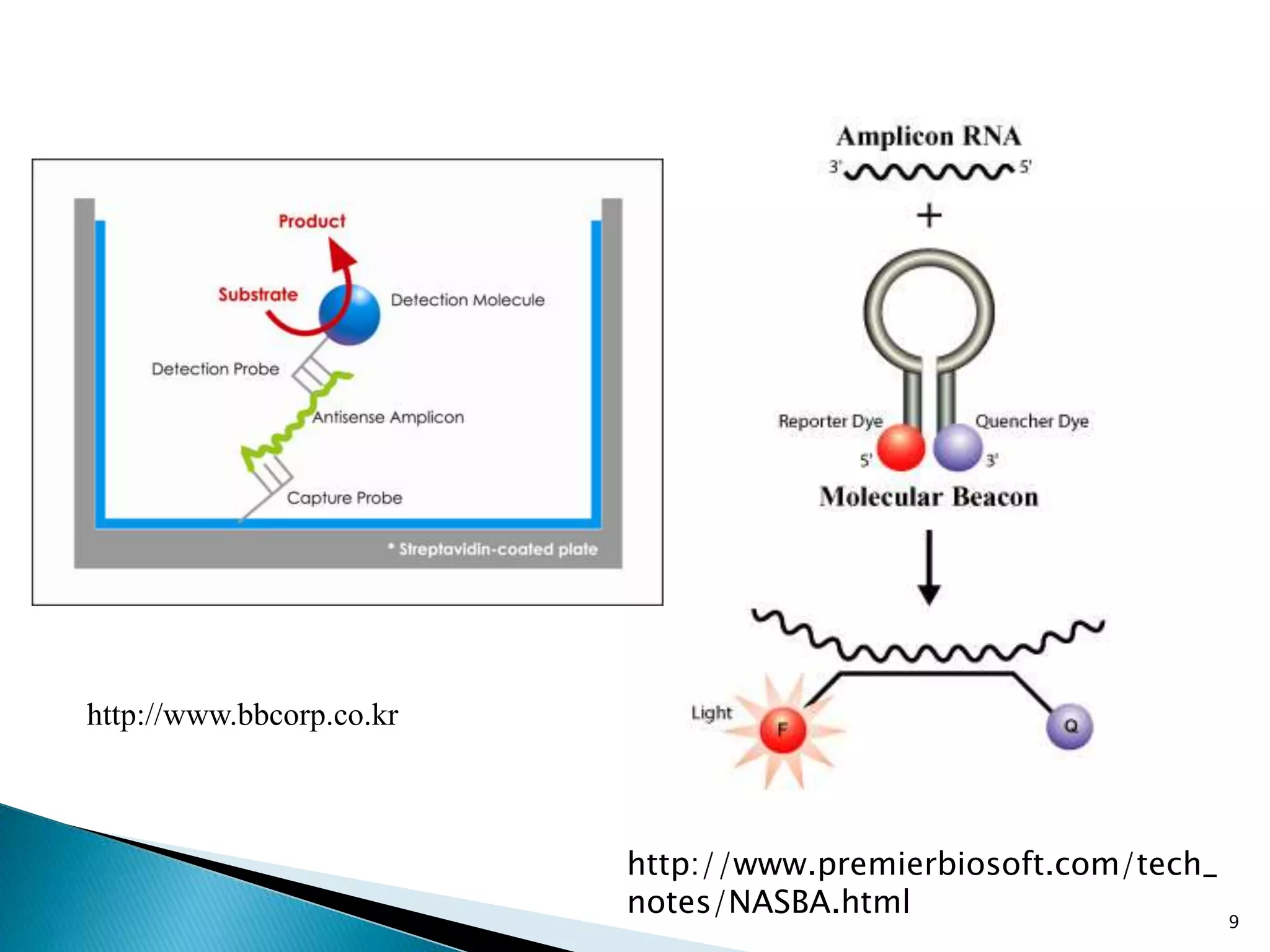
1. Gel electrophoresis
2. Fluorescence probes (real-time NASBA)
3. Colorimetric assay (NASBA-ELISA)
4. ECL
8
9
http://www.premierbiosoft.com/tech_
notes/NASBA.html
http://www.bbcorp.co.kr
10
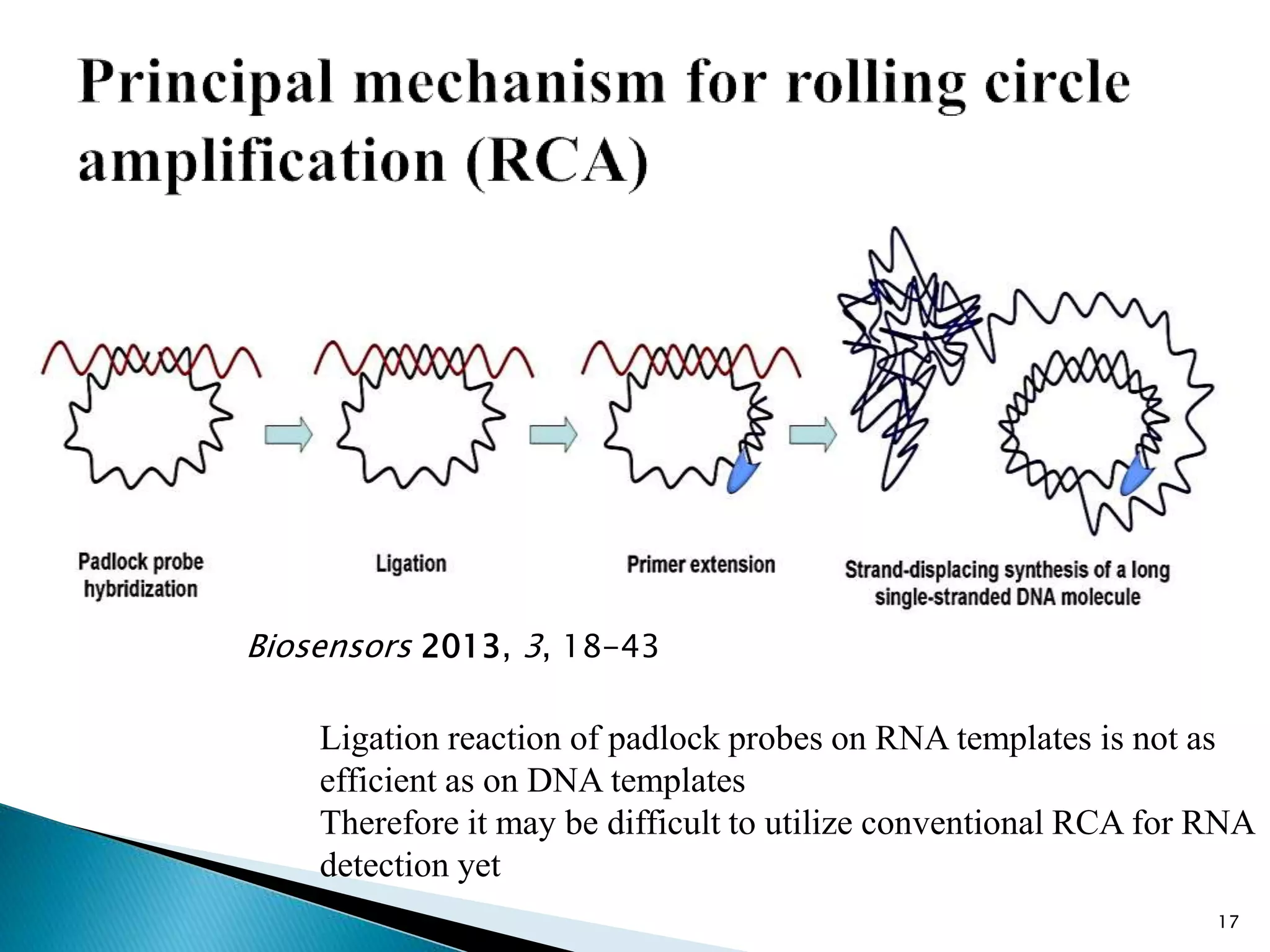
Biosensors 2013, 3, 18-43
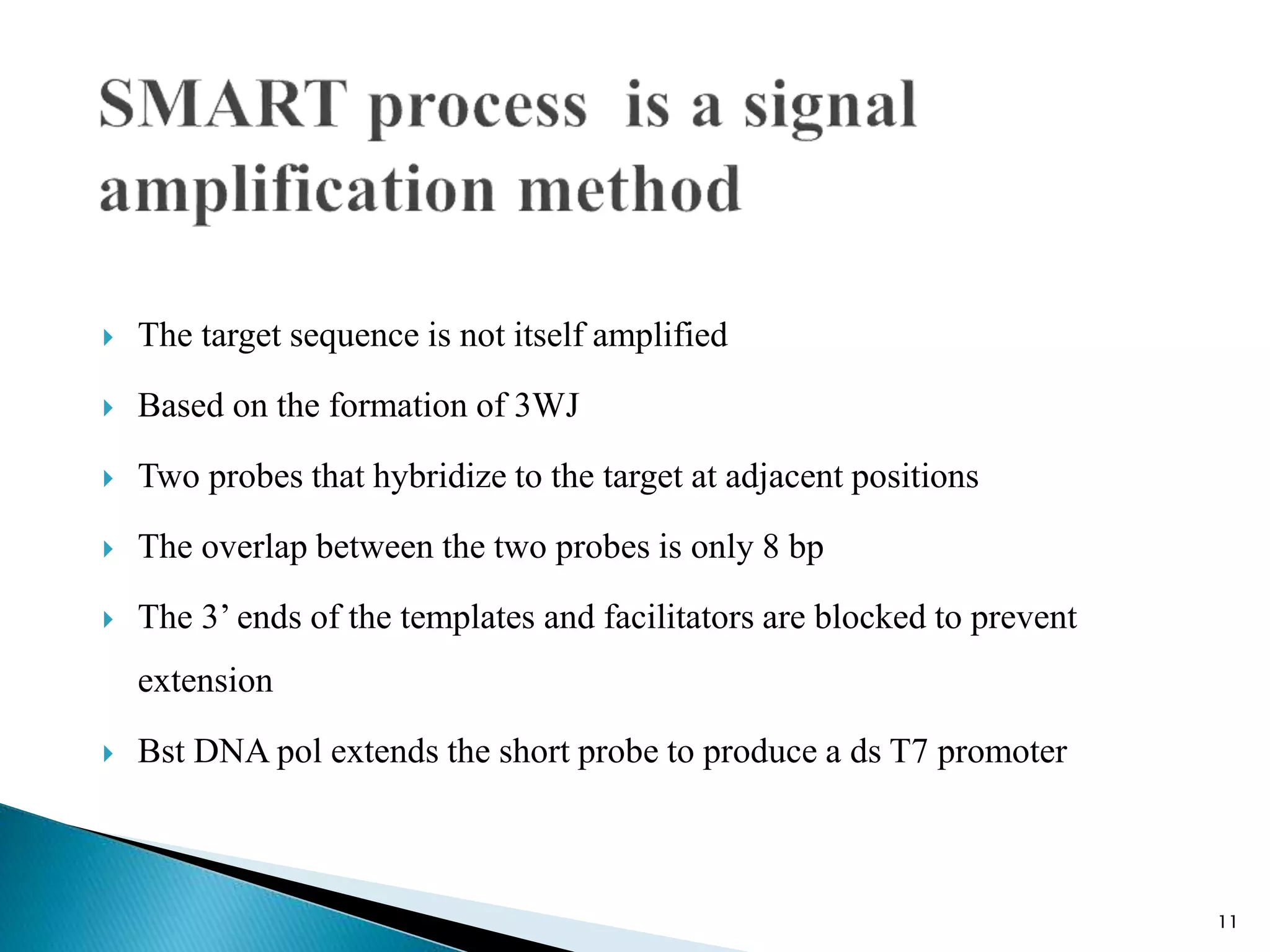
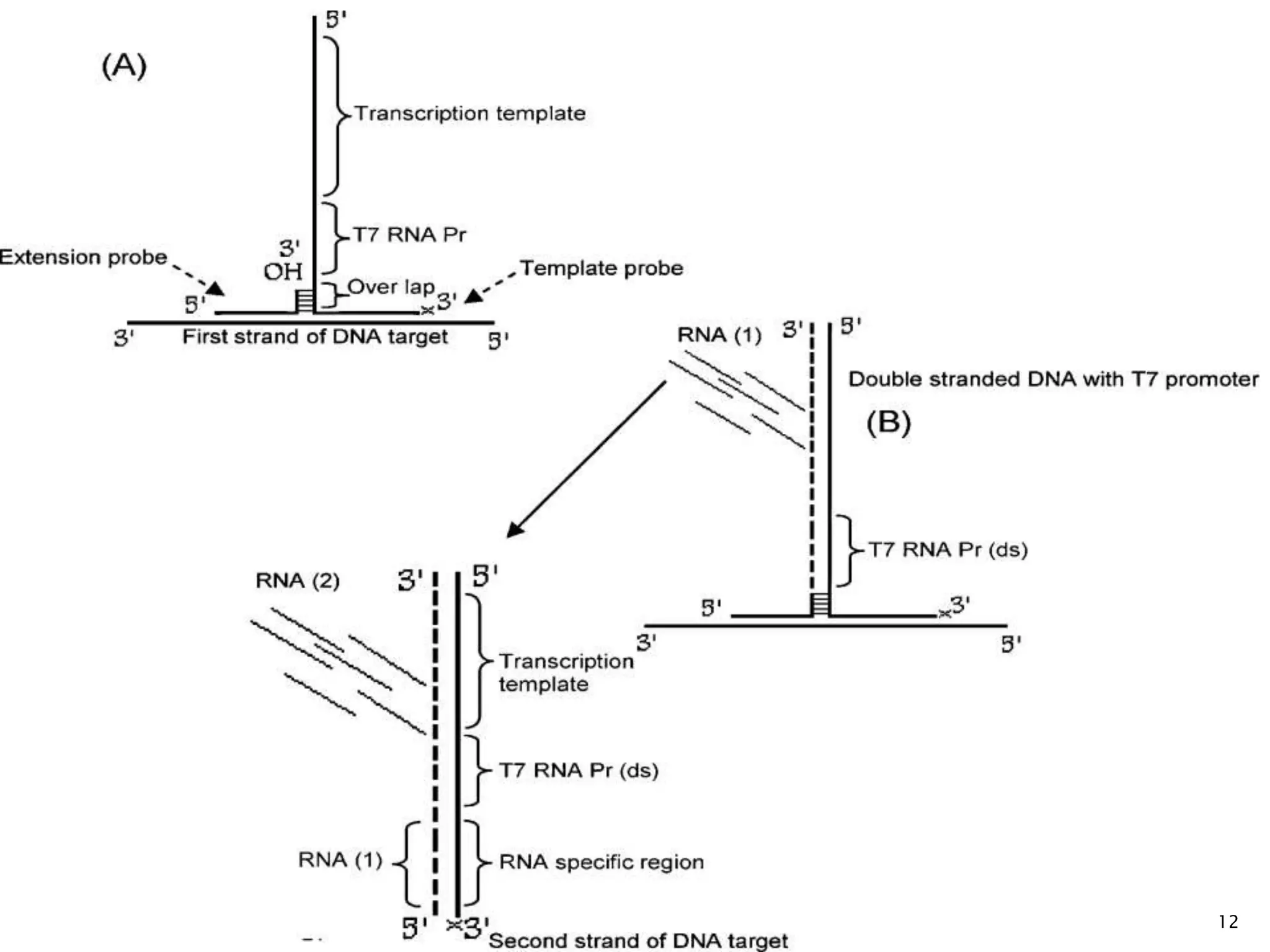
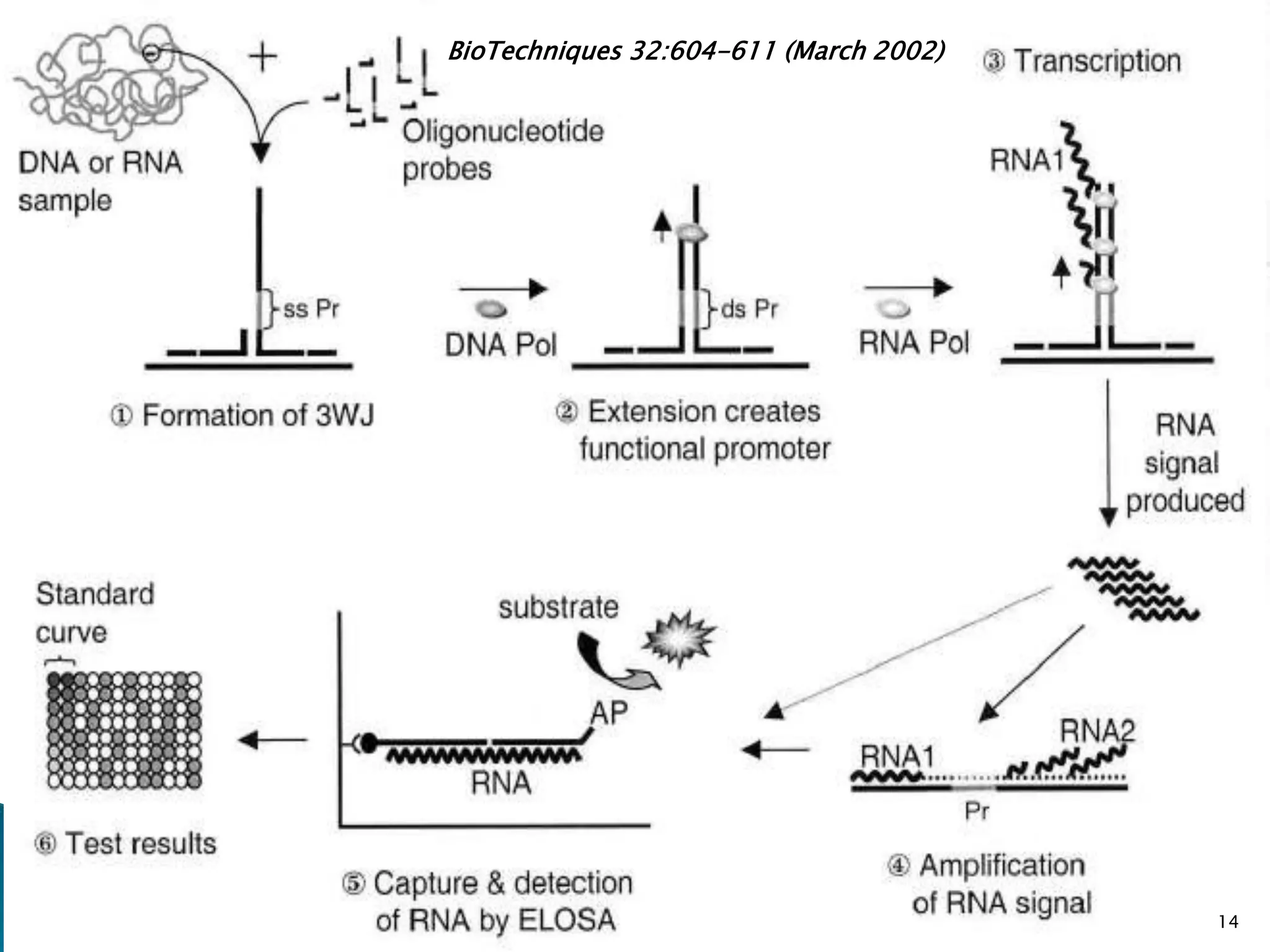
 The target sequence is not itself amplified
 Based on the formation of 3WJ
 Two probes that hybridize to the target at adjacent positions
 The overlap between the two probes is only 8 bp
 The 3’ ends of the templates and facilitators are blocked to prevent
extension
 Bst DNA pol extends the short probe to produce a ds T7 promoter
11
12
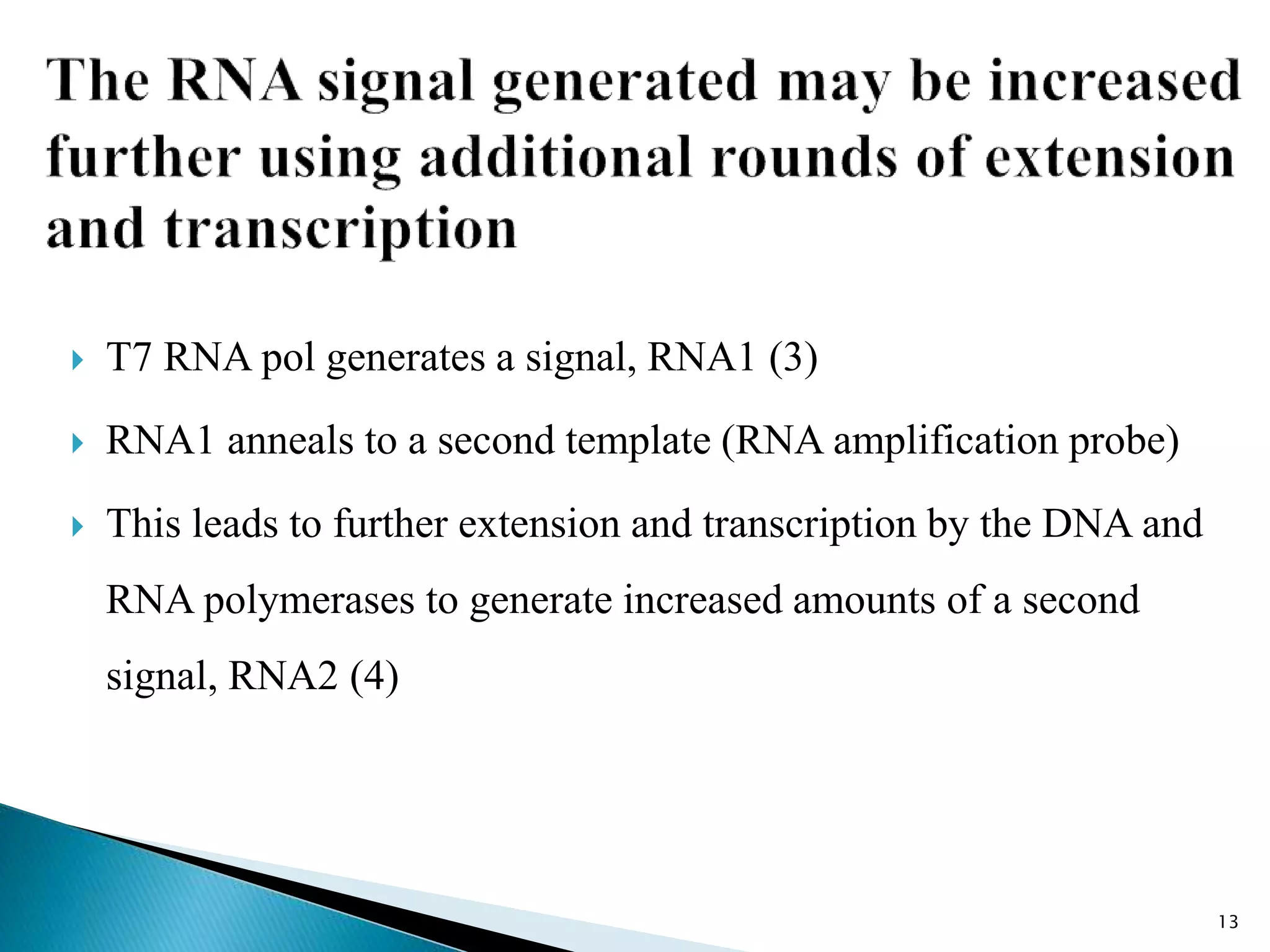
 T7 RNA pol generates a signal, RNA1 (3)
 RNA1 anneals to a second template (RNA amplification probe)
 This leads to further extension and transcription by the DNA and
RNA polymerases to generate increased amounts of a second
signal, RNA2 (4)
13
14
BioTechniques 32:604-611 (March 2002)
 The end detection method uses a 96-well format,
measuring color change in a standard plate reader
 Therefore, multiple samples may be quantified
simultaneously with no need for gel analysis
15
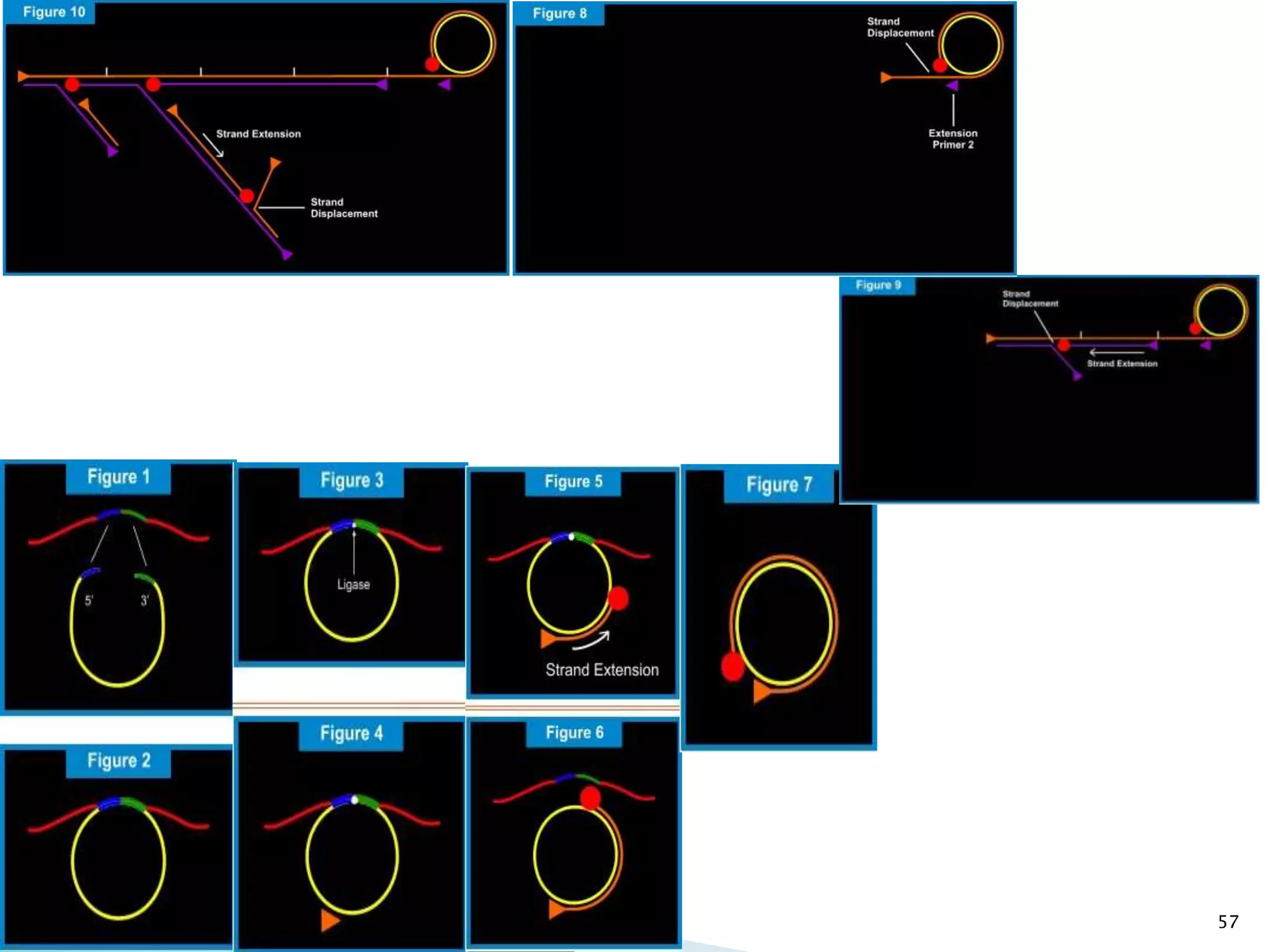
 Phi 29 DNA pol extends a circle-hybridized primer
by continuously progressing around the circular
DNA probe of several dozen nucleotides
 The SS nature of amplicons in case of linear RCA
may be beneficial for subsequent manipulations
16
17
Ligation reaction of padlock probes on RNA templates is not as
efficient as on DNA templates
Therefore it may be difficult to utilize conventional RCA for RNA
detection yet
Biosensors 2013, 3, 18-43
 MPRCA uses phi29 pol and random primers to achieve a
10,000-fold amplification
 RCA-based approaches have recently been attracting attention
of diagnostics-oriented biotech companies and research
centers for:
 Gene tests and immunoassays
 SNP scoring
 Sequencing template preparation
 Single-cell analysis systems
 Gene expression studies
18
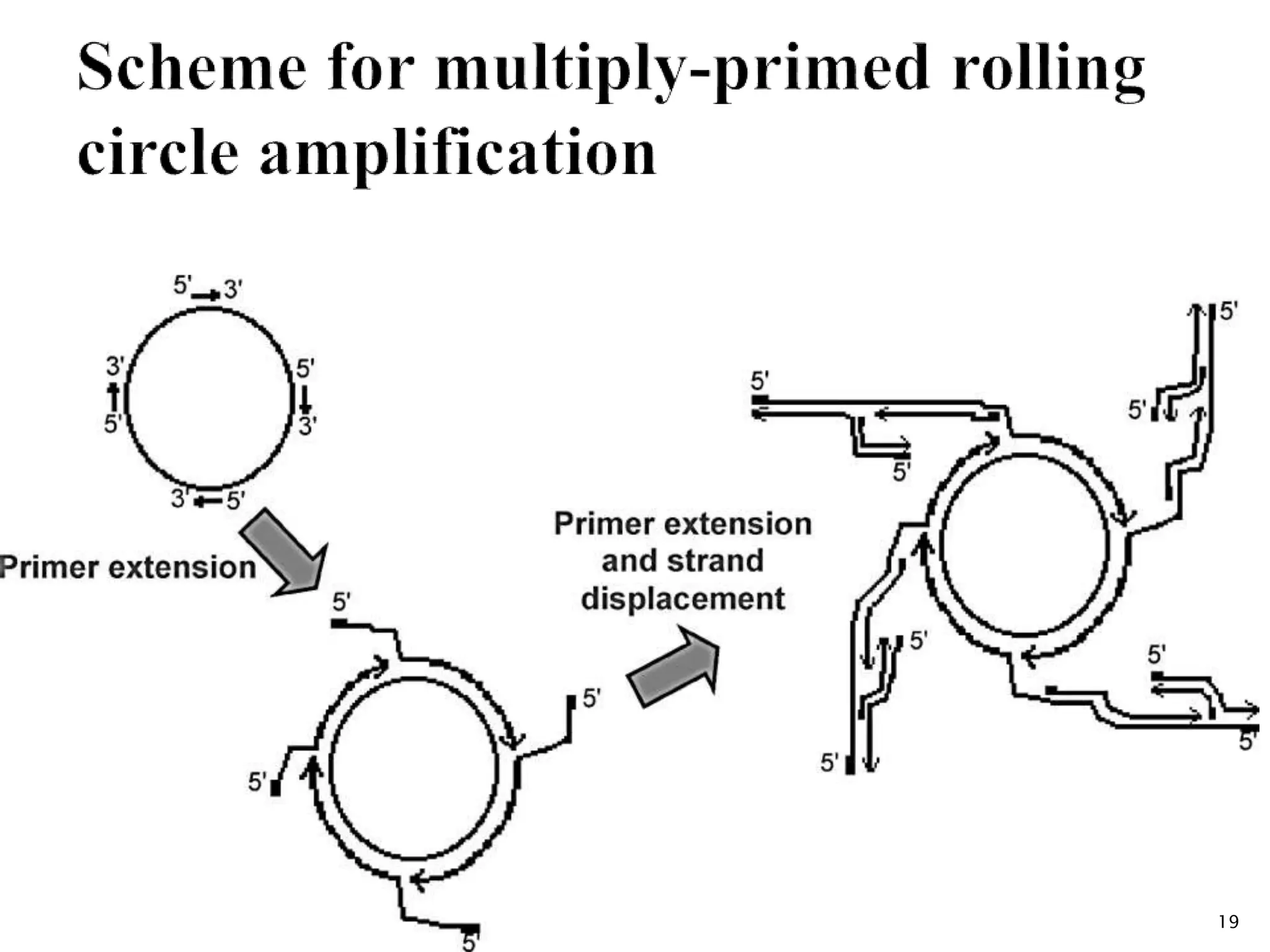
19
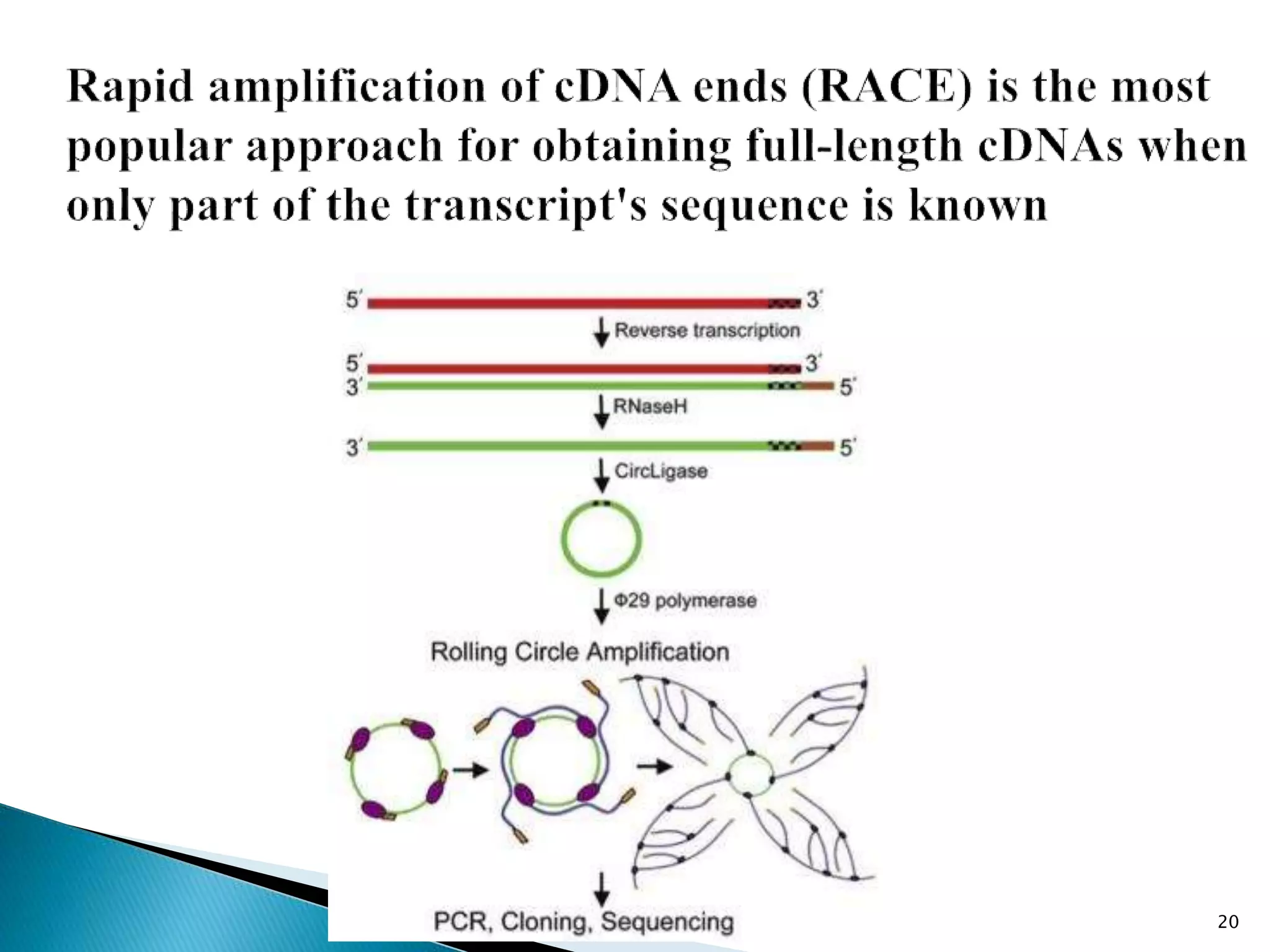
20
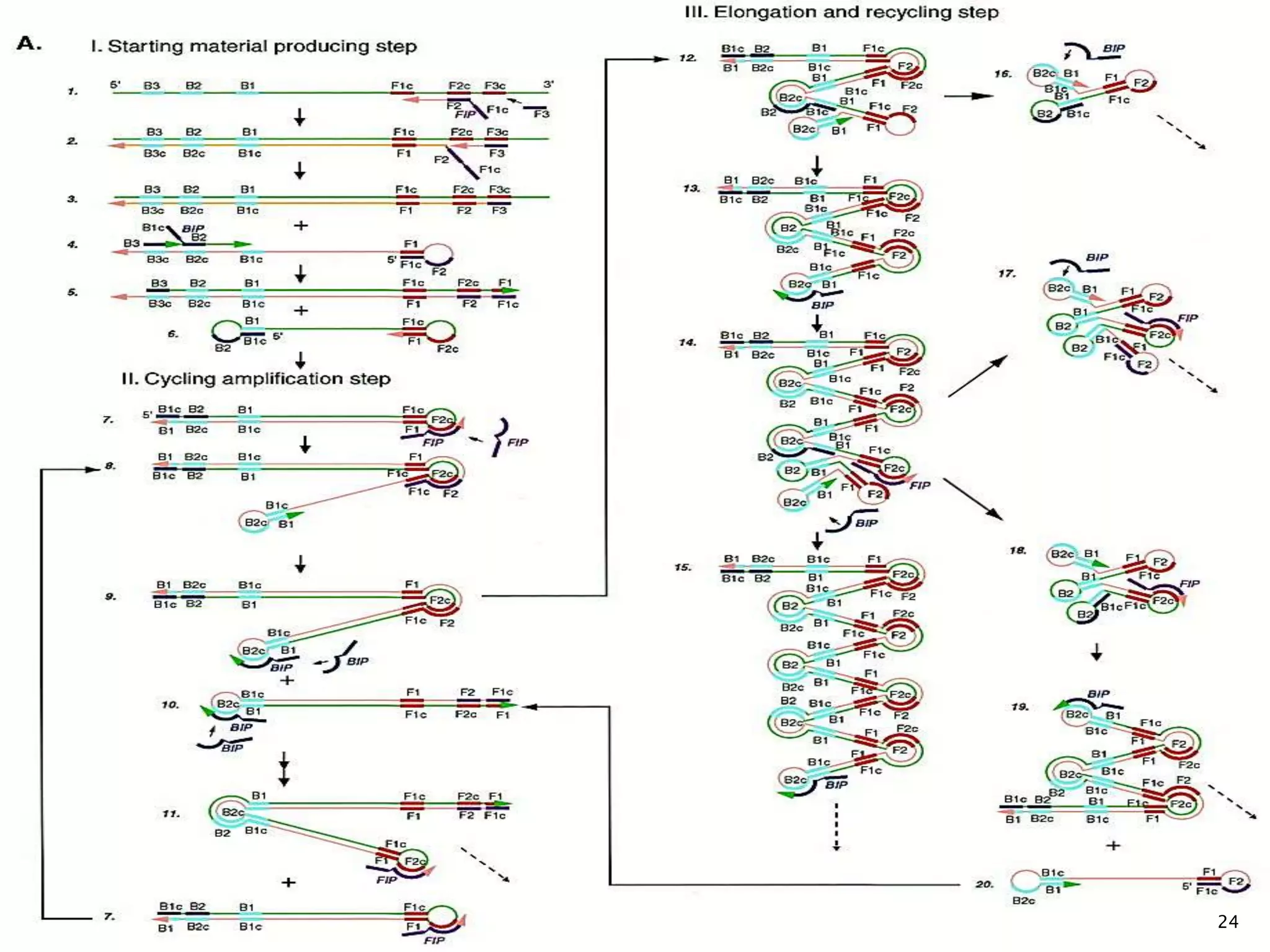
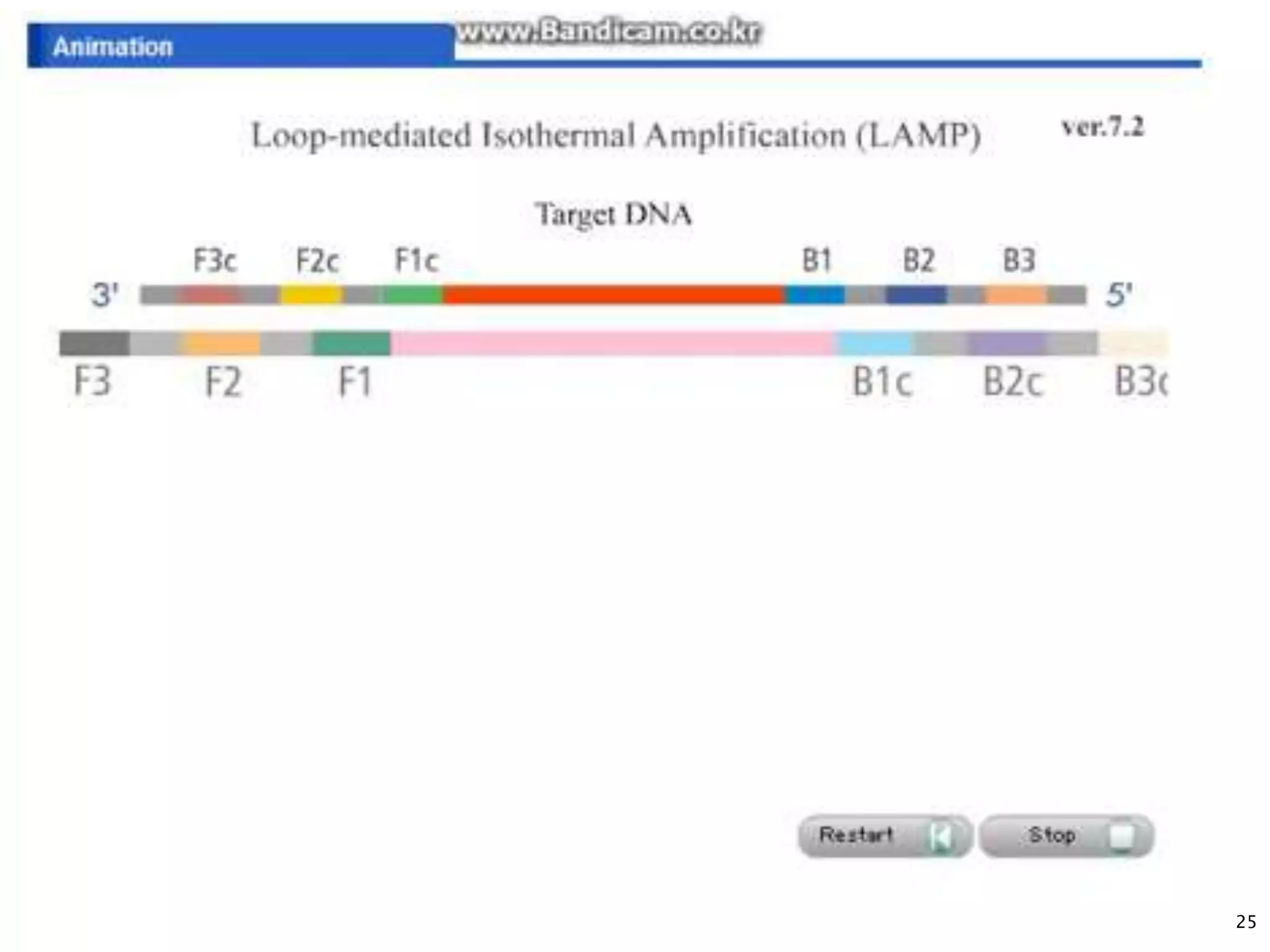
In 2000, Notomi, T. et al. reported a new
method, termed LAMP, that amplifies DNA
with high specificity, efficiency and rapidity
under isothermal conditions.
21
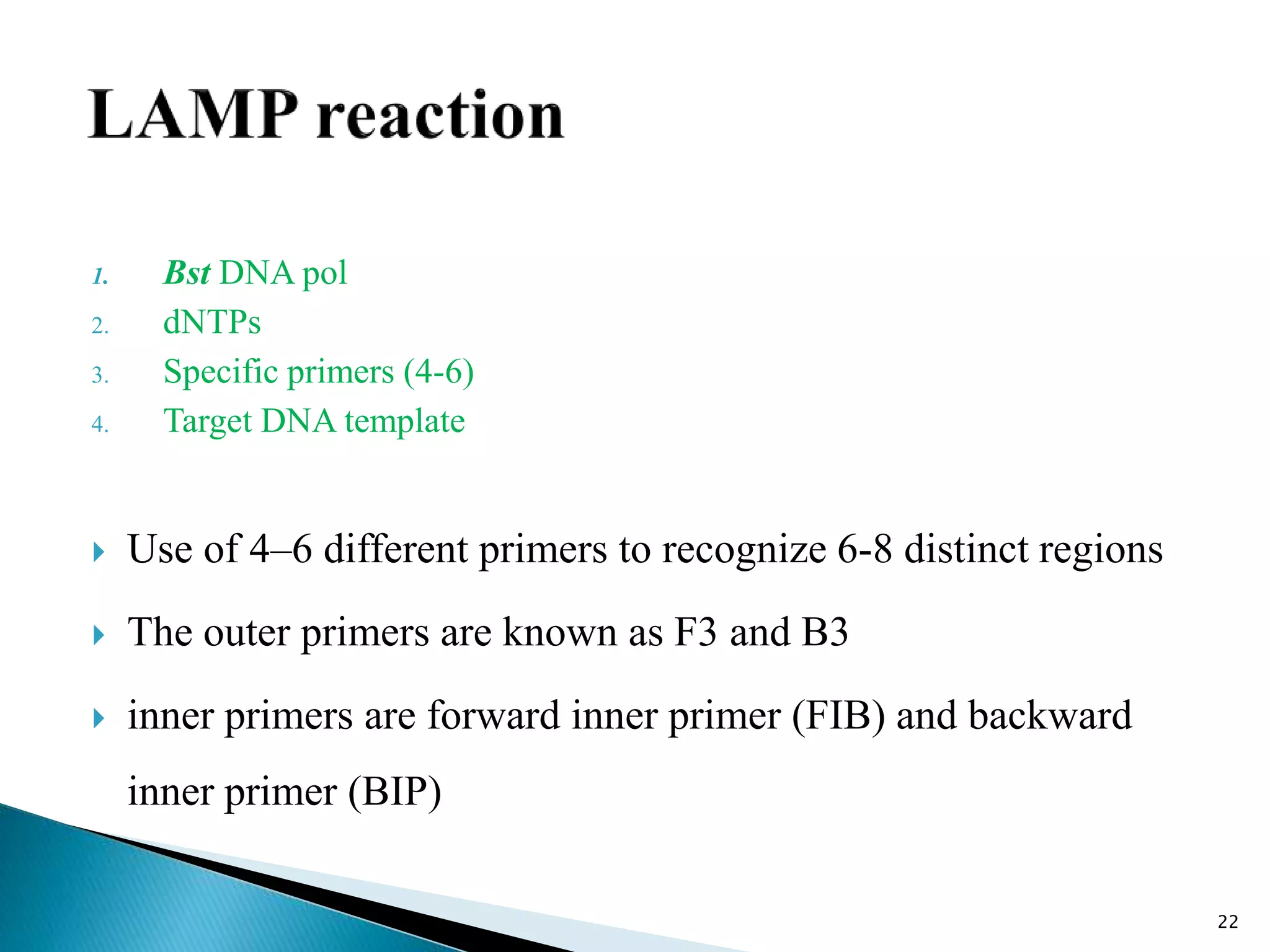
1. Bst DNA pol
2. dNTPs
3. Specific primers (4-6)
4. Target DNA template
 Use of 4–6 different primers to recognize 6-8 distinct regions
 The outer primers are known as F3 and B3
 inner primers are forward inner primer (FIB) and backward
inner primer (BIP)
22
External
primer F3
Internal primer
FIP
External
primer B3
Internal primer
BIP
Loop primer FL
Loop primer BL
F3c F2c
B2c B3cF3 F2
B2 B3
3’
5’
5’
3’
F1c
F2
B2
B1c
F1c
F1
B1
B1c
FL
FLc
BLc
BL
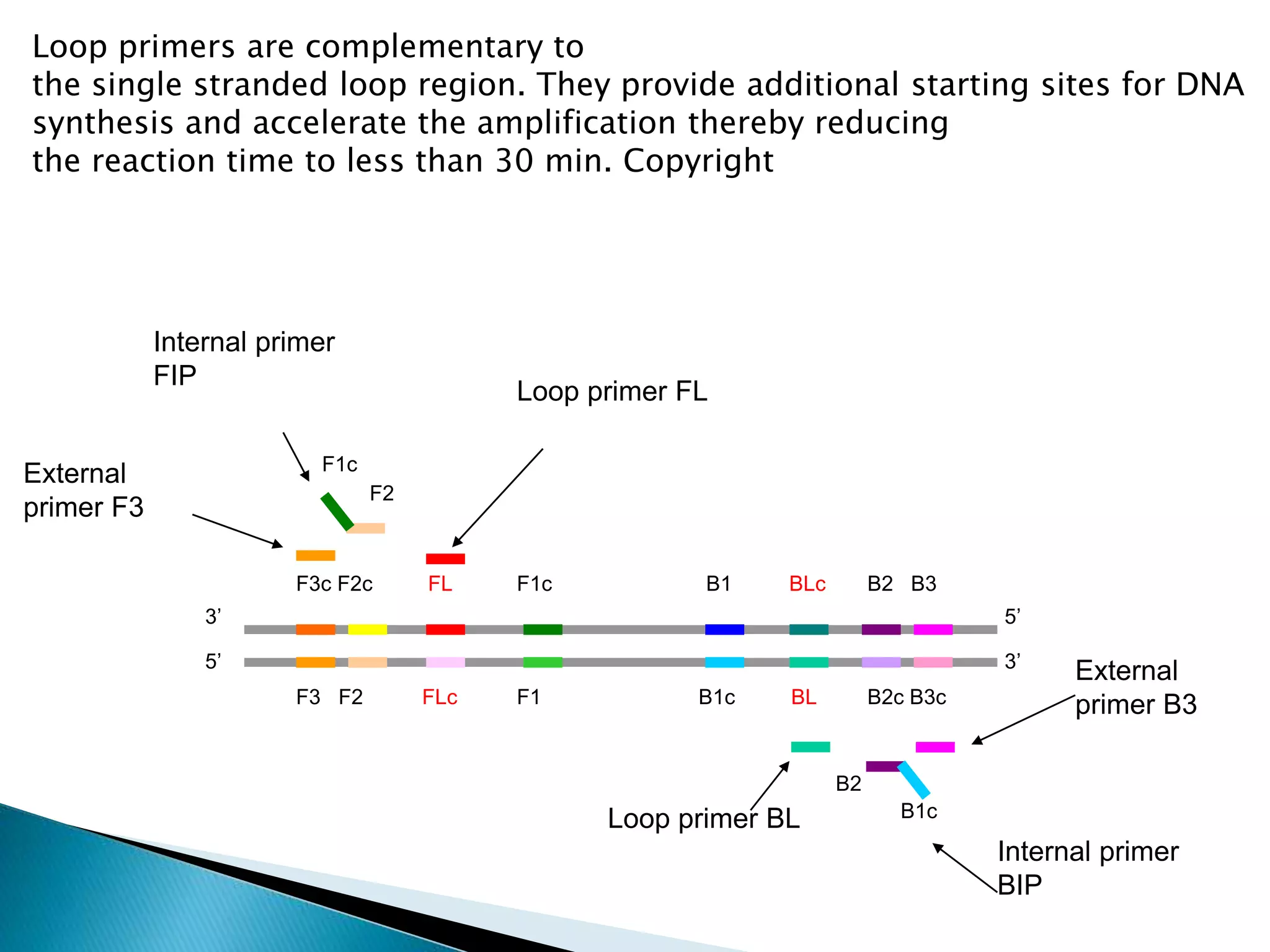
Loop primers are complementary to
the single stranded loop region. They provide additional starting sites for DNA
synthesis and accelerate the amplification thereby reducing
the reaction time to less than 30 min. Copyright
24
25
 The main advantage of this technique is its simplicity
 The reaction process proceeds at a constant temperature (60–65
°C) and is completed within 60 min
 All steps from amplification to detection are conducted within one
reaction tube under isothermal conditions prevent contamination
26
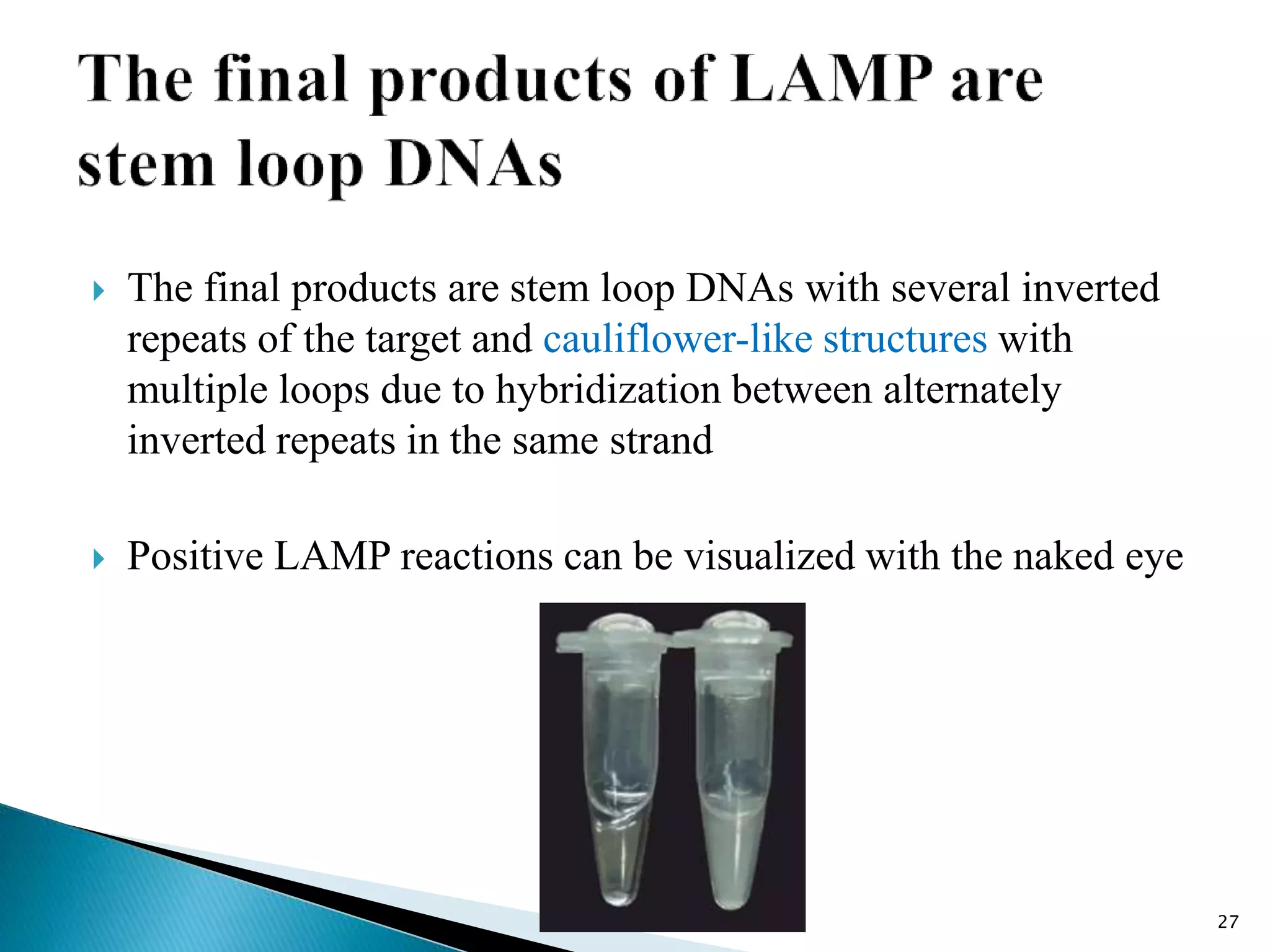
 The final products are stem loop DNAs with several inverted
repeats of the target and cauliflower-like structures with
multiple loops due to hybridization between alternately
inverted repeats in the same strand
 Positive LAMP reactions can be visualized with the naked eye
27
1. Isothermal conditions and no sophisticated equipment required
2. Both amplification and detection can be completed in single step
3. high efficiency
4. Increasing the concentration of pyrophosphate ions
5. Tolerance to some inhibitory
6. There is no need for DNA purification
7. Visual detection of the results
28
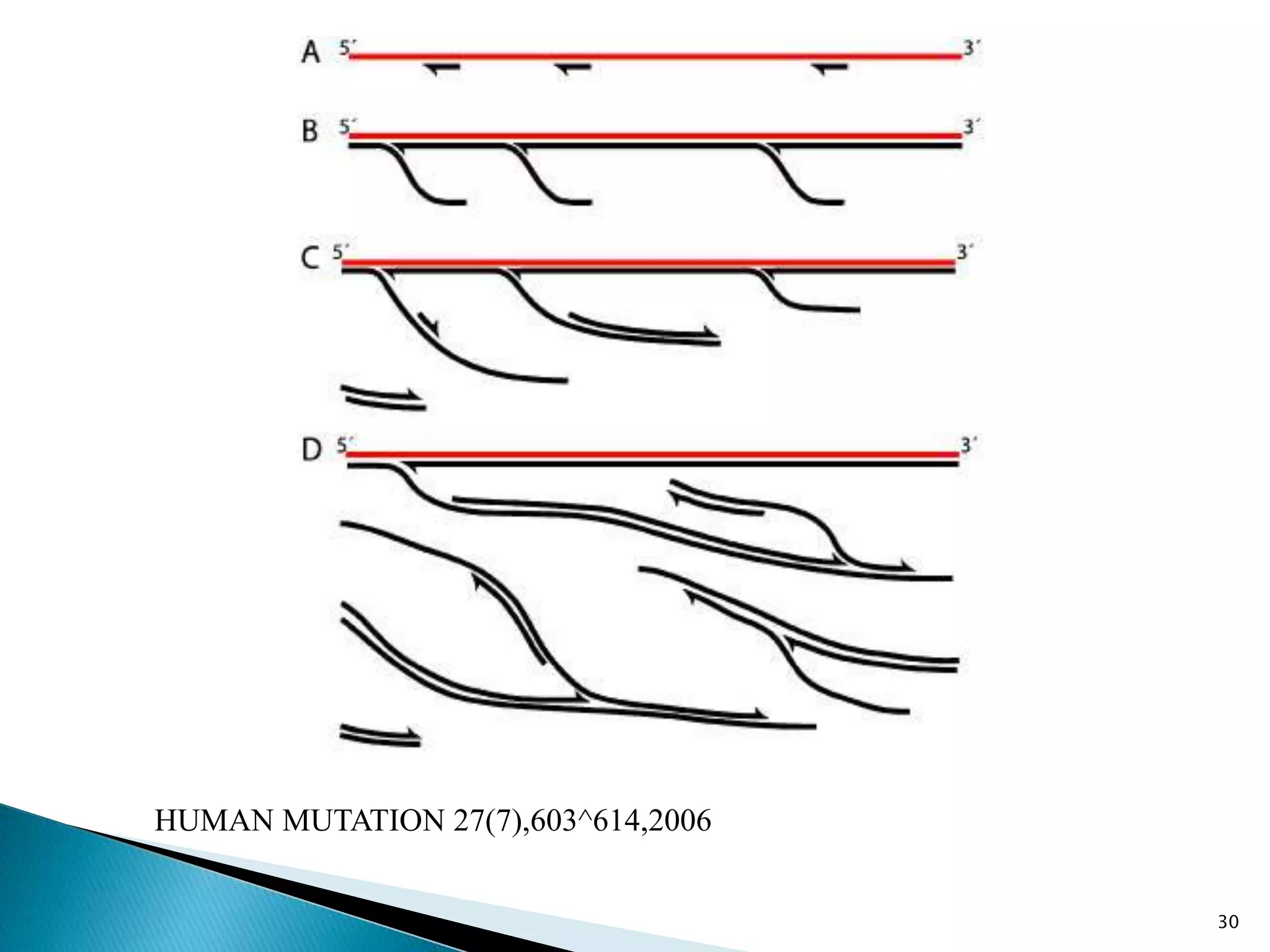
 Random hexamer primer for WGA
 Hyperbranched amplification of target DNA
 The yield is less dependent on the amount of input DNA
 because the reaction is self-limited, the yield will depend on the reaction
conditions and amount of reagents and hence on the reaction volume
29
30
HUMAN MUTATION 27(7),603^614,2006
 MDA can be performed directly on crude samples and
eliminates the need for an initial DNA purification step
 Sample with degraded DNA
 RCA-RCA(restriction and circularization-aided rolling circle
amplification)
31
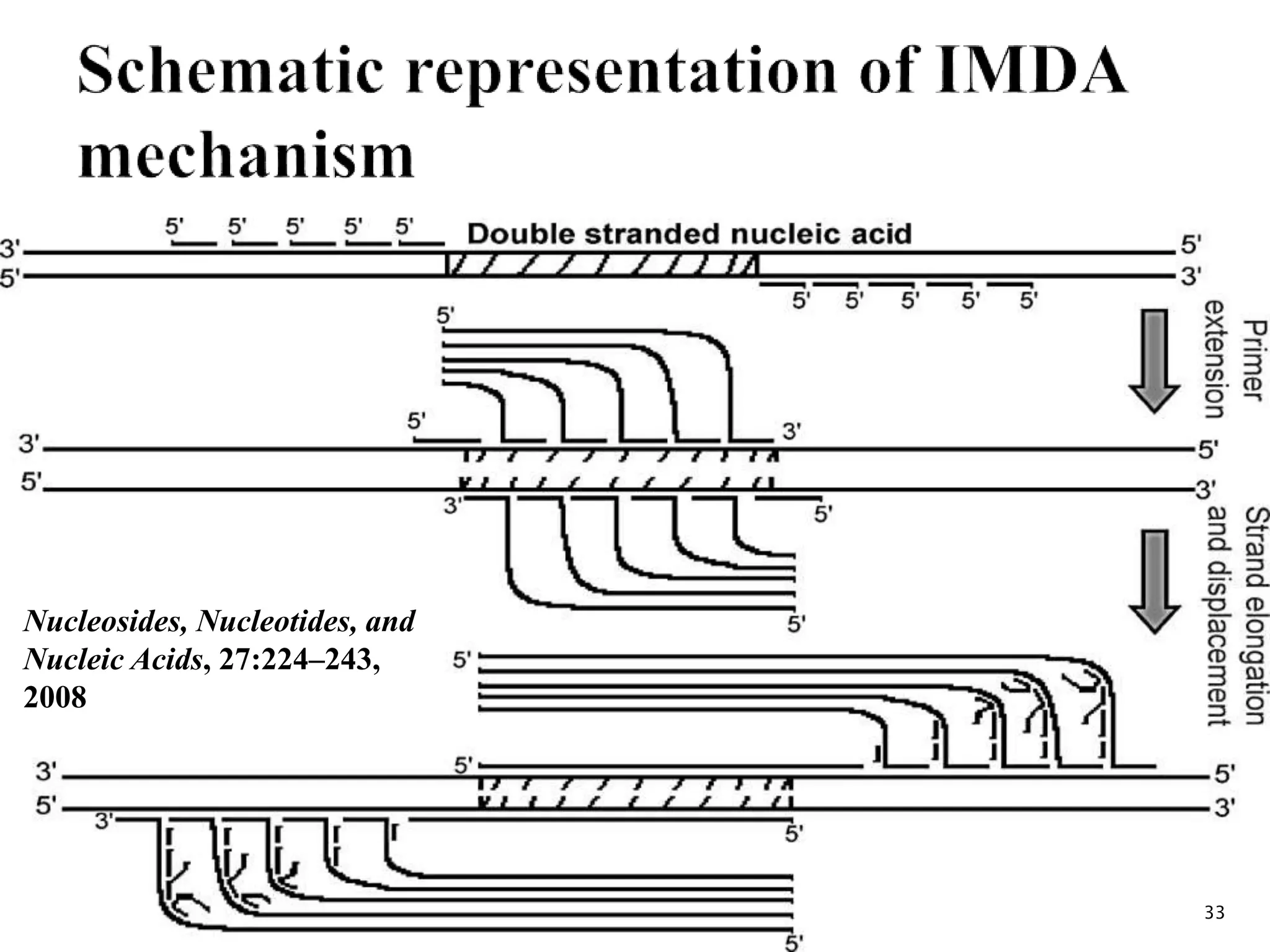
 Replication of the NA sequences by multiple primers
 In one preferred form of the method, two sets of primers are used, a right
set and a left set
 In another preferred form of the method, referred to as whole genome
strand displacement amplification, a random set of primers is used to
randomly prime a sample of genomic NA
 The MDA products from a single cell have also been successfully used in
array CGH experiments, which usually require a relatively large amount of
amplified DNA
32
33
Nucleosides, Nucleotides, and
Nucleic Acids, 27:224–243,
2008
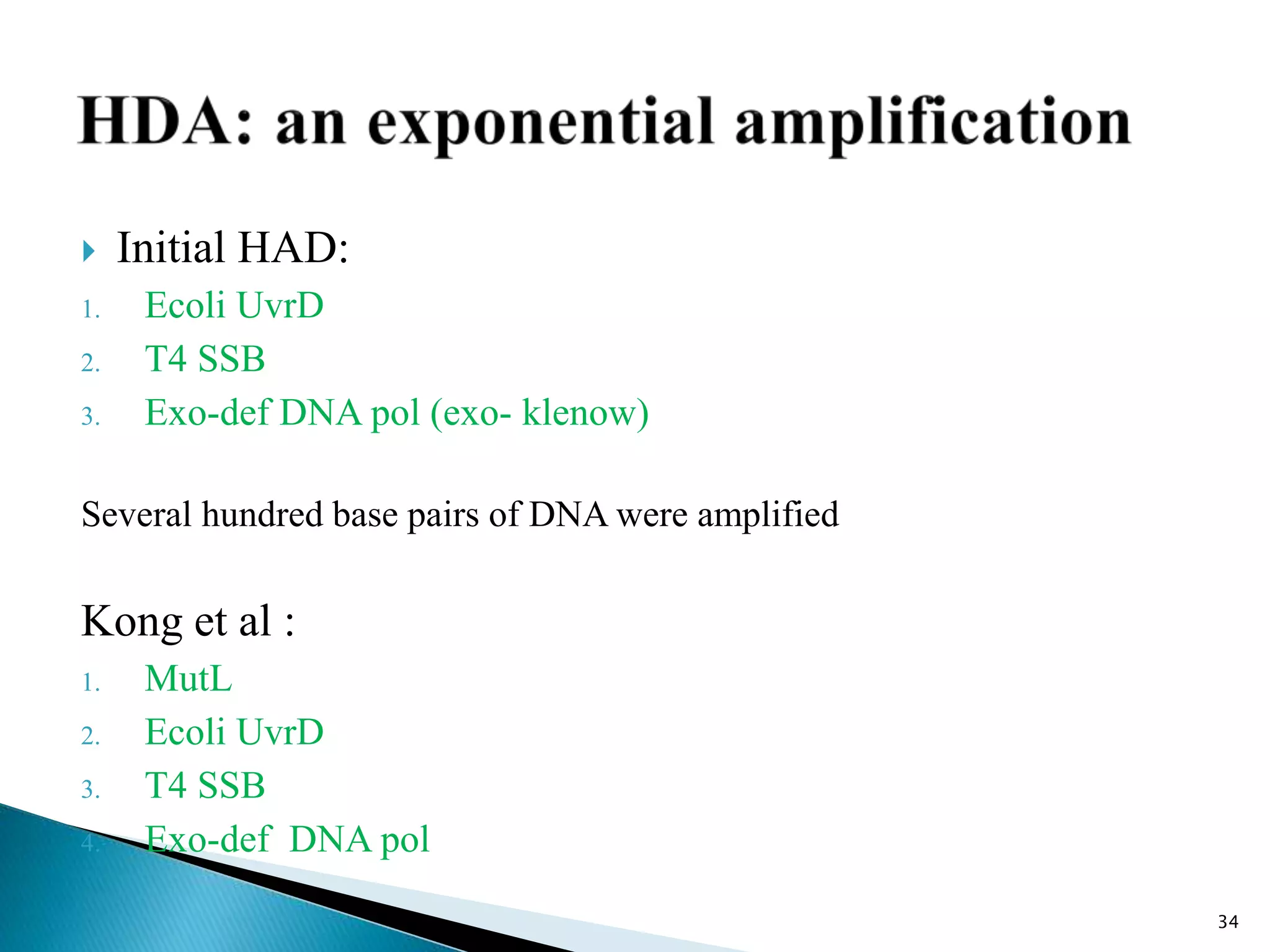
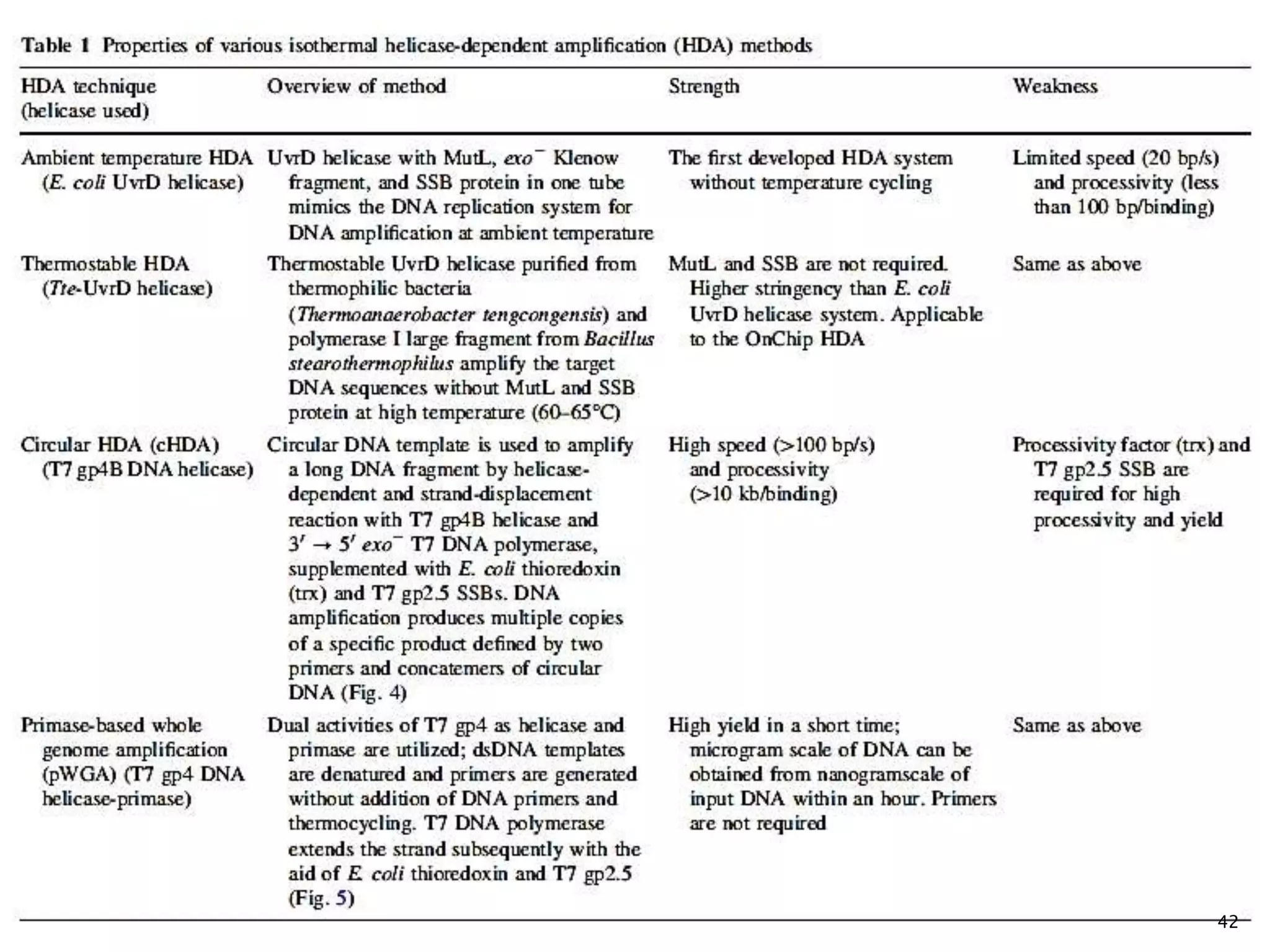
 Initial HAD:
1. Ecoli UvrD
2. T4 SSB
3. Exo-def DNA pol (exo- klenow)
Several hundred base pairs of DNA were amplified
Kong et al :
1. MutL
2. Ecoli UvrD
3. T4 SSB
4. Exo-def DNA pol
34
35
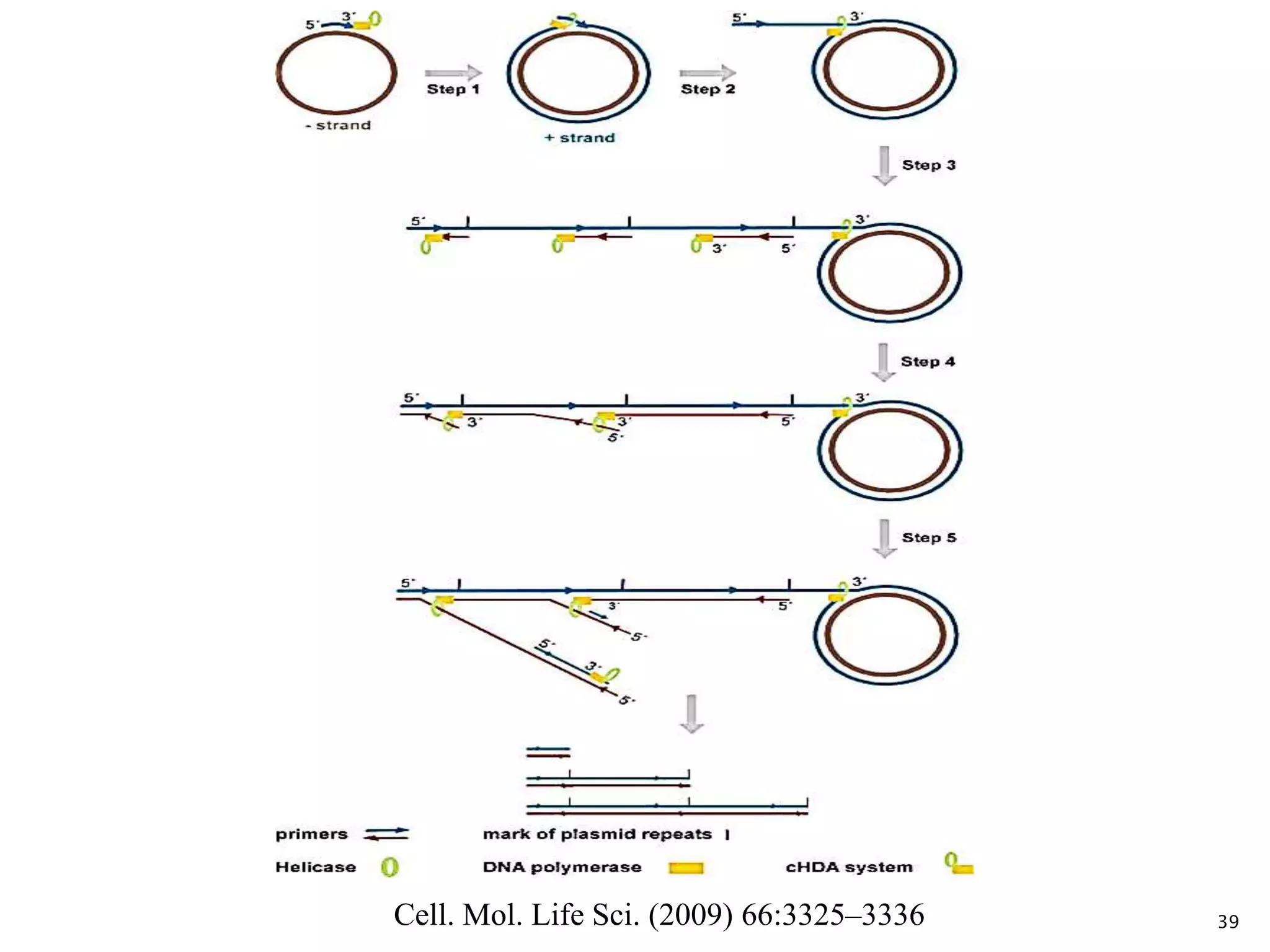
Cell. Mol. Life Sci. (2009) 66:3325–3336
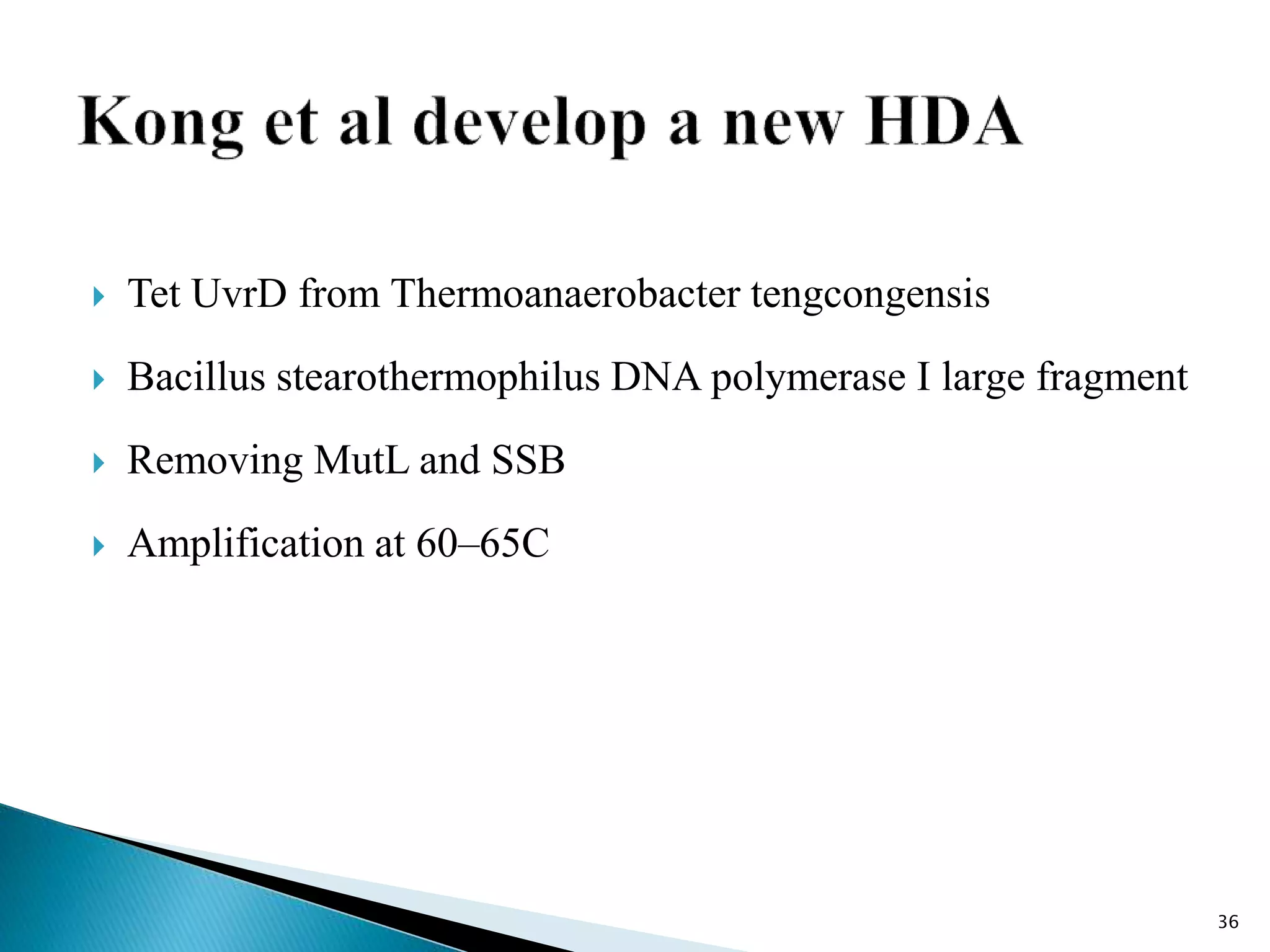
 Tet UvrD from Thermoanaerobacter tengcongensis
 Bacillus stearothermophilus DNA polymerase I large fragment
 Removing MutL and SSB
 Amplification at 60–65C
36
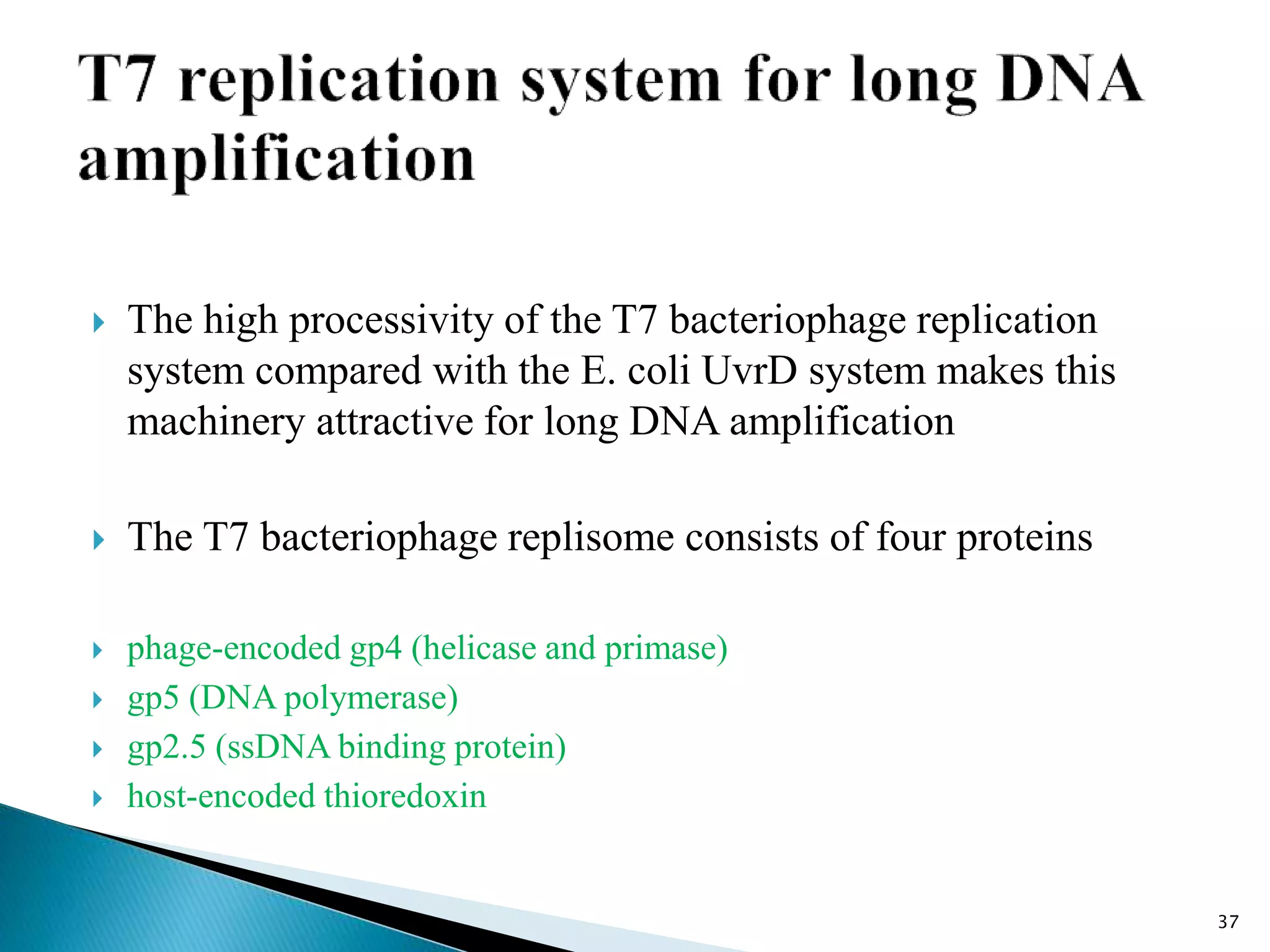
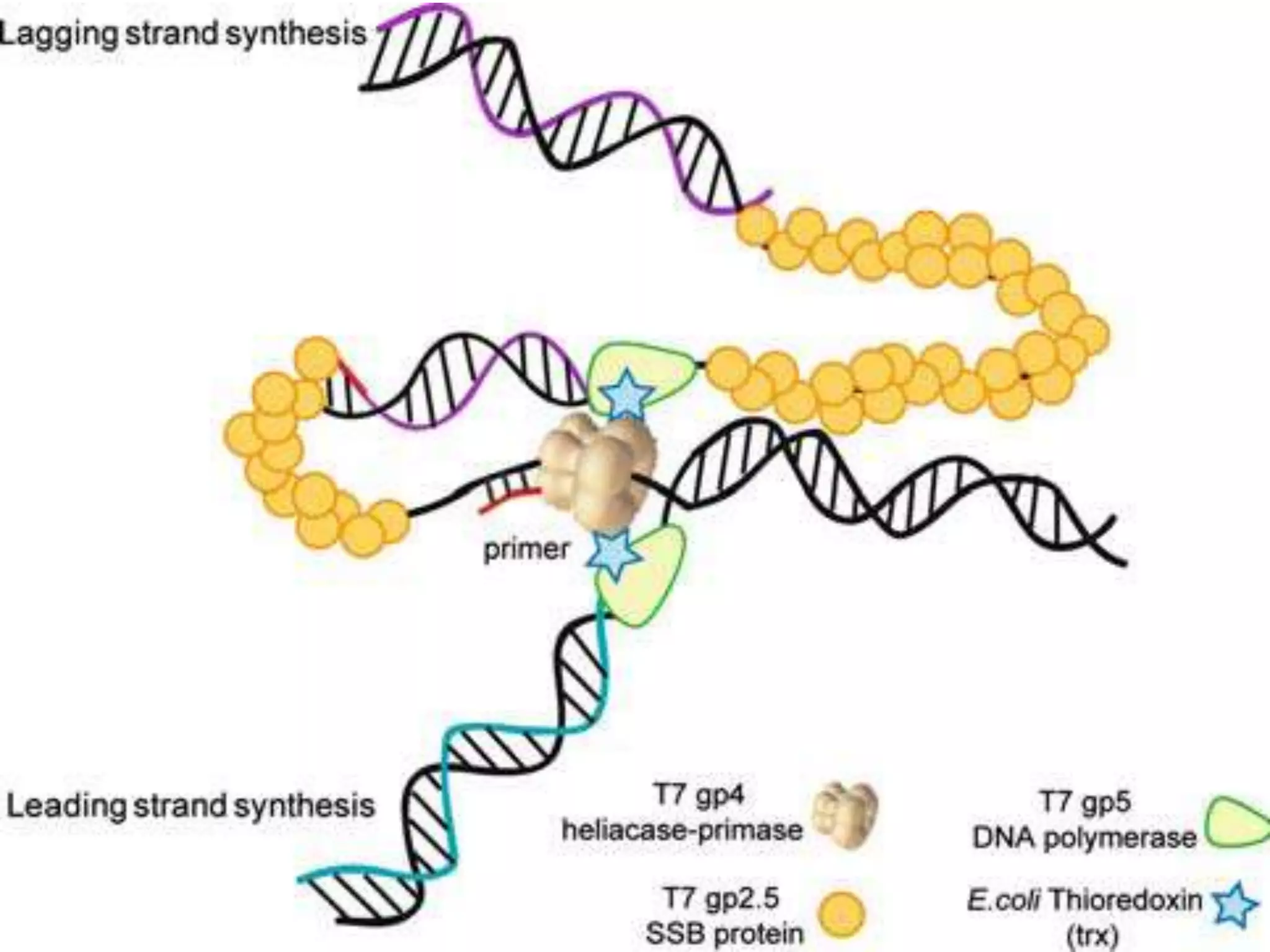
 The high processivity of the T7 bacteriophage replication
system compared with the E. coli UvrD system makes this
machinery attractive for long DNA amplification
 The T7 bacteriophage replisome consists of four proteins
 phage-encoded gp4 (helicase and primase)
 gp5 (DNA polymerase)
 gp2.5 (ssDNA binding protein)
 host-encoded thioredoxin
37
38
39Cell. Mol. Life Sci. (2009) 66:3325–3336
 Using primase-based whole genome amplification (pWGA)
microgram quantities of DNA product could be obtained from
nanogram quantities of input DNA within an hour
 More importantly, elimination of primer annealing reduces the
risk of amplification bias due to uneven annealing of the added
primers.
40
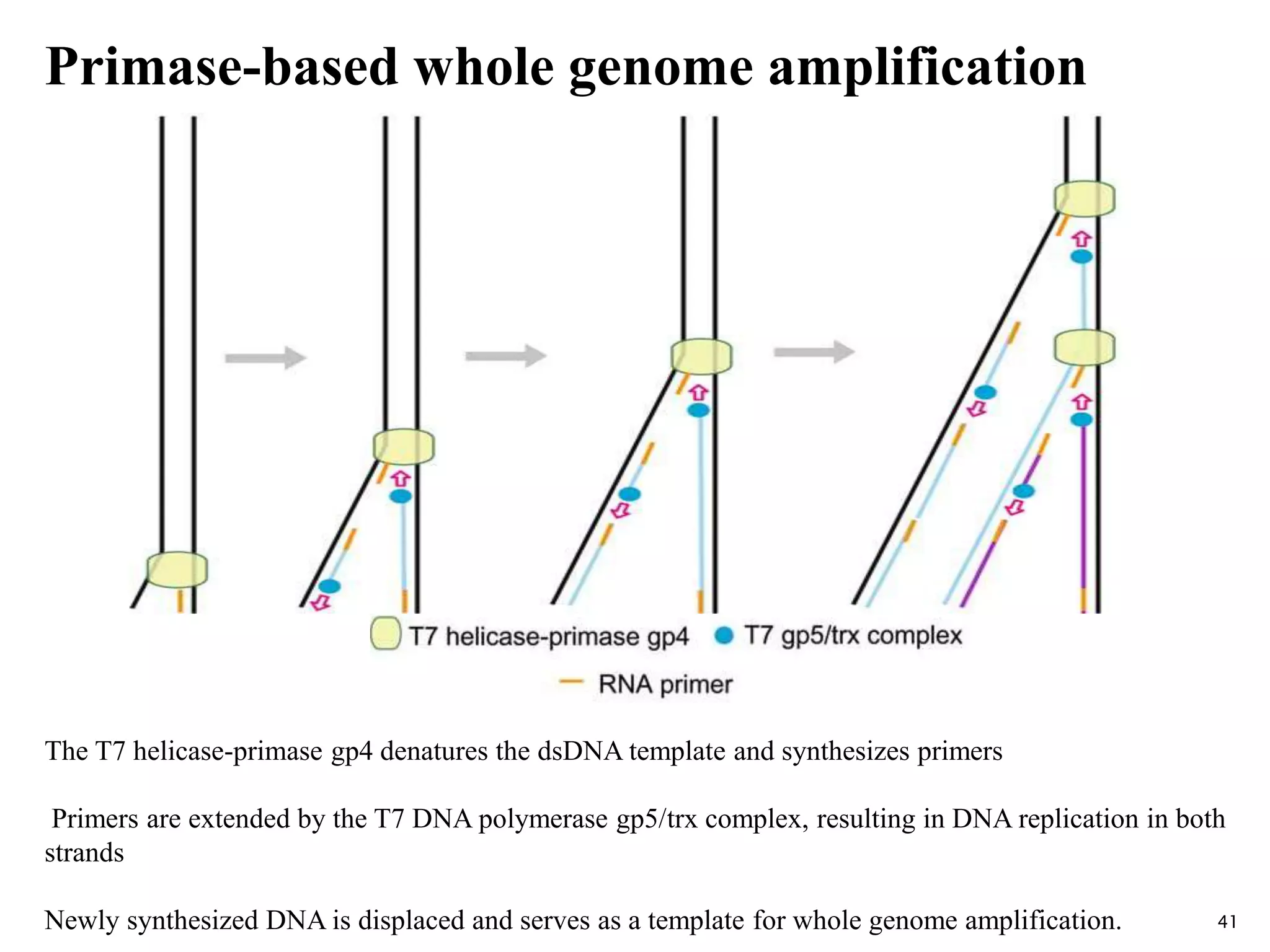
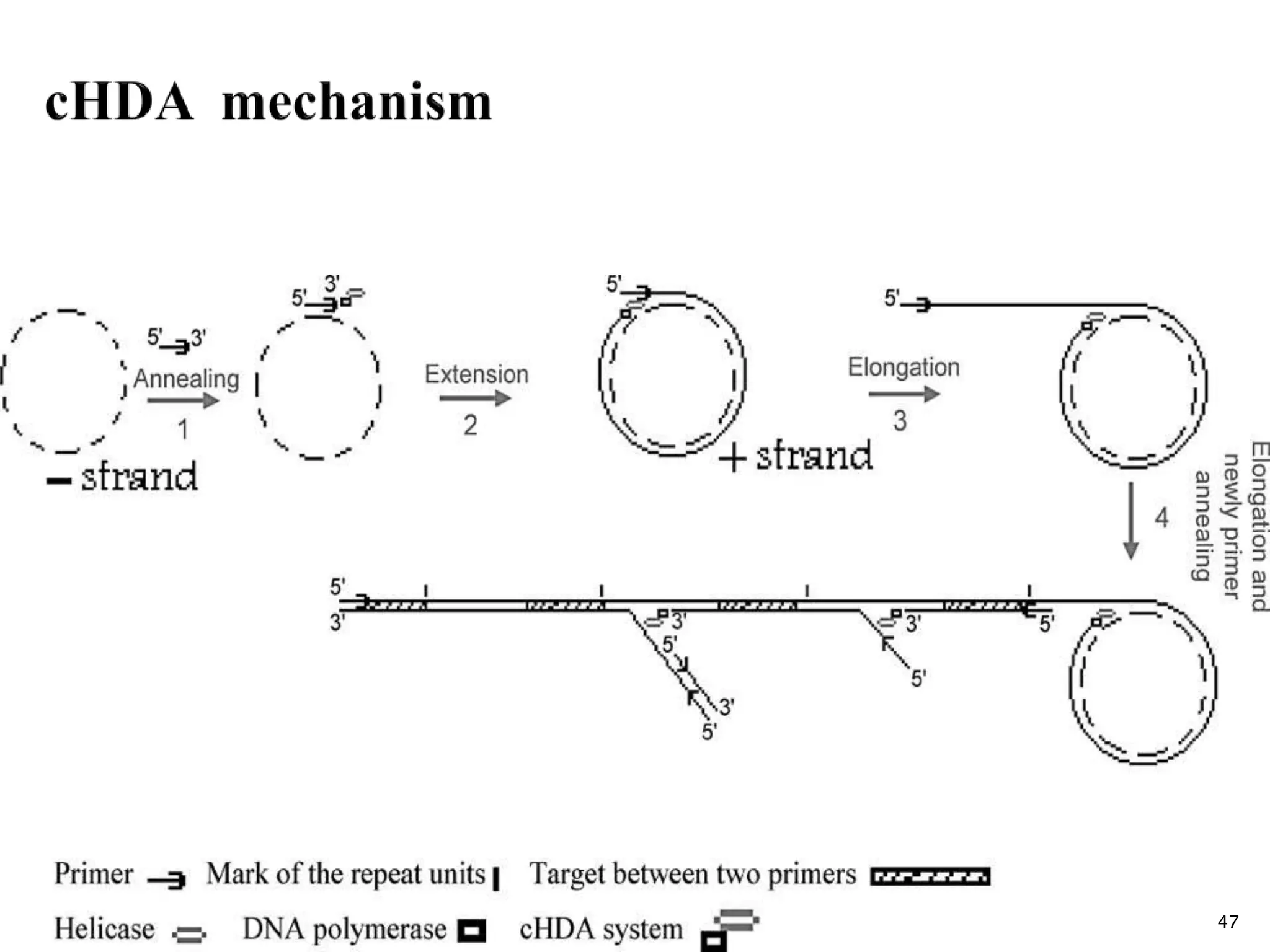
The T7 helicase-primase gp4 denatures the dsDNA template and synthesizes primers
Primers are extended by the T7 DNA polymerase gp5/trx complex, resulting in DNA replication in both
strands
Newly synthesized DNA is displaced and serves as a template for whole genome amplification. 41
Primase-based whole genome amplification
42
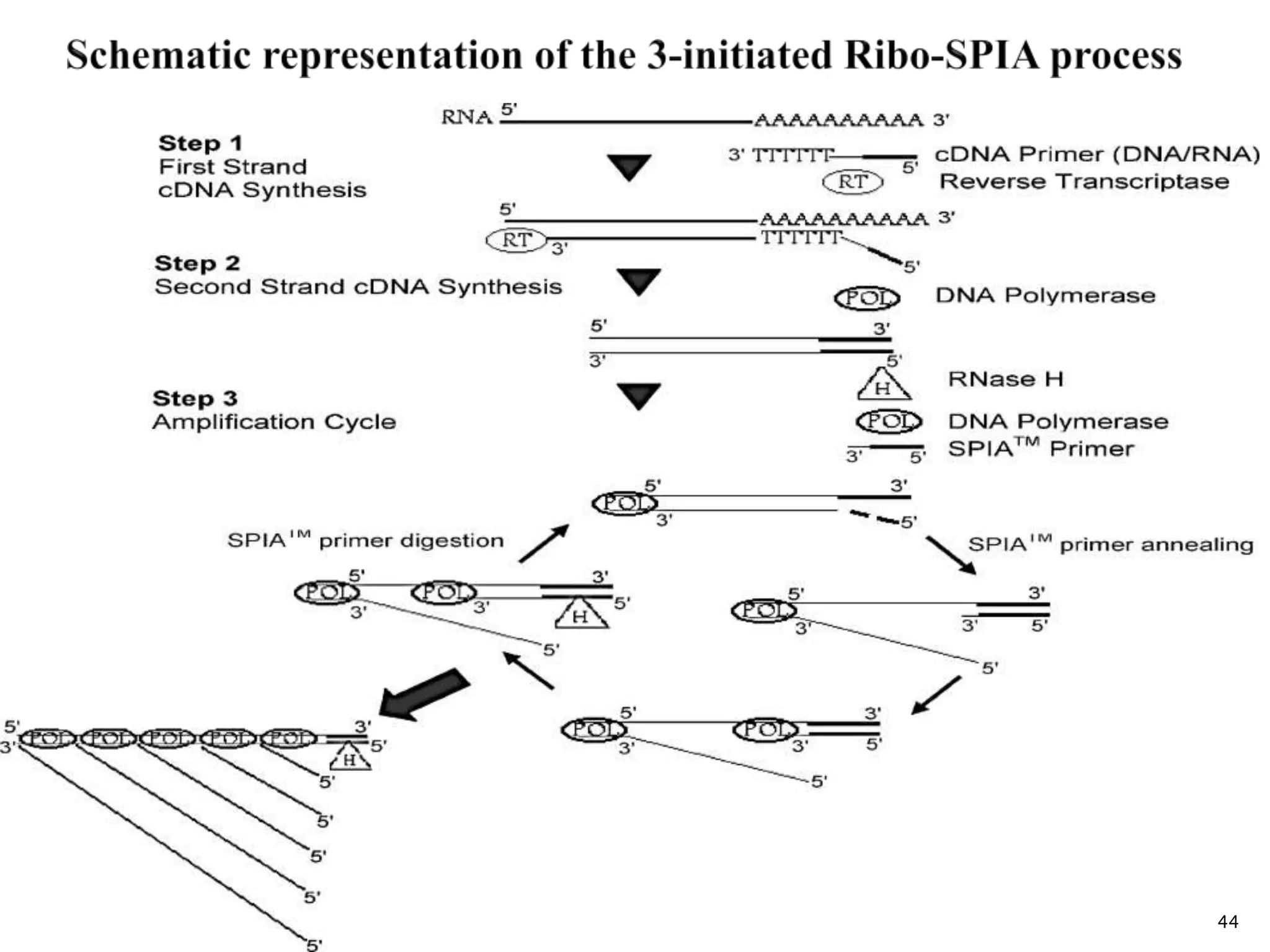
1. A single, target-specific chimeric primer
2. RNase H
3. DNA pol with a strong strand displacement activity
4. In Ribo-SPIA (for RNA amplification)RT is also added
43
44
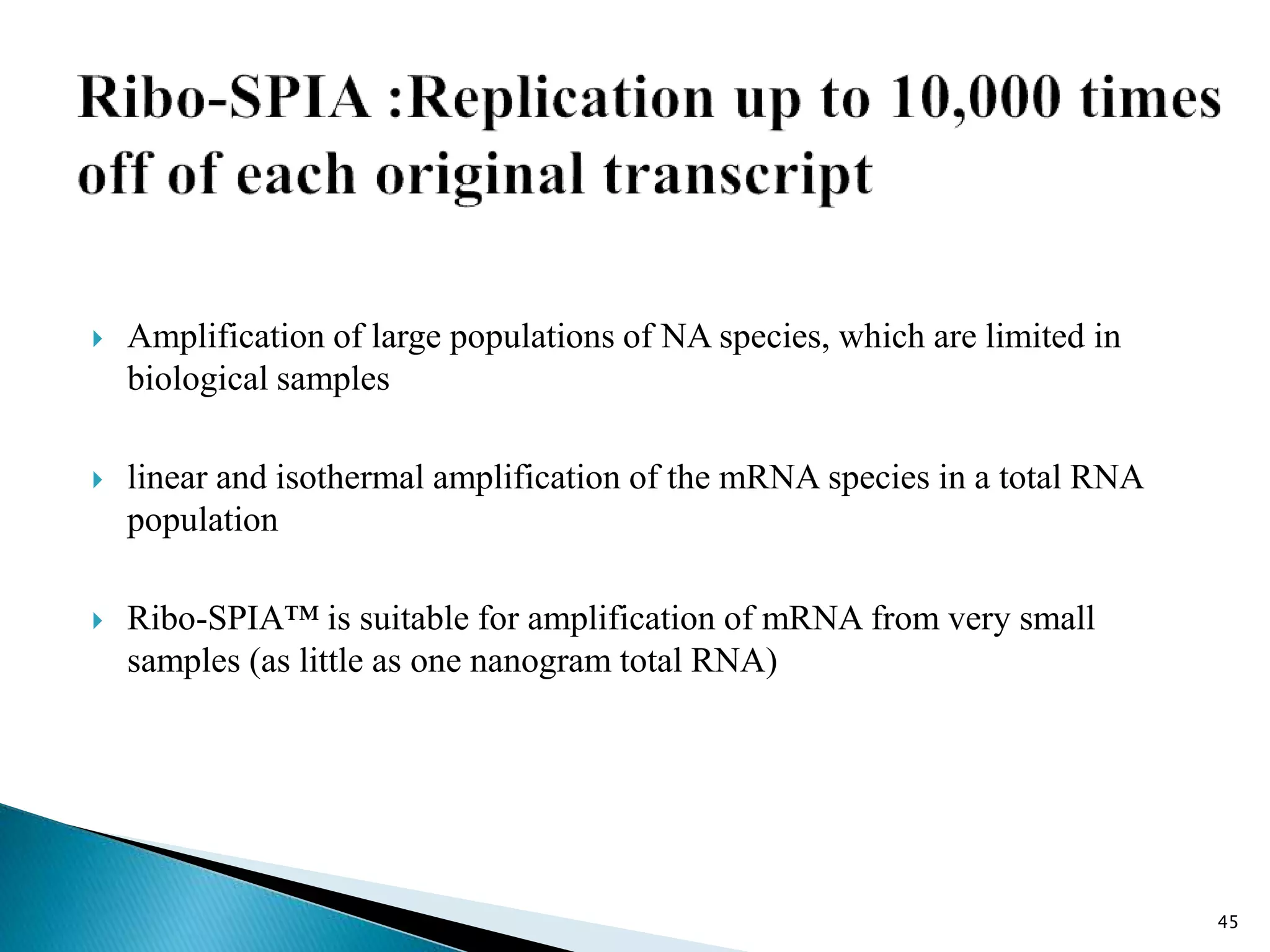
 Amplification of large populations of NA species, which are limited in
biological samples
 linear and isothermal amplification of the mRNA species in a total RNA
population
 Ribo-SPIA™ is suitable for amplification of mRNA from very small
samples (as little as one nanogram total RNA)
45
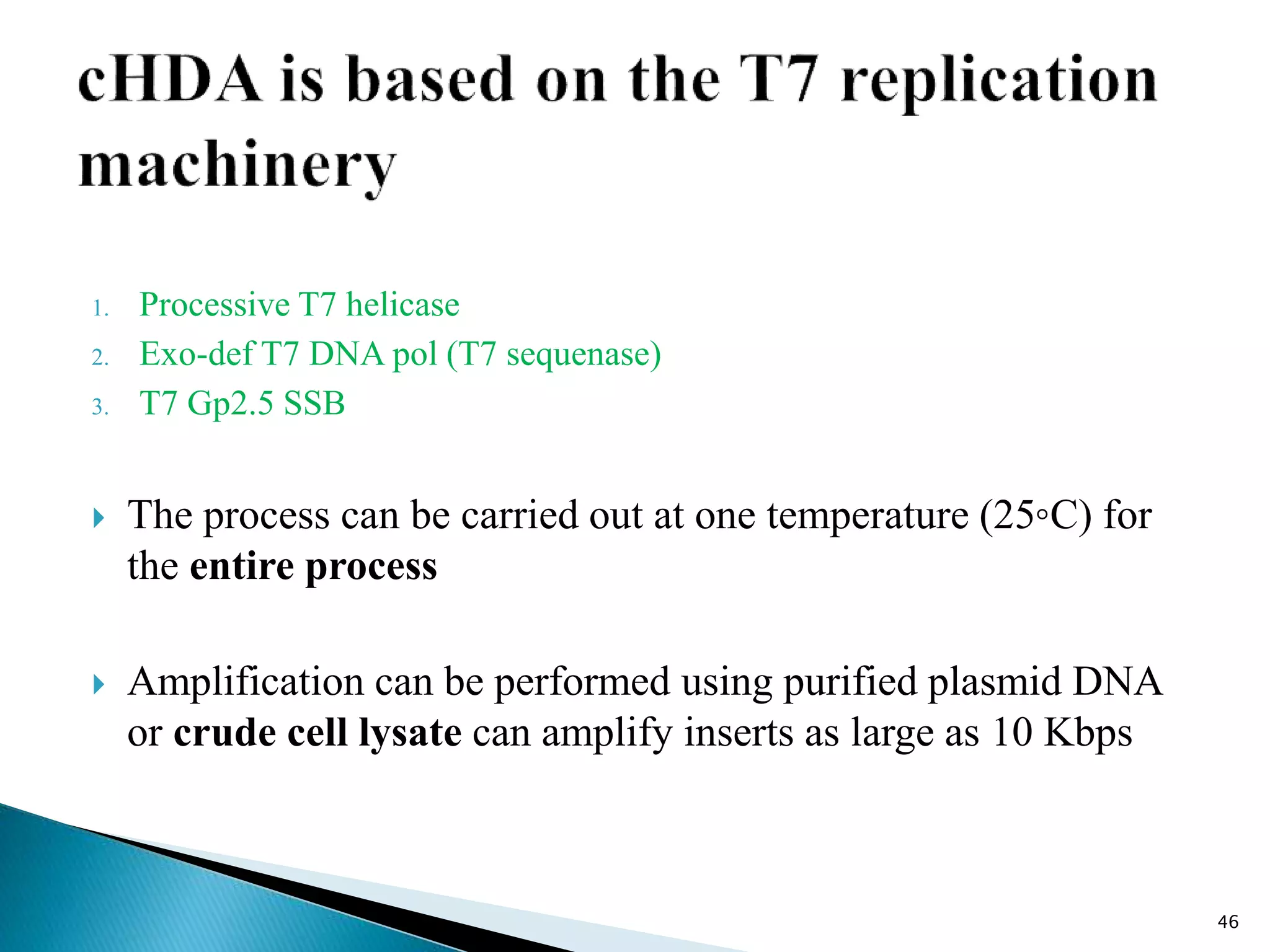
1. Processive T7 helicase
2. Exo-def T7 DNA pol (T7 sequenase)
3. T7 Gp2.5 SSB
 The process can be carried out at one temperature (25◦C) for
the entire process
 Amplification can be performed using purified plasmid DNA
or crude cell lysate can amplify inserts as large as 10 Kbps
46
47
48
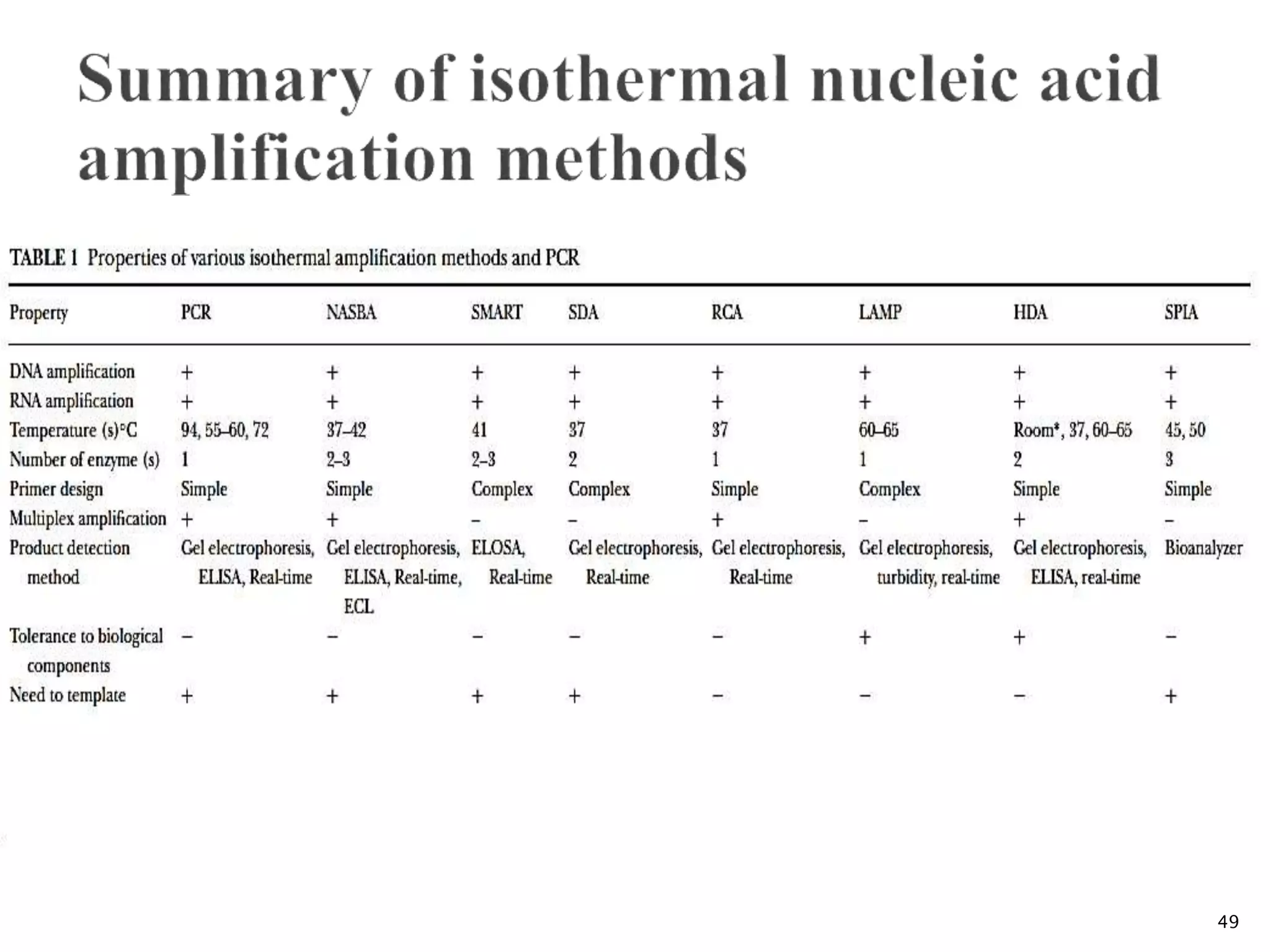
49
1. Kost, G. J. (2002). Goals, guidelines, and principles for point-of-care testing. Kost GJ (ed), 3-12.
2. Lovmar, Lovisa, and Ann‐Christine Syvänen. "Multiple displacement amplification to create a long‐lasting source of
DNA for genetic studies." Human mutation 27.7 (2006): 603-614.
3. Hall, M. J., et al. "Use of signal-mediated amplification of RNA technology (SMART) to detect marine cyanophage
DNA." Biotechniques 32.3 (2002): 604-611.
4. Jeong, Yong-Joo, Kkothanahreum Park, and Dong-Eun Kim. "Isothermal DNA amplification in vitro: the helicase-
dependent amplification system." Cellular and molecular life sciences 66.20 (2009): 3325-3336.
5. Lasken, Roger S. "Single-cell genomic sequencing using multiple displacement amplification." Current opinion in
microbiology 10.5 (2007): 510-516.
6. Zhao, Weian, et al. "Rolling circle amplification: applications in nanotechnology and biodetection with functional
nucleic acids." Angewandte Chemie International Edition 47.34 (2008): 6330-6337.
7. Gill, Pooria, and Amir Ghaemi. "Nucleic acid isothermal amplification technologies—a review." Nucleosides,
Nucleotides, and Nucleic Acids 27.3 (2008): 224-243.
8. Fakruddin, Md, et al. "Nucleic acid amplification: Alternative methods of polymerase chain reaction." Journal of
pharmacy & bioallied sciences 5.4 (2013): 245.
9. Polidoros, Alexios N., Konstantinos Pasentsis, and Athanasios S. Tsaftaris. "Rolling circle amplification-RACE: a
method for simultaneous isolation of 5'and 3'cDNA ends from amplified cDNA templates." Biotechniques 41.1 (2006):
35.
50
51
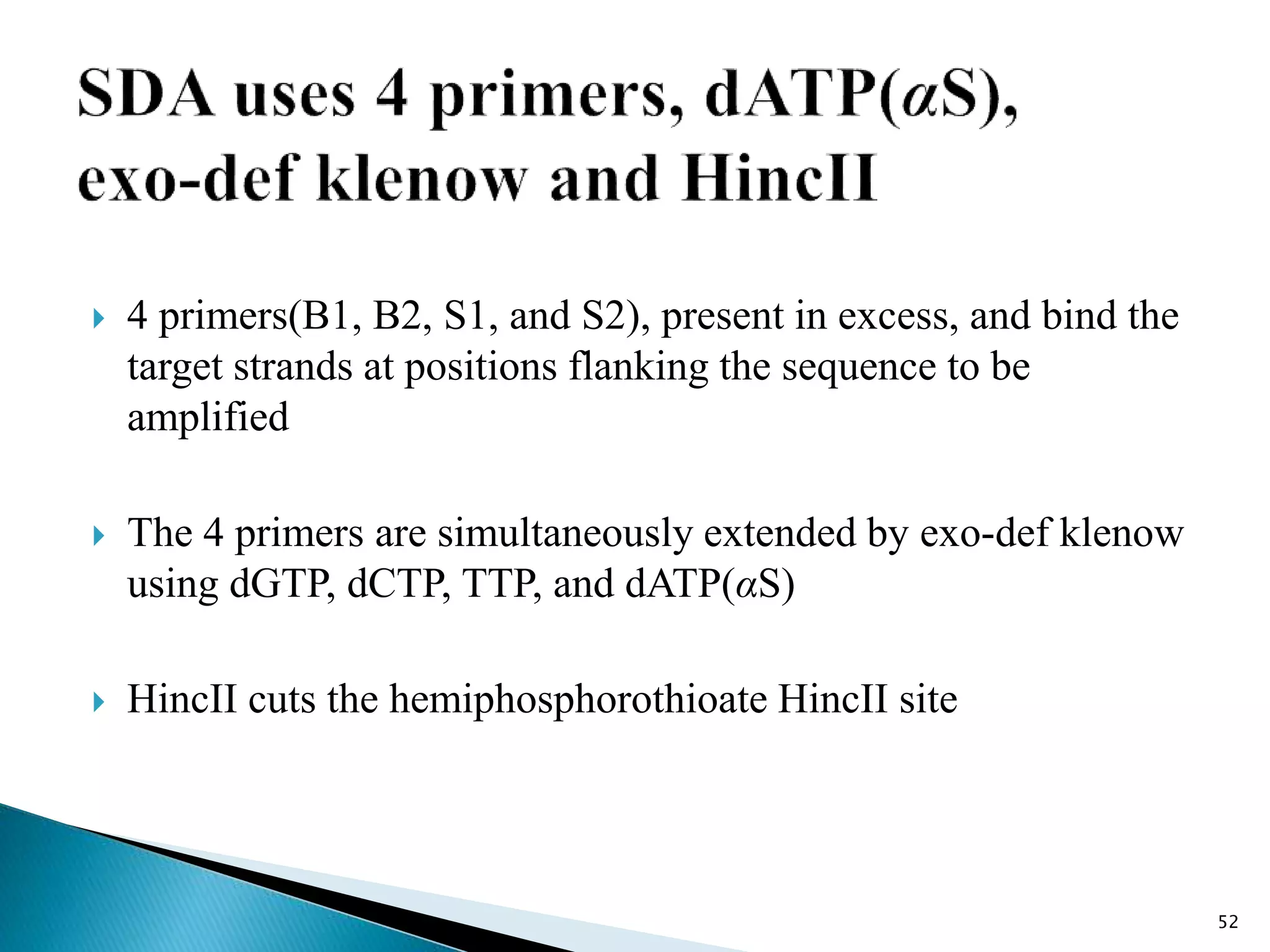
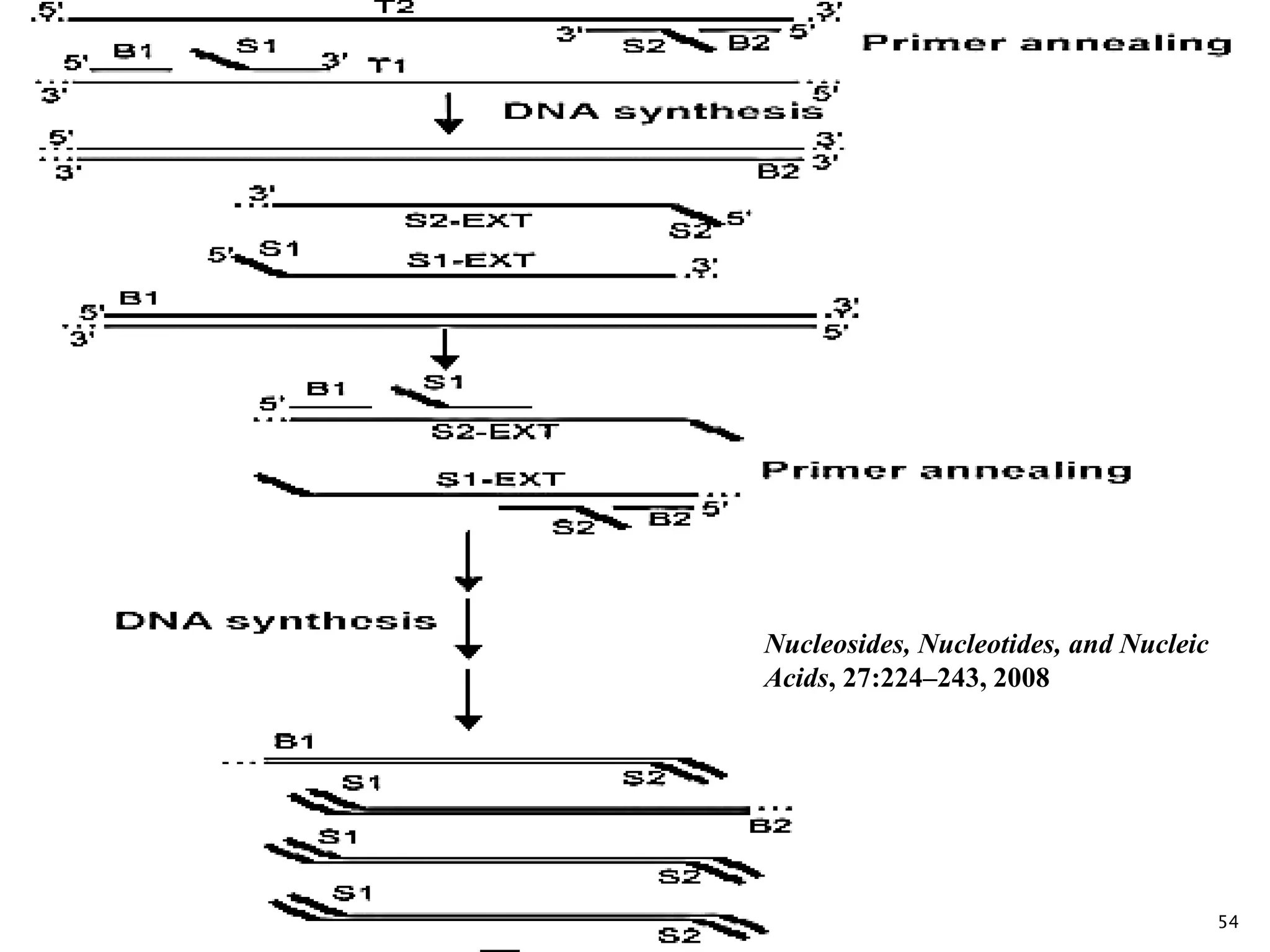
 4 primers(B1, B2, S1, and S2), present in excess, and bind the
target strands at positions flanking the sequence to be
amplified
 The 4 primers are simultaneously extended by exo-def klenow
using dGTP, dCTP, TTP, and dATP(αS)
 HincII cuts the hemiphosphorothioate HincII site
52
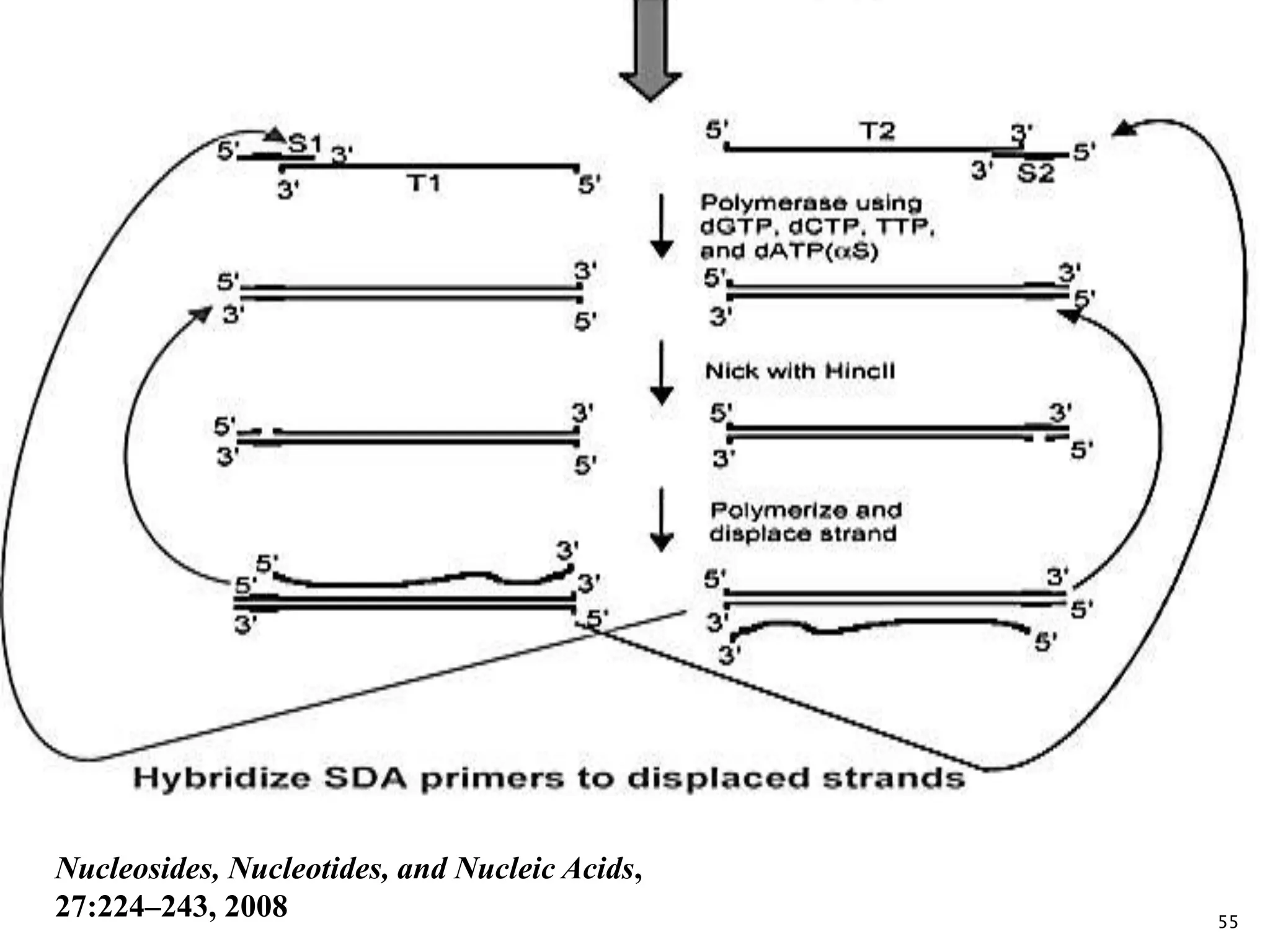
 RE nicks the unmodified strand of its target and an exo-def DNA pol
extends the 3’ end at the nick and displace the downstream strand
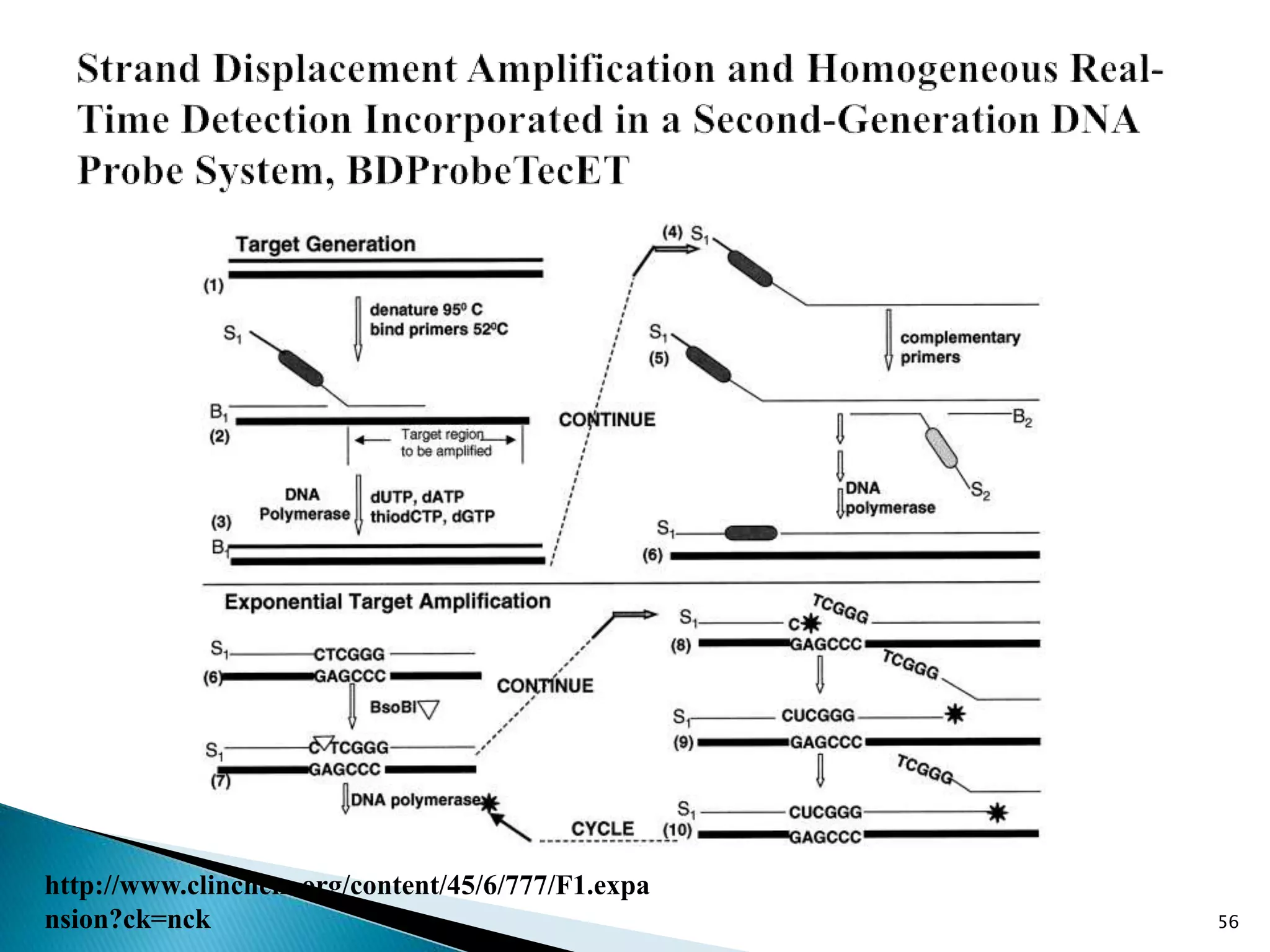
 BDProbeTec™ ET System: SDA technology has been used mainly for
clinical diagnosis of infectious diseases such as chlamydia and gonorrhea
 SDA products are hybridized with a fluorescent detector probe and are
captured by a chemiluminescent assay
 Greater sensitivity than previous techniques (direct probes, enzyme
immunoassays (EIA) and culture)
53
54
Nucleosides, Nucleotides, and Nucleic
Acids, 27:224–243, 2008
55
Nucleosides, Nucleotides, and Nucleic Acids,
27:224–243, 2008
56
http://www.clinchem.org/content/45/6/777/F1.expa
nsion?ck=nck
57
58

Isothermal Nucleic Acid Amplification Techniques

  • 1.
  • 2.
    Isothermal Nucleic AcidAmplification Techniques 2
  • 3.
  • 4.
    TMA : Transcriptionmediated amplification NASBA : Nucleic acid sequence based amplification SMART : Signal mediated amplification of RNA technology SDA : Strand displacement amplification RCA : Rolling circle amplification MPRCA : Multiply-primed rolling circle amplification LAMP : Loop-mediated isothermal amplification IMDA : Isothermal multiple displacement amplification HDA : Helicase-dependent amplification SPIA : Single primer isothermal amplification cHDA : Circular Helicase-dependent amplification RAM : Ramification amplification method 4
  • 5.
    3WJ : Three-wayjunction S1-ext : S1 primer extension product SSB : Single-stranded DNA binding protein ELISA : Enzyme-linked immunosorbent assay ELOSA : Enzyme-linked oligosorbent assay ECL : Electrochemiluminescence POCT : Point-of-care testing or bed-side testing is defined as medical testing at or near the site of patient care Φ29 Pol : DNA Polymerase from the Bacillus subtilis phage phi29 with exceptional strand displacement and processive synthesis properties and inherent 3´→5' proofreading exonuclease activity SS : single strand NA : nucleic acid Pol: polymerase RE : restriction enzyme exo-def : exonuclease deficient Kbps : kilo base pairs 3SR : self-sustained sequence replication 5
  • 6.
     NA amplificationis a pivotal process in biotech and molecular biology and has been widely used in research, medicine, agriculture and forensics.  PCR is the preferred method but has limitations, including: 1. High cost of equipment 2. Contamination chances 3. Sensitivity to certain classes of contaminants and inhibitors 4. Can not be use in POCT 6
  • 7.
     RNA polto make RNA from a promoter engineered in the primer  RNase H removes the RNA from cDNA without the heat- denaturation, Thus the thermocycling step has been eliminated, generating an isothermal amplification method named 3SR  FDA has approved the technique in NucliSence formulation (NASBAECL) for molecular detection of some microorganisms such as HCV and HIV-1 7
  • 8.
    1. Gel electrophoresis 2.Fluorescence probes (real-time NASBA) 3. Colorimetric assay (NASBA-ELISA) 4. ECL 8
  • 9.
  • 10.
  • 11.
     The targetsequence is not itself amplified  Based on the formation of 3WJ  Two probes that hybridize to the target at adjacent positions  The overlap between the two probes is only 8 bp  The 3’ ends of the templates and facilitators are blocked to prevent extension  Bst DNA pol extends the short probe to produce a ds T7 promoter 11
  • 12.
  • 13.
     T7 RNApol generates a signal, RNA1 (3)  RNA1 anneals to a second template (RNA amplification probe)  This leads to further extension and transcription by the DNA and RNA polymerases to generate increased amounts of a second signal, RNA2 (4) 13
  • 14.
  • 15.
     The enddetection method uses a 96-well format, measuring color change in a standard plate reader  Therefore, multiple samples may be quantified simultaneously with no need for gel analysis 15
  • 16.
     Phi 29DNA pol extends a circle-hybridized primer by continuously progressing around the circular DNA probe of several dozen nucleotides  The SS nature of amplicons in case of linear RCA may be beneficial for subsequent manipulations 16
  • 17.
    17 Ligation reaction ofpadlock probes on RNA templates is not as efficient as on DNA templates Therefore it may be difficult to utilize conventional RCA for RNA detection yet Biosensors 2013, 3, 18-43
  • 18.
     MPRCA usesphi29 pol and random primers to achieve a 10,000-fold amplification  RCA-based approaches have recently been attracting attention of diagnostics-oriented biotech companies and research centers for:  Gene tests and immunoassays  SNP scoring  Sequencing template preparation  Single-cell analysis systems  Gene expression studies 18
  • 19.
  • 20.
  • 21.
    In 2000, Notomi,T. et al. reported a new method, termed LAMP, that amplifies DNA with high specificity, efficiency and rapidity under isothermal conditions. 21
  • 22.
    1. Bst DNApol 2. dNTPs 3. Specific primers (4-6) 4. Target DNA template  Use of 4–6 different primers to recognize 6-8 distinct regions  The outer primers are known as F3 and B3  inner primers are forward inner primer (FIB) and backward inner primer (BIP) 22
  • 23.
    External primer F3 Internal primer FIP External primerB3 Internal primer BIP Loop primer FL Loop primer BL F3c F2c B2c B3cF3 F2 B2 B3 3’ 5’ 5’ 3’ F1c F2 B2 B1c F1c F1 B1 B1c FL FLc BLc BL Loop primers are complementary to the single stranded loop region. They provide additional starting sites for DNA synthesis and accelerate the amplification thereby reducing the reaction time to less than 30 min. Copyright
  • 24.
  • 25.
  • 26.
     The mainadvantage of this technique is its simplicity  The reaction process proceeds at a constant temperature (60–65 °C) and is completed within 60 min  All steps from amplification to detection are conducted within one reaction tube under isothermal conditions prevent contamination 26
  • 27.
     The finalproducts are stem loop DNAs with several inverted repeats of the target and cauliflower-like structures with multiple loops due to hybridization between alternately inverted repeats in the same strand  Positive LAMP reactions can be visualized with the naked eye 27
  • 28.
    1. Isothermal conditionsand no sophisticated equipment required 2. Both amplification and detection can be completed in single step 3. high efficiency 4. Increasing the concentration of pyrophosphate ions 5. Tolerance to some inhibitory 6. There is no need for DNA purification 7. Visual detection of the results 28
  • 29.
     Random hexamerprimer for WGA  Hyperbranched amplification of target DNA  The yield is less dependent on the amount of input DNA  because the reaction is self-limited, the yield will depend on the reaction conditions and amount of reagents and hence on the reaction volume 29
  • 30.
  • 31.
     MDA canbe performed directly on crude samples and eliminates the need for an initial DNA purification step  Sample with degraded DNA  RCA-RCA(restriction and circularization-aided rolling circle amplification) 31
  • 32.
     Replication ofthe NA sequences by multiple primers  In one preferred form of the method, two sets of primers are used, a right set and a left set  In another preferred form of the method, referred to as whole genome strand displacement amplification, a random set of primers is used to randomly prime a sample of genomic NA  The MDA products from a single cell have also been successfully used in array CGH experiments, which usually require a relatively large amount of amplified DNA 32
  • 33.
  • 34.
     Initial HAD: 1.Ecoli UvrD 2. T4 SSB 3. Exo-def DNA pol (exo- klenow) Several hundred base pairs of DNA were amplified Kong et al : 1. MutL 2. Ecoli UvrD 3. T4 SSB 4. Exo-def DNA pol 34
  • 35.
    35 Cell. Mol. LifeSci. (2009) 66:3325–3336
  • 36.
     Tet UvrDfrom Thermoanaerobacter tengcongensis  Bacillus stearothermophilus DNA polymerase I large fragment  Removing MutL and SSB  Amplification at 60–65C 36
  • 37.
     The highprocessivity of the T7 bacteriophage replication system compared with the E. coli UvrD system makes this machinery attractive for long DNA amplification  The T7 bacteriophage replisome consists of four proteins  phage-encoded gp4 (helicase and primase)  gp5 (DNA polymerase)  gp2.5 (ssDNA binding protein)  host-encoded thioredoxin 37
  • 38.
  • 39.
    39Cell. Mol. LifeSci. (2009) 66:3325–3336
  • 40.
     Using primase-basedwhole genome amplification (pWGA) microgram quantities of DNA product could be obtained from nanogram quantities of input DNA within an hour  More importantly, elimination of primer annealing reduces the risk of amplification bias due to uneven annealing of the added primers. 40
  • 41.
    The T7 helicase-primasegp4 denatures the dsDNA template and synthesizes primers Primers are extended by the T7 DNA polymerase gp5/trx complex, resulting in DNA replication in both strands Newly synthesized DNA is displaced and serves as a template for whole genome amplification. 41 Primase-based whole genome amplification
  • 42.
  • 43.
    1. A single,target-specific chimeric primer 2. RNase H 3. DNA pol with a strong strand displacement activity 4. In Ribo-SPIA (for RNA amplification)RT is also added 43
  • 44.
  • 45.
     Amplification oflarge populations of NA species, which are limited in biological samples  linear and isothermal amplification of the mRNA species in a total RNA population  Ribo-SPIA™ is suitable for amplification of mRNA from very small samples (as little as one nanogram total RNA) 45
  • 46.
    1. Processive T7helicase 2. Exo-def T7 DNA pol (T7 sequenase) 3. T7 Gp2.5 SSB  The process can be carried out at one temperature (25◦C) for the entire process  Amplification can be performed using purified plasmid DNA or crude cell lysate can amplify inserts as large as 10 Kbps 46
  • 47.
  • 48.
  • 49.
  • 50.
    1. Kost, G.J. (2002). Goals, guidelines, and principles for point-of-care testing. Kost GJ (ed), 3-12. 2. Lovmar, Lovisa, and Ann‐Christine Syvänen. "Multiple displacement amplification to create a long‐lasting source of DNA for genetic studies." Human mutation 27.7 (2006): 603-614. 3. Hall, M. J., et al. "Use of signal-mediated amplification of RNA technology (SMART) to detect marine cyanophage DNA." Biotechniques 32.3 (2002): 604-611. 4. Jeong, Yong-Joo, Kkothanahreum Park, and Dong-Eun Kim. "Isothermal DNA amplification in vitro: the helicase- dependent amplification system." Cellular and molecular life sciences 66.20 (2009): 3325-3336. 5. Lasken, Roger S. "Single-cell genomic sequencing using multiple displacement amplification." Current opinion in microbiology 10.5 (2007): 510-516. 6. Zhao, Weian, et al. "Rolling circle amplification: applications in nanotechnology and biodetection with functional nucleic acids." Angewandte Chemie International Edition 47.34 (2008): 6330-6337. 7. Gill, Pooria, and Amir Ghaemi. "Nucleic acid isothermal amplification technologies—a review." Nucleosides, Nucleotides, and Nucleic Acids 27.3 (2008): 224-243. 8. Fakruddin, Md, et al. "Nucleic acid amplification: Alternative methods of polymerase chain reaction." Journal of pharmacy & bioallied sciences 5.4 (2013): 245. 9. Polidoros, Alexios N., Konstantinos Pasentsis, and Athanasios S. Tsaftaris. "Rolling circle amplification-RACE: a method for simultaneous isolation of 5'and 3'cDNA ends from amplified cDNA templates." Biotechniques 41.1 (2006): 35. 50
  • 51.
  • 52.
     4 primers(B1,B2, S1, and S2), present in excess, and bind the target strands at positions flanking the sequence to be amplified  The 4 primers are simultaneously extended by exo-def klenow using dGTP, dCTP, TTP, and dATP(αS)  HincII cuts the hemiphosphorothioate HincII site 52
  • 53.
     RE nicksthe unmodified strand of its target and an exo-def DNA pol extends the 3’ end at the nick and displace the downstream strand  BDProbeTec™ ET System: SDA technology has been used mainly for clinical diagnosis of infectious diseases such as chlamydia and gonorrhea  SDA products are hybridized with a fluorescent detector probe and are captured by a chemiluminescent assay  Greater sensitivity than previous techniques (direct probes, enzyme immunoassays (EIA) and culture) 53
  • 54.
    54 Nucleosides, Nucleotides, andNucleic Acids, 27:224–243, 2008
  • 55.
    55 Nucleosides, Nucleotides, andNucleic Acids, 27:224–243, 2008
  • 56.
  • 57.
  • 58.

Editor's Notes

  • #15 Two facilitator probes (f1 and f2) anneal to target sequences adjacent to the regions hybridizing to the extension and template probes, which improves the efficiency of three-way junction formation with double-stranded targets
  • #23 These advantages can be used to prevent contamination, which can occur in PCR during the transfer of samples containing amplicons from tubes to gels for electrophoretic confirmation Various sizes of loop between F2c and F1c and between B2c and B1c were examined and best results are given when loops of 40 nucleotides (40nt) or longer are used
  • #27 The F1c and B1c Tm values should be a little higher than those of F2 and B2 to form the looped out structure. The Tm values of the outer primers F3 and B3 have to be lower than those of F2 and B2 to assure that the inner primers start synthesis earlier than the outer primers. Additionally, the concentrations of the inner primers are higher than the concentrations of the outer primers (Notomi et al. 2000). Furthermore, it is critical
  • #28 All four primers are used in the initial steps of the reaction, but in the later cycling steps only the inner primers are used for strand displacement synthesis.
  • #29 white precipitate enables visual detection of positive LAMP reactions
  • #33 Amplification proceeds by replication with a highly processive polymerase initiated at each primer and continuing until spontaneous termination. In this way, multiple overlapping copies of the entire genome to be synthesized in a short time.
  • #38 30 ? 50 exonuclease-deficient T7 DNA polymerase (T7 Sequenase