IPCC AR5 Synthesis Report
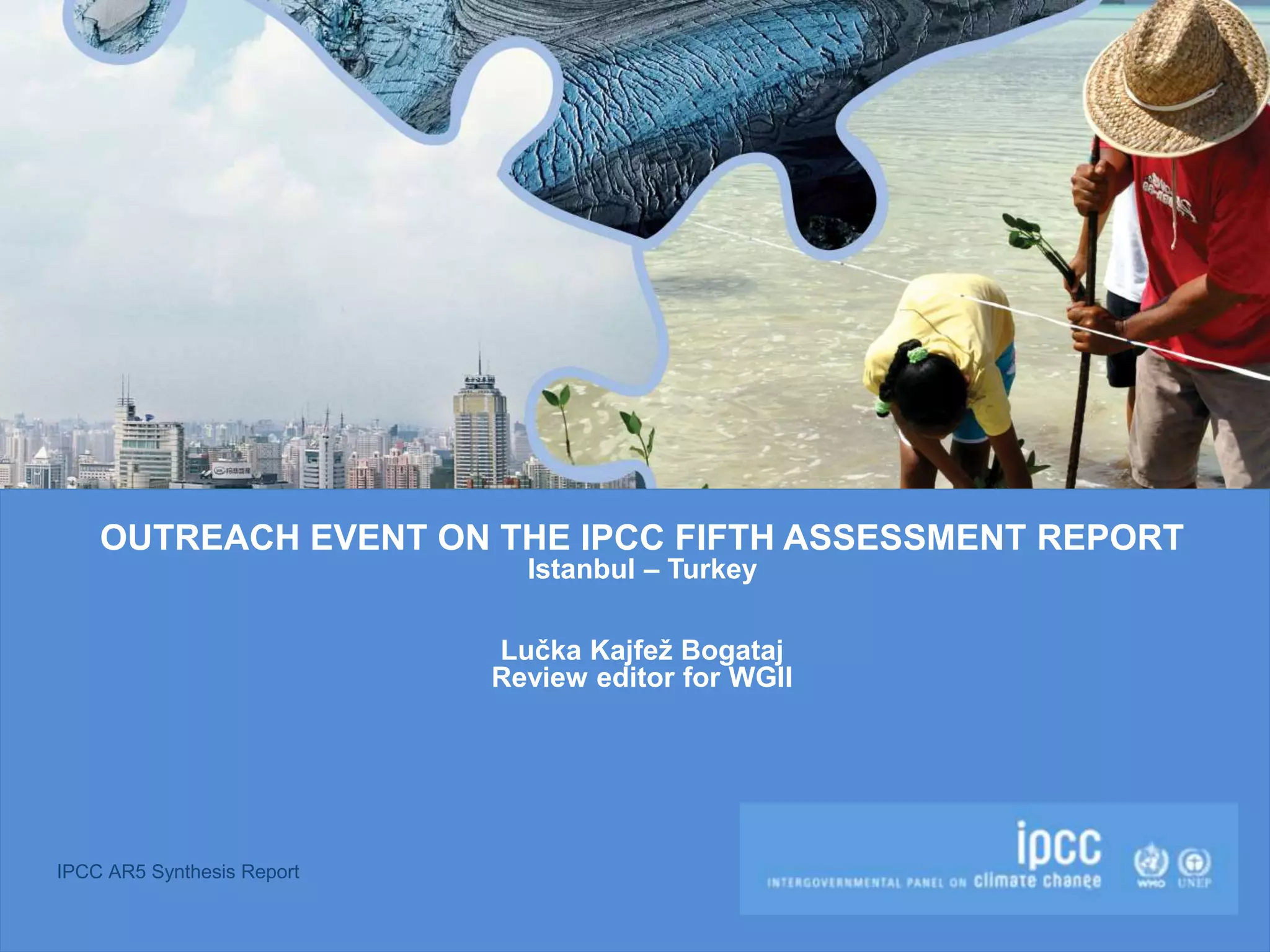
OUTREACH EVENT ON THE IPCC FIFTH ASSESSMENT REPORT
Istanbul – Turkey
Lučka Kajfež Bogataj
Review editor for WGII
Climate Change is a Large Issue
Majority of the sciences and engineering
disciplines are involved.
Social sciences are interested.
Business/Industry has a stake.
Involves citizens, politicians, public policy experts,
and advocates.
Every sector of the economy affected.
All aspects of our lives touched:
environment, jobs, health, politics, national
security, arts, religion, etc.
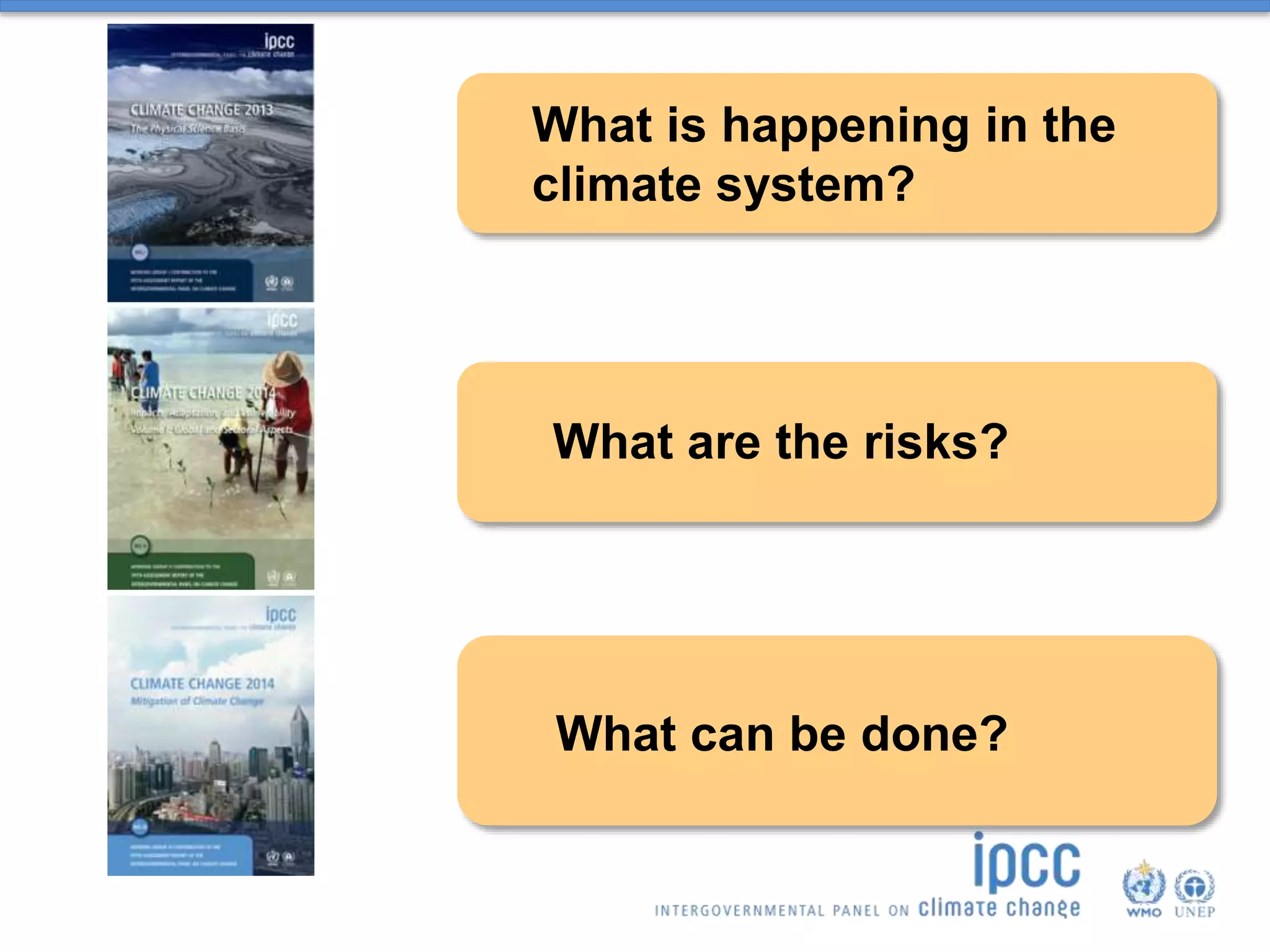
What is happening in the
climate system?
What are the risks?
What can be done?
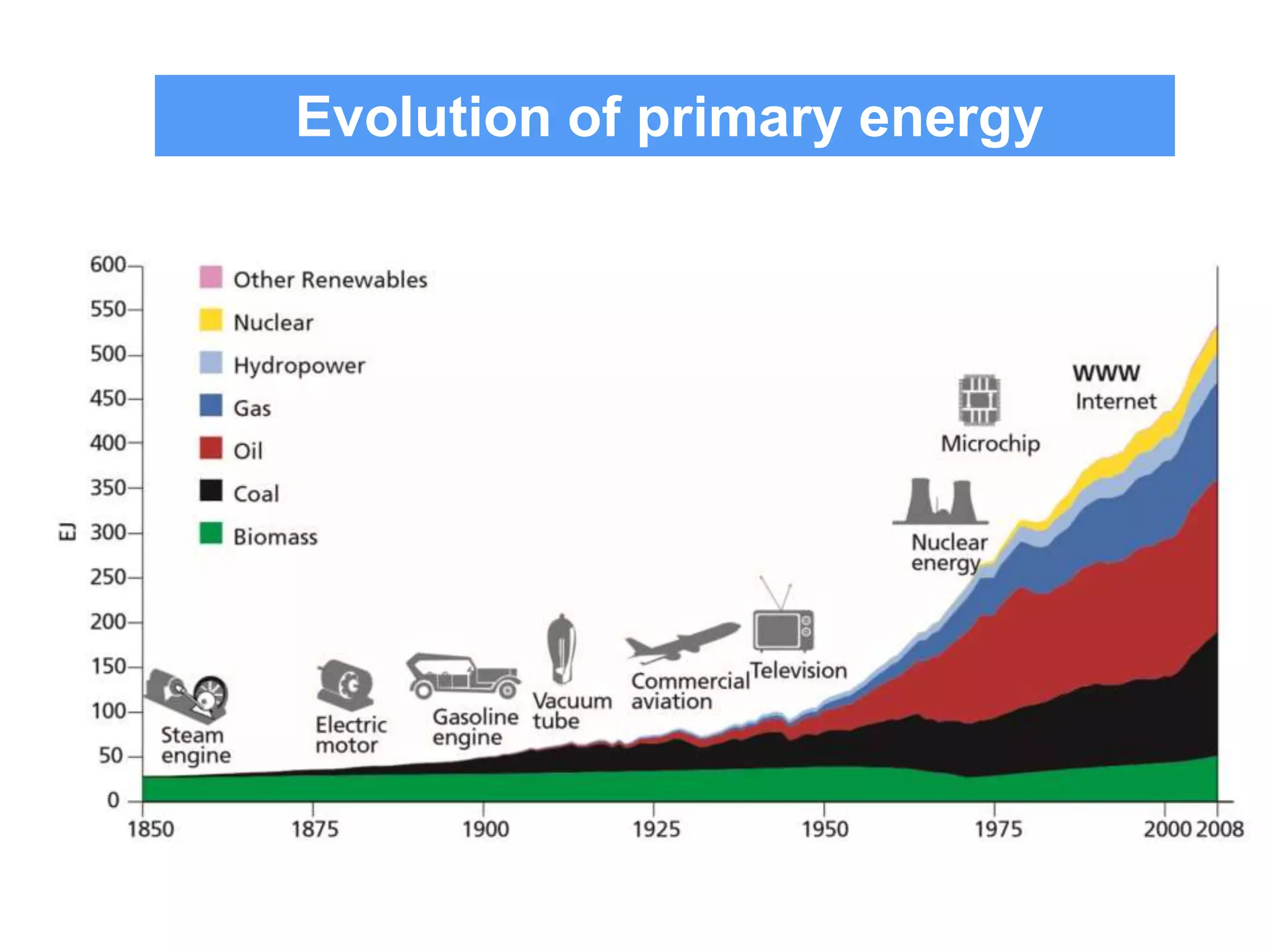
Evolution of primary energy
IPCC AR5 Synthesis Report
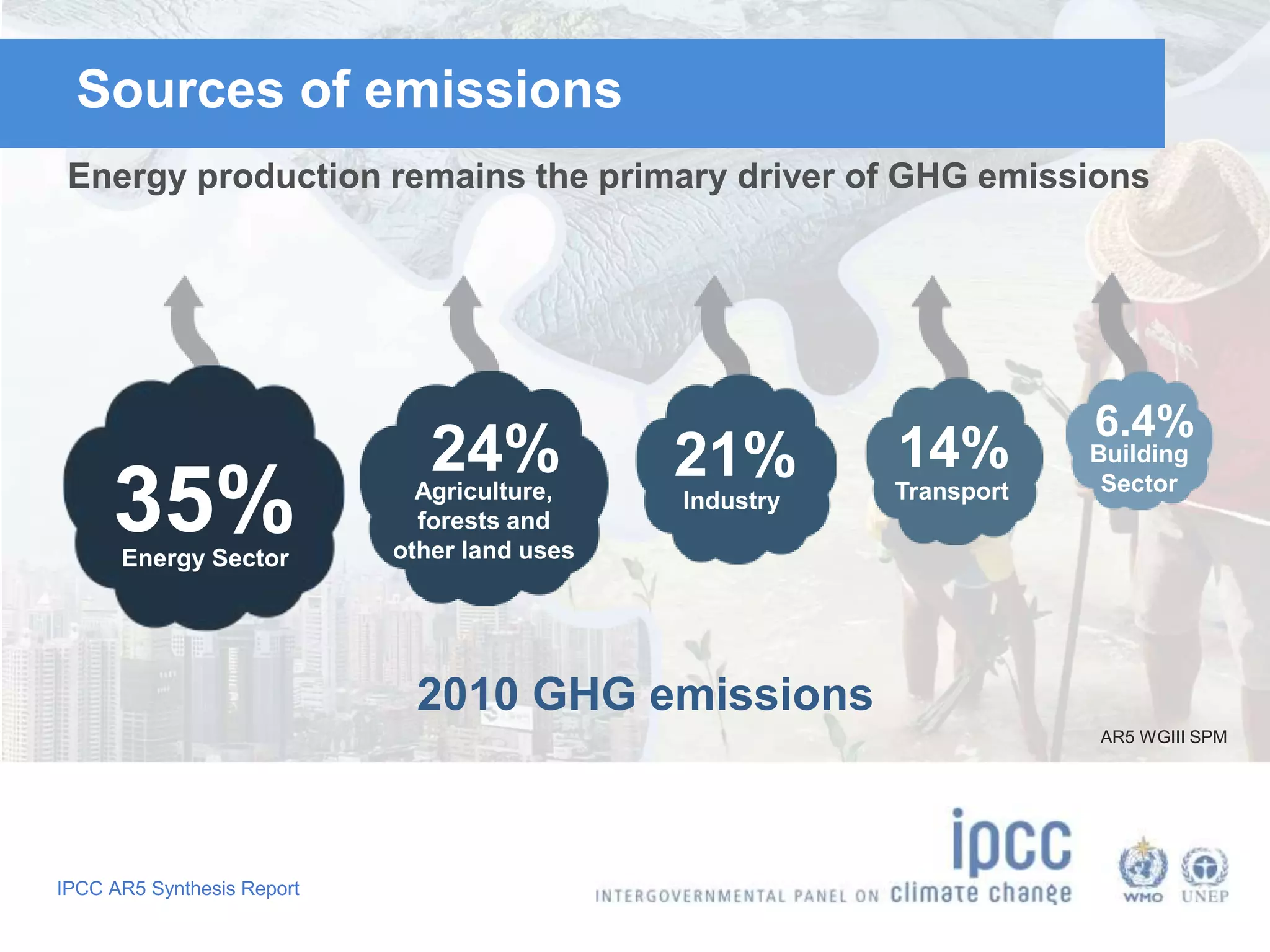
Sources of emissions
Energy production remains the primary driver of GHG emissions
35%
24% 21% 14%
6.4%
2010 GHG emissions
Energy Sector
Agriculture,
forests and
other land uses
Industry Transport
Building
Sector
AR5 WGIII SPM
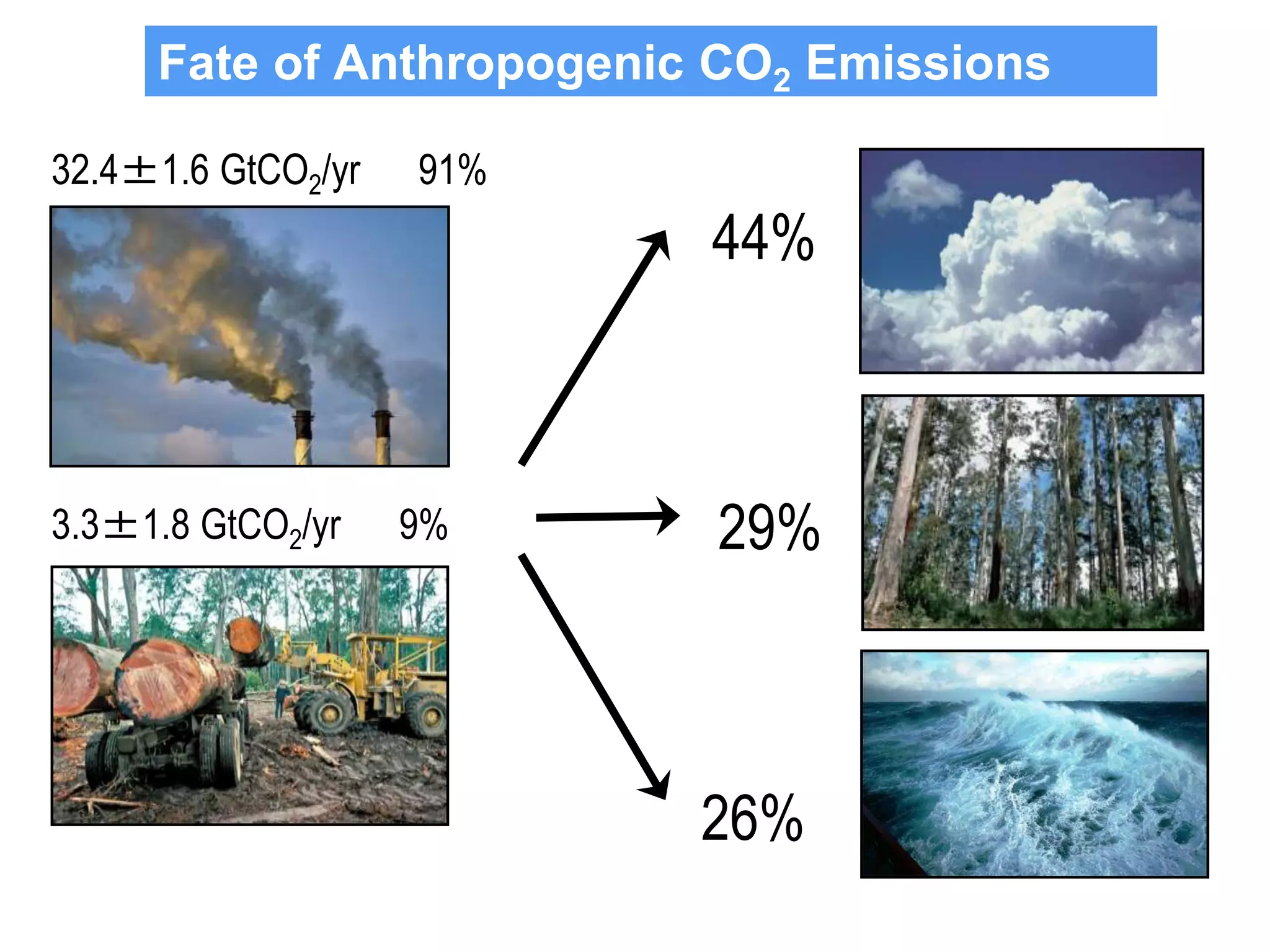
Fate of Anthropogenic CO2 Emissions
26%
32.4±1.6 GtCO2/yr 91%
3.3±1.8 GtCO2/yr 9% 29%
44%
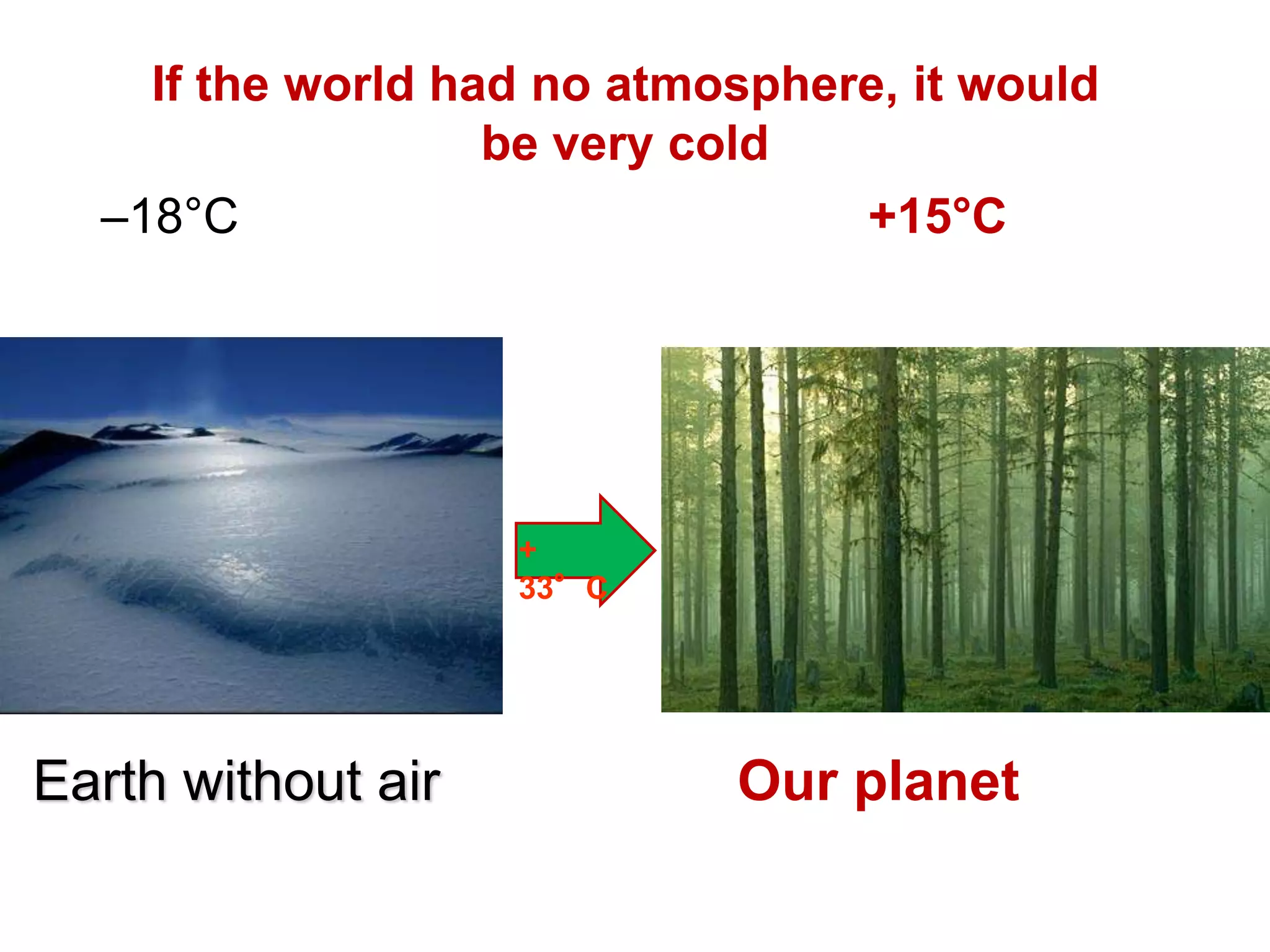
–18°C +15°C
Earth without air Our planet
+
33°C
If the world had no atmosphere, it would
be very cold
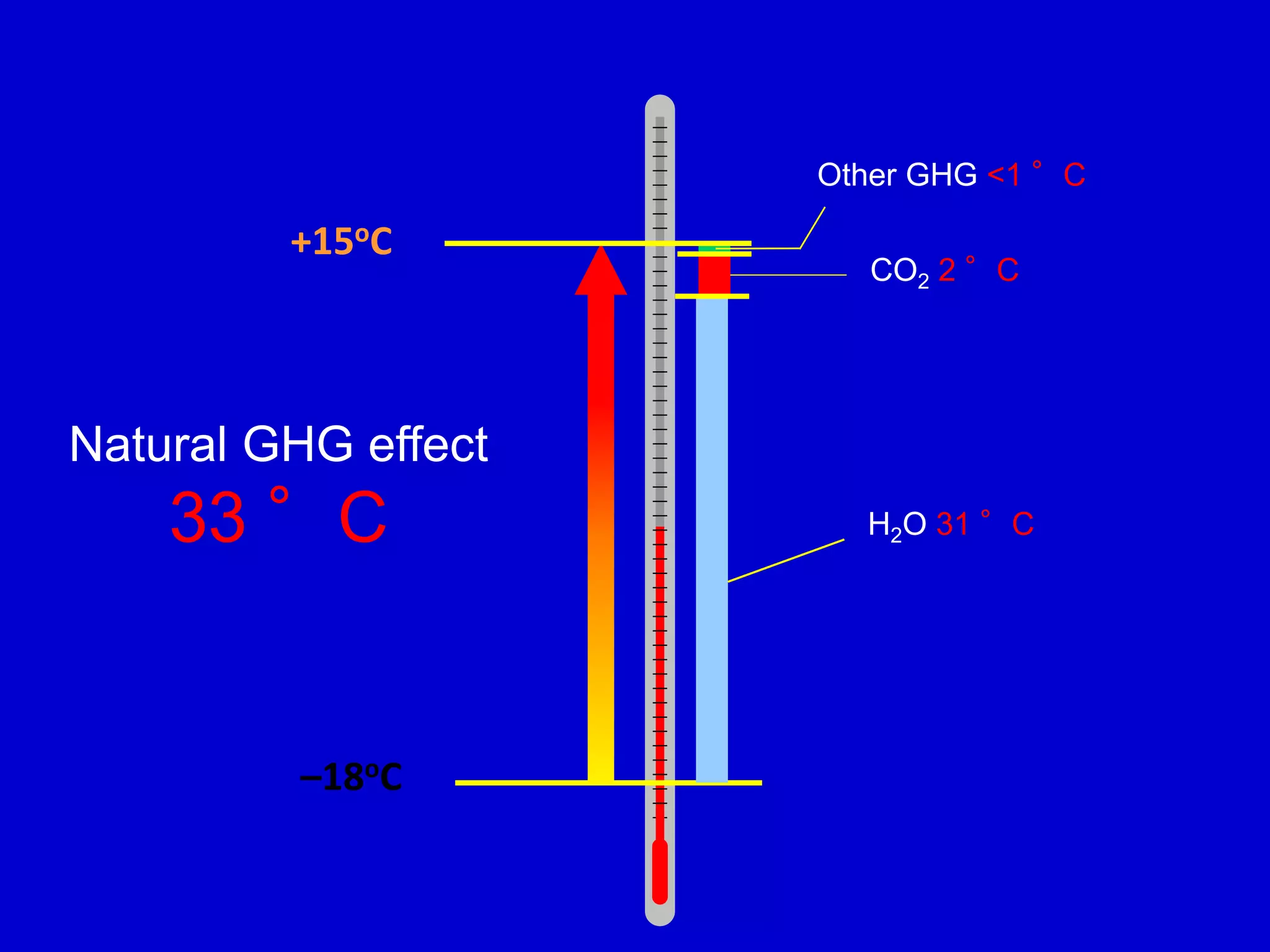
Natural GHG effect
33 °C
Other GHG <1 °C
CO2 2 °C
H2O 31 °C
–18oC
+15oC
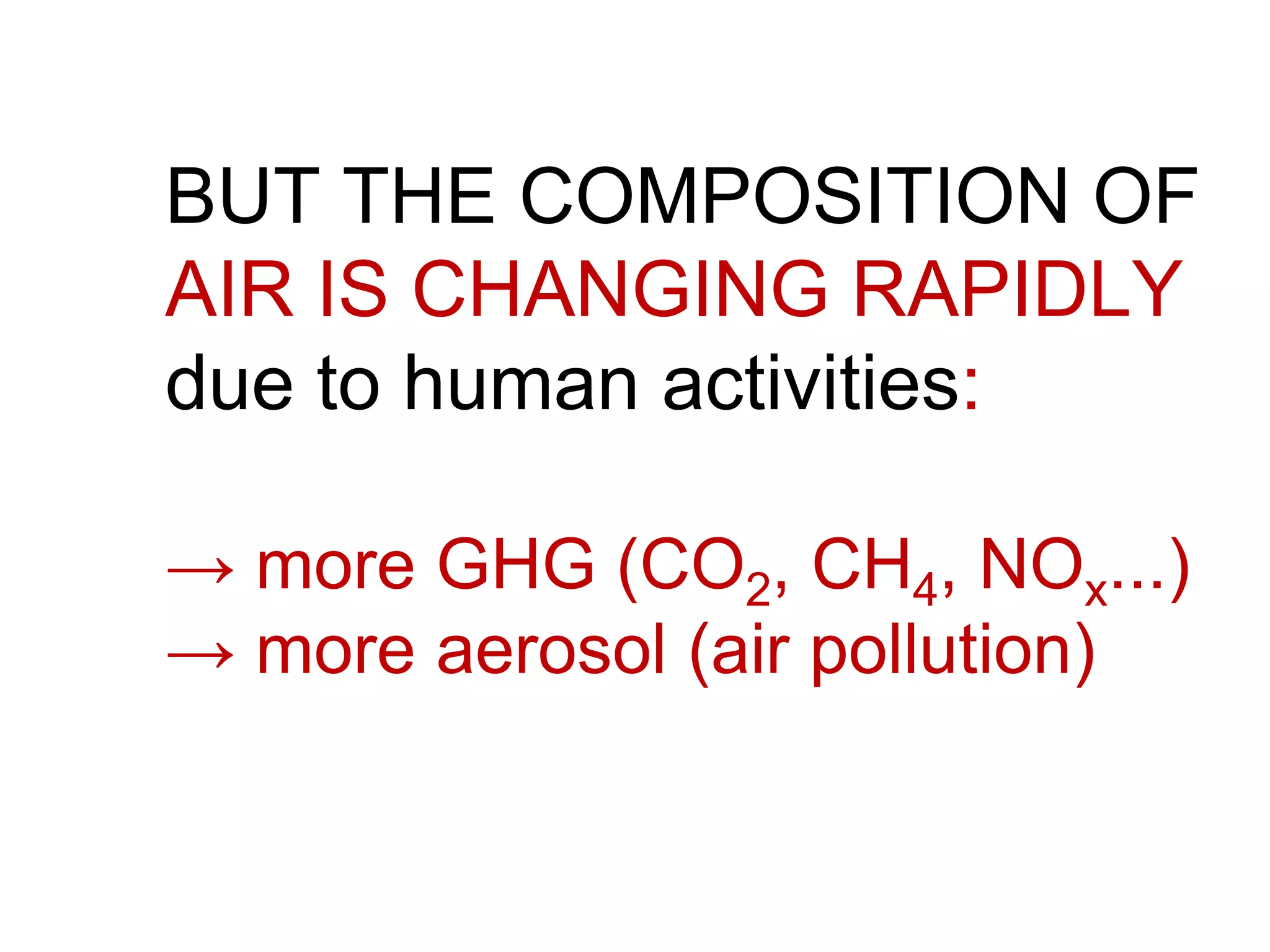
BUT THE COMPOSITION OF
AIR IS CHANGING RAPIDLY
due to human activities:
→ more GHG (CO2, CH4, NOx...)
→ more aerosol (air pollution)
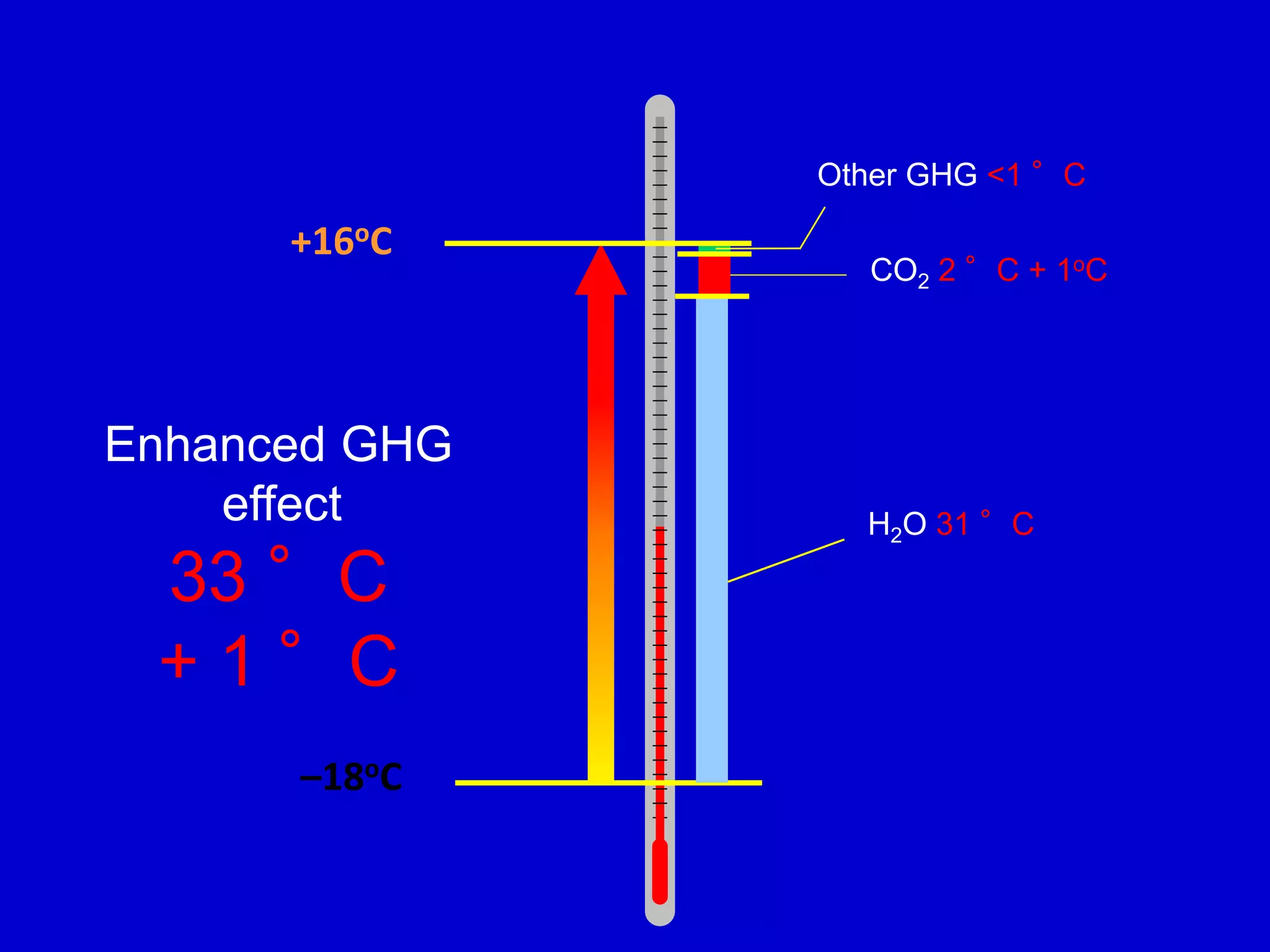
Enhanced GHG
effect
33 °C
+ 1 °C
Other GHG <1 °C
CO2 2 °C + 1oC
H2O 31 °C
–18oC
+16oC
IPCC AR5 Synthesis Report
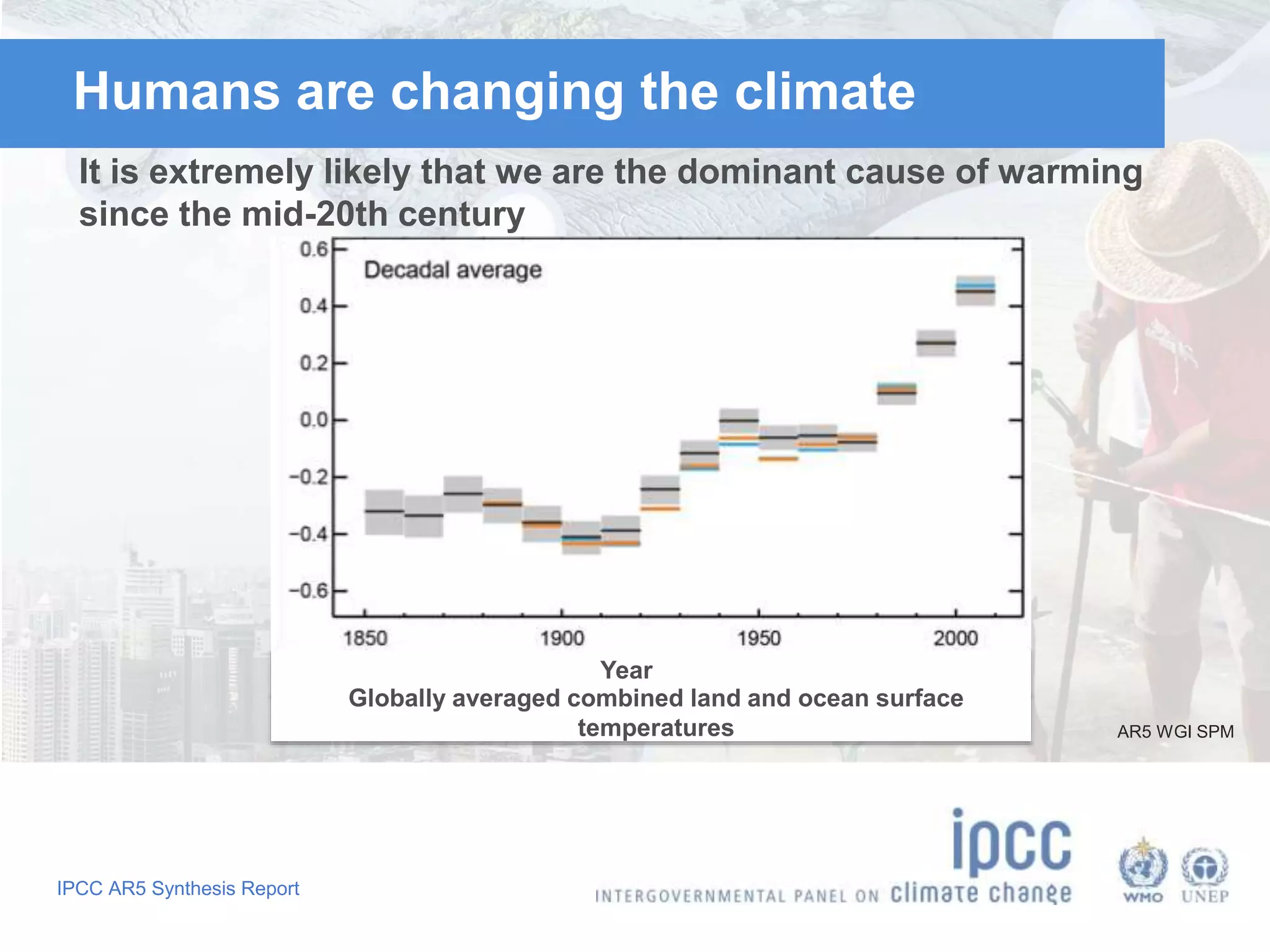
Year
Globally averaged combined land and ocean surface
temperatures
It is extremely likely that we are the dominant cause of warming
since the mid-20th century
AR5 WGI SPM
Humans are changing the climate
IPCC AR5 Synthesis Report
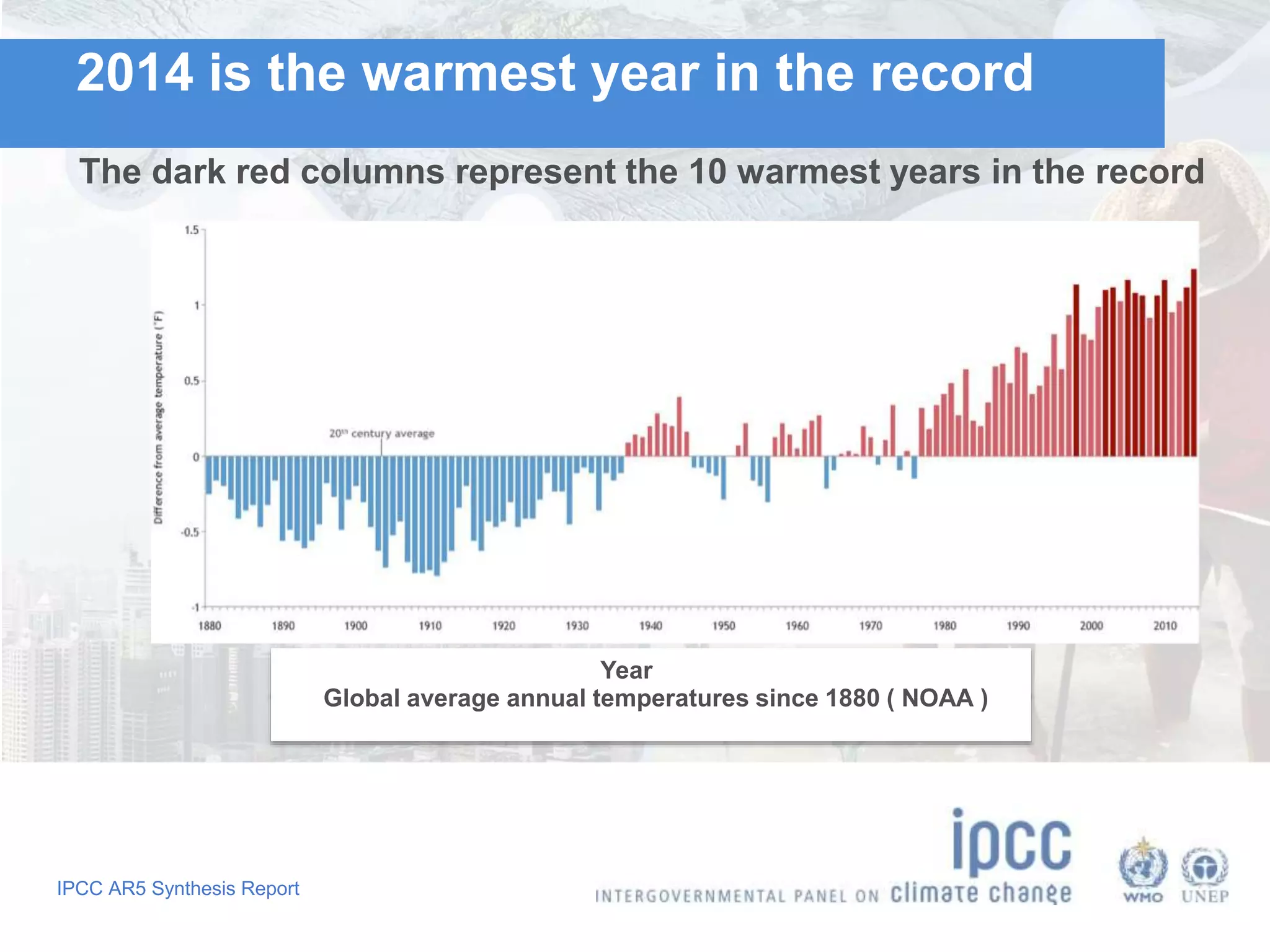
2014 is the warmest year in the record
Year
Global average annual temperatures since 1880 ( NOAA )
The dark red columns represent the 10 warmest years in the record
IPCC AR5 Synthesis Report
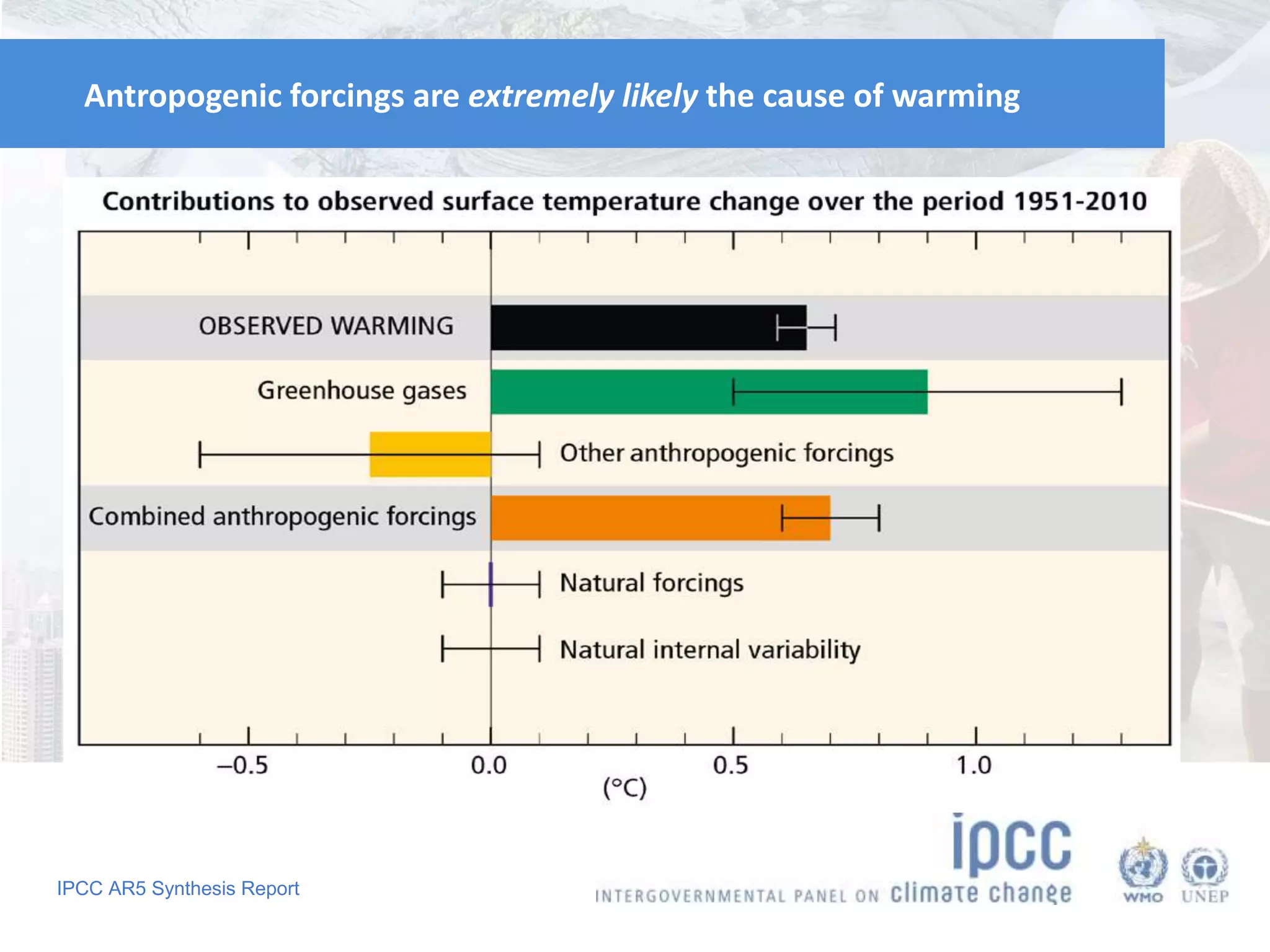
Antropogenic forcings are extremely likely the cause of warming
IPCC AR5 Synthesis Report
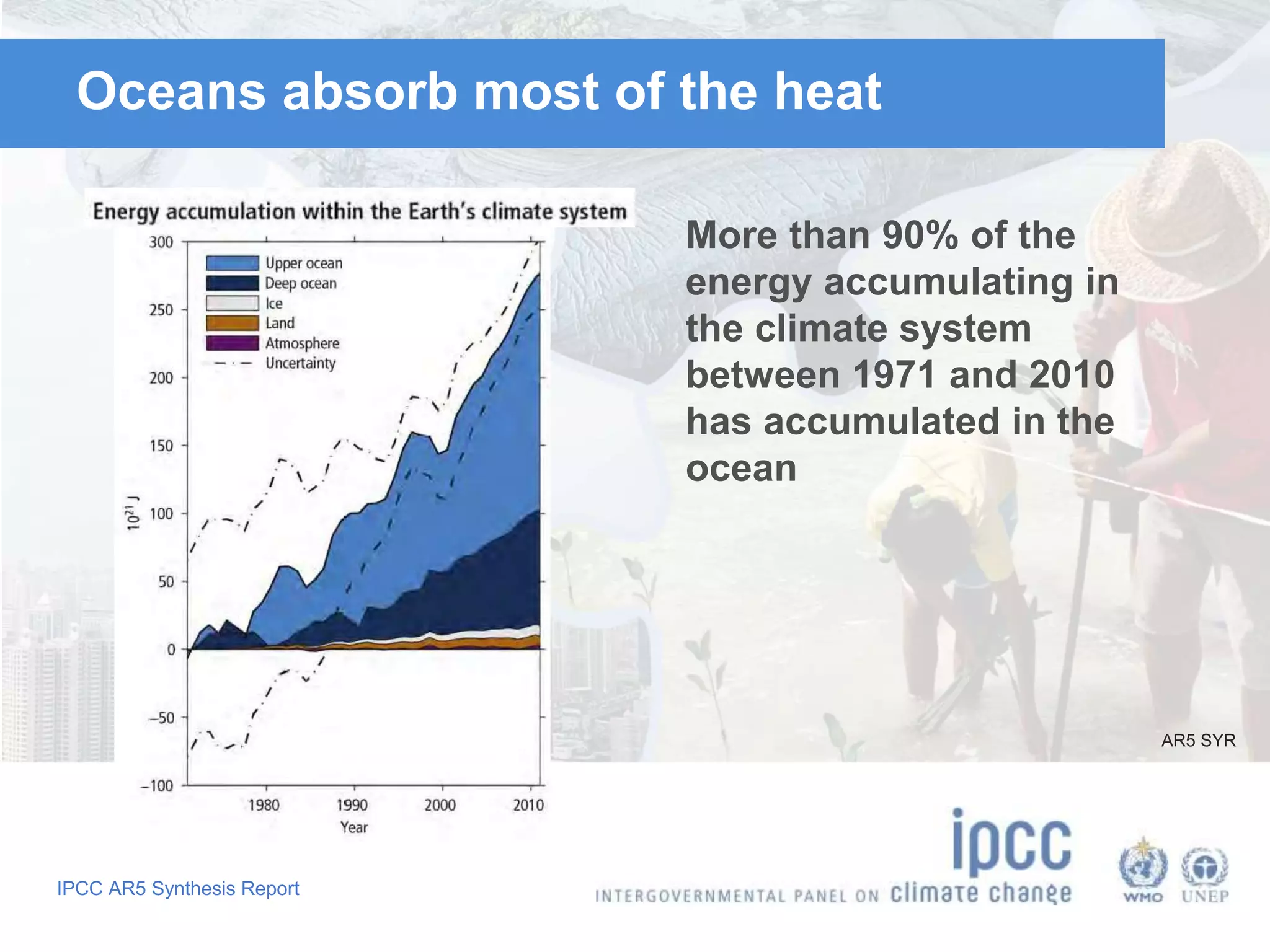
Oceans absorb most of the heat
More than 90% of the
energy accumulating in
the climate system
between 1971 and 2010
has accumulated in the
ocean
AR5 SYR
IPCC AR5 Synthesis Report
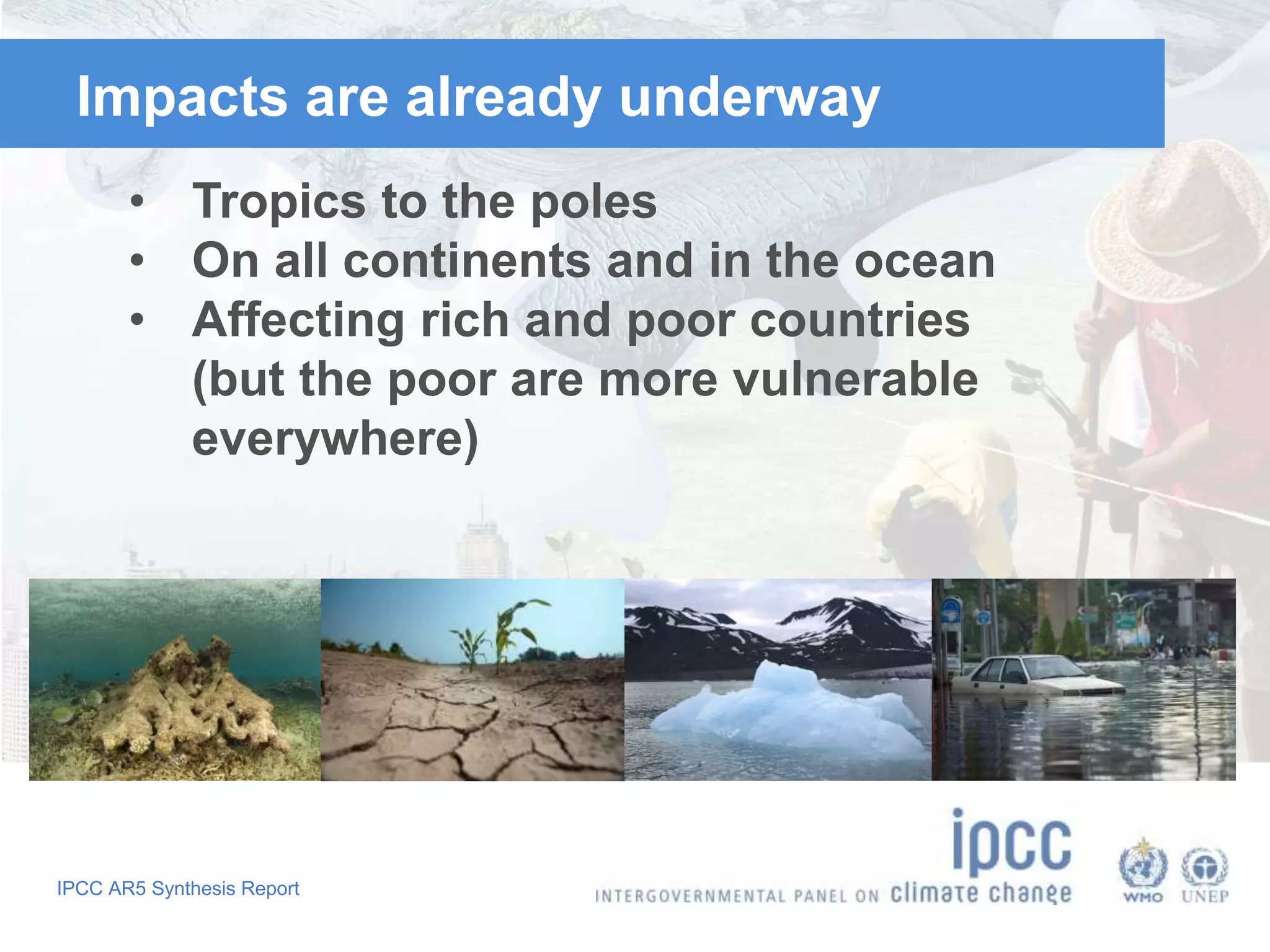
Impacts are already underway
• Tropics to the poles
• On all continents and in the ocean
• Affecting rich and poor countries
(but the poor are more vulnerable
everywhere)
AR5 WGII SPM
IPCC AR5 Synthesis Report
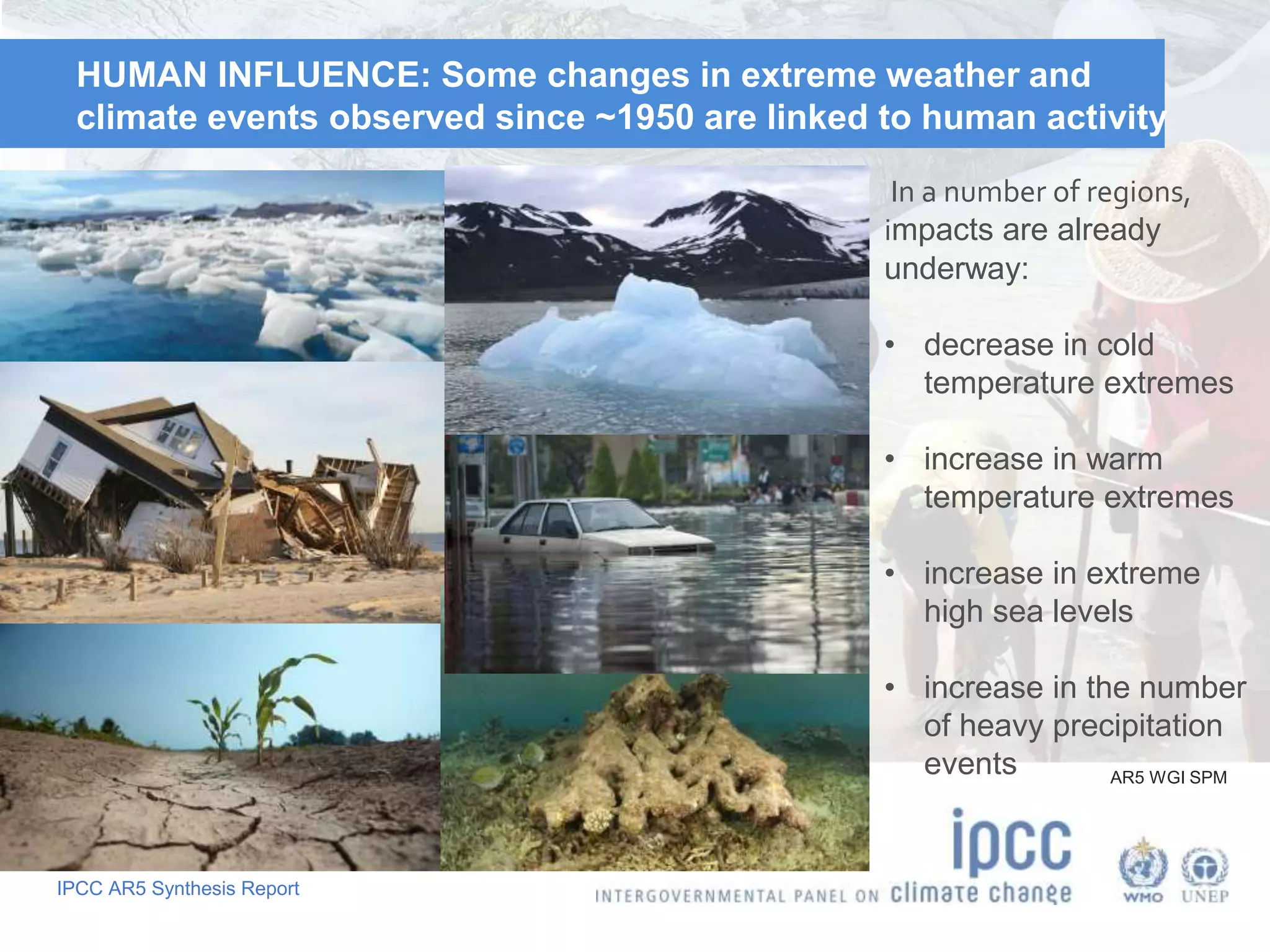
HUMAN INFLUENCE: Some changes in extreme weather and
climate events observed since ~1950 are linked to human activity
AR5 WGI SPM
In a number of regions,
impacts are already
underway:
• decrease in cold
temperature extremes
• increase in warm
temperature extremes
• increase in extreme
high sea levels
• increase in the number
of heavy precipitation
events
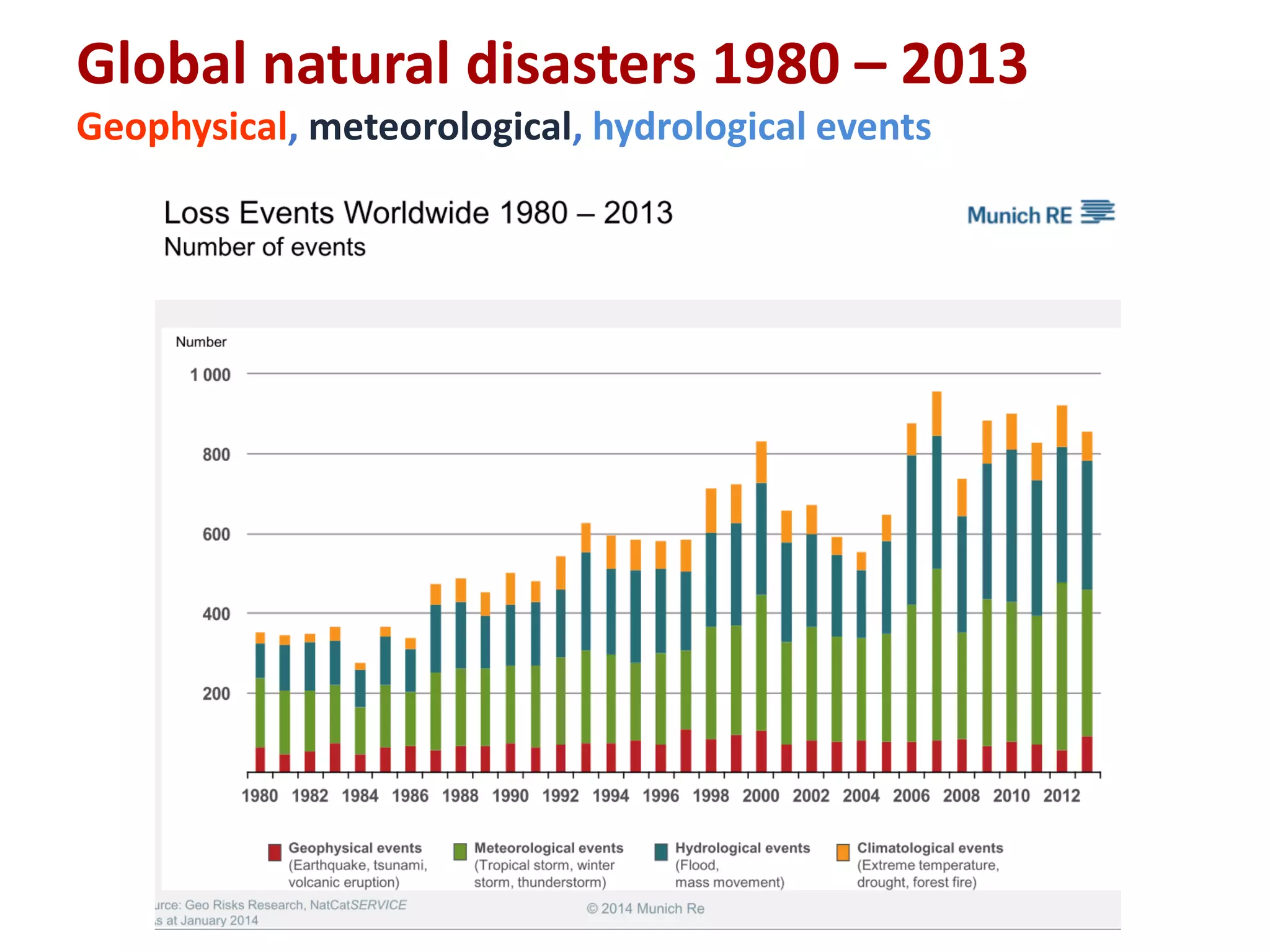
Global natural disasters 1980 – 2013
Geophysical, meteorological, hydrological events
IPCC AR5 Synthesis Report
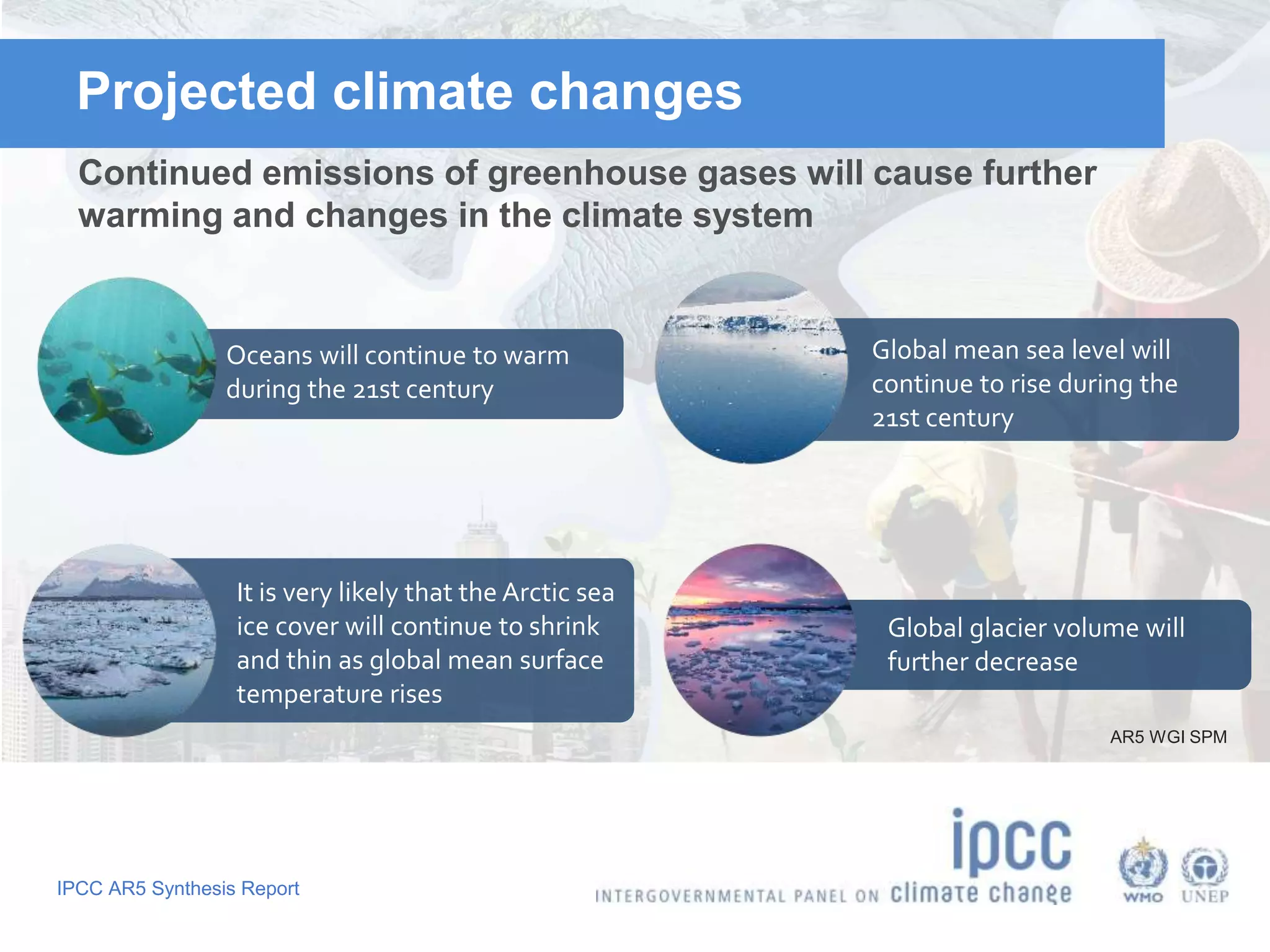
Projected climate changes
Continued emissions of greenhouse gases will cause further
warming and changes in the climate system
Global glacier volume will
further decrease
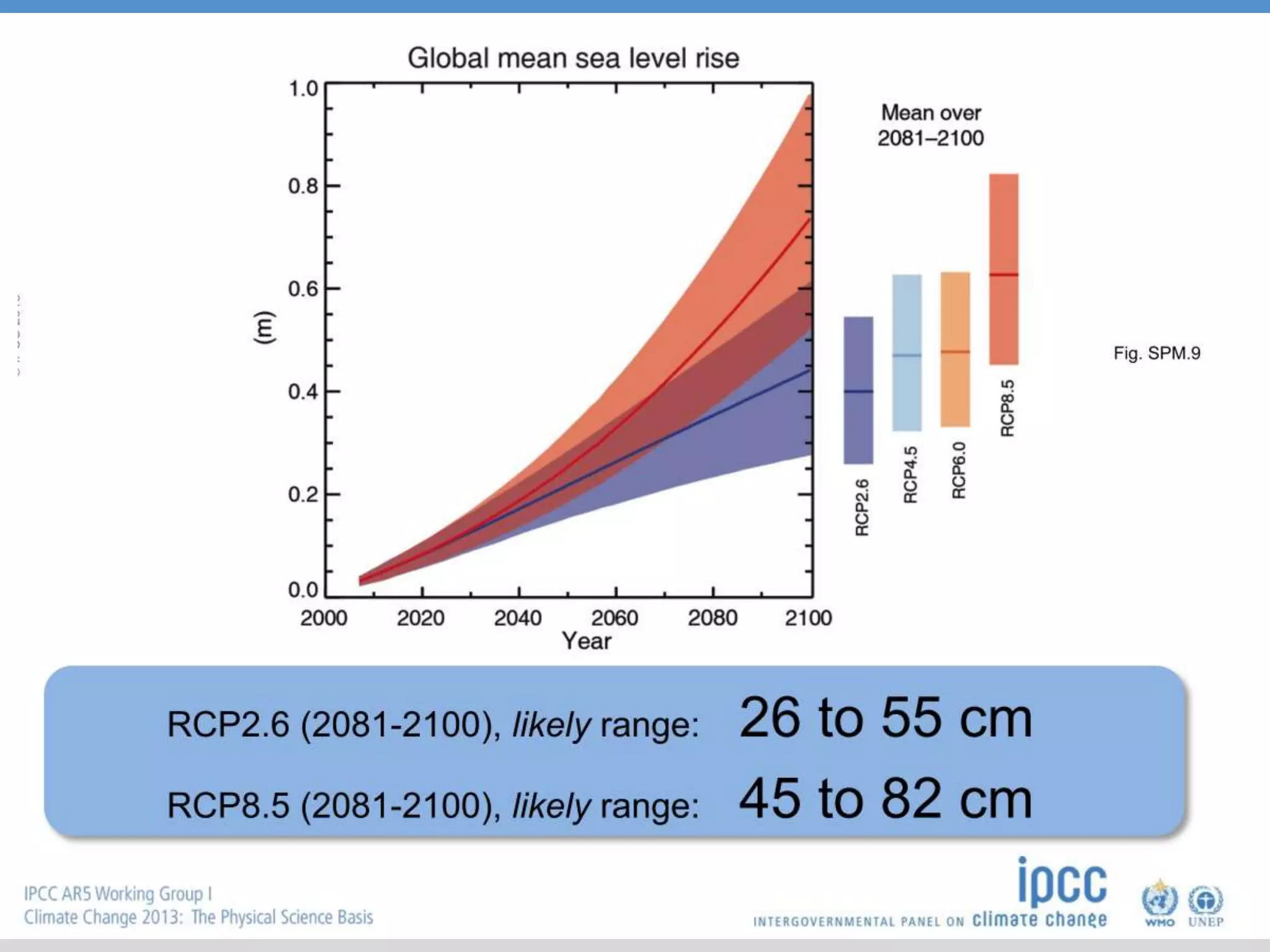
Global mean sea level will
continue to rise during the
21st century
It is very likely that the Arctic sea
ice cover will continue to shrink
and thin as global mean surface
temperature rises
Oceans will continue to warm
during the 21st century
AR5 WGI SPM
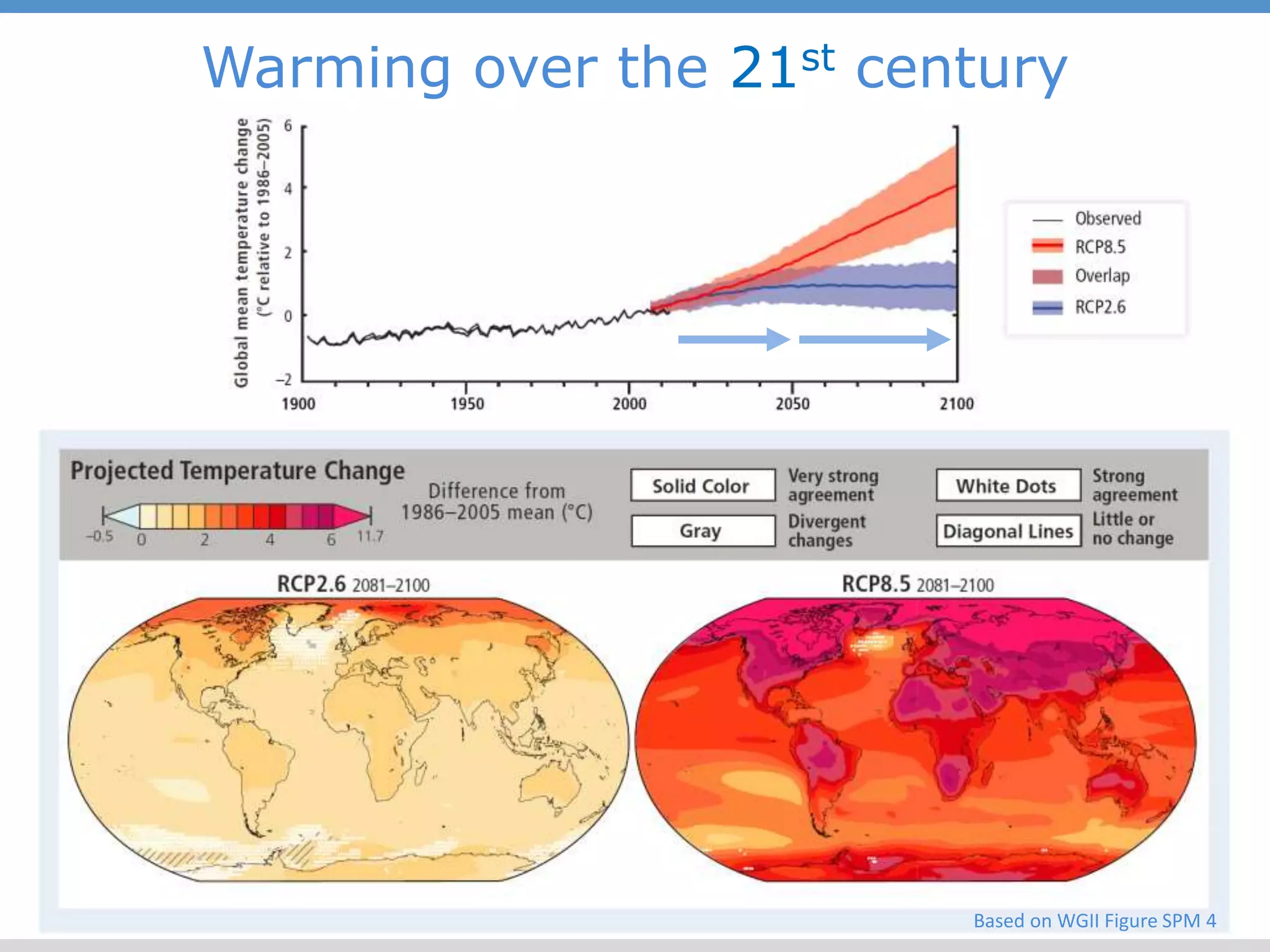
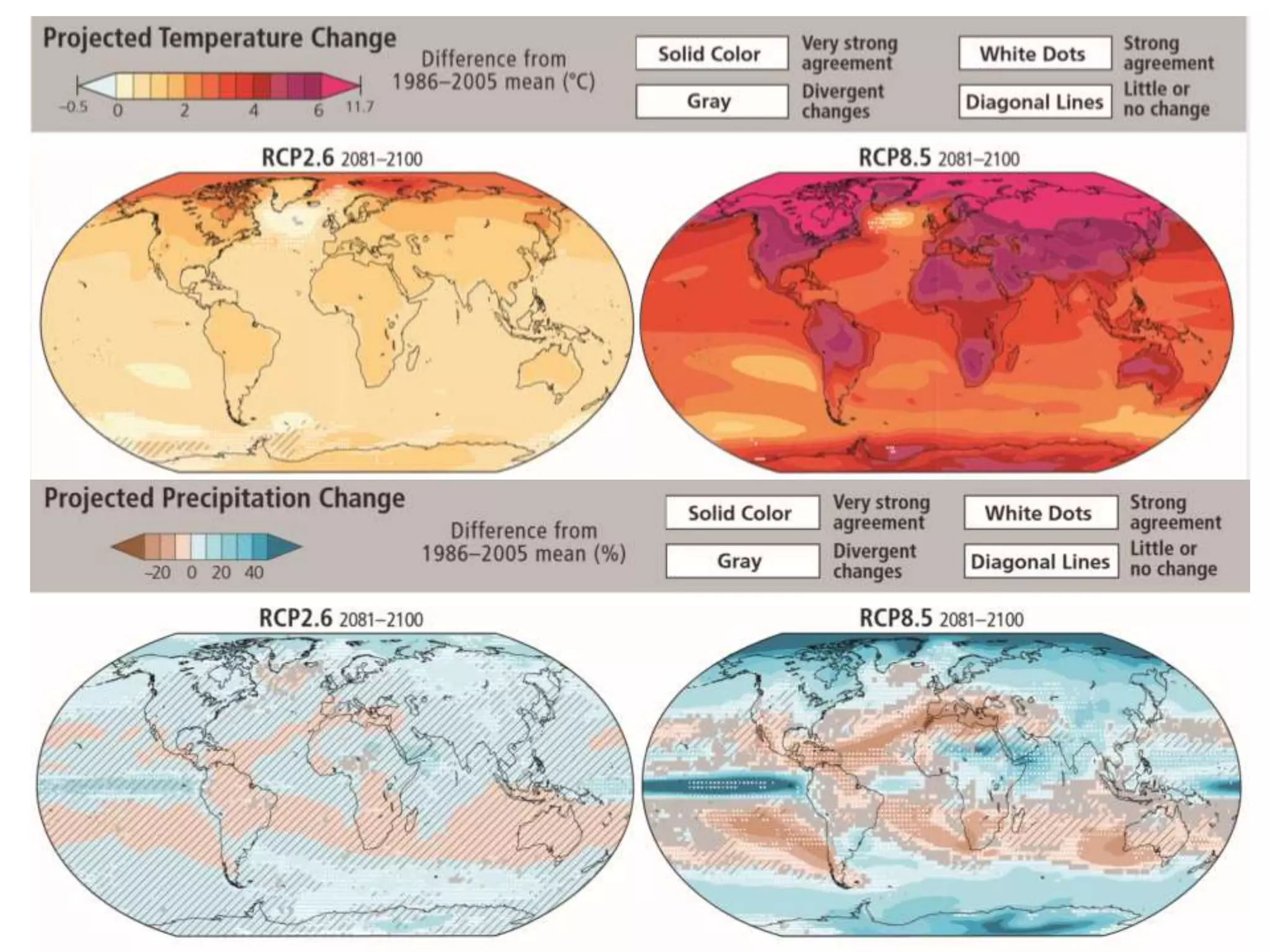
Warming over the 21st century
Based on WGII Figure SPM 4
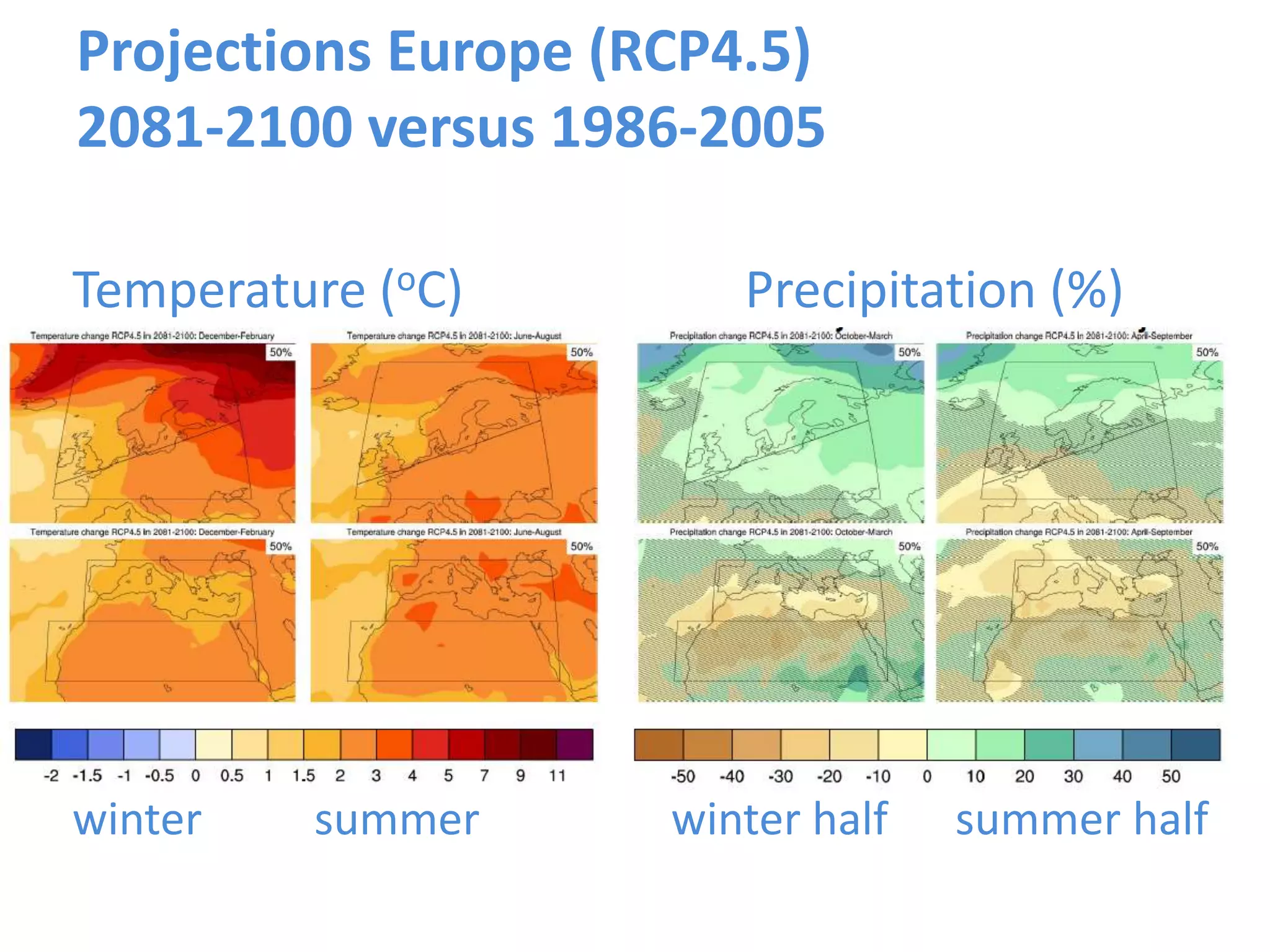
Projections Europe (RCP4.5)
2081-2100 versus 1986-2005
Temperature (oC) Precipitation (%)
winter summer winter half summer half
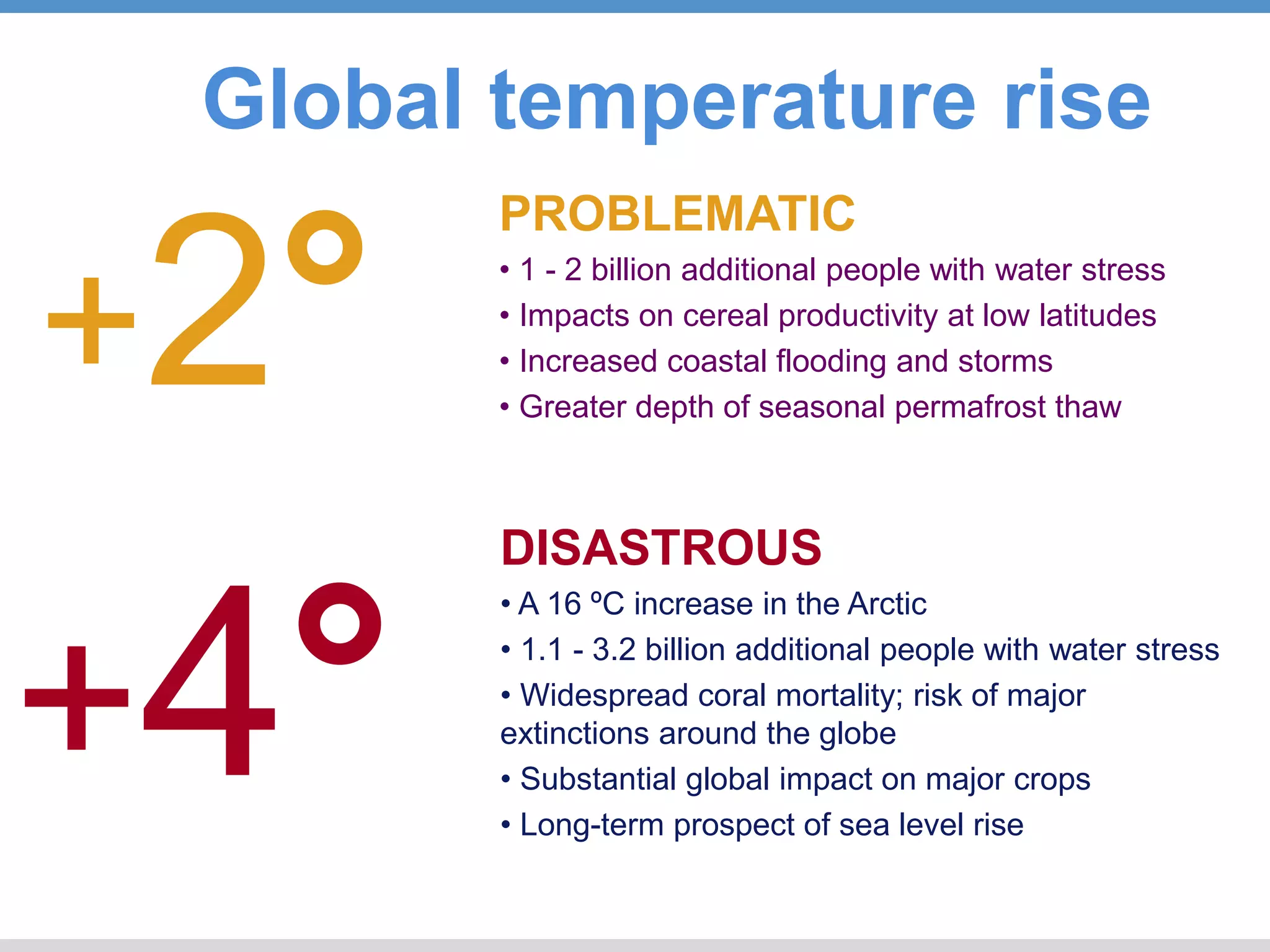
+2°
+4°
PROBLEMATIC
• 1 - 2 billion additional people with water stress
• Impacts on cereal productivity at low latitudes
• Increased coastal flooding and storms
• Greater depth of seasonal permafrost thaw
DISASTROUS
• A 16 ºC increase in the Arctic
• 1.1 - 3.2 billion additional people with water stress
• Widespread coral mortality; risk of major
extinctions around the globe
• Substantial global impact on major crops
• Long-term prospect of sea level rise
Global temperature rise
IPCC AR5 Synthesis Report
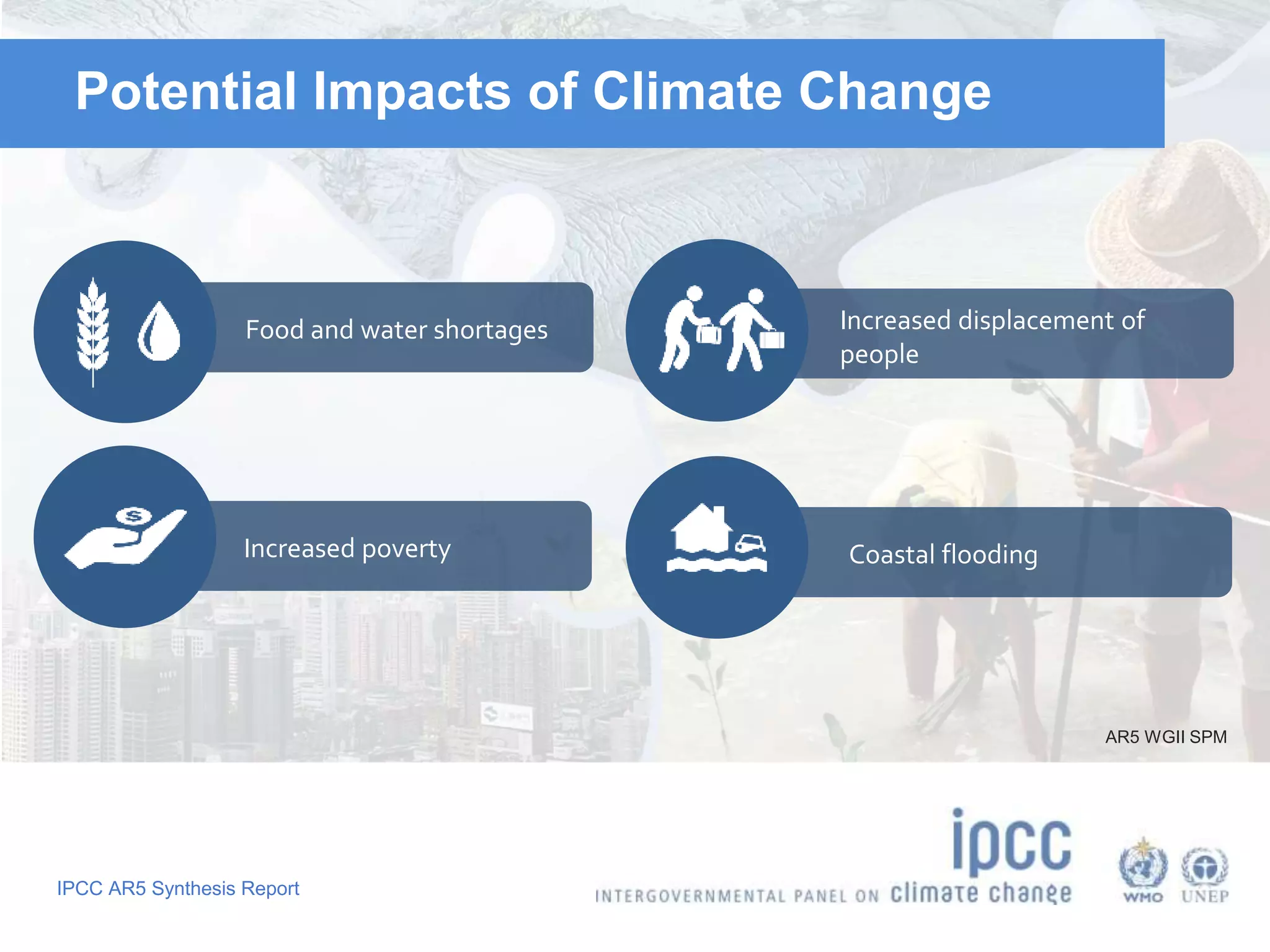
Potential Impacts of Climate Change
Food and water shortages
Increased poverty
Increased displacement of
people
Coastal flooding
AR5 WGII SPM
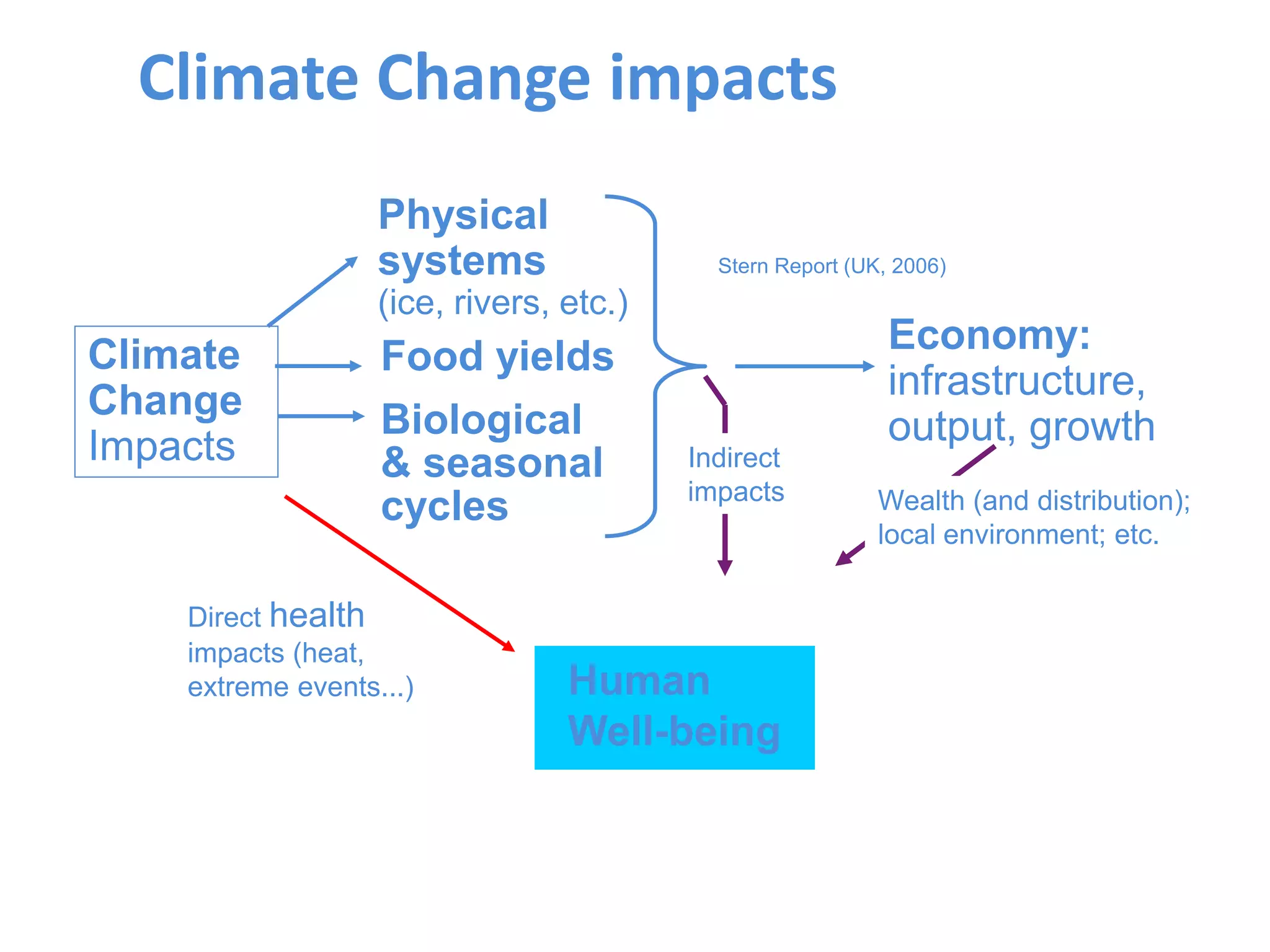
Climate Change impacts
Climate
Change
Impacts
Physical
systems
(ice, rivers, etc.)
Biological
& seasonal
cycles
Economy:
infrastructure,
output, growth
Stern Report (UK, 2006)
Human
Well-being
Indirect
impacts Wealth (and distribution);
local environment; etc.
Direct health
impacts (heat,
extreme events...)
Food yields
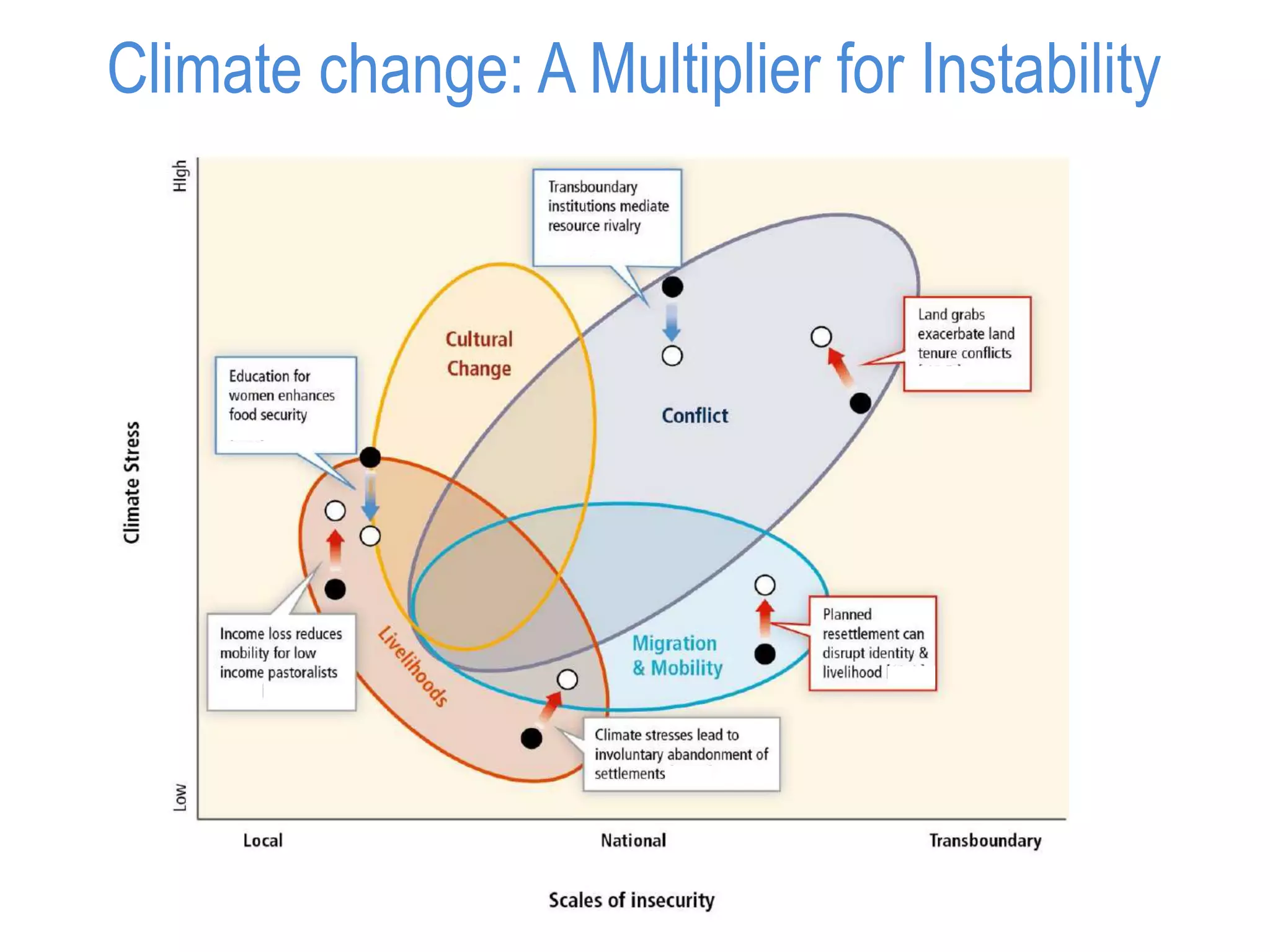
Climate change: A Multiplier for Instability
IPCC AR5 Synthesis Report
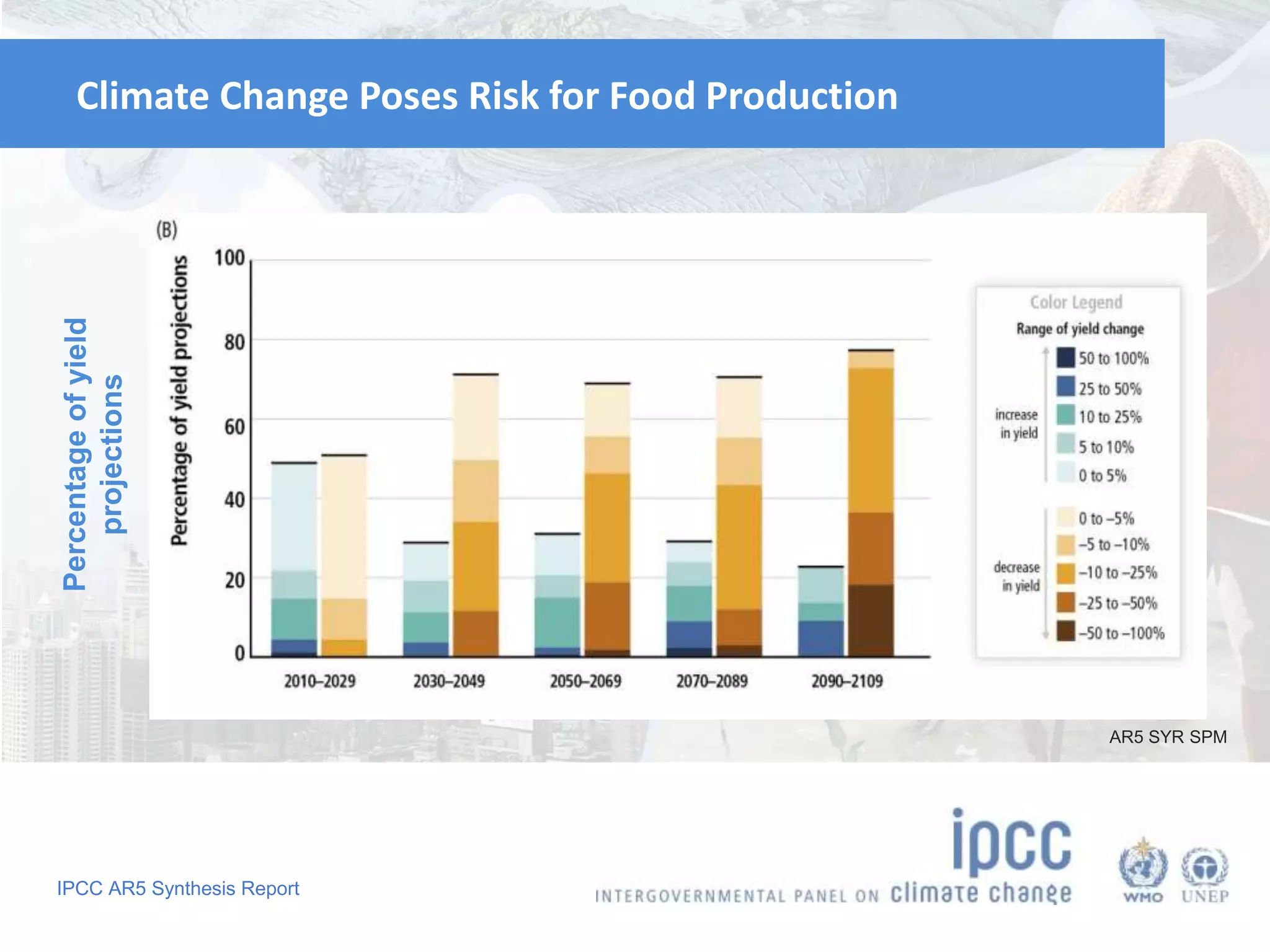
Climate Change Poses Risk for Food Production
AR5 SYR SPM
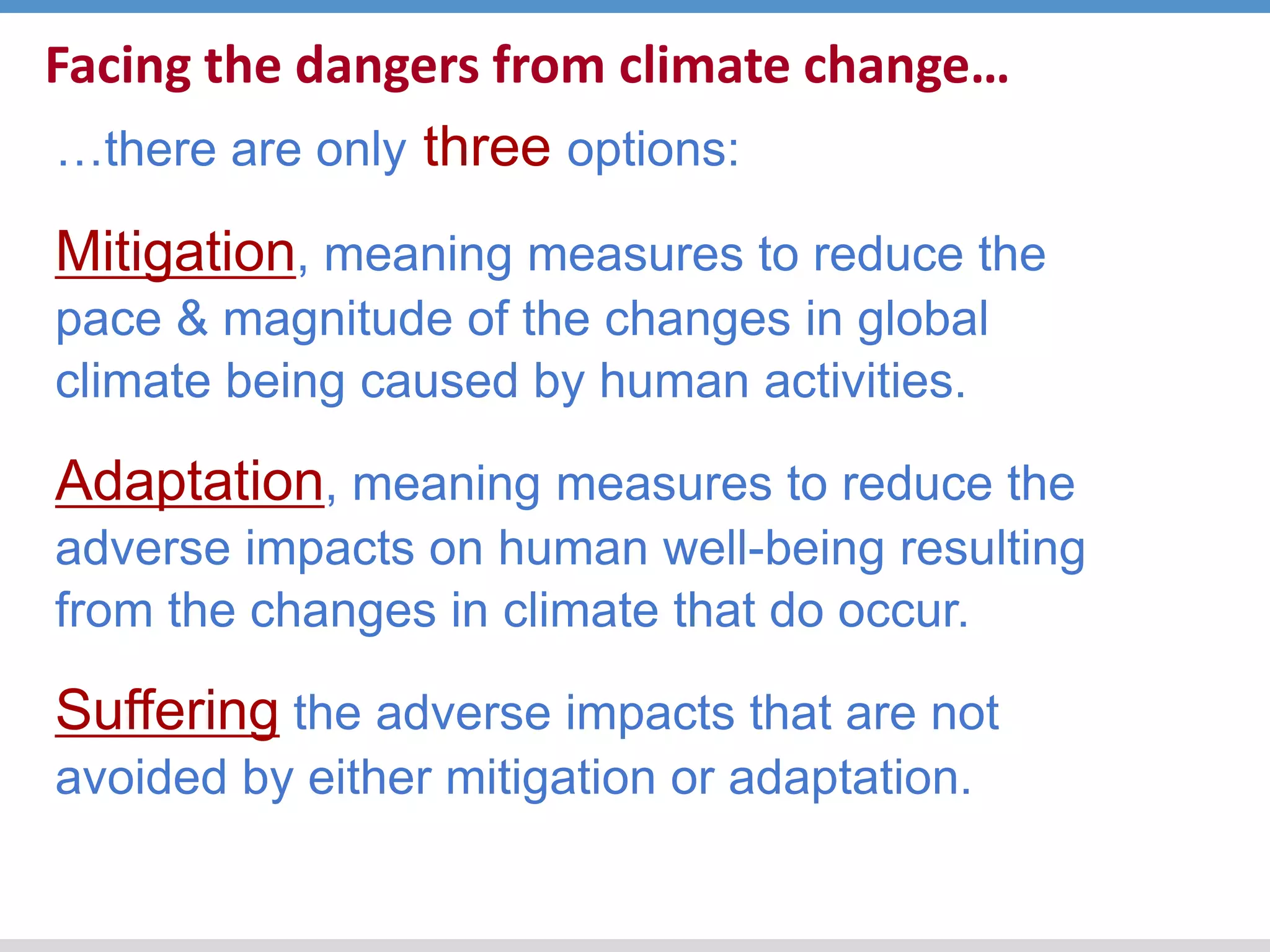
Facing the dangers from climate change…
…there are only three options:
Mitigation, meaning measures to reduce the
pace & magnitude of the changes in global
climate being caused by human activities.
Adaptation, meaning measures to reduce the
adverse impacts on human well-being resulting
from the changes in climate that do occur.
Suffering the adverse impacts that are not
avoided by either mitigation or adaptation.
IPCC AR5 Synthesis Report
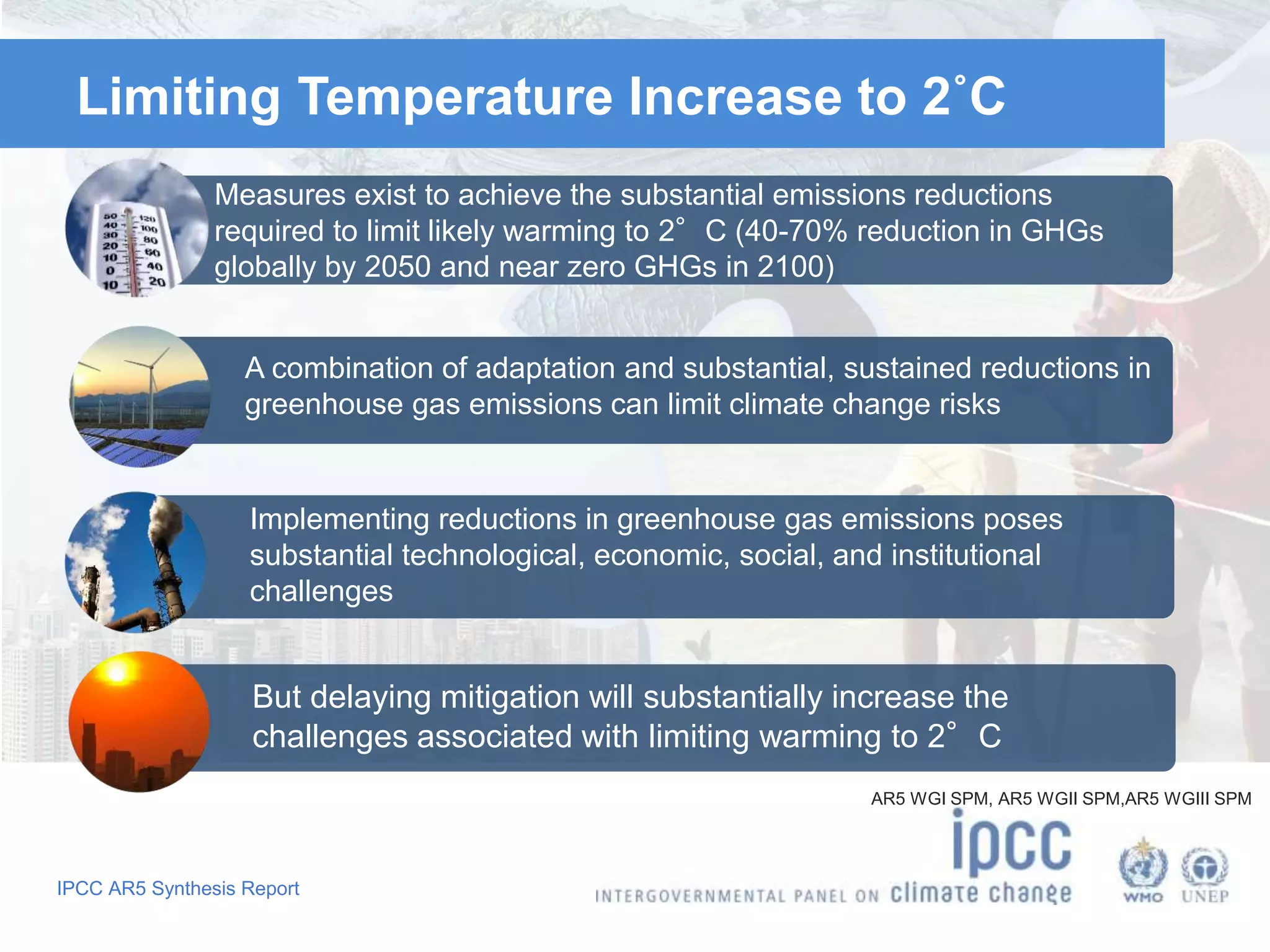
Limiting Temperature Increase to 2˚C
A combination of adaptation and substantial, sustained reductions in
greenhouse gas emissions can limit climate change risks
Implementing reductions in greenhouse gas emissions poses
substantial technological, economic, social, and institutional
challenges
But delaying mitigation will substantially increase the
challenges associated with limiting warming to 2°C
AR5 WGI SPM, AR5 WGII SPM,AR5 WGIII SPM
Measures exist to achieve the substantial emissions reductions
required to limit likely warming to 2°C (40-70% reduction in GHGs
globally by 2050 and near zero GHGs in 2100)
IPCC AR5 Synthesis Report
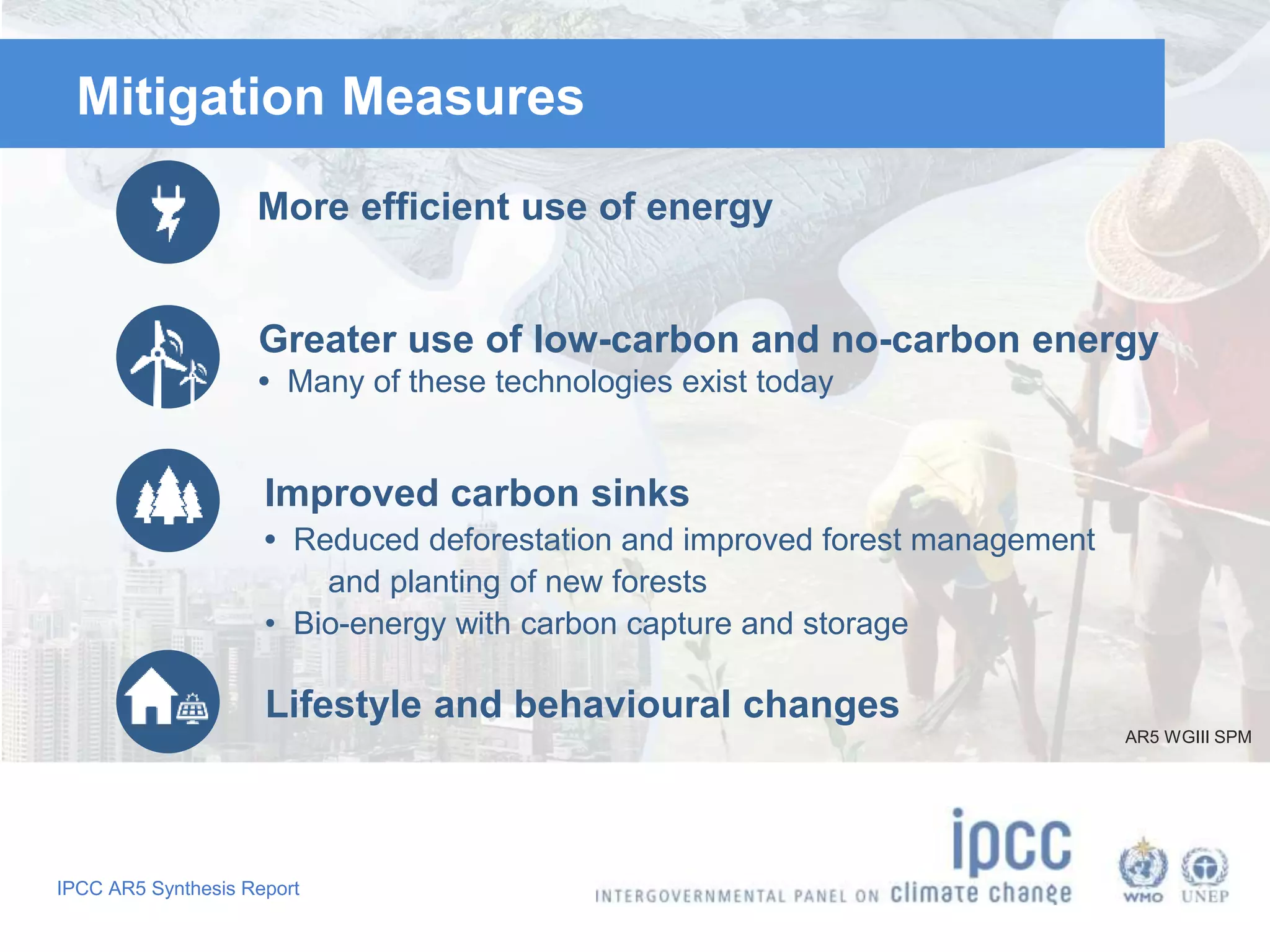
Mitigation Measures
More efficient use of energy
Greater use of low-carbon and no-carbon energy
• Many of these technologies exist today
Improved carbon sinks
• Reduced deforestation and improved forest management
and planting of new forests
• Bio-energy with carbon capture and storage
Lifestyle and behavioural changes
AR5 WGIII SPM
IPCC AR5 Synthesis Report
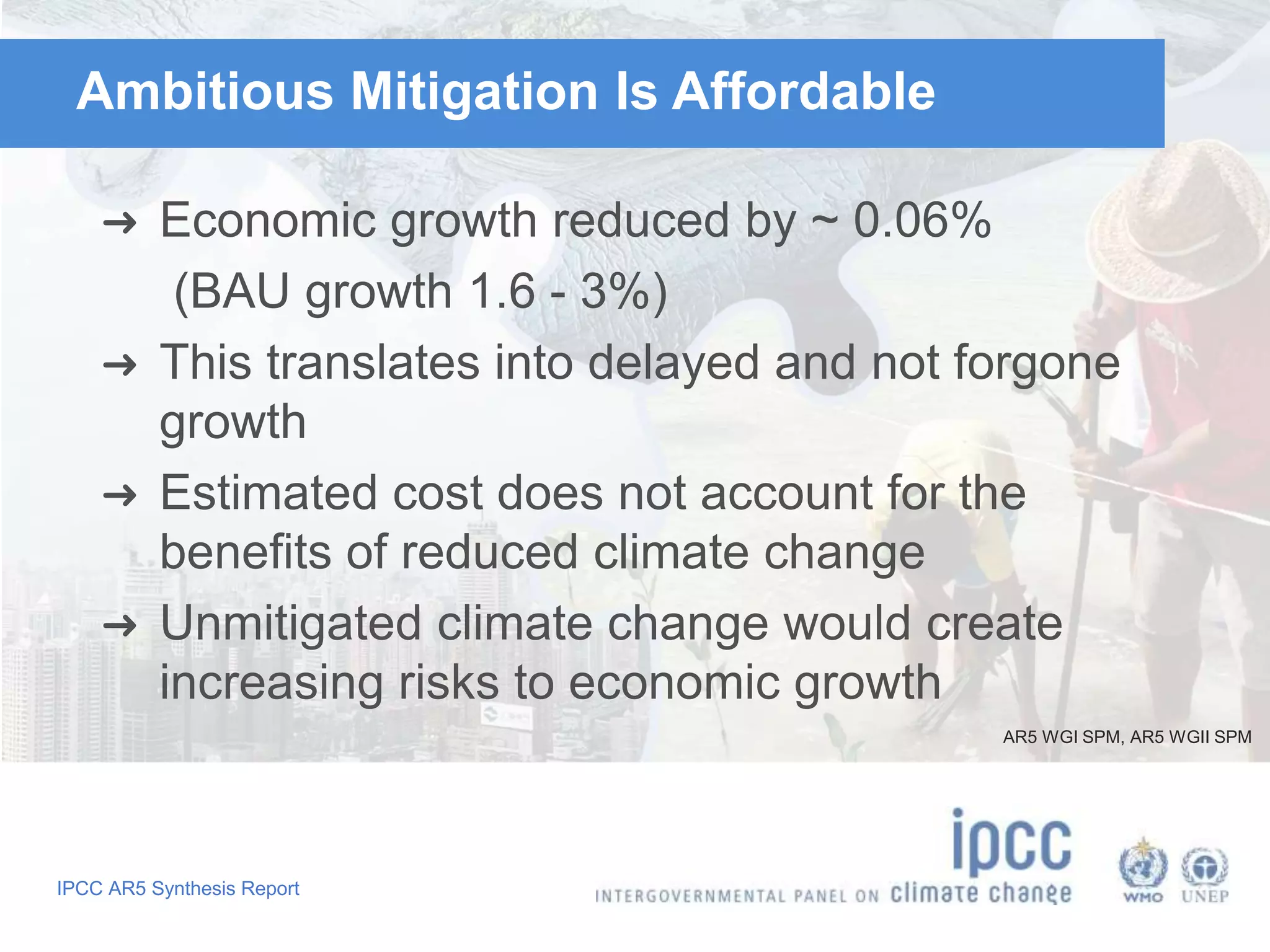
Ambitious Mitigation Is Affordable
➜ Economic growth reduced by ~ 0.06%
(BAU growth 1.6 - 3%)
➜ This translates into delayed and not forgone
growth
➜ Estimated cost does not account for the
benefits of reduced climate change
➜ Unmitigated climate change would create
increasing risks to economic growth
AR5 WGI SPM, AR5 WGII SPM
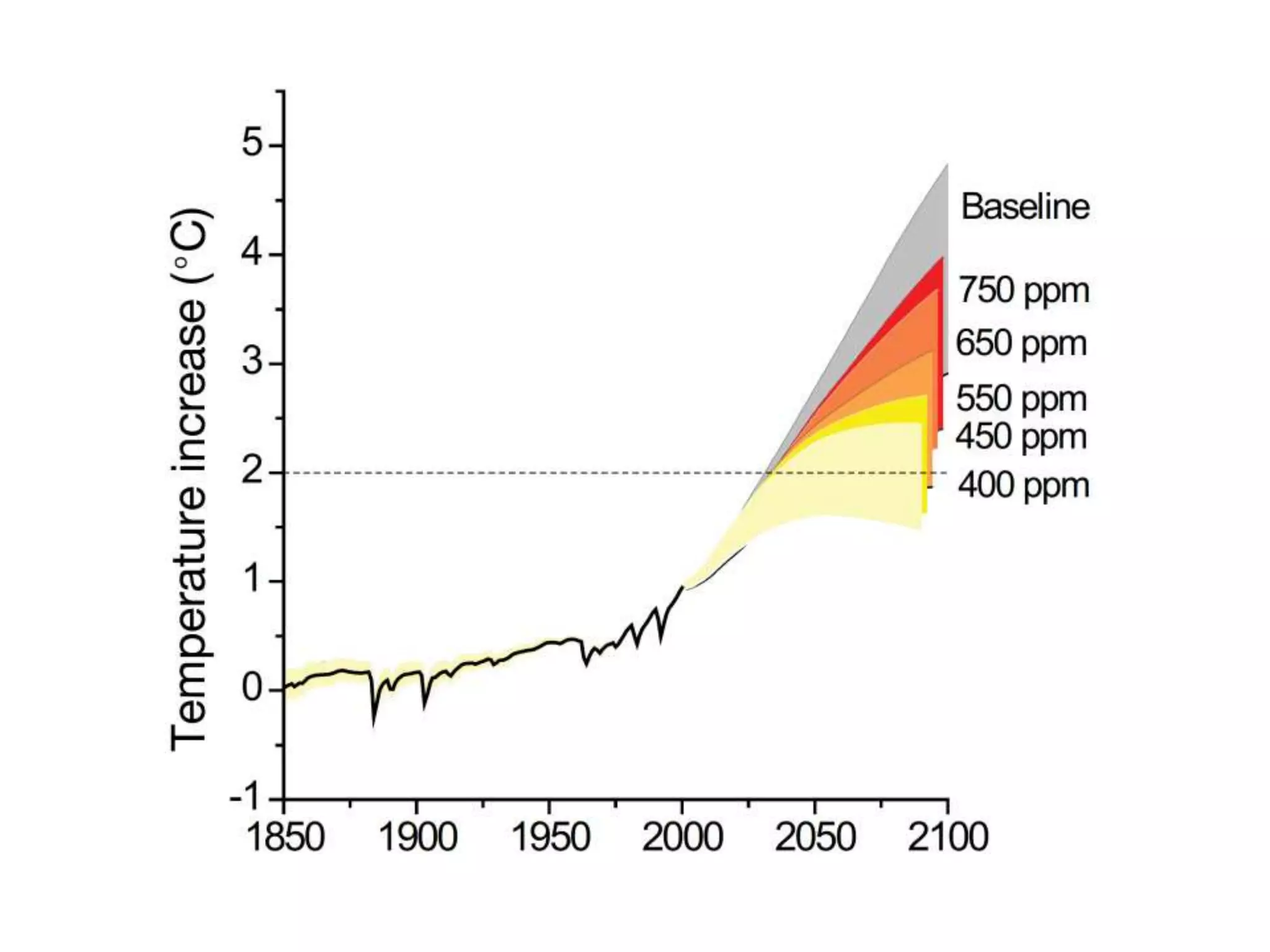
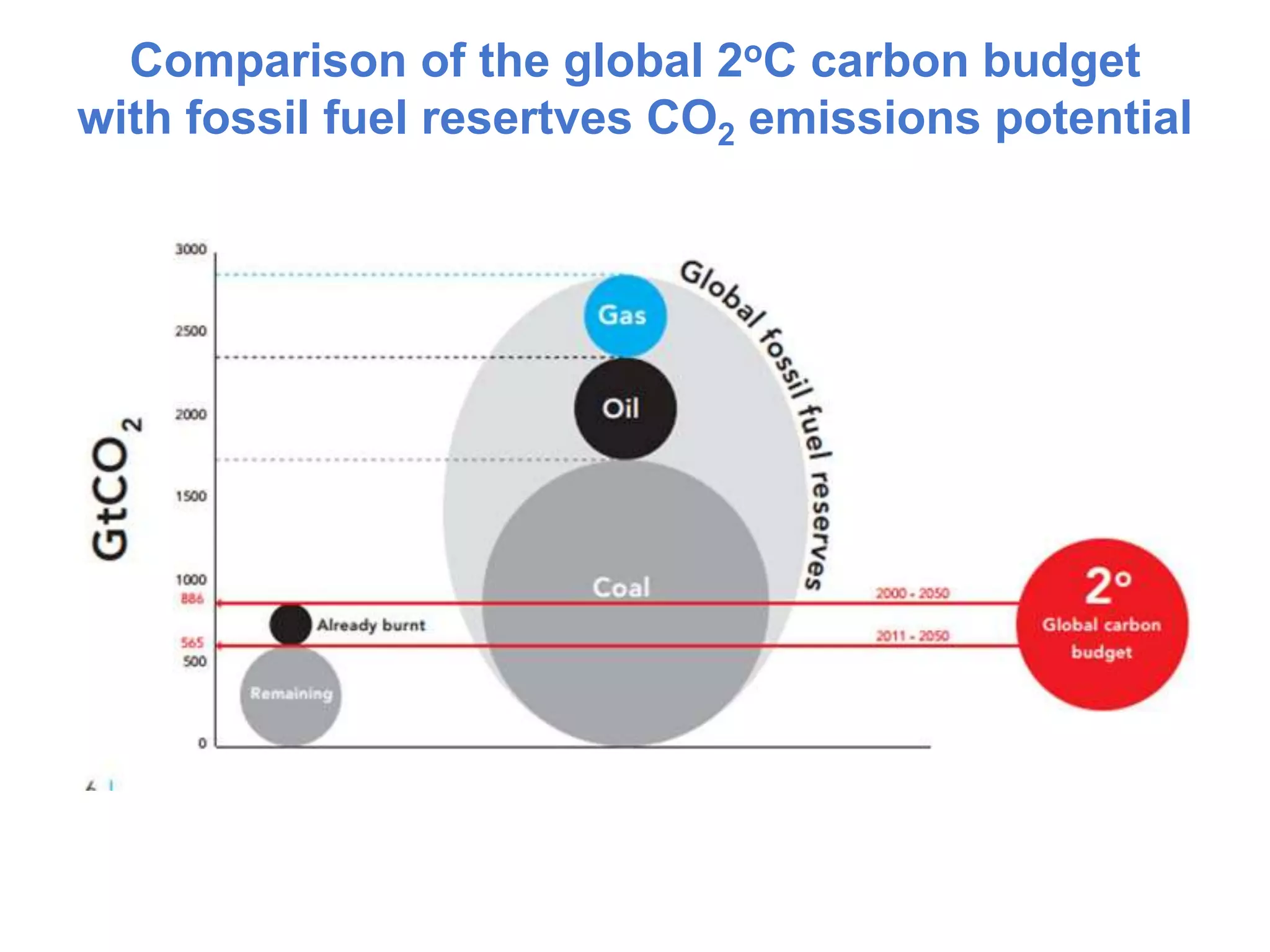
Comparison of the global 2oC carbon budget
with fossil fuel resertves CO2 emissions potential
IPCC AR5 Synthesis Report
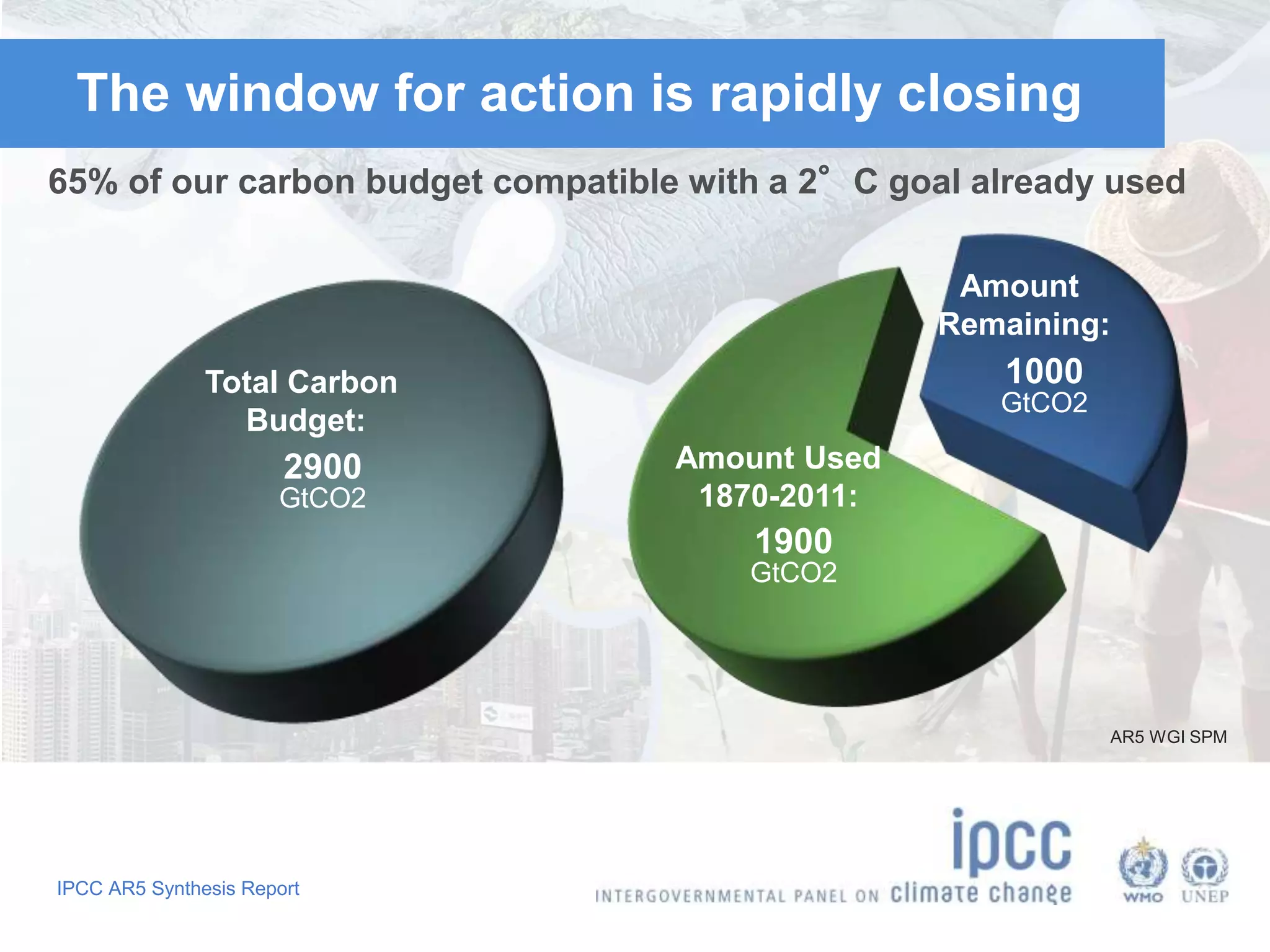
The window for action is rapidly closing
65% of our carbon budget compatible with a 2°C goal already used
Amount Used
1870-2011:
1900
GtCO2
Amount
Remaining:
1000
GtCO2
Total Carbon
Budget:
2900
GtCO2
AR5 WGI SPM
IPCC AR5 Synthesis Report
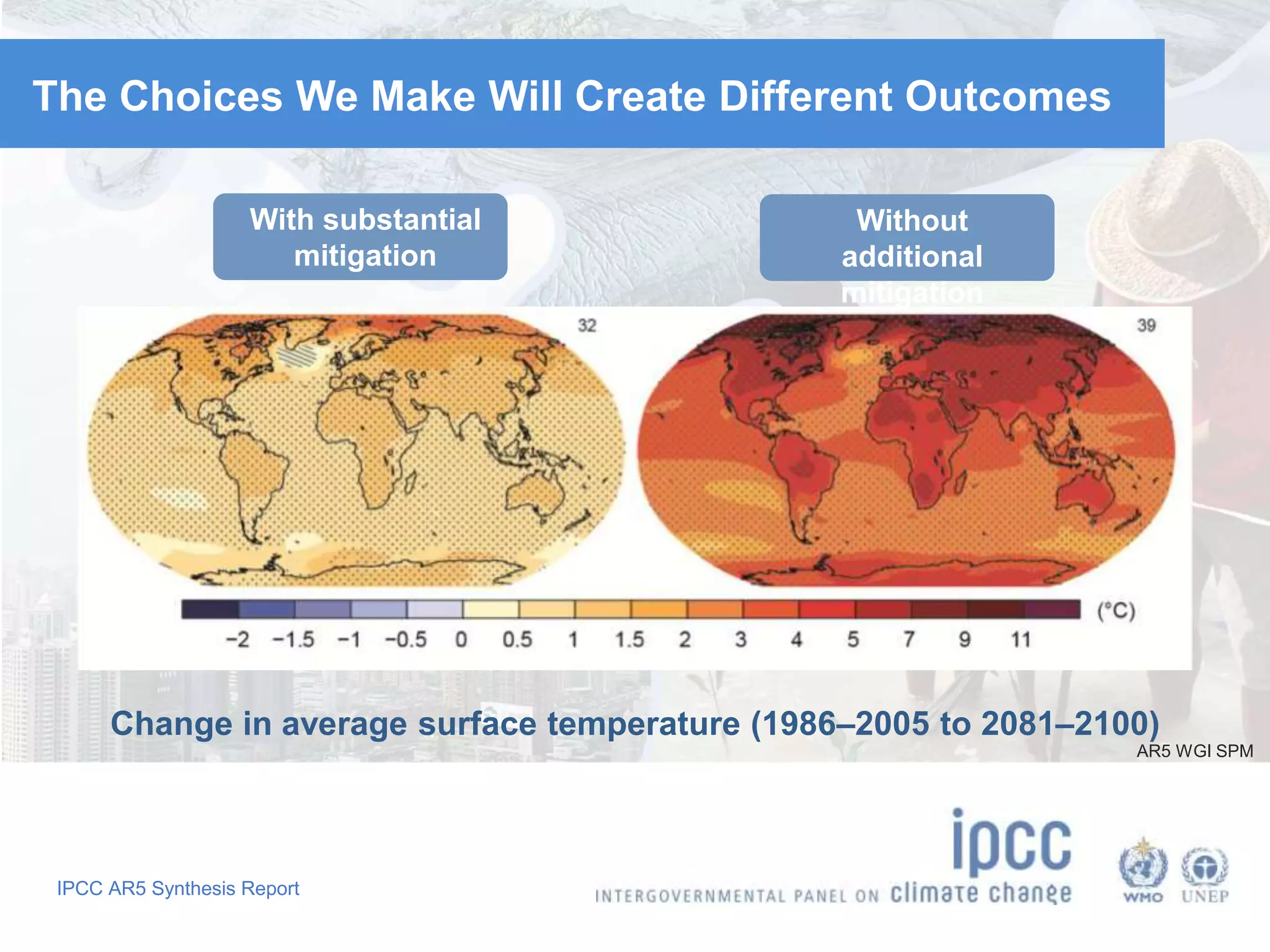
The Choices We Make Will Create Different Outcomes
With substantial
mitigation
Without
additional
mitigation
Change in average surface temperature (1986–2005 to 2081–2100)
AR5 WGI SPM
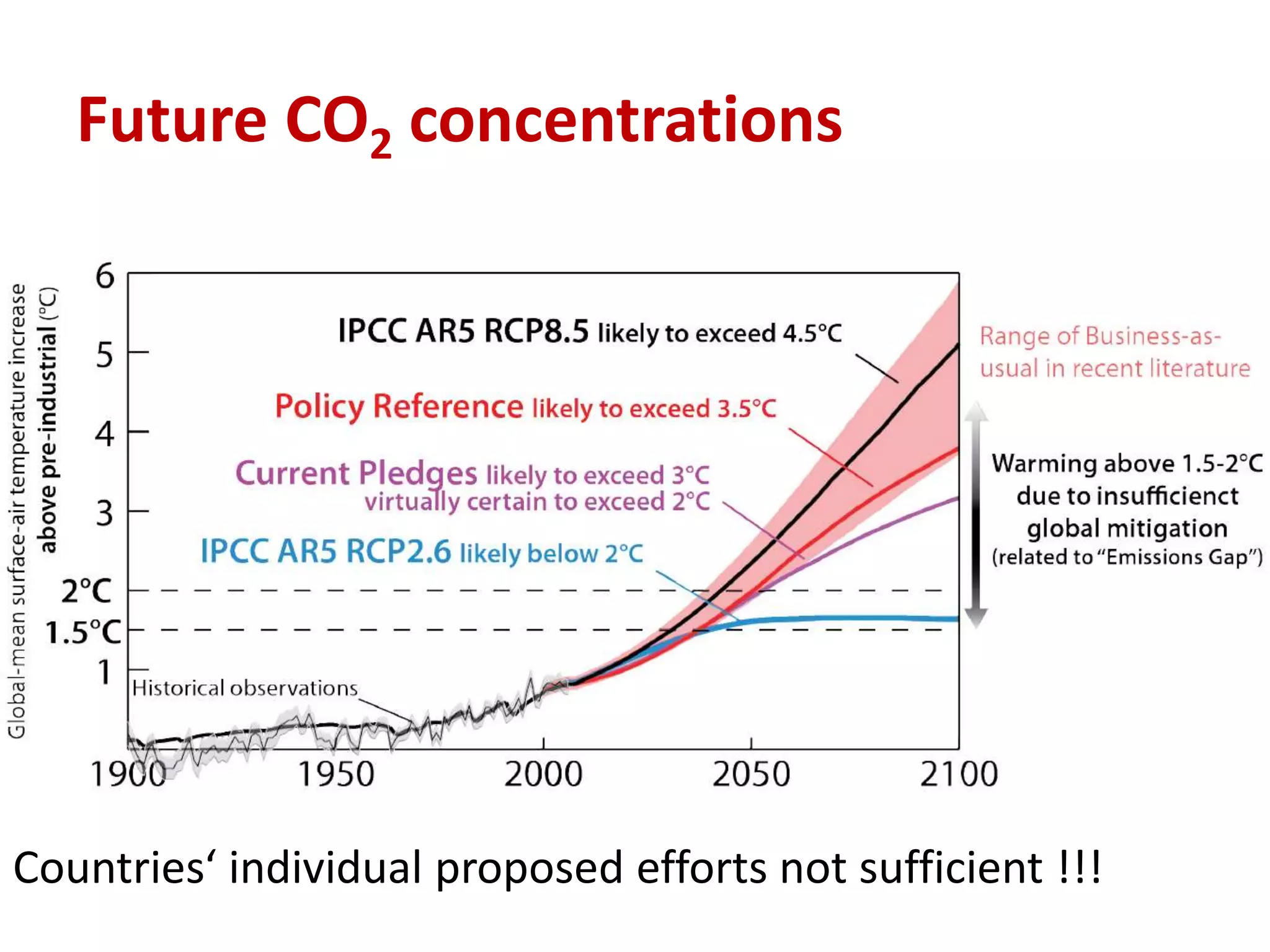
Future CO2 concentrations
Long term limit for reefs
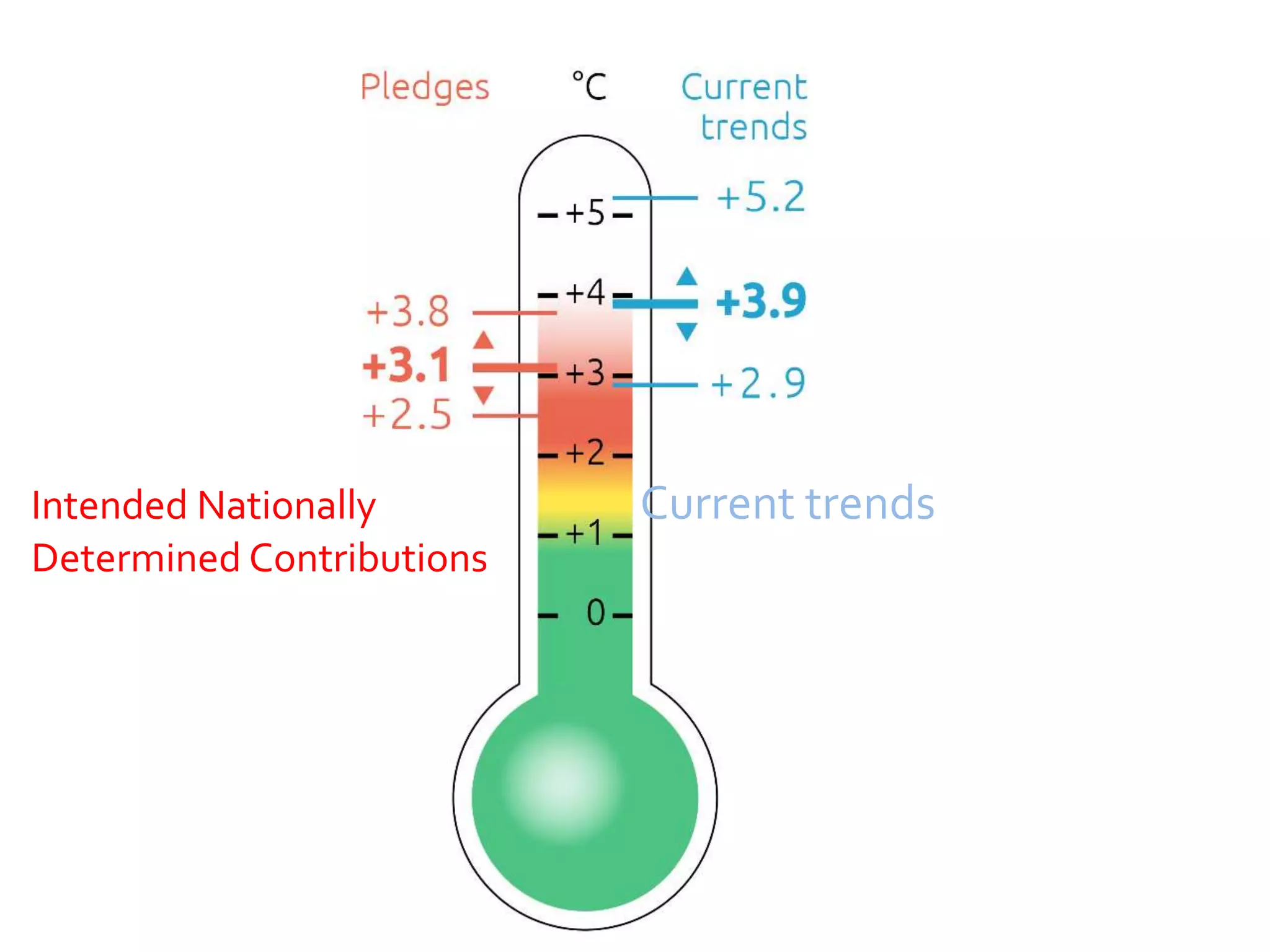
Countries‘ individual proposed efforts not sufficient !!!
Intended Nationally Current trends
Determined Contributions
IPCC AR5 Synthesis Report
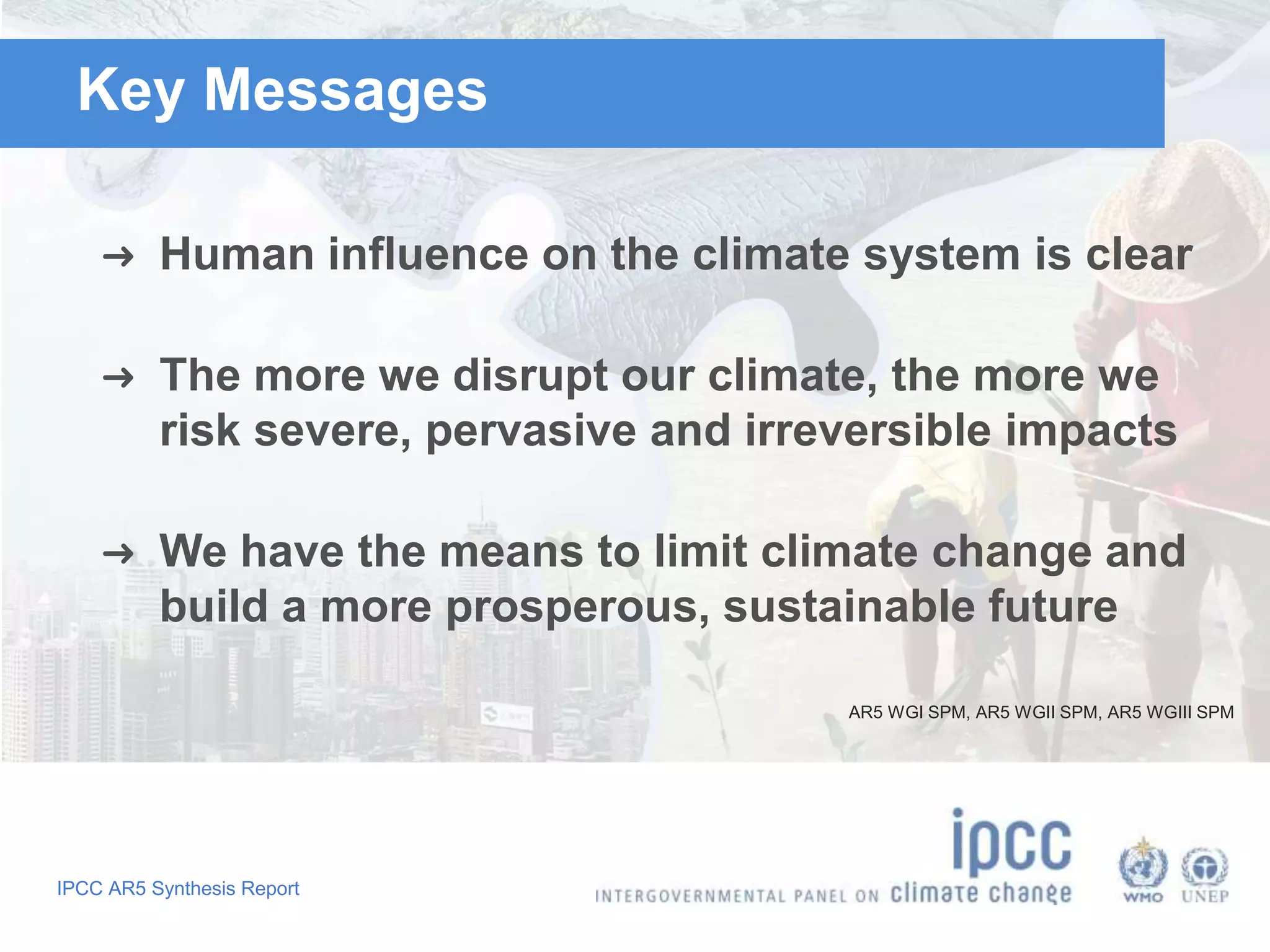
Key Messages
➜ Human influence on the climate system is clear
➜ The more we disrupt our climate, the more we
risk severe, pervasive and irreversible impacts
➜ We have the means to limit climate change and
build a more prosperous, sustainable future
AR5 WGI SPM, AR5 WGII SPM, AR5 WGIII SPM
IPCC AR5 Synthesis Report
IPCC Fifth Assessment Report

Introduction to Climate Science

  • 1.
    IPCC AR5 SynthesisReport OUTREACH EVENT ON THE IPCC FIFTH ASSESSMENT REPORT Istanbul – Turkey Lučka Kajfež Bogataj Review editor for WGII
  • 2.
    Climate Change isa Large Issue Majority of the sciences and engineering disciplines are involved. Social sciences are interested. Business/Industry has a stake. Involves citizens, politicians, public policy experts, and advocates. Every sector of the economy affected. All aspects of our lives touched: environment, jobs, health, politics, national security, arts, religion, etc.
  • 3.
    What is happeningin the climate system? What are the risks? What can be done?
  • 4.
  • 5.
    IPCC AR5 SynthesisReport Sources of emissions Energy production remains the primary driver of GHG emissions 35% 24% 21% 14% 6.4% 2010 GHG emissions Energy Sector Agriculture, forests and other land uses Industry Transport Building Sector AR5 WGIII SPM
  • 6.
    Fate of AnthropogenicCO2 Emissions 26% 32.4±1.6 GtCO2/yr 91% 3.3±1.8 GtCO2/yr 9% 29% 44%
  • 7.
    –18°C +15°C Earth withoutair Our planet + 33°C If the world had no atmosphere, it would be very cold
  • 8.
    Natural GHG effect 33°C Other GHG <1 °C CO2 2 °C H2O 31 °C –18oC +15oC
  • 9.
    BUT THE COMPOSITIONOF AIR IS CHANGING RAPIDLY due to human activities: → more GHG (CO2, CH4, NOx...) → more aerosol (air pollution)
  • 11.
    Enhanced GHG effect 33 °C +1 °C Other GHG <1 °C CO2 2 °C + 1oC H2O 31 °C –18oC +16oC
  • 12.
    IPCC AR5 SynthesisReport Year Globally averaged combined land and ocean surface temperatures It is extremely likely that we are the dominant cause of warming since the mid-20th century AR5 WGI SPM Humans are changing the climate
  • 13.
    IPCC AR5 SynthesisReport 2014 is the warmest year in the record Year Global average annual temperatures since 1880 ( NOAA ) The dark red columns represent the 10 warmest years in the record
  • 14.
    IPCC AR5 SynthesisReport Antropogenic forcings are extremely likely the cause of warming
  • 16.
    IPCC AR5 SynthesisReport Oceans absorb most of the heat More than 90% of the energy accumulating in the climate system between 1971 and 2010 has accumulated in the ocean AR5 SYR
  • 17.
    IPCC AR5 SynthesisReport Impacts are already underway • Tropics to the poles • On all continents and in the ocean • Affecting rich and poor countries (but the poor are more vulnerable everywhere) AR5 WGII SPM
  • 18.
    IPCC AR5 SynthesisReport HUMAN INFLUENCE: Some changes in extreme weather and climate events observed since ~1950 are linked to human activity AR5 WGI SPM In a number of regions, impacts are already underway: • decrease in cold temperature extremes • increase in warm temperature extremes • increase in extreme high sea levels • increase in the number of heavy precipitation events
  • 19.
    Global natural disasters1980 – 2013 Geophysical, meteorological, hydrological events
  • 20.
    IPCC AR5 SynthesisReport Projected climate changes Continued emissions of greenhouse gases will cause further warming and changes in the climate system Global glacier volume will further decrease Global mean sea level will continue to rise during the 21st century It is very likely that the Arctic sea ice cover will continue to shrink and thin as global mean surface temperature rises Oceans will continue to warm during the 21st century AR5 WGI SPM
  • 22.
    Warming over the21st century Based on WGII Figure SPM 4
  • 24.
    Projections Europe (RCP4.5) 2081-2100versus 1986-2005 Temperature (oC) Precipitation (%) winter summer winter half summer half
  • 26.
    +2° +4° PROBLEMATIC • 1 -2 billion additional people with water stress • Impacts on cereal productivity at low latitudes • Increased coastal flooding and storms • Greater depth of seasonal permafrost thaw DISASTROUS • A 16 ºC increase in the Arctic • 1.1 - 3.2 billion additional people with water stress • Widespread coral mortality; risk of major extinctions around the globe • Substantial global impact on major crops • Long-term prospect of sea level rise Global temperature rise
  • 27.
    IPCC AR5 SynthesisReport Potential Impacts of Climate Change Food and water shortages Increased poverty Increased displacement of people Coastal flooding AR5 WGII SPM
  • 28.
    Climate Change impacts Climate Change Impacts Physical systems (ice,rivers, etc.) Biological & seasonal cycles Economy: infrastructure, output, growth Stern Report (UK, 2006) Human Well-being Indirect impacts Wealth (and distribution); local environment; etc. Direct health impacts (heat, extreme events...) Food yields
  • 29.
    Climate change: AMultiplier for Instability
  • 30.
    IPCC AR5 SynthesisReport Climate Change Poses Risk for Food Production AR5 SYR SPM
  • 31.
    Facing the dangersfrom climate change… …there are only three options: Mitigation, meaning measures to reduce the pace & magnitude of the changes in global climate being caused by human activities. Adaptation, meaning measures to reduce the adverse impacts on human well-being resulting from the changes in climate that do occur. Suffering the adverse impacts that are not avoided by either mitigation or adaptation.
  • 32.
    IPCC AR5 SynthesisReport Limiting Temperature Increase to 2˚C A combination of adaptation and substantial, sustained reductions in greenhouse gas emissions can limit climate change risks Implementing reductions in greenhouse gas emissions poses substantial technological, economic, social, and institutional challenges But delaying mitigation will substantially increase the challenges associated with limiting warming to 2°C AR5 WGI SPM, AR5 WGII SPM,AR5 WGIII SPM Measures exist to achieve the substantial emissions reductions required to limit likely warming to 2°C (40-70% reduction in GHGs globally by 2050 and near zero GHGs in 2100)
  • 33.
    IPCC AR5 SynthesisReport Mitigation Measures More efficient use of energy Greater use of low-carbon and no-carbon energy • Many of these technologies exist today Improved carbon sinks • Reduced deforestation and improved forest management and planting of new forests • Bio-energy with carbon capture and storage Lifestyle and behavioural changes AR5 WGIII SPM
  • 34.
    IPCC AR5 SynthesisReport Ambitious Mitigation Is Affordable ➜ Economic growth reduced by ~ 0.06% (BAU growth 1.6 - 3%) ➜ This translates into delayed and not forgone growth ➜ Estimated cost does not account for the benefits of reduced climate change ➜ Unmitigated climate change would create increasing risks to economic growth AR5 WGI SPM, AR5 WGII SPM
  • 35.
    Comparison of theglobal 2oC carbon budget with fossil fuel resertves CO2 emissions potential
  • 36.
    IPCC AR5 SynthesisReport The window for action is rapidly closing 65% of our carbon budget compatible with a 2°C goal already used Amount Used 1870-2011: 1900 GtCO2 Amount Remaining: 1000 GtCO2 Total Carbon Budget: 2900 GtCO2 AR5 WGI SPM
  • 37.
    IPCC AR5 SynthesisReport The Choices We Make Will Create Different Outcomes With substantial mitigation Without additional mitigation Change in average surface temperature (1986–2005 to 2081–2100) AR5 WGI SPM
  • 38.
    Future CO2 concentrations Longterm limit for reefs Countries‘ individual proposed efforts not sufficient !!!
  • 39.
    Intended Nationally Currenttrends Determined Contributions
  • 40.
    IPCC AR5 SynthesisReport Key Messages ➜ Human influence on the climate system is clear ➜ The more we disrupt our climate, the more we risk severe, pervasive and irreversible impacts ➜ We have the means to limit climate change and build a more prosperous, sustainable future AR5 WGI SPM, AR5 WGII SPM, AR5 WGIII SPM
  • 41.
    IPCC AR5 SynthesisReport IPCC Fifth Assessment Report