Intensive Care MedicineTopics for the Final FRCADr. Andrew Ferguson
Why ICU matters for the FRCA…20 specific questions in MCQHelps with medicine/surgery MCQsSAQs - 1 or 2 questions for sure…maybe moreSOE 1 - potential topic/part of topicSOE 2 - 10 minutes of pure fun!
Be calm…The examiners are human (honestly!!!)The questions are (mostly) mainstreamYou will have seen many of the casesGuillain-Barre / Myasthenic crisis / weaknessBrainstem death Status epilepticus and asthmaticusTraumaSeptic shockARDSAcute pancreatitisBurnsSome questions just won’t lie down and die e.g. PAC
But don’t be complacent…People still fail the exam! 10/17 passed in 2008Don’t assume you know enough…make sure you doStructure…structure…structure!Don’t waffle - answer the actual question, not the one you wanted to be asked!!
Other potentials…Acute hepatic failure
Sedation
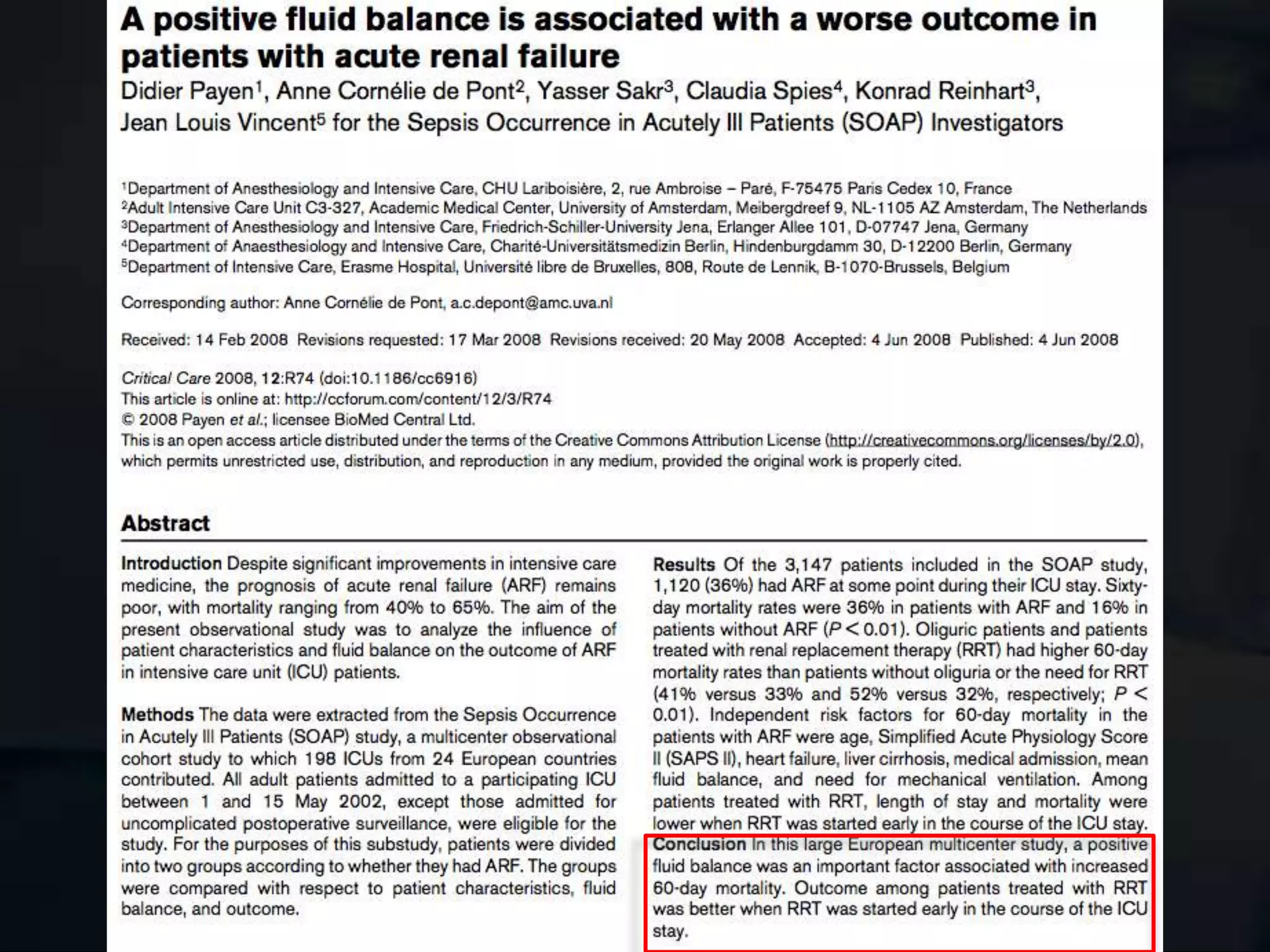
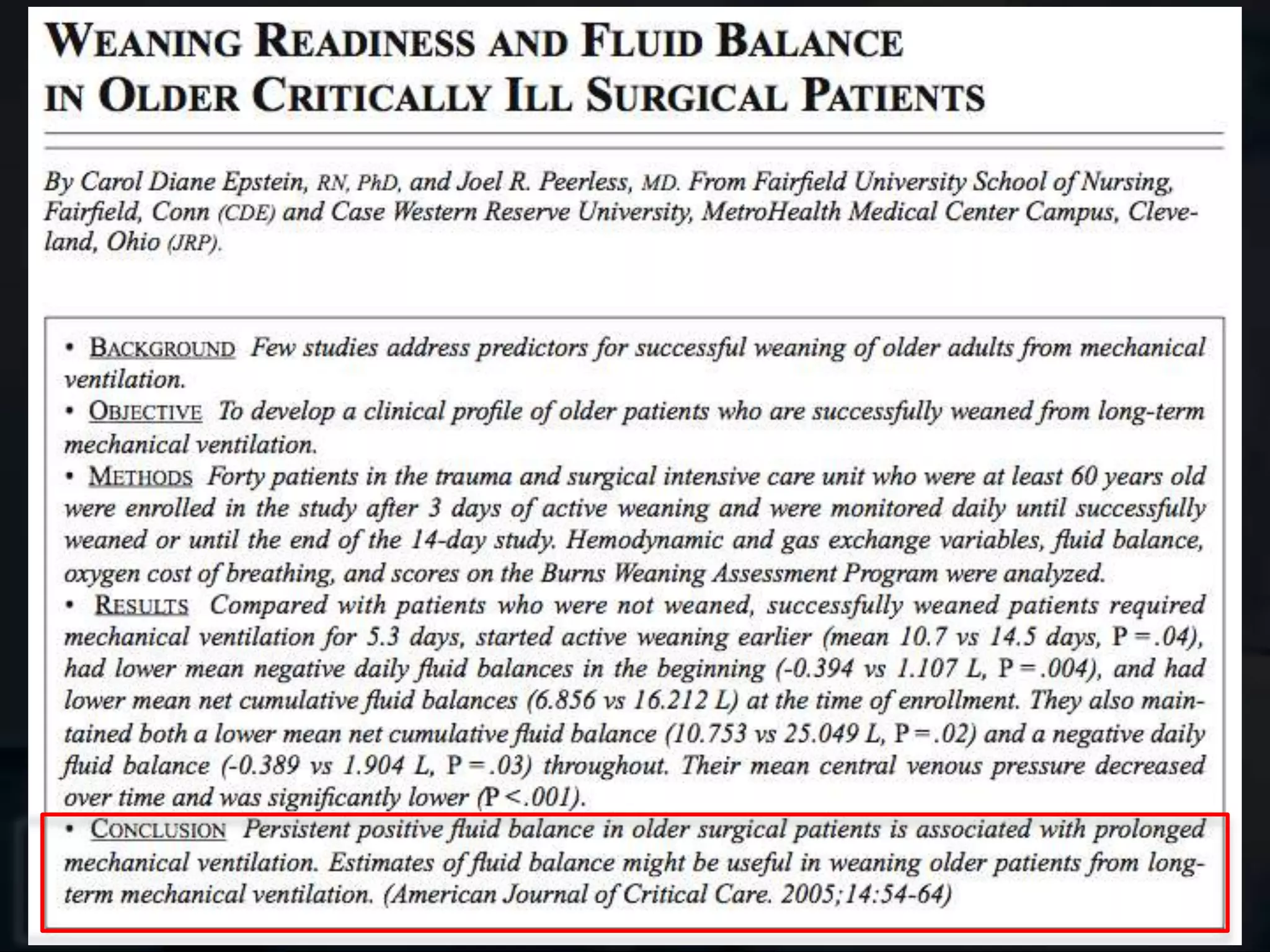
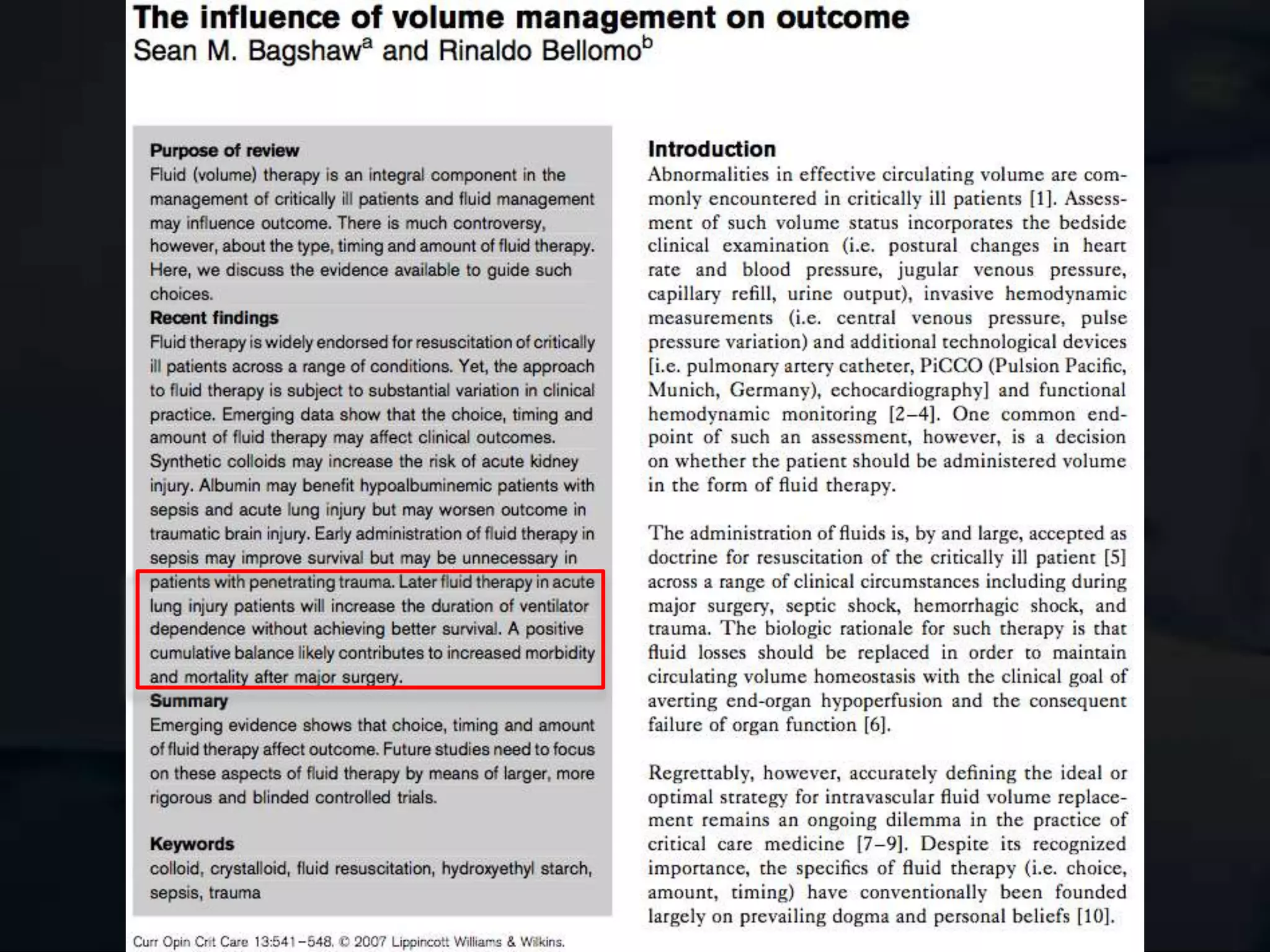
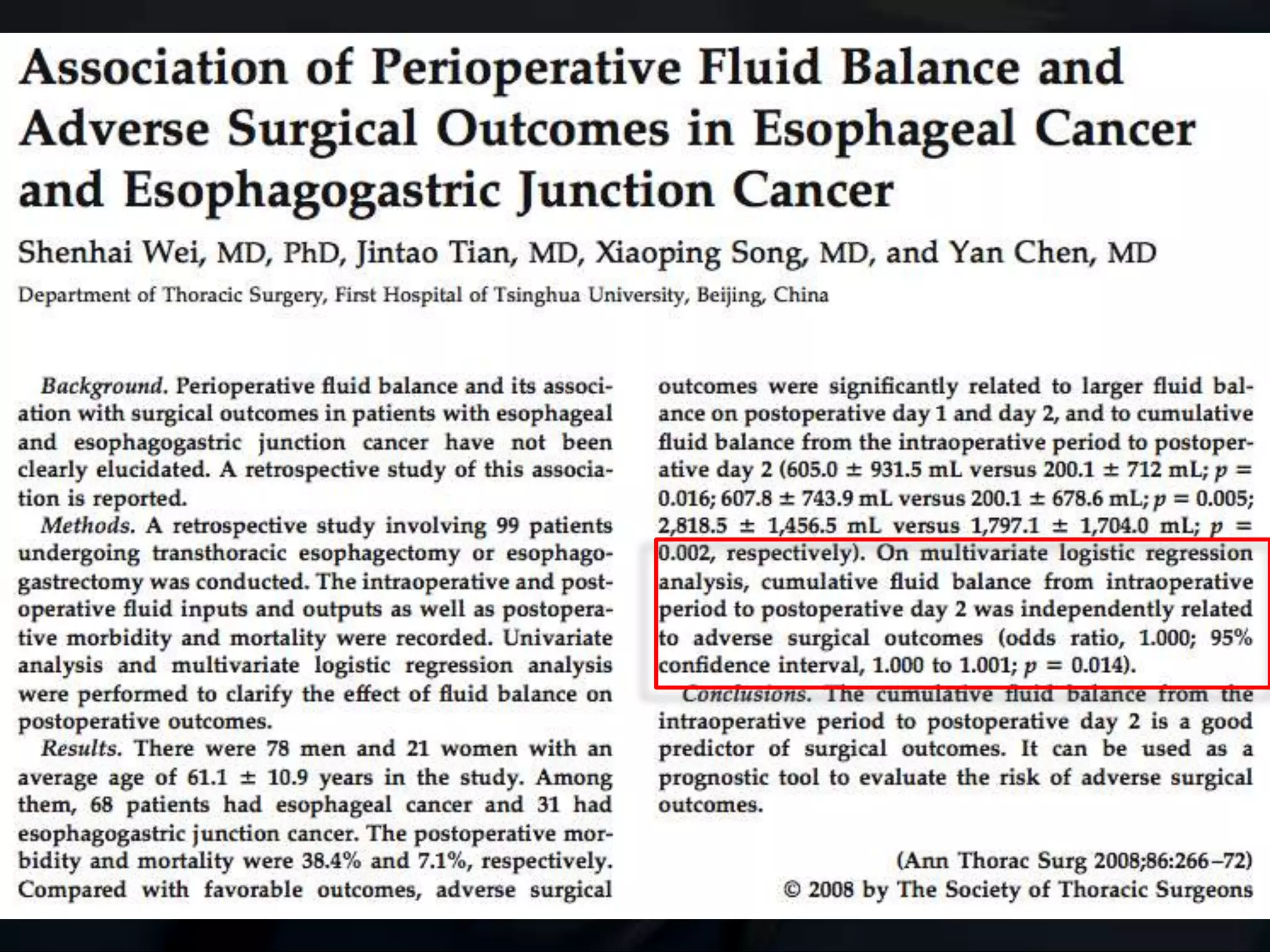
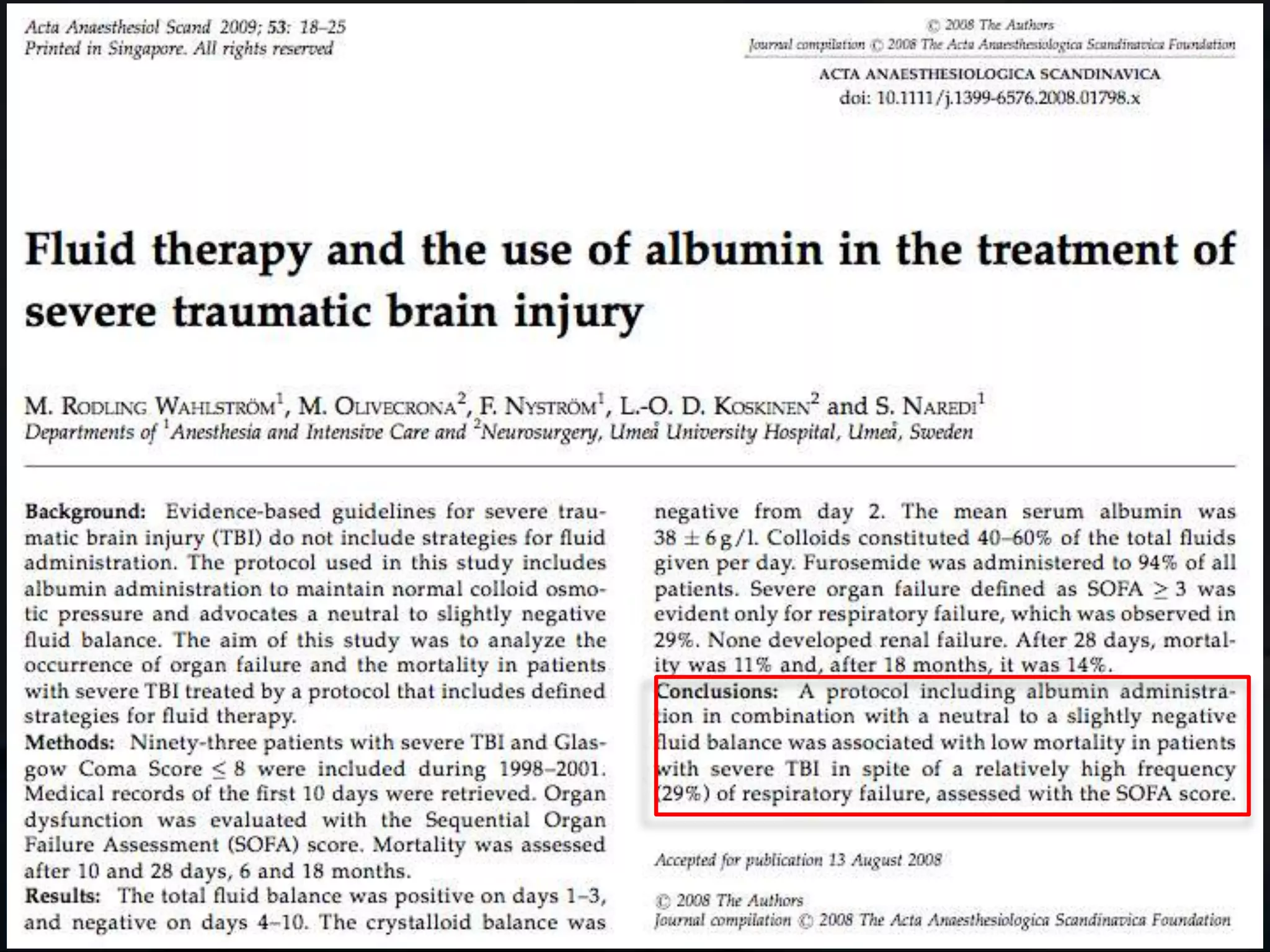
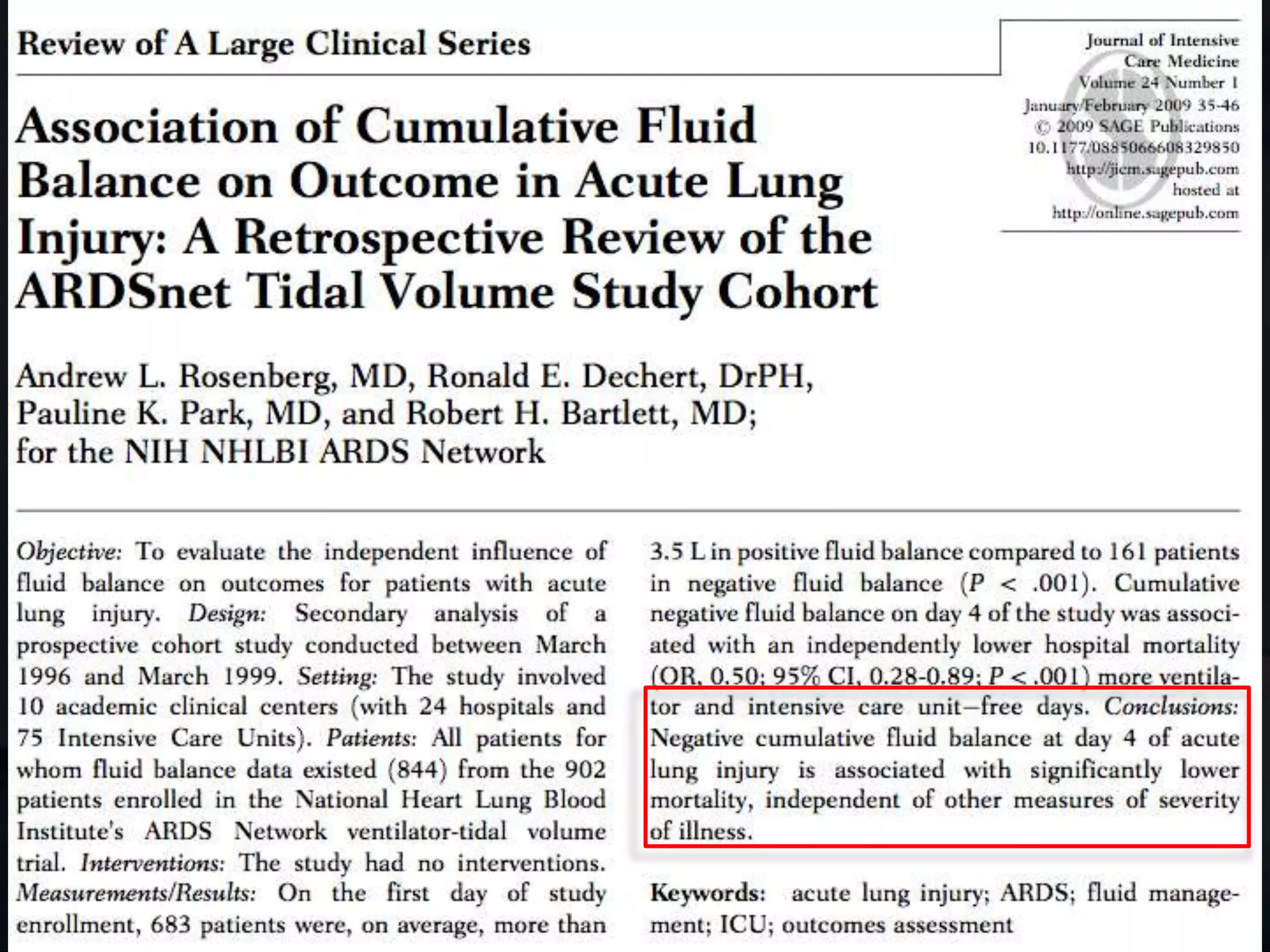
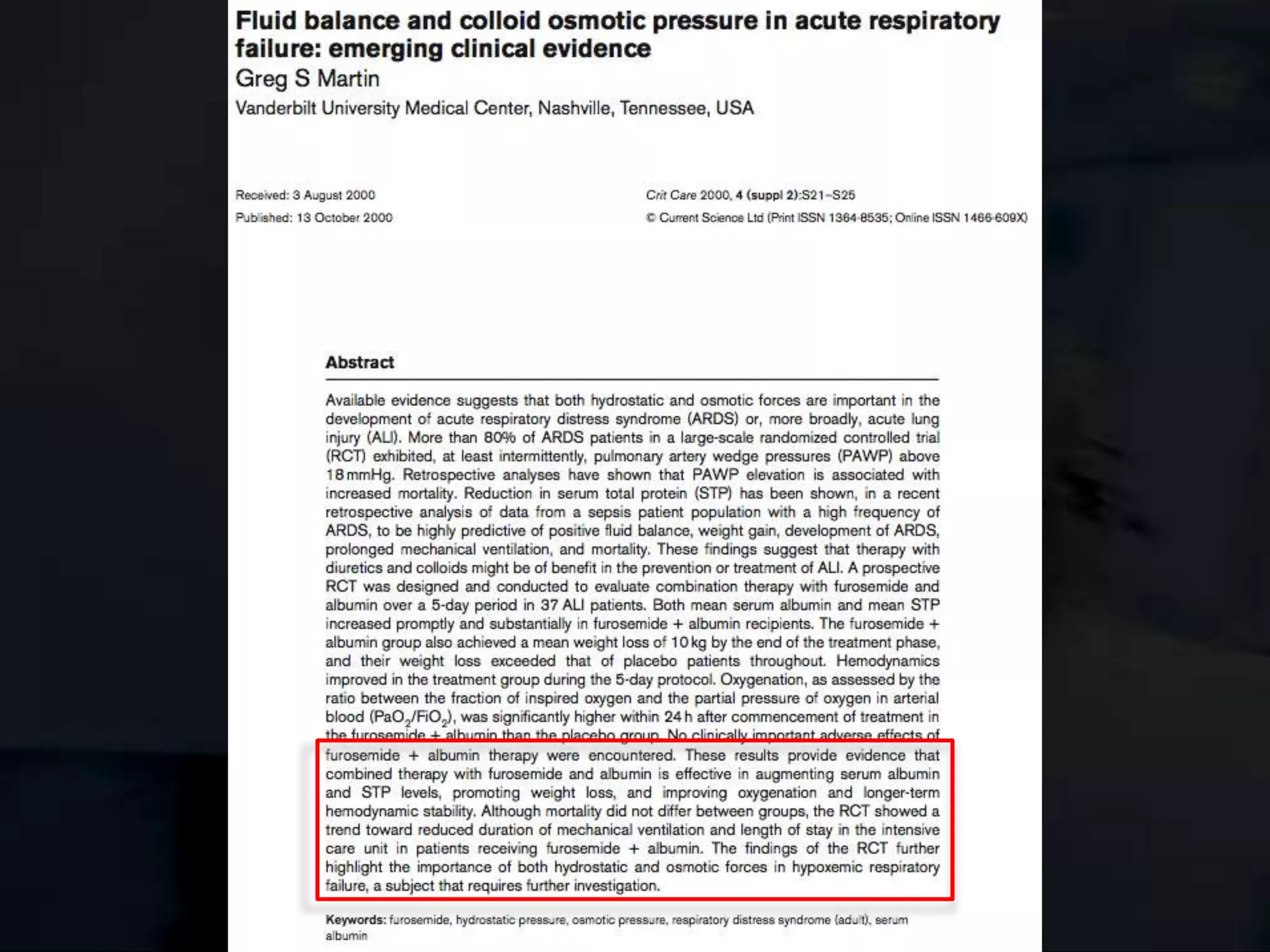
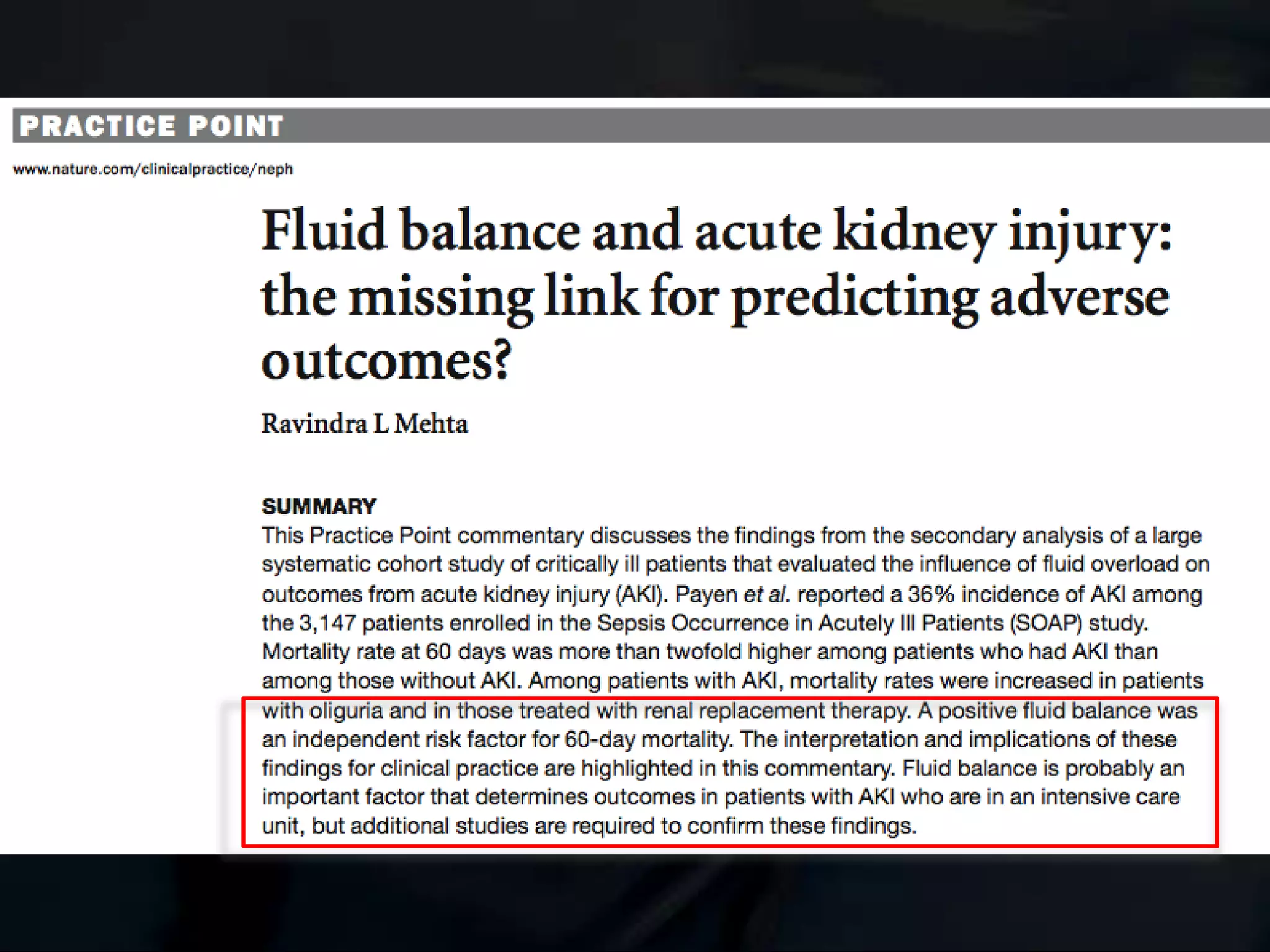
Fluid balance and outcome
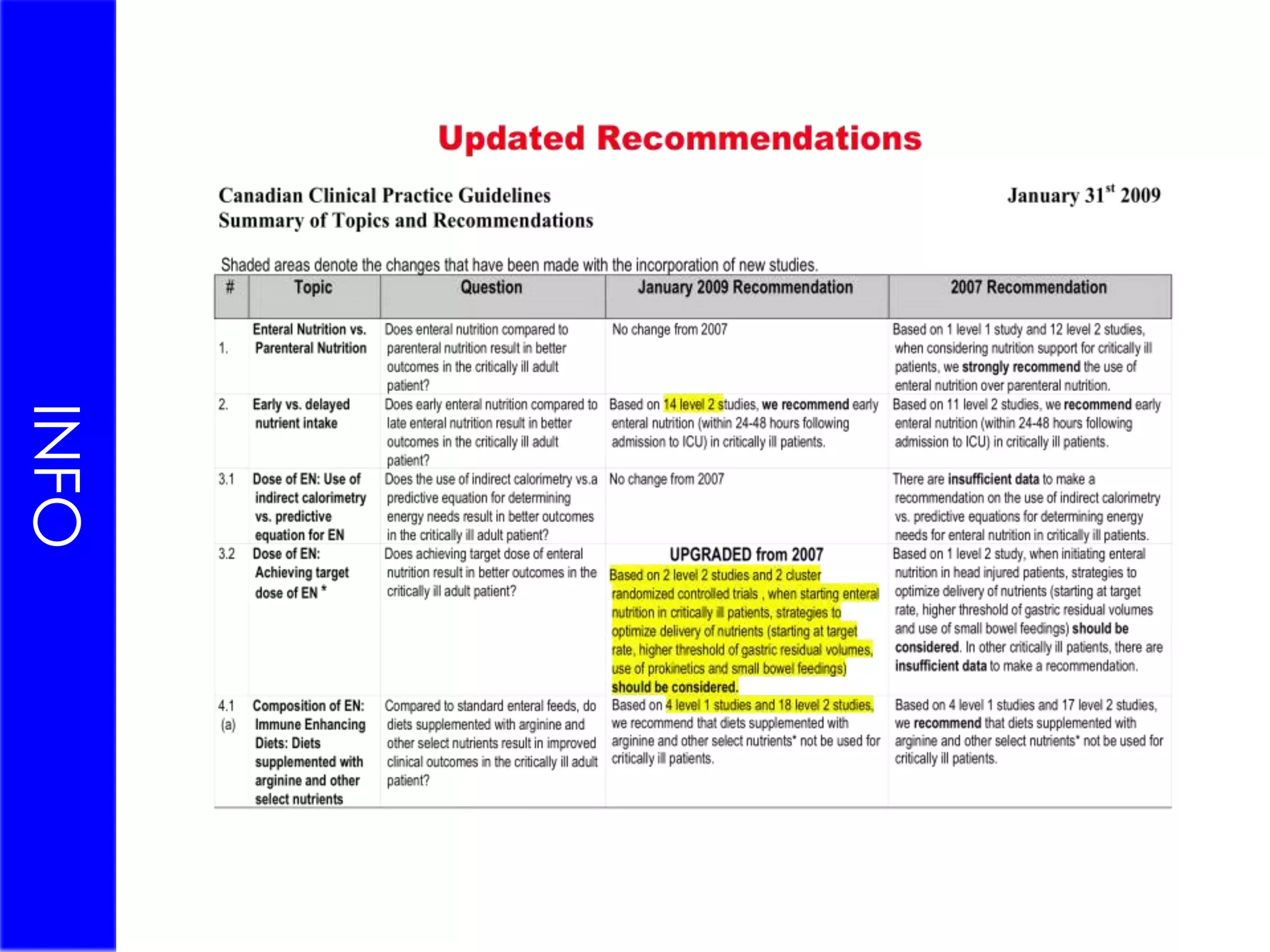
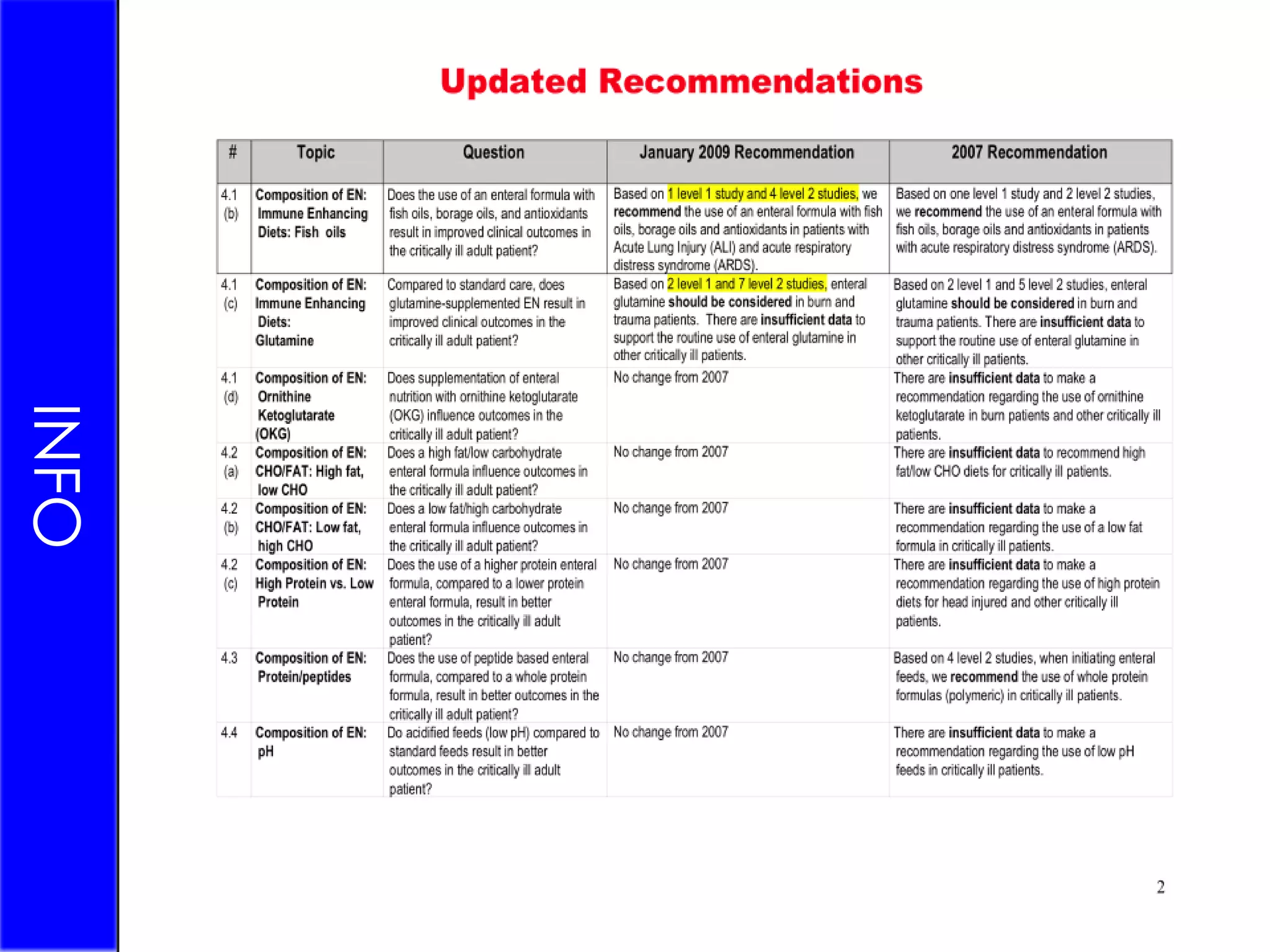
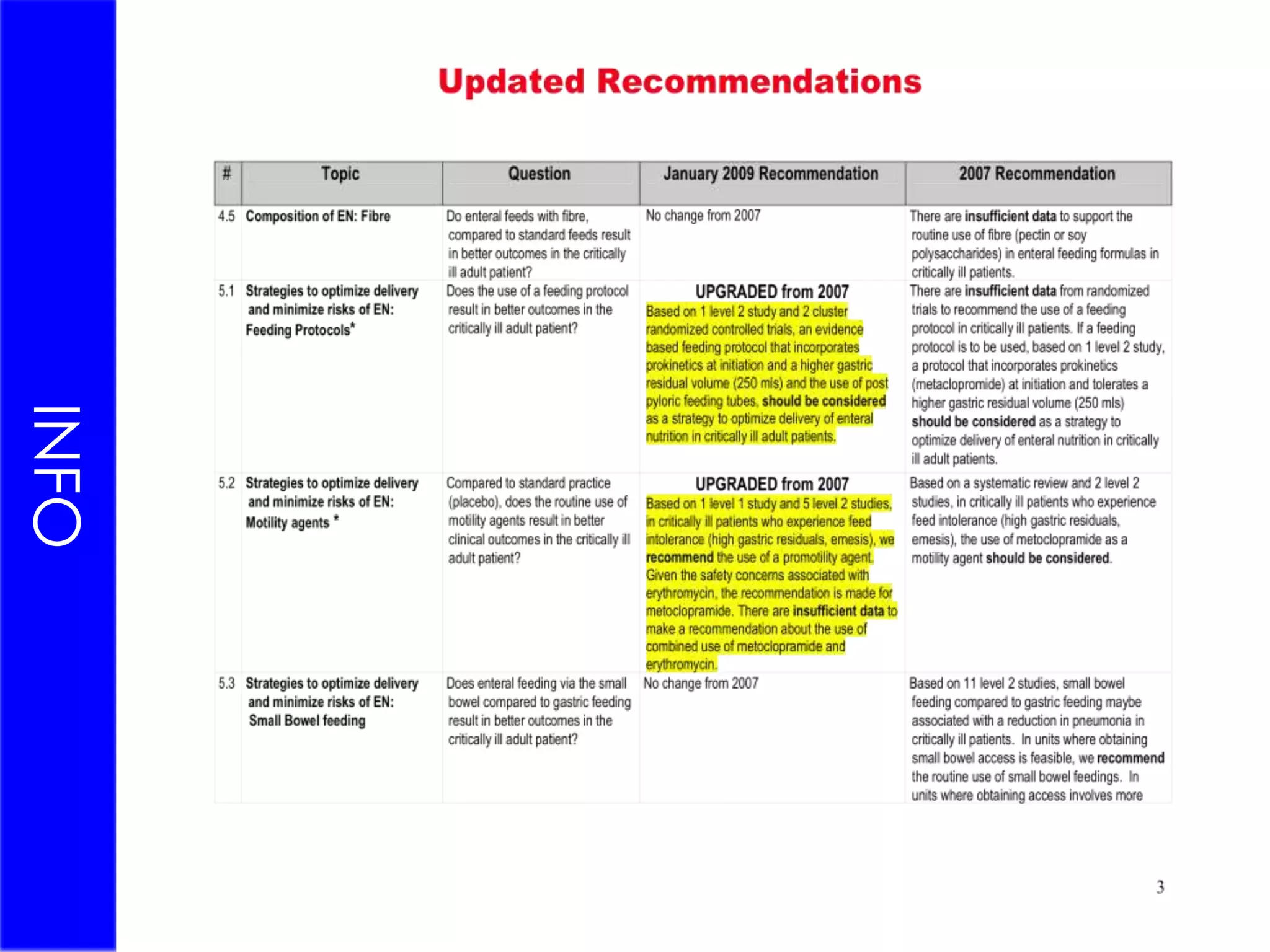
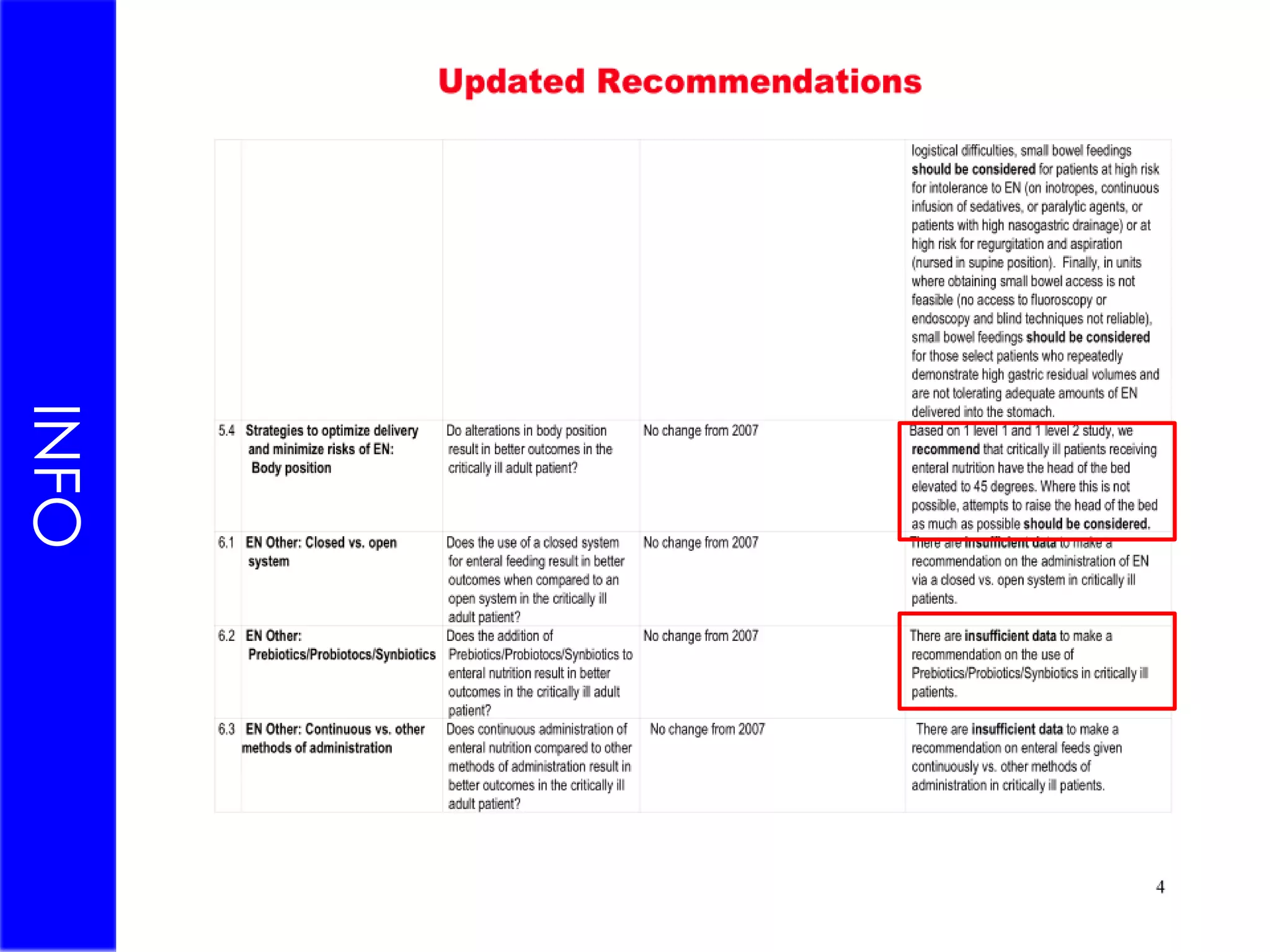
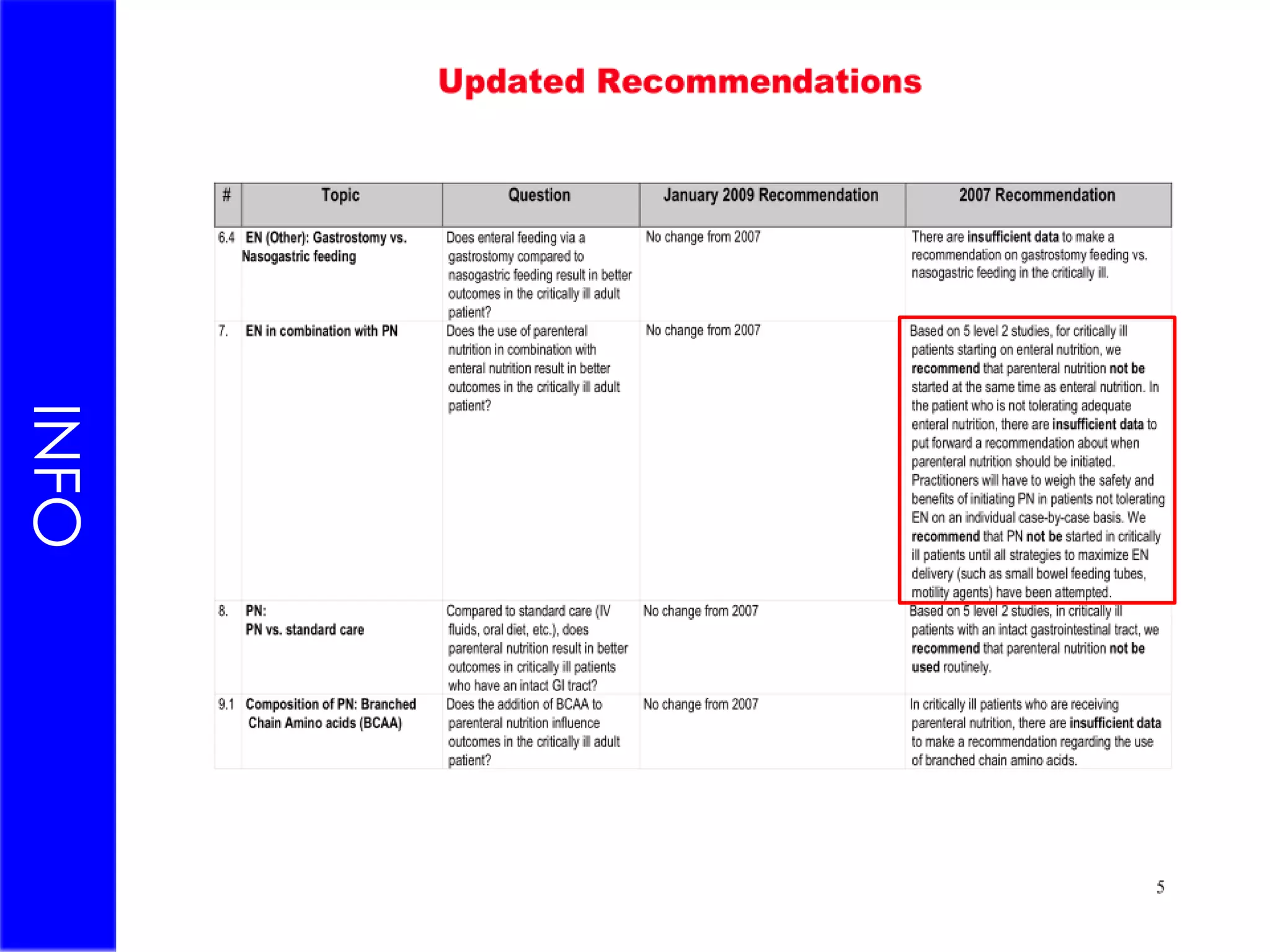
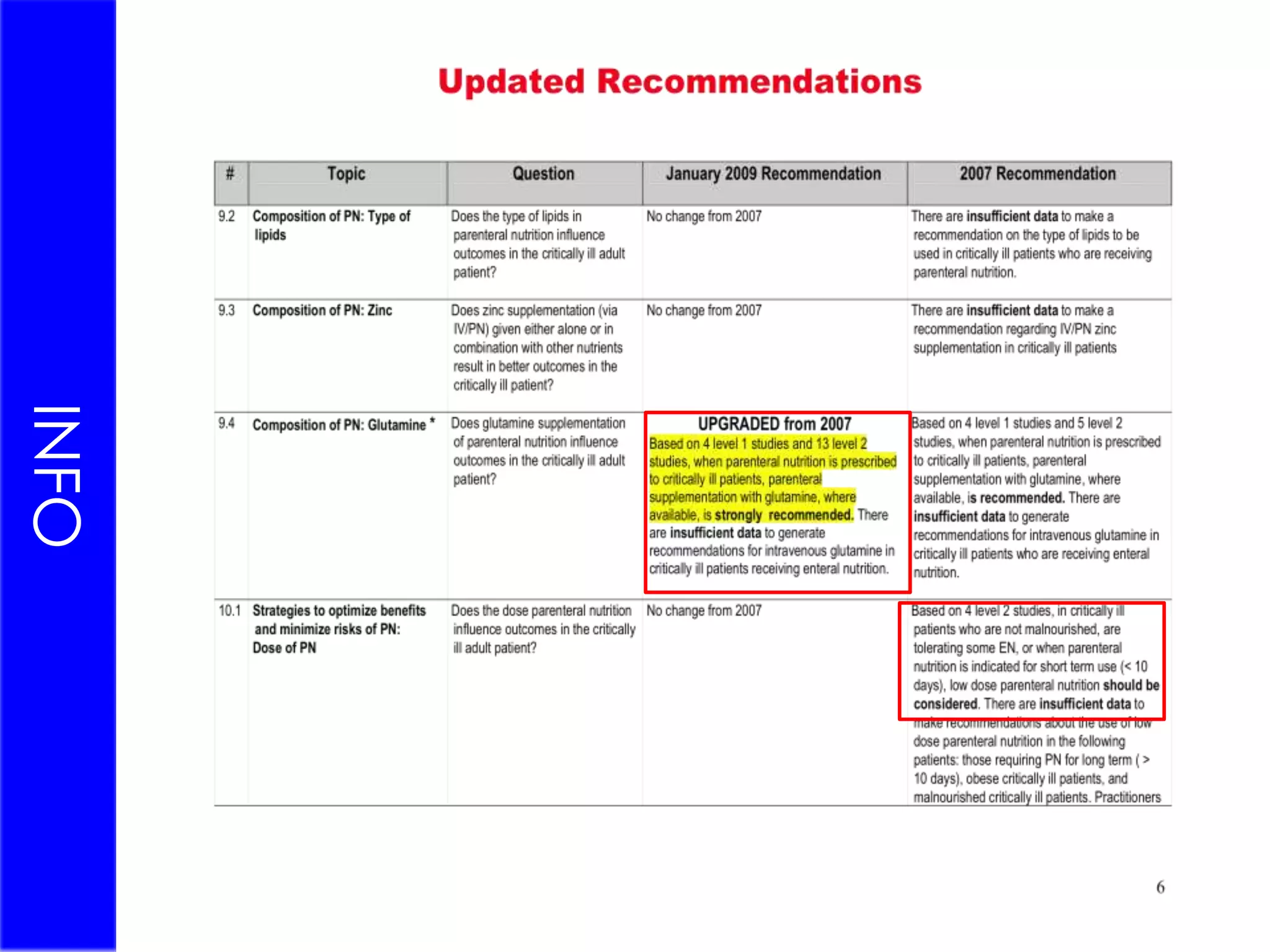
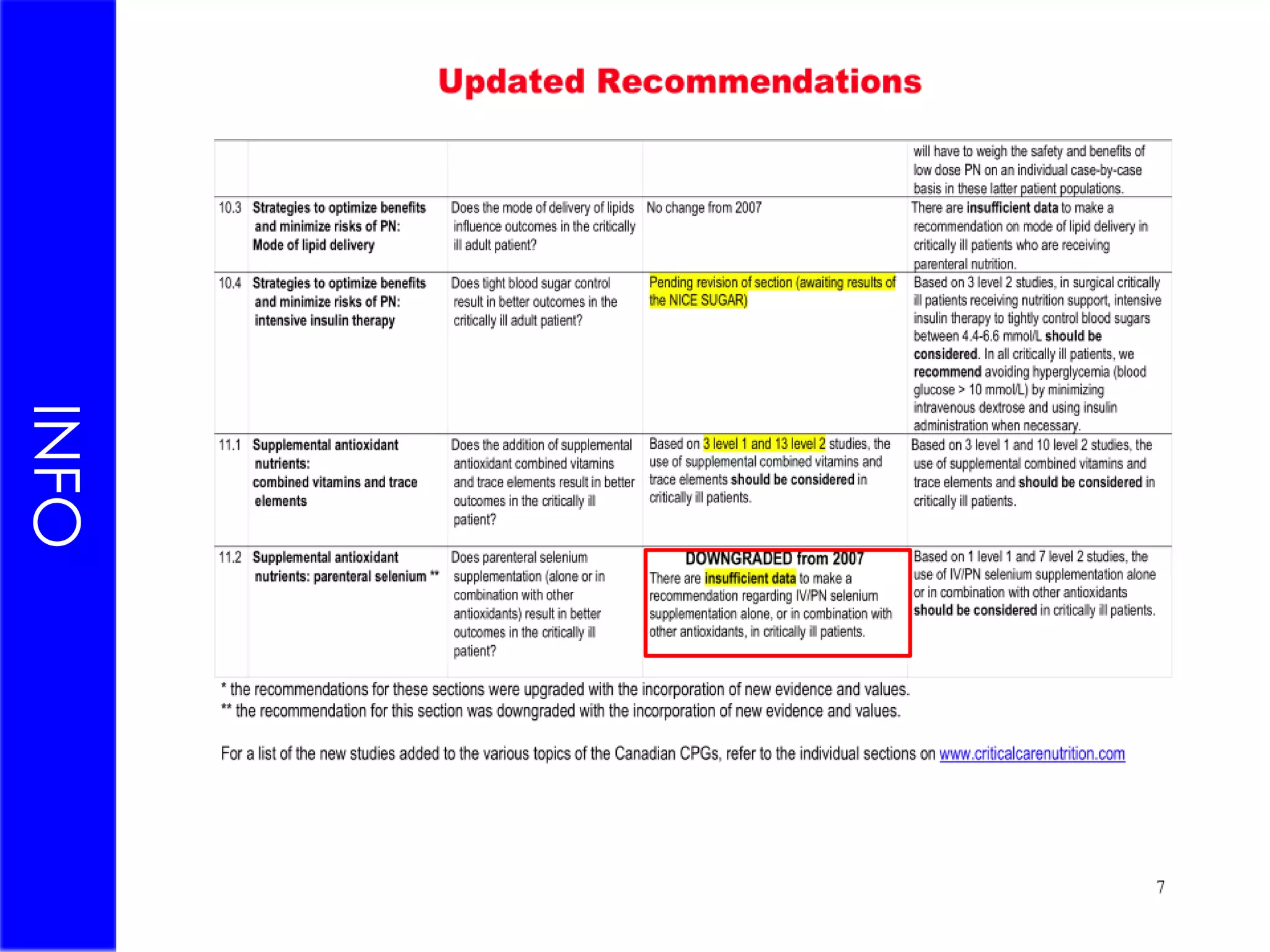
Nutritional therapy
Tissue oxygenation and oxygen delivery
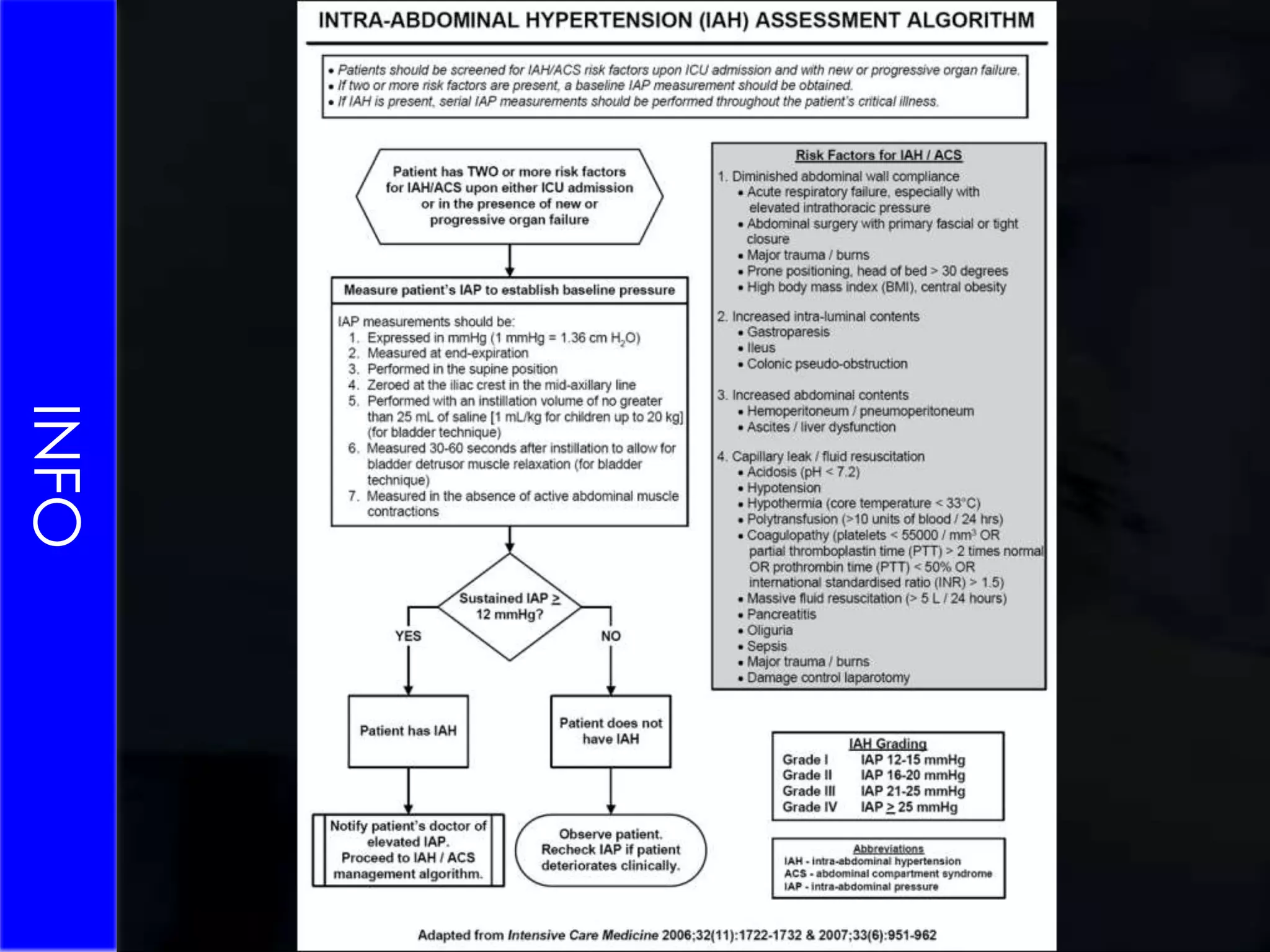
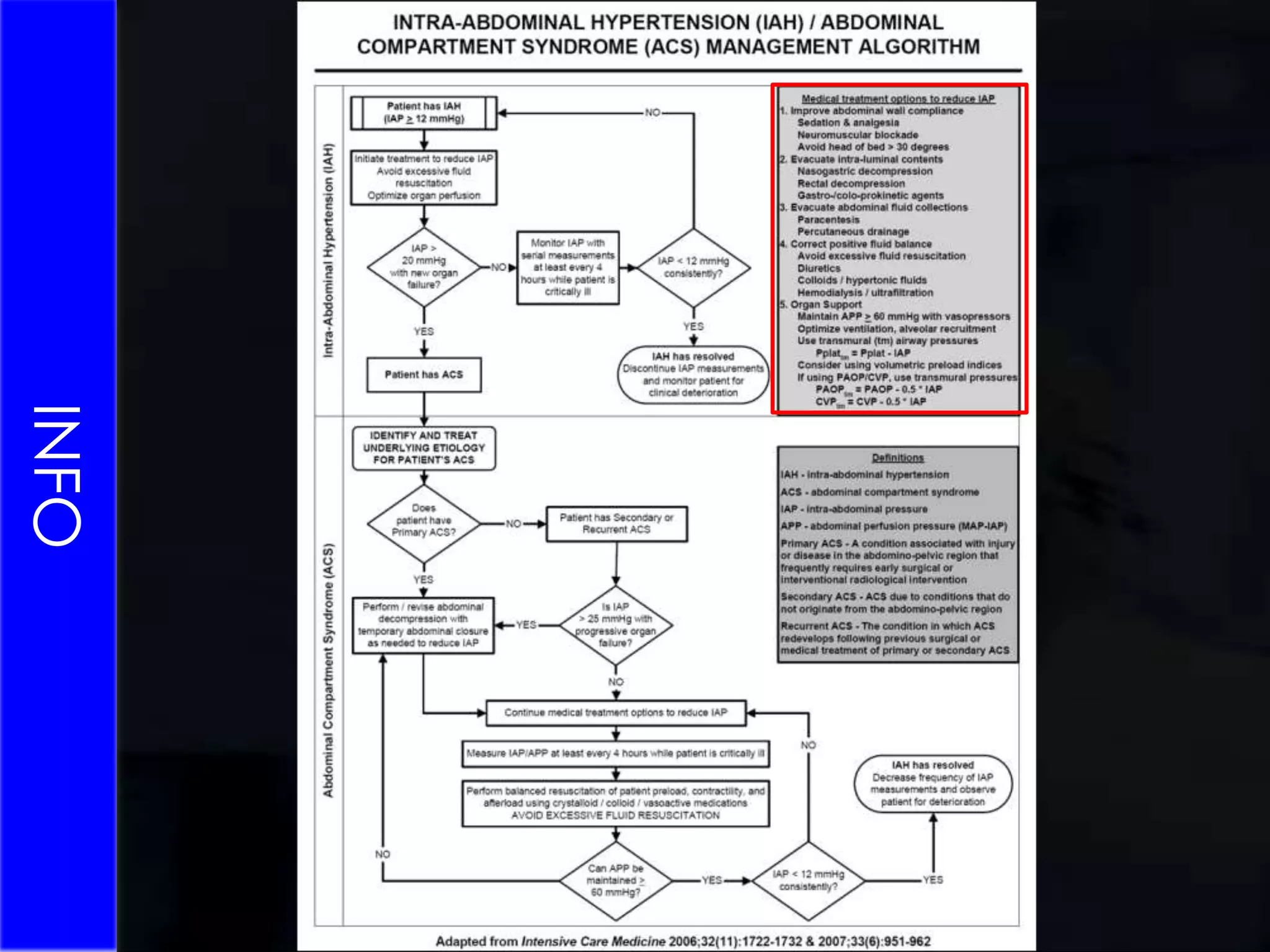
Abdominal compartment syndrome
Cardiogenic shock
Clostridium difficile
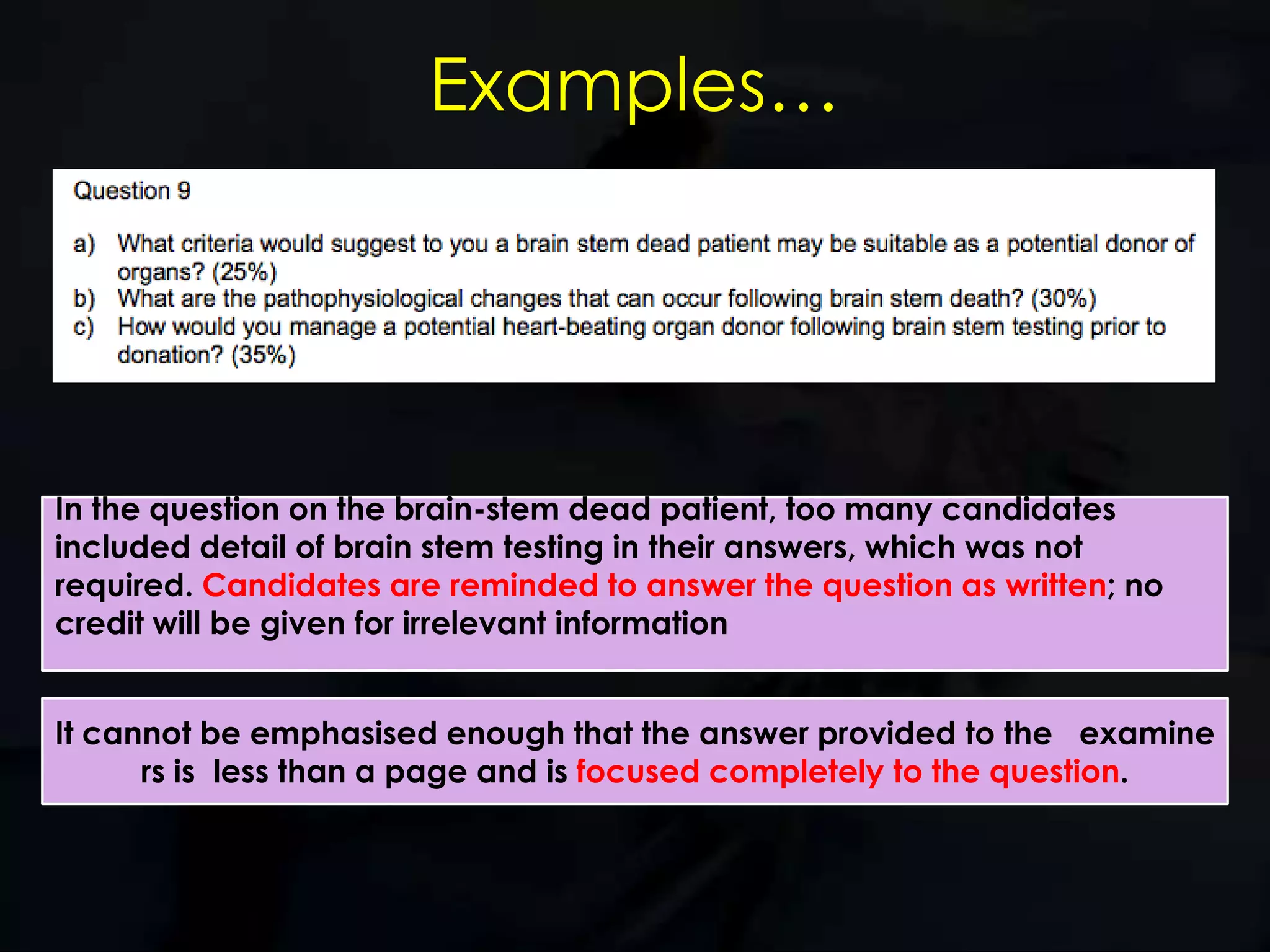
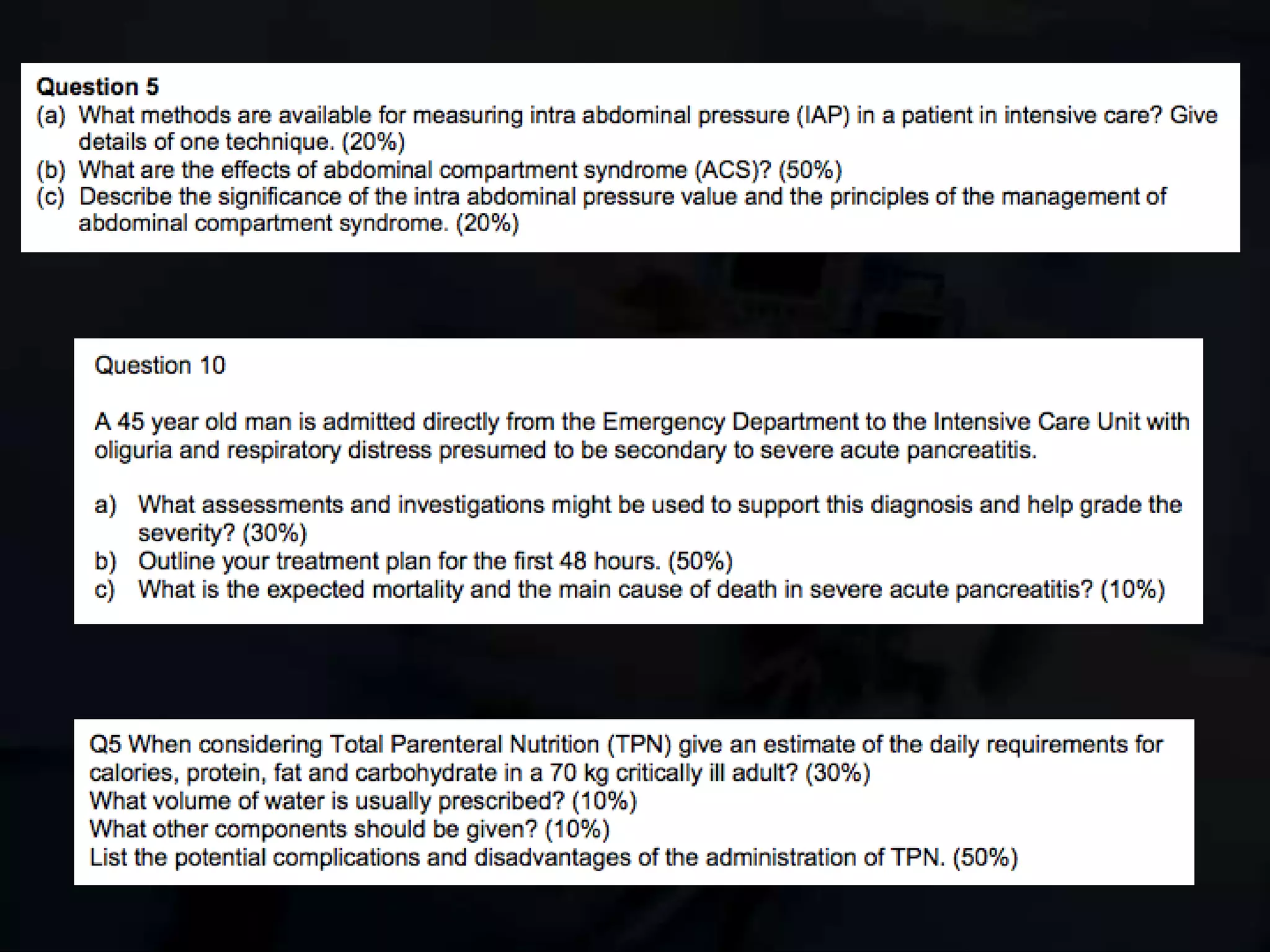
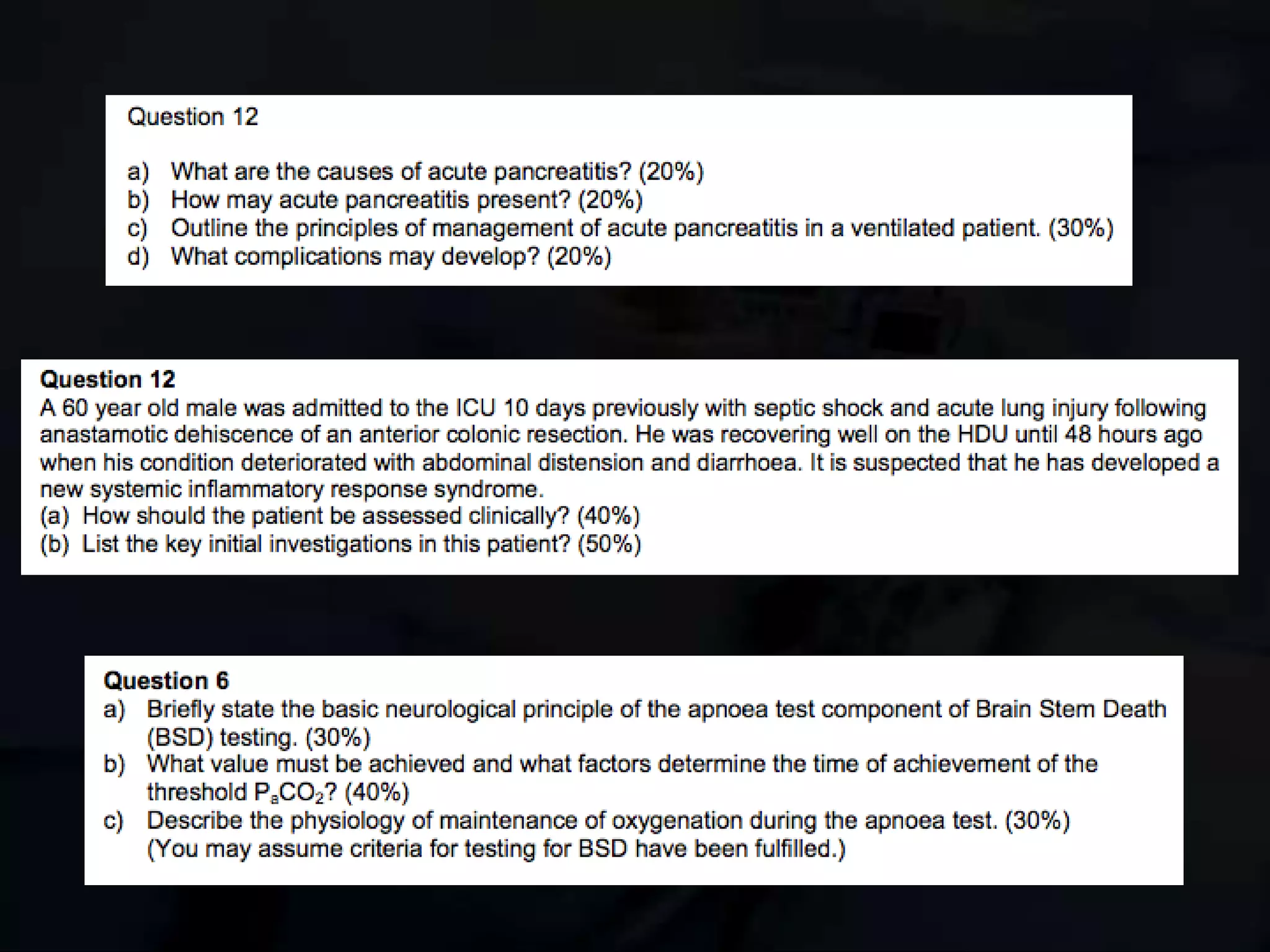
Scoring systemsExamples…In the question on the brain-stem dead patient, too many candidates included detail of brain stem testing in their answers, which was not required. Candidates are reminded to answer the question as written; no credit will be given for irrelevant informationIt cannot be emphasised enough that the answer provided to the   examiners is  less than a page and is focused completely to the question.
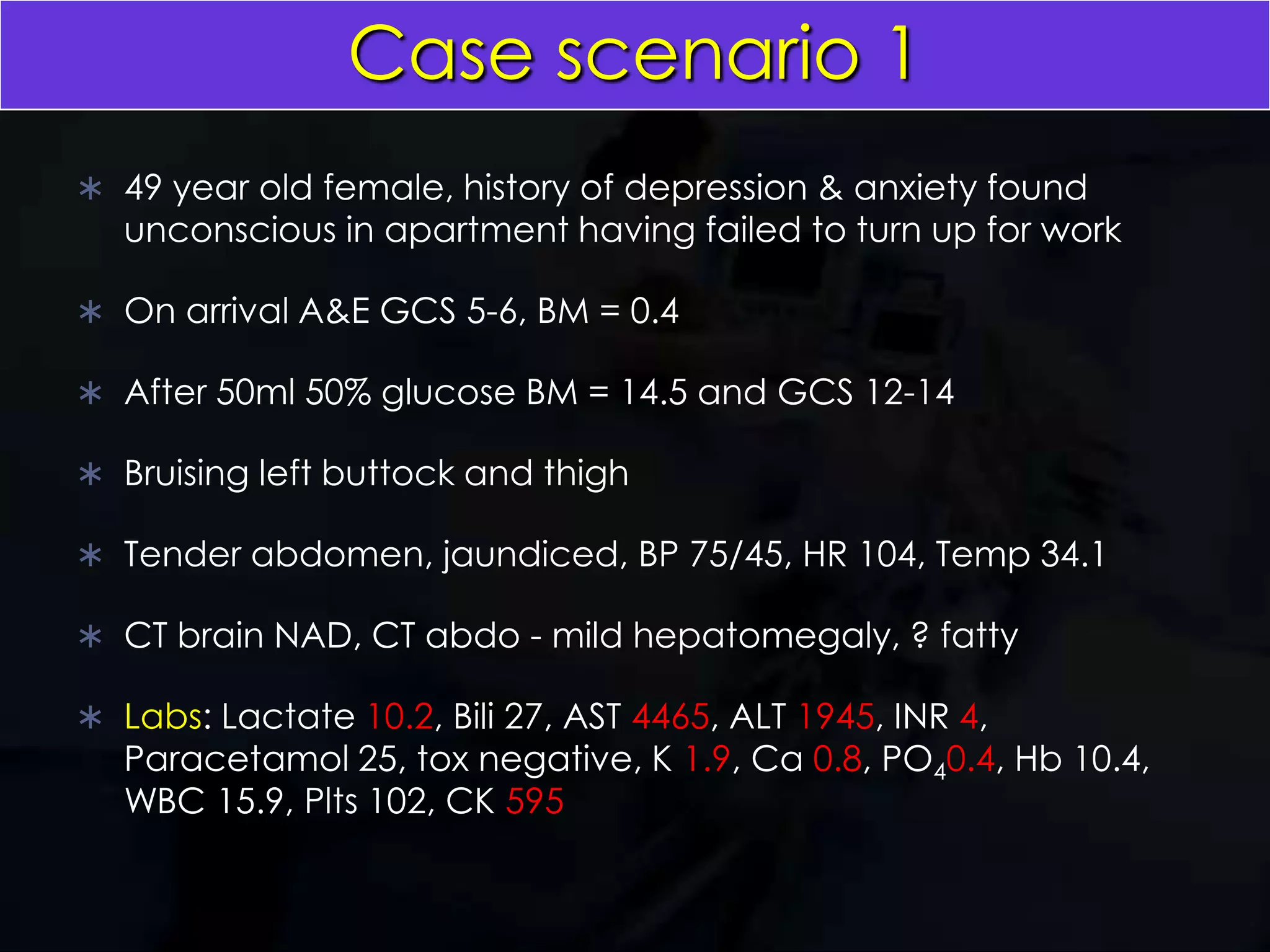
Case scenario 149 year old female, history of depression & anxiety found unconscious in apartment having failed to turn up for workOn arrival A&E GCS 5-6, BM = 0.4After 50ml 50% glucose BM = 14.5 and GCS 12-14Bruising left buttock and thighTender abdomen, jaundiced, BP 75/45, HR 104, Temp 34.1CT brain NAD, CT abdo - mild hepatomegaly, ? fattyLabs: Lactate 10.2, Bili 27, AST 4465, ALT 1945, INR 4,  Paracetamol 25, tox negative, K 1.9, Ca 0.8, PO40.4, Hb 10.4, WBC 15.9, Plts 102, CK 595
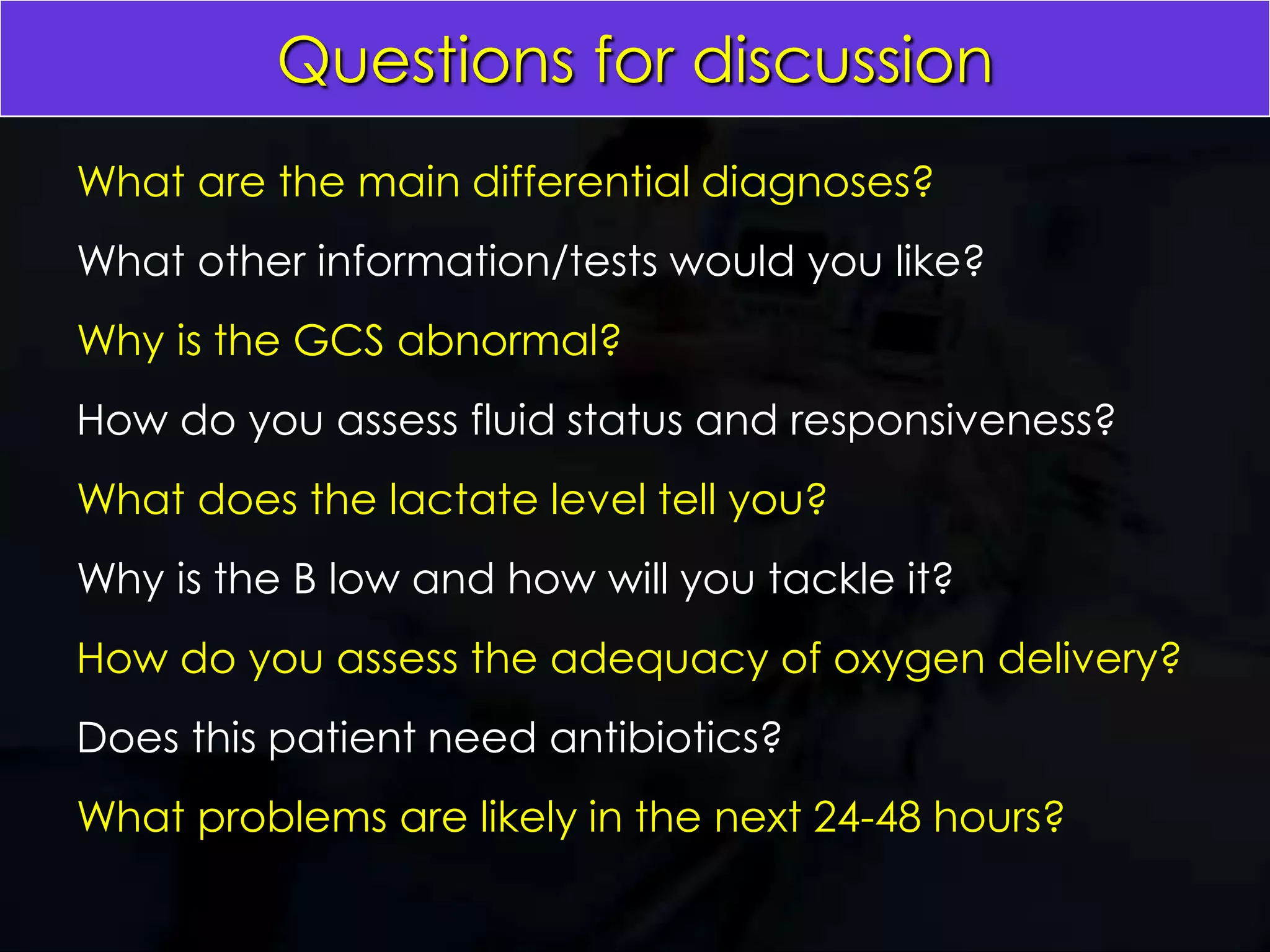
Questions for discussionWhat are the main differential diagnoses?What other information/tests would you like?Why is the GCS abnormal?How do you assess fluid status and responsiveness?What does the lactate level tell you?Why is the B low and how will you tackle it?How do you assess the adequacy of oxygen delivery?Does this patient need antibiotics?What problems are likely in the next 24-48 hours?
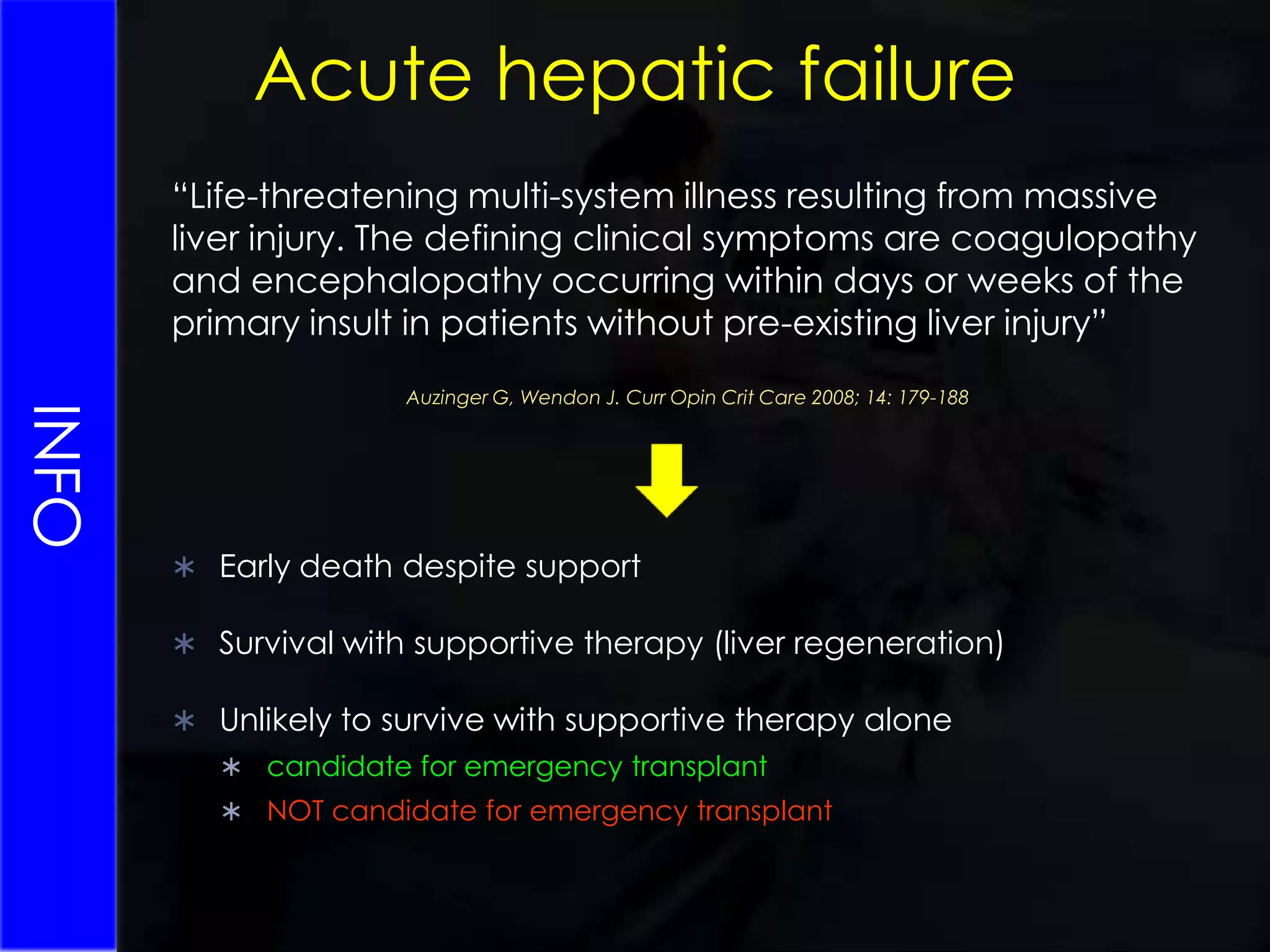
INFOAcute hepatic failure“Life-threatening multi-system illness resulting from massive liver injury. The defining clinical symptoms are coagulopathy and encephalopathy occurring within days or weeks of the primary insult in patients without pre-existing liver injury”Auzinger G, Wendon J. Curr Opin Crit Care 2008; 14: 179-188Early death despite supportSurvival with supportive therapy (liver regeneration)Unlikely to survive with supportive therapy alonecandidate for emergency transplantNOT candidate for emergency transplant
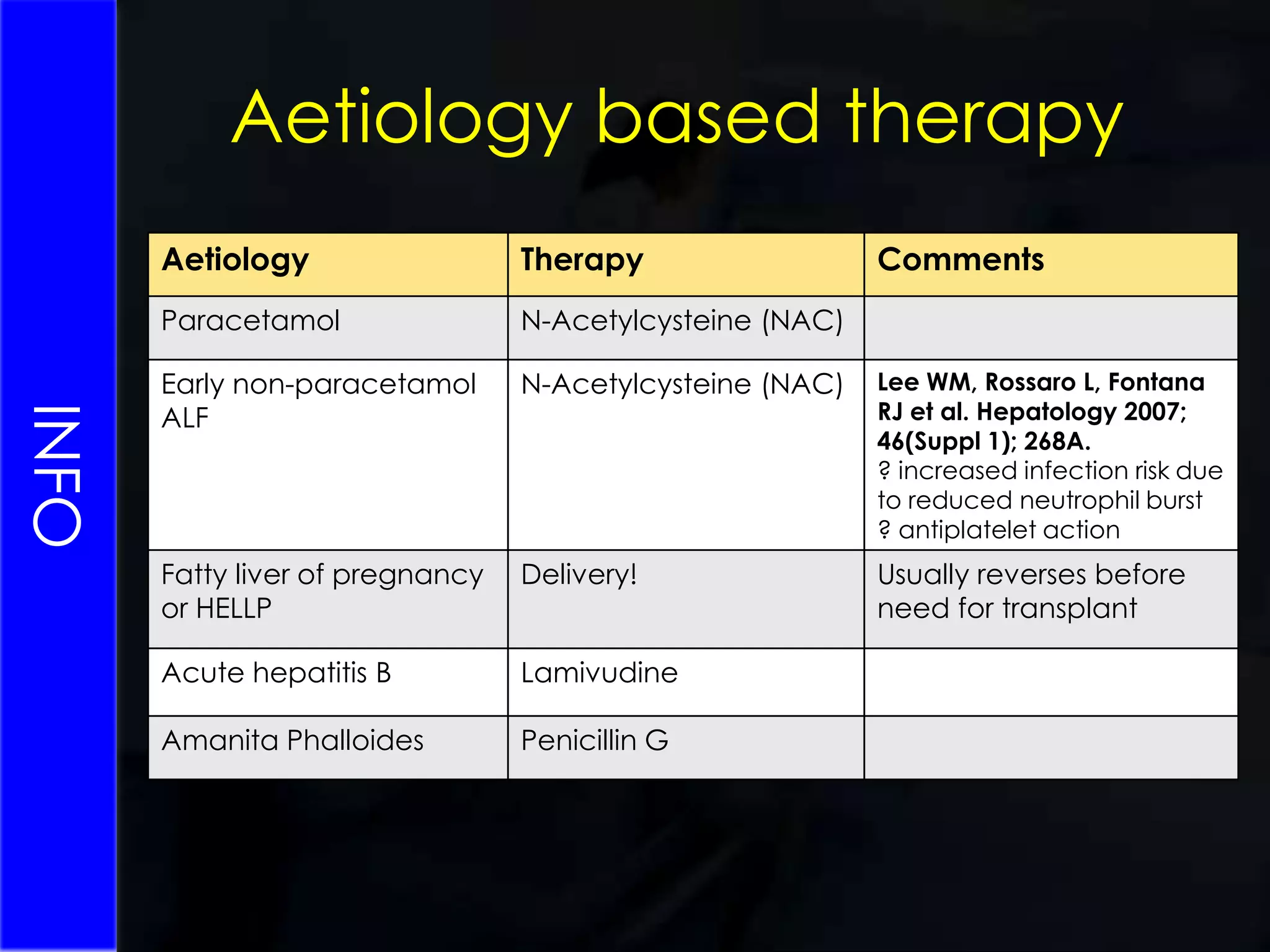
INFOAetiology based therapy
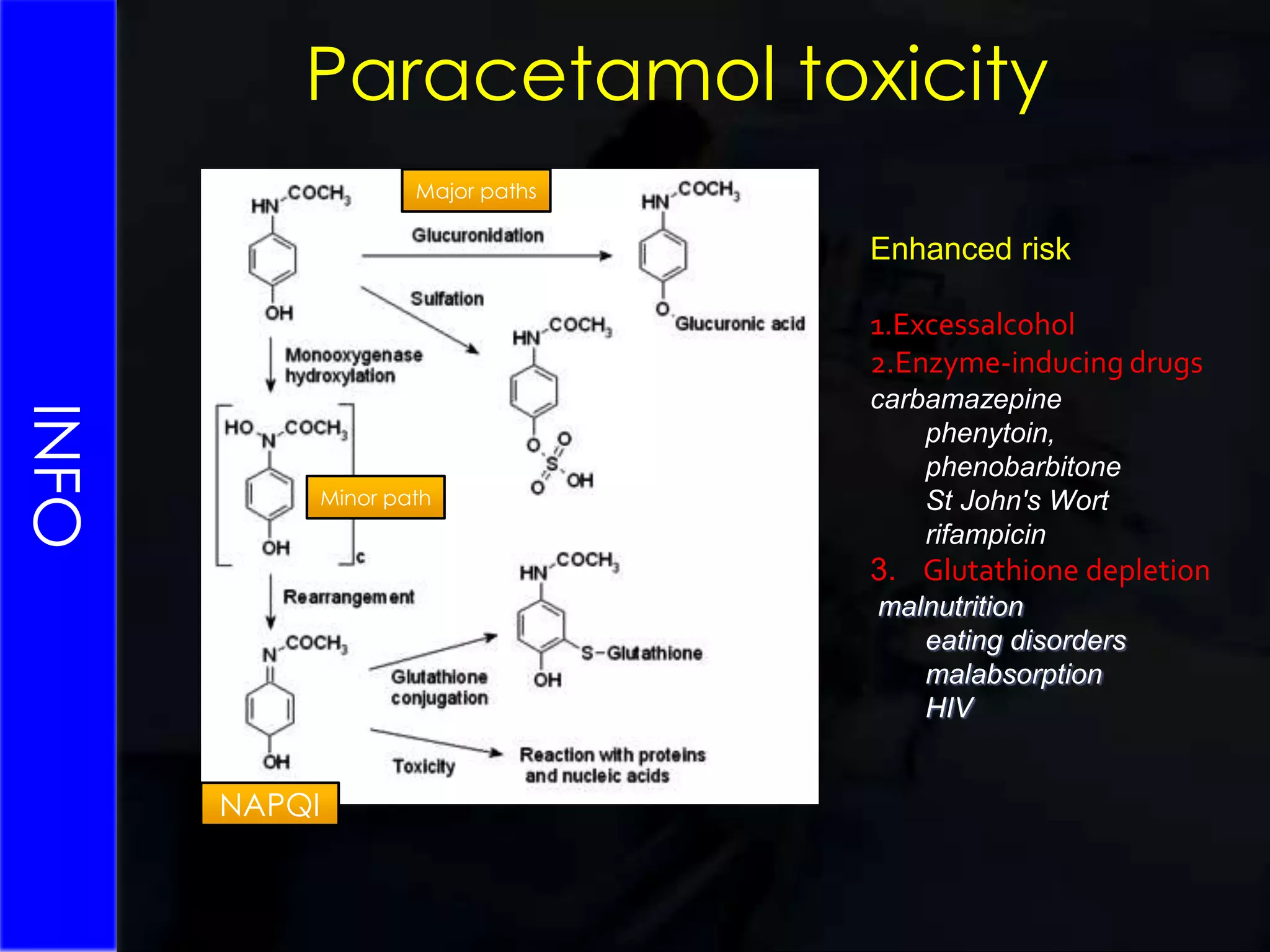
INFOParacetamol toxicityMajor pathsEnhanced riskExcessalcoholEnzyme-inducing drugscarbamazepine       phenytoin,             phenobarbitone       St John's Wort       rifampicin3.   Glutathione depletion malnutrition       eating disorders         malabsorption       HIVMinor pathNAPQI
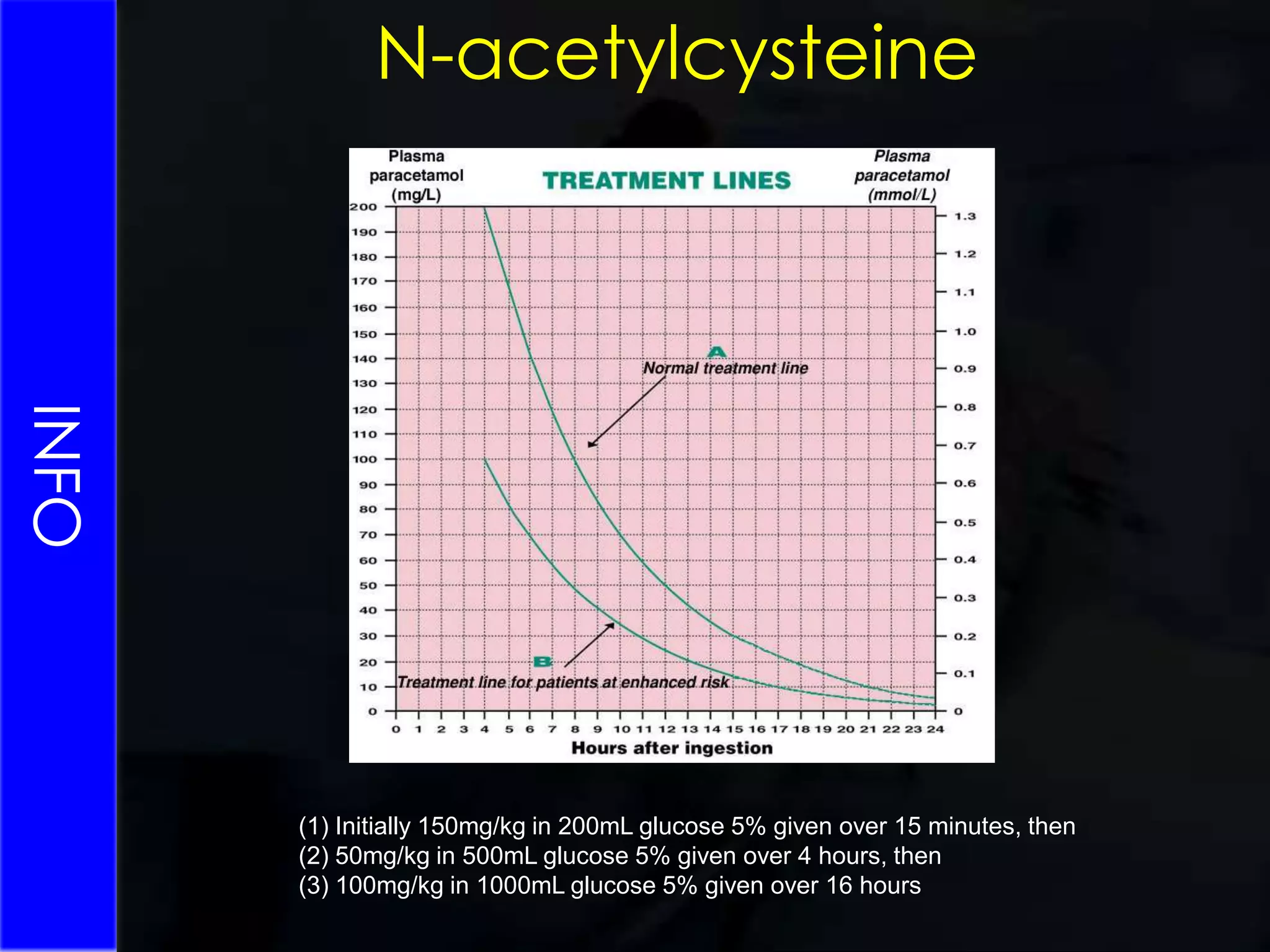
N-acetylcysteineINFO(1) Initially 150mg/kg in 200mL glucose 5% given over 15 minutes, then(2) 50mg/kg in 500mL glucose 5% given over 4 hours, then(3) 100mg/kg in 1000mL glucose 5% given over 16 hours
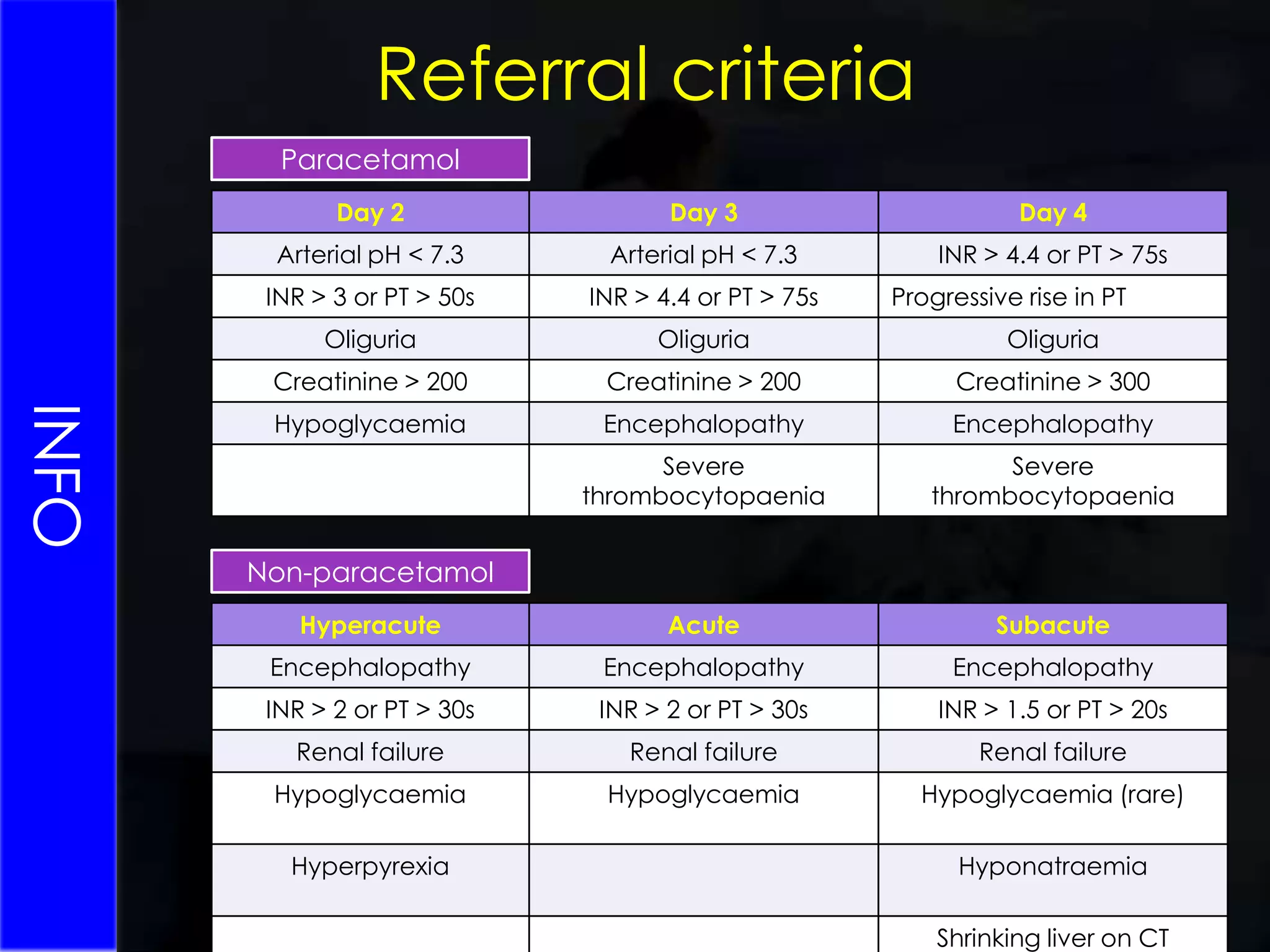
INFOParacetamolReferral criteriaNon-paracetamol
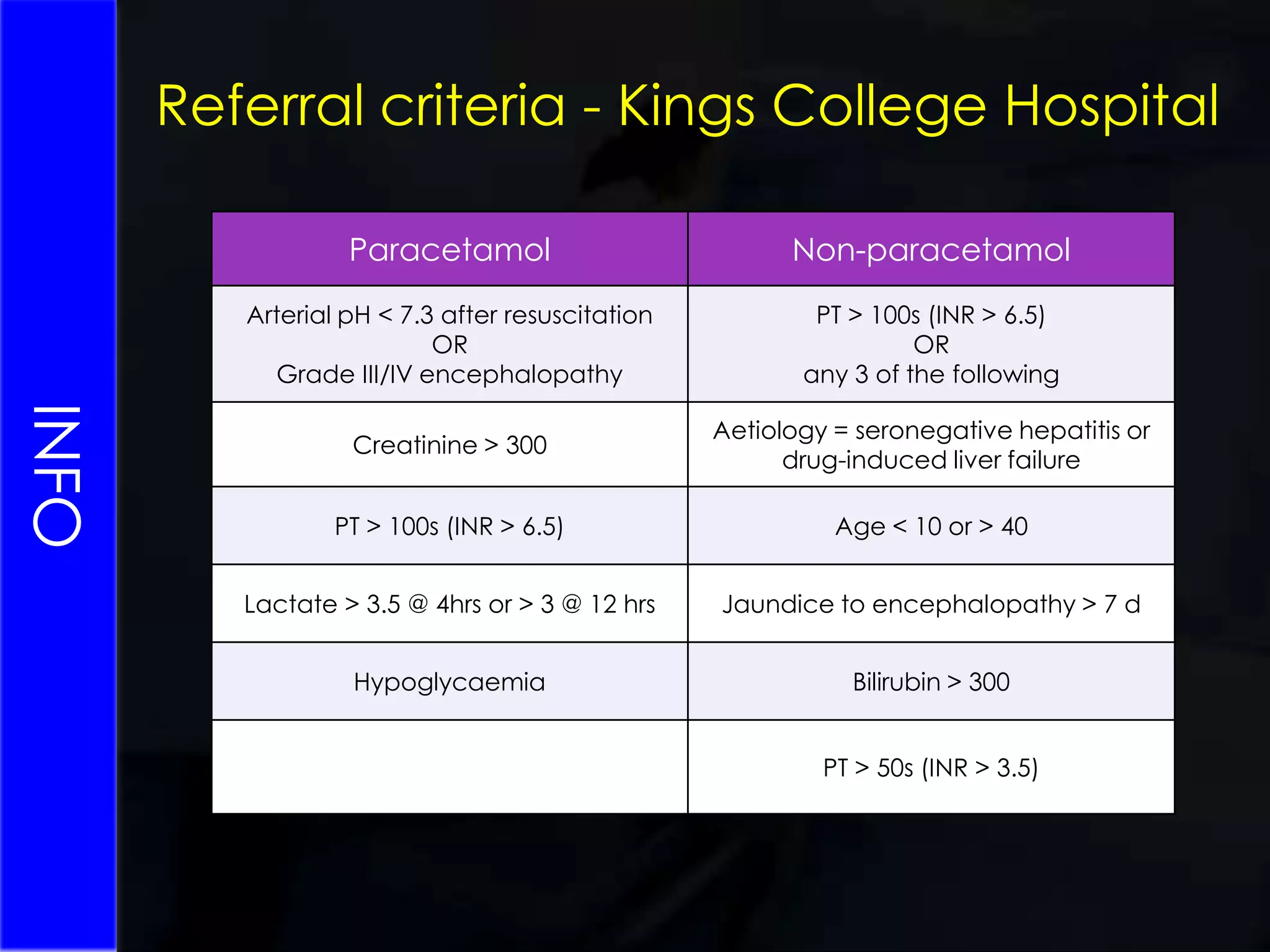
INFONon-paracetamolParacetamolReferral criteria - Kings College Hospital
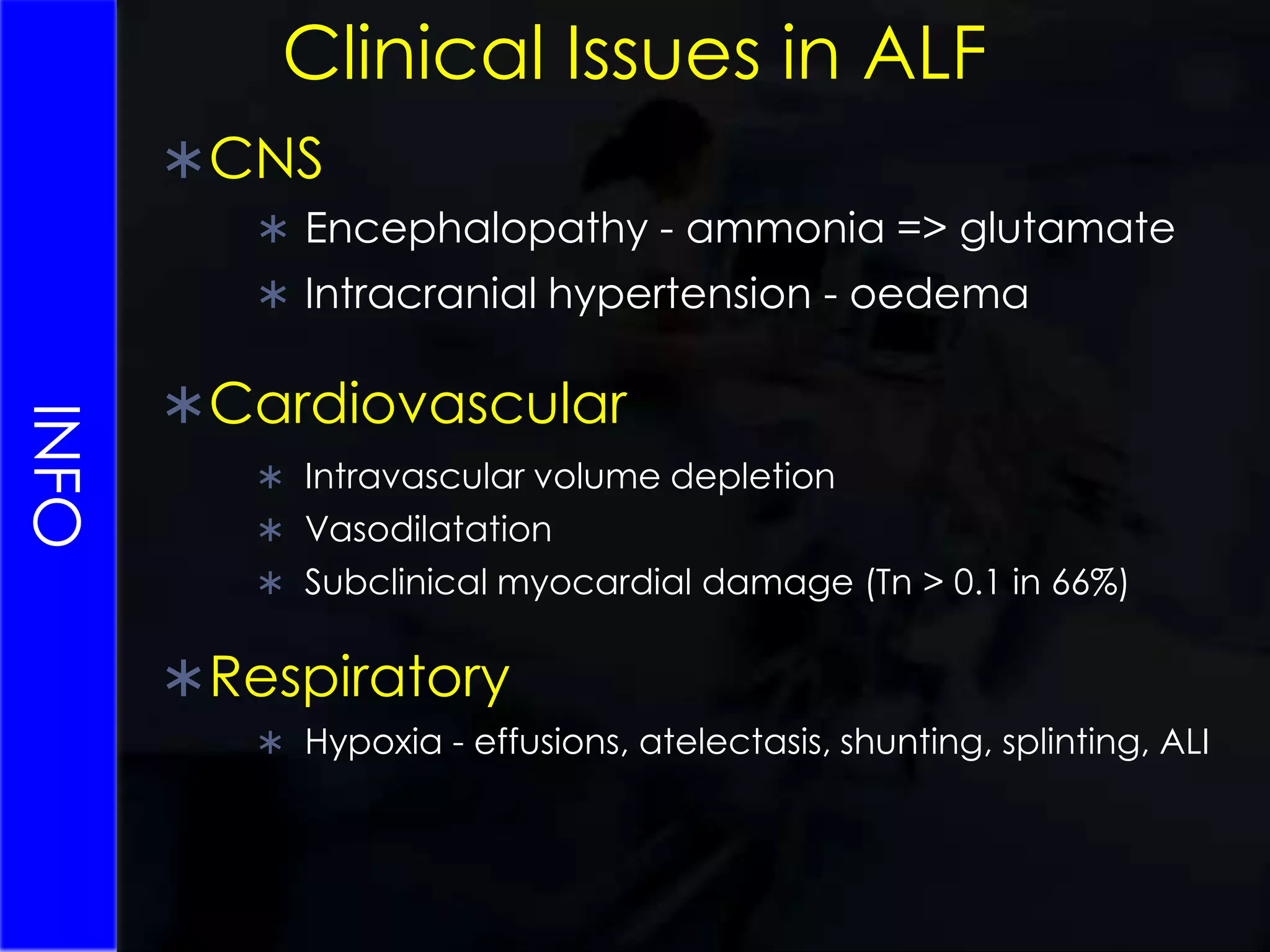
Clinical Issues in ALFINFOCNSEncephalopathy - ammonia => glutamateIntracranial hypertension - oedemaCardiovascularIntravascular volume depletionVasodilatationSubclinical myocardial damage (Tn > 0.1 in 66%)RespiratoryHypoxia - effusions, atelectasis, shunting, splinting, ALI
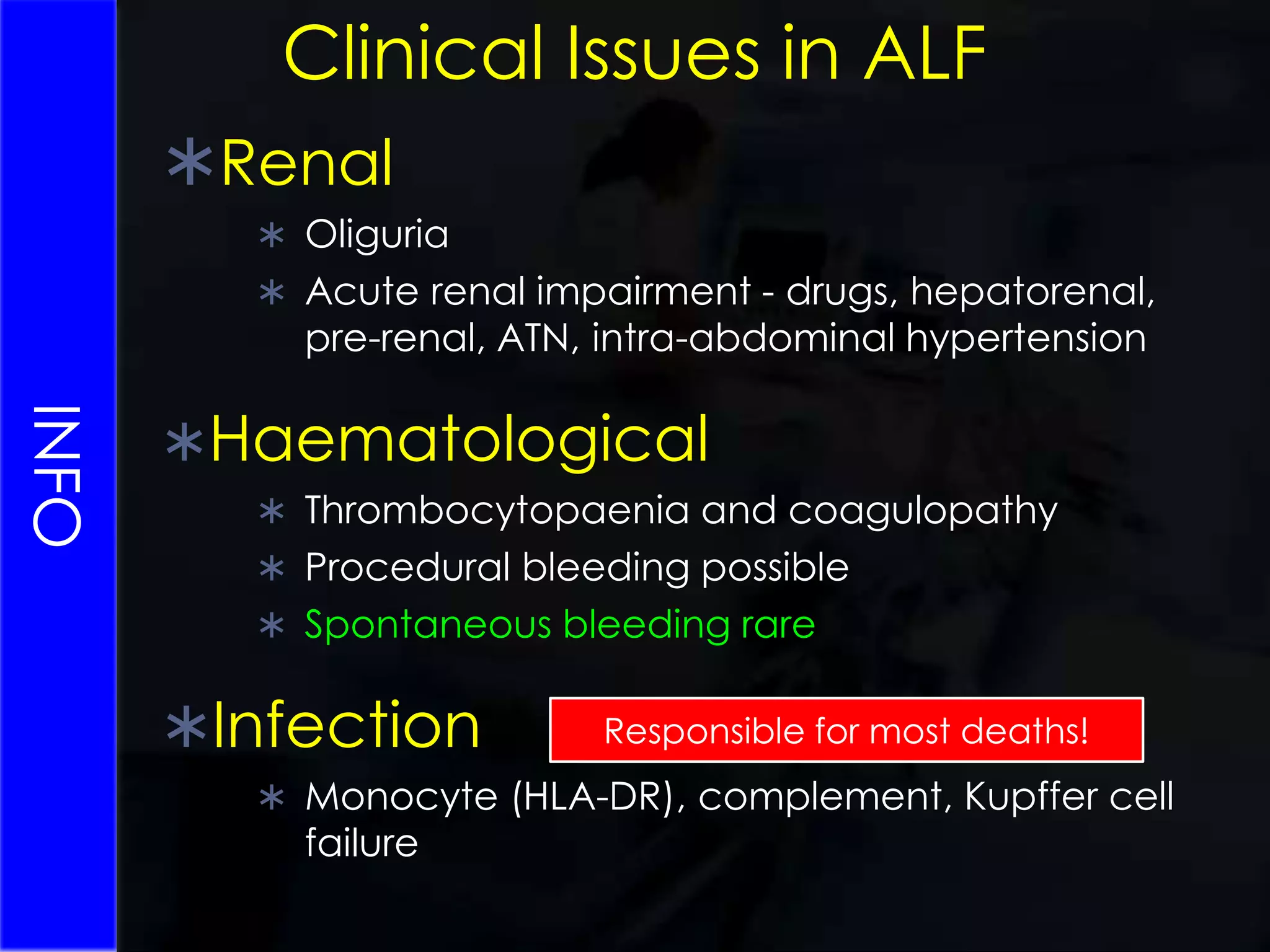
Clinical Issues in ALFINFORenalOliguriaAcute renal impairment - drugs, hepatorenal, pre-renal, ATN, intra-abdominal hypertensionHaematologicalThrombocytopaenia and coagulopathy Procedural bleeding possibleSpontaneous bleeding rareInfection Monocyte (HLA-DR), complement, Kupffer cell failureResponsible for most deaths!
INFOUseful references	Kramer DJ, Canabal JM, Arasi LC. Application of Intensive Care Medicine Principles in the Management of the Acute Liver Failure Patient. Liver Transplantation 2008; 14: S85-89.	Auzinger G, Wendon J. Intensive Care Management of Acute Liver Failure. Current Opinion in Critical Care 2008; 14: 179-188.	Stravitz T. Critical Management Decisions in Patients with Acute Liver Failure. Chest 2008; 134: 1092-1102.
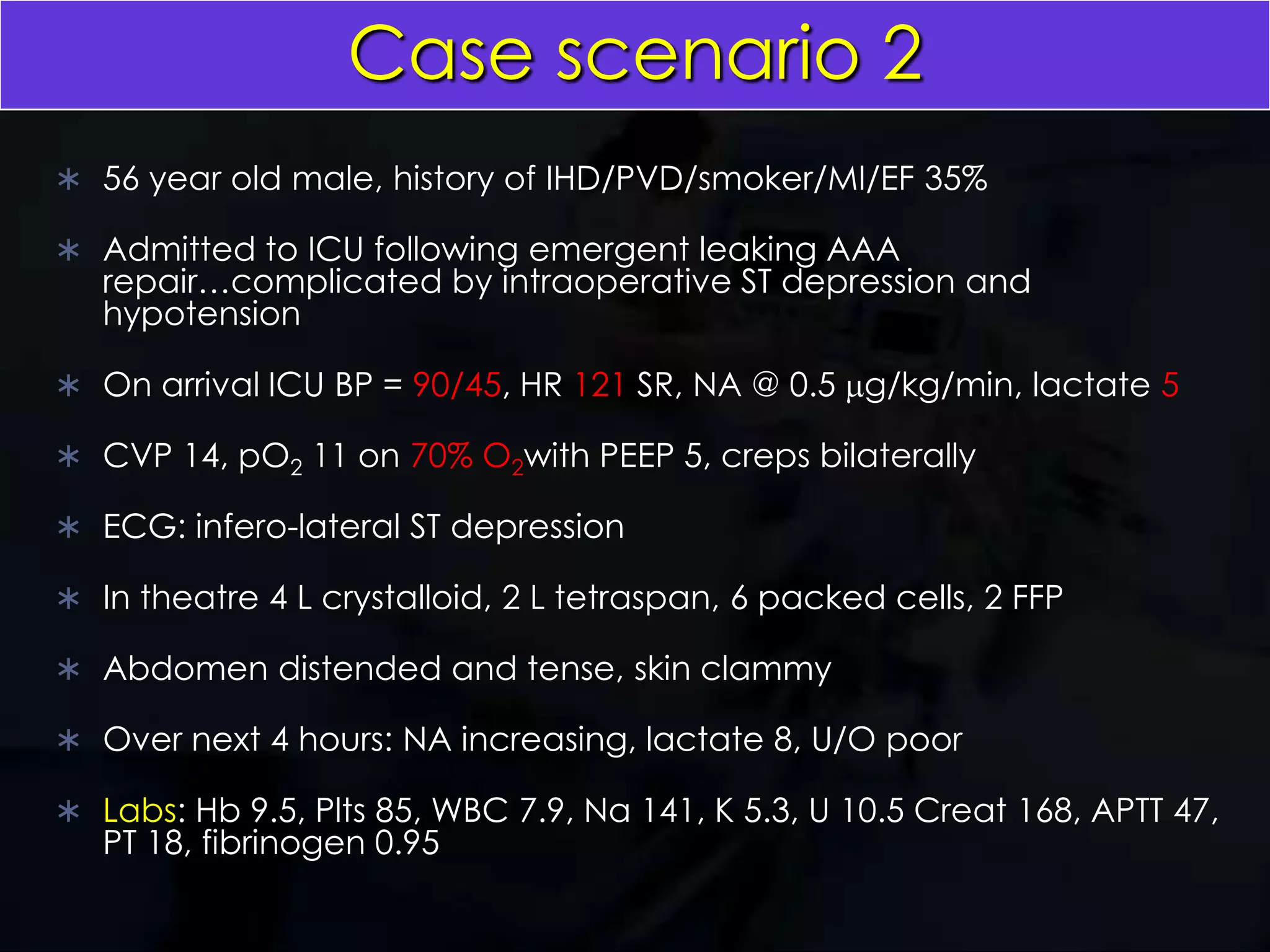
Case scenario 256 year old male, history of IHD/PVD/smoker/MI/EF 35%Admitted to ICU following emergent leaking AAA repair…complicated by intraoperative ST depression and hypotensionOn arrival ICU BP = 90/45, HR 121 SR, NA @ 0.5 mg/kg/min, lactate 5CVP 14, pO2 11 on 70% O2with PEEP 5, creps bilaterallyECG: infero-lateral ST depressionIn theatre 4 L crystalloid, 2 L tetraspan, 6 packed cells, 2 FFPAbdomen distended and tense, skin clammyOver next 4 hours: NA increasing, lactate 8, U/O poorLabs: Hb 9.5, Plts 85, WBC 7.9, Na 141, K 5.3, U 10.5 Creat 168, APTT 47, PT 18, fibrinogen 0.95
Questions for discussionList the main clinical issues in this caseHow would you approach the respiratory failure?What factors contribute to the hypotension/malperfusion?What is your strategy to improve haemodynamics?What is your target for fluid balance in the next 24 hours?How does PPV assist the left ventricle?What other monitors/investigations might assist you?When would you involve the surgeons?
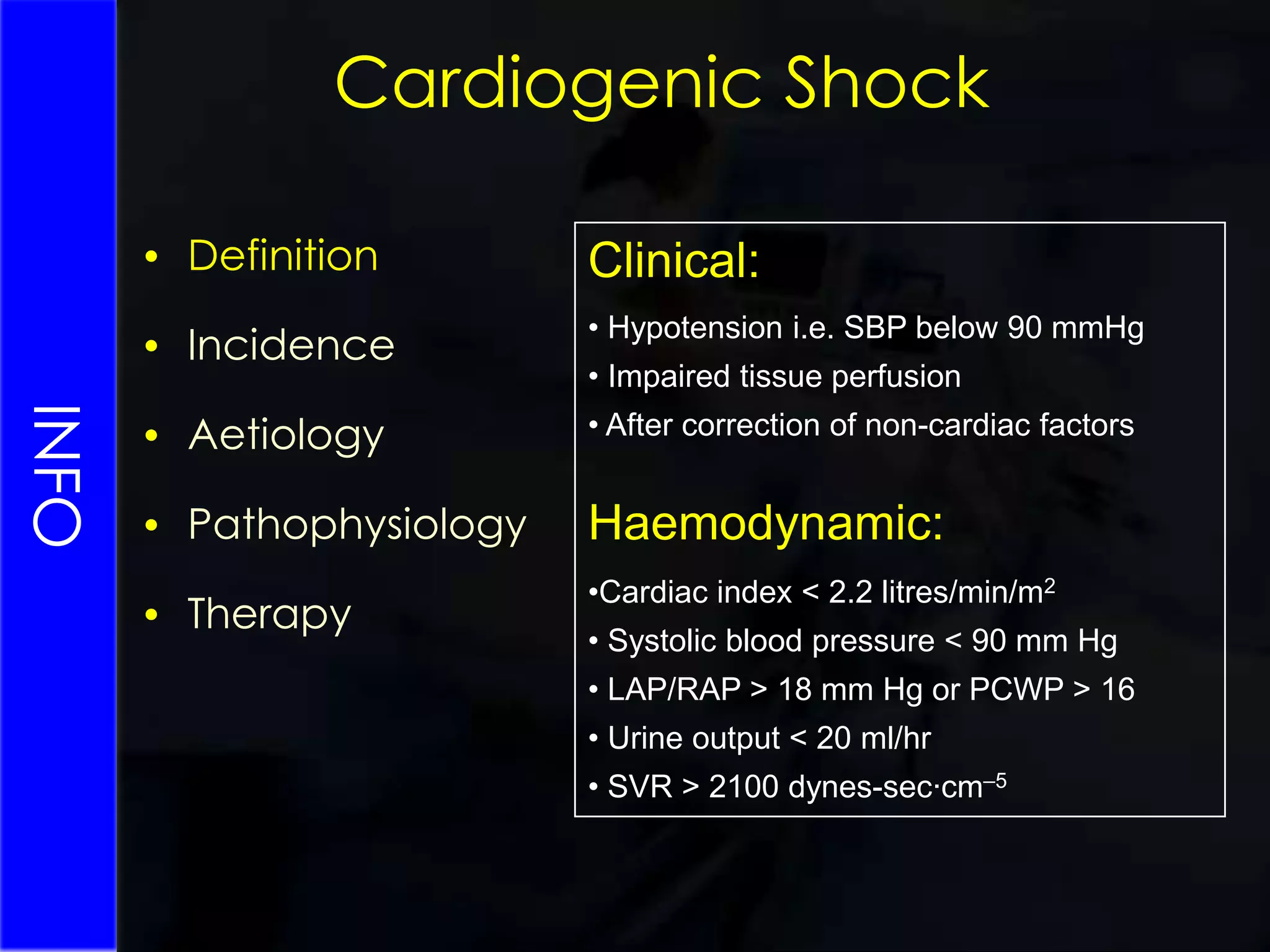
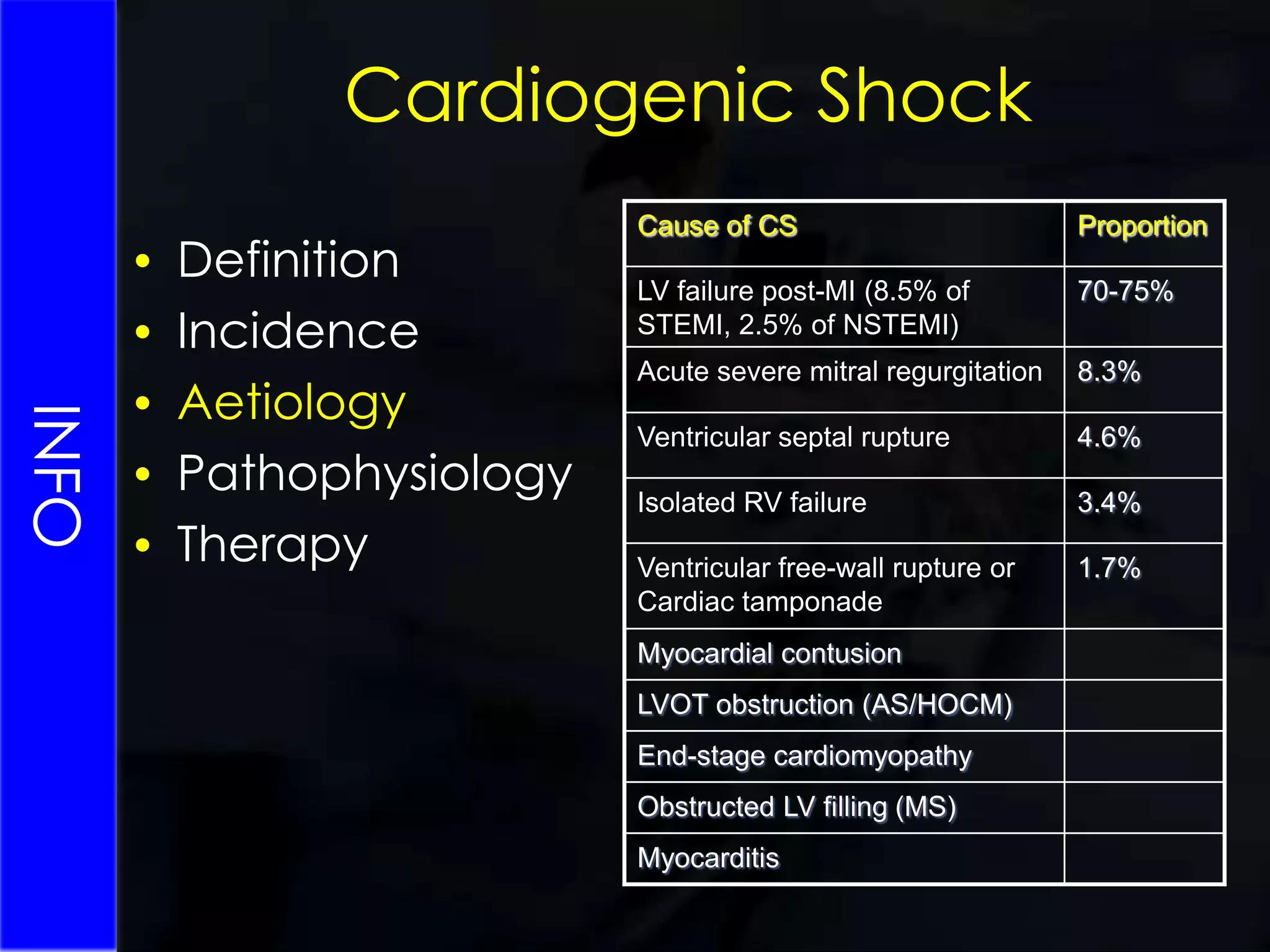
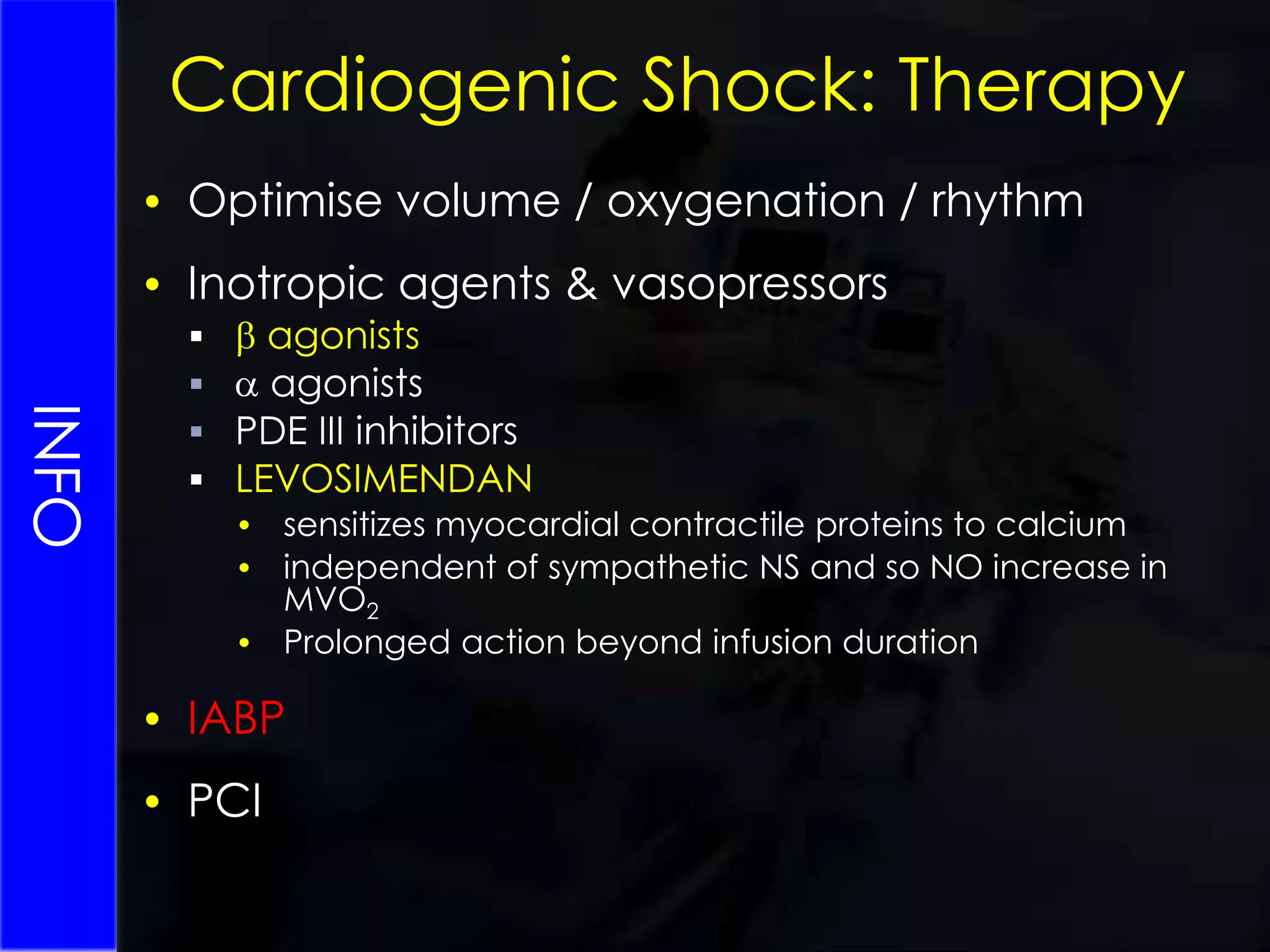
INFOCardiogenic ShockDefinition
Incidence
Aetiology
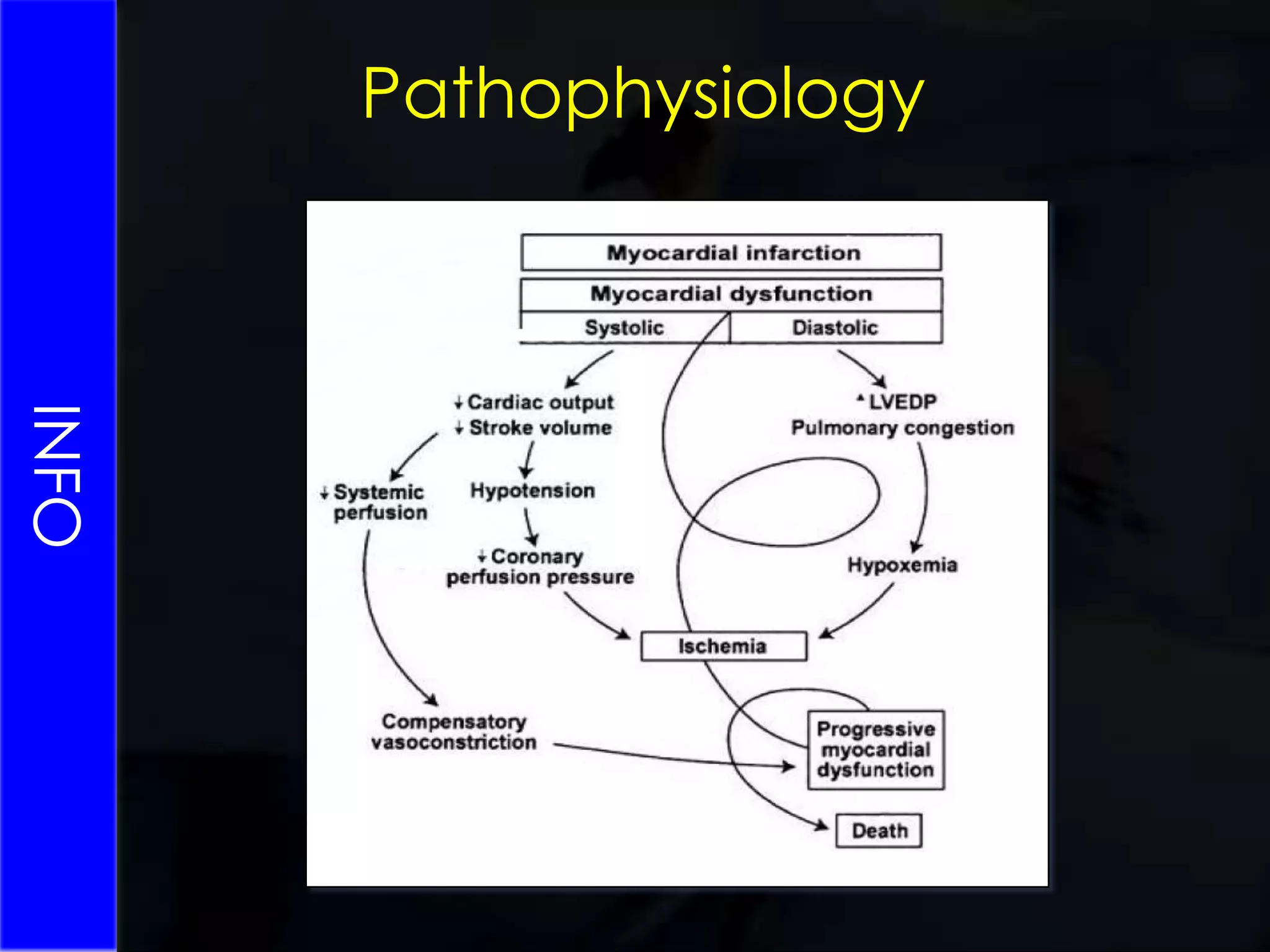
Pathophysiology
TherapyClinical: Hypotension i.e. SBP below 90 mmHg
 Impaired tissue perfusion
 After correction of non-cardiac factorsHaemodynamic:Cardiac index < 2.2 litres/min/m2
 Systolic blood pressure < 90 mm Hg
 LAP/RAP > 18 mm Hg or PCWP > 16
 Urine output < 20 ml/hr
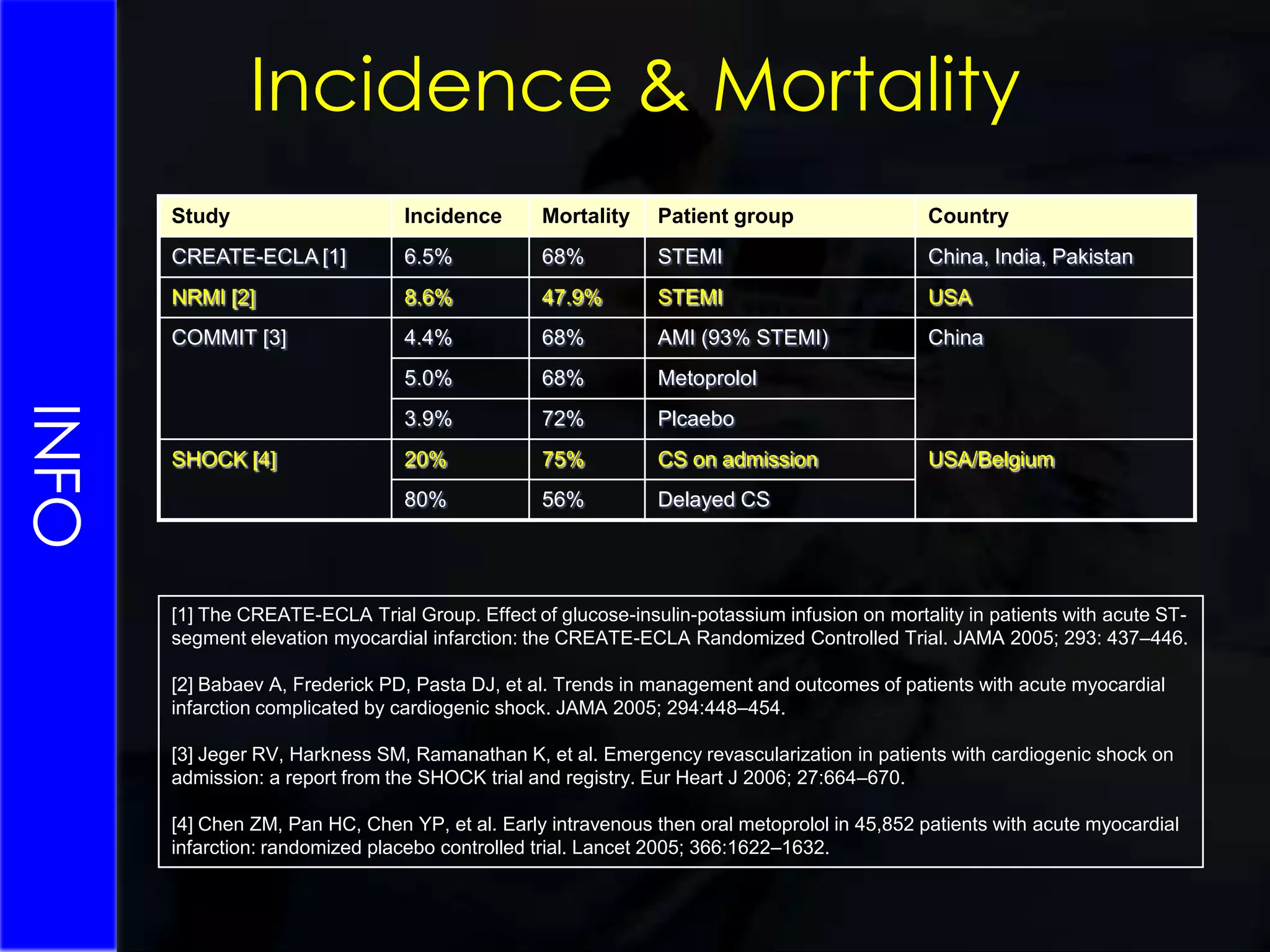
 SVR > 2100 dynes-sec·cm–5INFOIncidence & Mortality[1] The CREATE-ECLA Trial Group. Effect of glucose-insulin-potassium infusion on mortality in patients with acute ST-segment elevation myocardial infarction: the CREATE-ECLA Randomized Controlled Trial. JAMA 2005; 293: 437–446.[2] Babaev A, Frederick PD, Pasta DJ, et al. Trends in management and outcomes of patients with acute myocardial infarction complicated by cardiogenic shock. JAMA 2005; 294:448–454.[3] Jeger RV, Harkness SM, Ramanathan K, et al. Emergency revascularization in patients with cardiogenic shock on admission: a report from the SHOCK trial and registry. Eur Heart J 2006; 27:664–670.[4] Chen ZM, Pan HC, Chen YP, et al. Early intravenous then oral metoprolol in 45,852 patients with acute myocardial infarction: randomized placebo controlled trial. Lancet 2005; 366:1622–1632.
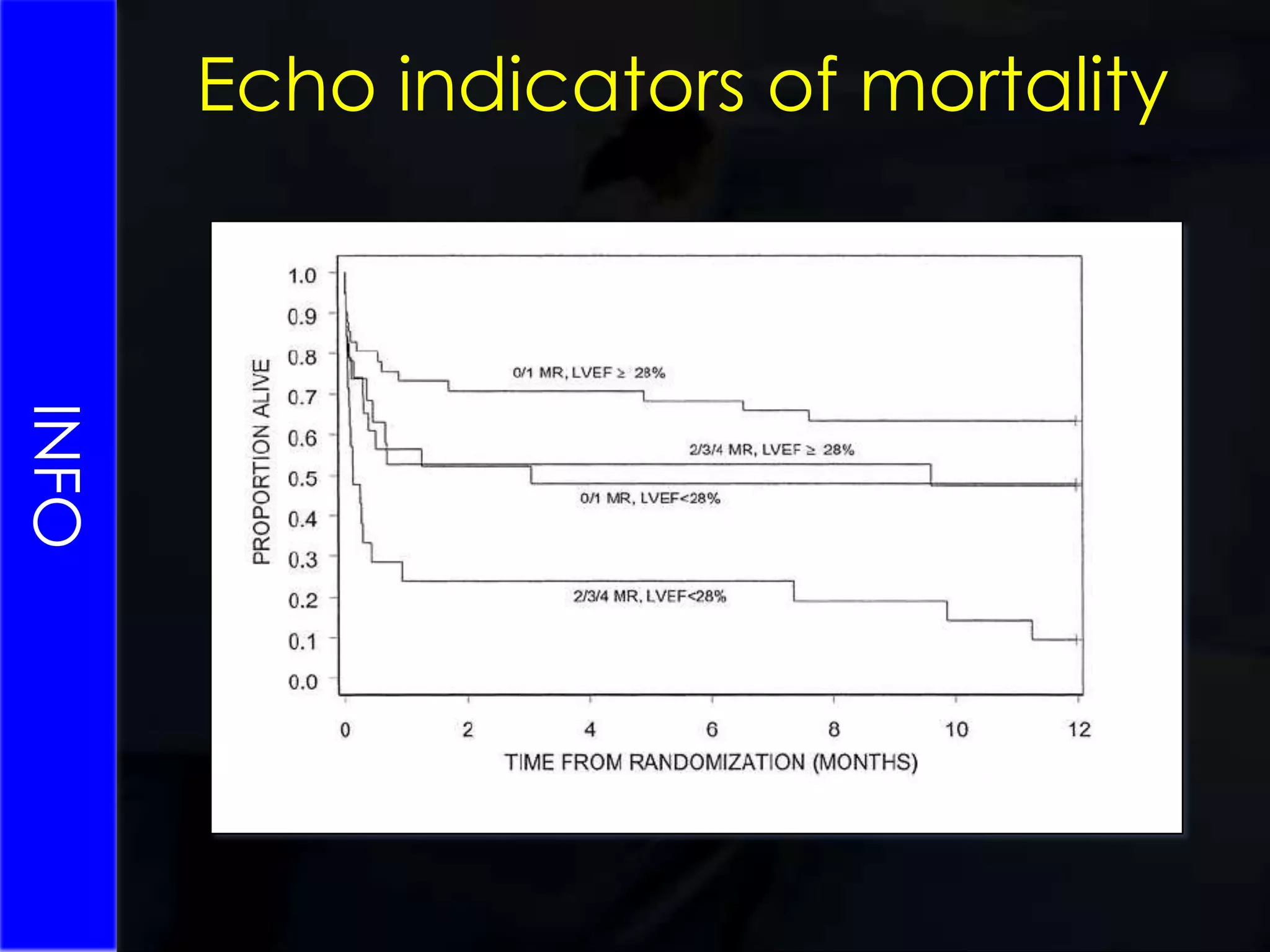
INFOEcho indicators of mortality
INFOPathophysiology
INFOCardiogenic ShockDefinition
Incidence
Aetiology
Pathophysiology
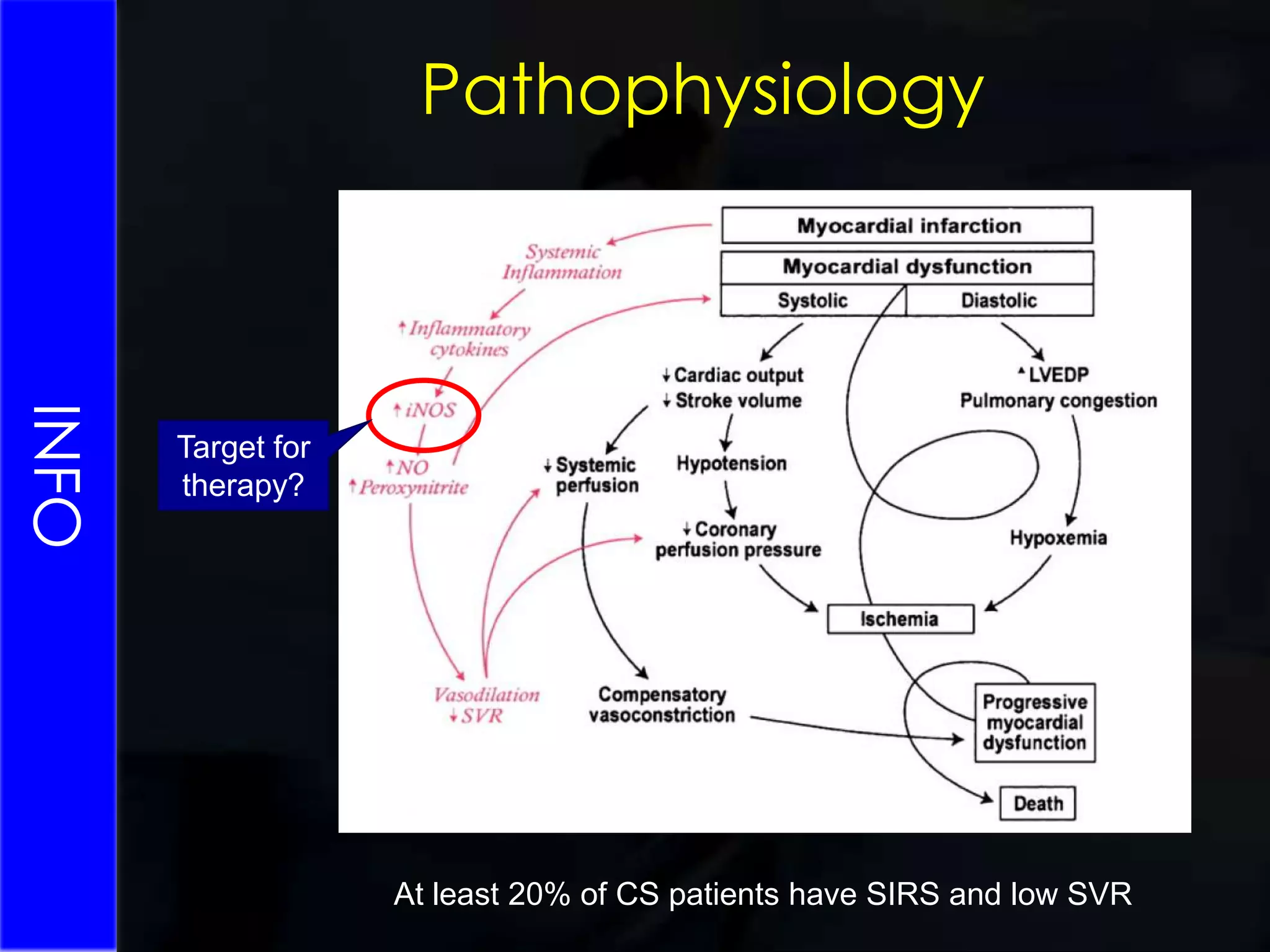
TherapyINFOPathophysiologyTarget for therapy?At least 20% of CS patients have SIRS and low SVR
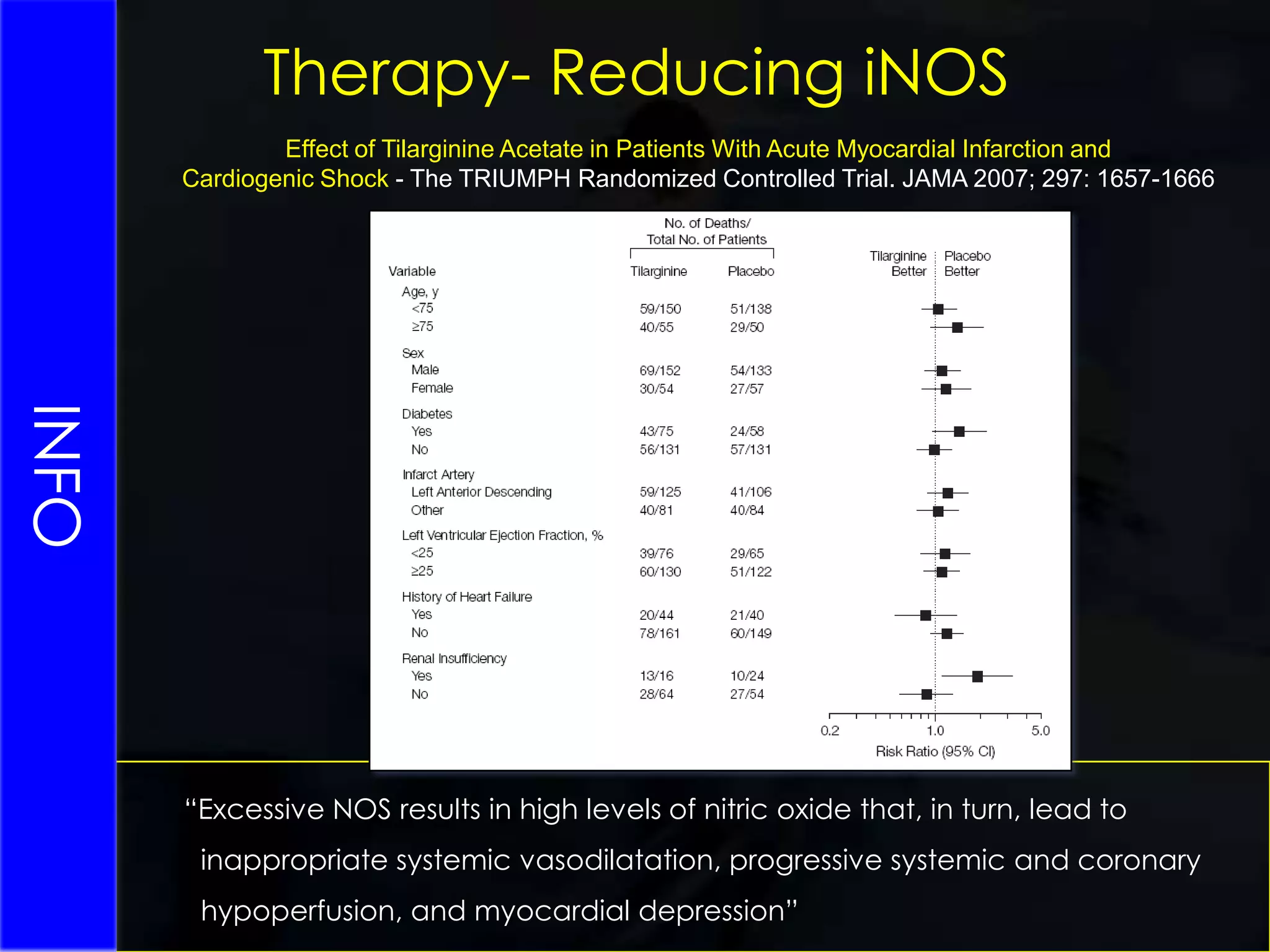
INFOTherapy- Reducing iNOSEffect of Tilarginine Acetate in Patients With Acute Myocardial Infarction and Cardiogenic Shock - The TRIUMPH Randomized Controlled Trial. JAMA 2007; 297: 1657-1666    “Excessive NOS results in high levels of nitric oxide that, in turn, lead to inappropriate systemic vasodilatation, progressive systemic and coronary hypoperfusion, and myocardial depression”
INFOCardiogenic Shock: TherapyOptimise volume / oxygenation / rhythm
Inotropic agents & vasopressors
b agonists
a agonists
PDE III inhibitors
LEVOSIMENDAN
sensitizes myocardial contractile proteins to calcium
independent of sympathetic NS and so NO increase in MVO2
Prolonged action beyond infusion duration
IABP
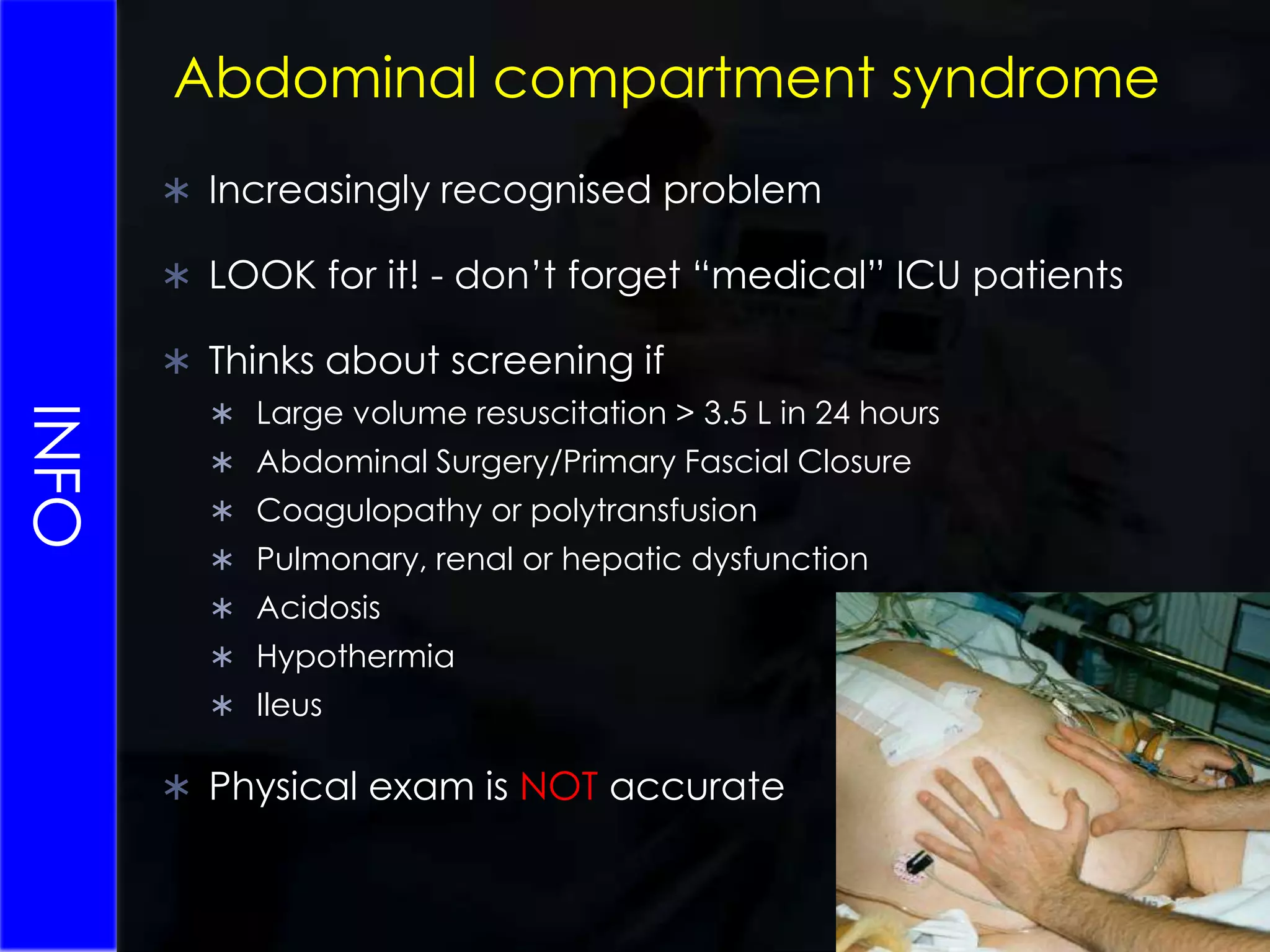
PCIINFOAbdominal compartment syndromeIncreasingly recognised problemLOOK for it! - don’t forget “medical” ICU patientsThinks about screening ifLarge volume resuscitation > 3.5 L in 24 hoursAbdominal Surgery/Primary Fascial ClosureCoagulopathy or polytransfusionPulmonary, renal or hepatic dysfunctionAcidosisHypothermiaIleusPhysical exam is NOT accurate
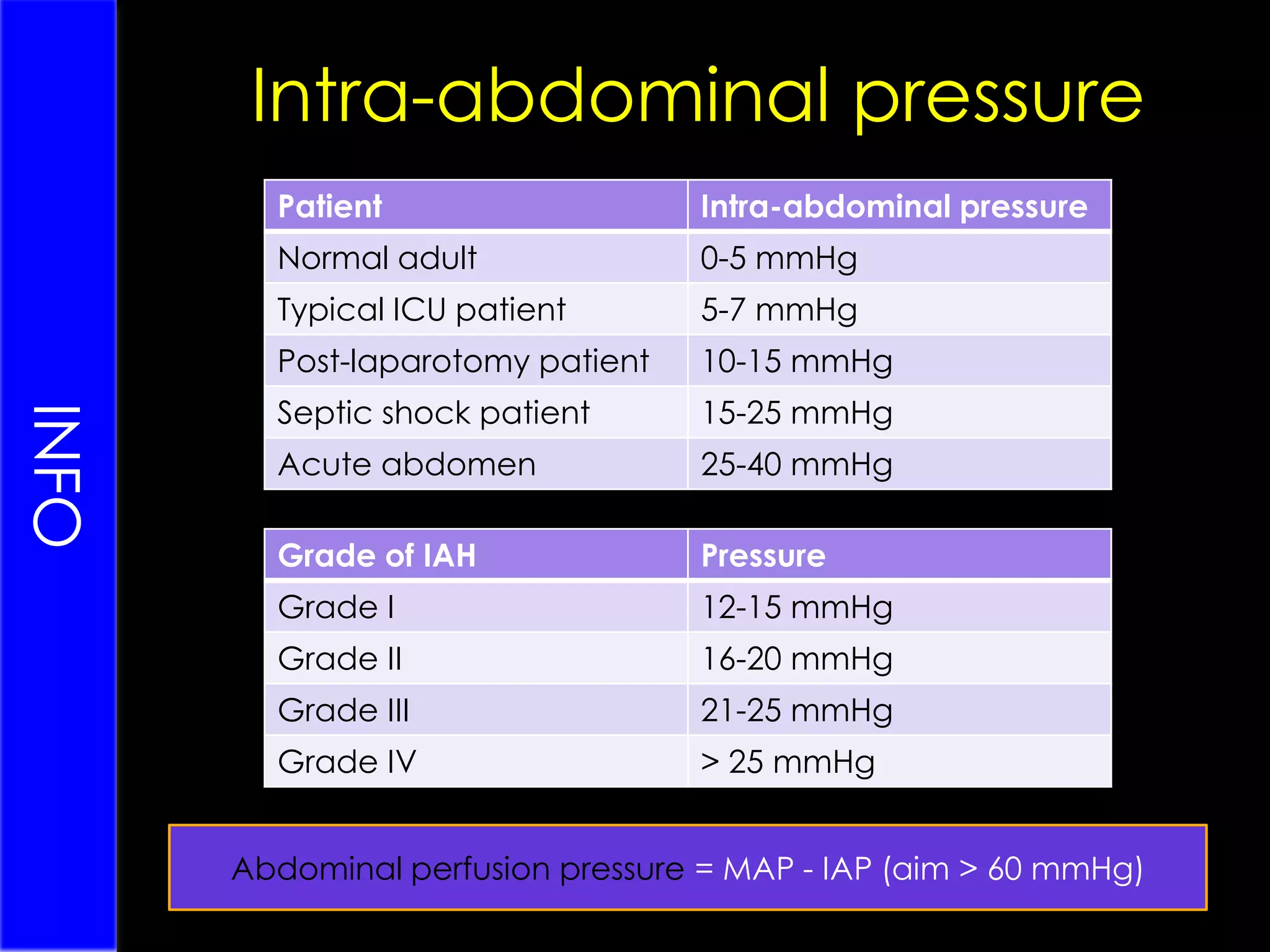
INFOIntra-abdominal pressureAbdominal perfusion pressure = MAP - IAP (aim > 60 mmHg)
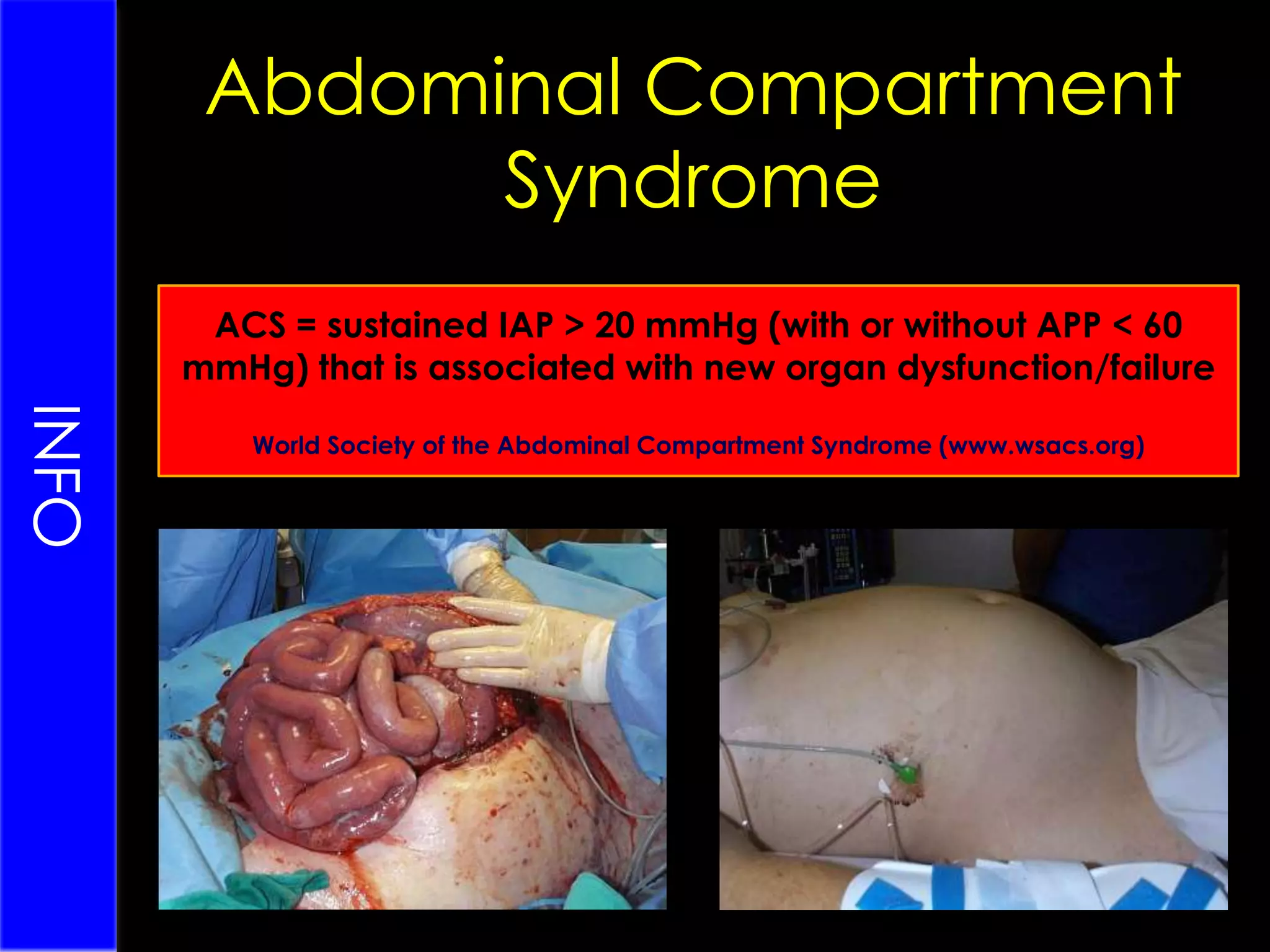
INFOAbdominal CompartmentSyndromeACS = sustained IAP > 20 mmHg (with or without APP < 60 mmHg) that is associated with new organ dysfunction/failureWorld Society of the Abdominal Compartment Syndrome (www.wsacs.org)
INFO
INFO
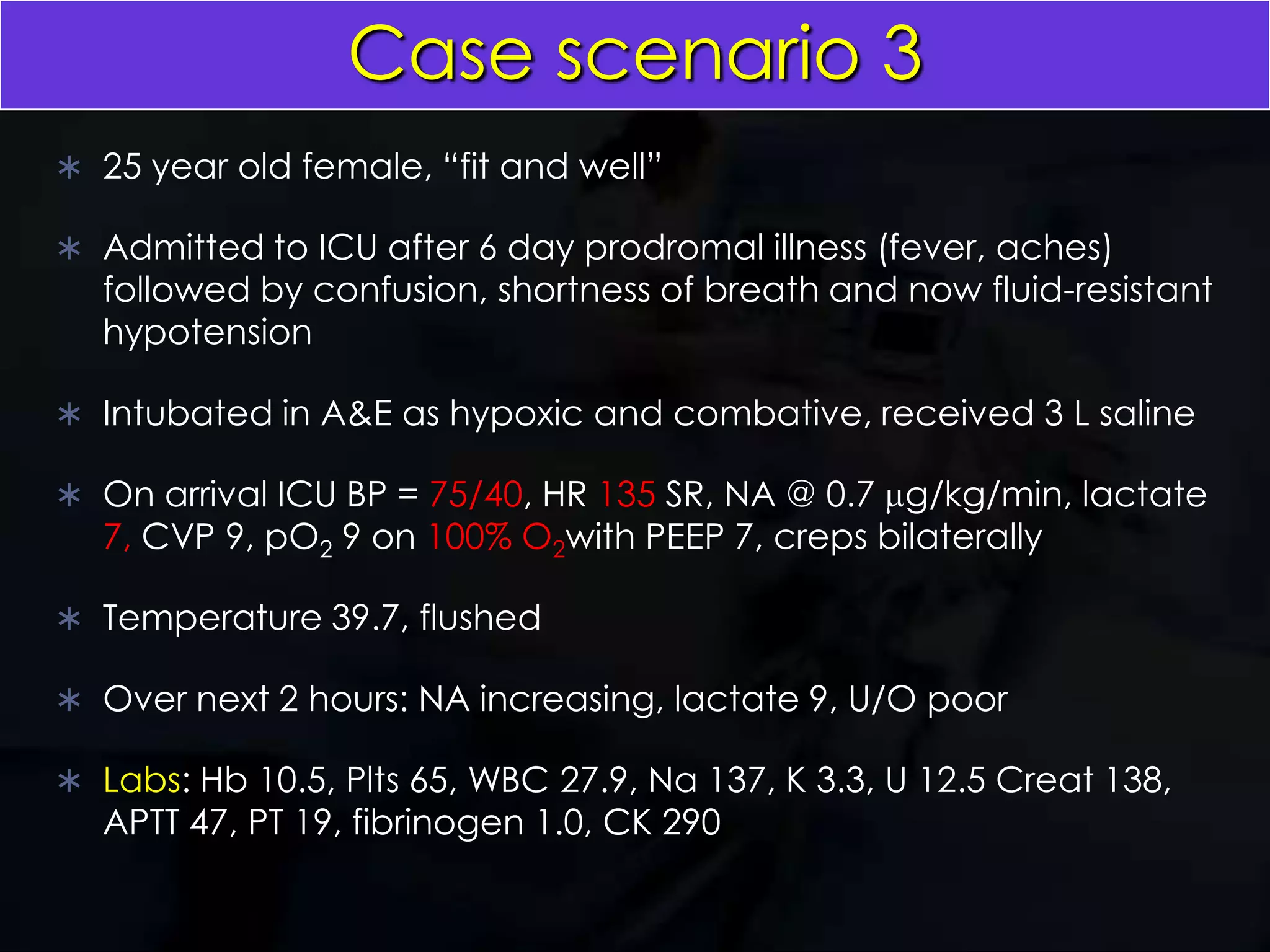
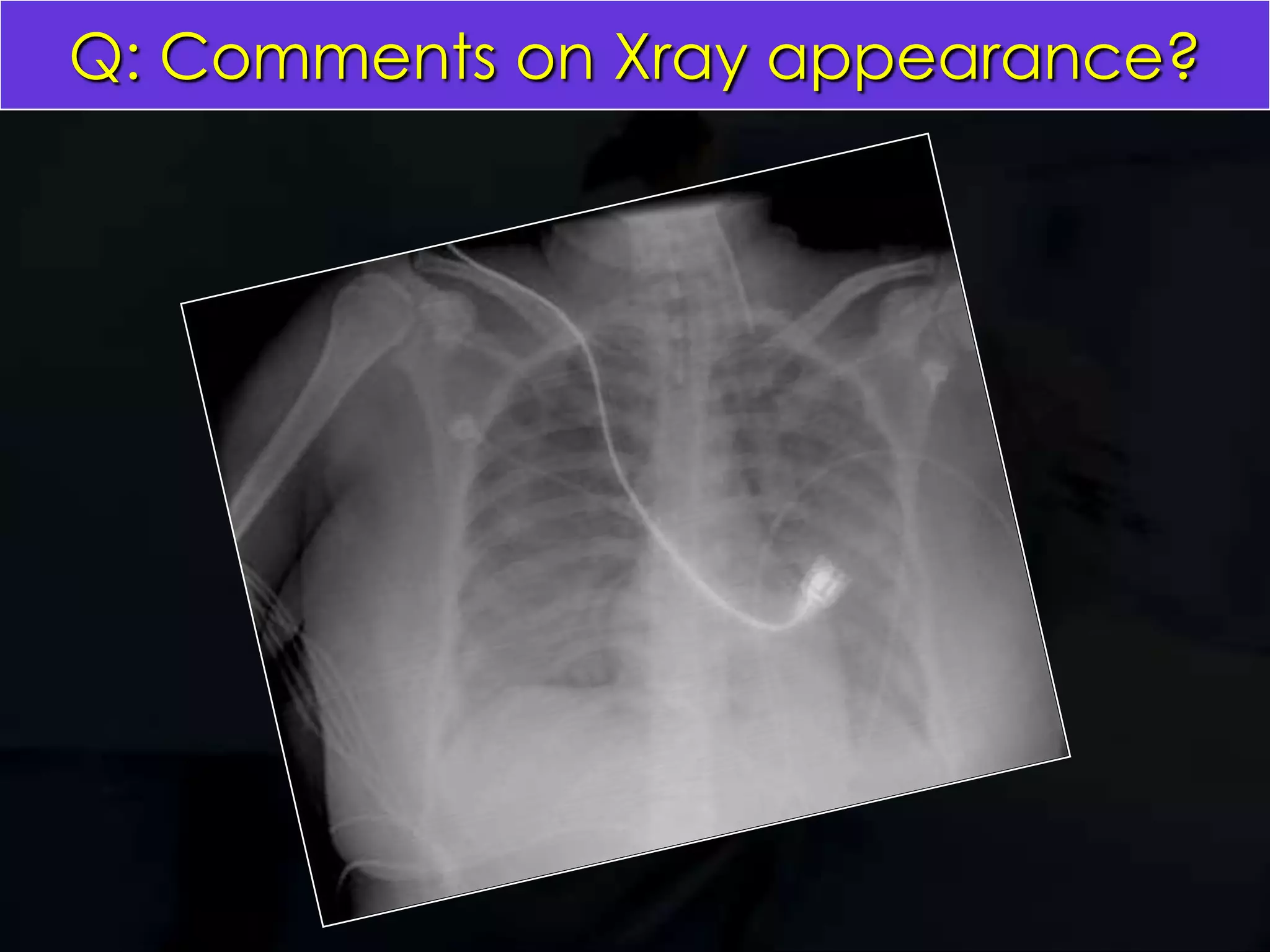
Case scenario 325 year old female, “fit and well”Admitted to ICU after 6 day prodromal illness (fever, aches) followed by confusion, shortness of breath and now fluid-resistant hypotensionIntubated in A&E as hypoxic and combative, received 3 L salineOn arrival ICU BP = 75/40, HR 135 SR, NA @ 0.7 mg/kg/min, lactate 7, CVP 9, pO2 9 on 100% O2with PEEP 7, creps bilaterallyTemperature 39.7, flushedOver next 2 hours: NA increasing, lactate 9, U/O poorLabs: Hb 10.5, Plts 65, WBC 27.9, Na 137, K 3.3, U 12.5 Creat 138, APTT 47, PT 19, fibrinogen 1.0, CK 290

ICU topics for Final FRCA

  • 1.
    Intensive Care MedicineTopicsfor the Final FRCADr. Andrew Ferguson
  • 2.
    Why ICU mattersfor the FRCA…20 specific questions in MCQHelps with medicine/surgery MCQsSAQs - 1 or 2 questions for sure…maybe moreSOE 1 - potential topic/part of topicSOE 2 - 10 minutes of pure fun!
  • 3.
    Be calm…The examinersare human (honestly!!!)The questions are (mostly) mainstreamYou will have seen many of the casesGuillain-Barre / Myasthenic crisis / weaknessBrainstem death Status epilepticus and asthmaticusTraumaSeptic shockARDSAcute pancreatitisBurnsSome questions just won’t lie down and die e.g. PAC
  • 4.
    But don’t becomplacent…People still fail the exam! 10/17 passed in 2008Don’t assume you know enough…make sure you doStructure…structure…structure!Don’t waffle - answer the actual question, not the one you wanted to be asked!!
  • 5.
  • 6.
  • 7.
  • 8.
  • 9.
    Tissue oxygenation andoxygen delivery
  • 10.
  • 11.
  • 12.
  • 13.
    Scoring systemsExamples…In thequestion on the brain-stem dead patient, too many candidates included detail of brain stem testing in their answers, which was not required. Candidates are reminded to answer the question as written; no credit will be given for irrelevant informationIt cannot be emphasised enough that the answer provided to the  examiners is  less than a page and is focused completely to the question.
  • 16.
    Case scenario 149year old female, history of depression & anxiety found unconscious in apartment having failed to turn up for workOn arrival A&E GCS 5-6, BM = 0.4After 50ml 50% glucose BM = 14.5 and GCS 12-14Bruising left buttock and thighTender abdomen, jaundiced, BP 75/45, HR 104, Temp 34.1CT brain NAD, CT abdo - mild hepatomegaly, ? fattyLabs: Lactate 10.2, Bili 27, AST 4465, ALT 1945, INR 4, Paracetamol 25, tox negative, K 1.9, Ca 0.8, PO40.4, Hb 10.4, WBC 15.9, Plts 102, CK 595
  • 17.
    Questions for discussionWhatare the main differential diagnoses?What other information/tests would you like?Why is the GCS abnormal?How do you assess fluid status and responsiveness?What does the lactate level tell you?Why is the B low and how will you tackle it?How do you assess the adequacy of oxygen delivery?Does this patient need antibiotics?What problems are likely in the next 24-48 hours?
  • 18.
    INFOAcute hepatic failure“Life-threateningmulti-system illness resulting from massive liver injury. The defining clinical symptoms are coagulopathy and encephalopathy occurring within days or weeks of the primary insult in patients without pre-existing liver injury”Auzinger G, Wendon J. Curr Opin Crit Care 2008; 14: 179-188Early death despite supportSurvival with supportive therapy (liver regeneration)Unlikely to survive with supportive therapy alonecandidate for emergency transplantNOT candidate for emergency transplant
  • 19.
  • 20.
    INFOParacetamol toxicityMajor pathsEnhancedriskExcessalcoholEnzyme-inducing drugscarbamazepine phenytoin, phenobarbitone St John's Wort rifampicin3. Glutathione depletion malnutrition eating disorders malabsorption HIVMinor pathNAPQI
  • 21.
    N-acetylcysteineINFO(1) Initially 150mg/kgin 200mL glucose 5% given over 15 minutes, then(2) 50mg/kg in 500mL glucose 5% given over 4 hours, then(3) 100mg/kg in 1000mL glucose 5% given over 16 hours
  • 22.
  • 23.
  • 24.
    Clinical Issues inALFINFOCNSEncephalopathy - ammonia => glutamateIntracranial hypertension - oedemaCardiovascularIntravascular volume depletionVasodilatationSubclinical myocardial damage (Tn > 0.1 in 66%)RespiratoryHypoxia - effusions, atelectasis, shunting, splinting, ALI
  • 25.
    Clinical Issues inALFINFORenalOliguriaAcute renal impairment - drugs, hepatorenal, pre-renal, ATN, intra-abdominal hypertensionHaematologicalThrombocytopaenia and coagulopathy Procedural bleeding possibleSpontaneous bleeding rareInfection Monocyte (HLA-DR), complement, Kupffer cell failureResponsible for most deaths!
  • 26.
    INFOUseful references Kramer DJ,Canabal JM, Arasi LC. Application of Intensive Care Medicine Principles in the Management of the Acute Liver Failure Patient. Liver Transplantation 2008; 14: S85-89. Auzinger G, Wendon J. Intensive Care Management of Acute Liver Failure. Current Opinion in Critical Care 2008; 14: 179-188. Stravitz T. Critical Management Decisions in Patients with Acute Liver Failure. Chest 2008; 134: 1092-1102.
  • 27.
    Case scenario 256year old male, history of IHD/PVD/smoker/MI/EF 35%Admitted to ICU following emergent leaking AAA repair…complicated by intraoperative ST depression and hypotensionOn arrival ICU BP = 90/45, HR 121 SR, NA @ 0.5 mg/kg/min, lactate 5CVP 14, pO2 11 on 70% O2with PEEP 5, creps bilaterallyECG: infero-lateral ST depressionIn theatre 4 L crystalloid, 2 L tetraspan, 6 packed cells, 2 FFPAbdomen distended and tense, skin clammyOver next 4 hours: NA increasing, lactate 8, U/O poorLabs: Hb 9.5, Plts 85, WBC 7.9, Na 141, K 5.3, U 10.5 Creat 168, APTT 47, PT 18, fibrinogen 0.95
  • 28.
    Questions for discussionListthe main clinical issues in this caseHow would you approach the respiratory failure?What factors contribute to the hypotension/malperfusion?What is your strategy to improve haemodynamics?What is your target for fluid balance in the next 24 hours?How does PPV assist the left ventricle?What other monitors/investigations might assist you?When would you involve the surgeons?
  • 29.
  • 30.
  • 31.
  • 32.
  • 33.
  • 34.
  • 35.
    After correctionof non-cardiac factorsHaemodynamic:Cardiac index < 2.2 litres/min/m2
  • 36.
    Systolic bloodpressure < 90 mm Hg
  • 37.
    LAP/RAP >18 mm Hg or PCWP > 16
  • 38.
    Urine output< 20 ml/hr
  • 39.
    SVR >2100 dynes-sec·cm–5INFOIncidence & Mortality[1] The CREATE-ECLA Trial Group. Effect of glucose-insulin-potassium infusion on mortality in patients with acute ST-segment elevation myocardial infarction: the CREATE-ECLA Randomized Controlled Trial. JAMA 2005; 293: 437–446.[2] Babaev A, Frederick PD, Pasta DJ, et al. Trends in management and outcomes of patients with acute myocardial infarction complicated by cardiogenic shock. JAMA 2005; 294:448–454.[3] Jeger RV, Harkness SM, Ramanathan K, et al. Emergency revascularization in patients with cardiogenic shock on admission: a report from the SHOCK trial and registry. Eur Heart J 2006; 27:664–670.[4] Chen ZM, Pan HC, Chen YP, et al. Early intravenous then oral metoprolol in 45,852 patients with acute myocardial infarction: randomized placebo controlled trial. Lancet 2005; 366:1622–1632.
  • 40.
  • 41.
  • 42.
  • 43.
  • 44.
  • 45.
  • 46.
    TherapyINFOPathophysiologyTarget for therapy?Atleast 20% of CS patients have SIRS and low SVR
  • 47.
    INFOTherapy- Reducing iNOSEffectof Tilarginine Acetate in Patients With Acute Myocardial Infarction and Cardiogenic Shock - The TRIUMPH Randomized Controlled Trial. JAMA 2007; 297: 1657-1666 “Excessive NOS results in high levels of nitric oxide that, in turn, lead to inappropriate systemic vasodilatation, progressive systemic and coronary hypoperfusion, and myocardial depression”
  • 48.
    INFOCardiogenic Shock: TherapyOptimisevolume / oxygenation / rhythm
  • 49.
    Inotropic agents &vasopressors
  • 50.
  • 51.
  • 52.
  • 53.
  • 54.
  • 55.
    independent of sympatheticNS and so NO increase in MVO2
  • 56.
    Prolonged action beyondinfusion duration
  • 57.
  • 58.
    PCIINFOAbdominal compartment syndromeIncreasinglyrecognised problemLOOK for it! - don’t forget “medical” ICU patientsThinks about screening ifLarge volume resuscitation > 3.5 L in 24 hoursAbdominal Surgery/Primary Fascial ClosureCoagulopathy or polytransfusionPulmonary, renal or hepatic dysfunctionAcidosisHypothermiaIleusPhysical exam is NOT accurate
  • 59.
    INFOIntra-abdominal pressureAbdominal perfusionpressure = MAP - IAP (aim > 60 mmHg)
  • 60.
    INFOAbdominal CompartmentSyndromeACS =sustained IAP > 20 mmHg (with or without APP < 60 mmHg) that is associated with new organ dysfunction/failureWorld Society of the Abdominal Compartment Syndrome (www.wsacs.org)
  • 61.
  • 62.
  • 63.
    Case scenario 325year old female, “fit and well”Admitted to ICU after 6 day prodromal illness (fever, aches) followed by confusion, shortness of breath and now fluid-resistant hypotensionIntubated in A&E as hypoxic and combative, received 3 L salineOn arrival ICU BP = 75/40, HR 135 SR, NA @ 0.7 mg/kg/min, lactate 7, CVP 9, pO2 9 on 100% O2with PEEP 7, creps bilaterallyTemperature 39.7, flushedOver next 2 hours: NA increasing, lactate 9, U/O poorLabs: Hb 10.5, Plts 65, WBC 27.9, Na 137, K 3.3, U 12.5 Creat 138, APTT 47, PT 19, fibrinogen 1.0, CK 290
  • 64.
    Q: Comments onXray appearance?
  • 65.
    Questions for discussionWhatis the differential diagnosis?What are the possible sources?What are the principles of management?Describe your haemodynamic targets and approachHow do you make the diagnosis of ARDS?What ventilator settings will you choose?What principles guide your ventilation strategy?What are your ventilator targets?
  • 66.
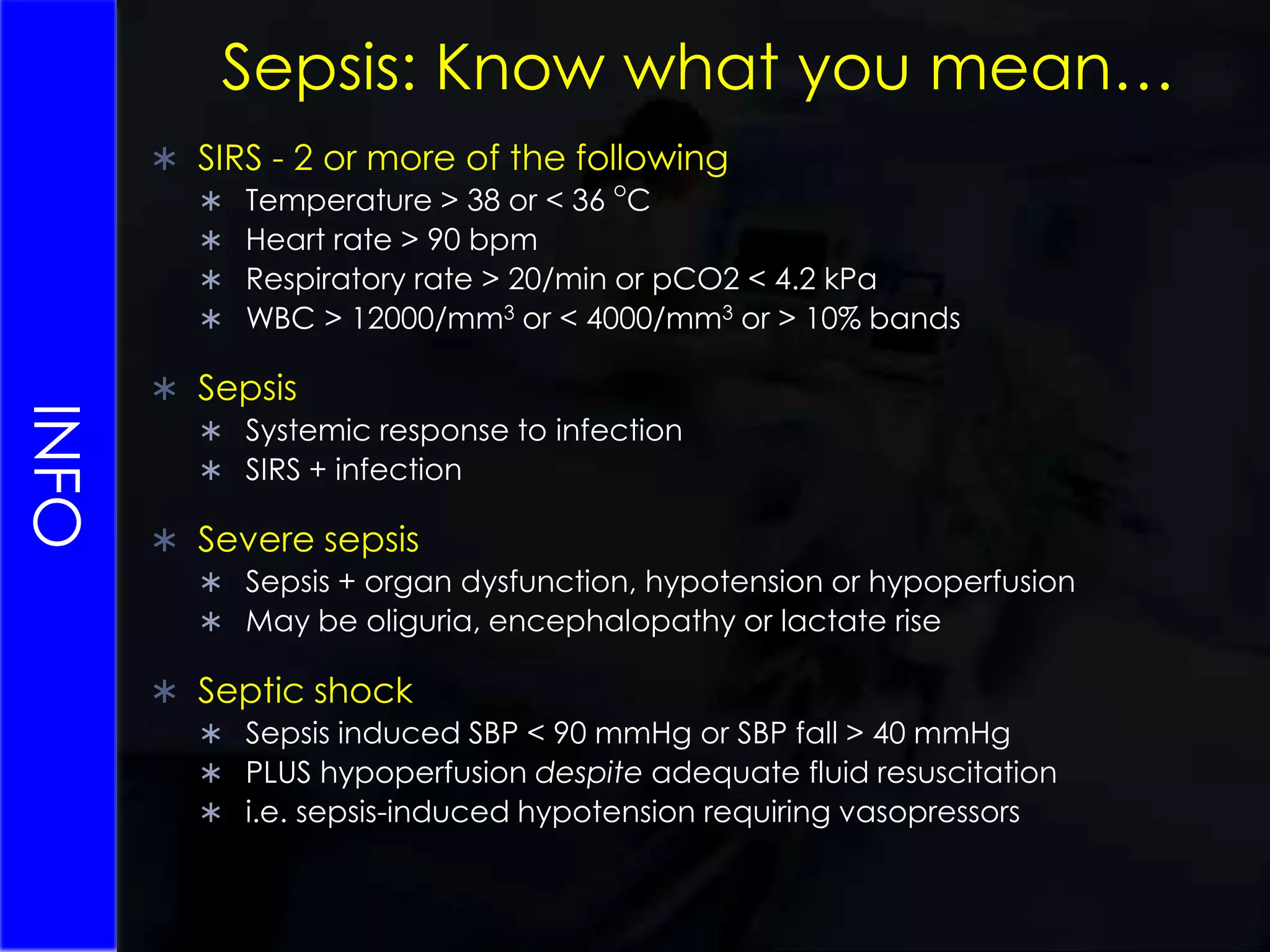
    Sepsis: Know whatyou mean…INFOSIRS - 2 or more of the followingTemperature > 38 or < 36 oCHeart rate > 90 bpmRespiratory rate > 20/min or pCO2 < 4.2 kPaWBC > 12000/mm3 or < 4000/mm3 or > 10% bands SepsisSystemic response to infectionSIRS + infectionSevere sepsisSepsis + organ dysfunction, hypotension or hypoperfusionMay be oliguria, encephalopathy or lactate riseSeptic shockSepsis induced SBP < 90 mmHg or SBP fall > 40 mmHgPLUS hypoperfusion despite adequate fluid resuscitationi.e. sepsis-induced hypotension requiring vasopressors
  • 67.
    Principles of septicshock managementINFOInitial resuscitationFluid resuscitation - ? EGDT (Rivers)DiagnosisAntibiotic therapySource identification and controlHaemodynamic and adjunctive therapyVasopressors and/or inotropes (know characteristics & pros and cons)Steroids (know relative adrenal insufficiency principles)rhAPC (know trials and controversies)Other supportBlood productsSafe ventilation in ALI/ARDS (know ARDSNet etc.)Sedation (know sedation breaks)Glucose control (know controversies medical v surgical pts)RRTDVT prophylaxisStress ulcer prophylaxis (relationship to Cdiff?)Limitation of therapy?
  • 68.
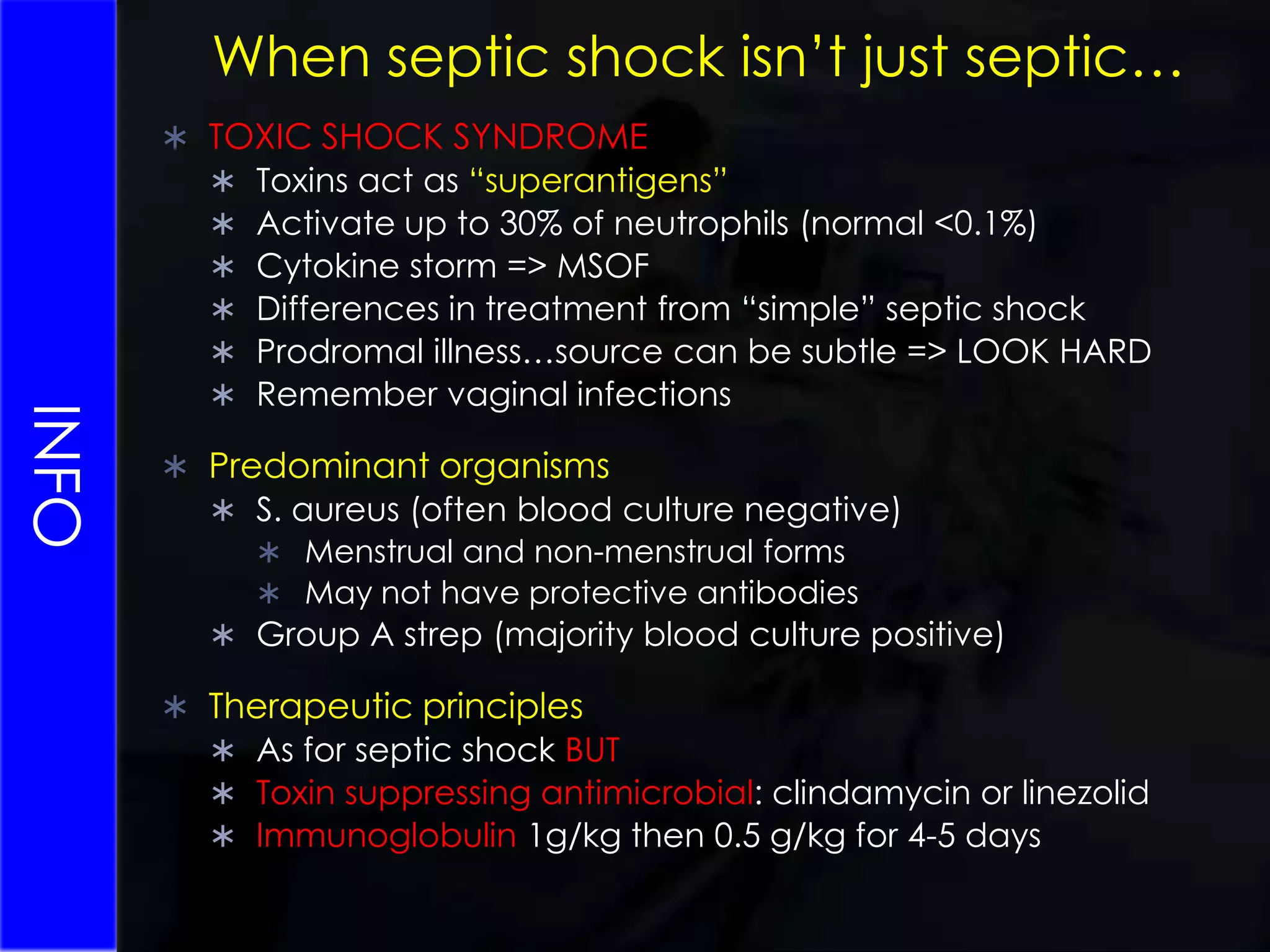
    When septic shockisn’t just septic…INFOTOXIC SHOCK SYNDROMEToxins act as “superantigens”Activate up to 30% of neutrophils (normal <0.1%)Cytokine storm => MSOFDifferences in treatment from “simple” septic shockProdromal illness…source can be subtle => LOOK HARDRemember vaginal infectionsPredominant organismsS. aureus (often blood culture negative)Menstrual and non-menstrual formsMay not have protective antibodiesGroup A strep (majority blood culture positive)Therapeutic principlesAs for septic shock BUTToxin suppressing antimicrobial: clindamycin or linezolidImmunoglobulin 1g/kg then 0.5 g/kg for 4-5 days
  • 69.
    Q: Nutrition -how and why?Your patient stabilises over the next 18-24 hoursShe weighs 60 kg at baselineShe hasn’t eaten at home for 5 daysHow are you going to support her nutrition?What are her requirements?How much do you give her today?How do you manage “intolerance”Why is nutrition important?
  • 70.
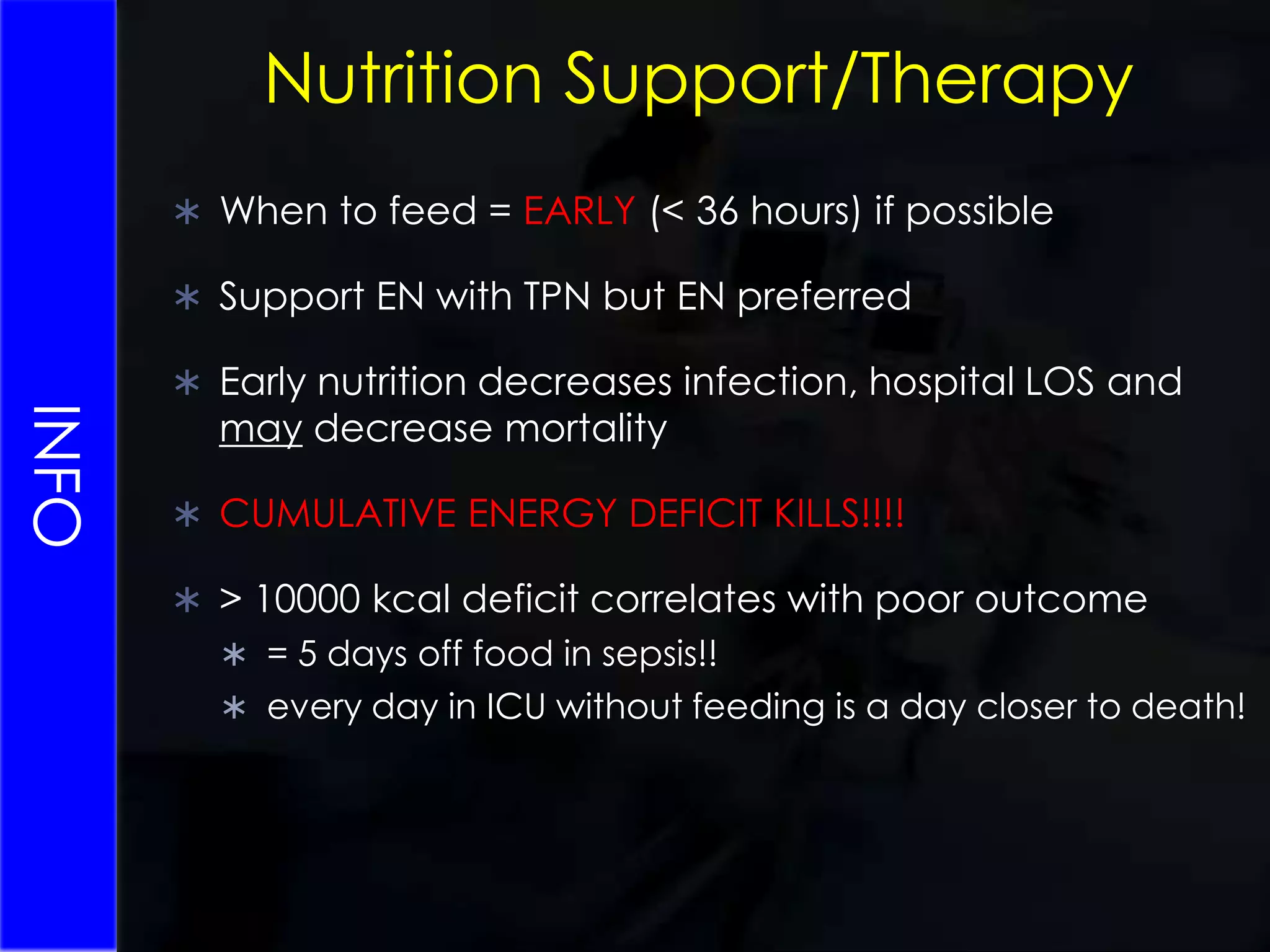
    INFONutrition Support/TherapyWhen tofeed = EARLY (< 36 hours) if possibleSupport EN with TPN but EN preferredEarly nutrition decreases infection, hospital LOS and may decrease mortalityCUMULATIVE ENERGY DEFICIT KILLS!!!!> 10000 kcal deficit correlates with poor outcome= 5 days off food in sepsis!!every day in ICU without feeding is a day closer to death!
  • 71.
    INFONutrition Support/TherapyNutrition modulatesstress responseNutrition modulates systemic immunityGut surface area = tennis court!!Exposure to and in harmony with trillions of organismsGALT = gut associated lymphoid tissue - appropriate exposure enhances systemic immunity
  • 72.
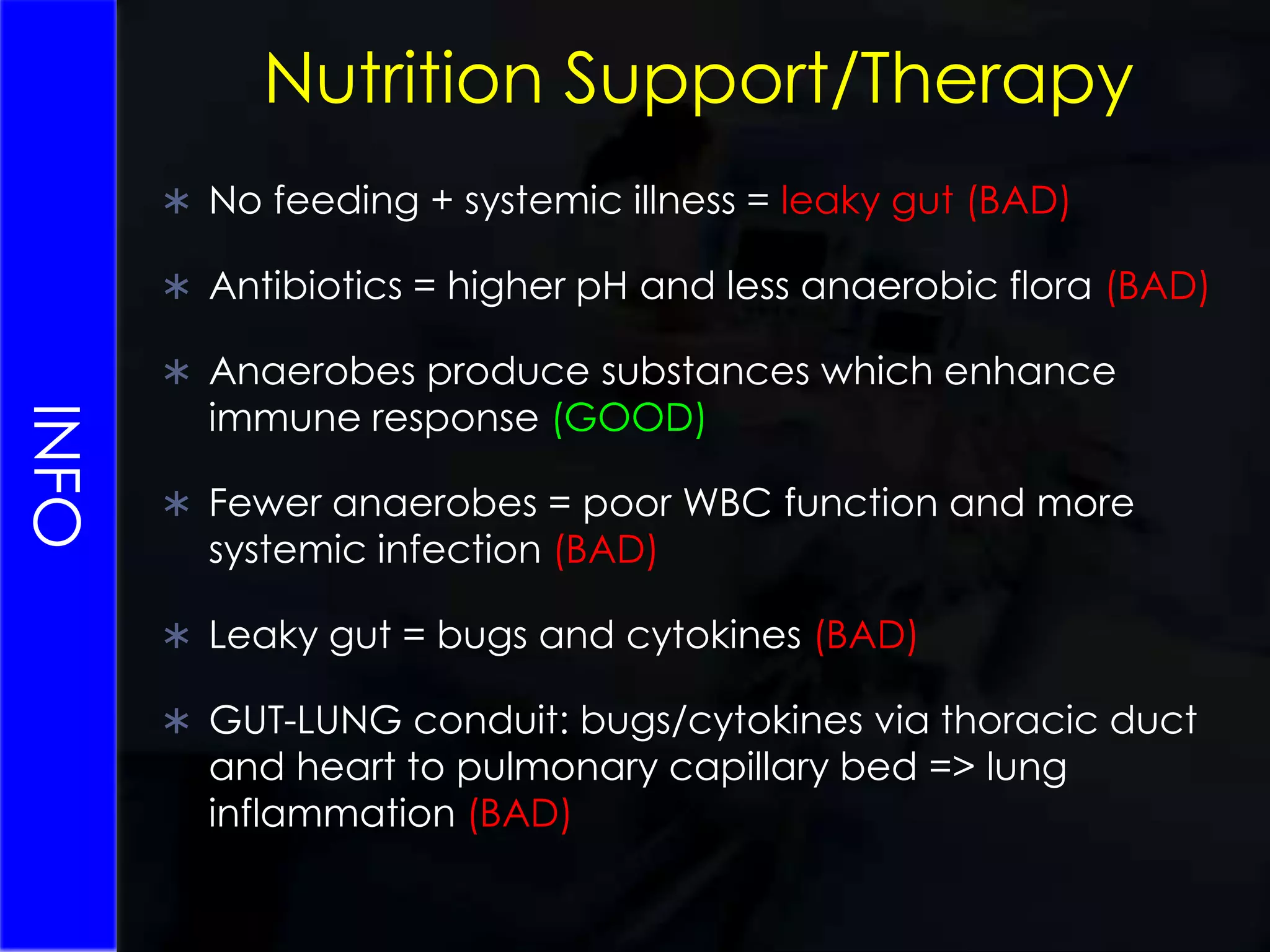
    INFONutrition Support/TherapyNo feeding+ systemic illness = leaky gut (BAD)Antibiotics = higher pH and less anaerobic flora (BAD)Anaerobes produce substances which enhance immune response (GOOD)Fewer anaerobes = poor WBC function and more systemic infection (BAD)Leaky gut = bugs and cytokines (BAD)GUT-LUNG conduit: bugs/cytokines via thoracic duct and heart to pulmonary capillary bed => lung inflammation (BAD)
  • 73.
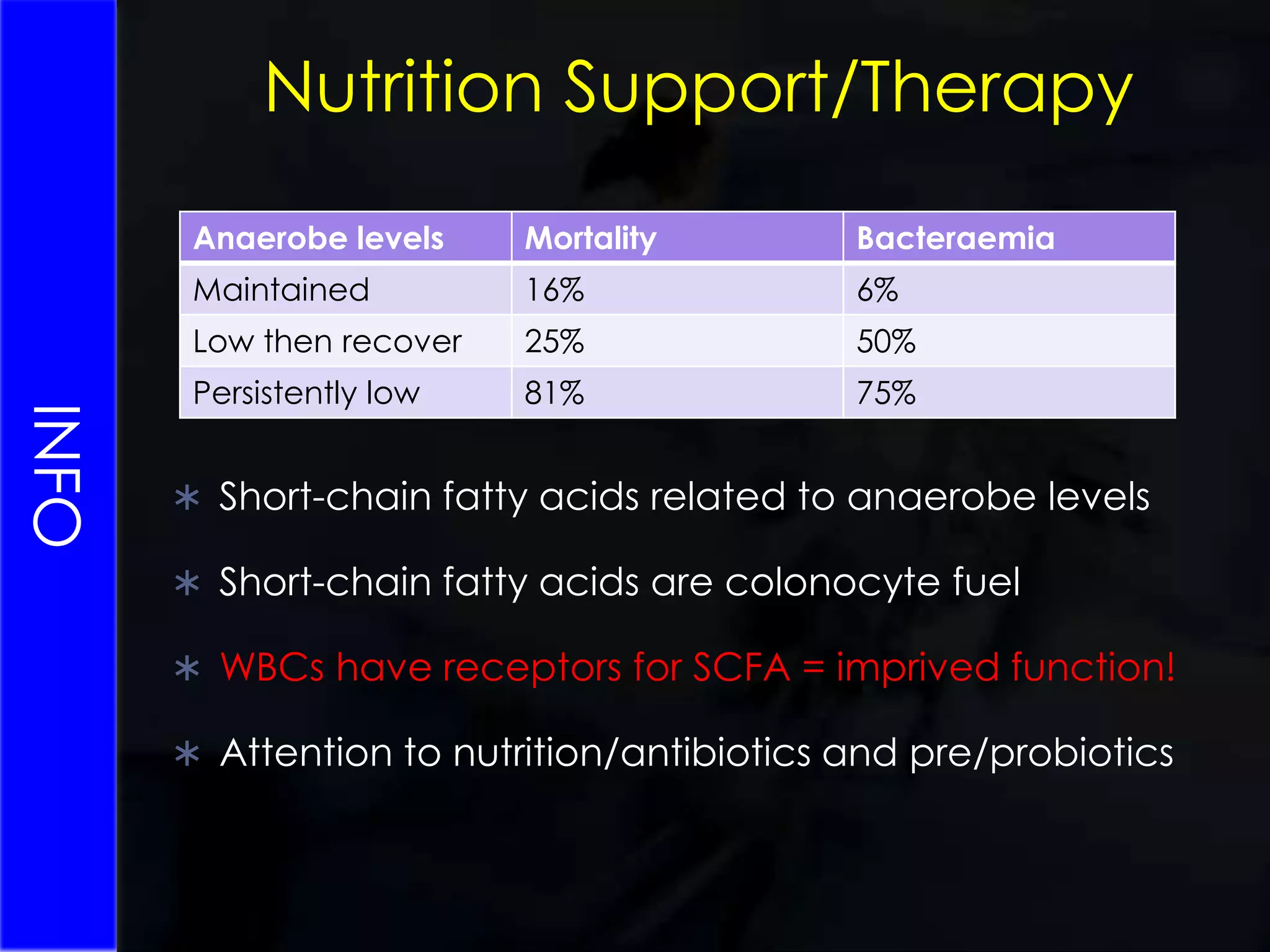
    INFONutrition Support/TherapyShort-chain fattyacids related to anaerobe levels
  • 74.
    Short-chain fatty acidsare colonocyte fuel
  • 75.
    WBCs have receptorsfor SCFA = imprived function!
  • 76.
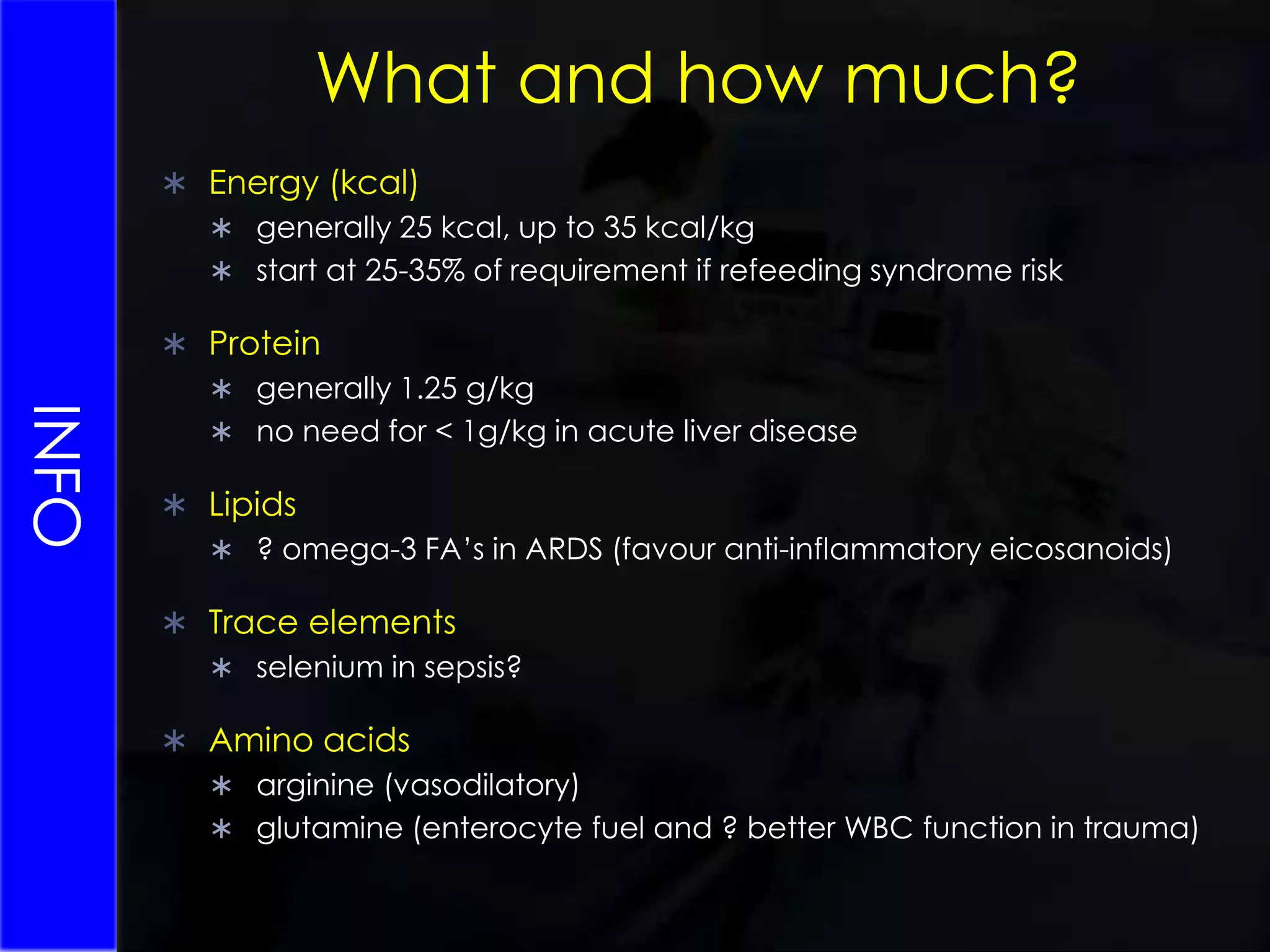
    Attention to nutrition/antibioticsand pre/probioticsINFOWhat and how much?Energy (kcal)generally 25 kcal, up to 35 kcal/kgstart at 25-35% of requirement if refeeding syndrome riskProteingenerally 1.25 g/kgno need for < 1g/kg in acute liver diseaseLipids? omega-3 FA’s in ARDS (favour anti-inflammatory eicosanoids)Trace elementsselenium in sepsis?Amino acidsarginine (vasodilatory)glutamine (enterocyte fuel and ? better WBC function in trauma)
  • 77.
  • 78.
  • 79.
  • 80.
  • 81.
  • 82.
  • 83.
  • 84.
  • 85.
    Fluid Balance &OutcomeIt’s not IF they should be dry... it’s WHEN