Downloaded 138 times














Cellulose acetate, nylon, and titanium are common materials used for eyeglass frames. Cellulose acetate is lightweight but can cause allergic reactions. Nylon is strong, flexible, and hypoallergenic. Titanium is very lightweight and strong, resistant to corrosion, and hypoallergenic, but more expensive than other materials. Other materials used include aluminum, stainless steel, gold, and plastic materials like polycarbonate. The ideal frame material is lightweight, strong, resistant to corrosion and breakage, non-flammable, inexpensive, durable, adjustable, and non-allergic.
Introduces the topic of materials used in eyewear frames by Optom Faslu Muhammed.
Lists ideal properties of lens materials: non-allergic, durable, inexpensive, corrosion-resistant.
Highlights cellulose nitrate used for frames which are hard, heat-resistant but flammable.
Describes cellulose acetate as less flammable but less stable and allergic, and mentions cellulose propionate.
Discusses nickel silver (corrosion-resistant) and Optyl (lightweight, stable, hypoallergenic).
Explains nylon and polyamide materials, highlighting flexibility, strength, hypoallergenicity.
Details Grilamid as nylon-based for sports eyewear, and carbon fiber which is lightweight but limited in color.
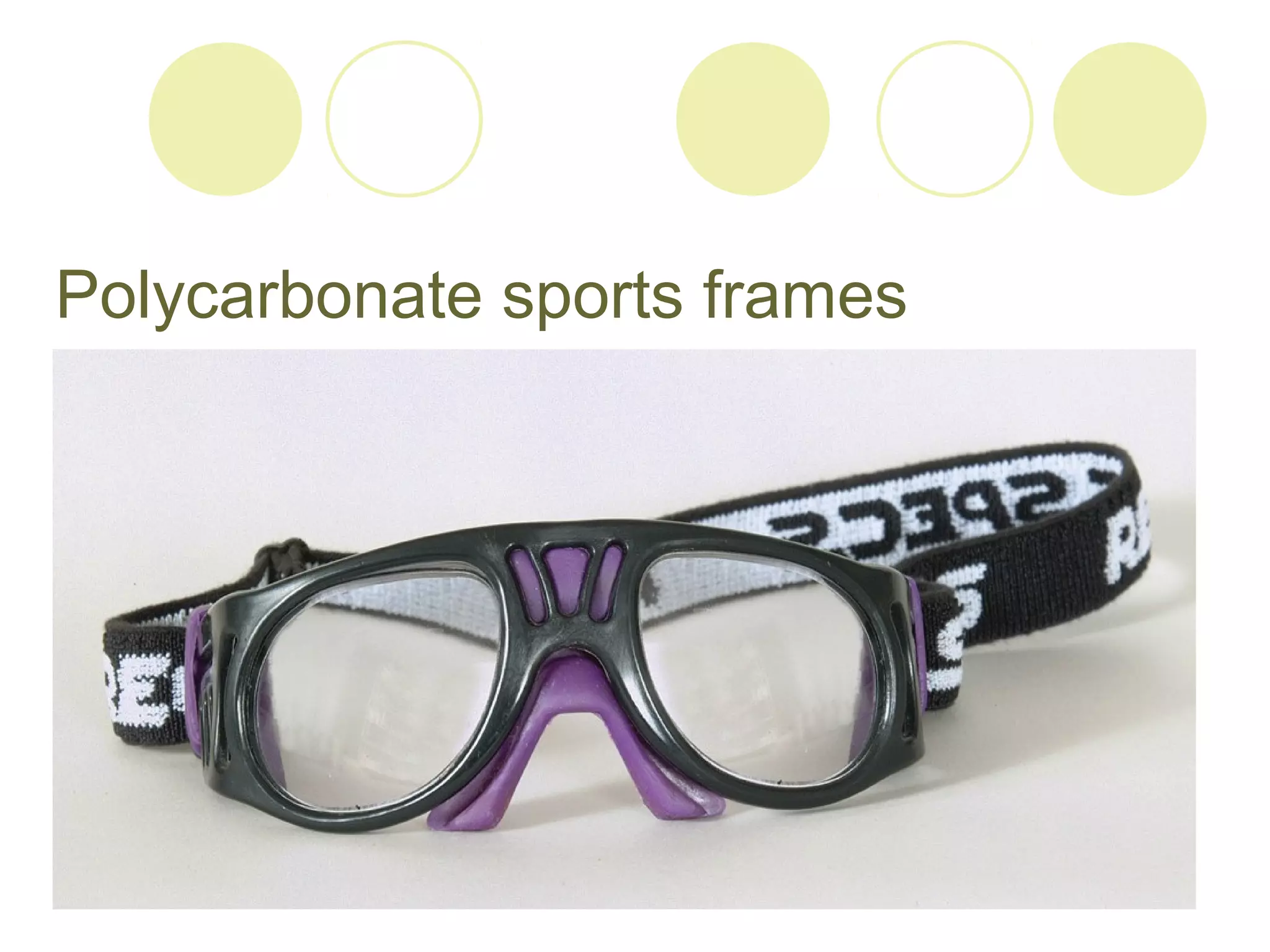
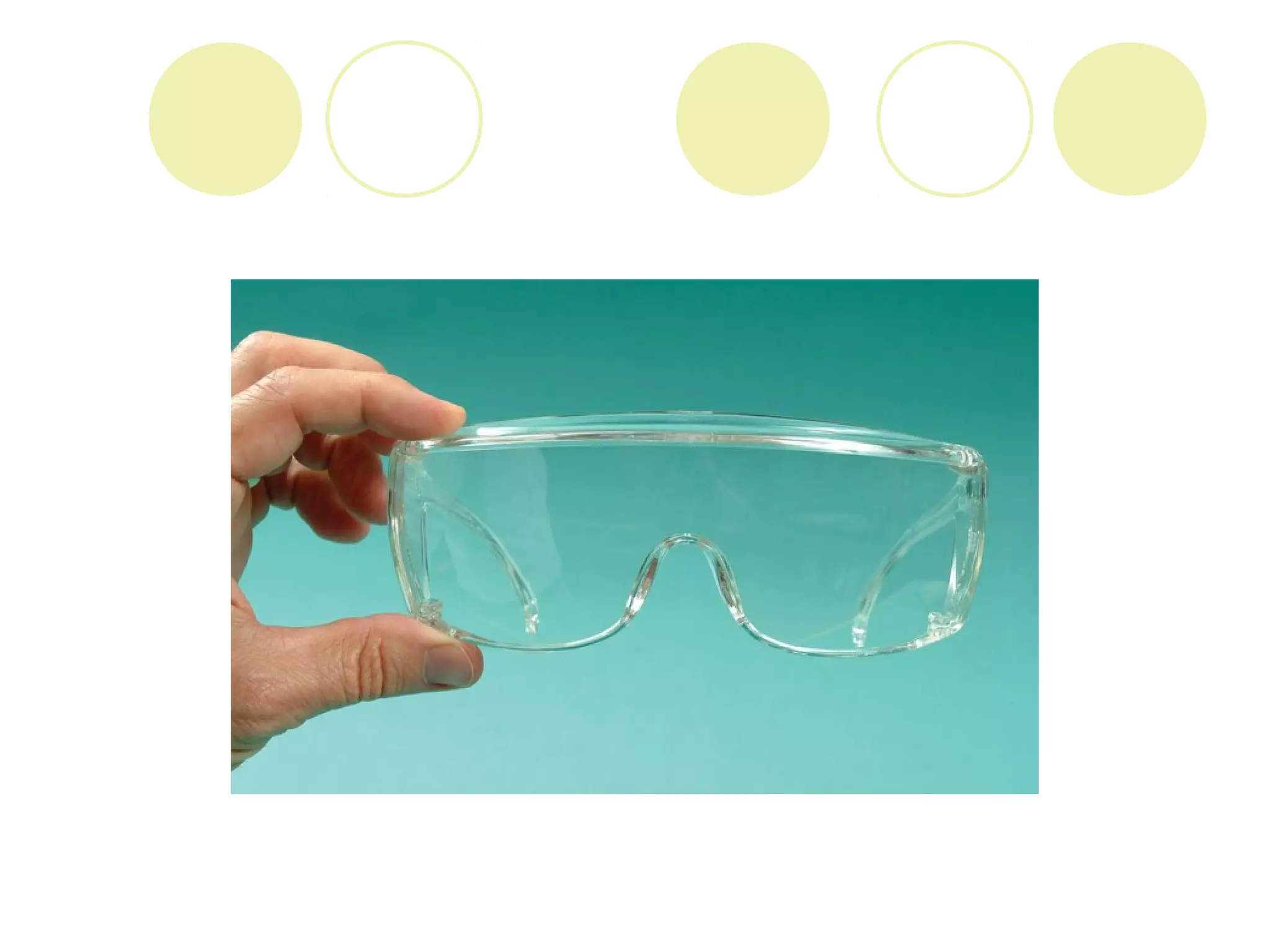
Focuses on polycarbonate for impact resistance in sports eyewear, noting one-unit molding capabilities.
Examines Kevlar as strong, lightweight but difficult to adjust, and rubber for flexibility in sports frames.
Introduces a section on metal frame materials.
Defines anodized aluminum as lightweight and corrosion-resistant, and stainless steel as stable and easy to manufacture.
Describes gold as attractive and non-allergic, and describes nickel materials highlighting allergy concerns.
Details aluminum's strength and lightweight properties but notes inflexibility.
Emphasizes stainless steel's strength and corrosion resistance while discussing titanium's lightweight, strength, and hypoallergenicity.
Notes challenges in welding titanium and its certification standards regarding nickel content.
Explains bronze as corrosion-resistant and lightweight, and magnesium as even lighter than titanium.
Mentions various other materials and alloys suitable for eyewear frames.


