Download to read offline
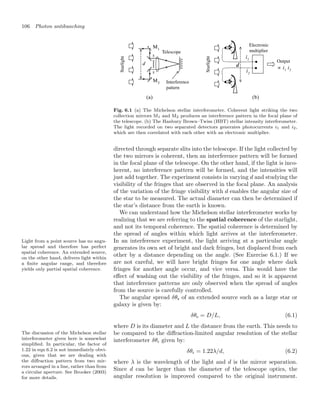
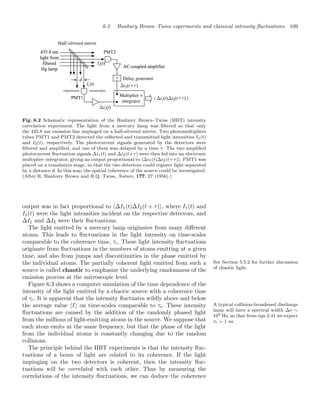
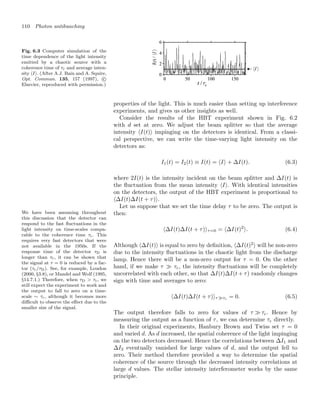
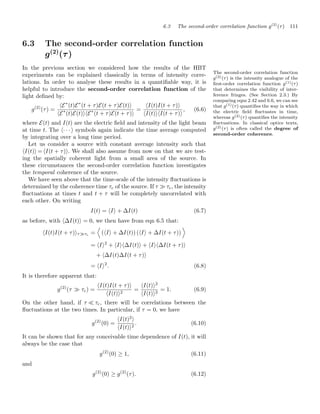
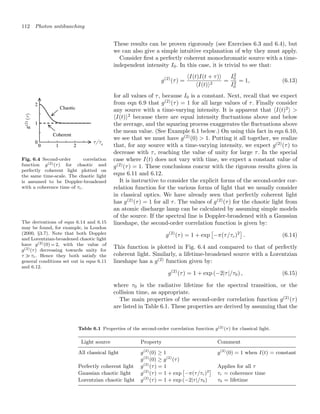
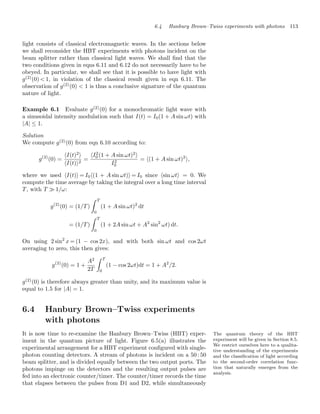
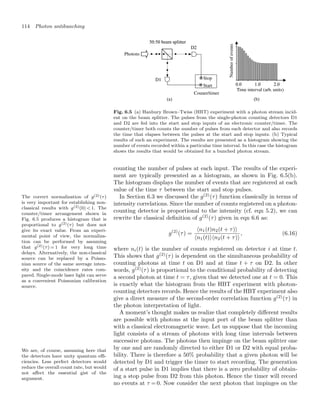
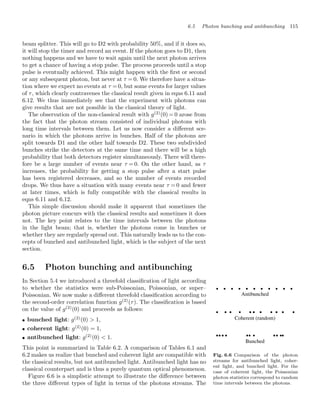
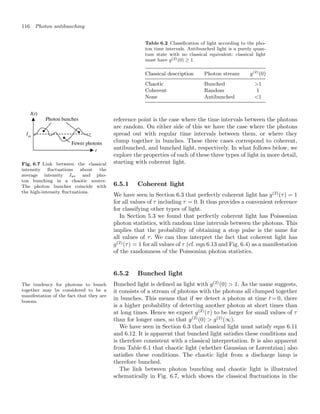
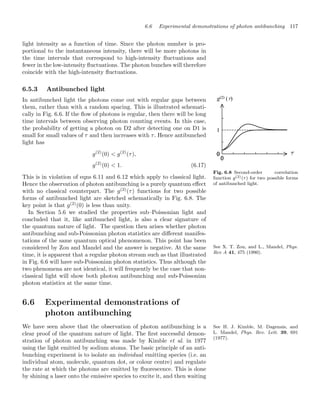
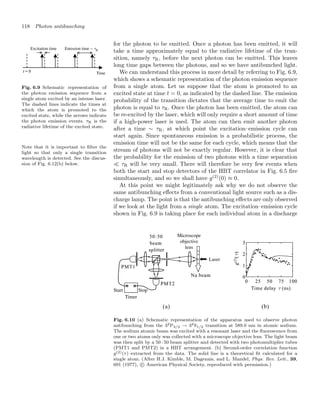
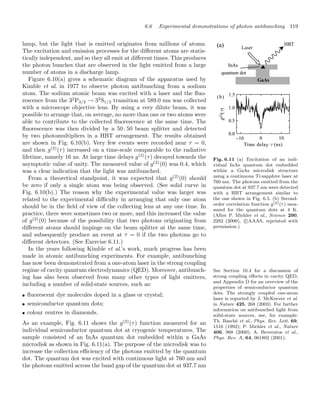
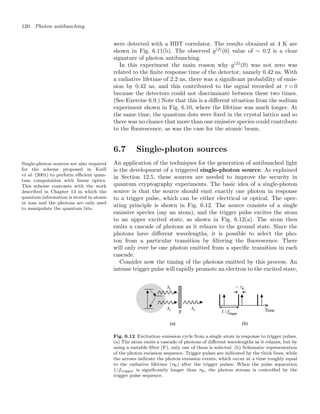
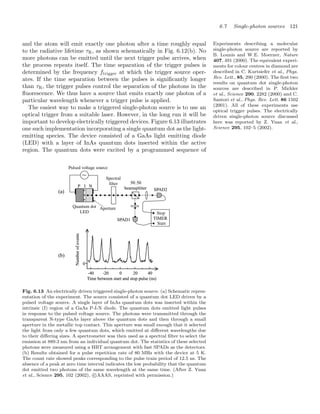
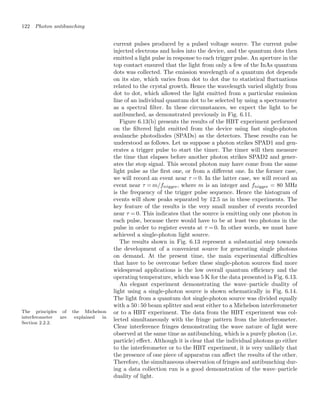
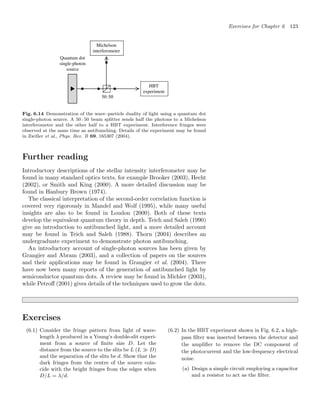

This chapter discusses photon antibunching and the Hanbury Brown-Twiss experiments which helped develop modern quantum optics. It introduces the second-order correlation function g(2)(τ) which can be used to classify light as antibunched, coherent, or bunched. The chapter then discusses how the Hanbury Brown-Twiss experiments measured intensity fluctuations in light beams and how this led to defining g(2)(τ). It explores how g(2)(τ) can take different values for classical versus quantum light, with antibunched light only possible due to quantum effects.


![[Unit 12.3] lens](https://cdn.slidesharecdn.com/ss_thumbnails/unit12-3lens-100829070431-phpapp02-thumbnail.jpg?width=640&height=640&fit=bounds)


