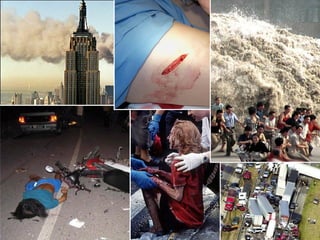
FIRST AID Principles and Practice K.S. Chew Lecturer/Emergency Physician School of Medical Sciences Universiti Sains Malaysia
First aid….. it is better to know it and not need it than to need it and not know it.
“ Whatever can go wrong, will.”  - Murphy Law
 
“ Whatever can happen to one man can happen to every man.”  Lucius Annaeus Seneca (4 B.C.? – A.D.65)
Definition of First Aid
What is First Aid? Definition: First aid is the  immediate care  given to an injured or suddenly ill person.  First aid  does not  take the place of proper medical treatment.
First Aid Immediate care given to an injured or suddenly ill person Without any proper medical equipment Temporary assistance  until arrival of competent medical care Does not take the place of proper medical treatment
Who provides first aid? Police, Bomba/firefighters, JPA staffs St. John’s Ambulance members, Red Crescent members, Scouts, Girl Guides Bystanders, public members Relatives, family members, friends Workmates, teachers Medical students, anyone ……YOU!
Principles of First Aid
Principle #1: First, do no harm Know what to do and know what NOT to do
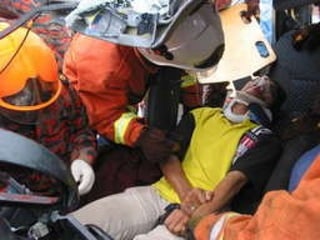
First Do No Harm Do no harm does not mean do nothing. The wisdom is not just to know what to do, but  what NOT to do Sometimes the best thing you can do for a casualty is to  call for help. Provide comfort and assurance to the casualty may be the only thing you can do
First Do No Harm Use treatments you know of that are most likely to  benefit  a casualty Do not  use a treatment that you are not sure about “just for the sake of trying”


Principle #2: First Aid Is Not An Exact Science And Is Open To Error
First Aid Is Not An Exact Science First aid is practiced by people from all walks of life Therefore there are great variations in terms of methods and practice A casualty may not respond as you hoped no matter how good and how hard you try
First Aid Is Not An Exact Science Don’t feel bad if the casualty don’t respond as you would like him to.  If you have done your best, your conscience should be clear. You may also have to deal with your own fear in real life situations
 
Principle #3: First Aid is about Putting First Things First
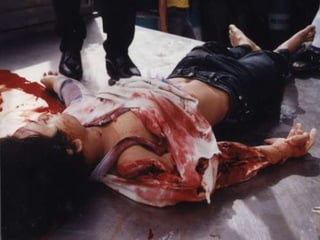
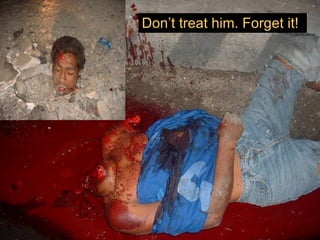
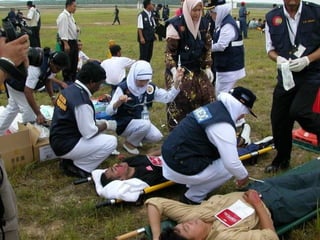
First Things First Get your priority right If there are too many injuries in a casualty, treat  the most urgent injuries first If there are too many casualties First, call for help Treat the ones with the highest chance of survival
 
Don’t treat him. Forget it!
They are also not your priority. Keep them aside and leave them to chat with each other!
 
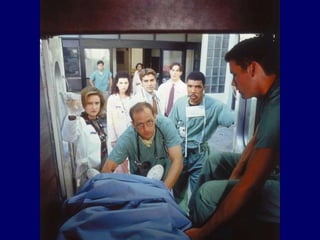
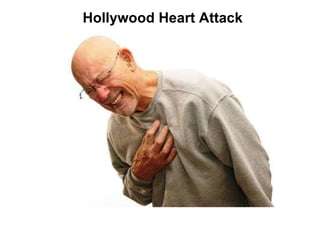
The first step to get our priority right is  to know and recognize what is an emergency and what is not an emergency! Sometimes it is very difficult, e.g. heart attack can be silent Hollywood emergencies don’t always exist in real life First Things First
 
Hollywood Heart Attack
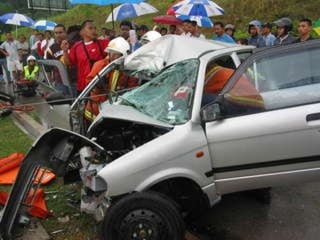
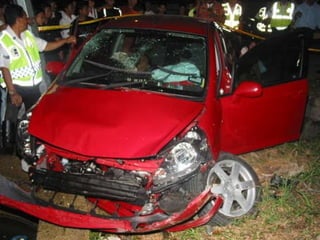
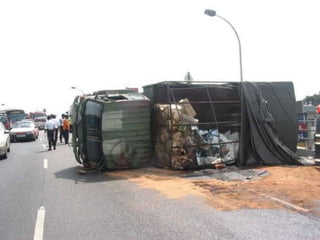
Recognize An Emergency Factors that determine whether bystander recognize an emergency: Severity:  motor-vehicle crash Physical distance:  the closer, the more noticeable Relationship:  knowing the victim, the more noticeable, e.g. mother and child Time exposed:  the longer exposed, the more noticeable
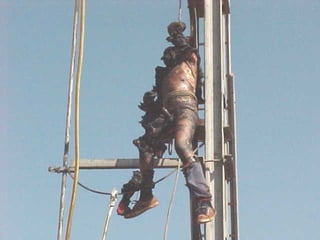
Principle #4: Safety Is Of Utmost Importance In First Aid


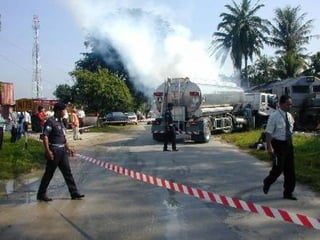
Why Some Bystander Refuse To Help? Ignorance Hiding own fear and incompetency Confused about what is an emergency Too much Hollywood movies Characteristics of the emergency situation The blood, smell, vomitus Fear it may be fake Fear own safety; disguised as emergency
 
One important strategy that people use to avoid action is to refuse (consciously or unconsciously) to acknowledge the emergency situation
Other Excuses It could be harmful HIV infection Helping doesn’t matter Victim is drunk Obstacles may prevent helping Drowning victim in a mining pool (bystander doesn’t know how to swim)
Decide to help If you decide to help, you must: Feel confident to help Take time to help Put the potential risks of helping in perspective Take charge at an emergency scene Comfortable in seeing a victim who is bleeding or vomiting
Chain of Survival
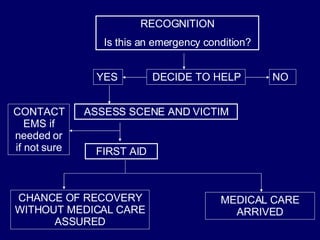
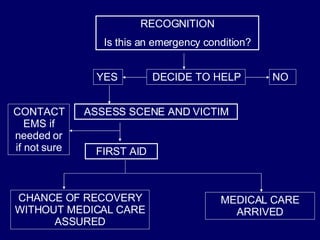
RECOGNITION Is this an emergency condition? DECIDE TO HELP CONTACT EMS if needed or if not sure ASSESS SCENE AND VICTIM FIRST AID NO YES MEDICAL CARE ARRIVED CHANCE OF RECOVERY WITHOUT MEDICAL CARE ASSURED
Scene Survey Scene safety Mechanism of injury Number of patients
RECOGNITION Is this an emergency condition? DECIDE TO HELP CONTACT EMS if needed or if not sure ASSESS SCENE AND VICTIM FIRST AID NO YES MEDICAL CARE ARRIVED CHANCE OF RECOVERY WITHOUT MEDICAL CARE ASSURED
Need EMS? Call EMS if The victim’s condition life threatening or could get worse The victim need the skills or equipment of EMS Distance or traffic could cause a delay in getting to hospital If you are not sure
What Information To Relay Identify yourself E:  Exact Location T:  Type of event H:  Hazard A:  Access N:  Number of casualties involved E:  Existing emergency services Put down phone only if asked to
History S ymptoms A llergies M edicatios P ast Medical History L ast oral intake E vents leading up to the illness or injury
Physical Examination D eformity O pen wound T enderness S welling For extremities Remember to add  P ulses,  M ovement,  S ensation  (PMS)
Seven Essential First Aid Interventions Call for ambulance DO NOT move and DO NOT allow movement unnecessarily of a trauma casualty Perform chin lift or head tilt chin lift Mouth-to-mouth breathing (if willing) especially in children, drowning or poisoning
Chest compression Operate an automated external defibrillator Stop any bleeding Seven Essential First Aid Interventions

First Aid Principles And Practice

  • 1.
    FIRST AID Principlesand Practice K.S. Chew Lecturer/Emergency Physician School of Medical Sciences Universiti Sains Malaysia
  • 2.
    First aid….. itis better to know it and not need it than to need it and not know it.
  • 3.
    “ Whatever cango wrong, will.” - Murphy Law
  • 4.
  • 5.
    “ Whatever canhappen to one man can happen to every man.” Lucius Annaeus Seneca (4 B.C.? – A.D.65)
  • 6.
  • 7.
    What is FirstAid? Definition: First aid is the immediate care given to an injured or suddenly ill person. First aid does not take the place of proper medical treatment.
  • 8.
    First Aid Immediatecare given to an injured or suddenly ill person Without any proper medical equipment Temporary assistance until arrival of competent medical care Does not take the place of proper medical treatment
  • 9.
    Who provides firstaid? Police, Bomba/firefighters, JPA staffs St. John’s Ambulance members, Red Crescent members, Scouts, Girl Guides Bystanders, public members Relatives, family members, friends Workmates, teachers Medical students, anyone ……YOU!
  • 10.
  • 11.
    Principle #1: First,do no harm Know what to do and know what NOT to do
  • 12.
    First Do NoHarm Do no harm does not mean do nothing. The wisdom is not just to know what to do, but what NOT to do Sometimes the best thing you can do for a casualty is to call for help. Provide comfort and assurance to the casualty may be the only thing you can do
  • 13.
    First Do NoHarm Use treatments you know of that are most likely to benefit a casualty Do not use a treatment that you are not sure about “just for the sake of trying”
  • 14.
  • 15.
  • 16.
  • 17.
    Principle #2: FirstAid Is Not An Exact Science And Is Open To Error
  • 18.
    First Aid IsNot An Exact Science First aid is practiced by people from all walks of life Therefore there are great variations in terms of methods and practice A casualty may not respond as you hoped no matter how good and how hard you try
  • 19.
    First Aid IsNot An Exact Science Don’t feel bad if the casualty don’t respond as you would like him to. If you have done your best, your conscience should be clear. You may also have to deal with your own fear in real life situations
  • 20.
  • 21.
    Principle #3: FirstAid is about Putting First Things First
  • 22.
    First Things FirstGet your priority right If there are too many injuries in a casualty, treat the most urgent injuries first If there are too many casualties First, call for help Treat the ones with the highest chance of survival
  • 23.
  • 24.
  • 25.
    They are alsonot your priority. Keep them aside and leave them to chat with each other!
  • 26.
  • 27.
    The first stepto get our priority right is to know and recognize what is an emergency and what is not an emergency! Sometimes it is very difficult, e.g. heart attack can be silent Hollywood emergencies don’t always exist in real life First Things First
  • 28.
  • 29.
  • 30.
    Recognize An EmergencyFactors that determine whether bystander recognize an emergency: Severity: motor-vehicle crash Physical distance: the closer, the more noticeable Relationship: knowing the victim, the more noticeable, e.g. mother and child Time exposed: the longer exposed, the more noticeable
  • 31.
    Principle #4: SafetyIs Of Utmost Importance In First Aid
  • 32.
  • 33.
  • 34.
  • 35.
    Why Some BystanderRefuse To Help? Ignorance Hiding own fear and incompetency Confused about what is an emergency Too much Hollywood movies Characteristics of the emergency situation The blood, smell, vomitus Fear it may be fake Fear own safety; disguised as emergency
  • 36.
  • 37.
    One important strategythat people use to avoid action is to refuse (consciously or unconsciously) to acknowledge the emergency situation
  • 38.
    Other Excuses Itcould be harmful HIV infection Helping doesn’t matter Victim is drunk Obstacles may prevent helping Drowning victim in a mining pool (bystander doesn’t know how to swim)
  • 39.
    Decide to helpIf you decide to help, you must: Feel confident to help Take time to help Put the potential risks of helping in perspective Take charge at an emergency scene Comfortable in seeing a victim who is bleeding or vomiting
  • 40.
  • 41.
    RECOGNITION Is thisan emergency condition? DECIDE TO HELP CONTACT EMS if needed or if not sure ASSESS SCENE AND VICTIM FIRST AID NO YES MEDICAL CARE ARRIVED CHANCE OF RECOVERY WITHOUT MEDICAL CARE ASSURED
  • 42.
    Scene Survey Scenesafety Mechanism of injury Number of patients
  • 43.
    RECOGNITION Is thisan emergency condition? DECIDE TO HELP CONTACT EMS if needed or if not sure ASSESS SCENE AND VICTIM FIRST AID NO YES MEDICAL CARE ARRIVED CHANCE OF RECOVERY WITHOUT MEDICAL CARE ASSURED
  • 44.
    Need EMS? CallEMS if The victim’s condition life threatening or could get worse The victim need the skills or equipment of EMS Distance or traffic could cause a delay in getting to hospital If you are not sure
  • 45.
    What Information ToRelay Identify yourself E: Exact Location T: Type of event H: Hazard A: Access N: Number of casualties involved E: Existing emergency services Put down phone only if asked to
  • 46.
    History S ymptomsA llergies M edicatios P ast Medical History L ast oral intake E vents leading up to the illness or injury
  • 47.
    Physical Examination Deformity O pen wound T enderness S welling For extremities Remember to add P ulses, M ovement, S ensation (PMS)
  • 48.
    Seven Essential FirstAid Interventions Call for ambulance DO NOT move and DO NOT allow movement unnecessarily of a trauma casualty Perform chin lift or head tilt chin lift Mouth-to-mouth breathing (if willing) especially in children, drowning or poisoning
  • 49.
    Chest compression Operatean automated external defibrillator Stop any bleeding Seven Essential First Aid Interventions