Introductory  to First Aid Learn the basics of First Aid and  the correct medical treatment for minor injuries
What is Basic First Aid? The initial process of assessing and addressing the needs of someone who is experiencing medical emergencies. Allows a “non-medical expert” to quickly determine a person’s physical condition and the correct course of treatment. Can make a difference to a person’s recovery and could save their life. Introductory to First Aid
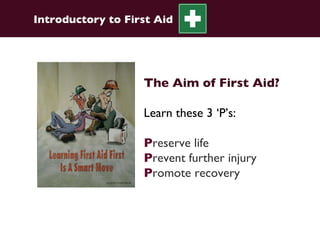
The Aim of First Aid? Learn these 3 ‘P’s: P reserve life P revent further injury P romote recovery Introductory to First Aid
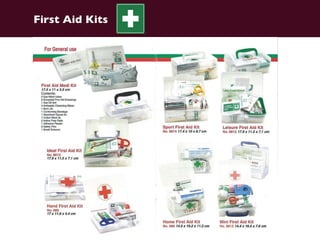
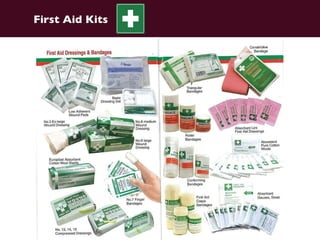
First Aid Kits
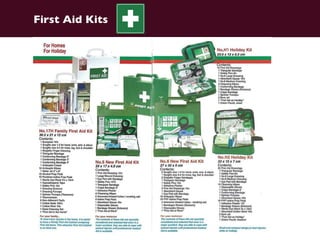
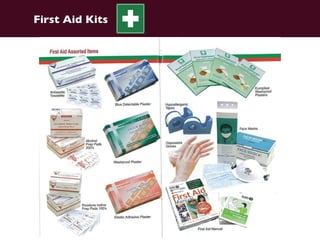
First Aid Kits
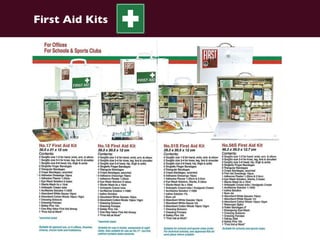
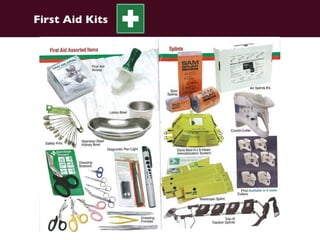
First Aid Kits
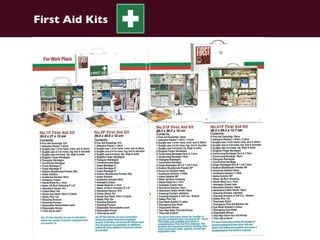
First Aid Kits
First Aid Kits
First Aid Kits
First Aid Kits
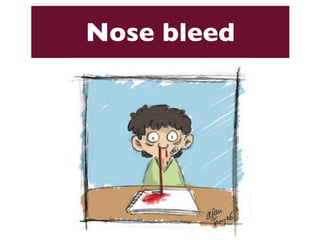
Nose bleed
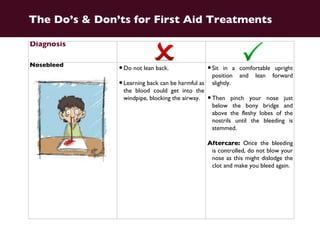
Diagnosis Nosebleed Do not lean back. Learning back can be harmful as the blood could get into the windpipe, blocking the airway. Sit in a comfortable upright position and lean forward slightly. Then pinch your nose just below the bony bridge and above the fleshy lobes of the nostrils until the bleeding is stemmed.  Aftercare:  Once the bleeding is controlled, do not blow your nose as this might dislodge the clot and make you bleed again.   The Do’s & Don’ts for First Aid Treatments
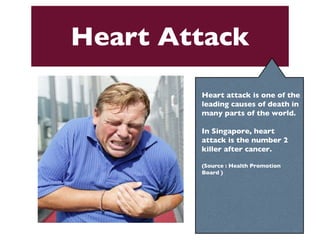
Heart Attack Heart attack is one of the leading causes of death in many parts of the world.  In Singapore, heart attack is the number 2 killer after cancer. (Source : Health Promotion  Board )
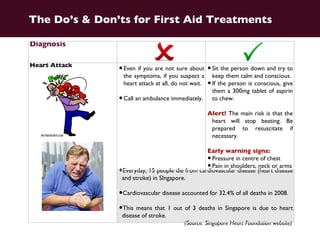
Diagnosis Heart Attack Even if you are not sure about the symptoms, if you suspect a heart attack at all, do not wait. Call an ambulance immediately. Sit the person down and try to keep them calm and conscious.  If the person is conscious, give them a 300mg tablet of aspirin to chew. Alert!  The main risk is that the heart will stop beating. Be prepared to resuscitate if necessary. Early warning signs: Pressure in centre of chest Pain in shoulders, neck or arms Chest discomfort with fainting, sweating or nausea Everyday, 15 people die from cardiovascular disease (heart disease and stroke) in SIngapore.  Cardiovascular disease accounted for 32.4% of all deaths in 2008. This means that 1 out of 3 deaths in Singapore is due to heart disease of stroke. (Source: Singapore Heart Foundation website)   The Do’s & Don’ts for First Aid Treatments
Burns
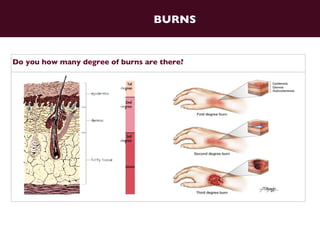
Do you how many degree of burns are there?    BURNS
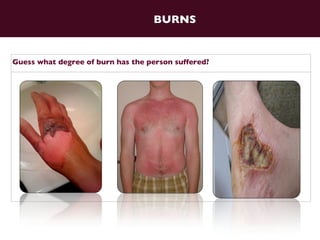
Guess what degree of burn has the person suffered?    BURNS
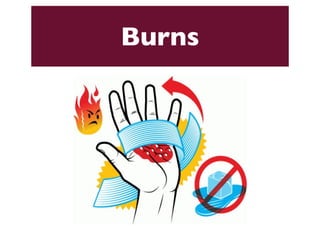
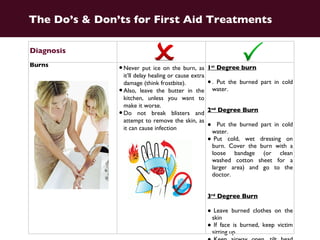
Diagnosis Burns Never put ice on the burn, as it’ll delay healing or cause extra damage (think frostbite).  Also, leave the butter in the kitchen, unless you want to make it worse. Do not break blisters and attempt to remove the skin, as it can cause infection 1 st  Degree burn . Put the burned part in cold water. 2 nd  Degree Burn ●   Put the burned part in cold water. ● Put cold, wet dressing on burn. Cover the burn with a loose bandage (or clean washed cotton sheet for a larger area) and go to the doctor. 3 rd  Degree Burn ● Leave burned clothes on the skin ● If face is burned, keep victim sitting up ● Keep airway open, tilt head back ● Evaluate burned arms, legs, hands. Keep burn higher than heart. ● Call for an ambulance   The Do’s & Don’ts for First Aid Treatments
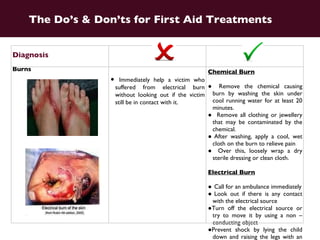
Diagnosis Burns Immediately help a victim who suffered from electrical burn without looking out if the victim still be in contact with it.  Chemical Burn ●   Remove the chemical causing burn by washing the skin under cool running water for at least 20 minutes. ●   Remove all clothing or jewellery that may be contaminated by the chemical. ● After washing, apply a cool, wet cloth on the burn to relieve pain ●   Over this, loosely wrap a dry sterile dressing or clean cloth. Electrical Burn ● Call for an ambulance immediately ● Look out if there is any contact with the electrical source ● Turn off the electrical source or try to move it by using a non –conducting object ● Prevent shock by lying the child down and raising the legs with an object, eg: Pill ow   The Do’s & Don’ts for First Aid Treatments
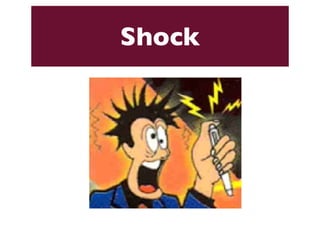
Shock
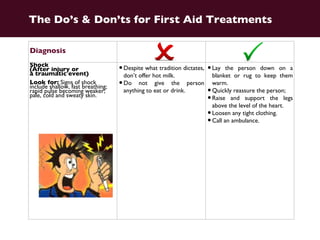
Diagnosis Shock (After injury or  a traumatic event) Look for:  Signs of shock include shallow, fast breathing; rapid pulse becoming weaker; pale, cold and sweaty skin. Despite what tradition dictates, don’t offer hot milk.  Do not give the person anything to eat or drink. Lay the person down on a blanket or rug to keep them warm.  Quickly reassure the person; Raise and support the legs above the level of the heart. Loosen any tight clothing. Call an ambulance.   The Do’s & Don’ts for First Aid Treatments
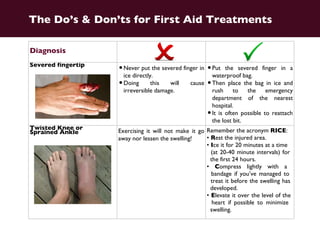
Diagnosis Severed fingertip Never put the severed finger in ice directly. Doing this will cause irreversible damage. Put the severed finger in a waterproof bag. Then place the bag in ice and rush to the emergency department of the nearest hospital.  It is often possible to reattach the lost bit. Twisted Knee or Sprained Ankle Exercising it will not make it go away nor lessen the swelling! Remember the acronym  RICE : •  R est the injured area. •  I ce it for 20 minutes at a time    (at 20-40 minute intervals) for    the first 24 hours. •  C ompress lightly with a    bandage if you’ve managed to    treat it before the swelling has    developed. •  E levate it over the level of the    heart if possible to minimize    swelling.   The Do’s & Don’ts for First Aid Treatments
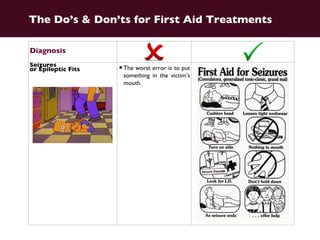
Diagnosis Seizures or Epileptic Fits The worst error is to put something in the victim’s mouth.   The Do’s & Don’ts for First Aid Treatments
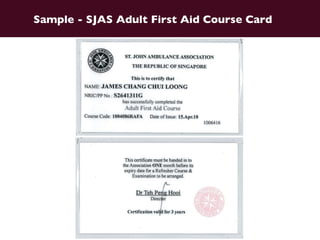
Sample - SJAS Adult First Aid Course Card
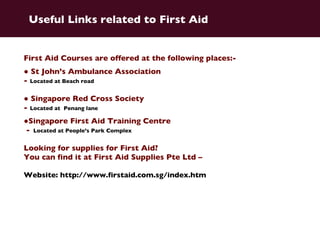
First Aid Courses are offered at the following places:- ●  St John’s Ambulance Association  -  Located at Beach road ●  Singapore Red Cross Society  -  Located at  Penang lane ● Singapore First Aid Training Centre -   Located at People’s Park Complex Looking for supplies for First Aid?  You can find it at First Aid Supplies Pte Ltd –  Website: http://www.firstaid.com.sg/index.htm   Useful Links related to First Aid
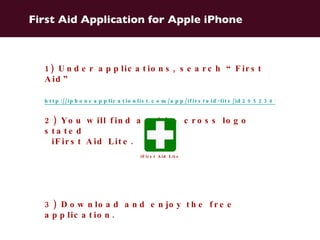
1) Under applications, search “First Aid” http://iphoneapplicationlist.com/app/ifirstaid-lite/id295238909/ 2) You will find a white cross logo stated    iFirst Aid Lite.  3) Download and enjoy the free application. iFirst Aid Lite   First Aid Application for Apple iPhone
Credits Narrator Bryan Pore Narrator Corinna Chia Narrator Parveen Injured member Joelle Toh Demonstrator Zakia

Final first aid slides (handout)

  • 1.
    Introductory toFirst Aid Learn the basics of First Aid and the correct medical treatment for minor injuries
  • 2.
    What is BasicFirst Aid? The initial process of assessing and addressing the needs of someone who is experiencing medical emergencies. Allows a “non-medical expert” to quickly determine a person’s physical condition and the correct course of treatment. Can make a difference to a person’s recovery and could save their life. Introductory to First Aid
  • 3.
    The Aim ofFirst Aid? Learn these 3 ‘P’s: P reserve life P revent further injury P romote recovery Introductory to First Aid
  • 4.
  • 5.
  • 6.
  • 7.
  • 8.
  • 9.
  • 10.
  • 11.
  • 12.
    Diagnosis Nosebleed Donot lean back. Learning back can be harmful as the blood could get into the windpipe, blocking the airway. Sit in a comfortable upright position and lean forward slightly. Then pinch your nose just below the bony bridge and above the fleshy lobes of the nostrils until the bleeding is stemmed. Aftercare: Once the bleeding is controlled, do not blow your nose as this might dislodge the clot and make you bleed again. The Do’s & Don’ts for First Aid Treatments
  • 13.
    Heart Attack Heartattack is one of the leading causes of death in many parts of the world. In Singapore, heart attack is the number 2 killer after cancer. (Source : Health Promotion Board )
  • 14.
    Diagnosis Heart AttackEven if you are not sure about the symptoms, if you suspect a heart attack at all, do not wait. Call an ambulance immediately. Sit the person down and try to keep them calm and conscious. If the person is conscious, give them a 300mg tablet of aspirin to chew. Alert! The main risk is that the heart will stop beating. Be prepared to resuscitate if necessary. Early warning signs: Pressure in centre of chest Pain in shoulders, neck or arms Chest discomfort with fainting, sweating or nausea Everyday, 15 people die from cardiovascular disease (heart disease and stroke) in SIngapore. Cardiovascular disease accounted for 32.4% of all deaths in 2008. This means that 1 out of 3 deaths in Singapore is due to heart disease of stroke. (Source: Singapore Heart Foundation website) The Do’s & Don’ts for First Aid Treatments
  • 15.
  • 16.
    Do you howmany degree of burns are there? BURNS
  • 17.
    Guess what degreeof burn has the person suffered? BURNS
  • 18.
    Diagnosis Burns Neverput ice on the burn, as it’ll delay healing or cause extra damage (think frostbite). Also, leave the butter in the kitchen, unless you want to make it worse. Do not break blisters and attempt to remove the skin, as it can cause infection 1 st Degree burn . Put the burned part in cold water. 2 nd Degree Burn ● Put the burned part in cold water. ● Put cold, wet dressing on burn. Cover the burn with a loose bandage (or clean washed cotton sheet for a larger area) and go to the doctor. 3 rd Degree Burn ● Leave burned clothes on the skin ● If face is burned, keep victim sitting up ● Keep airway open, tilt head back ● Evaluate burned arms, legs, hands. Keep burn higher than heart. ● Call for an ambulance The Do’s & Don’ts for First Aid Treatments
  • 19.
    Diagnosis Burns Immediatelyhelp a victim who suffered from electrical burn without looking out if the victim still be in contact with it. Chemical Burn ● Remove the chemical causing burn by washing the skin under cool running water for at least 20 minutes. ● Remove all clothing or jewellery that may be contaminated by the chemical. ● After washing, apply a cool, wet cloth on the burn to relieve pain ● Over this, loosely wrap a dry sterile dressing or clean cloth. Electrical Burn ● Call for an ambulance immediately ● Look out if there is any contact with the electrical source ● Turn off the electrical source or try to move it by using a non –conducting object ● Prevent shock by lying the child down and raising the legs with an object, eg: Pill ow The Do’s & Don’ts for First Aid Treatments
  • 20.
  • 21.
    Diagnosis Shock (Afterinjury or a traumatic event) Look for: Signs of shock include shallow, fast breathing; rapid pulse becoming weaker; pale, cold and sweaty skin. Despite what tradition dictates, don’t offer hot milk. Do not give the person anything to eat or drink. Lay the person down on a blanket or rug to keep them warm. Quickly reassure the person; Raise and support the legs above the level of the heart. Loosen any tight clothing. Call an ambulance. The Do’s & Don’ts for First Aid Treatments
  • 22.
    Diagnosis Severed fingertipNever put the severed finger in ice directly. Doing this will cause irreversible damage. Put the severed finger in a waterproof bag. Then place the bag in ice and rush to the emergency department of the nearest hospital. It is often possible to reattach the lost bit. Twisted Knee or Sprained Ankle Exercising it will not make it go away nor lessen the swelling! Remember the acronym RICE : • R est the injured area. • I ce it for 20 minutes at a time (at 20-40 minute intervals) for the first 24 hours. • C ompress lightly with a bandage if you’ve managed to treat it before the swelling has developed. • E levate it over the level of the heart if possible to minimize swelling. The Do’s & Don’ts for First Aid Treatments
  • 23.
    Diagnosis Seizures orEpileptic Fits The worst error is to put something in the victim’s mouth. The Do’s & Don’ts for First Aid Treatments
  • 24.
    Sample - SJASAdult First Aid Course Card
  • 25.
    First Aid Coursesare offered at the following places:- ● St John’s Ambulance Association - Located at Beach road ● Singapore Red Cross Society - Located at Penang lane ● Singapore First Aid Training Centre - Located at People’s Park Complex Looking for supplies for First Aid? You can find it at First Aid Supplies Pte Ltd – Website: http://www.firstaid.com.sg/index.htm Useful Links related to First Aid
  • 26.
    1) Under applications,search “First Aid” http://iphoneapplicationlist.com/app/ifirstaid-lite/id295238909/ 2) You will find a white cross logo stated iFirst Aid Lite. 3) Download and enjoy the free application. iFirst Aid Lite First Aid Application for Apple iPhone
  • 27.
    Credits Narrator BryanPore Narrator Corinna Chia Narrator Parveen Injured member Joelle Toh Demonstrator Zakia