FACTORS AFFECTING
DEVELOPMENT:PHYSICAL AND
SENSORY
DISABILITIES;ATTENTION DEFICIT
HYPERACTIVITY DISORDER
FACTORS
AFFECTING
DEVELOPMENT
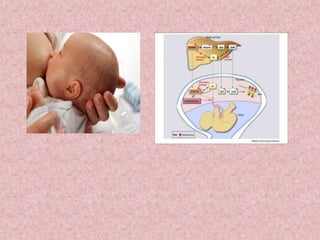
Maternal nutrition
mother supplies all the
nutrients to the inborn fetus
through the food intake so that
she should take care of her
diet for her sake and that of
the fetus.
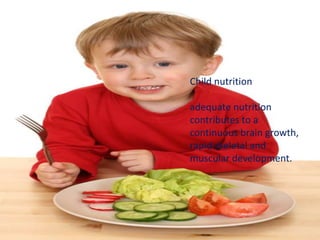
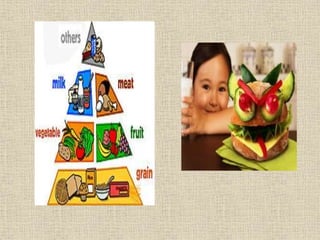
Child nutrition
adequate nutrition
contributes to a
continuous brain growth,
rapid skeletal and
muscular development.
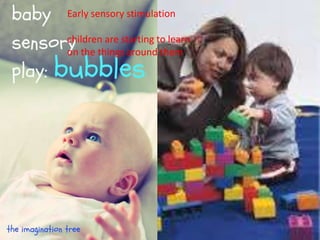
Early sensory stimulation
children are starting to learn
on the things around them.
FACTORS
THAT
AFFECT
GROWTH
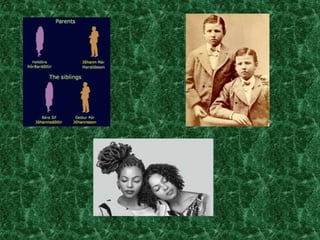
Genetic history
Nutrition
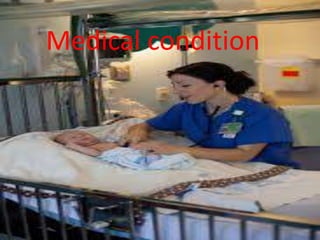
Medical condition
Exercise
Emotional well-being
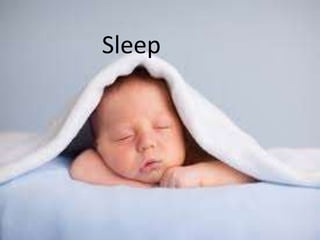
Sleep
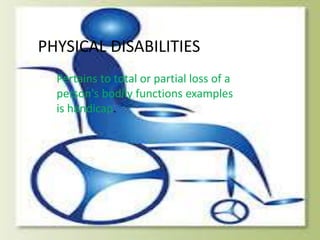
PHYSICAL DISABILITIES
Pertains to total or partial loss of a
person's bodily functions examples
is handicap.
What are the factors
causes handicaps?
1) Prenatal factors-factors that
affect normal development before
and after conception virtually
lasting up to the first trimester or
the third trimester of life especially
genetic, prematurity, infections,
malnutrition, irradiation, metabolic
disturbances and drug abuse.
2) Perinatal factors- relating to or
being the period around
childbirth, that cause crippling
includes birth injuries, difficult
labor, and hemorrhage.
3)Postnatal factors- the factors
causing crippling conditions after birth
such as infections, tumor, fractures,
tuberculosis of the bones,
cerebrovascular injuries, post seizure
and arthritis
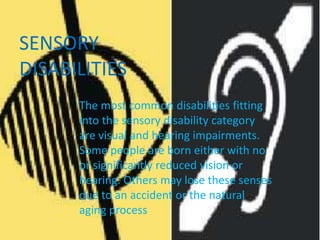
SENSORY
DISABILITIES
The most common disabilities fitting
into the sensory disability category
are visual and hearing impairments.
Some people are born either with no
or significantly reduced vision or
hearing. Others may lose these senses
due to an accident or the natural
aging process
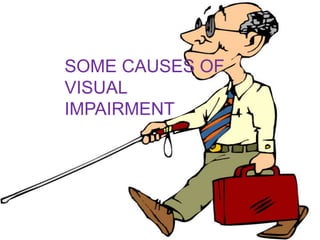
SOME CAUSES OF
VISUAL
IMPAIRMENT
 Cataracts
 Cortical Visual Impairment
 Glaucoma
 Malformations
 Ocular-muscle problems
 Ocular trauma
 Optic nerve defects
 Refractive errors
 Retinoblastoma
 Retinopathy of Prematurity
What are the
factors causes
deafness?
1) Prenatal causes-includes toxic
conditions, viral disease and
congenital defects.
2) Perinatal causes- include injury
sustained during delivery, anoxia,
and heavy sedation due to overdose
of anesthesia and blockage of the
infant’s respiratory passage.
3) Postnatal causes- include diseases,
ailments, conditions and accidents.
LEARNING DISABILITIES
A condition giving rise to difficulties
is acquiring knowledge and skills to
the level expected of those the
same age.
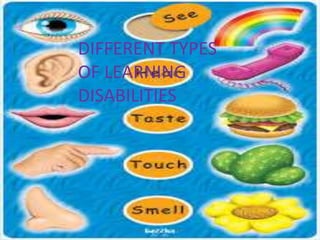
DIFFERENT TYPES
OF LEARNING
DISABILITIES
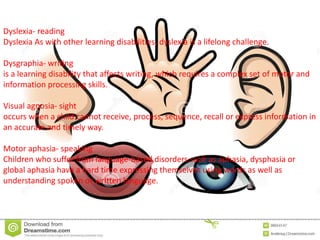
Dyslexia- reading
Dyslexia As with other learning disabilities, dyslexia is a lifelong challenge.
Dysgraphia- writing
is a learning disability that affects writing, which requires a complex set of motor and
information processing skills.
Visual agnosia- sight
occurs when a child cannot receive, process, sequence, recall or express information in
an accurate and timely way.
Motor aphasia- speaking
Children who suffer from language-based disorders such as aphasia, dysphasia or
global aphasia have a hard time expressing themselves using words as well as
understanding spoken or written language.
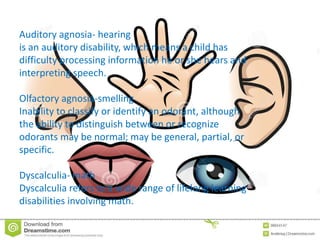
Auditory agnosia- hearing
is an auditory disability, which means a child has
difficulty processing information he or she hears and
interpreting speech.
Olfactory agnosia-smelling
Inability to classify or identify an odorant, although
the ability to distinguish between or recognize
odorants may be normal; may be general, partial, or
specific.
Dyscalculia- math
Dyscalculia refers to a wide range of lifelong learning
disabilities involving math.
General causes of
learning disabilities
 Problematic pregnancies,
occurring before, during and after
delivery.
 Biochemical imbalance caused by
intake of food with artificial food
coloring.
 Environmental factors caused by
emotional disturbance, poor
quality of instruction and lack of
motivation.
ATTENTION DEFICIT HYPERACTIVITY
DISORDER (ADHD)
Most common behavioral disorder that
starts during childhood. These symptoms
must begin by age of six to twelve and
persist for more than six months for a
diagnose to be made. Boys are much
more affected than girls.
3 Types of ADHD
 Predominantly inattentive- it is
difficult for a person to organize or
finish tasks.
 Predominantly hyperactive
impulsive- children finds it hard to
keep still, they fidget and talk a lot.
 Combined type- a person whose
symptoms include all those in 1 and 2
and whose symptoms are equally
predominantly.
TREATMENT
FOR ADHD
• Education
• Medication
• Behavior modification
• Classroom/ workplace accommodations
SIGNS OF ADHD
• Restless
• Inattentive
• Cannot concentrate
• Keep on interrupting people
Nicotine
Heavy Metals
Alcohol
Food
Factors that can affect adhd
FACTORS AFFECTING DEVELOPMENT:PHYSICAL AND SENSORY DISABILITIES;ATTENTION DEFICIT HYPERACTIVITY DISORDER

FACTORS AFFECTING DEVELOPMENT:PHYSICAL AND SENSORY DISABILITIES;ATTENTION DEFICIT HYPERACTIVITY DISORDER

  • 1.
  • 2.
  • 3.
    Maternal nutrition mother suppliesall the nutrients to the inborn fetus through the food intake so that she should take care of her diet for her sake and that of the fetus.
  • 5.
    Child nutrition adequate nutrition contributesto a continuous brain growth, rapid skeletal and muscular development.
  • 7.
    Early sensory stimulation childrenare starting to learn on the things around them.
  • 9.
  • 10.
  • 12.
  • 13.
  • 15.
  • 16.
  • 17.
  • 18.
    PHYSICAL DISABILITIES Pertains tototal or partial loss of a person's bodily functions examples is handicap.
  • 19.
    What are thefactors causes handicaps?
  • 20.
    1) Prenatal factors-factorsthat affect normal development before and after conception virtually lasting up to the first trimester or the third trimester of life especially genetic, prematurity, infections, malnutrition, irradiation, metabolic disturbances and drug abuse.
  • 21.
    2) Perinatal factors-relating to or being the period around childbirth, that cause crippling includes birth injuries, difficult labor, and hemorrhage. 3)Postnatal factors- the factors causing crippling conditions after birth such as infections, tumor, fractures, tuberculosis of the bones, cerebrovascular injuries, post seizure and arthritis
  • 22.
    SENSORY DISABILITIES The most commondisabilities fitting into the sensory disability category are visual and hearing impairments. Some people are born either with no or significantly reduced vision or hearing. Others may lose these senses due to an accident or the natural aging process
  • 23.
  • 24.
     Cataracts  CorticalVisual Impairment  Glaucoma  Malformations  Ocular-muscle problems  Ocular trauma  Optic nerve defects  Refractive errors  Retinoblastoma  Retinopathy of Prematurity
  • 25.
    What are the factorscauses deafness?
  • 26.
    1) Prenatal causes-includestoxic conditions, viral disease and congenital defects. 2) Perinatal causes- include injury sustained during delivery, anoxia, and heavy sedation due to overdose of anesthesia and blockage of the infant’s respiratory passage. 3) Postnatal causes- include diseases, ailments, conditions and accidents.
  • 27.
    LEARNING DISABILITIES A conditiongiving rise to difficulties is acquiring knowledge and skills to the level expected of those the same age.
  • 28.
  • 29.
    Dyslexia- reading Dyslexia Aswith other learning disabilities, dyslexia is a lifelong challenge. Dysgraphia- writing is a learning disability that affects writing, which requires a complex set of motor and information processing skills. Visual agnosia- sight occurs when a child cannot receive, process, sequence, recall or express information in an accurate and timely way. Motor aphasia- speaking Children who suffer from language-based disorders such as aphasia, dysphasia or global aphasia have a hard time expressing themselves using words as well as understanding spoken or written language.
  • 30.
    Auditory agnosia- hearing isan auditory disability, which means a child has difficulty processing information he or she hears and interpreting speech. Olfactory agnosia-smelling Inability to classify or identify an odorant, although the ability to distinguish between or recognize odorants may be normal; may be general, partial, or specific. Dyscalculia- math Dyscalculia refers to a wide range of lifelong learning disabilities involving math.
  • 31.
  • 32.
     Problematic pregnancies, occurringbefore, during and after delivery.  Biochemical imbalance caused by intake of food with artificial food coloring.  Environmental factors caused by emotional disturbance, poor quality of instruction and lack of motivation.
  • 34.
    ATTENTION DEFICIT HYPERACTIVITY DISORDER(ADHD) Most common behavioral disorder that starts during childhood. These symptoms must begin by age of six to twelve and persist for more than six months for a diagnose to be made. Boys are much more affected than girls.
  • 35.
  • 36.
     Predominantly inattentive-it is difficult for a person to organize or finish tasks.  Predominantly hyperactive impulsive- children finds it hard to keep still, they fidget and talk a lot.  Combined type- a person whose symptoms include all those in 1 and 2 and whose symptoms are equally predominantly.
  • 37.
    TREATMENT FOR ADHD • Education •Medication • Behavior modification • Classroom/ workplace accommodations
  • 38.
    SIGNS OF ADHD •Restless • Inattentive • Cannot concentrate • Keep on interrupting people
  • 39.