

Errors In Research
    Presented By:
       Team 18
   Abinesh Raja M
     Raghu Priya
    Rajeshwaran
    Sriram Kumar
   Vijayalakshmi S
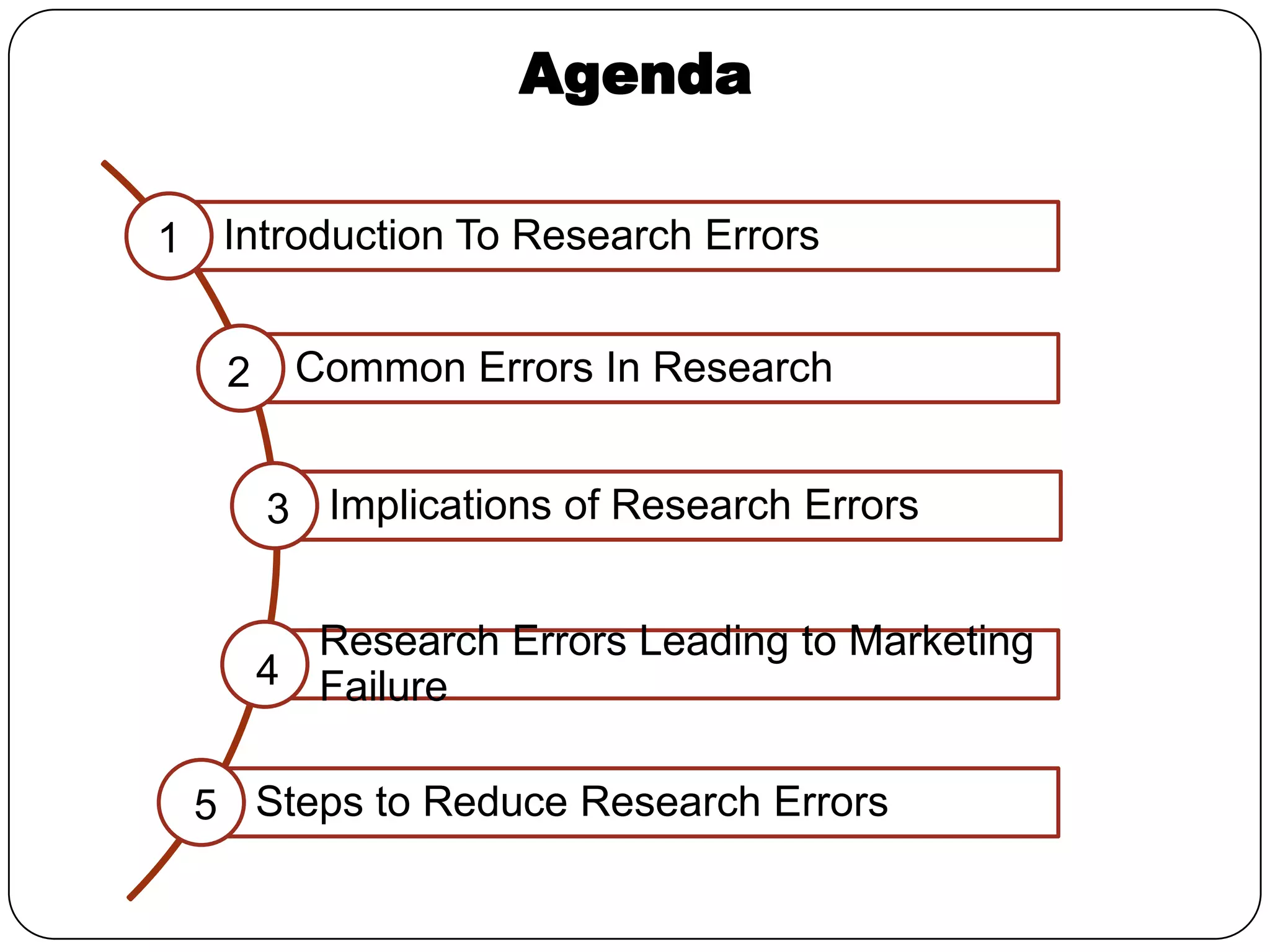
Agenda

1    Introduction To Research Errors


     2    Common Errors In Research


         3 Implications of Research Errors


           Research Errors Leading to Marketing
         4 Failure


    5 Steps to Reduce Research Errors
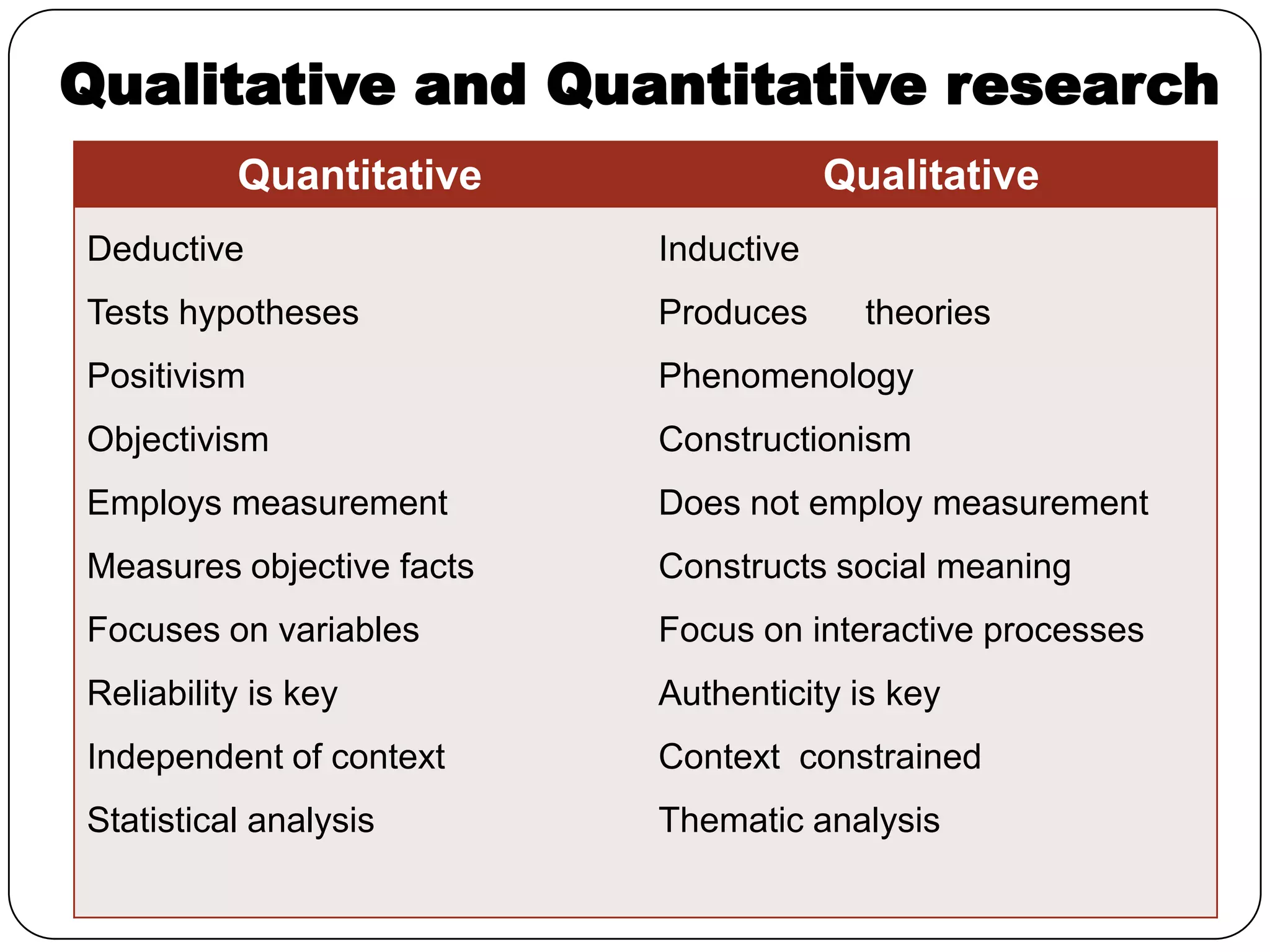
Qualitative and Quantitative research
          Quantitative                 Qualitative
Deductive                  Inductive
Tests hypotheses           Produces      theories
Positivism                 Phenomenology
Objectivism                Constructionism
Employs measurement        Does not employ measurement
Measures objective facts   Constructs social meaning
Focuses on variables       Focus on interactive processes
Reliability is key         Authenticity is key
Independent of context     Context constrained
Statistical analysis       Thematic analysis
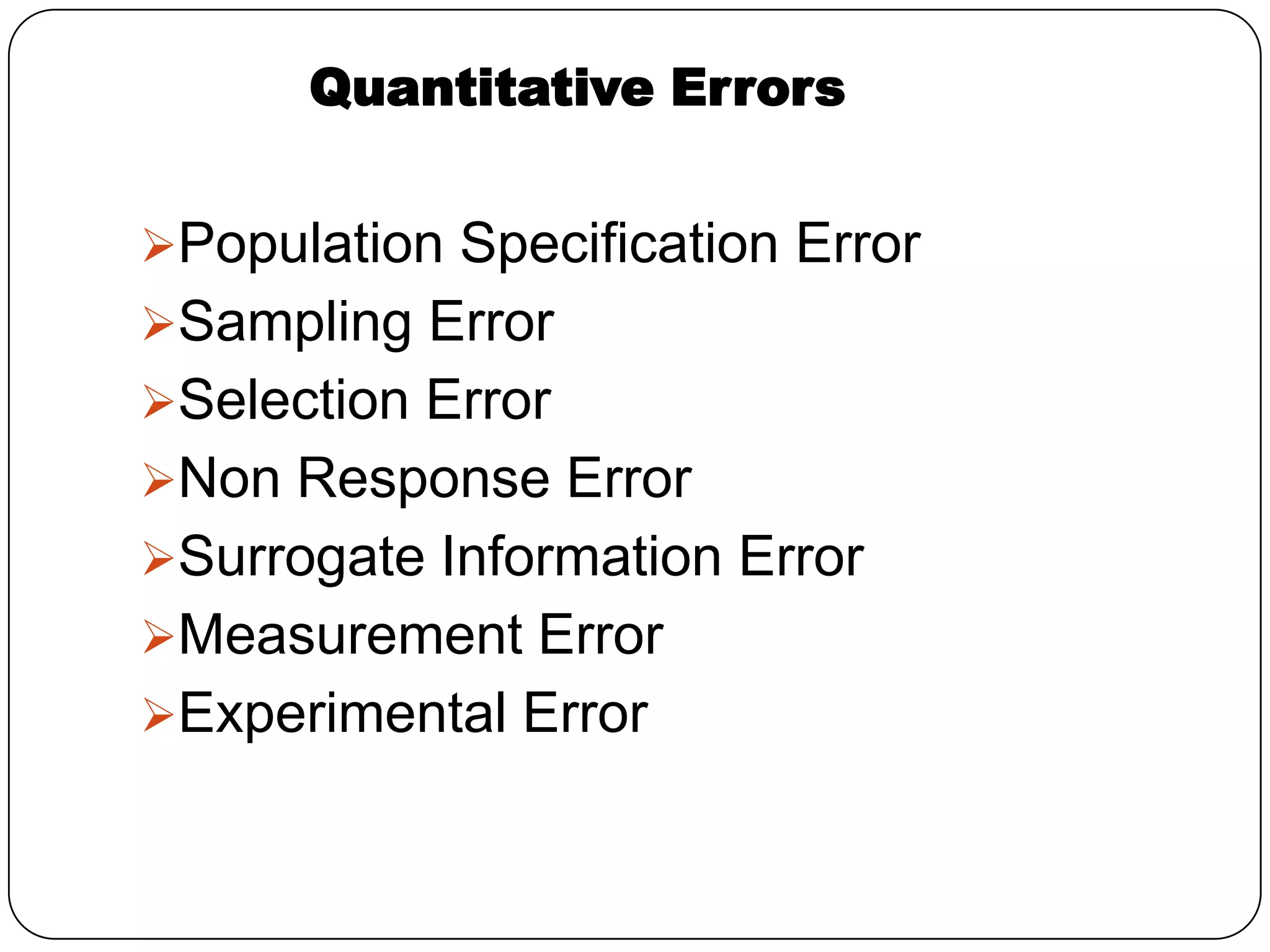
Quantitative Errors


Population Specification Error
Sampling Error
Selection Error
Non Response Error
Surrogate Information Error
Measurement Error
Experimental Error
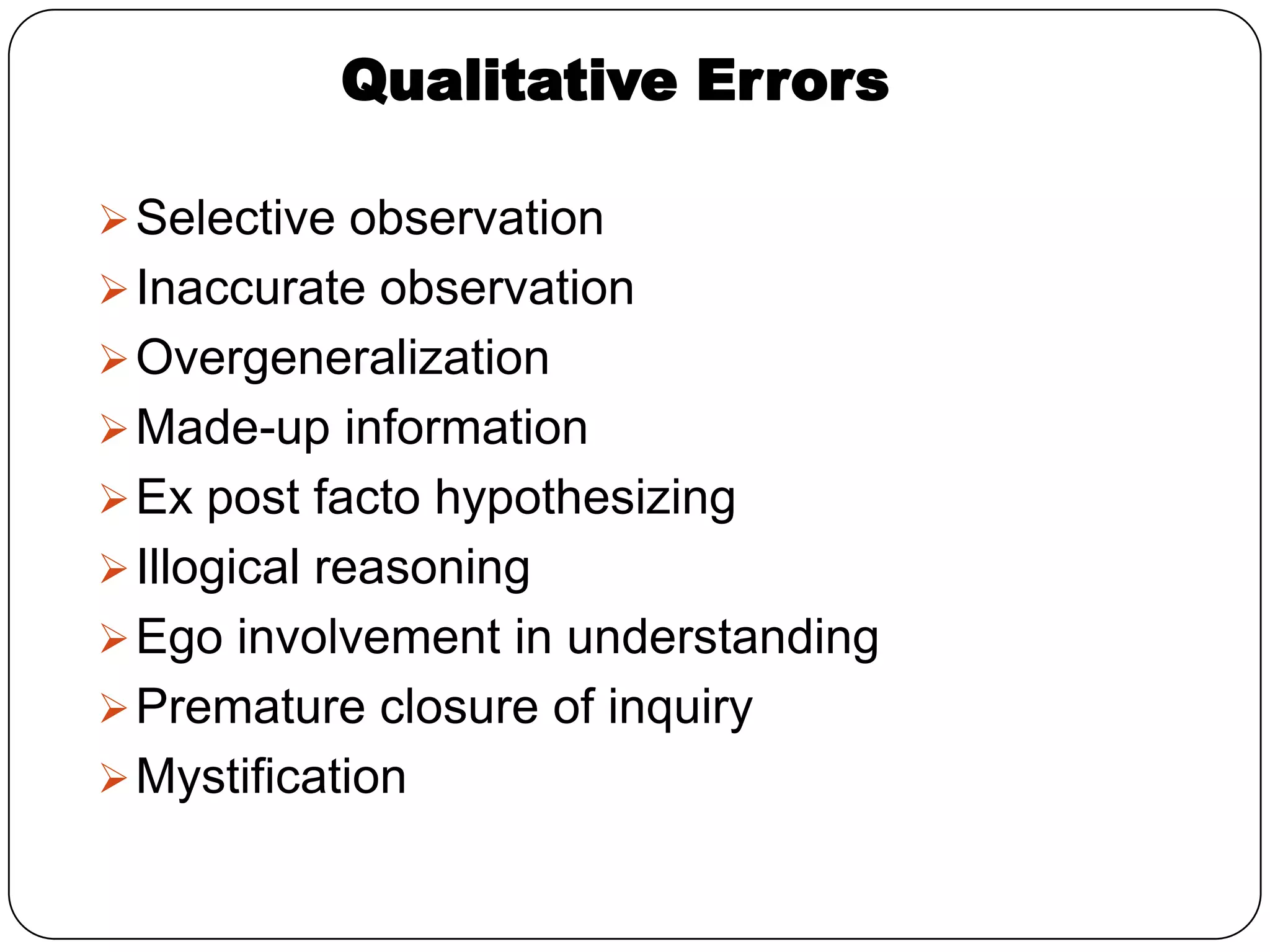
Qualitative Errors

 Selective observation
 Inaccurate observation
 Overgeneralization
 Made-up information
 Ex post facto hypothesizing
 Illogical reasoning
 Ego involvement in understanding
 Premature closure of inquiry
 Mystification
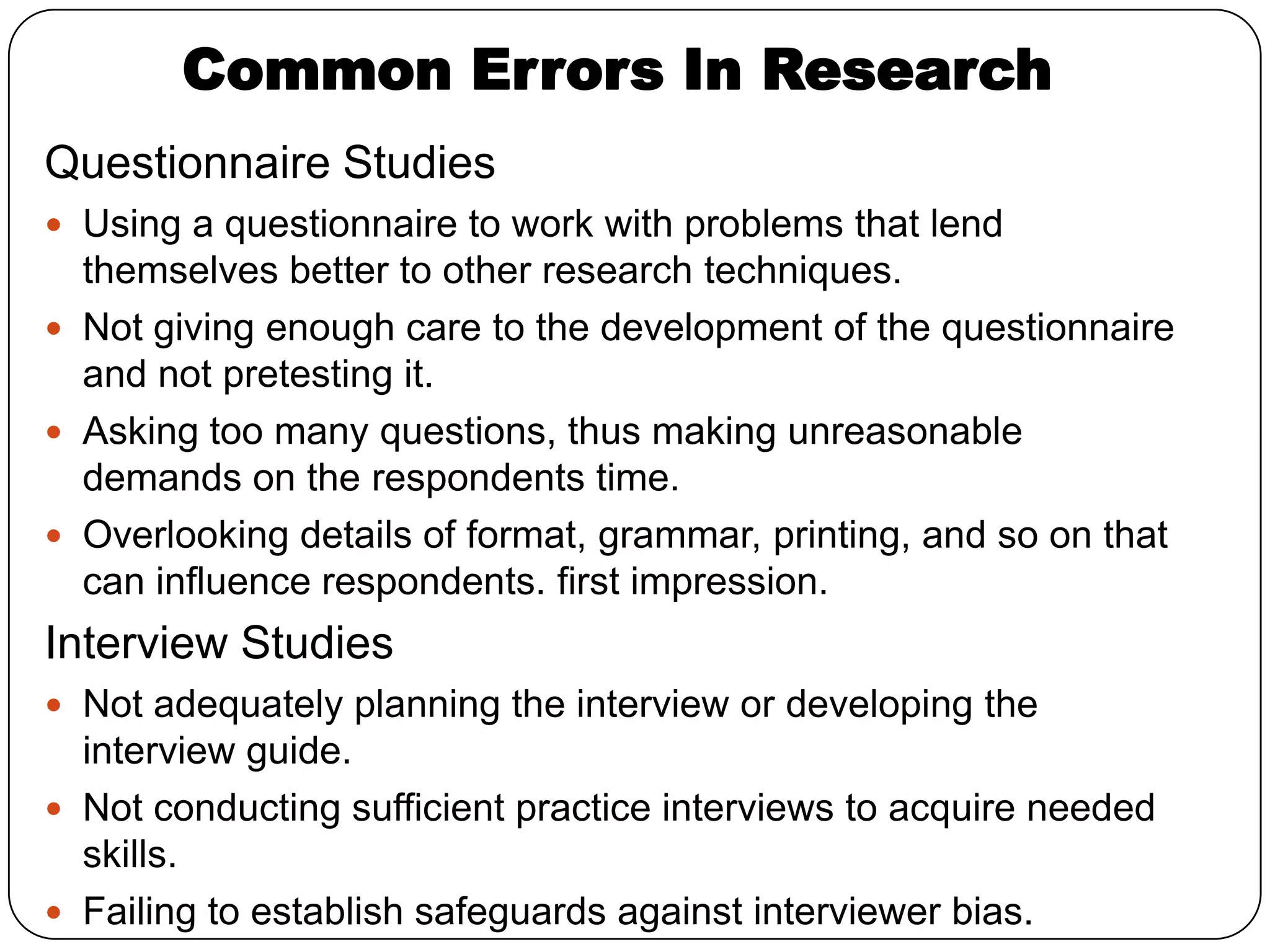
Common Errors In Research
Questionnaire Studies
 Using a questionnaire to work with problems that lend
  themselves better to other research techniques.
 Not giving enough care to the development of the questionnaire
  and not pretesting it.
 Asking too many questions, thus making unreasonable
  demands on the respondents time.
 Overlooking details of format, grammar, printing, and so on that
  can influence respondents. first impression.
Interview Studies
 Not adequately planning the interview or developing the
  interview guide.
 Not conducting sufficient practice interviews to acquire needed
  skills.
 Failing to establish safeguards against interviewer bias.
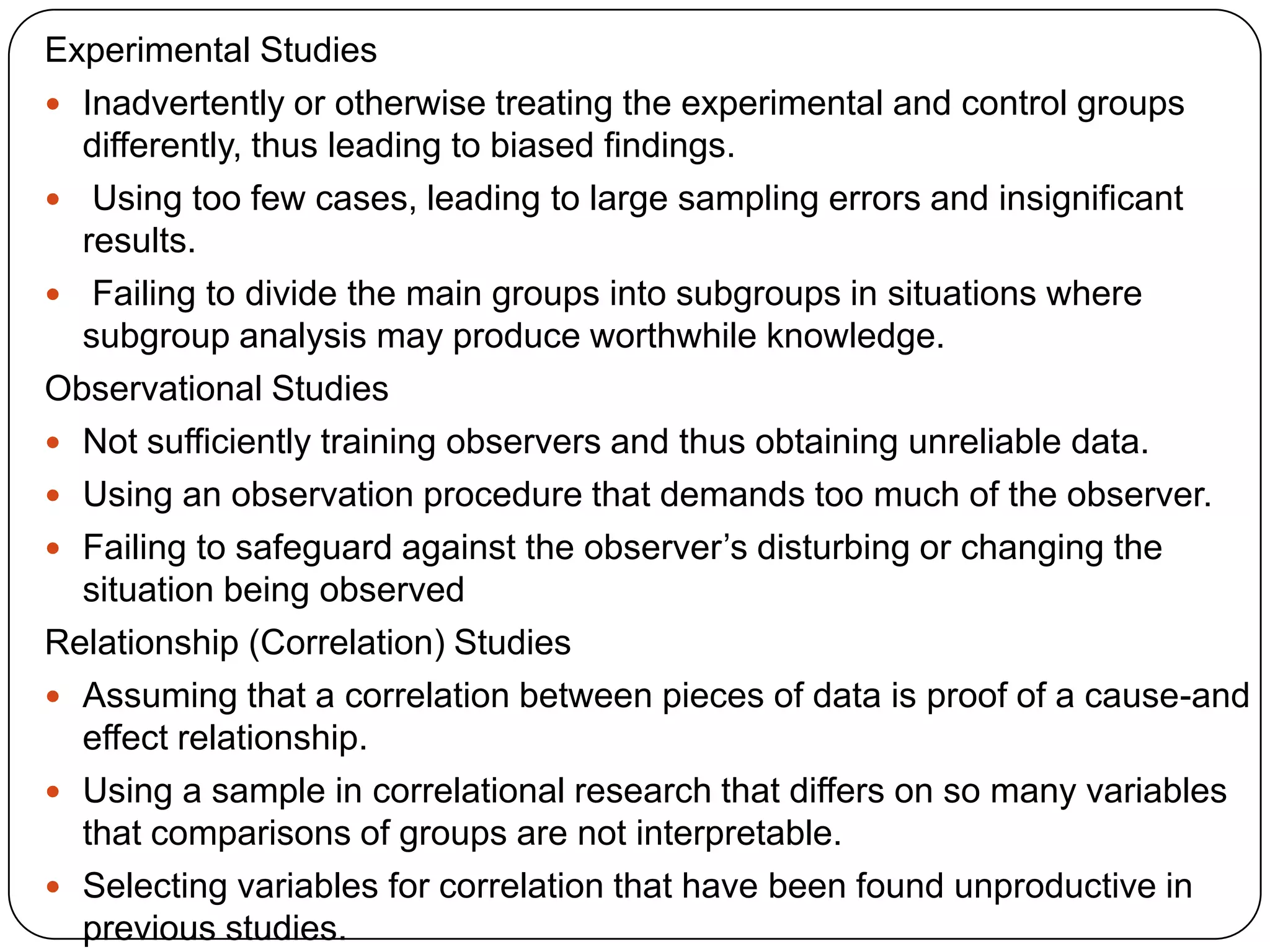
Experimental Studies
 Inadvertently or otherwise treating the experimental and control groups
  differently, thus leading to biased findings.
 Using too few cases, leading to large sampling errors and insignificant
  results.
 Failing to divide the main groups into subgroups in situations where
  subgroup analysis may produce worthwhile knowledge.
Observational Studies
 Not sufficiently training observers and thus obtaining unreliable data.
 Using an observation procedure that demands too much of the observer.
 Failing to safeguard against the observer’s disturbing or changing the
  situation being observed
Relationship (Correlation) Studies
 Assuming that a correlation between pieces of data is proof of a cause-and
  effect relationship.
 Using a sample in correlational research that differs on so many variables
  that comparisons of groups are not interpretable.
 Selecting variables for correlation that have been found unproductive in
  previous studies.
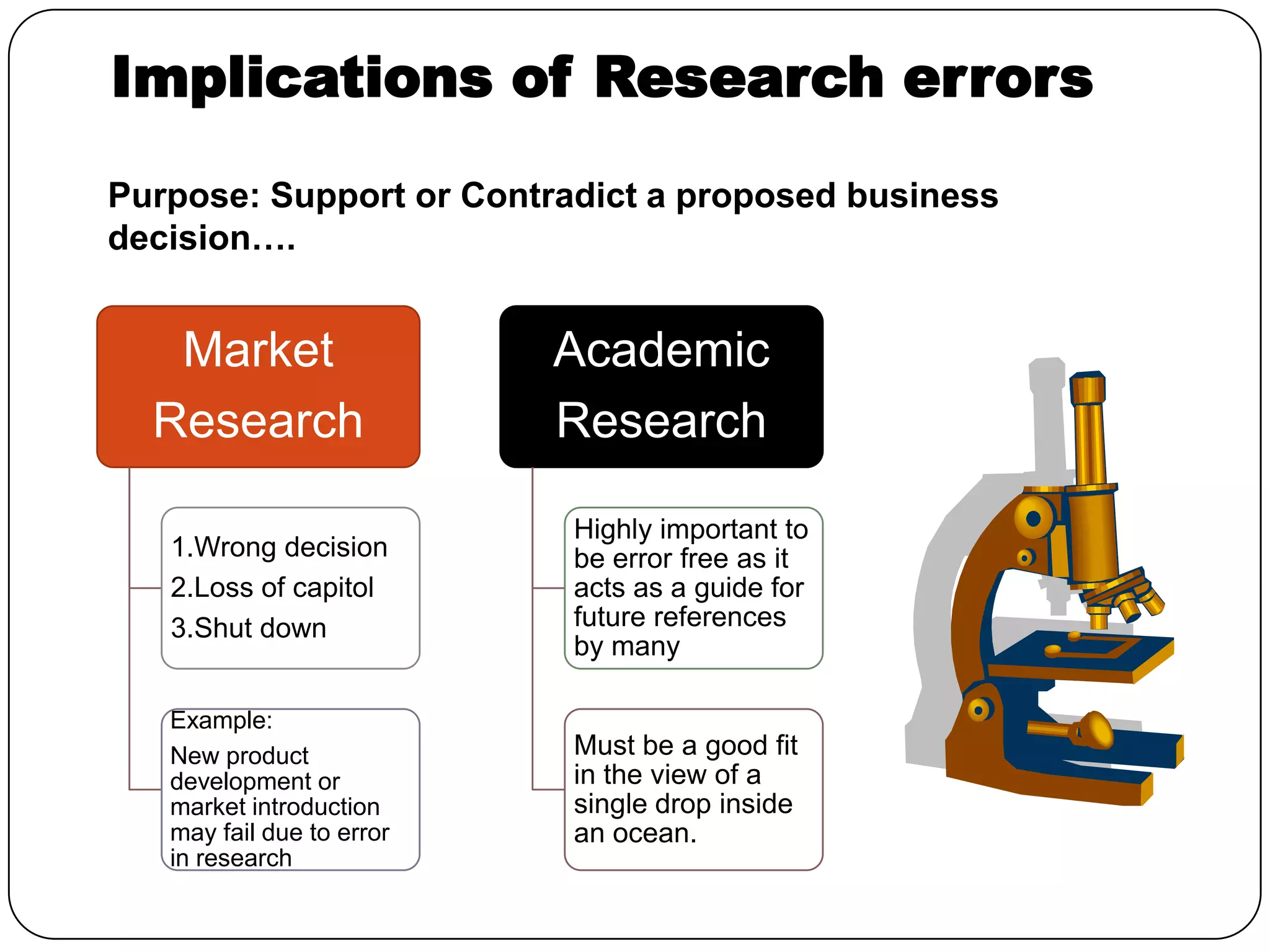
Implications of Research errors
Purpose: Support or Contradict a proposed business
decision….


   Market                  Academic
  Research                 Research

                           Highly important to
   1.Wrong decision        be error free as it
   2.Loss of capitol       acts as a guide for
   3.Shut down             future references
                           by many

   Example:
   New product             Must be a good fit
   development or          in the view of a
   market introduction     single drop inside
   may fail due to error   an ocean.
   in research
Exceptions


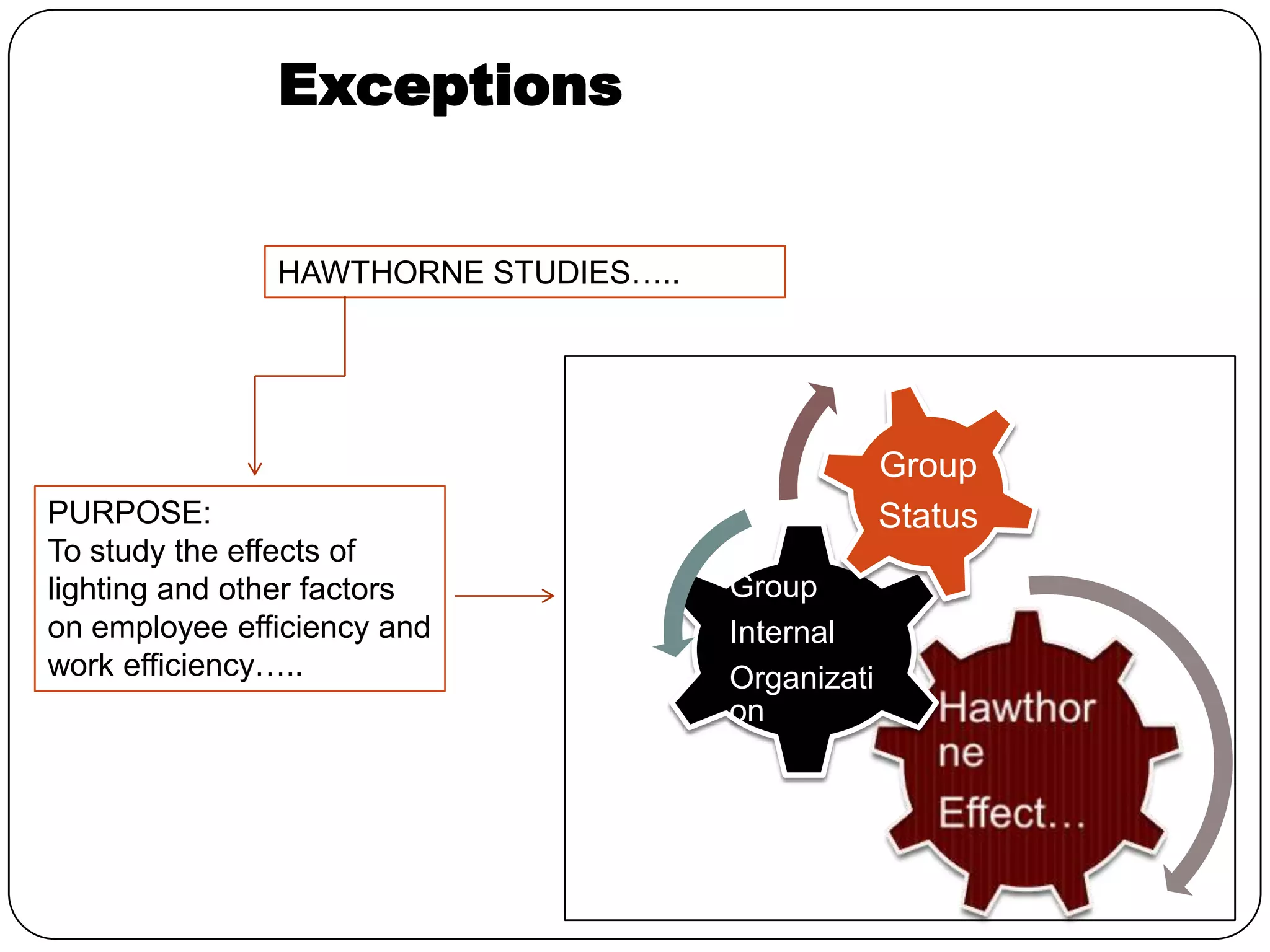
               HAWTHORNE STUDIES…..


                                                   Group
PURPOSE:                                           Status
To study the effects of
lighting and other factors            Group
on employee efficiency and            Internal
work efficiency…..                    Organizati
                                      on
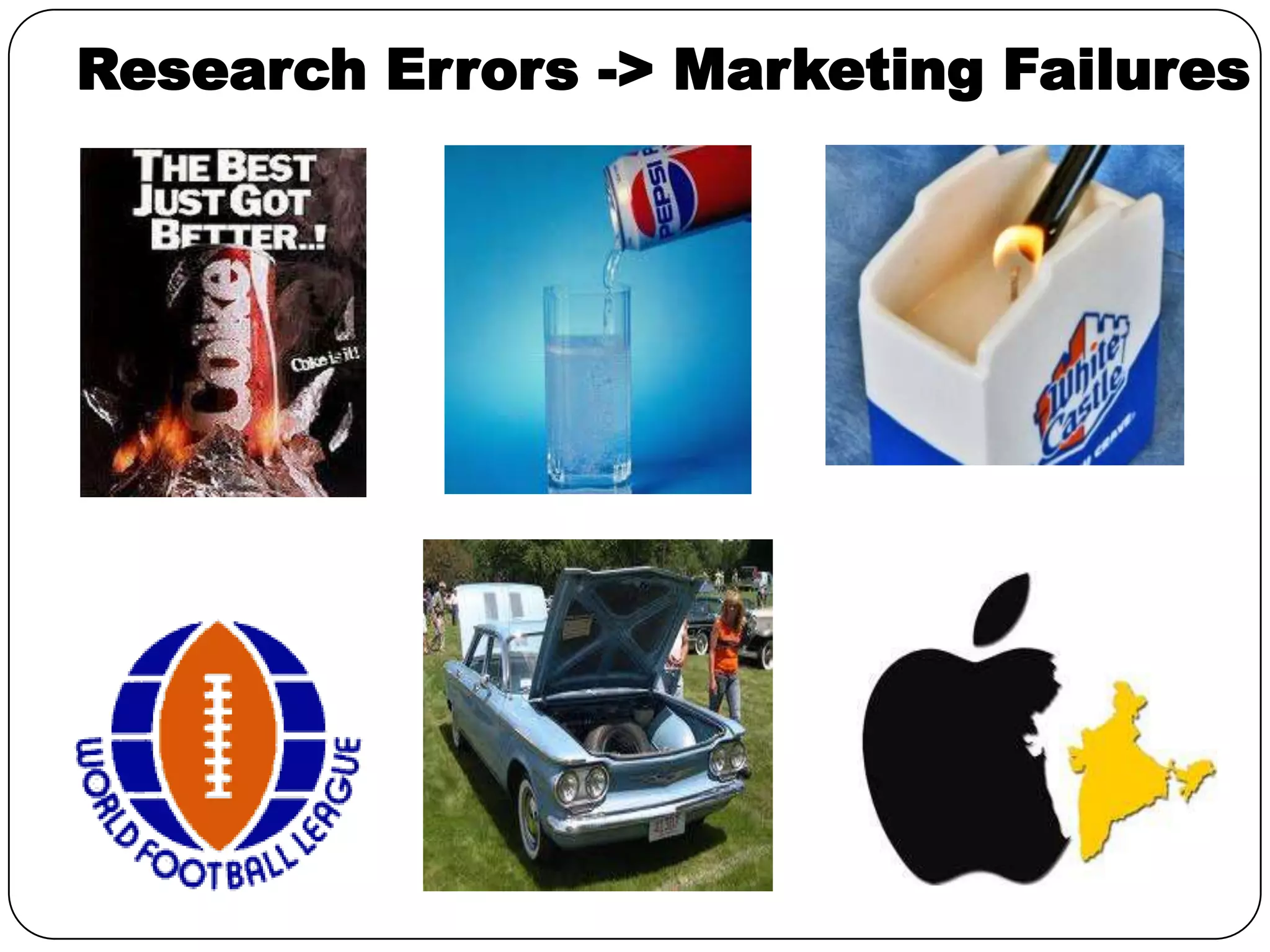
Research Errors -> Marketing Failures
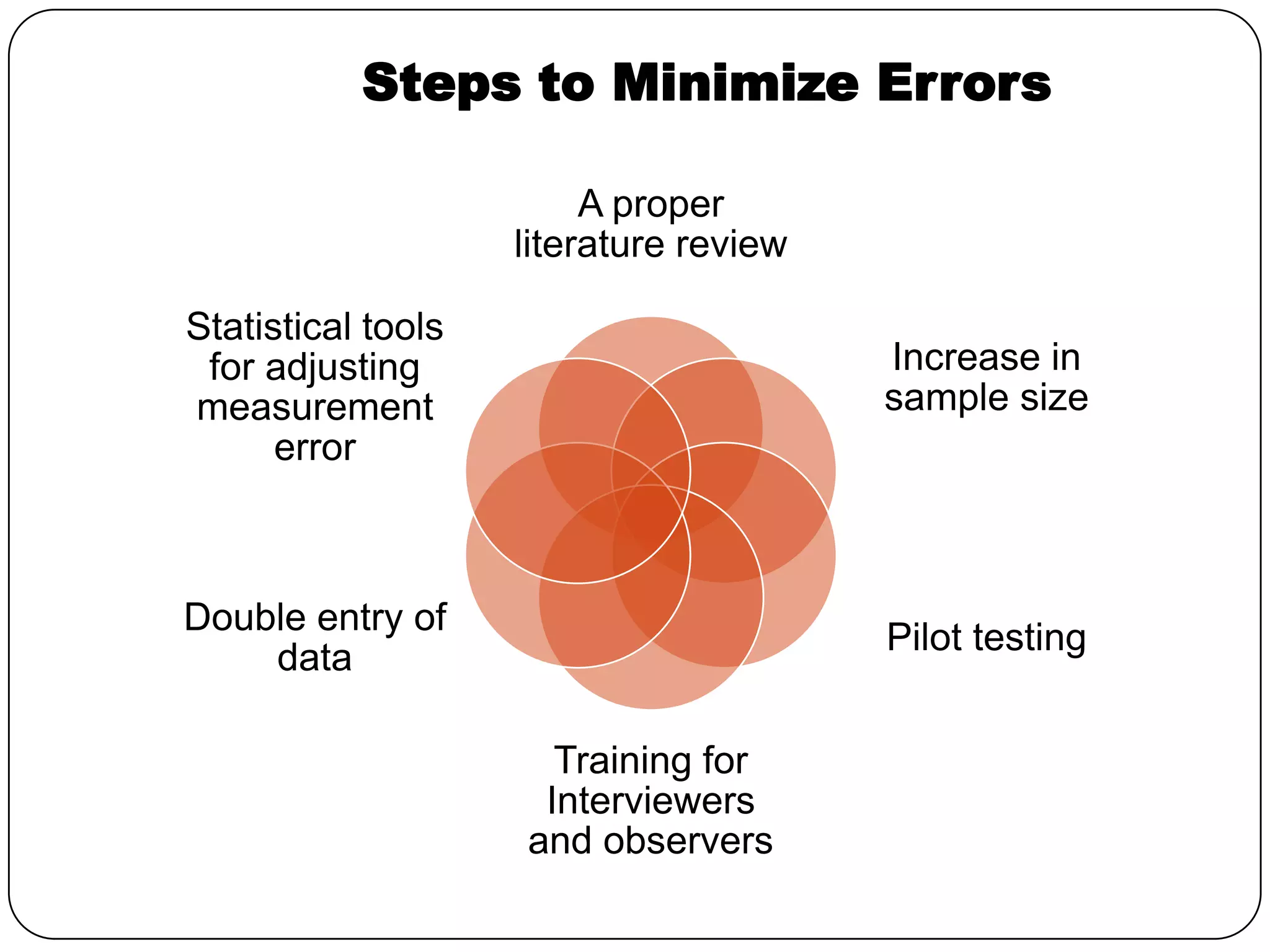
Steps to Minimize Errors

                         A proper
                    literature review

Statistical tools
 for adjusting                          Increase in
measurement                             sample size
      error


Double entry of
                                        Pilot testing
    data

                      Training for
                     Interviewers
                    and observers
Errors in research

Errors in research

  • 1.
    Errors In Research Presented By: Team 18 Abinesh Raja M Raghu Priya Rajeshwaran Sriram Kumar Vijayalakshmi S
  • 2.
    Agenda 1 Introduction To Research Errors 2 Common Errors In Research 3 Implications of Research Errors Research Errors Leading to Marketing 4 Failure 5 Steps to Reduce Research Errors
  • 3.
    Qualitative and Quantitativeresearch Quantitative Qualitative Deductive Inductive Tests hypotheses Produces theories Positivism Phenomenology Objectivism Constructionism Employs measurement Does not employ measurement Measures objective facts Constructs social meaning Focuses on variables Focus on interactive processes Reliability is key Authenticity is key Independent of context Context constrained Statistical analysis Thematic analysis
  • 4.
    Quantitative Errors Population SpecificationError Sampling Error Selection Error Non Response Error Surrogate Information Error Measurement Error Experimental Error
  • 5.
    Qualitative Errors  Selectiveobservation  Inaccurate observation  Overgeneralization  Made-up information  Ex post facto hypothesizing  Illogical reasoning  Ego involvement in understanding  Premature closure of inquiry  Mystification
  • 6.
    Common Errors InResearch Questionnaire Studies  Using a questionnaire to work with problems that lend themselves better to other research techniques.  Not giving enough care to the development of the questionnaire and not pretesting it.  Asking too many questions, thus making unreasonable demands on the respondents time.  Overlooking details of format, grammar, printing, and so on that can influence respondents. first impression. Interview Studies  Not adequately planning the interview or developing the interview guide.  Not conducting sufficient practice interviews to acquire needed skills.  Failing to establish safeguards against interviewer bias.
  • 7.
    Experimental Studies  Inadvertentlyor otherwise treating the experimental and control groups differently, thus leading to biased findings.  Using too few cases, leading to large sampling errors and insignificant results.  Failing to divide the main groups into subgroups in situations where subgroup analysis may produce worthwhile knowledge. Observational Studies  Not sufficiently training observers and thus obtaining unreliable data.  Using an observation procedure that demands too much of the observer.  Failing to safeguard against the observer’s disturbing or changing the situation being observed Relationship (Correlation) Studies  Assuming that a correlation between pieces of data is proof of a cause-and effect relationship.  Using a sample in correlational research that differs on so many variables that comparisons of groups are not interpretable.  Selecting variables for correlation that have been found unproductive in previous studies.
  • 8.
    Implications of Researcherrors Purpose: Support or Contradict a proposed business decision…. Market Academic Research Research Highly important to 1.Wrong decision be error free as it 2.Loss of capitol acts as a guide for 3.Shut down future references by many Example: New product Must be a good fit development or in the view of a market introduction single drop inside may fail due to error an ocean. in research
  • 9.
    Exceptions HAWTHORNE STUDIES….. Group PURPOSE: Status To study the effects of lighting and other factors Group on employee efficiency and Internal work efficiency….. Organizati on
  • 11.
    Research Errors ->Marketing Failures
  • 12.
    Steps to MinimizeErrors A proper literature review Statistical tools for adjusting Increase in measurement sample size error Double entry of Pilot testing data Training for Interviewers and observers