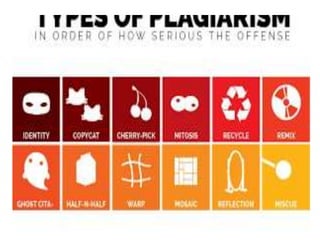
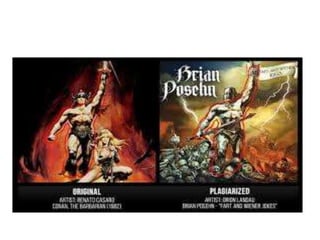
identity theft
• Copying or using anothers information eithout
proper consent or citation
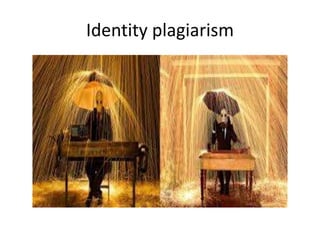
Identity plagiarism
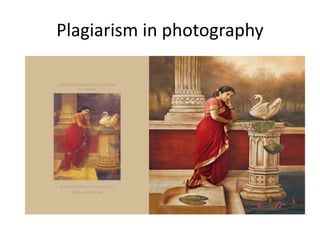
Plagiarism in photography
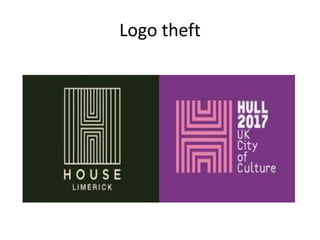
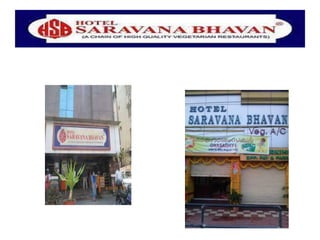
Logo theft
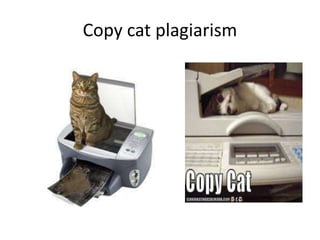
copycat
• Taking major portions of another's work
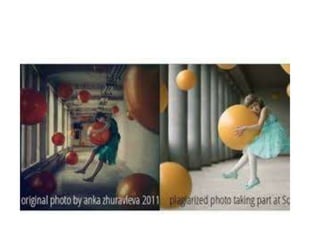
Copy cat plagiarism
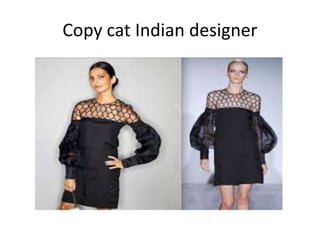
Copy cat Indian designer
Ephialtes in 300 [ 2006 ] vikram in AI
[2014]
Cherry picking
Taking another's work but changing words and
phrases to make it appear as ones own
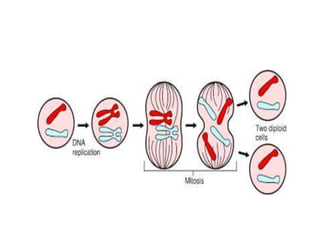
Mitosis
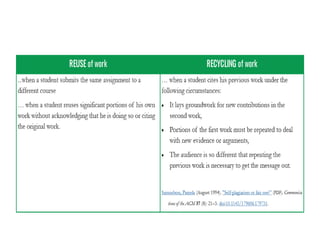
• Using your own work for another purpose
Recycling
Using portions of your own previous work
without citing yourself
Remix
• Paraphrasing multiple sources and putting
them together without citations
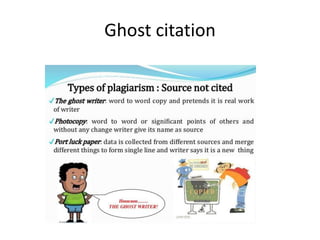
Ghost citation
Half n half
• Correctly citing a few sources but refusing to
cite the others
Warp
• Citing a source that doesn't relate to the topic
Mosaic
• Citing your sources but not providing your
own analysis
Reflections
• When someone's work appears to be similar
to another
Miscue
• Putting a mistake in your citation
Half hearted
• Citing sources correctly but leaving portions
out
404 error
• This form of plagiarism uses citation to
sources that either dont exist or ínaccurate .
The name derived from error message
appearing.
• Incremental: happens when you forget to cite
an author or give publishing details of a
source from which you took any data. You
could even present a phrase as a direct quote,
putting the required marks around it: on the
one hand, it’s clear that you aren’t trying to
pretend you were the one who came up with
these words, but on the other, the info about
the actual writer is still missing. This is viewed
as plagiarism of a serious kind.
• Example. Author James Warren wrote an article
about racism. A student should be writing in APA
format, where the author’s name, year, and page
number must be provided for direct quotes. But
they present the following sentence: “Despite
numerous efforts being poured into the
restoration of balance, “both racism and reverse
racism continue to gain urgency”.
• As you see, there are no mentions of author,
date, or pages that could help identify the initial
author.
• Incidental: as a considerably moderate plag
type, this one doesn’t usually lead to
disastrous results, but it’s up to your professor
to decide since some refuse to tolerate even
0.1% of plag. This type entails copying small
bits of data and editing them to make them
look like your own. Many online checkers fail
to understand this fact, but professors know
what to look out for, so it would be better to
avoid it altogether
• Self-plagiarism: it might appear confusing to you
but yes, you can plagiarize yourself. Students
could be writing several papers on a related or
similar topic, and instead of spending time on
additional extensive research, they could choose
to turn to their previous conclusions or
justifications. Copying your insights or inserting
parts from the previous essays into a new one is
plagiarism, even though it isn’t as severe as most
remaining types.
• Incorrect citation: often sorted into a category of
incidental plag. Wrong citation format is a common
issue that’s usually explained by inattentiveness or
ignorance.
• Example. If you’re writing in MLA format, you must
mention page number along with the name of an
author for every fact you’ve taken from somewhere
(unless the source doesn’t have pages). It should be
like this: (Jenners 34). If you forget to refer to a page
number, formatting your sentence this way: (Jenners),
it’ll be seen as plagiarism.
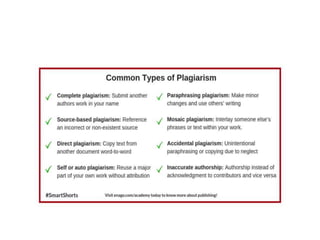
Complete plagiarism
• Complete plagiarism is using work someone
else wrote, in its entirety, and submitting it as
your own.
• It could be:
• copying something you found online.
• paying someone to write a paper for you.
• using an old paper from someone you know,
who submitted it for another class years ago.
• Sylvia Plath titles the poem ‘Lady Lazarus’ to let
her readers know that there will be references to
death. Lazarus, the well-known bible character
who was brought back to life after three days in
the tomb, will set the tone for the rest of Plath’s
poem. Since we know that Lazarus was brought
to life again, we might assume that this poem will
be one of victory over death, just as the biblical
story of Lazarus. We soon learn, however, that
Plath intends to identify with the Lazarus
decaying in the tomb rather than the Lazarus who
had been brought back to life.
Direct plagiarism
• Also called copy-paste plagiarism, direct
plagiarism is taking someone else’s exact words
and copying them directly, without using
quotation marks, and without giving credit to the
original writer.
• The difference between direct and complete
plagiarism is that complete plagiarism involves
using an entire essay, while this type is copy-
pasting parts of someone else’s work. It could be
certain paragraphs, or various sentences.
Example
• At first glance, this doesn’t have much
meaning, but after reading the entirety
of Lady Lazarus, readers can gather that Plath
is referring to suicide. She admits right off the
bat that she has tried to die once every
decade of her life.
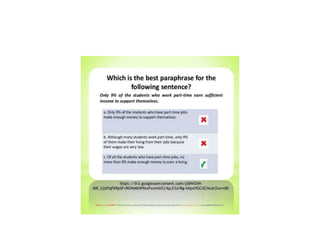
Paraphrased plagiarism
• Paraphrasing means re-writing a piece of text
to convey the same meaning, while using
different words or sentence structure.
Mosaic plagiarism
• Like its name, mosaic plagiarism takes lots of
little pieces from here and there and puts
them together. This type of plagiarism can
take some copy-paste sections and
paraphrases other sections before putting
them together without quotation marks or
citations. It might also take some pieces,
either direct or paraphrased, from different
writers and put them together without citing
sources.
Self-plagiarism
• Self-plagiarism is re-submitting something you have already
submitted for another assignment, another class, or
another academic year.
• For professionals, using work they have previously
published without attribution is a more serious offense.
That’s why it is appropriate for professional academics,
writers, or researchers to cite themselves as sources.
• For students, self-plagiarism is considered academic
dishonesty because, even though you are the writer and
you came up with the ideas, you are getting credit twice for
the same work.
• Self-plagiarism is still plagiarism.
Accidental plagiarism
• Accidental plagiarism can mean different
things:
• You wrote a quote wrong
• You forget a citation
• You cited a source incorrectly

Types of plagiarism

  • 9.
    identity theft • Copyingor using anothers information eithout proper consent or citation
  • 10.
  • 11.
  • 12.
  • 17.
    copycat • Taking majorportions of another's work
  • 18.
  • 19.
  • 20.
    Ephialtes in 300[ 2006 ] vikram in AI [2014]
  • 22.
    Cherry picking Taking another'swork but changing words and phrases to make it appear as ones own
  • 24.
    Mitosis • Using yourown work for another purpose
  • 26.
    Recycling Using portions ofyour own previous work without citing yourself
  • 28.
    Remix • Paraphrasing multiplesources and putting them together without citations
  • 29.
  • 30.
    Half n half •Correctly citing a few sources but refusing to cite the others
  • 31.
    Warp • Citing asource that doesn't relate to the topic
  • 32.
    Mosaic • Citing yoursources but not providing your own analysis
  • 33.
    Reflections • When someone'swork appears to be similar to another
  • 34.
    Miscue • Putting amistake in your citation
  • 35.
    Half hearted • Citingsources correctly but leaving portions out
  • 36.
    404 error • Thisform of plagiarism uses citation to sources that either dont exist or ínaccurate . The name derived from error message appearing.
  • 37.
    • Incremental: happenswhen you forget to cite an author or give publishing details of a source from which you took any data. You could even present a phrase as a direct quote, putting the required marks around it: on the one hand, it’s clear that you aren’t trying to pretend you were the one who came up with these words, but on the other, the info about the actual writer is still missing. This is viewed as plagiarism of a serious kind.
  • 38.
    • Example. AuthorJames Warren wrote an article about racism. A student should be writing in APA format, where the author’s name, year, and page number must be provided for direct quotes. But they present the following sentence: “Despite numerous efforts being poured into the restoration of balance, “both racism and reverse racism continue to gain urgency”. • As you see, there are no mentions of author, date, or pages that could help identify the initial author.
  • 39.
    • Incidental: asa considerably moderate plag type, this one doesn’t usually lead to disastrous results, but it’s up to your professor to decide since some refuse to tolerate even 0.1% of plag. This type entails copying small bits of data and editing them to make them look like your own. Many online checkers fail to understand this fact, but professors know what to look out for, so it would be better to avoid it altogether
  • 40.
    • Self-plagiarism: itmight appear confusing to you but yes, you can plagiarize yourself. Students could be writing several papers on a related or similar topic, and instead of spending time on additional extensive research, they could choose to turn to their previous conclusions or justifications. Copying your insights or inserting parts from the previous essays into a new one is plagiarism, even though it isn’t as severe as most remaining types.
  • 41.
    • Incorrect citation:often sorted into a category of incidental plag. Wrong citation format is a common issue that’s usually explained by inattentiveness or ignorance. • Example. If you’re writing in MLA format, you must mention page number along with the name of an author for every fact you’ve taken from somewhere (unless the source doesn’t have pages). It should be like this: (Jenners 34). If you forget to refer to a page number, formatting your sentence this way: (Jenners), it’ll be seen as plagiarism.
  • 42.
    Complete plagiarism • Completeplagiarism is using work someone else wrote, in its entirety, and submitting it as your own. • It could be: • copying something you found online. • paying someone to write a paper for you. • using an old paper from someone you know, who submitted it for another class years ago.
  • 43.
    • Sylvia Plathtitles the poem ‘Lady Lazarus’ to let her readers know that there will be references to death. Lazarus, the well-known bible character who was brought back to life after three days in the tomb, will set the tone for the rest of Plath’s poem. Since we know that Lazarus was brought to life again, we might assume that this poem will be one of victory over death, just as the biblical story of Lazarus. We soon learn, however, that Plath intends to identify with the Lazarus decaying in the tomb rather than the Lazarus who had been brought back to life.
  • 44.
    Direct plagiarism • Alsocalled copy-paste plagiarism, direct plagiarism is taking someone else’s exact words and copying them directly, without using quotation marks, and without giving credit to the original writer. • The difference between direct and complete plagiarism is that complete plagiarism involves using an entire essay, while this type is copy- pasting parts of someone else’s work. It could be certain paragraphs, or various sentences.
  • 45.
    Example • At firstglance, this doesn’t have much meaning, but after reading the entirety of Lady Lazarus, readers can gather that Plath is referring to suicide. She admits right off the bat that she has tried to die once every decade of her life.
  • 46.
    Paraphrased plagiarism • Paraphrasingmeans re-writing a piece of text to convey the same meaning, while using different words or sentence structure.
  • 47.
    Mosaic plagiarism • Likeits name, mosaic plagiarism takes lots of little pieces from here and there and puts them together. This type of plagiarism can take some copy-paste sections and paraphrases other sections before putting them together without quotation marks or citations. It might also take some pieces, either direct or paraphrased, from different writers and put them together without citing sources.
  • 48.
    Self-plagiarism • Self-plagiarism isre-submitting something you have already submitted for another assignment, another class, or another academic year. • For professionals, using work they have previously published without attribution is a more serious offense. That’s why it is appropriate for professional academics, writers, or researchers to cite themselves as sources. • For students, self-plagiarism is considered academic dishonesty because, even though you are the writer and you came up with the ideas, you are getting credit twice for the same work. • Self-plagiarism is still plagiarism.
  • 49.
    Accidental plagiarism • Accidentalplagiarism can mean different things: • You wrote a quote wrong • You forget a citation • You cited a source incorrectly