Downloaded 32 times



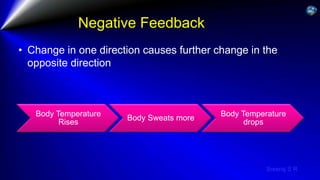
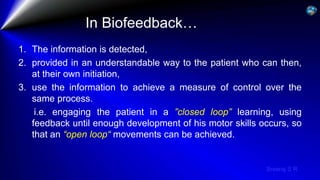
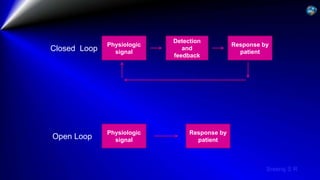

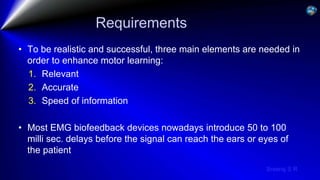
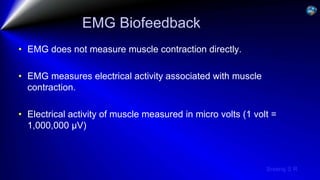
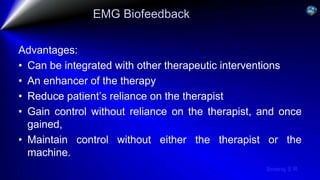
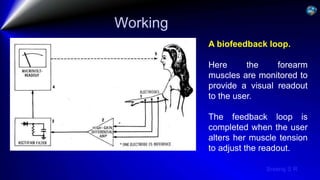
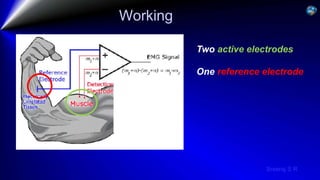
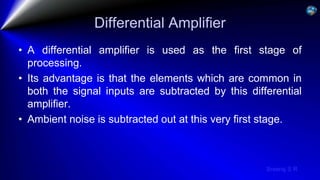
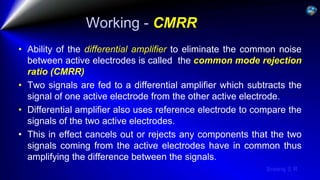
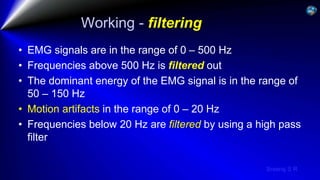
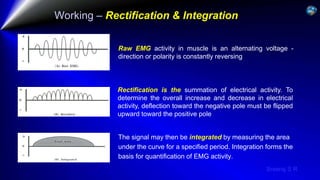
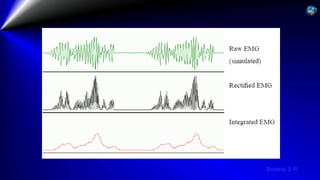
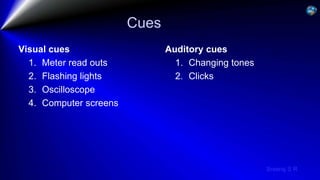

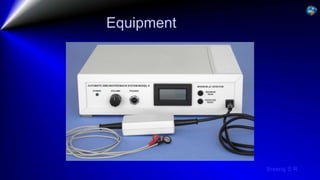


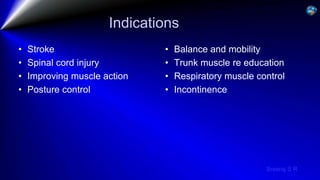

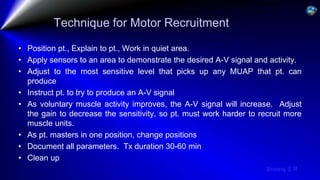
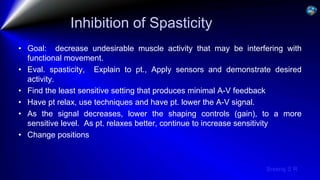



1. Biofeedback uses physiological signals to provide feedback to patients so they can learn to control bodily processes like muscle activity and relaxation. EMG biofeedback detects muscle electrical activity through electrodes and provides visual or auditory cues. 2. EMG signals are processed through amplification, filtering, rectification and integration before being converted to feedback cues. Settings like gain and thresholds can be adjusted to facilitate muscle recruitment or relaxation. 3. EMG biofeedback is used to improve muscle control, reduce spasticity, and treat various conditions affecting movement and posture. Proper electrode placement and movement are important for effective biofeedback training.


