BACKGROUND
 In 1966 Danby and Powell proposed an EDS system

for high-speed transportation using super conducting
magnets with a “null flux” suspension.
Subsequent researchers in the U.S., Japan, Germany,
UK and Canada have developed further innovations
(such as ladder type guide way for increased lift
efficiency), but there are still a number of technical
problems that needed resolution.
MAJOR COMPONENTS IN
EMSS
A

Linear motor as a damper or A Hydraulic

Damper
Two

Electromagnets

Thrust

bearings

Frames
CURRENT DETAILS OF EMSS
There are three primary types of Maglev technologies:
superconducting magnets ( electrodynamic
suspension)
feedback controlled electromagnets
(electromagnetic suspension)
Newer potentially more economical system using
permanent magnets Inductrack.
RESEARCH AIM AND OBJECTIVES
Aim:
To design and analyse a prototype Magnetic Suspension
System.
Objectives:
Literature Review
Research of the principles of the various types of
suspension systems and analysing their functions and
performances.
Design a prototype Magnetic Suspension System.
Analyse the designed Magnetic Suspension System.
Compare with the other type of Suspension Systems.
Conclusion.
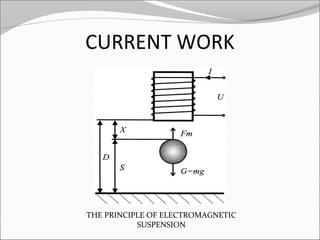
CURRENT WORK

THE PRINCIPLE OF ELECTROMAGNETIC
SUSPENSION
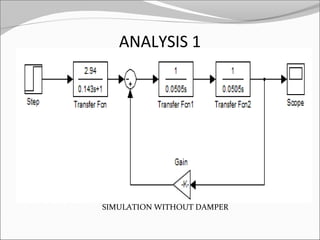
ANALYSIS 1

SIMULATION WITHOUT DAMPER
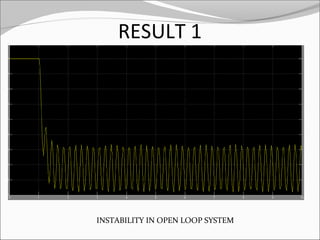
RESULT 1

INSTABILITY IN OPEN LOOP SYSTEM
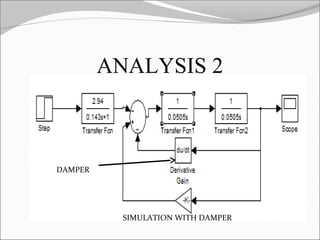
ANALYSIS 2

DAMPER

SIMULATION WITH DAMPER
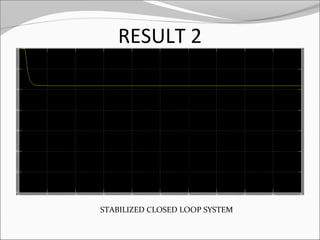
RESULT 2

STABILIZED CLOSED LOOP SYSTEM
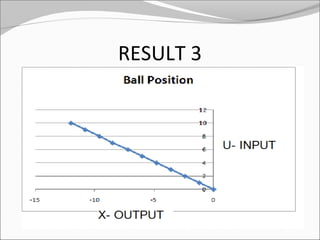
RESULT 3
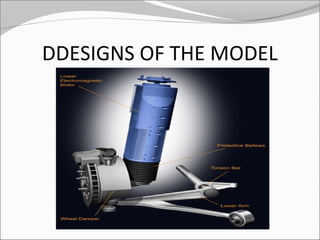
DDESIGNS OF THE MODEL
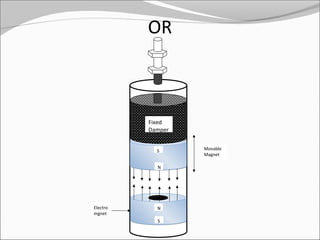
OR

Fixed
Damper
S
N

Electro
mgnet

N
S

Movable
Magnet
COMMENTS
As the current ‘u’ increases the distance ‘x’ decreases.
As the current increases the magnetic force F

increases causes the movement of the ball towards
the coil.

The damper absorbs the oscillations as shown in the

Result 2.
CONCLUSION
An approach of the magnetic suspension system has
been presented. The simplified mathematical model has
been developed.
The EMSS has the ability to give much smoother
ride than any luxury sedan, and less roll and pitch
than any sports car .
Electromagnetic suspension-system

Electromagnetic suspension-system

  • 2.
    BACKGROUND  In 1966Danby and Powell proposed an EDS system for high-speed transportation using super conducting magnets with a “null flux” suspension. Subsequent researchers in the U.S., Japan, Germany, UK and Canada have developed further innovations (such as ladder type guide way for increased lift efficiency), but there are still a number of technical problems that needed resolution.
  • 3.
    MAJOR COMPONENTS IN EMSS A Linearmotor as a damper or A Hydraulic Damper Two Electromagnets Thrust bearings Frames
  • 4.
    CURRENT DETAILS OFEMSS There are three primary types of Maglev technologies: superconducting magnets ( electrodynamic suspension) feedback controlled electromagnets (electromagnetic suspension) Newer potentially more economical system using permanent magnets Inductrack.
  • 5.
    RESEARCH AIM ANDOBJECTIVES Aim: To design and analyse a prototype Magnetic Suspension System. Objectives: Literature Review Research of the principles of the various types of suspension systems and analysing their functions and performances. Design a prototype Magnetic Suspension System. Analyse the designed Magnetic Suspension System. Compare with the other type of Suspension Systems. Conclusion.
  • 6.
    CURRENT WORK THE PRINCIPLEOF ELECTROMAGNETIC SUSPENSION
  • 7.
  • 8.
    RESULT 1 INSTABILITY INOPEN LOOP SYSTEM
  • 9.
  • 10.
  • 11.
  • 12.
  • 13.
  • 14.
    COMMENTS As the current‘u’ increases the distance ‘x’ decreases. As the current increases the magnetic force F increases causes the movement of the ball towards the coil. The damper absorbs the oscillations as shown in the Result 2.
  • 15.
    CONCLUSION An approach ofthe magnetic suspension system has been presented. The simplified mathematical model has been developed. The EMSS has the ability to give much smoother ride than any luxury sedan, and less roll and pitch than any sports car .