Blending Learning, Pedagogy, Technology and Space
in a Connected World: Implications for Institutions,
Teachers and Students
Prof Mike Keppell
Pro Vice-Chancellor, Learning and Teaching
!2
Preparing Students to Solve the
Problems of the Future
!3
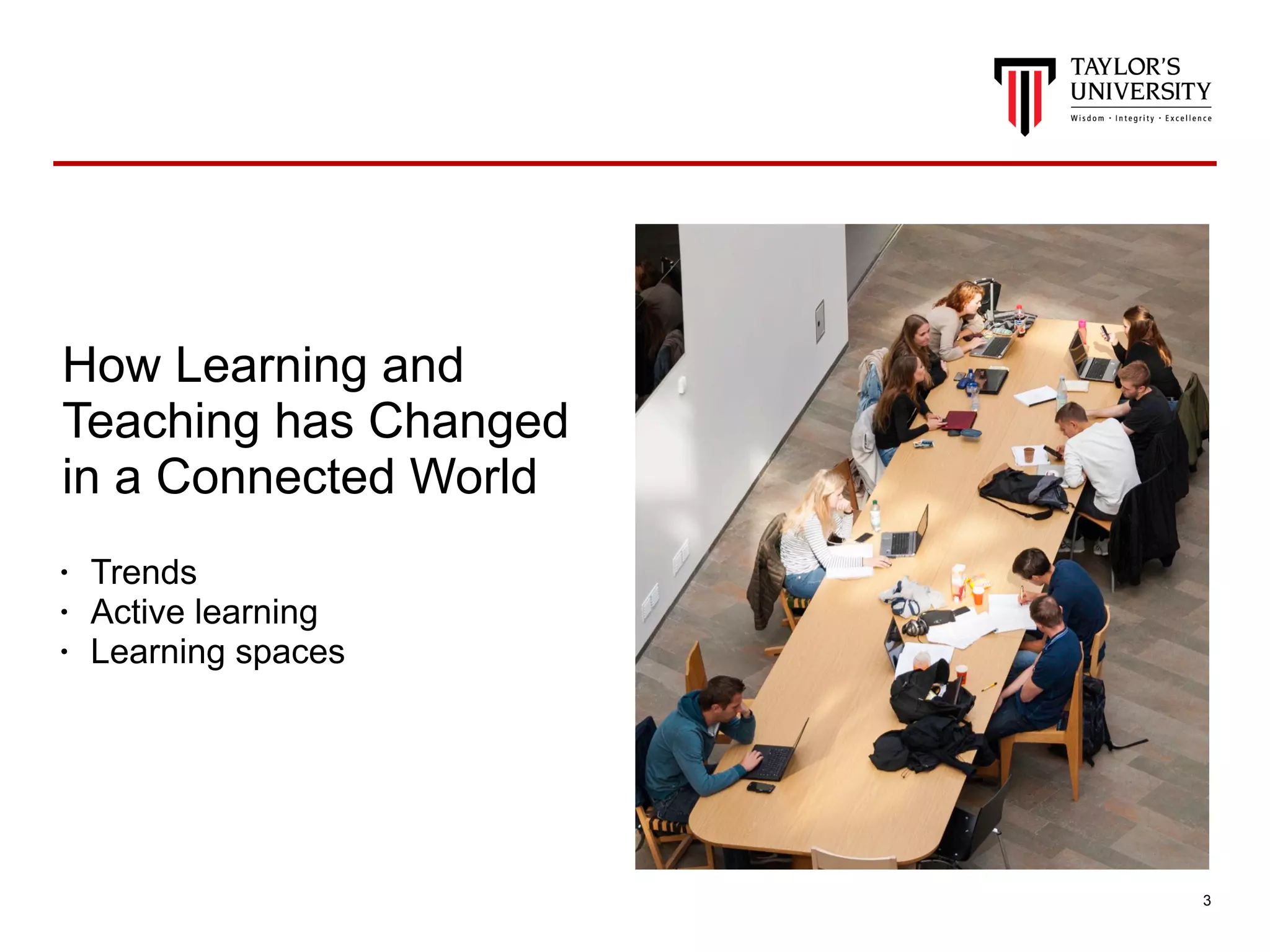
How Learning and
Teaching has Changed
in a Connected World
• Trends
• Active learning
• Learning spaces
!5
Active Learning
• Engages the learner with
problems, projects and
professional portfolio.
• Proactively shape their
environment
• Personalised learner collects
evidence
• Active learners are designers
!6
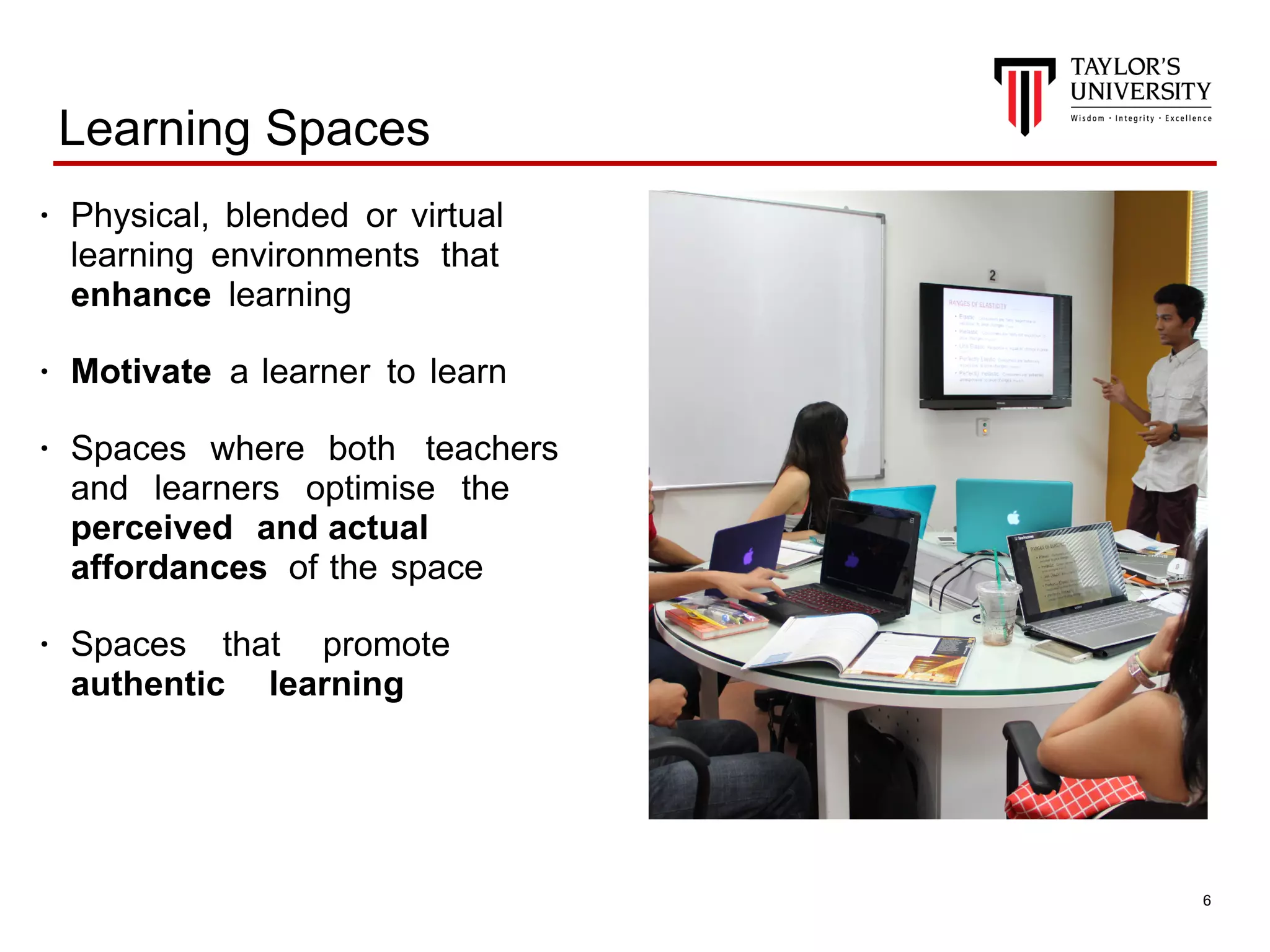
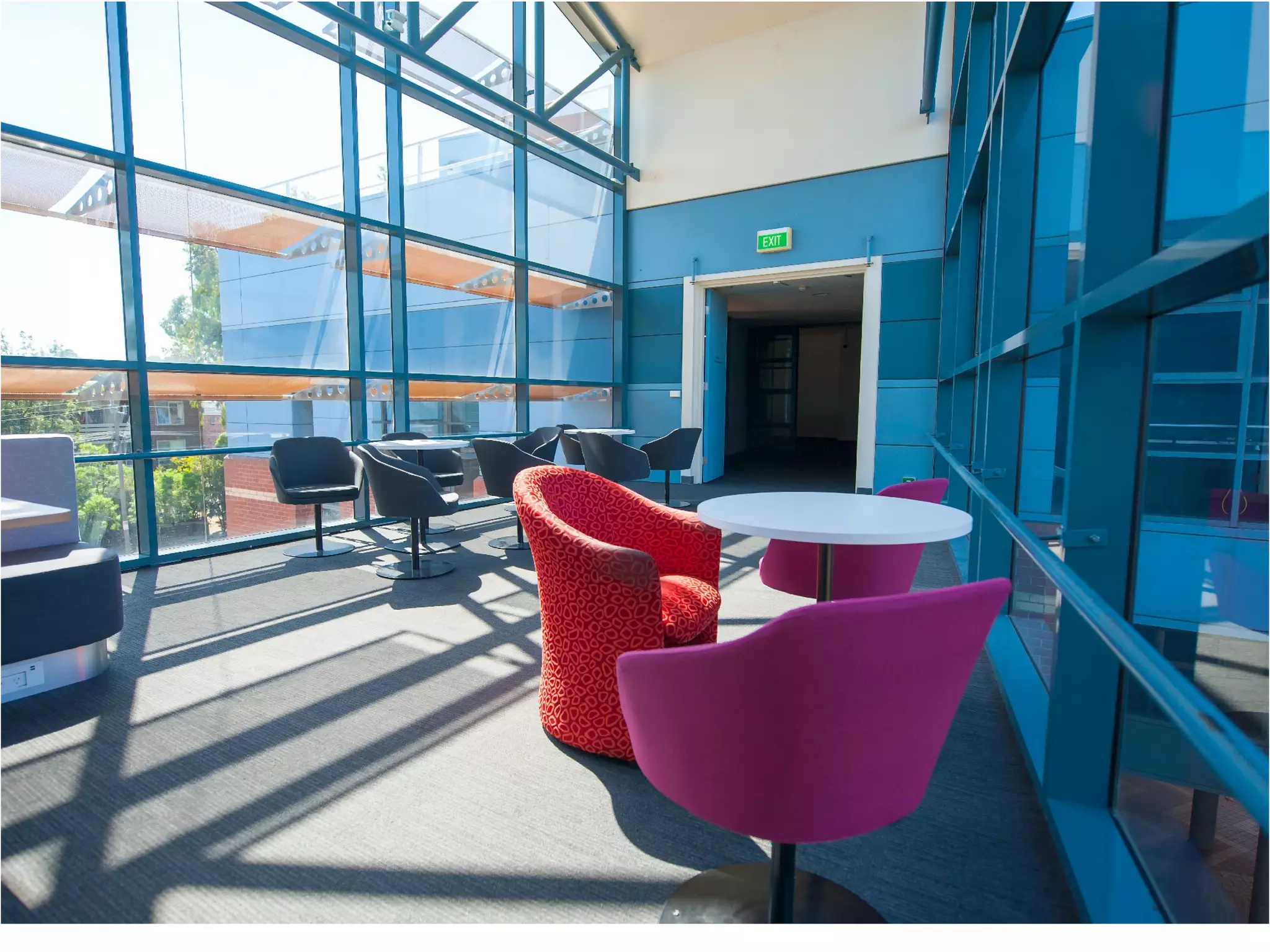
Learning Spaces
• Physical, blended or virtual
learning environments that
enhance learning
• Motivate a learner to learn
• Spaces where both teachers
and learners optimise the
perceived and actual
affordances of the space
• Spaces that promote
authentic learning
!7
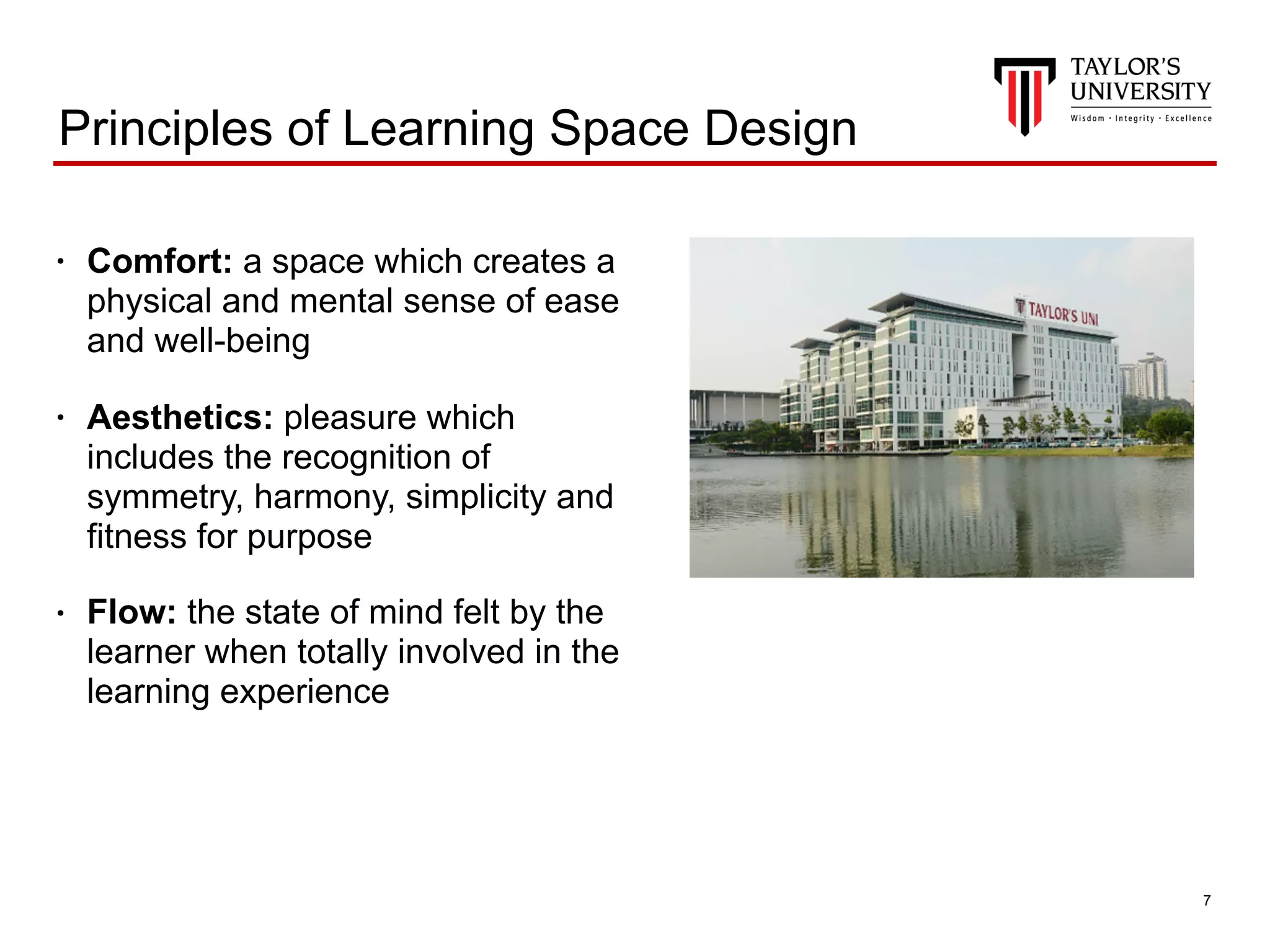
Principles of Learning Space Design
• Comfort: a space which creates a
physical and mental sense of ease
and well-being
• Aesthetics: pleasure which
includes the recognition of
symmetry, harmony, simplicity and
fitness for purpose
• Flow: the state of mind felt by the
learner when totally involved in the
learning experience
!8
Principles of Learning Space Design
• Equity: consideration of the
needs of cultural and physical
differences
• Blending: a mixture of
technological and face-to-face
pedagogical resources
• Affordances: the “action
possibilities” the learning
environment provides the users
• Repurposing: the potential for
multiple usage of a space (Souter,
Riddle, Keppell, 2010)
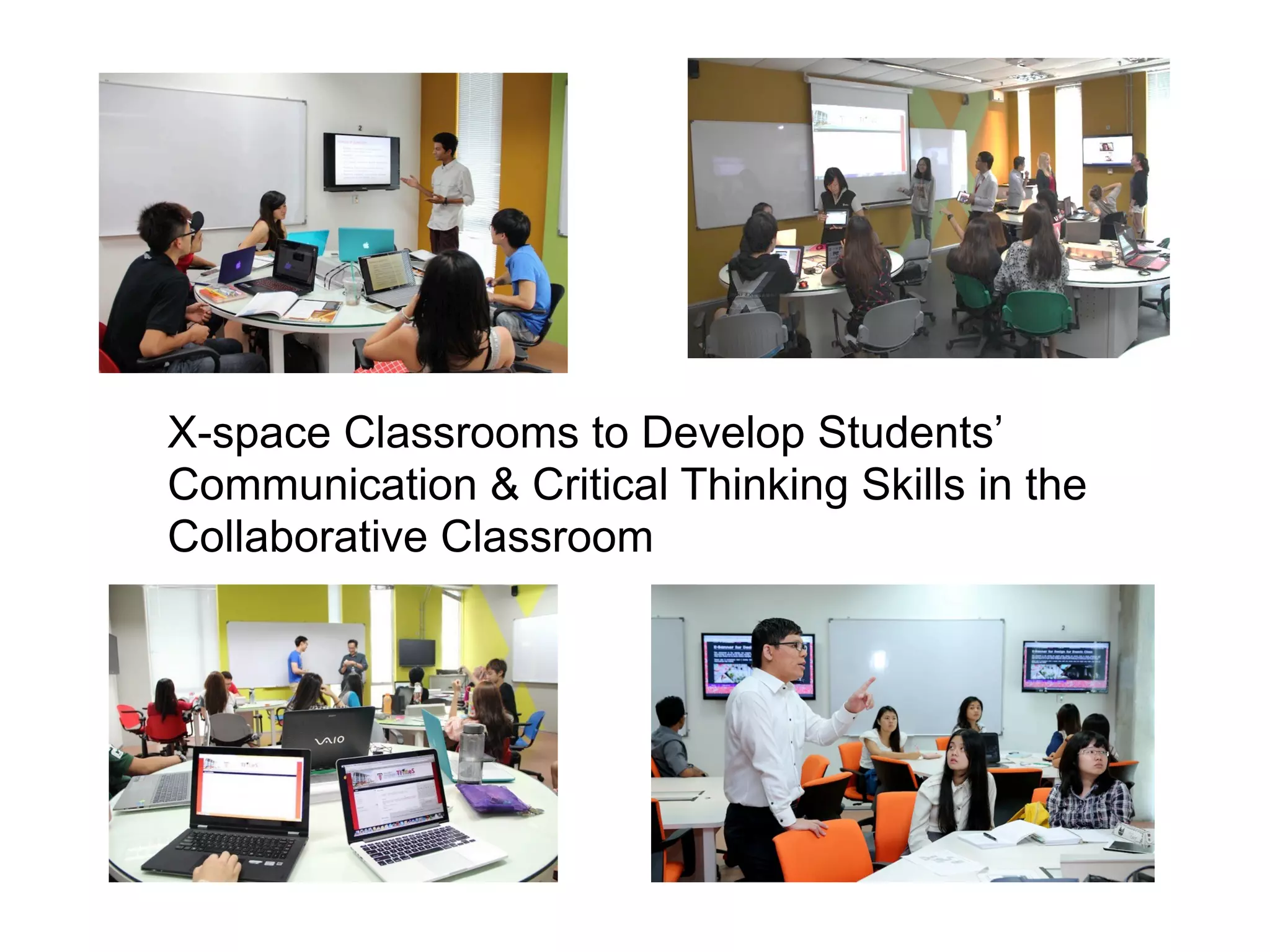
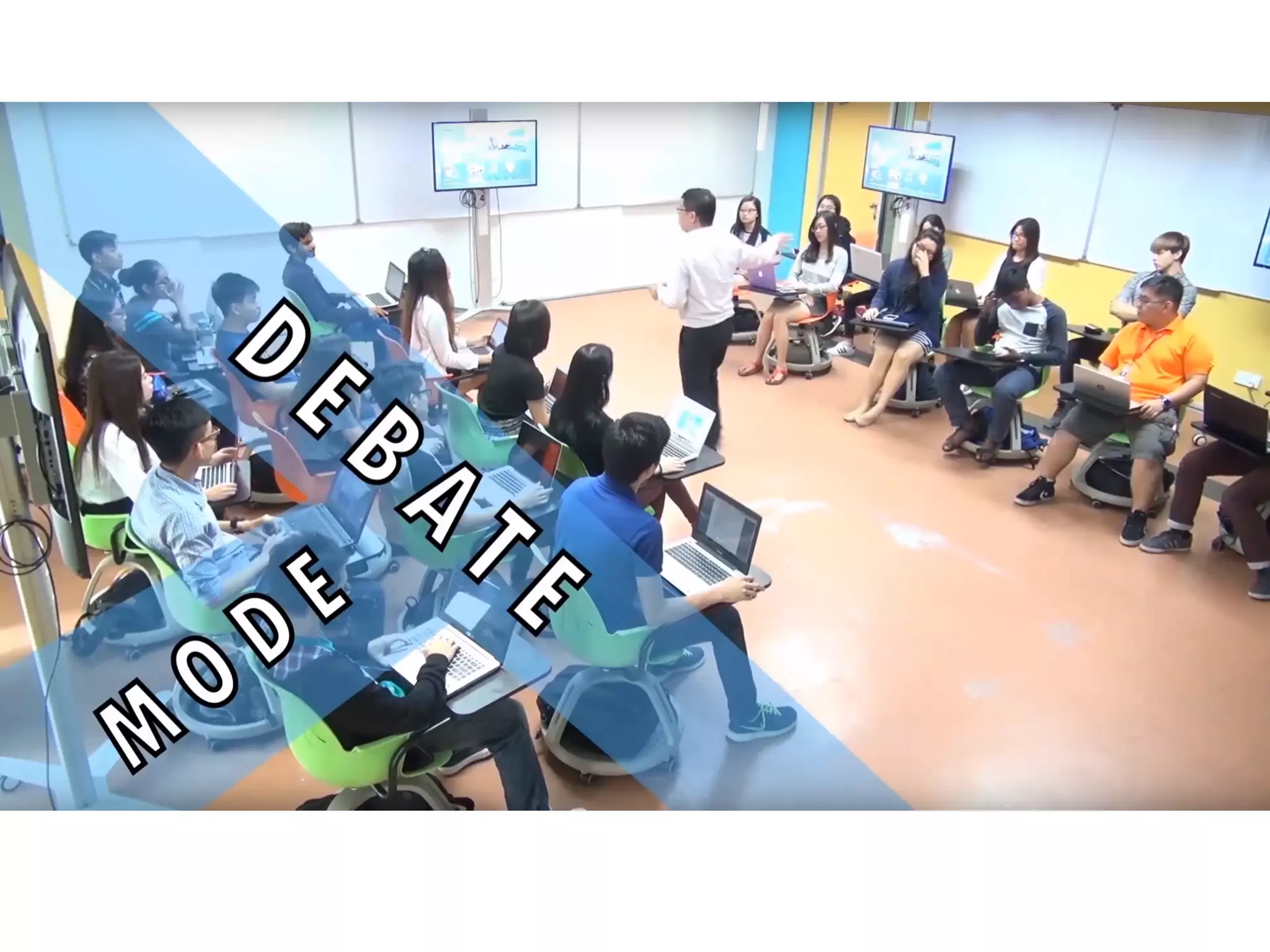
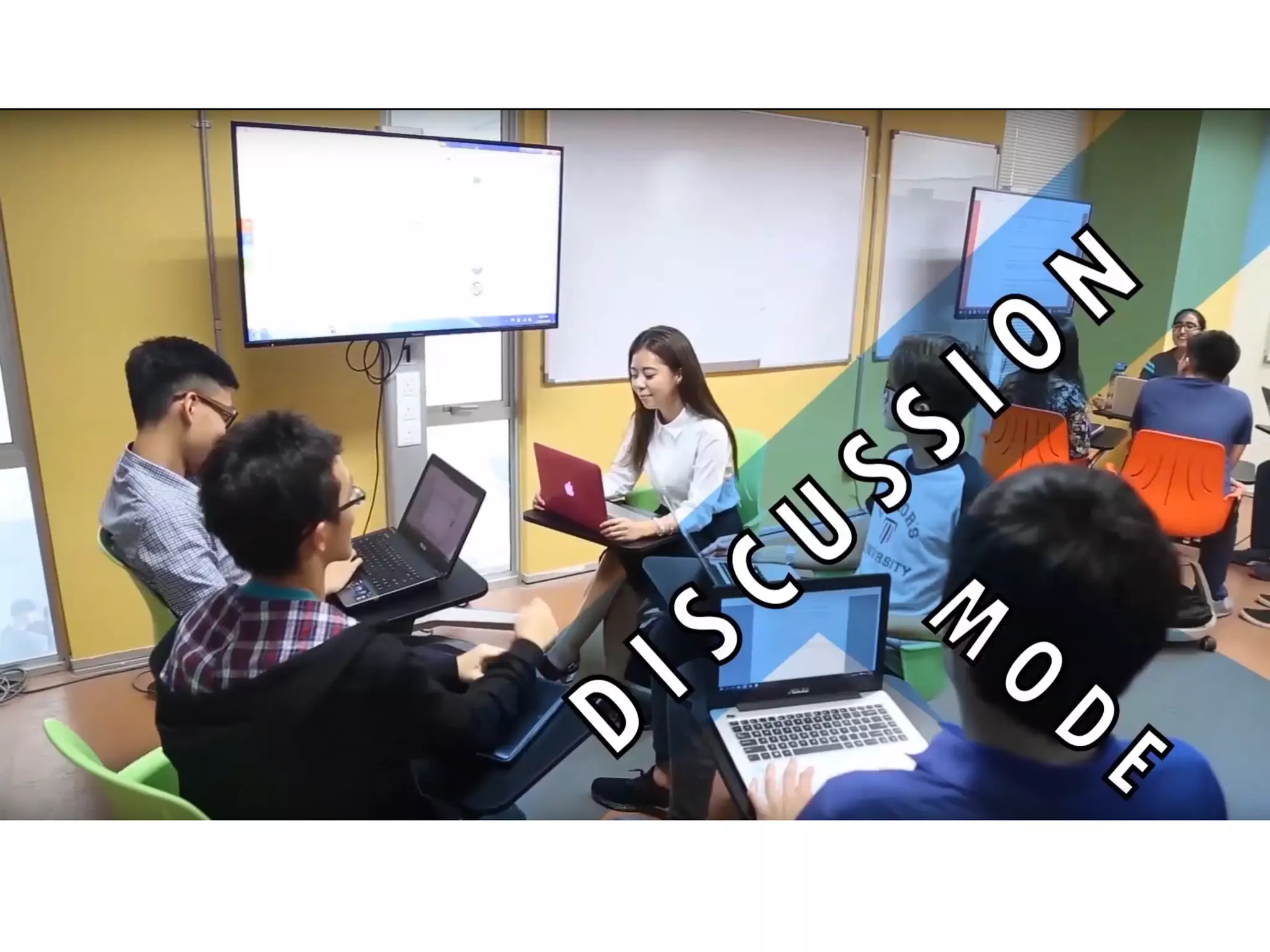
X-space Classrooms to Develop Students’
Communication & Critical Thinking Skills in the
Collaborative Classroom
!16
Innovative Teaching in
a Connected World
• Blended learning
• Authentic assessment
• Professional development
!17
Blended Teaching and Learning
• Institutional blending: formal,
informal and virtual spaces
• Blended teaching: being aware
of the affordances of spaces and
technologies to optimise learning
• Blended learning:
• Active learning
• Interactive learning
• Networked learning
• Learner-generated content
• Authentic assessment
Formal on-
campus
teaching
spaces
Informal
on-campus
learning
spaces
Online learning
and teaching
spacesBlended
Learning
Institutional Blending
Learning-oriented Assessment
Assessment tasks as
learning tasks
Student involvement in
assessment processes
Forward-looking
feedback
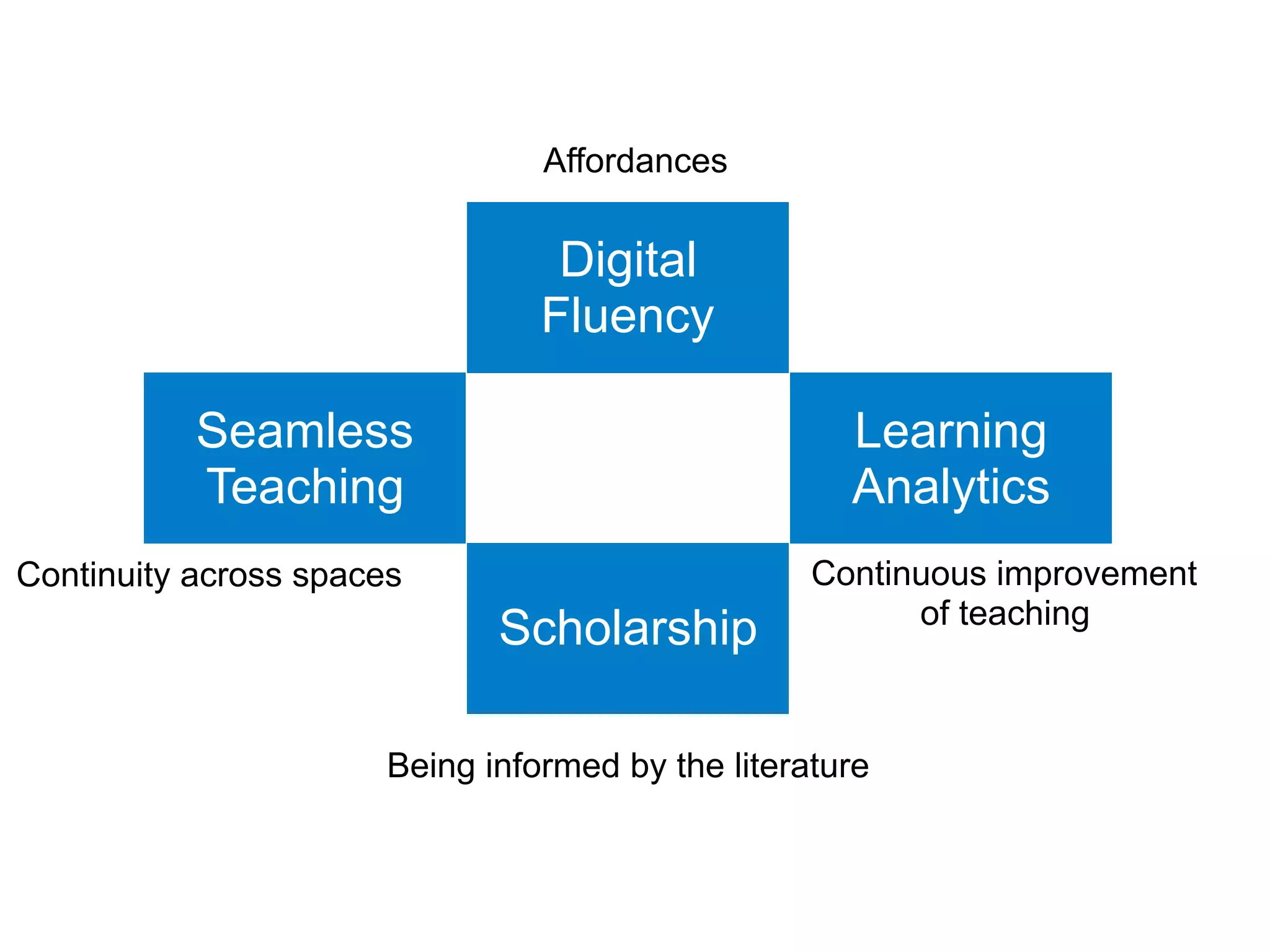
Knowledge, skills and
attitudes teachers need
to thrive in a connected
world
• Digital fluency
• Seamless teaching
• Scholarship
• Learning analytics
Seamless
Teaching
Digital
Fluency
Scholarship
Learning
Analytics
Affordances
Being informed by the literature
Continuity across spaces Continuous improvement
of teaching
!23
Knowledge, skills and
attitudes students need
to thrive in a connected
world
• Digital literacies
• Seamless learning
• Self-regulated learning
• Learning-oriented assessment
• Lifelong learning
• Flexible learning pathways
• Life skills
!24
Digital Literacies
• Digital Competency
• knowing how to use digital
tools
• Digital Fluency
• applying digital knowledge
and skills
• Digital Design
• user-generated content
• ‘learner-as-designer’
!25
Seamless Learning
• On-campus
• comfortable with formal
and informal spaces
• Virtual campus
• comfortable with blended,
online, social media
• Anywhere
• trains, cafes, teleworking
!26
Self-regulated Learning
• Scaffolded learners
• teachers scaffold learning
• Strategic learners
• learners begin to manage
their own learning
• Autonomous learners
• learners become habitual
learners
!27
Learning-oriented Assessment
• Authentic assessment
• learners participate in
authentic assessment
• Negotiated assessment
• learners negotiate
assessment with teachers
• Self-assessment
• learners act on ‘feedback
as feed-forward’
!28
Life Wide Learning
• Encompasses both formal
and informal learning, self-
motivated learning.
(Watson, 2003).
• Life-wide learning “contains
many parallel and
interconnected journeys
and
experiences…” (Jackson,
2010, p. 492).
!29
Lifelong Learning
• Short-term
• learners are focussed on
current courses
• Future-focussed
• relates courses to future
job
• Being a learner
• learning becomes a
customary practice
!30
Flexible Learning Pathways
• Prescribed
• fixed learning pathway
• Flexible
• learner has some choice
through electives
• Open education
• learner constructs learning
pathway to meet their
needs
Life Skills & SHINE 2.0
Life Skills Modules
Shine 2.0Module 1 - Life Skills for Success and Well-Being
Module 2 - Millennials in Malaysia: Team
Dynamics and Relationship Management
Volunteering initiatives
Leadership commitment
Work experience
Global experience
Personal development
To all first year first semester
students under the Taylor’s
curriculum framework
Institutional Priorities Teacher Priorities Learner Priorities
Focus on Problems and
projects
Digital fluency Digital literacies
Wider range of learning
spaces
Seamless teaching Seamless learning
Technology infrastructure Technology affordances Self-regulated learning
Student experience Authentic assessment
Learning-oriented
assessment
Modes (blended and
online)
Scholarship
Lifelong and life wide
learning
Fewer exams Learning analytics
Flexible learning
pathways

EduTECH 2018

  • 1.
    Blending Learning, Pedagogy,Technology and Space in a Connected World: Implications for Institutions, Teachers and Students Prof Mike Keppell Pro Vice-Chancellor, Learning and Teaching
  • 2.
    !2 Preparing Students toSolve the Problems of the Future
  • 3.
    !3 How Learning and Teachinghas Changed in a Connected World • Trends • Active learning • Learning spaces
  • 5.
    !5 Active Learning • Engagesthe learner with problems, projects and professional portfolio. • Proactively shape their environment • Personalised learner collects evidence • Active learners are designers
  • 6.
    !6 Learning Spaces • Physical,blended or virtual learning environments that enhance learning • Motivate a learner to learn • Spaces where both teachers and learners optimise the perceived and actual affordances of the space • Spaces that promote authentic learning
  • 7.
    !7 Principles of LearningSpace Design • Comfort: a space which creates a physical and mental sense of ease and well-being • Aesthetics: pleasure which includes the recognition of symmetry, harmony, simplicity and fitness for purpose • Flow: the state of mind felt by the learner when totally involved in the learning experience
  • 8.
    !8 Principles of LearningSpace Design • Equity: consideration of the needs of cultural and physical differences • Blending: a mixture of technological and face-to-face pedagogical resources • Affordances: the “action possibilities” the learning environment provides the users • Repurposing: the potential for multiple usage of a space (Souter, Riddle, Keppell, 2010)
  • 11.
    X-space Classrooms toDevelop Students’ Communication & Critical Thinking Skills in the Collaborative Classroom
  • 16.
    !16 Innovative Teaching in aConnected World • Blended learning • Authentic assessment • Professional development
  • 17.
    !17 Blended Teaching andLearning • Institutional blending: formal, informal and virtual spaces • Blended teaching: being aware of the affordances of spaces and technologies to optimise learning • Blended learning: • Active learning • Interactive learning • Networked learning • Learner-generated content • Authentic assessment
  • 18.
  • 19.
    Learning-oriented Assessment Assessment tasksas learning tasks Student involvement in assessment processes Forward-looking feedback
  • 21.
    Knowledge, skills and attitudesteachers need to thrive in a connected world • Digital fluency • Seamless teaching • Scholarship • Learning analytics
  • 22.
    Seamless Teaching Digital Fluency Scholarship Learning Analytics Affordances Being informed bythe literature Continuity across spaces Continuous improvement of teaching
  • 23.
    !23 Knowledge, skills and attitudesstudents need to thrive in a connected world • Digital literacies • Seamless learning • Self-regulated learning • Learning-oriented assessment • Lifelong learning • Flexible learning pathways • Life skills
  • 24.
    !24 Digital Literacies • DigitalCompetency • knowing how to use digital tools • Digital Fluency • applying digital knowledge and skills • Digital Design • user-generated content • ‘learner-as-designer’
  • 25.
    !25 Seamless Learning • On-campus •comfortable with formal and informal spaces • Virtual campus • comfortable with blended, online, social media • Anywhere • trains, cafes, teleworking
  • 26.
    !26 Self-regulated Learning • Scaffoldedlearners • teachers scaffold learning • Strategic learners • learners begin to manage their own learning • Autonomous learners • learners become habitual learners
  • 27.
    !27 Learning-oriented Assessment • Authenticassessment • learners participate in authentic assessment • Negotiated assessment • learners negotiate assessment with teachers • Self-assessment • learners act on ‘feedback as feed-forward’
  • 28.
    !28 Life Wide Learning •Encompasses both formal and informal learning, self- motivated learning. (Watson, 2003). • Life-wide learning “contains many parallel and interconnected journeys and experiences…” (Jackson, 2010, p. 492).
  • 29.
    !29 Lifelong Learning • Short-term •learners are focussed on current courses • Future-focussed • relates courses to future job • Being a learner • learning becomes a customary practice
  • 30.
    !30 Flexible Learning Pathways •Prescribed • fixed learning pathway • Flexible • learner has some choice through electives • Open education • learner constructs learning pathway to meet their needs
  • 31.
    Life Skills &SHINE 2.0 Life Skills Modules Shine 2.0Module 1 - Life Skills for Success and Well-Being Module 2 - Millennials in Malaysia: Team Dynamics and Relationship Management Volunteering initiatives Leadership commitment Work experience Global experience Personal development To all first year first semester students under the Taylor’s curriculum framework
  • 33.
    Institutional Priorities TeacherPriorities Learner Priorities Focus on Problems and projects Digital fluency Digital literacies Wider range of learning spaces Seamless teaching Seamless learning Technology infrastructure Technology affordances Self-regulated learning Student experience Authentic assessment Learning-oriented assessment Modes (blended and online) Scholarship Lifelong and life wide learning Fewer exams Learning analytics Flexible learning pathways