















Disruptive Technologies Changing Education TodayBy Jen Hegna
Disruptive technologyand disruptive innovation are terms used in business and technology literature to describe innovations that improves a product or service in ways that the market does not.
Disruptive technologies are particularly threatening to the leaders of an existing market, because they are competition coming from an unexpected direction.
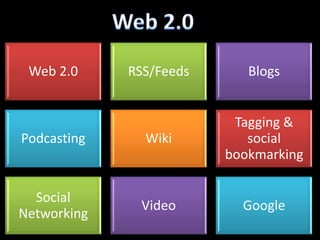
Web 2.0http://www.go2web20.netJen Hegna
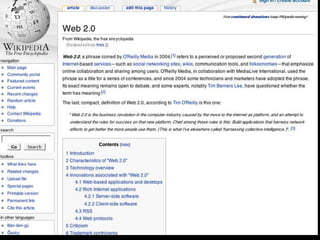
Web 2.0
The New Media Literaciesby MIT -http://newmedialiteracies.org/
Something has changed in the Web during this decade of online history…At the beginning it was all about being online; now it’s about socializing and creating the online environment.
So, what is Web 2.0?Rich Internet ArchitectureAJAX (Googlemaps), Flash (TeacherTube)Service Oriented ApplicationsRSS, Feeds, MashupsSocial Web InteractionBlogging, Wiki, Podcast
RSS
RSS VIDEO
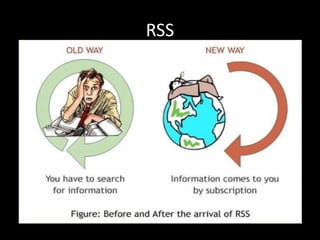
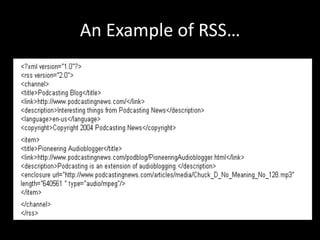
RSSRSS files are used for publishing all types of information on the Internet, but are primarily a tool for sharing web site news. Real simple syndicationSubscription serviceUse with podcasts, news, recurring dataA lightweight XML format for distributing news headlines and other content on the Web.
An Example of RSS…
Using Firefox to add new RSS FeedsUsing Thunderbird to add new RSS Feeds
What is a Blog?
More on Blogs…Find a bloghttp://www.google.com/blogsearchhttp://technorati.com/Some Good Blogs to check out!Scott McLeod - http://www.dangerouslyirrelevant.org/Doug Johnson - http://doug-johnson.squarespace.com/David Warlick - http://davidwarlick.com/2cents/Will Richardson - http://www.weblogg-ed.com/Vicki Davis Blog  - http://coolcatteacher.blogspot.comJen Hegna - http://jenhegna.edublogs.comSet up a bloghttp://www.blogger.comhttp://blogspot.comhttp://edublogs.org/
Educational Benefits of BlogsIn addition to providing teachers with an excellent tool for communicating with students, there are numerous educational benefits of blogs. Blogs are: Highly motivating to students, especially those who otherwise might not become participants in classrooms. Excellent opportunities for students to read and write. Effective forums for collaboration and discussion. Powerful tools to enable scaffolded learning or mentoring to occur.http://www.glencoe.com/sec/teachingtoday/educationupclose.phtml/47
Micro Blogging
http://twitterforteachers.wetpaint.com/page/Twitter+in+the+Classroom
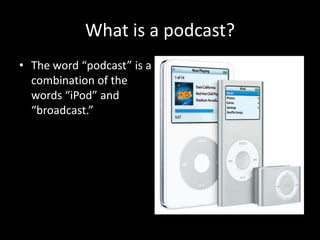
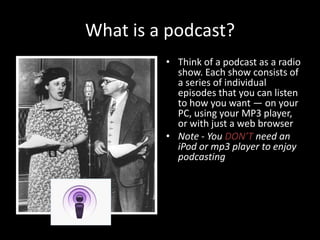
What is a podcast?The word “podcast” is a combination of the words “iPod” and “broadcast.”
What is a podcast?Think of a podcast as a radio show. Each show consists of a series of individual episodes that you can listen to how you want — on your PC, using your MP3 player, or with just a web browserNote - You DON’T need an iPod or mp3 player to enjoy podcasting
Finding and subscribing to Podcastshttp://www.podcastalley.com/http://etc.usf.edu/lit2go/http://librivox.org/http://www.learnoutloud.com/http://www.podomatic.com/
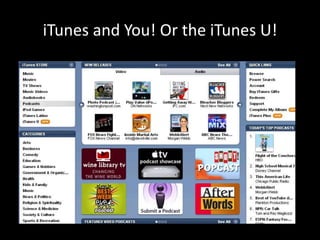
iTunes and You! Or the iTunes U!
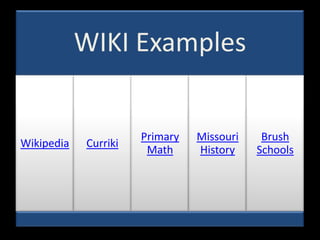
WikiWiki -  website that allows the visitors themselves to easily add, remove, and otherwise edit and change available content, and typically without the need for registration. This ease of interaction and operation makes a wiki an effective tool for mass collaborative authoring.
Wiki in Plain English Video
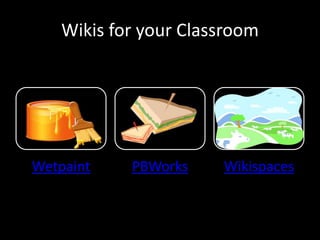
Wikis for your Classroom
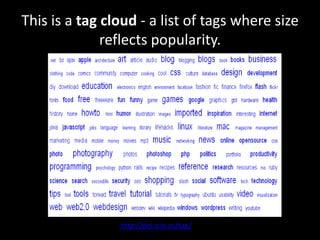
Tagging & social bookmarkingTagging - assigning keywords to blogs, wikis, sites
This is a tag cloud - a list of tags where size reflects popularity. http://del.icio.us/tag/
VIDEO
http://www.google.com/intl/en/options/
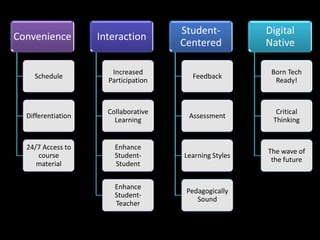
Online Learning
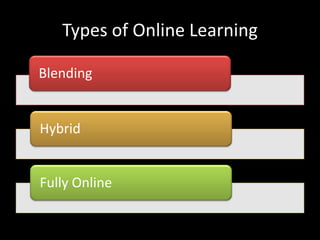
Types of Online Learning
Moore’s Law
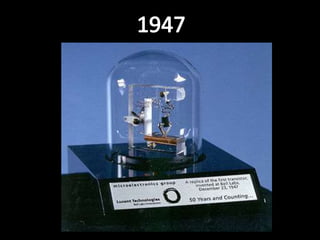
1947
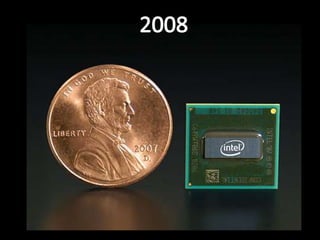
2008
What happens whenyou mix these devices with ubiquitous Internet access?
M-Learning
Abilene Christian UniversityAbilene, Texashttp://www.acu.edu/news/videos/acuconnected.html
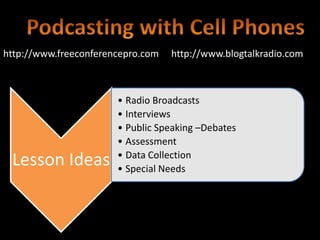
Podcasting with Cell Phoneshttp://www.freeconferencepro.comhttp://www.blogtalkradio.com
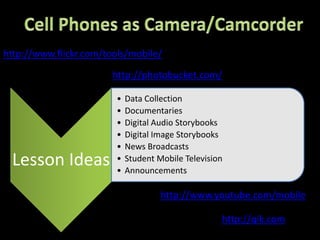
Cell Phones as Camera/Camcorderhttp://www.flickr.com/tools/mobile/http://photobucket.com/http://www.youtube.com/mobilehttp://qik.com
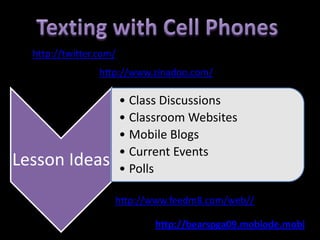
Texting with Cell Phoneshttp://twitter.com/http://www.zinadoo.com/http://www.feedm8.com/web//http://bearspga09.mobiode.mobi
Are you ready?

Disruptive Technology in Education

  • 1.
    Disruptive Technologies ChangingEducation TodayBy Jen Hegna
  • 2.
    Disruptive technologyand disruptiveinnovation are terms used in business and technology literature to describe innovations that improves a product or service in ways that the market does not.
  • 3.
    Disruptive technologies areparticularly threatening to the leaders of an existing market, because they are competition coming from an unexpected direction.
  • 4.
  • 5.
  • 6.
    The New MediaLiteraciesby MIT -http://newmedialiteracies.org/
  • 7.
    Something has changedin the Web during this decade of online history…At the beginning it was all about being online; now it’s about socializing and creating the online environment.
  • 8.
    So, what isWeb 2.0?Rich Internet ArchitectureAJAX (Googlemaps), Flash (TeacherTube)Service Oriented ApplicationsRSS, Feeds, MashupsSocial Web InteractionBlogging, Wiki, Podcast
  • 9.
  • 10.
  • 11.
    RSSRSS files areused for publishing all types of information on the Internet, but are primarily a tool for sharing web site news. Real simple syndicationSubscription serviceUse with podcasts, news, recurring dataA lightweight XML format for distributing news headlines and other content on the Web.
  • 12.
  • 13.
    Using Firefox toadd new RSS FeedsUsing Thunderbird to add new RSS Feeds
  • 14.
  • 15.
    More on Blogs…Finda bloghttp://www.google.com/blogsearchhttp://technorati.com/Some Good Blogs to check out!Scott McLeod - http://www.dangerouslyirrelevant.org/Doug Johnson - http://doug-johnson.squarespace.com/David Warlick - http://davidwarlick.com/2cents/Will Richardson - http://www.weblogg-ed.com/Vicki Davis Blog - http://coolcatteacher.blogspot.comJen Hegna - http://jenhegna.edublogs.comSet up a bloghttp://www.blogger.comhttp://blogspot.comhttp://edublogs.org/
  • 16.
    Educational Benefits ofBlogsIn addition to providing teachers with an excellent tool for communicating with students, there are numerous educational benefits of blogs. Blogs are: Highly motivating to students, especially those who otherwise might not become participants in classrooms. Excellent opportunities for students to read and write. Effective forums for collaboration and discussion. Powerful tools to enable scaffolded learning or mentoring to occur.http://www.glencoe.com/sec/teachingtoday/educationupclose.phtml/47
  • 17.
  • 18.
  • 19.
    What is apodcast?The word “podcast” is a combination of the words “iPod” and “broadcast.”
  • 20.
    What is apodcast?Think of a podcast as a radio show. Each show consists of a series of individual episodes that you can listen to how you want — on your PC, using your MP3 player, or with just a web browserNote - You DON’T need an iPod or mp3 player to enjoy podcasting
  • 21.
    Finding and subscribingto Podcastshttp://www.podcastalley.com/http://etc.usf.edu/lit2go/http://librivox.org/http://www.learnoutloud.com/http://www.podomatic.com/
  • 22.
    iTunes and You!Or the iTunes U!
  • 23.
    WikiWiki - website that allows the visitors themselves to easily add, remove, and otherwise edit and change available content, and typically without the need for registration. This ease of interaction and operation makes a wiki an effective tool for mass collaborative authoring.
  • 25.
    Wiki in PlainEnglish Video
  • 27.
  • 28.
    Tagging & socialbookmarkingTagging - assigning keywords to blogs, wikis, sites
  • 29.
    This is atag cloud - a list of tags where size reflects popularity. http://del.icio.us/tag/
  • 30.
  • 32.
  • 33.
  • 36.
  • 38.
  • 39.
  • 40.
  • 43.
    What happens whenyoumix these devices with ubiquitous Internet access?
  • 44.
  • 45.
    Abilene Christian UniversityAbilene,Texashttp://www.acu.edu/news/videos/acuconnected.html
  • 46.
    Podcasting with CellPhoneshttp://www.freeconferencepro.comhttp://www.blogtalkradio.com
  • 47.
    Cell Phones asCamera/Camcorderhttp://www.flickr.com/tools/mobile/http://photobucket.com/http://www.youtube.com/mobilehttp://qik.com
  • 48.
    Texting with CellPhoneshttp://twitter.com/http://www.zinadoo.com/http://www.feedm8.com/web//http://bearspga09.mobiode.mobi
  • 50.

Editor's Notes

  • #38 An instructor can also present these materials in many formats to accommodate different types of learning styles. For example, if an instructor puts both lecture notes and slides online, both visual and auditory learners benefit. Students who prefer to focus on "listening" and "watching" during lecture do not have to worry that they are missing important concepts while scrambling to take copious notes. They can focus on understanding the material and concepts as they are presented. Students with attention difficulties or those who get overwhelmed by organizational tasks also benefit, because materials provided show how the instructor has grouped and prepared materials in the handouts, and indicate what items are most important.