Downloaded 28 times
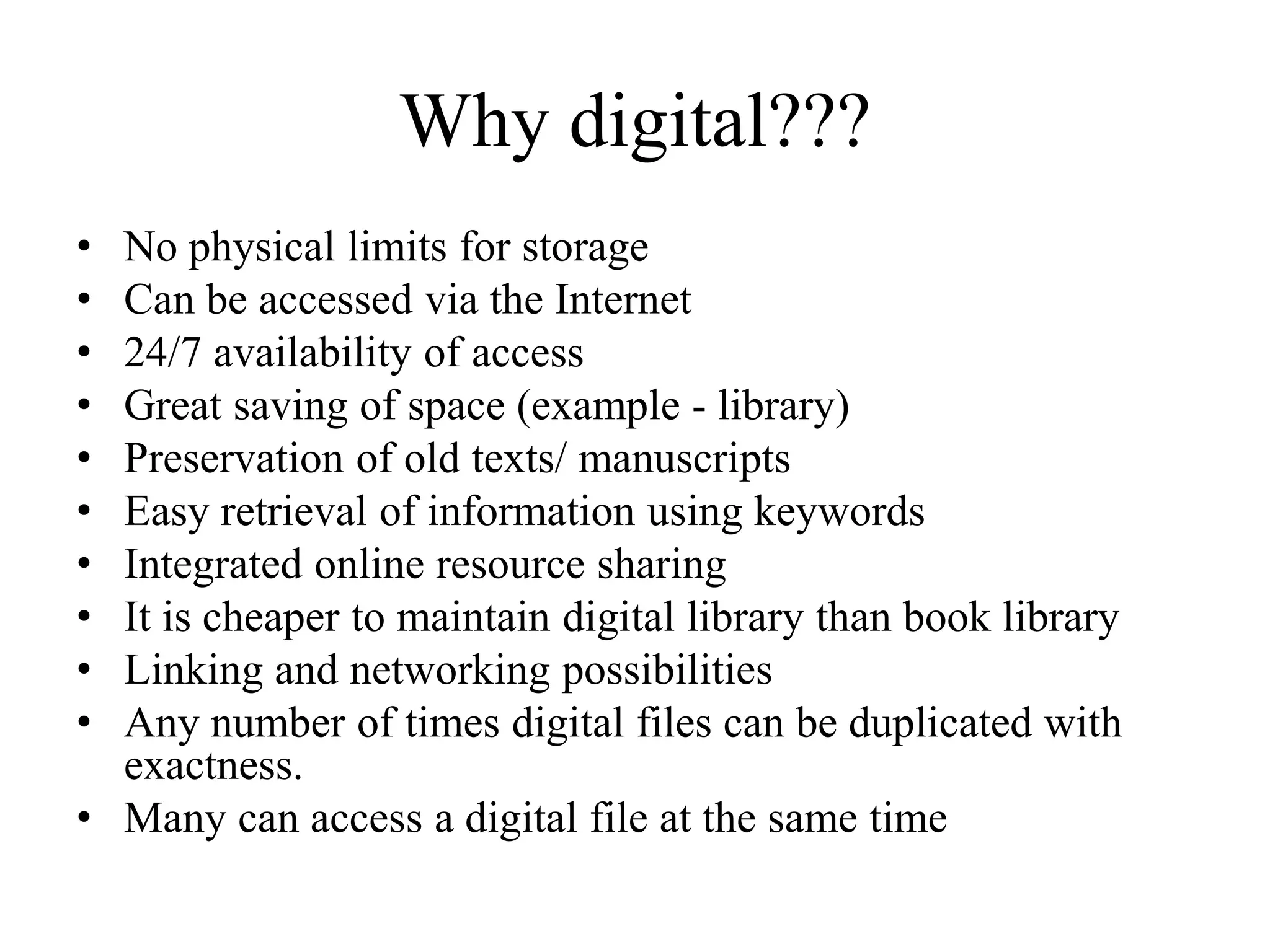
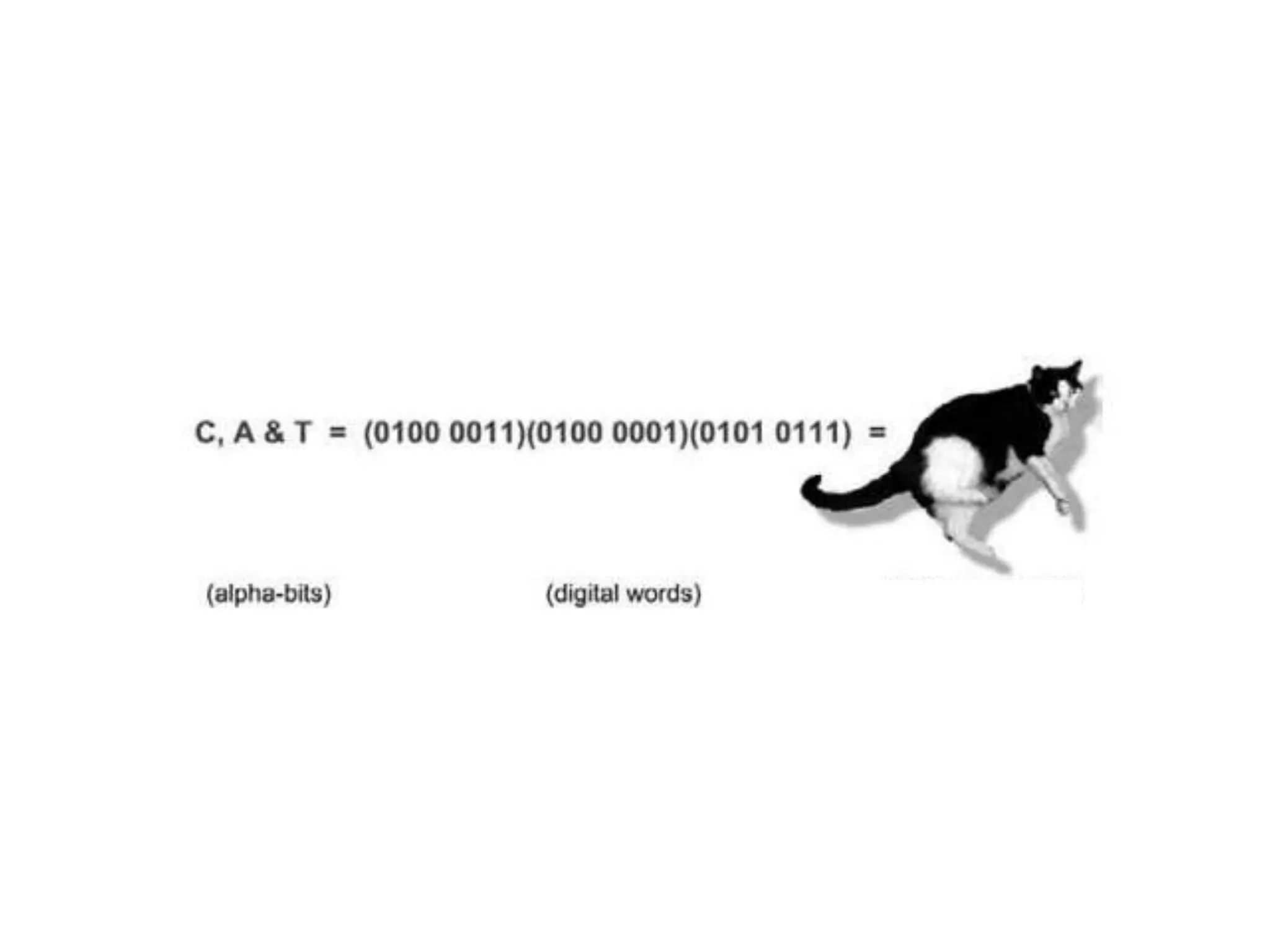
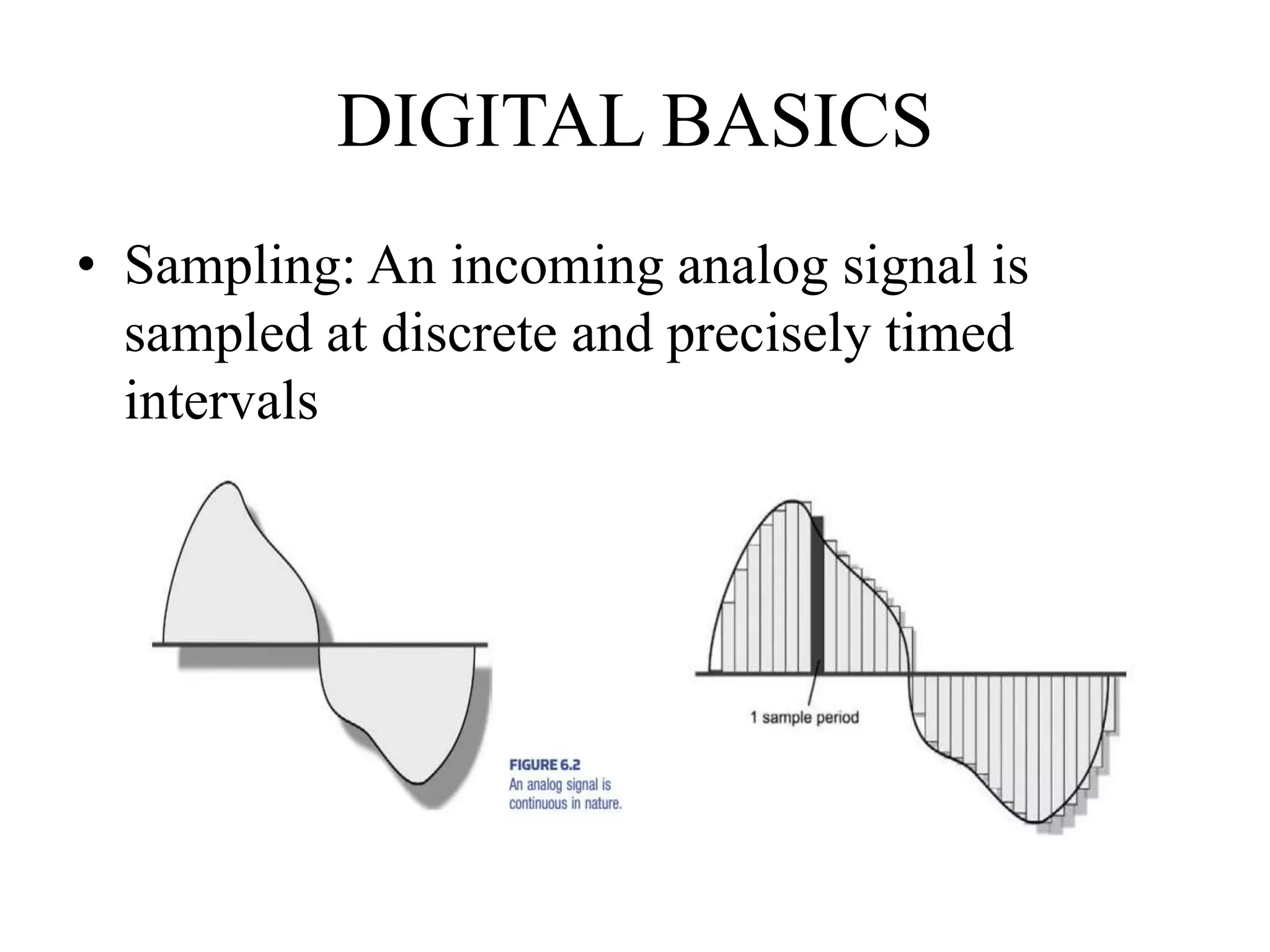


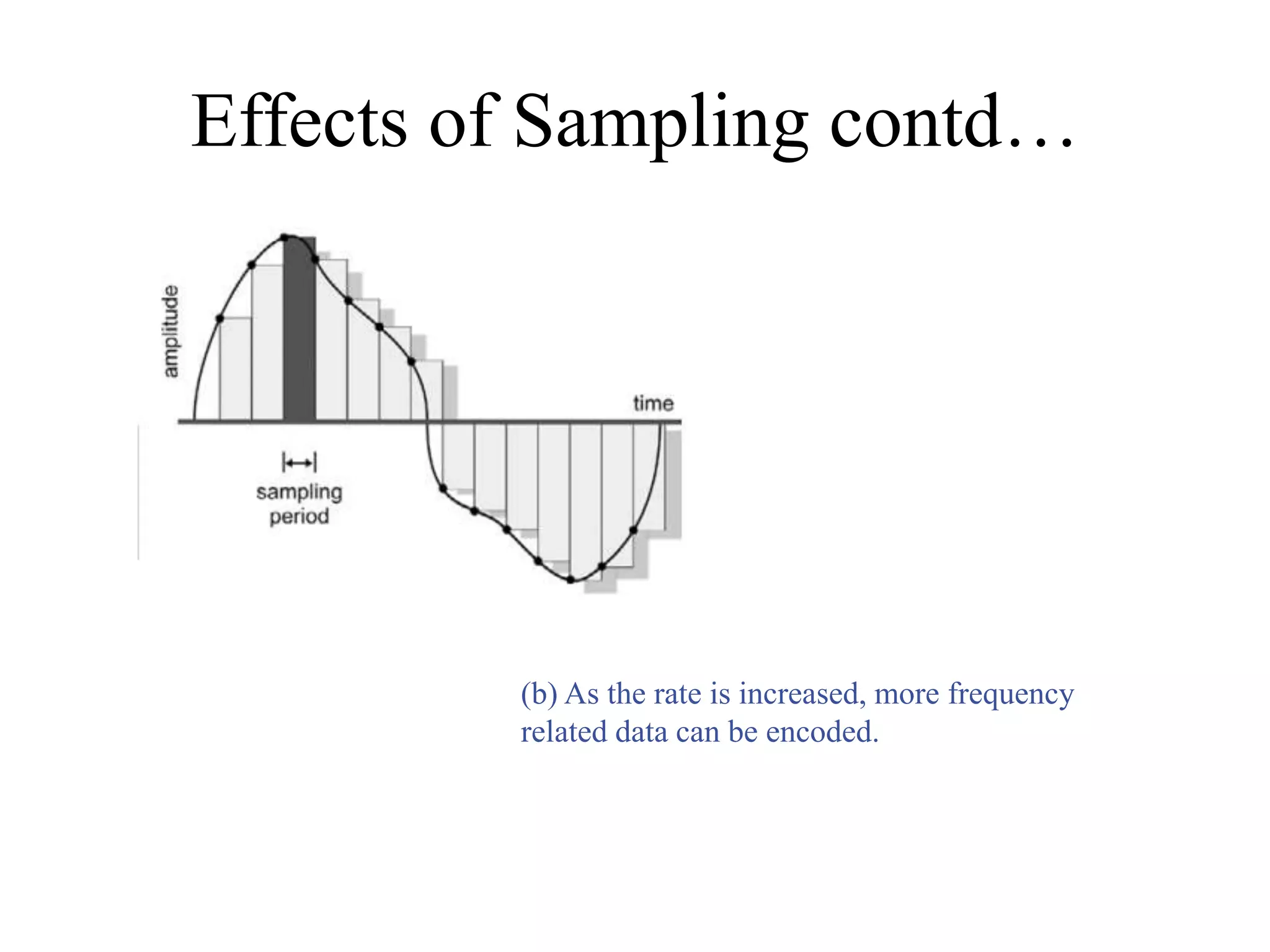


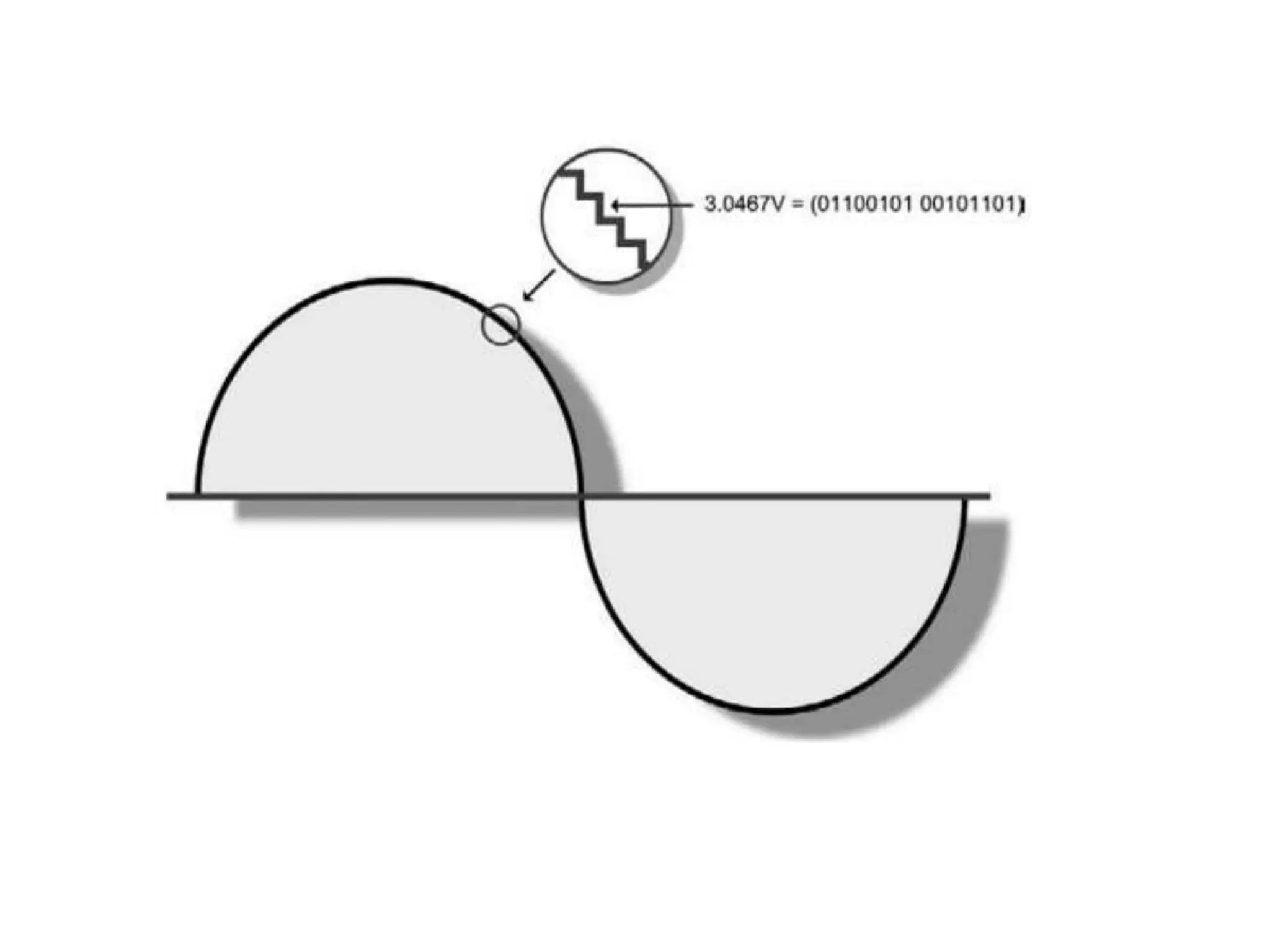




Digital recording offers several advantages over physical/analog recording including unlimited storage, online access from anywhere, and the ability to easily duplicate and share files without quality degradation. The digital recording process involves sampling an analog signal at discrete intervals, quantizing the signal amplitude to binary digits, and encoding the data with error correction for storage and playback. Key components include analog-to-digital conversion, low-pass filtering to prevent aliasing, and signal coding before writing to a recording medium such as a hard disk, optical disc, or flash memory.


![Seller Deck - Presentation [Concert L2].PPTX](https://cdn.slidesharecdn.com/ss_thumbnails/sellerdeck-presentationconcertl2-251219171156-24982daf-thumbnail.jpg?width=640&height=640&fit=bounds)


