Downloaded 55 times






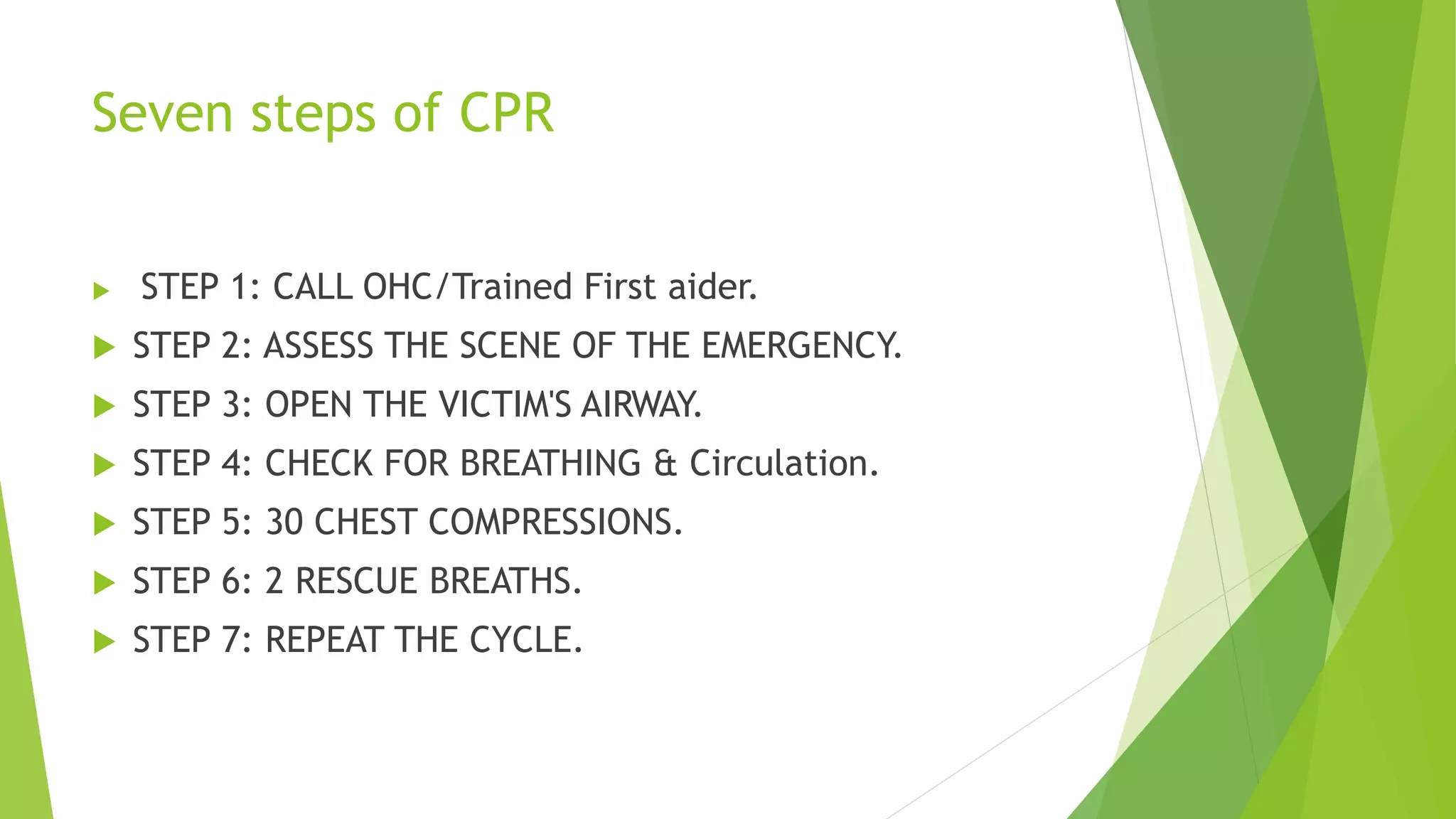
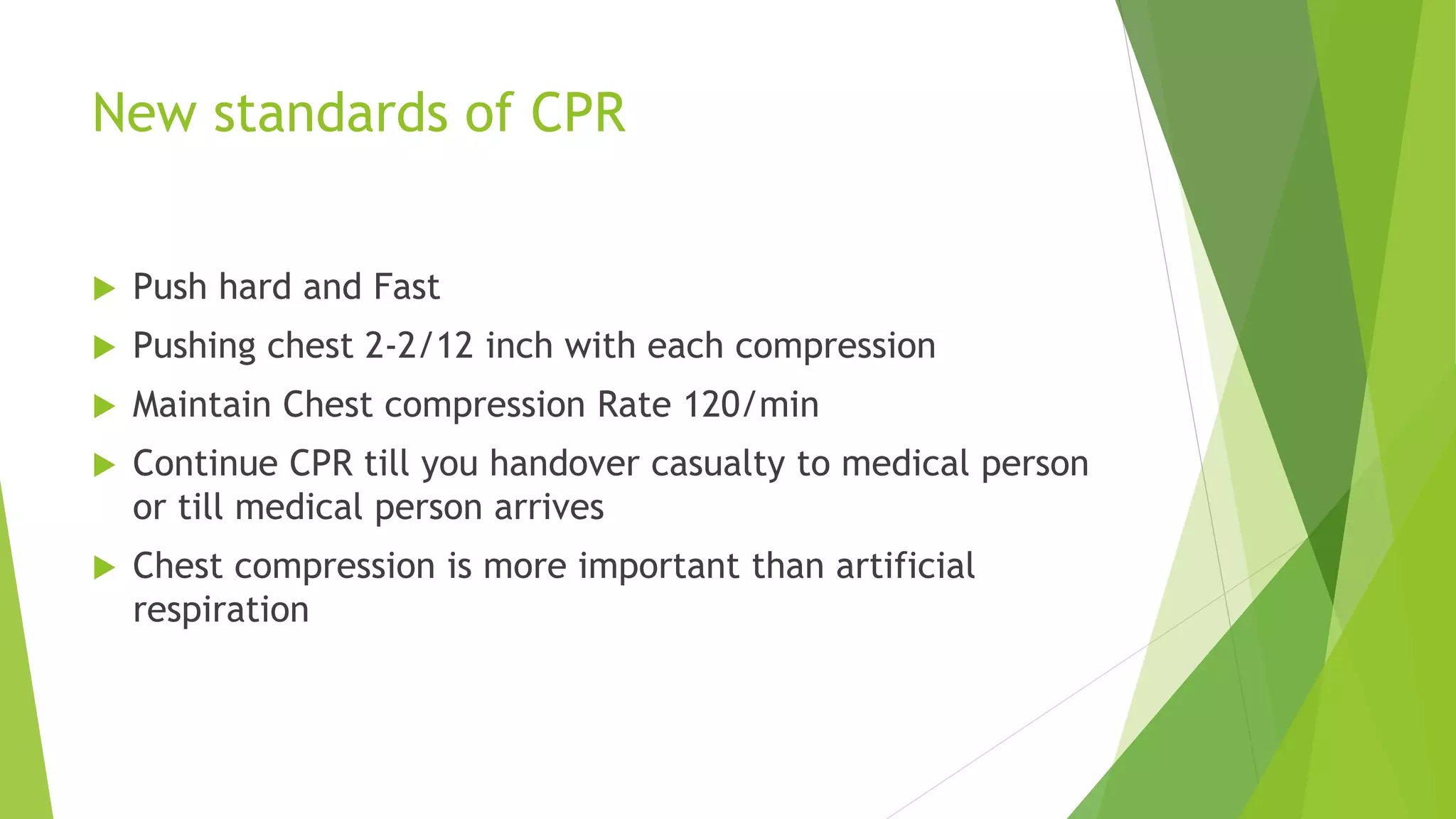


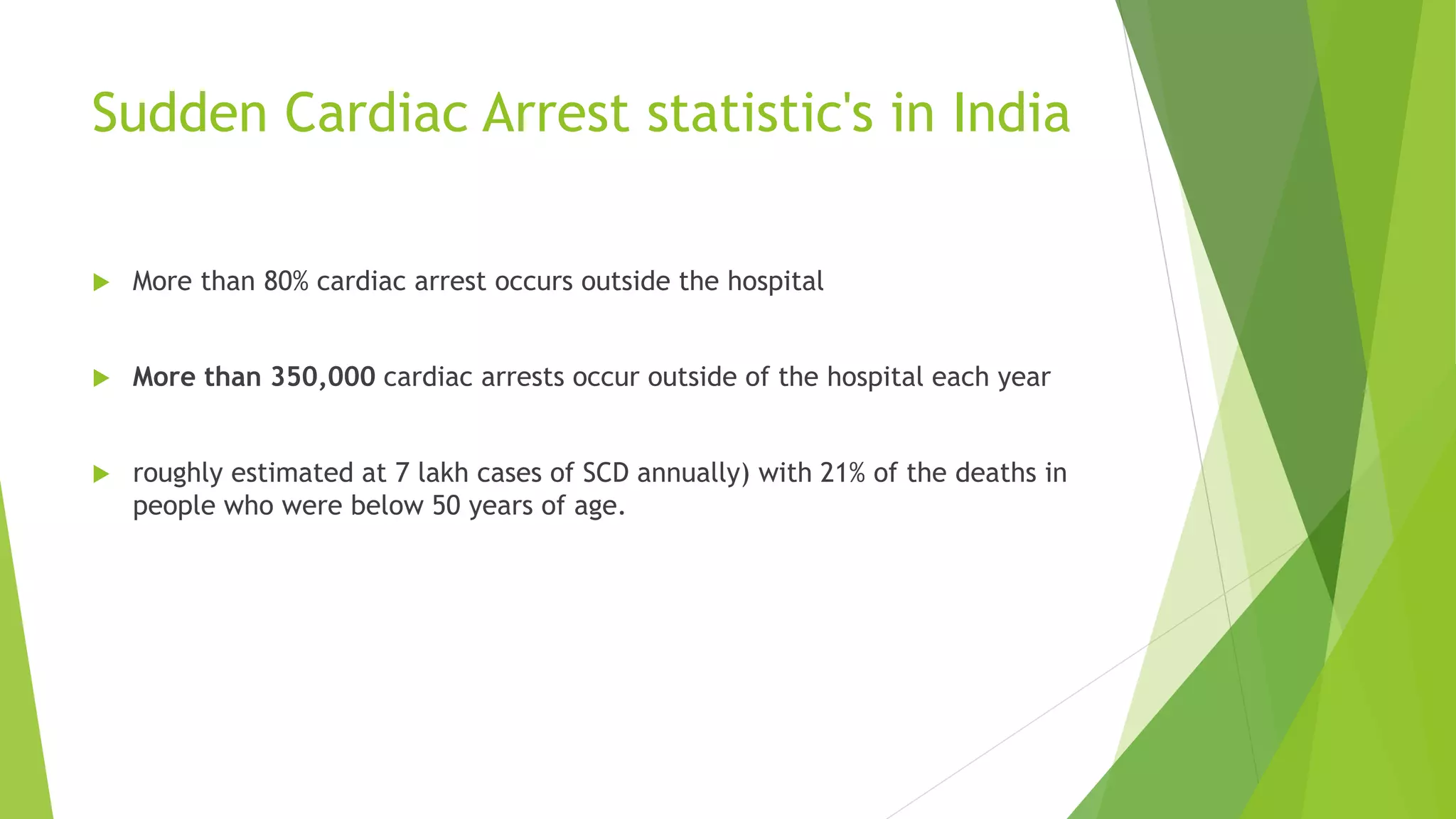


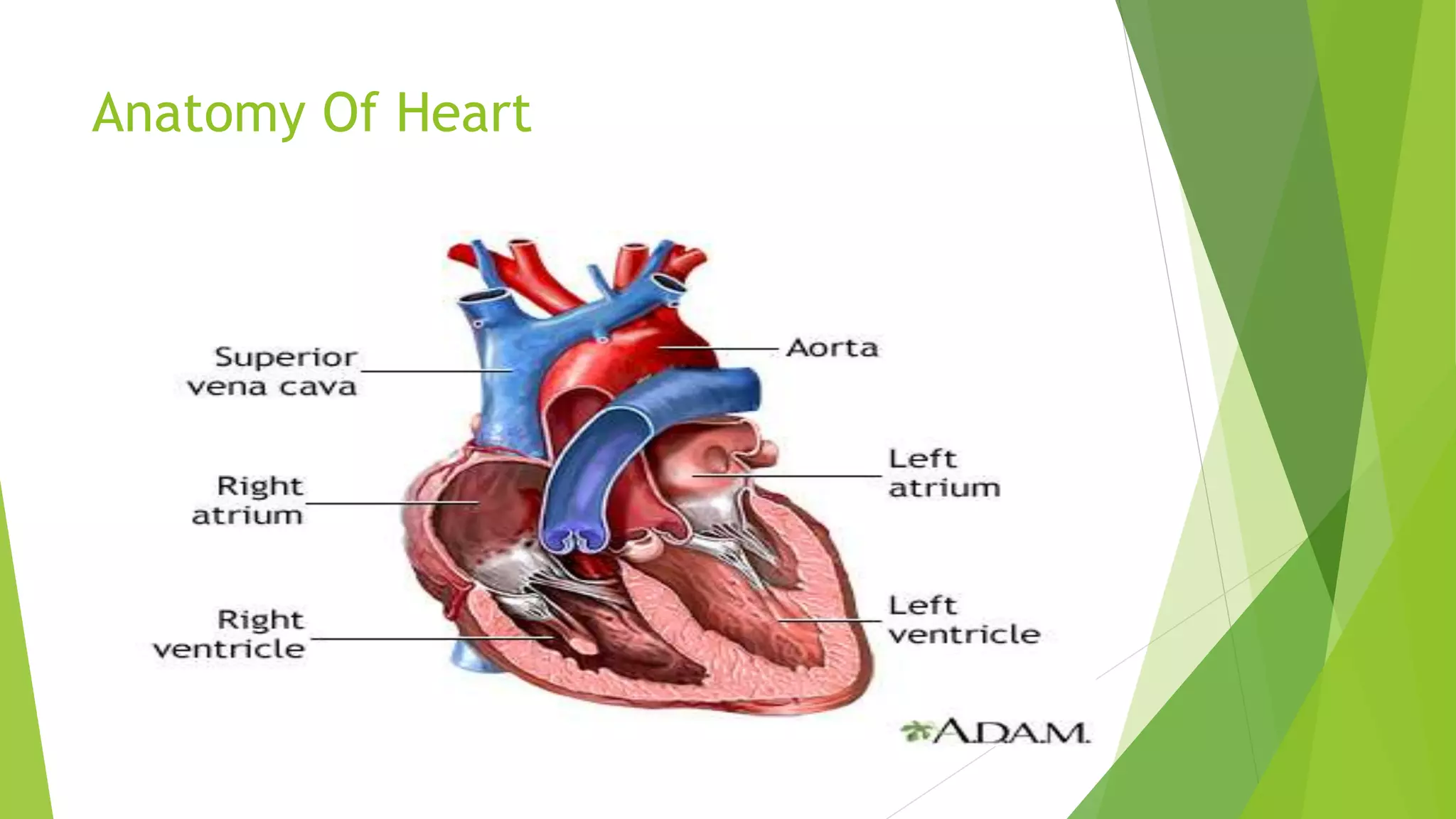


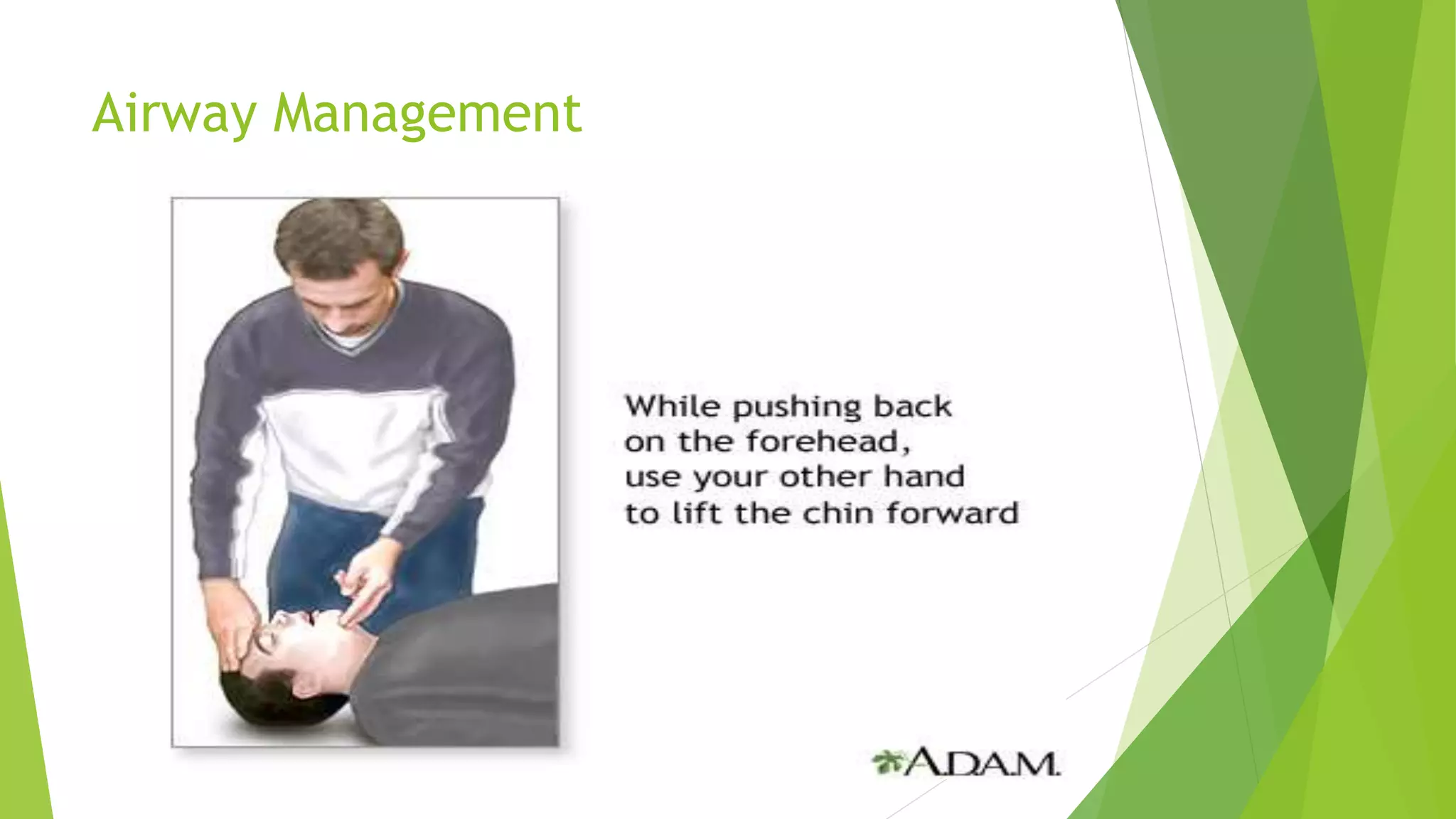
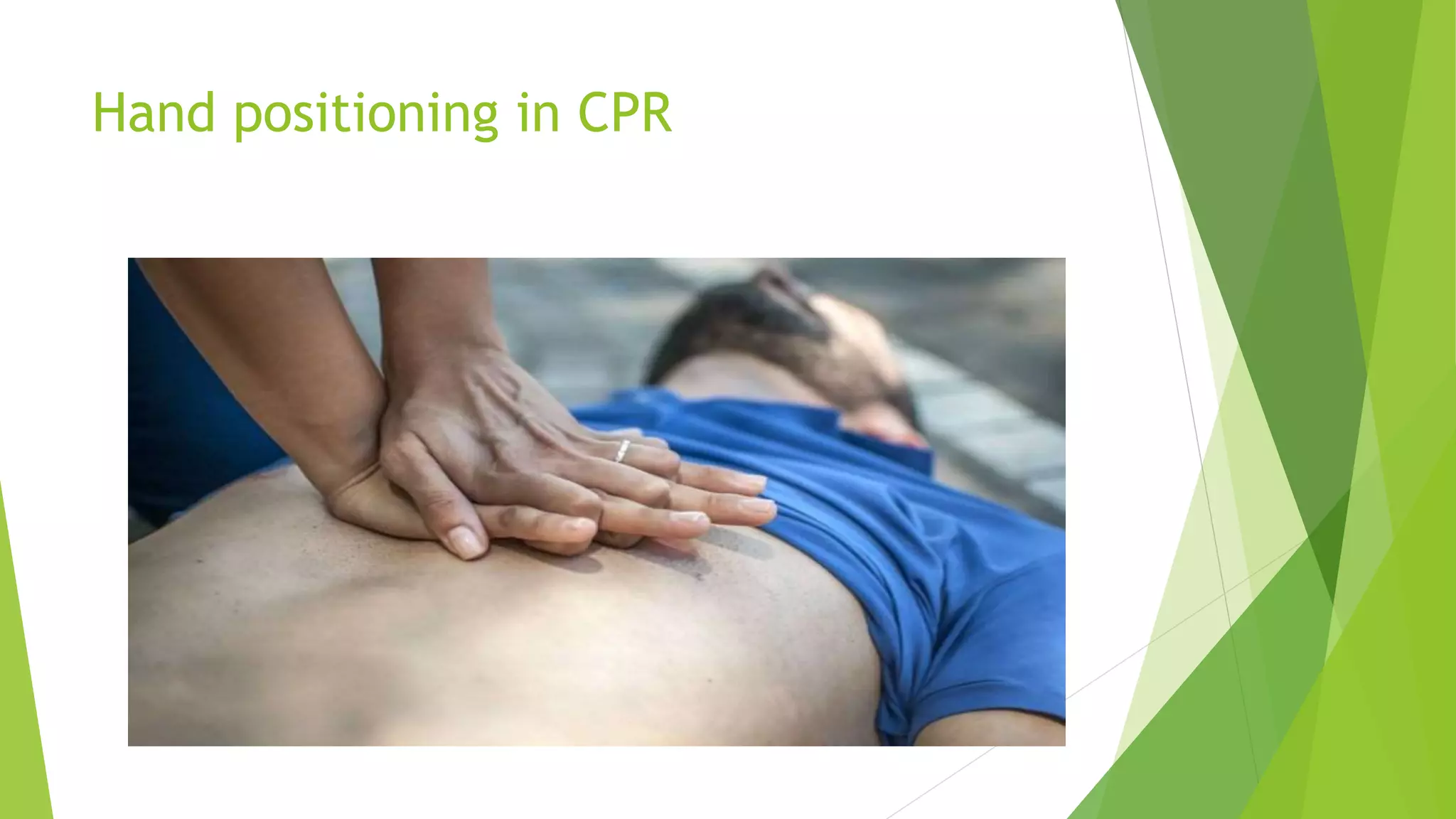
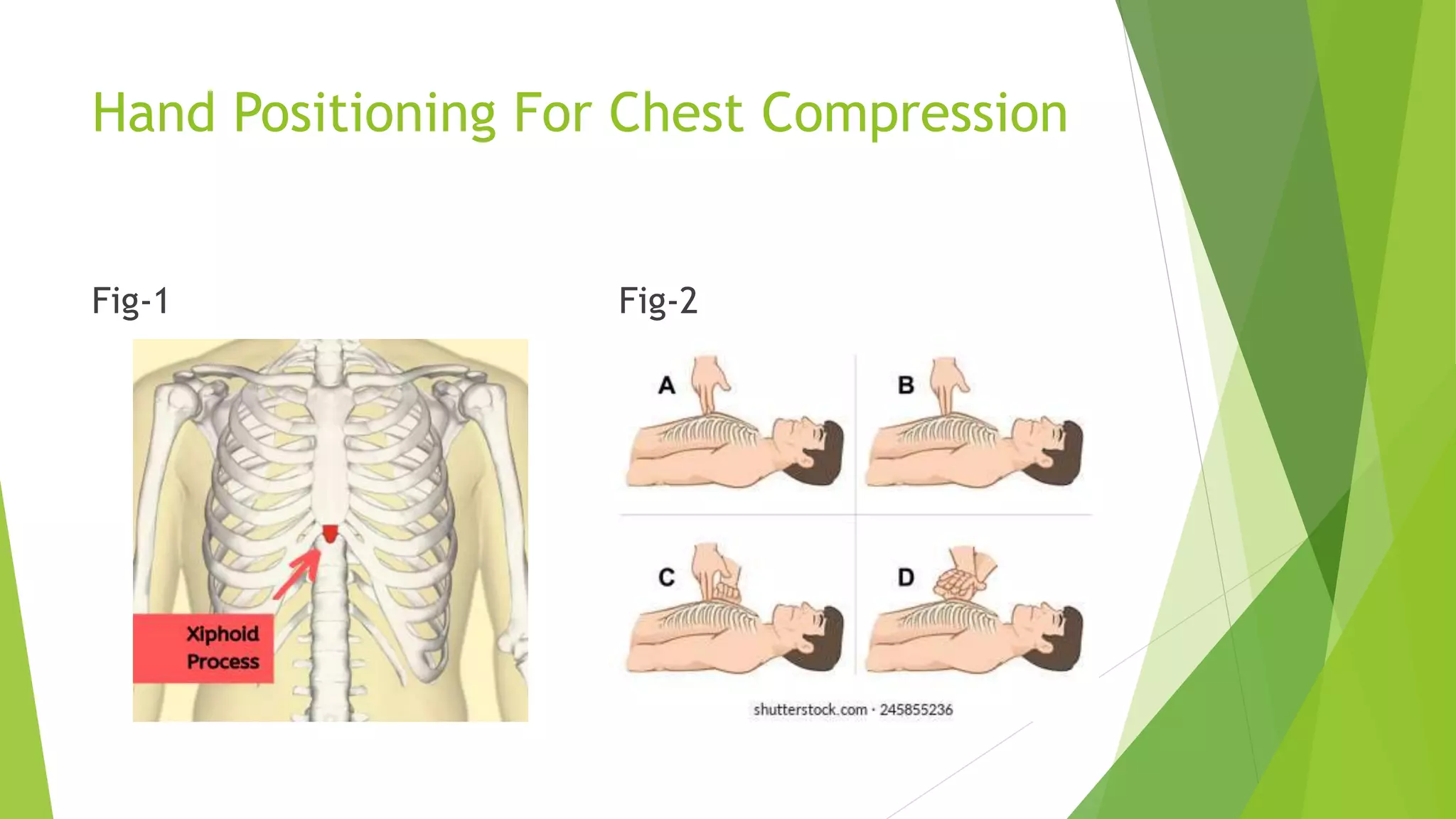

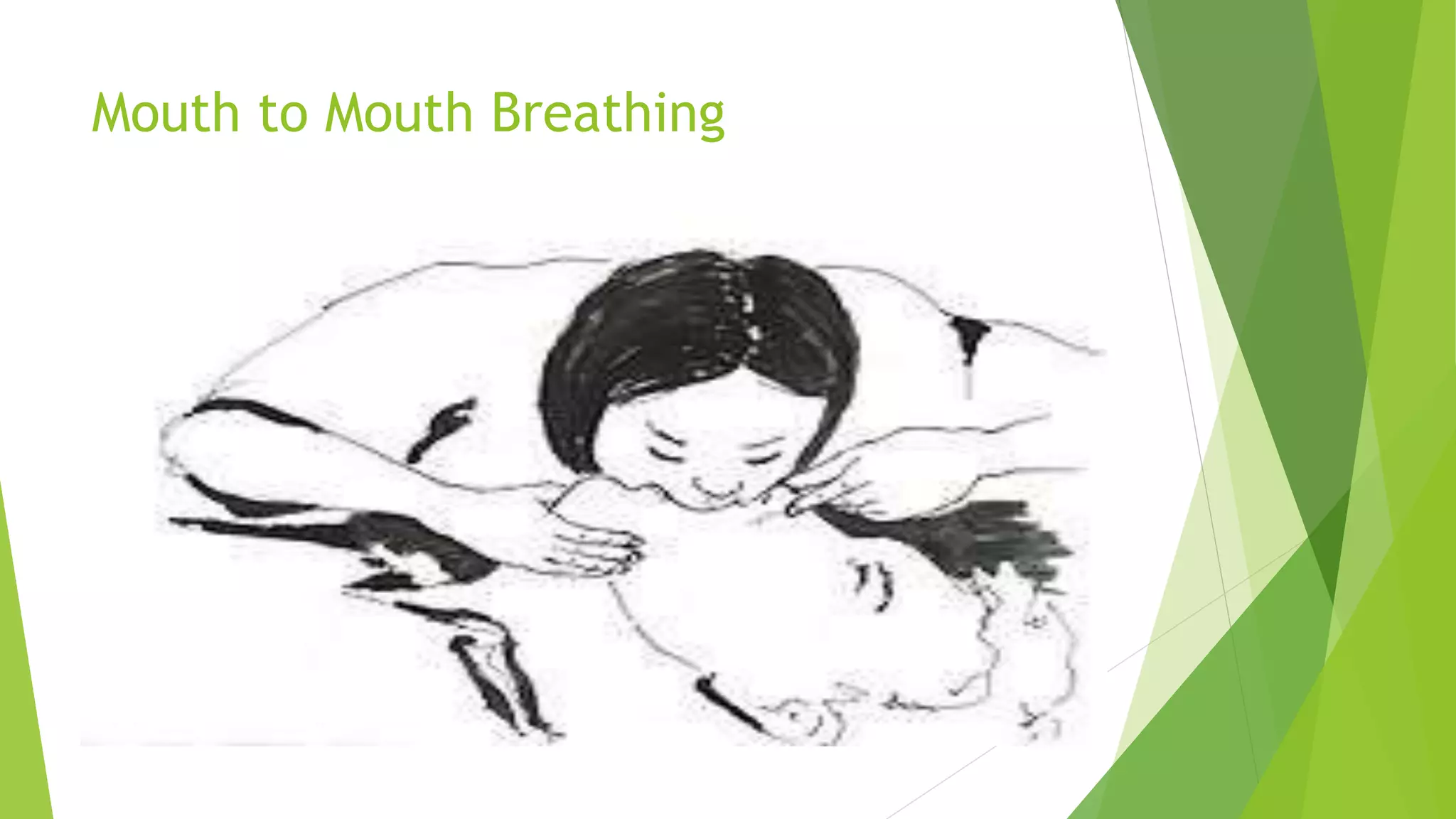







CPR involves restarting a person's heartbeat and breathing after they have stopped. It was developed in the 1960s and combines chest compressions and mouth-to-mouth breathing. The objectives of CPR are to keep oxygen flowing to the lungs and oxygenated blood flowing through the body. It is performed through cycles of 30 chest compressions followed by 2 rescue breaths at a rate of 120 compressions per minute. High quality CPR requires minimizing interruptions, providing adequate rate and depth of compressions, avoiding excessive ventilation, and ensuring proper hand placement. CPR is used to buy time until normal heart and lung function can be restored or a defibrillator becomes available.


![Apporach to lung biopsy [Auto-saved].pptx latest](https://cdn.slidesharecdn.com/ss_thumbnails/apporachtolungbiopsyauto-saved-251211225655-93258539-thumbnail.jpg?width=640&height=640&fit=bounds)


