COMMUNICATIVE
LANGUAGE
TEACHING
THE ORIGINS OF CLT
From the late 1960s.
Situational Language Teaching
SITUATIONAL LANGUAGE TEACHING:
• Major British approach,
• English as a foreign language,
• Language - practising basic structures,
• Meaningful situation-based activities.
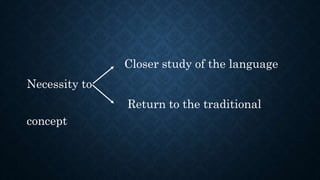
Closer study of the language
Necessity to
Return to the traditional
concept
NOAM CHOMSKY – BRITISH LINGUIST
• Language teaching on communicative proficiency
• Syntactic Structures - Book
THE COUNCIL OF EUROPE
Develop of alternative methods
1971
A unit- credit system
WILKINS
• Functional/communicative definition of language
• Communicative uses of language
• 2 types of meaning Notional categories
• Categories of
communicative
function
• Notional Syllabuses - Book
COMMUNICATIVE APPROACH
• Communicative Language Teaching
• (Notional functional approach / functional approach)
AMERICAN /BRITISH
PROPONENTS
•CLT as an approach- not a method
•Aims
LITTLEWOOD
CLT – Functional and structural aspects of
language
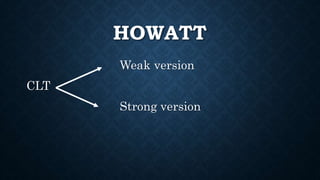
HOWATT
Weak version
CLT
Strong version
JOHN FIRTH
• Discourse as subject
• Context for language analysis
• Language – broader sociocultural context of its use.
AMERICAN NATIONAL CURRICULUM
COMMISSION – 1930S.
•Experience Curriculum in English
•Well-selected experiences
APPROACH
Theory of language as communication
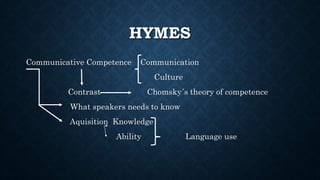
HYMES
Communicative Competence Communication
Culture
Contrast Chomsky´s theory of competence
What speakers needs to know
Aquisition Knowledge
Ability Language use
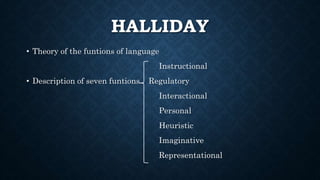
HALLIDAY
• Theory of the funtions of language
Instructional
• Description of seven funtions Regulatory
Interactional
Personal
Heuristic
Imaginative
Representational
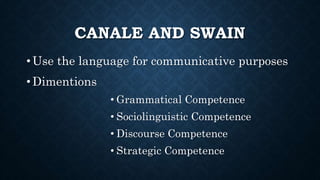
CANALE AND SWAIN
• Use the language for communicative purposes
• Dimentions
• Grammatical Competence
• Sociolinguistic Competence
• Discourse Competence
• Strategic Competence
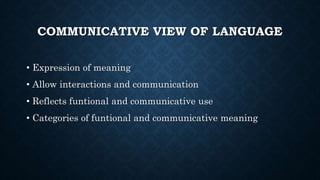
COMMUNICATIVE VIEW OF LANGUAGE
• Expression of meaning
• Allow interactions and communication
• Reflects funtional and communicative use
• Categories of funtional and communicative meaning
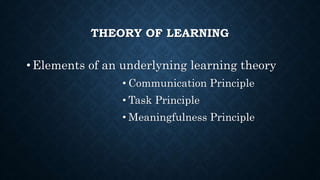
THEORY OF LEARNING
• Elements of an underlyning learning theory
• Communication Principle
• Task Principle
• Meaningfulness Principle
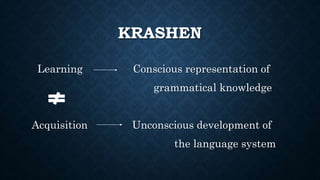
KRASHEN
Learning Conscious representation of
grammatical knowledge
Acquisition Unconscious development of
the language system
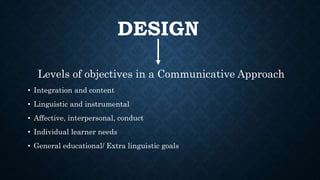
DESIGN
Levels of objectives in a Communicative Approach
• Integration and content
• Linguistic and instrumental
• Affective, interpersonal, conduct
• Individual learner needs
• General educational/ Extra linguistic goals
CURRICULUM
Reflects specific aspects of communicative
competence
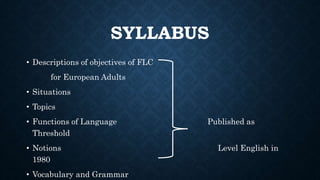
SYLLABUS
• Descriptions of objectives of FLC
for European Adults
• Situations
• Topics
• Functions of Language Published as
Threshold
• Notions Level English in
1980
• Vocabulary and Grammar
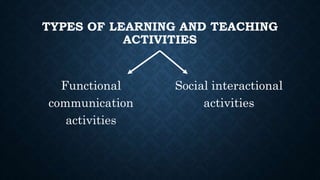
TYPES OF LEARNING AND TEACHING
ACTIVITIES
Functional
communication
activities
Social interactional
activities
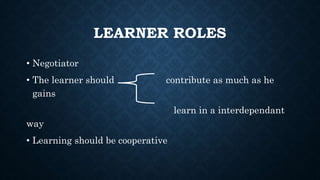
LEARNER ROLES
• Negotiator
• The learner should contribute as much as he
gains
learn in a interdependant
way
• Learning should be cooperative
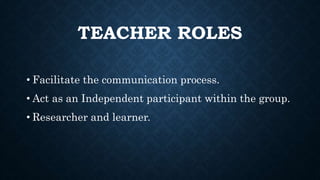
TEACHER ROLES
• Facilitate the communication process.
• Act as an Independent participant within the group.
• Researcher and learner.
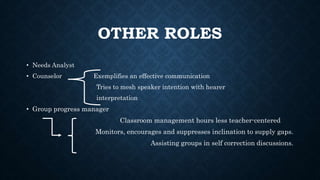
OTHER ROLES
• Needs Analyst
• Counselor Exemplifies an effective communication
Tries to mesh speaker intention with hearer
interpretation
• Group progress manager
Classroom management hours less teacher-centered
Monitors, encourages and suppresses inclination to supply gaps.
Assisting groups in self correction discussions.
THE ROLES OF INSTRUCTIONAL
MATERIALS
Primary role
Text-Based Materials
Task-Based Materials
Realia (authentic and from-life)
PROCEDURE
1) Presentation of a dialogue
2) Oral Practice of it
3) Questions and answers based on the dialogue topic
4) Questions and answers related to the students’
personal experiences
5) Study of a communicative expression or structure in
the dialogue
6) Learner discovery of generalizations or rules
underlying the functional expression or structure.
7) Oral recognition, interpretative activities.
8) Oral production activities
9) Copying of the dialogue
10)Sampling of the written homework assignment
11)Evaluation of learning
DIALOGUES INTRODUCED NEW TEACHING
POINTS
• Teaching points are
introduced in dialogue
form.
• Grammatical items are
isolated for controlled
practice.
• Freer activities are
provided.
• Pair and group work is
suggested.
COMMUNICATIVE LANGUAGE TEACHING
• It’s an approach.
• Principles
• -Learners use language to
communicate
• -Authentic and meaningful
communication
• -Fluency
• -Different language skills
• -Learning involves trial and
error
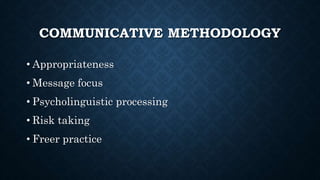
COMMUNICATIVE METHODOLOGY
• Appropriateness
• Message focus
• Psycholinguistic processing
• Risk taking
• Freer practice
I love music
I can swim
I like filmsI like reading
I like animals
Evelyn Gette, Noelia Gauna, Lucia Martin,

Communicative language teaching

  • 1.
  • 2.
    THE ORIGINS OFCLT From the late 1960s. Situational Language Teaching
  • 3.
    SITUATIONAL LANGUAGE TEACHING: •Major British approach, • English as a foreign language, • Language - practising basic structures, • Meaningful situation-based activities.
  • 4.
    Closer study ofthe language Necessity to Return to the traditional concept
  • 5.
    NOAM CHOMSKY –BRITISH LINGUIST • Language teaching on communicative proficiency • Syntactic Structures - Book
  • 6.
    THE COUNCIL OFEUROPE Develop of alternative methods
  • 7.
  • 8.
    WILKINS • Functional/communicative definitionof language • Communicative uses of language • 2 types of meaning Notional categories • Categories of communicative function • Notional Syllabuses - Book
  • 9.
    COMMUNICATIVE APPROACH • CommunicativeLanguage Teaching • (Notional functional approach / functional approach)
  • 10.
    AMERICAN /BRITISH PROPONENTS •CLT asan approach- not a method •Aims
  • 11.
    LITTLEWOOD CLT – Functionaland structural aspects of language
  • 12.
  • 13.
    JOHN FIRTH • Discourseas subject • Context for language analysis • Language – broader sociocultural context of its use.
  • 14.
    AMERICAN NATIONAL CURRICULUM COMMISSION– 1930S. •Experience Curriculum in English •Well-selected experiences
  • 15.
  • 16.
    HYMES Communicative Competence Communication Culture ContrastChomsky´s theory of competence What speakers needs to know Aquisition Knowledge Ability Language use
  • 17.
    HALLIDAY • Theory ofthe funtions of language Instructional • Description of seven funtions Regulatory Interactional Personal Heuristic Imaginative Representational
  • 18.
    CANALE AND SWAIN •Use the language for communicative purposes • Dimentions • Grammatical Competence • Sociolinguistic Competence • Discourse Competence • Strategic Competence
  • 19.
    COMMUNICATIVE VIEW OFLANGUAGE • Expression of meaning • Allow interactions and communication • Reflects funtional and communicative use • Categories of funtional and communicative meaning
  • 20.
    THEORY OF LEARNING •Elements of an underlyning learning theory • Communication Principle • Task Principle • Meaningfulness Principle
  • 21.
    KRASHEN Learning Conscious representationof grammatical knowledge Acquisition Unconscious development of the language system
  • 22.
    DESIGN Levels of objectivesin a Communicative Approach • Integration and content • Linguistic and instrumental • Affective, interpersonal, conduct • Individual learner needs • General educational/ Extra linguistic goals
  • 23.
    CURRICULUM Reflects specific aspectsof communicative competence
  • 24.
    SYLLABUS • Descriptions ofobjectives of FLC for European Adults • Situations • Topics • Functions of Language Published as Threshold • Notions Level English in 1980 • Vocabulary and Grammar
  • 25.
    TYPES OF LEARNINGAND TEACHING ACTIVITIES Functional communication activities Social interactional activities
  • 26.
    LEARNER ROLES • Negotiator •The learner should contribute as much as he gains learn in a interdependant way • Learning should be cooperative
  • 27.
    TEACHER ROLES • Facilitatethe communication process. • Act as an Independent participant within the group. • Researcher and learner.
  • 28.
    OTHER ROLES • NeedsAnalyst • Counselor Exemplifies an effective communication Tries to mesh speaker intention with hearer interpretation • Group progress manager Classroom management hours less teacher-centered Monitors, encourages and suppresses inclination to supply gaps. Assisting groups in self correction discussions.
  • 29.
    THE ROLES OFINSTRUCTIONAL MATERIALS Primary role Text-Based Materials Task-Based Materials Realia (authentic and from-life)
  • 30.
  • 31.
    1) Presentation ofa dialogue 2) Oral Practice of it 3) Questions and answers based on the dialogue topic 4) Questions and answers related to the students’ personal experiences 5) Study of a communicative expression or structure in the dialogue 6) Learner discovery of generalizations or rules underlying the functional expression or structure. 7) Oral recognition, interpretative activities. 8) Oral production activities 9) Copying of the dialogue 10)Sampling of the written homework assignment 11)Evaluation of learning
  • 32.
    DIALOGUES INTRODUCED NEWTEACHING POINTS • Teaching points are introduced in dialogue form. • Grammatical items are isolated for controlled practice. • Freer activities are provided. • Pair and group work is suggested.
  • 33.
    COMMUNICATIVE LANGUAGE TEACHING •It’s an approach. • Principles • -Learners use language to communicate • -Authentic and meaningful communication • -Fluency • -Different language skills • -Learning involves trial and error
  • 34.
    COMMUNICATIVE METHODOLOGY • Appropriateness •Message focus • Psycholinguistic processing • Risk taking • Freer practice
  • 35.
    I love music Ican swim I like filmsI like reading I like animals Evelyn Gette, Noelia Gauna, Lucia Martin,