Cost-Benefit Analysis Method
(CBAM)
Dr. Himanshu Hora
SRMS College of Engg. & Tech., Bareilly
INDIA
Outline
 What is CBAM?
 Why Need to know about it?
 Why is CBAM useful?
 When should you use it?
 How can the CBAM Unit help?
What is Cost Benefit Analysis
Method?
• CBAM is an analytical framework used to
assess the benefits and costs of policy
proposals
• CBAM focuses on economic efficiency
• It calculates the net benefits for each policy
proposal
• Takes a long-term view and incorporates all
relevant costs and benefits
Why we
need to know about CBAM?
 Recent government decisions give renewed
focus to CBAM
 Agencies need to build their capacity to use
CBAM to improve the quality of regulatory
analysis
 Greater use of CBAM expected by government
for regulatory proposals
Why is CBAM useful?
 Forces stakeholder to make scenario clear in
advance
 Allows the consideration of a range of policy
options
 Determines which policy maximizes net
benefits to the community
 Allows benefits and costs to be compared over
time
 Can show the costs and benefits accruing to
different groups within the community
When do you need to use CBAM?
 Using CBA techniques to quantify impacts is
not “new” it has always been part of the
regulatory assessment process
 However there is now a greater focus on
quantification for regulatory proposals,
particularly those with important impacts
 Agencies should devote resources to
quantification to where stakes are greater
What are the basic steps
in a CBAM?
 Specify the set of options
 Decide whose benefits and costs count
(standing)
 Identify the costs and benefits and select
measurement indicators
 Predict the impacts over the life of the
regulation
Basic steps in a CBAM
(continued…)
 Attach dollar values to impacts
 Discount future benefits and costs to obtain
present values
 Compute the net present value of each policy
alternative
 Perform sensitivity analysis
 Make a recommendation
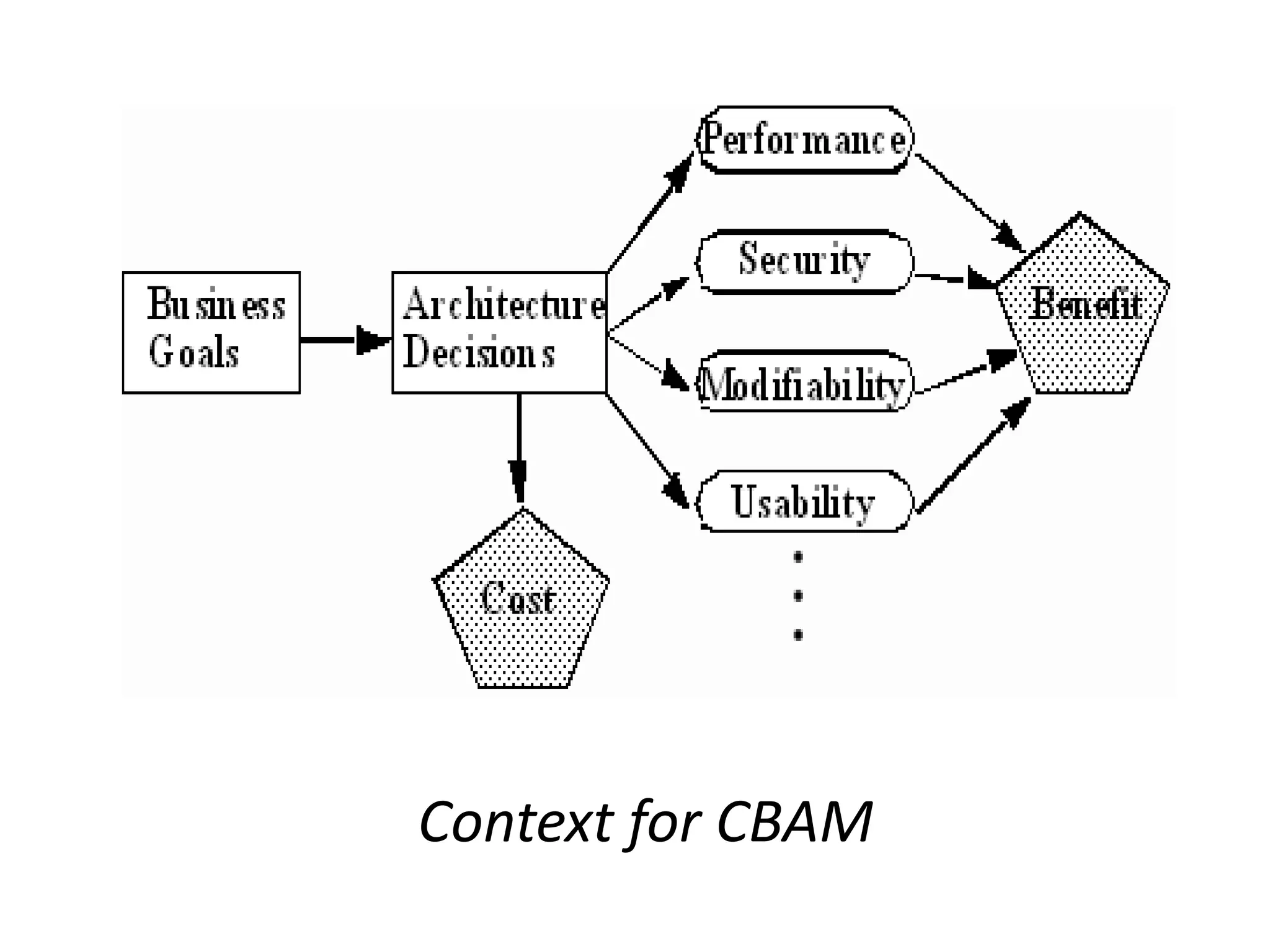
Context for CBAM
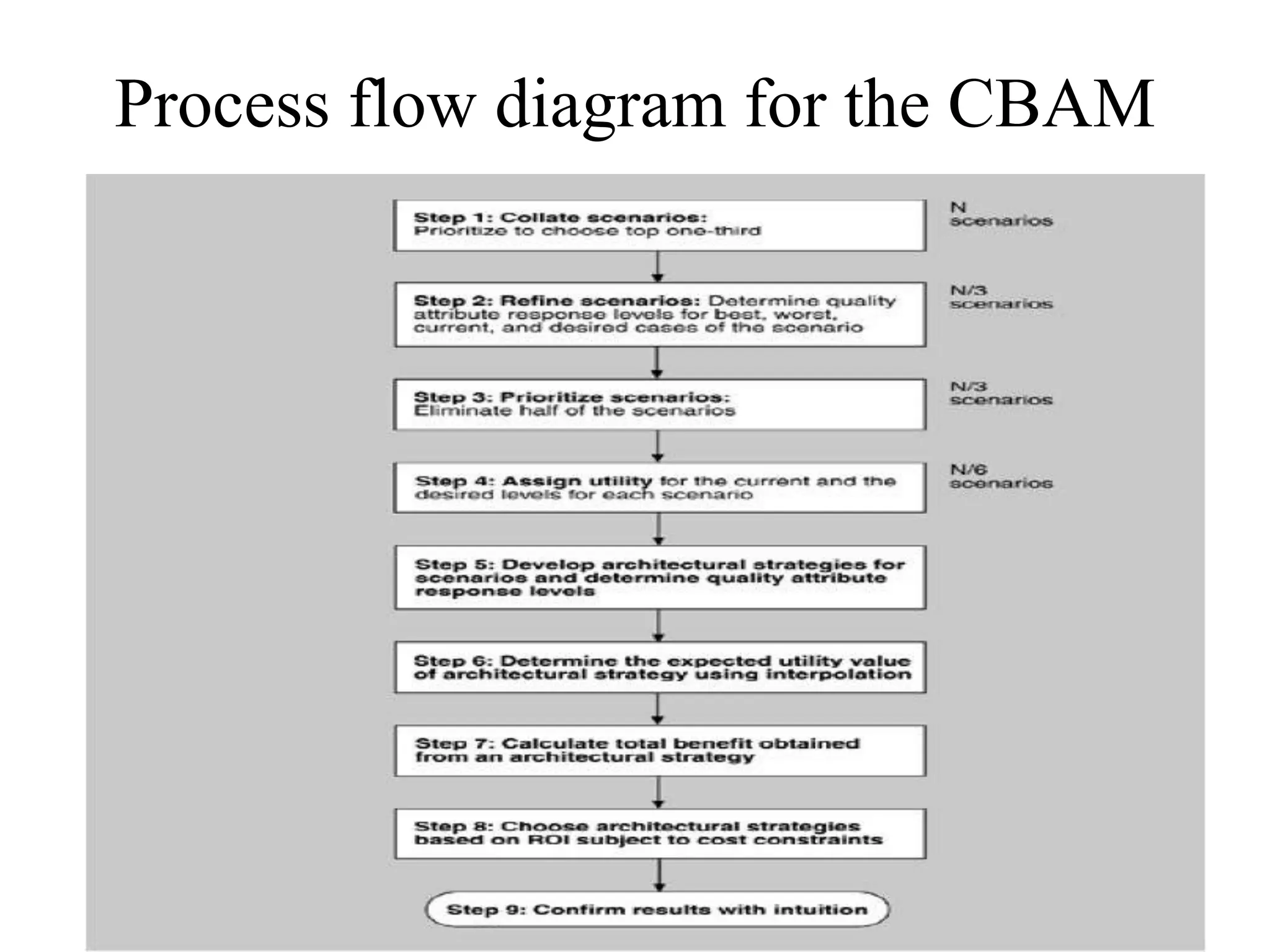
Process flow diagram for the CBAM
Qualitative impacts
present a challenge
 Qualitative factors should be adequately
considered but not overplayed
 If a proposal shows large quantified net costs
there should be a clear explanation of why
qualitative net benefits justify proceeding with
a policy option
Different techniques
can be used
 Different impacts may call for different
estimation techniques
 Will depend on the nature and complexity of
issue and availability of information
 High quality analysis may require expertise
consultants can be useful
Steps to ensuring
a good CBAM outcome
 Proper resourcing
 Getting the right skills
 Collecting high quality information
 Consulting with stakeholders
 Consulting „early‟ with the OBPR
How can the CBAM Unit help?
 Assistance on technical issues
 Advice on how to improve CBAM done in-
house or undertaken by a consultant
 Training/Workshops on CBAM
 Developing CBAM guidance material on a
„needs basis‟
 Provide examples of CBAM reports
THANK YOU
Dr. Himanshu Hora
SRMS College of Engg. & Tech., Bareilly
INDIA

Cost Benefit Analysis Method

  • 1.
    Cost-Benefit Analysis Method (CBAM) Dr.Himanshu Hora SRMS College of Engg. & Tech., Bareilly INDIA
  • 2.
    Outline  What isCBAM?  Why Need to know about it?  Why is CBAM useful?  When should you use it?  How can the CBAM Unit help?
  • 3.
    What is CostBenefit Analysis Method? • CBAM is an analytical framework used to assess the benefits and costs of policy proposals • CBAM focuses on economic efficiency • It calculates the net benefits for each policy proposal • Takes a long-term view and incorporates all relevant costs and benefits
  • 4.
    Why we need toknow about CBAM?  Recent government decisions give renewed focus to CBAM  Agencies need to build their capacity to use CBAM to improve the quality of regulatory analysis  Greater use of CBAM expected by government for regulatory proposals
  • 5.
    Why is CBAMuseful?  Forces stakeholder to make scenario clear in advance  Allows the consideration of a range of policy options  Determines which policy maximizes net benefits to the community  Allows benefits and costs to be compared over time  Can show the costs and benefits accruing to different groups within the community
  • 6.
    When do youneed to use CBAM?  Using CBA techniques to quantify impacts is not “new” it has always been part of the regulatory assessment process  However there is now a greater focus on quantification for regulatory proposals, particularly those with important impacts  Agencies should devote resources to quantification to where stakes are greater
  • 7.
    What are thebasic steps in a CBAM?  Specify the set of options  Decide whose benefits and costs count (standing)  Identify the costs and benefits and select measurement indicators  Predict the impacts over the life of the regulation
  • 8.
    Basic steps ina CBAM (continued…)  Attach dollar values to impacts  Discount future benefits and costs to obtain present values  Compute the net present value of each policy alternative  Perform sensitivity analysis  Make a recommendation
  • 9.
  • 10.
  • 11.
    Qualitative impacts present achallenge  Qualitative factors should be adequately considered but not overplayed  If a proposal shows large quantified net costs there should be a clear explanation of why qualitative net benefits justify proceeding with a policy option
  • 12.
    Different techniques can beused  Different impacts may call for different estimation techniques  Will depend on the nature and complexity of issue and availability of information  High quality analysis may require expertise consultants can be useful
  • 13.
    Steps to ensuring agood CBAM outcome  Proper resourcing  Getting the right skills  Collecting high quality information  Consulting with stakeholders  Consulting „early‟ with the OBPR
  • 14.
    How can theCBAM Unit help?  Assistance on technical issues  Advice on how to improve CBAM done in- house or undertaken by a consultant  Training/Workshops on CBAM  Developing CBAM guidance material on a „needs basis‟  Provide examples of CBAM reports
  • 15.
    THANK YOU Dr. HimanshuHora SRMS College of Engg. & Tech., Bareilly INDIA