Computer are used to gather, store, analyze
and integrate biological and genetic
information.
Bioinformatics combines computer science,
statistics, mathematics and engineering to
analyze and interpret biological data.
Bioinformatics starts over a century ago when
Geiger Mendel cross fertilize same species plants
with different colour flower.
The advancements of computing in 1960-1970’s
resulted in the basic methodology of
bioinformatics
It is in the 1990’s when the internet arrived then
the full fledged bioinformatics field was born .
 Bioinformatics is used for the insilico analysis
of biological data using mathematicians and
statistical techniques.
 Insilico analysis is a research method with
high speed and low expense but using
computer for the genomic studies.
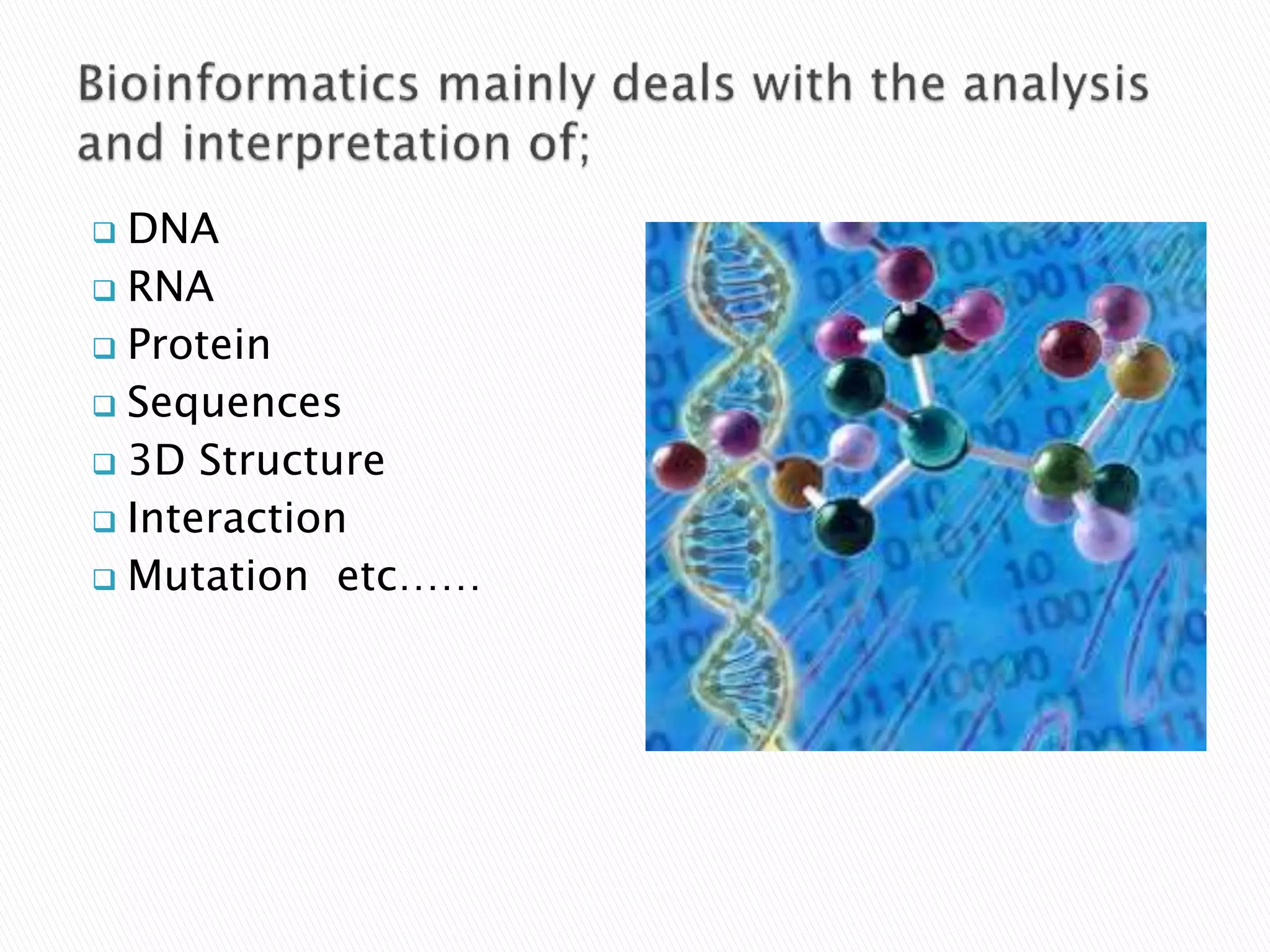
 DNA
 RNA
 Protein
 Sequences
 3D Structure
 Interaction
 Mutation etc……
Applications of bioinformatics is mainly used
in the field of,
Medicine
Microbial Genome application
Agriculture
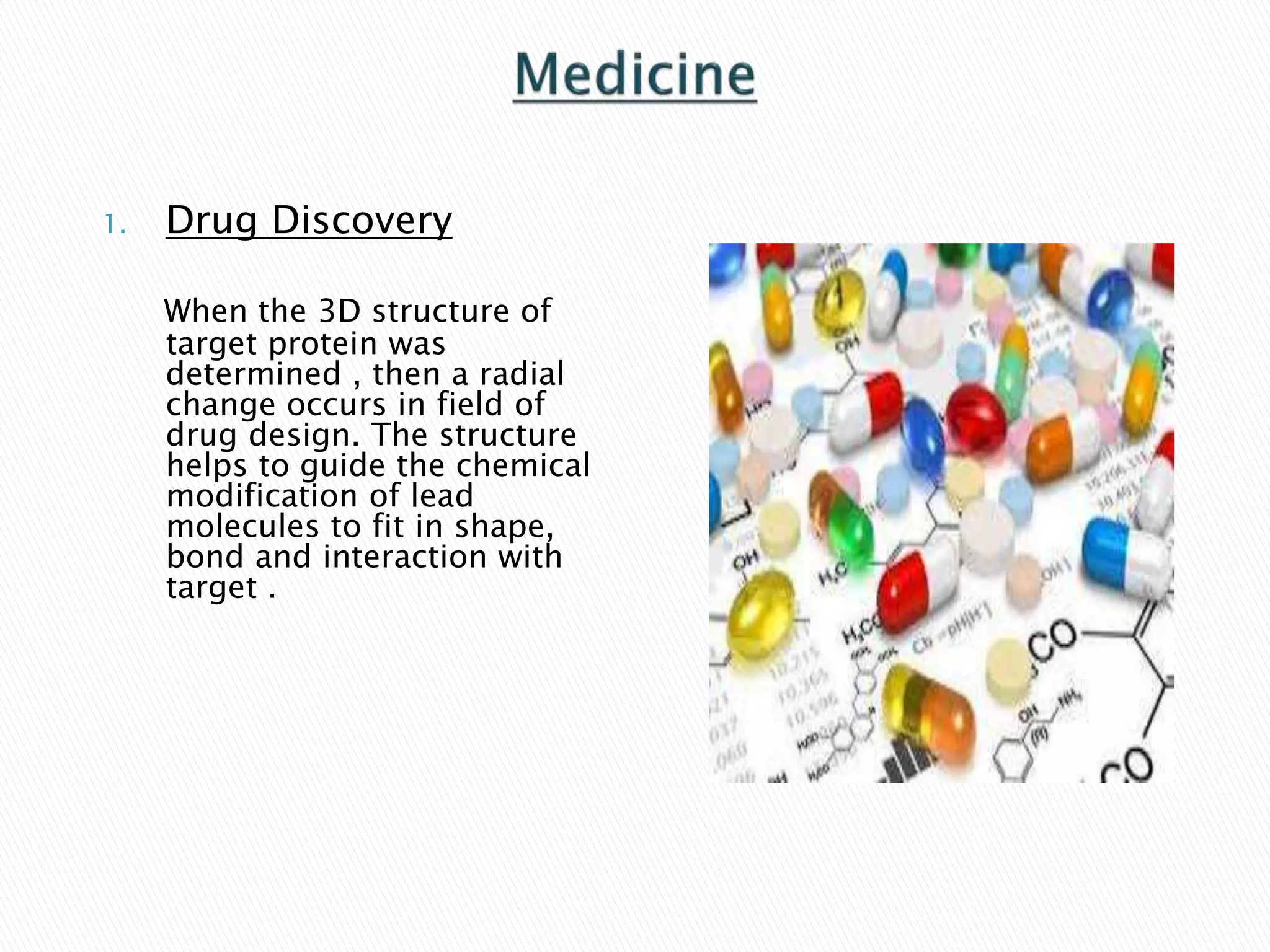
1. Drug Discovery
When the 3D structure of
target protein was
determined , then a radial
change occurs in field of
drug design. The structure
helps to guide the chemical
modification of lead
molecules to fit in shape,
bond and interaction with
target .
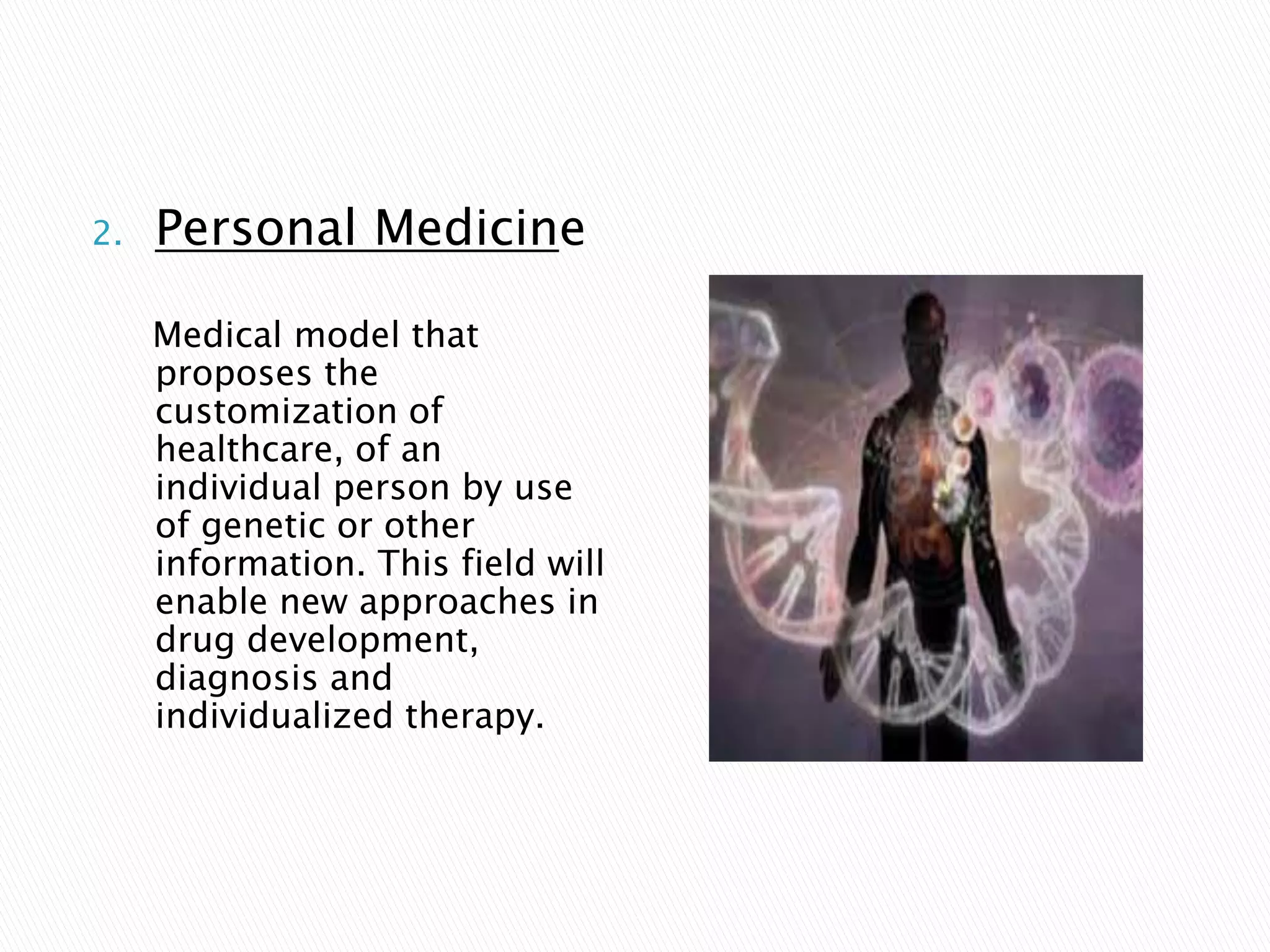
2. Personal Medicine
Medical model that
proposes the
customization of
healthcare, of an
individual person by use
of genetic or other
information. This field will
enable new approaches in
drug development,
diagnosis and
individualized therapy.
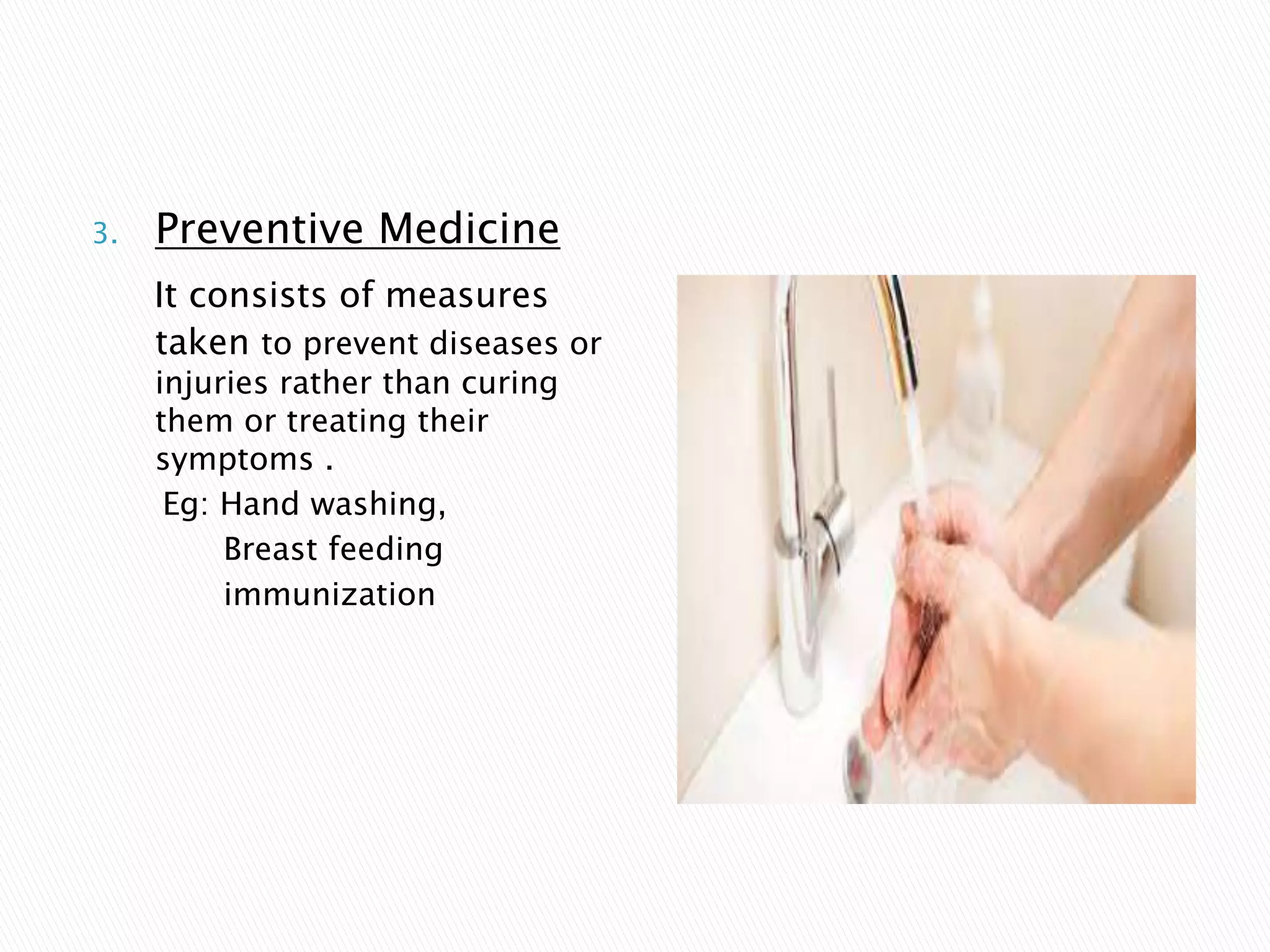
3. Preventive Medicine
It consists of measures
taken to prevent diseases or
injuries rather than curing
them or treating their
symptoms .
Eg: Hand washing,
Breast feeding
immunization
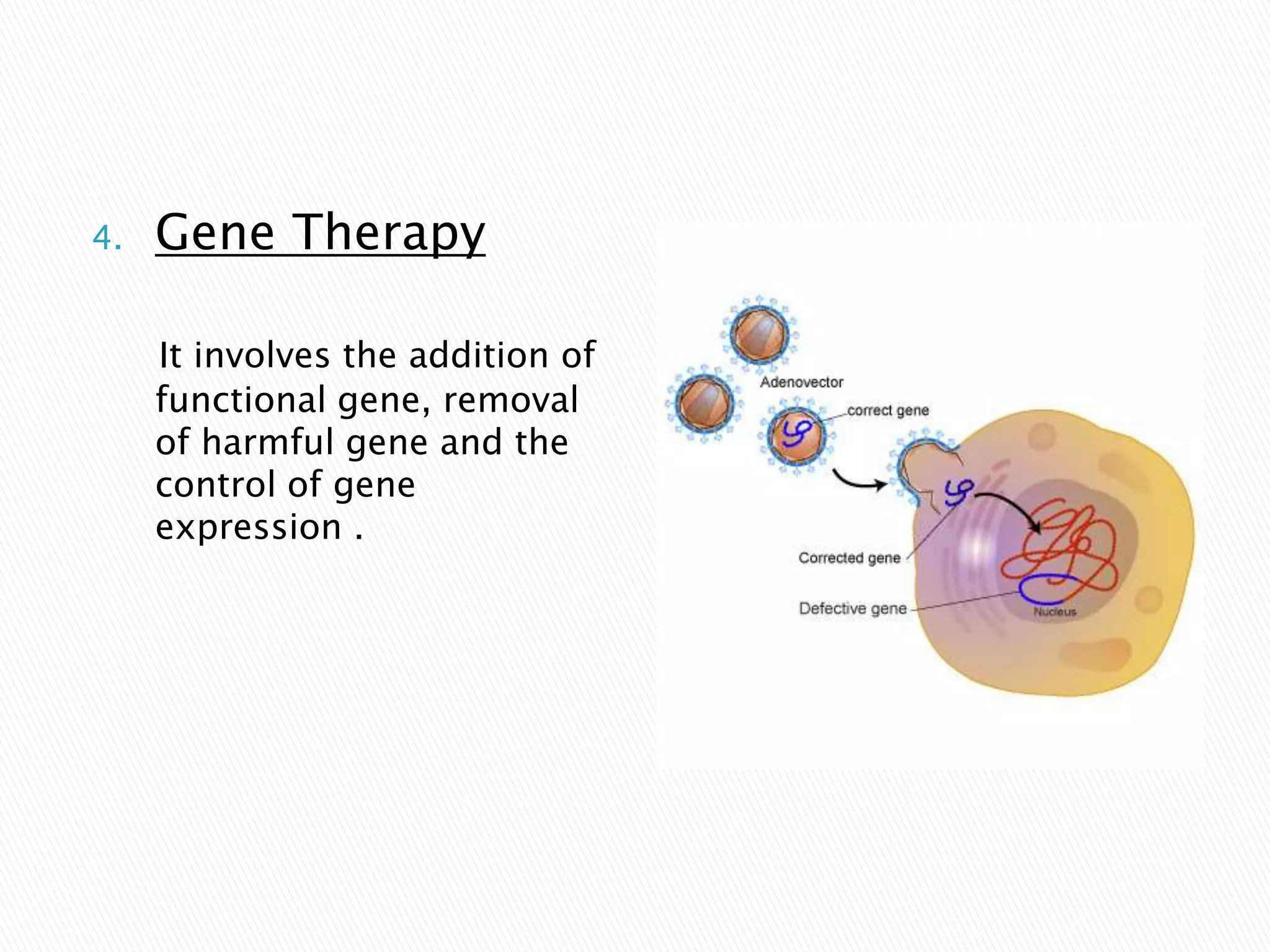
4. Gene Therapy
It involves the addition of
functional gene, removal
of harmful gene and the
control of gene
expression .
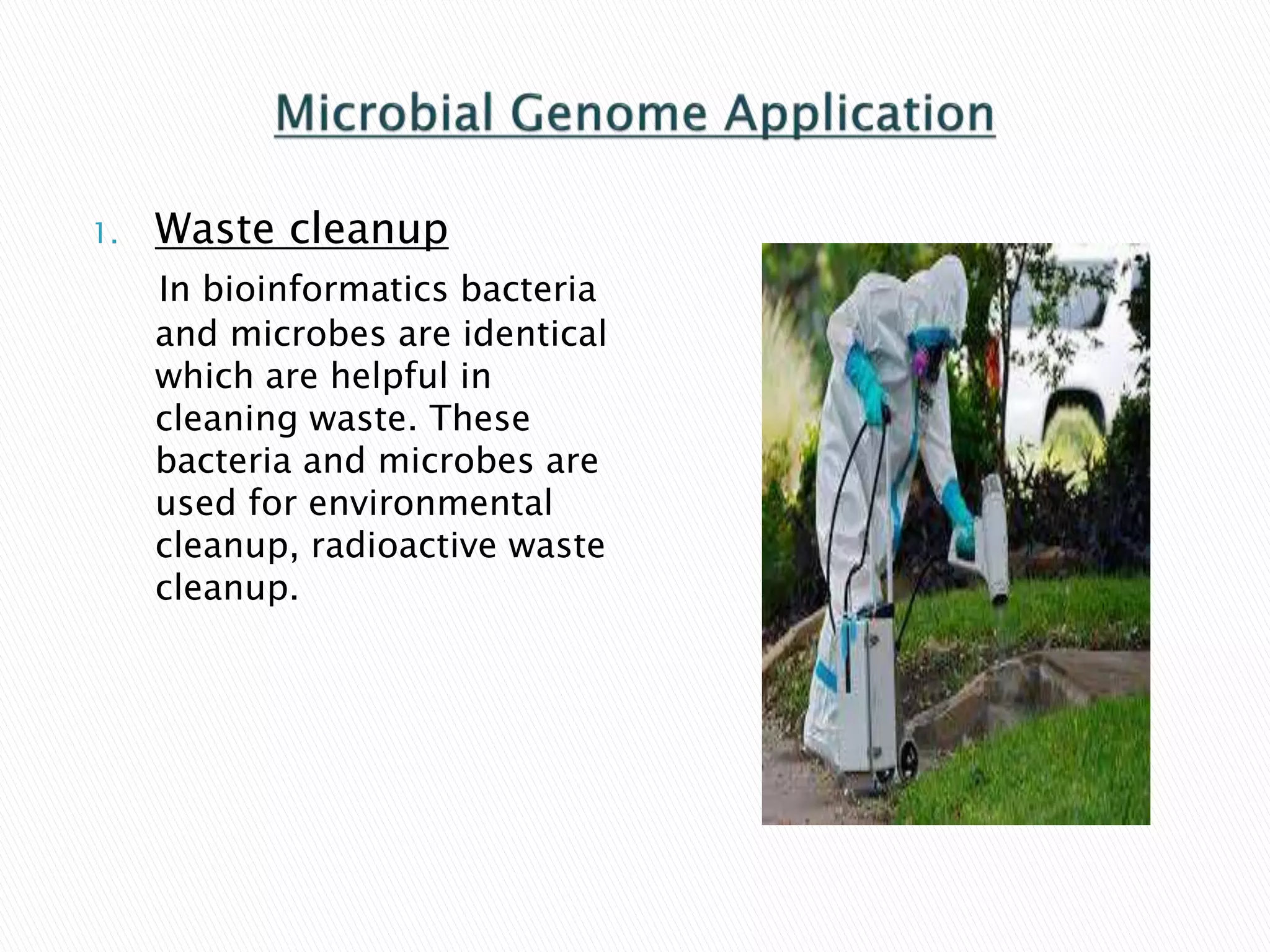
1. Waste cleanup
In bioinformatics bacteria
and microbes are identical
which are helpful in
cleaning waste. These
bacteria and microbes are
used for environmental
cleanup, radioactive waste
cleanup.
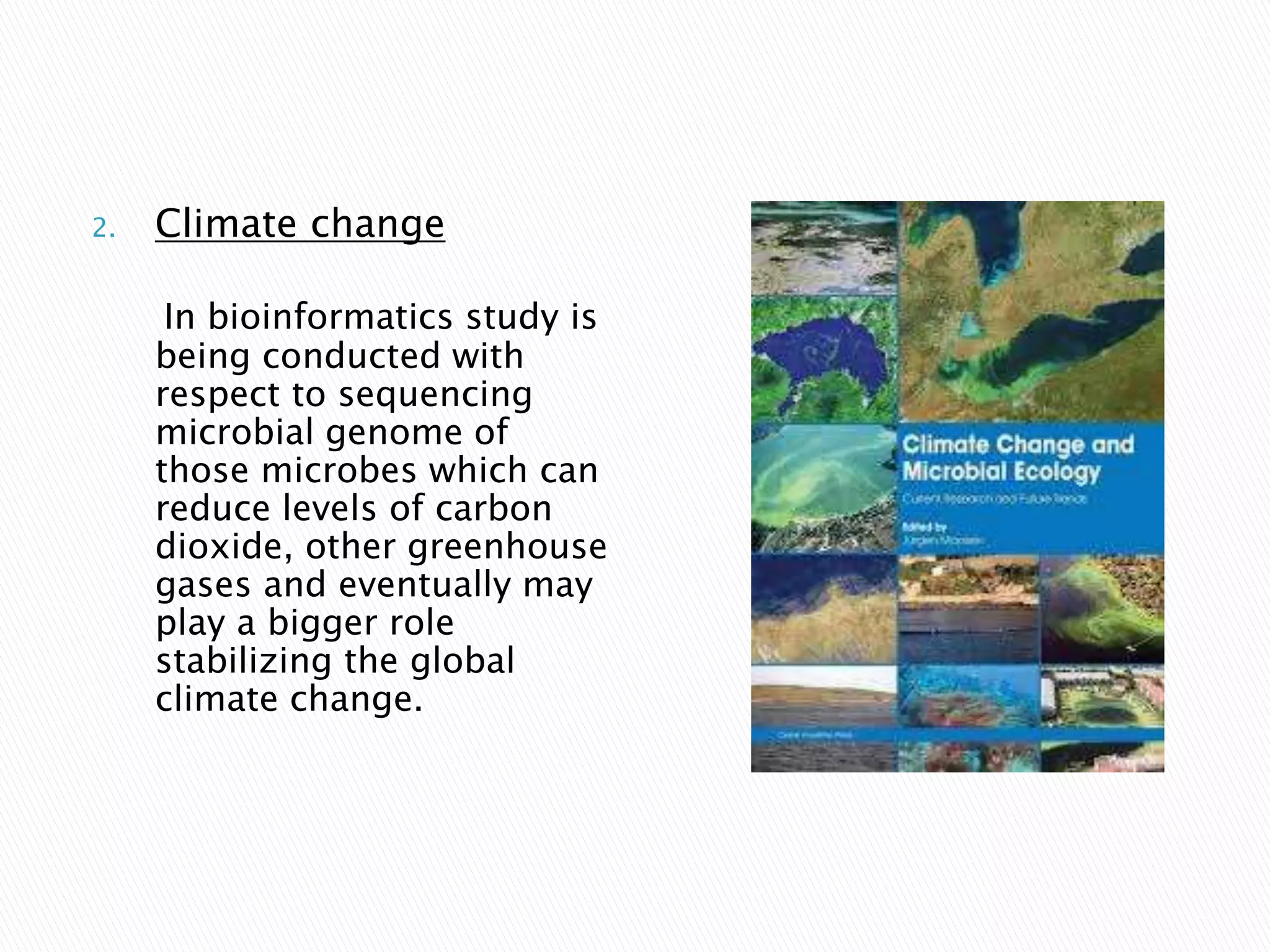
2. Climate change
In bioinformatics study is
being conducted with
respect to sequencing
microbial genome of
those microbes which can
reduce levels of carbon
dioxide, other greenhouse
gases and eventually may
play a bigger role
stabilizing the global
climate change.
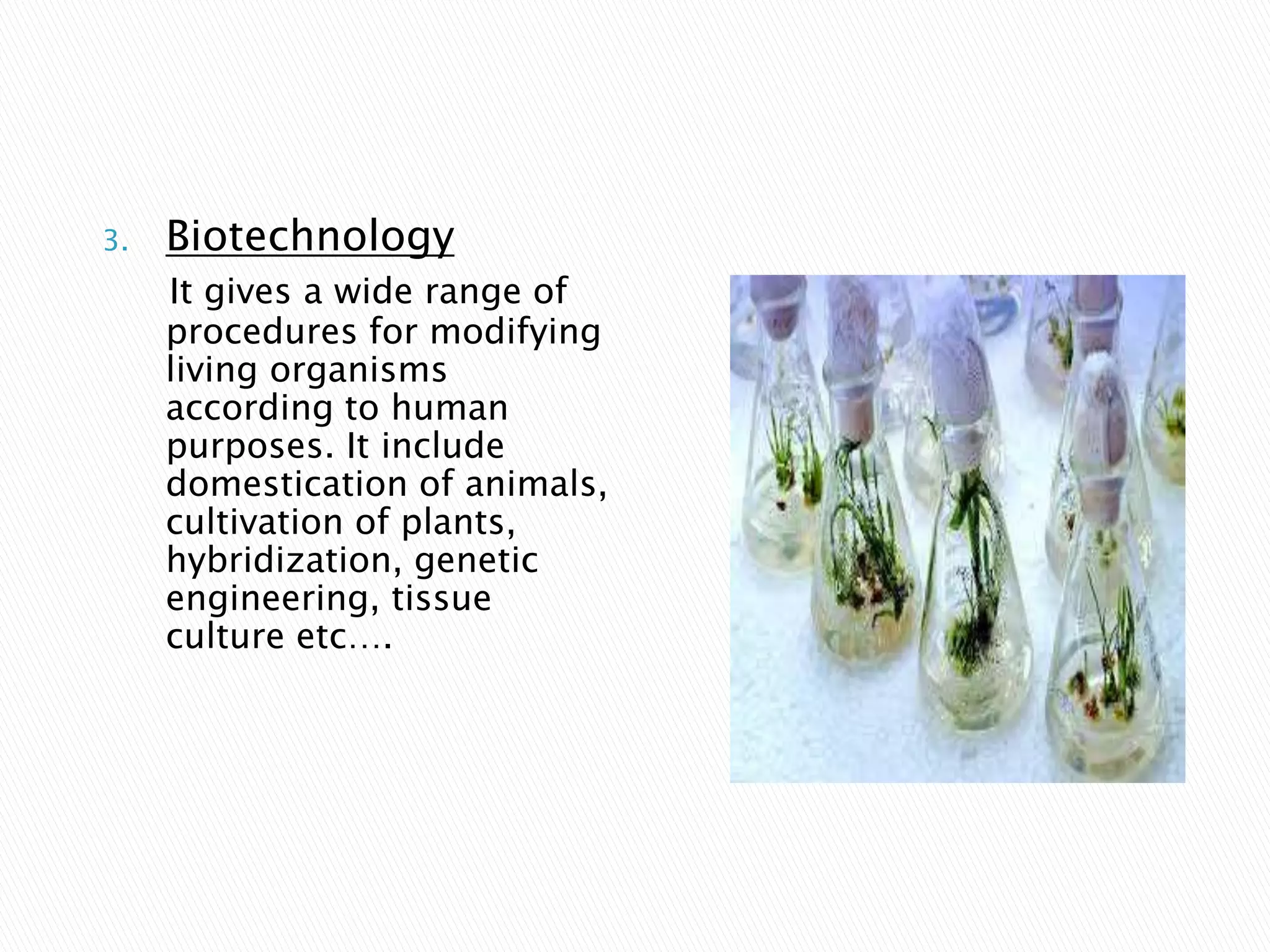
3. Biotechnology
It gives a wide range of
procedures for modifying
living organisms
according to human
purposes. It include
domestication of animals,
cultivation of plants,
hybridization, genetic
engineering, tissue
culture etc….
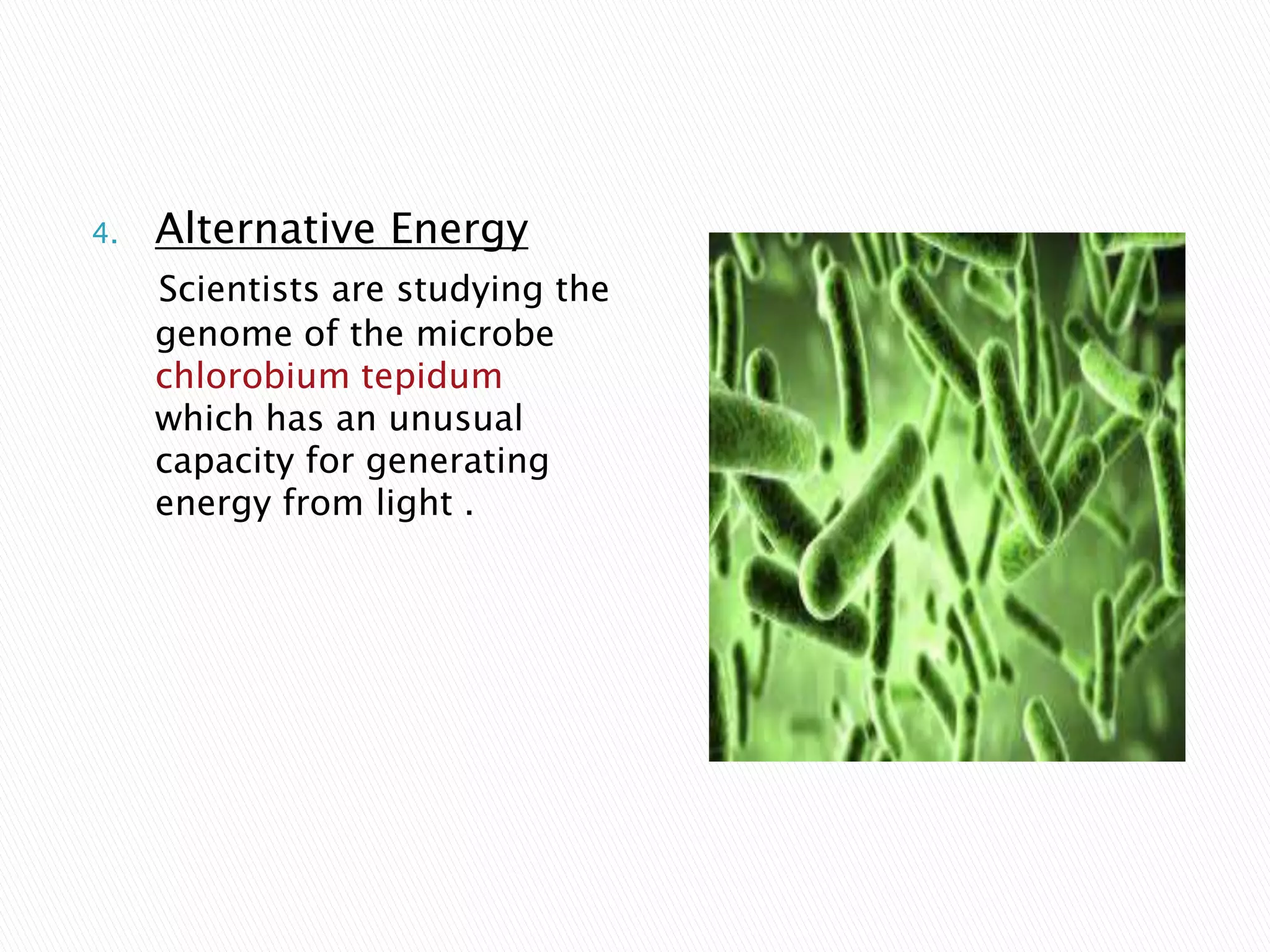
4. Alternative Energy
Scientists are studying the
genome of the microbe
chlorobium tepidum
which has an unusual
capacity for generating
energy from light .
1. Crop Improvement
Genome study helps to
develop crops with high
yield, genetic resistance
to disease, adaptive
responses, exist in
different environmental
conditions etc…
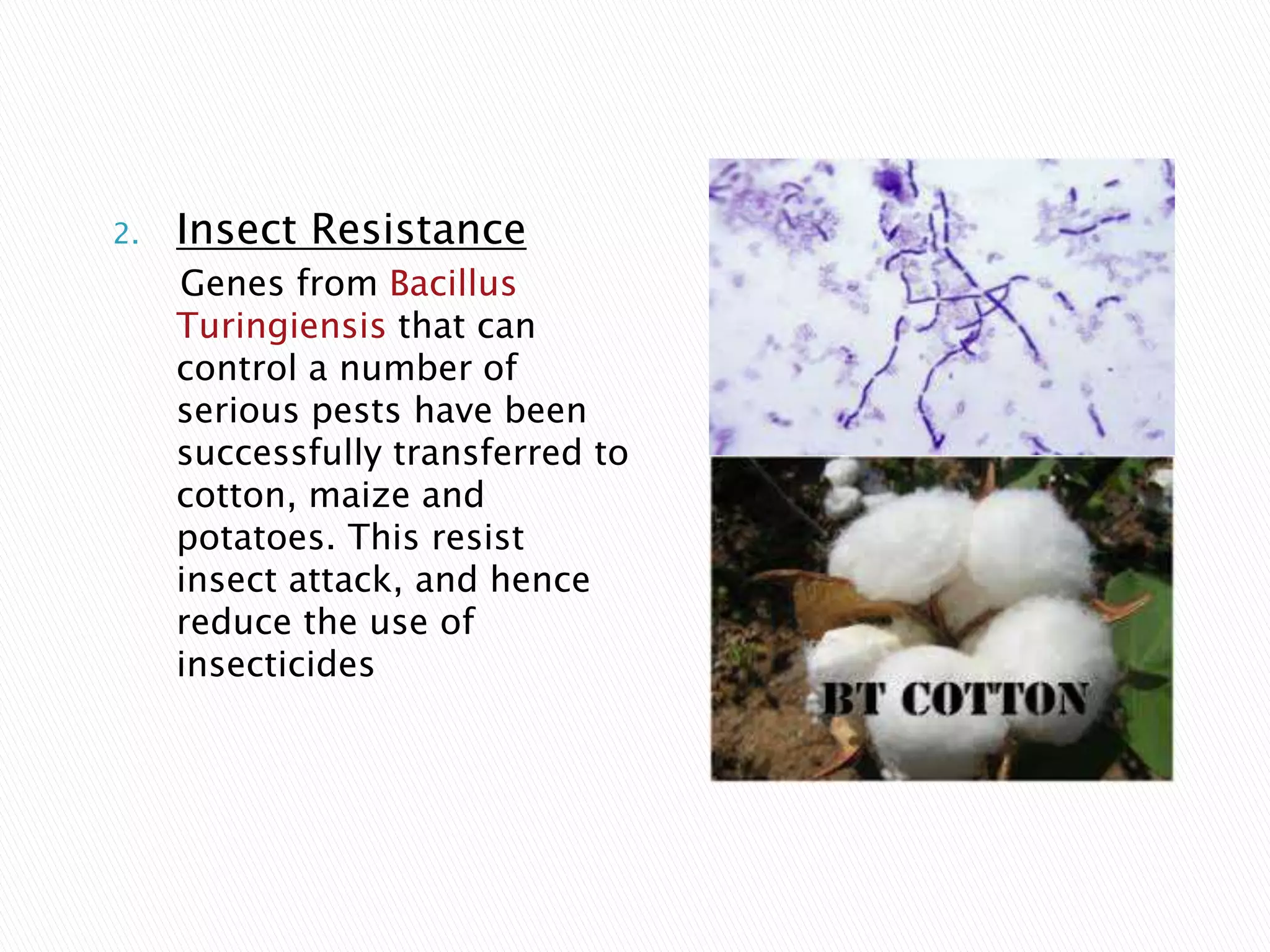
2. Insect Resistance
Genes from Bacillus
Turingiensis that can
control a number of
serious pests have been
successfully transferred to
cotton, maize and
potatoes. This resist
insect attack, and hence
reduce the use of
insecticides
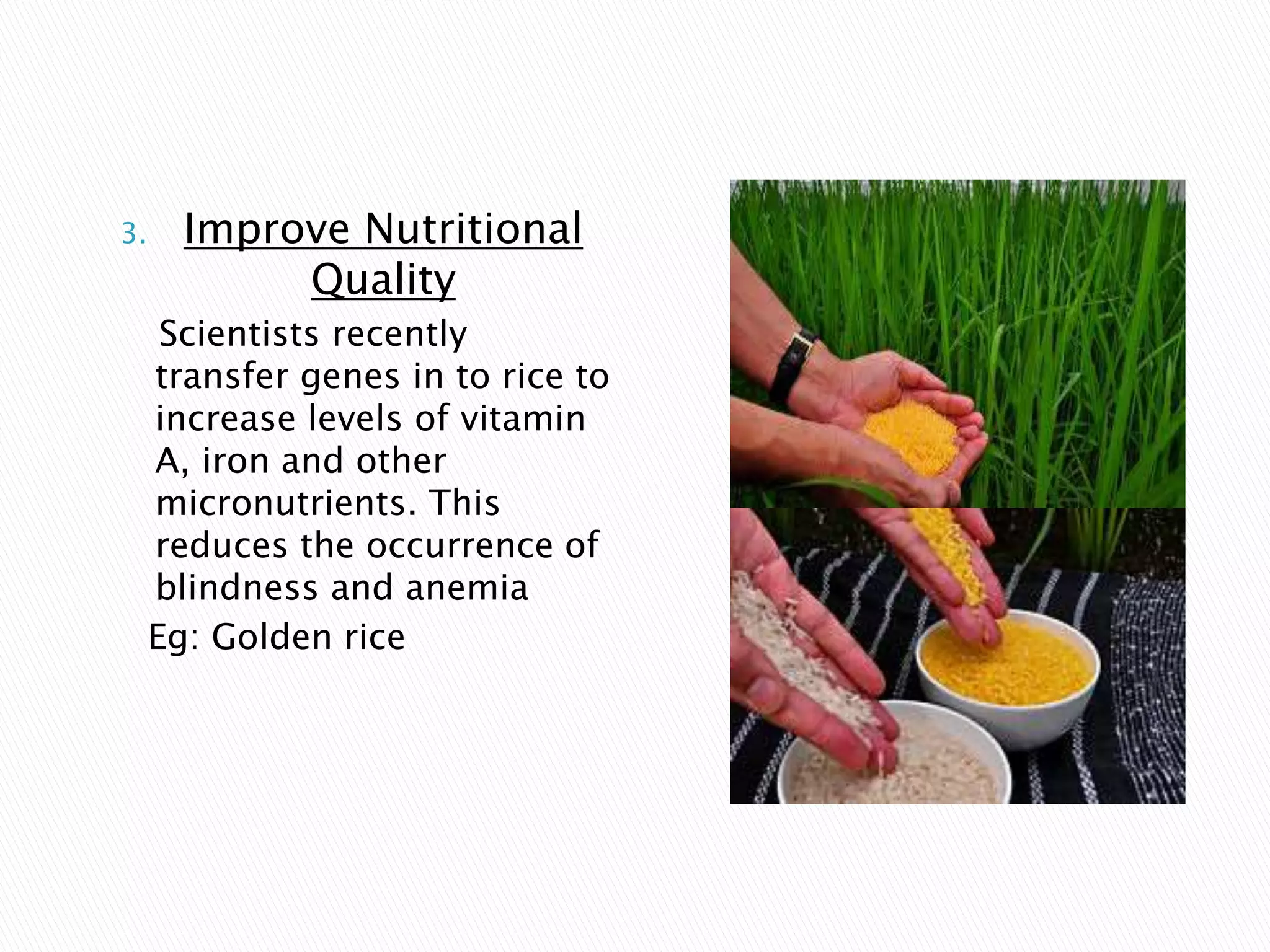
3. Improve Nutritional
Quality
Scientists recently
transfer genes in to rice to
increase levels of vitamin
A, iron and other
micronutrients. This
reduces the occurrence of
blindness and anemia
Eg: Golden rice
Bioinformatics
Bioinformatics

Bioinformatics

  • 4.
    Computer are usedto gather, store, analyze and integrate biological and genetic information. Bioinformatics combines computer science, statistics, mathematics and engineering to analyze and interpret biological data.
  • 5.
    Bioinformatics starts overa century ago when Geiger Mendel cross fertilize same species plants with different colour flower. The advancements of computing in 1960-1970’s resulted in the basic methodology of bioinformatics It is in the 1990’s when the internet arrived then the full fledged bioinformatics field was born .
  • 6.
     Bioinformatics isused for the insilico analysis of biological data using mathematicians and statistical techniques.  Insilico analysis is a research method with high speed and low expense but using computer for the genomic studies.
  • 7.
     DNA  RNA Protein  Sequences  3D Structure  Interaction  Mutation etc……
  • 8.
    Applications of bioinformaticsis mainly used in the field of, Medicine Microbial Genome application Agriculture
  • 9.
    1. Drug Discovery Whenthe 3D structure of target protein was determined , then a radial change occurs in field of drug design. The structure helps to guide the chemical modification of lead molecules to fit in shape, bond and interaction with target .
  • 10.
    2. Personal Medicine Medicalmodel that proposes the customization of healthcare, of an individual person by use of genetic or other information. This field will enable new approaches in drug development, diagnosis and individualized therapy.
  • 11.
    3. Preventive Medicine Itconsists of measures taken to prevent diseases or injuries rather than curing them or treating their symptoms . Eg: Hand washing, Breast feeding immunization
  • 12.
    4. Gene Therapy Itinvolves the addition of functional gene, removal of harmful gene and the control of gene expression .
  • 13.
    1. Waste cleanup Inbioinformatics bacteria and microbes are identical which are helpful in cleaning waste. These bacteria and microbes are used for environmental cleanup, radioactive waste cleanup.
  • 14.
    2. Climate change Inbioinformatics study is being conducted with respect to sequencing microbial genome of those microbes which can reduce levels of carbon dioxide, other greenhouse gases and eventually may play a bigger role stabilizing the global climate change.
  • 15.
    3. Biotechnology It givesa wide range of procedures for modifying living organisms according to human purposes. It include domestication of animals, cultivation of plants, hybridization, genetic engineering, tissue culture etc….
  • 16.
    4. Alternative Energy Scientistsare studying the genome of the microbe chlorobium tepidum which has an unusual capacity for generating energy from light .
  • 17.
    1. Crop Improvement Genomestudy helps to develop crops with high yield, genetic resistance to disease, adaptive responses, exist in different environmental conditions etc…
  • 18.
    2. Insect Resistance Genesfrom Bacillus Turingiensis that can control a number of serious pests have been successfully transferred to cotton, maize and potatoes. This resist insect attack, and hence reduce the use of insecticides
  • 19.
    3. Improve Nutritional Quality Scientistsrecently transfer genes in to rice to increase levels of vitamin A, iron and other micronutrients. This reduces the occurrence of blindness and anemia Eg: Golden rice