APPROACH TO COUGH
BY : Dr. Mahesh Yadav
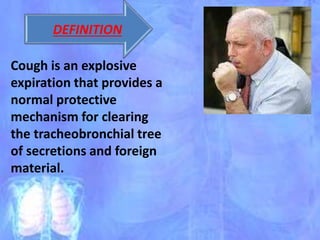
Cough is an explosive
expiration that provides a
normal protective
mechanism for clearing
the tracheobronchial tree
of secretions and foreign
material.
DEFINITION
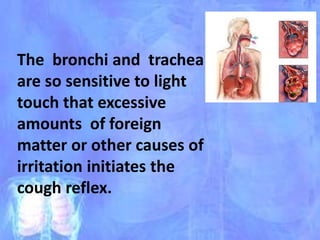
The bronchi and trachea
are so sensitive to light
touch that excessive
amounts of foreign
matter or other causes of
irritation initiates the
cough reflex.
Coughing may be initiated
either voluntarily or
reflexively
As a defensive reflex it has
both afferent and efferent
pathways
The afferent limb includes receptors
within the sensory distribution of the
trigeminal, glossopharyngeal,
superior laryngeal, and vagus nerves.
The efferent limb includes the
recurrent laryngeal nerve and the
spinal nerves.
COUGH RECEPTORS RECIDES IN
PHARYNX, PARANASAL SINUSES,
STOMACH AND EXTRA-AUDITORY
CANAL
CAUSE OF COUGH MAY BE
EXTRAPULMONARY.
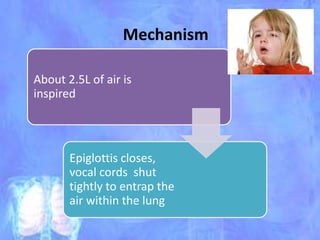
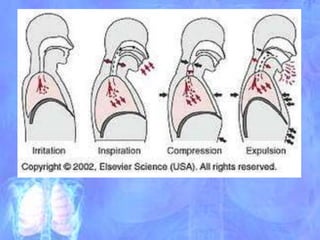
Mechanism
About 2.5L of air is
inspired
Epiglottis closes,
vocal cords shut
tightly to entrap the
air within the lung
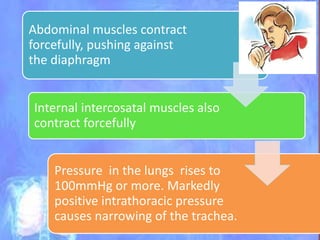
Abdominal muscles contract
forcefully, pushing against
the diaphragm
Internal intercosatal muscles also
contract forcefully
Pressure in the lungs rises to
100mmHg or more. Markedly

positive intrathoracic pressure
causes narrowing of the trachea.
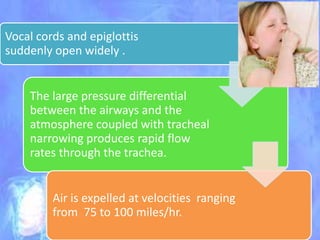
Vocal cords and epiglottis
suddenly open widely .
The large pressure differential
between the airways and the
atmosphere coupled with tracheal
narrowing produces rapid flow
rates through the trachea.
Air is expelled at velocities ranging
from 75 to 100 miles/hr.
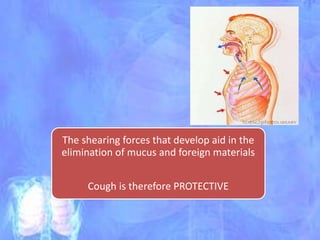
The shearing forces that develop aid in the
elimination of mucus and foreign materials
Cough is therefore PROTECTIVE
MECHANISM OF COUGH
• How Do We Cough_ - The Mechanism of
Coughing - Cough Reflex Animation - Learn
Human Body.mp4
Thus..
• Fromthe mechanism..
• Presence of significant COUGH- irritation of cough receptors..
HOW WE
NARROW
OUR
DIAGNOSIS
WHILE
APPROACH
ING
?????
STILL
THINKING
MAY BE
NEXT
SLIDES
WILL
HELP
ASK THESE
QUESTION
ONSET
PRODUCTIVE ?
CHARACTER
AND
TIMING
VARIATION
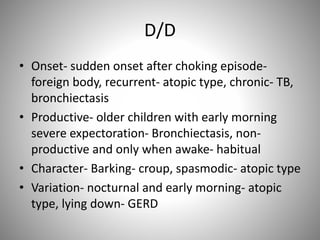
D/D
• Onset- sudden onset after choking episode-
foreign body, recurrent- atopic type, chronic- TB,
bronchiectasis
• Productive- older children with early morning
severe expectoration- Bronchiectasis, non-
productive and only when awake- habitual
• Character- Barking- croup, spasmodic- atopic type
• Variation- nocturnal and early morning- atopic
type, lying down- GERD
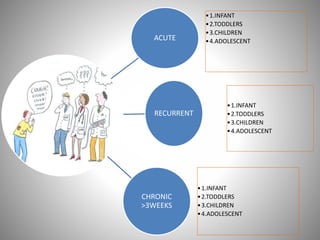
ETIOLOGY
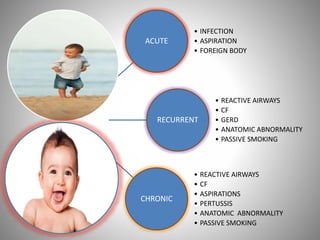
ACUTE
•1.INFANT
•2.TODDLERS
•3.CHILDREN
•4.ADOLESCENT
RECURRENT
•1.INFANT
•2.TODDLERS
•3.CHILDREN
•4.ADOLESCENT
CHRONIC
>3WEEKS
•1.INFANT
•2.TODDLERS
•3.CHILDREN
•4.ADOLESCENT
ACUTE
• INFECTION
• ASPIRATION
• FOREIGN BODY
RECURRENT
• REACTIVE AIRWAYS
• CF
• GERD
• ANATOMIC ABNORMALITY
• PASSIVE SMOKING
CHRONIC
• REACTIVE AIRWAYS
• CF
• ASPIRATIONS
• PERTUSSIS
• ANATOMIC ABNORMALITY
• PASSIVE SMOKING
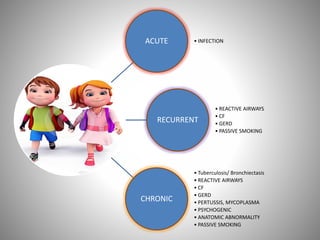
ACUTE • INFECTION
RECURRENT
• REACTIVE AIRWAYS
• CF
• GERD
• PASSIVE SMOKING
CHRONIC
• Tuberculosis/ Bronchiectasis
• REACTIVE AIRWAYS
• CF
• GERD
• PERTUSSIS, MYCOPLASMA
• PSYCHOGENIC
• ANATOMIC ABNORMALITY
• PASSIVE SMOKING
CAUTION
• Pneumonia- involves parenchyma
• Cough receptors may not be involved in the
early stages
• Hence cough may be a late feature of lobar
pneumonia- Fever with tachypnea +/-
retractions is diagnostic of pneumonia
Productive cough: significant amount of sputum;
Blood- hemoptysis; smell- putrid smell- lung
abscess
Color of sputum- no bearing on the diagnosis
Large amounts:-
a)regular coughing up-bronchiectasis
b)Single occasion-lung abscess,empyema
c)Pink frothy-Pulmonary edema
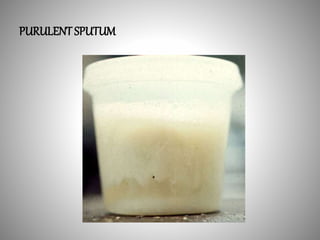
PURULENT SPUTUM
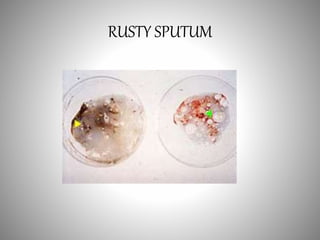
RUSTY SPUTUM
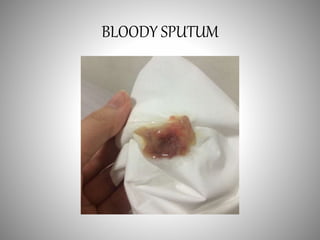
BLOODY SPUTUM
VARIATION
SEASONAL
DIURNAL
NO
VARIATION
POSTURAL
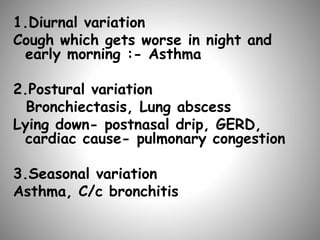
1.Diurnal variation
Cough which gets worse in night and
early morning :- Asthma
2.Postural variation
Bronchiectasis, Lung abscess
Lying down- postnasal drip, GERD,
cardiac cause- pulmonary congestion
3.Seasonal variation
Asthma, C/c bronchitis
Aggravating & Relieving factors
Cold,smoke,dust,exertion: asthma
Cough and choking on swallowing of
liquids: Neuromuscular disorders-
affects swallowing
Solids- Oesophageal motility problems
Otogenic cough: impacted wax or
foreign body in external auditory
meatus- subsides with removal of
cause
Associated symptoms
Fever: Pneumonia, lung abscess- clubbing also+
Chest pain: Pneumonia with pleuritis
Pleuritic chest pain: lateral part of chest with
associated splinting- increases on deep inspiration/
cough- Pleurisy, pleural effusion, bronchiectasis
Frequent hawking of throat, Nasal discharge, snoring,
tickling sensation in throat- Post nasal drip
Cough with associated dyspnea on exertion/
palpitations- Cardiac cause
Stridor: FB, Laryngeal nerve
involvement
Hoarseness of voice: Laryngeal
nerve involvement
Heart burn, regurgitation: GERD
NOT TO FORGET TO NOTE
.Laryngeal inflammation:-cough, hoarseness of voice,stridor
.FB:-cough,stridor,history
.WHOOP SOUND-pertussis
• ALL DAY NEVER DURING SLEEP-habit cough
INFANT WITH WHOOPING COUGH
• My Movie.wmv
BABY WITH CROUP STRIDOR BARKING COUGH
• My Movie 2.wmv
.Post nasal drip;-nasal discharge…
mucoid or mucopurulent,tickle in
throat
.GERD:-cough,heart burns,
regurgitation
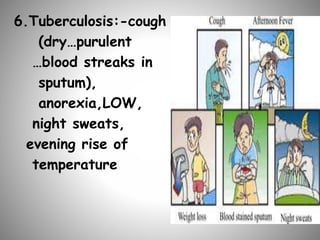
6.Tuberculosis:-cough
(dry…purulent
…blood streaks in
sputum),
anorexia,LOW,
night sweats,
evening rise of
temperature
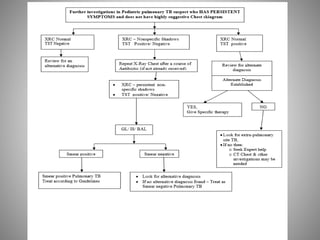
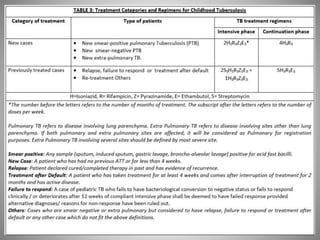
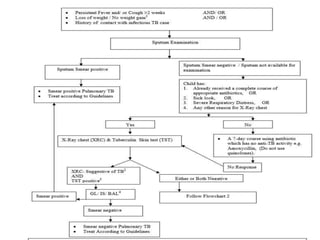
• APPROACH TO
TUBERCULOSIS
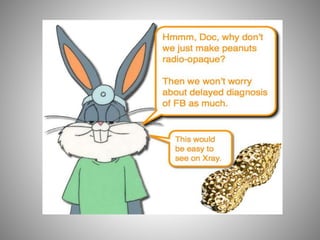
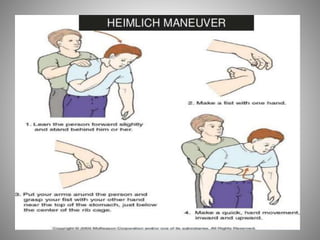
APPROACH TO FOREIGN BODY
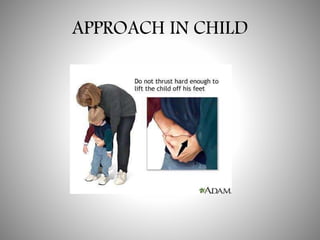
APPROACH IN CHILD
Approach to cough
Approach to cough

Approach to cough