Downloaded 125 times
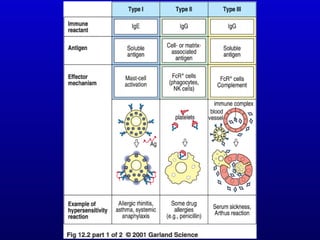
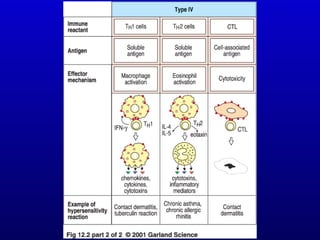
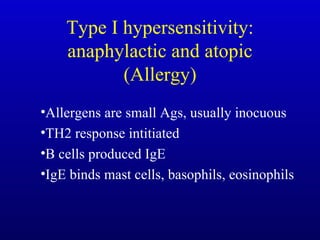
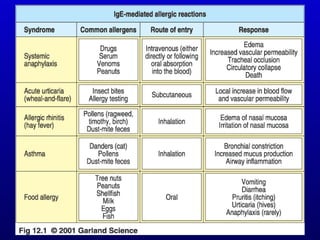
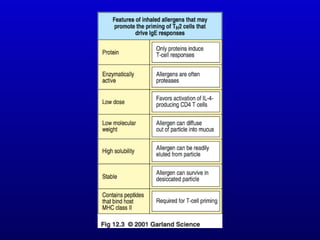
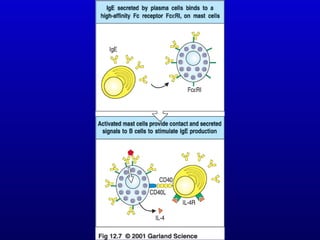
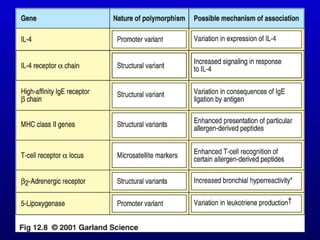
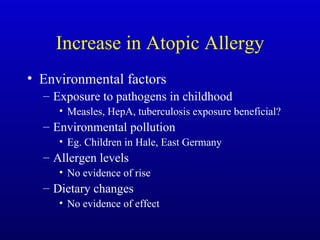
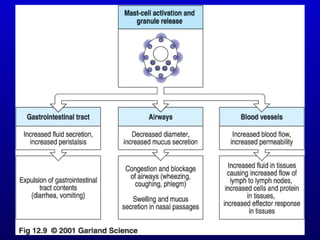
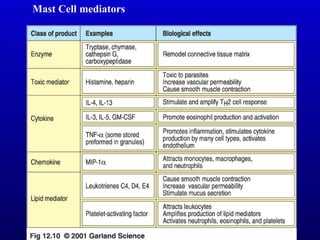
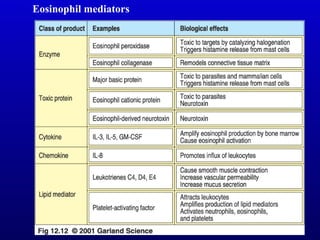
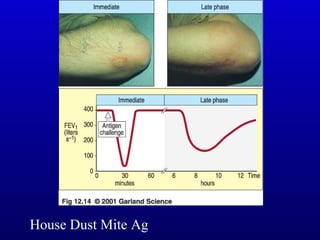
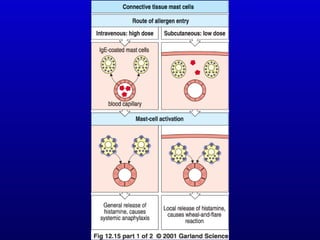
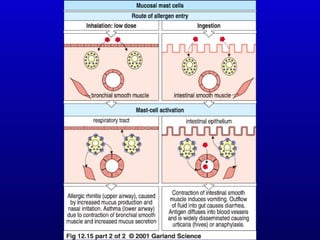
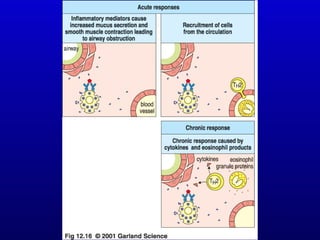
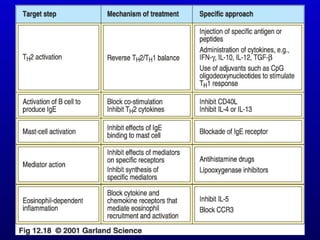
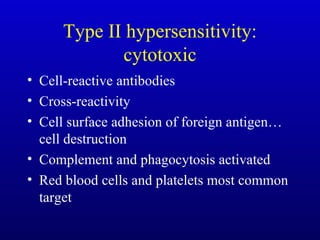
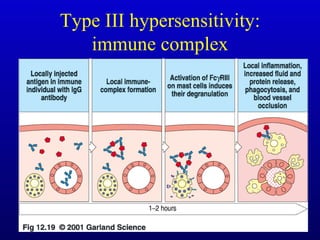
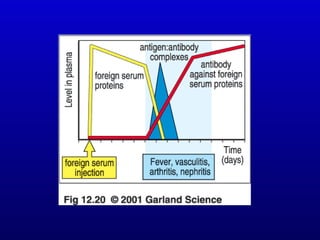
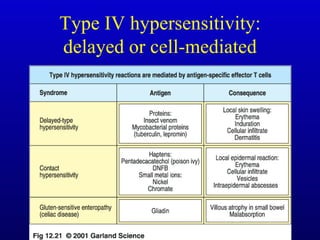
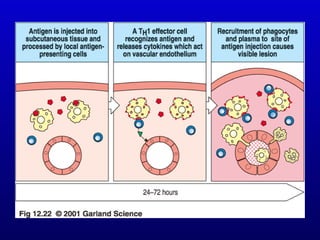
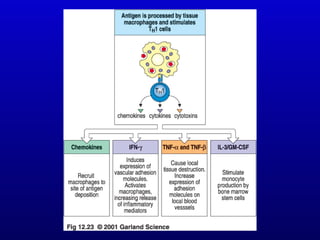
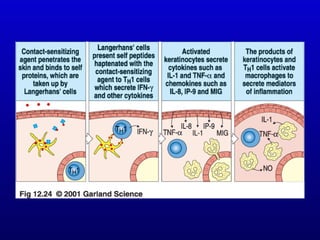
The document discusses the different types of hypersensitivity reactions and factors that influence allergies. Type I is allergy and anaphylaxis mediated by IgE antibodies. Genetic and environmental factors like exposure to pathogens, pollution, and diet changes impact allergy risk. Type II involves cytotoxic antibodies destroying cells, Type III involves immune complex deposition, and Type IV is delayed cell-mediated hypersensitivity. Mast cells, eosinophils, and house dust mites are also mentioned as playing roles in hypersensitivity reactions.


![PERI-PROSTHETIC FRACTURE NAIL-PLATE CONSTRUCT [NPC].pptx](https://cdn.slidesharecdn.com/ss_thumbnails/drarunkumardrmohamedashrafperiprostheticfrasturenail-plateconstructnpc-260209164459-7e9d15a1-thumbnail.jpg?width=640&height=640&fit=bounds)


