SHRI SHANKARACHARYA MAHAVIDYALAYA
,JUNWANI BHILAI
AIR BORNE DISEASES
Dr. Rachana Choudhary
Department of Microbiology
Shri Shankaracharya Mahavidyalaya Junwani, Bhilai
SYNOPSIS
• INTRODUCTION
• TYPES OF AIRBORNE DISEASES
VIRAL DISEASES
BACTERIAL DISEASES
FUNGAL DISEASES
• OVERVIEW OF AIR BORNE DISEASES
• TRANSMISSION
• CAUSES
• PREVENTION & TRATMENT
• REFERENCE
INTRODUCTION
•An airborne disease is any disease that is caused
by pathogens that can be transmitted through the air.
•The relevant pathogens may be viruses, bacteria, or fungi
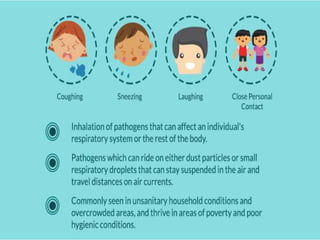
• They may be spread through breathing, talking, coughing,
sneezing, raising of dust, spraying of liquids, toilet
flushing
•Any activities which generates aerosol particles or
droplets.
•Human airborne diseases do not include conditions caused
by air pollution such as volatile organic compounds
(VOCs), gasses and any airborne particles, though their
study and prevention may help inform the science of
airborne disease transmission.
OVERVIEW
• Airborne diseases include any that are caused via transmission through
the air. Many airborne diseases are of great medical importance. The
pathogens transmitted may be any kind of microbe, and they may be
spread in aerosols, dust or liquids.
• Airborne pathogens or allergens often cause inflammation in the nose,
throat, sinuses and the lungs. This is caused by the inhalation of these
pathogens that affect a person's respiratory system or even the rest of the
body.
• Sinus congestion, coughing and sore throats are examples of
inflammation of the upper respiratory air way due to these airborne
agents. Air pollution plays a significant role in airborne diseases which
is linked to asthma.
• Airborne diseases can also affect non-humans. For example, Newcastle
disease is an avian disease that affects many types of domestic poultry
worldwide which is transmitted via airborne contamination.
OVERVIEW
• Pollutants are said to influence lung function by increasing air way
inflammation.
• Many common infections can spread by airborne transmission at
least in some cases.
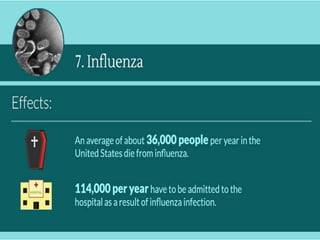
• including: Anthrax (inhalational), Chickenpox, Influenza, Measles,
Smallpox, Cryptococcosis, and Tuberculosis.
CAUSES
•An airborne disease can be caused by exposure to a
source: an infected patient or animal, by being transferred
from the infected person or animal’s mouth, nose, cut, or
needle puncture. People receive the disease through a
portal of entry: mouth, nose, cut, or needle puncture.
TYPES OF AIRBORNE DISEASES
BACTERIAL DISEASES
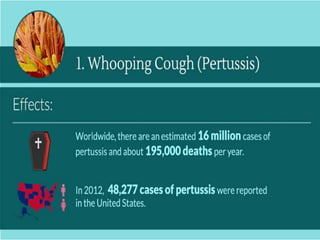
• Tuberculosis, pneumonia, whooping cough, diptheria, meningitis and anthrax are
examples of bacterial airborne diseases.
VIRAL DISEASES
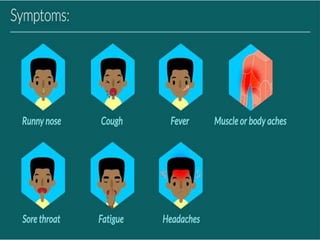
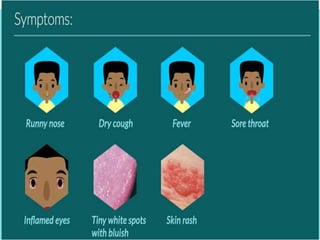
• Diseases such as the common cold, the flu, measles, mumps, rubella, fifth
disease and chickenpox are airborne diseases caused by virus. Measles, mumps
and chicken pox are usually considered childhood diseases, although they can
affect adults.
 FUNGAL DISEASES
• Fungal airborne diseases are primarily spread through the inhalation of spores.
Unlike viral and bacterial airborne diseases, fungal airborne disease are almost
entirely noncommunicable.
• Carpet and floor dusts, latex paint, moist building materials, molds, and mildews
are all sources of fungal spores.
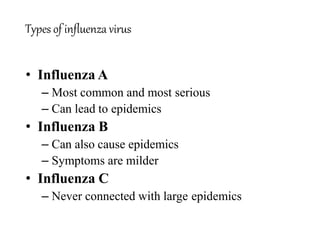
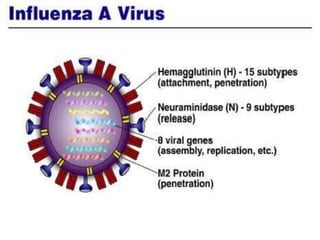
Types of influenza virus
• Influenza A
– Most common and most serious
– Can lead to epidemics
• Influenza B
– Can also cause epidemics
– Symptoms are milder
• Influenza C
– Never connected with large epidemics
What is SARS?
Center for Disease Control Definition
• SARS is a respiratory illness of unknown
etiology. It was first identified in February
2003.
• SARS was first noticed in Southeast Asia. More
than 100 cases have been reported in the United
States
• Public health experts think that SARS is spread
by close contact between people
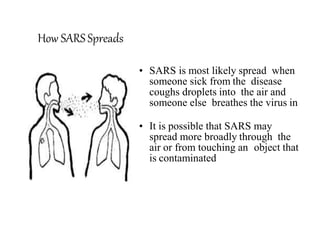
How SARS Spreads
• SARS is most likely spread when
someone sick from the disease
coughs droplets into the air and
someone else breathes the virus in
• It is possible that SARS may
spread more broadly through the
air or from touching an object that
is contaminated
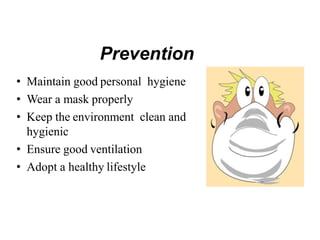
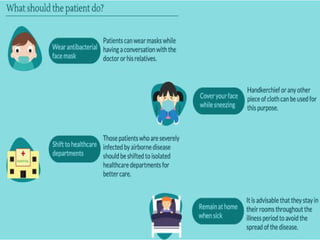
Prevention
51
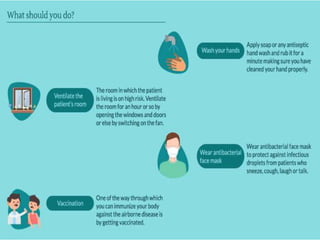
• Maintain good personal hygiene
• Wear a mask properly
• Keep the environment clean and
hygienic
• Ensure good ventilation
• Adopt a healthy lifestyle
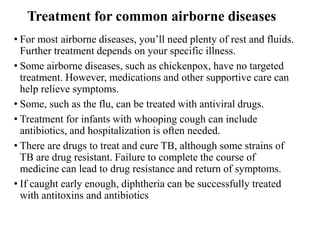
Treatment for common airborne diseases
• For most airborne diseases, you’ll need plenty of rest and fluids.
Further treatment depends on your specific illness.
• Some airborne diseases, such as chickenpox, have no targeted
treatment. However, medications and other supportive care can
help relieve symptoms.
• Some, such as the flu, can be treated with antiviral drugs.
• Treatment for infants with whooping cough can include
antibiotics, and hospitalization is often needed.
• There are drugs to treat and cure TB, although some strains of
TB are drug resistant. Failure to complete the course of
medicine can lead to drug resistance and return of symptoms.
• If caught early enough, diphtheria can be successfully treated
with antitoxins and antibiotics
REFERENCES
• Textbook of Microbiology by Ananthanarayan & Paniker’s.
• Textbook of Microbiology for nursing student by R.R. Rao.
• Textbook of Microbiology by R. C. Duby & D.K
Maheshwari.
• Textbook of Microbiology by Karen.C.Caroll.
• Textbook of Microbiology by Dr. C. P. Baveja.
Thank you

Airborne diseases

  • 1.
    SHRI SHANKARACHARYA MAHAVIDYALAYA ,JUNWANIBHILAI AIR BORNE DISEASES Dr. Rachana Choudhary Department of Microbiology Shri Shankaracharya Mahavidyalaya Junwani, Bhilai
  • 2.
    SYNOPSIS • INTRODUCTION • TYPESOF AIRBORNE DISEASES VIRAL DISEASES BACTERIAL DISEASES FUNGAL DISEASES • OVERVIEW OF AIR BORNE DISEASES • TRANSMISSION • CAUSES • PREVENTION & TRATMENT • REFERENCE
  • 3.
    INTRODUCTION •An airborne diseaseis any disease that is caused by pathogens that can be transmitted through the air. •The relevant pathogens may be viruses, bacteria, or fungi • They may be spread through breathing, talking, coughing, sneezing, raising of dust, spraying of liquids, toilet flushing •Any activities which generates aerosol particles or droplets. •Human airborne diseases do not include conditions caused by air pollution such as volatile organic compounds (VOCs), gasses and any airborne particles, though their study and prevention may help inform the science of airborne disease transmission.
  • 4.
    OVERVIEW • Airborne diseasesinclude any that are caused via transmission through the air. Many airborne diseases are of great medical importance. The pathogens transmitted may be any kind of microbe, and they may be spread in aerosols, dust or liquids. • Airborne pathogens or allergens often cause inflammation in the nose, throat, sinuses and the lungs. This is caused by the inhalation of these pathogens that affect a person's respiratory system or even the rest of the body. • Sinus congestion, coughing and sore throats are examples of inflammation of the upper respiratory air way due to these airborne agents. Air pollution plays a significant role in airborne diseases which is linked to asthma. • Airborne diseases can also affect non-humans. For example, Newcastle disease is an avian disease that affects many types of domestic poultry worldwide which is transmitted via airborne contamination.
  • 5.
    OVERVIEW • Pollutants aresaid to influence lung function by increasing air way inflammation. • Many common infections can spread by airborne transmission at least in some cases. • including: Anthrax (inhalational), Chickenpox, Influenza, Measles, Smallpox, Cryptococcosis, and Tuberculosis. CAUSES •An airborne disease can be caused by exposure to a source: an infected patient or animal, by being transferred from the infected person or animal’s mouth, nose, cut, or needle puncture. People receive the disease through a portal of entry: mouth, nose, cut, or needle puncture.
  • 6.
    TYPES OF AIRBORNEDISEASES BACTERIAL DISEASES • Tuberculosis, pneumonia, whooping cough, diptheria, meningitis and anthrax are examples of bacterial airborne diseases. VIRAL DISEASES • Diseases such as the common cold, the flu, measles, mumps, rubella, fifth disease and chickenpox are airborne diseases caused by virus. Measles, mumps and chicken pox are usually considered childhood diseases, although they can affect adults.  FUNGAL DISEASES • Fungal airborne diseases are primarily spread through the inhalation of spores. Unlike viral and bacterial airborne diseases, fungal airborne disease are almost entirely noncommunicable. • Carpet and floor dusts, latex paint, moist building materials, molds, and mildews are all sources of fungal spores.
  • 22.
    Types of influenzavirus • Influenza A – Most common and most serious – Can lead to epidemics • Influenza B – Can also cause epidemics – Symptoms are milder • Influenza C – Never connected with large epidemics
  • 28.
    What is SARS? Centerfor Disease Control Definition • SARS is a respiratory illness of unknown etiology. It was first identified in February 2003. • SARS was first noticed in Southeast Asia. More than 100 cases have been reported in the United States • Public health experts think that SARS is spread by close contact between people
  • 29.
    How SARS Spreads •SARS is most likely spread when someone sick from the disease coughs droplets into the air and someone else breathes the virus in • It is possible that SARS may spread more broadly through the air or from touching an object that is contaminated
  • 30.
    Prevention 51 • Maintain goodpersonal hygiene • Wear a mask properly • Keep the environment clean and hygienic • Ensure good ventilation • Adopt a healthy lifestyle
  • 42.
    Treatment for commonairborne diseases • For most airborne diseases, you’ll need plenty of rest and fluids. Further treatment depends on your specific illness. • Some airborne diseases, such as chickenpox, have no targeted treatment. However, medications and other supportive care can help relieve symptoms. • Some, such as the flu, can be treated with antiviral drugs. • Treatment for infants with whooping cough can include antibiotics, and hospitalization is often needed. • There are drugs to treat and cure TB, although some strains of TB are drug resistant. Failure to complete the course of medicine can lead to drug resistance and return of symptoms. • If caught early enough, diphtheria can be successfully treated with antitoxins and antibiotics
  • 43.
    REFERENCES • Textbook ofMicrobiology by Ananthanarayan & Paniker’s. • Textbook of Microbiology for nursing student by R.R. Rao. • Textbook of Microbiology by R. C. Duby & D.K Maheshwari. • Textbook of Microbiology by Karen.C.Caroll. • Textbook of Microbiology by Dr. C. P. Baveja.
  • 44.