This presentation is made possible by the support of the American People through the United
States Agency for International Development (USAID). The contents of this presentation are the sole
responsibility of Rick Rasmussen and do not necessarily reflect the views of USAID or the United
States Government.
Customer Creation
Step 3 in the
4 steps to the Epiphany
Customer Creation
• You have a product/service and are ready to expand
• Creation comes after proof of sales
• A strategy not a tactic
• Value not noise
Customer
Discovery
Customer
Validation
Customer
Creation
Company
Building
Customer Creation
• Grow customers from few to many
• Four Customer Creation activities:
– Set objectives
– Positioning
– Launch
– Demand creation
• Creation activities are different for each
of the three types of startups
Objectives • Launch model
• Sales model
Positioning
• Company/Product
positioning by PR
agency with audit
Launch • Launch/Introduce
• Launch type varies
by type of startup
Demand
Creation
• Implement demand
creation
• Depends on
type of startup
4
Customer
Creation
Customer
Validation
Customer
Discovery
Customer
Creation
Customer Creation Details
To Company
Building
Phase 1
Get Ready
Phase 2
Position Company &
Product
Phase 4
Create Demand
Phase 3
Launch Company &
Product
Phase 1: Get Ready
• Mission Statements
• Elevator pitch
• Launch Objectives
Phase 1
Get Ready
Phase 2
Position Company &
Product
Phase 4
Create Demand
Phase 3
Launch Company &
Product
Mission Statements
• A commercial mission statement consists of 3
essential components:
– Key market: who is your target client/customer? (generalize
if needed)
– Contribution: what product or service do you provide to that
client?
– Distinction: what makes your product or service unique, so
that the client would choose you?
Example Mission Statements
"To provide the fast food customer food prepared in the same high-
quality manner world-wide that has consistent taste, serving time,
and price in a low-key décor and friendly atmosphere.
– Key Market: The fast food customer world-wide
– Contribution: consistent taste and reasonably-priced food prepared in a
high-quality manner
– Distinction: delivered consistently (world-wide) in a low-key décor and
friendly atmosphere
"To provide economy and quality minded travelers with a premier,
moderate priced lodging facility which is consistently perceived as
clean, comfortable, well-maintained, and attractive, staffed by
friendly, attentive and efficient people”
– Key Market: economy and quality minded travelers
– Contribution: moderate priced lodging
– Distinction: consistently perceived as clean, comfortable, well-maintained,
and attractive, staffed by friendly, attentive and efficient people
Phase 2: Positioning • Positioning and
branding
• Collateral
– One pager
– PowerPoints
• Company
• Product(s)
– Optional video
• Launch material
– Press release
– Sales tools
Phase 1
Get Ready
Phase 2
Position Company &
Product
Phase 4
Create Demand
Phase 3
Launch Company &
Product
Customer Creation Product Positioning
Year 1
Objectives Positioning
Existing Market
•Market share •Differentiation & credibility
•Product differentiation
Re-Segmenting
Existing Market
•Market
resegmentin
•New market
share
•Segmentation & innovation
•Redefining existing market &
product differentiation
New
Market
•Market
adoption
•Vision & innovation in new
market
•Defining the new market, the
need & the solution
•Early adopters
Phase 3: Launch
• Tactical culmination
of all the strategy
• Scary and Fun
• Huge leverage but
only once
Phase 1
Get Ready
Phase 2
Position Company &
Product
Phase 4
Create Demand
Phase 3
Launch Company &
Product
Launch…
• Launching a company or a
product is akin to launching an
ICBM:
• Impossible to call back
• Its impact will have immense and
lasting consequences.
When do you “Launch”?
• When you’re ready
• When market needs a “boost”
• Competitive strategy comes in
• Leader vs. Fast Follower
Launch Tools
• Audience
• Messages
• Messengers
• Context
• Media
• Measurement
Select
Launch
Type
Select
Customer
Audiences
Select the
Messengers
Craft the
Messages
Understand
Message
Context
Understand
the Media
Measure
Success
Typical Launch Materials
Branding and Awareness
Building
Launch Event
Public Relations
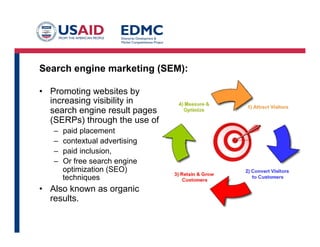
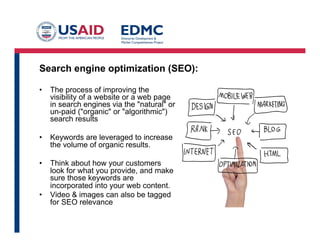
Search Engine marketing
Market Research surveys
Advertising
Lead Generation and
Qualification
Telemarketing and
Telesales
Paid Search Advertising
Whitepapers
Direct Mail
Webinars and Seminars
Trade Shows
Sales Support
PowerPoint pitches
Customer References
Sales Guides
ROI analyses
Brochures and
datasheets
Field programs
Customer Creation: Type of Launch
Year 1
Objectives
Launch
Type
Existing
Market
Market share Onslaught
Redefining
Existing
Market
Market reframing &
new market share
Education &
appropriate share
New
Market
Market adoption
Education: Push the
“Tipping Point” (when will
customers realize unmet
need)
16
Phase 4: Create Demand
• Post-launch
strategy
• Mobilize your
resources to
effectively position
and sell
• You can’t create
demand if there
isn’t any
Phase 1
Get Ready
Phase 2
Position Company &
Product
Phase 4
Create Demand
Phase 3
Launch Company &
Product
Customer Creation Summary
• Rules:
– No spending until customer validation
• Customer and Company alignment
– Match the creation strategy to the company type
– Match spending goals to year 1 objectives
• Exit Criteria
– Launched!
– Customer Creation strategy defined and underway
– Ready for Company Building

5.2 customer creation.pptx

  • 1.
    This presentation ismade possible by the support of the American People through the United States Agency for International Development (USAID). The contents of this presentation are the sole responsibility of Rick Rasmussen and do not necessarily reflect the views of USAID or the United States Government. Customer Creation Step 3 in the 4 steps to the Epiphany
  • 2.
    Customer Creation • Youhave a product/service and are ready to expand • Creation comes after proof of sales • A strategy not a tactic • Value not noise Customer Discovery Customer Validation Customer Creation Company Building
  • 3.
    Customer Creation • Growcustomers from few to many • Four Customer Creation activities: – Set objectives – Positioning – Launch – Demand creation • Creation activities are different for each of the three types of startups
  • 4.
    Objectives • Launchmodel • Sales model Positioning • Company/Product positioning by PR agency with audit Launch • Launch/Introduce • Launch type varies by type of startup Demand Creation • Implement demand creation • Depends on type of startup 4 Customer Creation Customer Validation Customer Discovery Customer Creation
  • 5.
    Customer Creation Details ToCompany Building Phase 1 Get Ready Phase 2 Position Company & Product Phase 4 Create Demand Phase 3 Launch Company & Product
  • 6.
    Phase 1: GetReady • Mission Statements • Elevator pitch • Launch Objectives Phase 1 Get Ready Phase 2 Position Company & Product Phase 4 Create Demand Phase 3 Launch Company & Product
  • 7.
    Mission Statements • Acommercial mission statement consists of 3 essential components: – Key market: who is your target client/customer? (generalize if needed) – Contribution: what product or service do you provide to that client? – Distinction: what makes your product or service unique, so that the client would choose you?
  • 8.
    Example Mission Statements "Toprovide the fast food customer food prepared in the same high- quality manner world-wide that has consistent taste, serving time, and price in a low-key décor and friendly atmosphere. – Key Market: The fast food customer world-wide – Contribution: consistent taste and reasonably-priced food prepared in a high-quality manner – Distinction: delivered consistently (world-wide) in a low-key décor and friendly atmosphere "To provide economy and quality minded travelers with a premier, moderate priced lodging facility which is consistently perceived as clean, comfortable, well-maintained, and attractive, staffed by friendly, attentive and efficient people” – Key Market: economy and quality minded travelers – Contribution: moderate priced lodging – Distinction: consistently perceived as clean, comfortable, well-maintained, and attractive, staffed by friendly, attentive and efficient people
  • 9.
    Phase 2: Positioning• Positioning and branding • Collateral – One pager – PowerPoints • Company • Product(s) – Optional video • Launch material – Press release – Sales tools Phase 1 Get Ready Phase 2 Position Company & Product Phase 4 Create Demand Phase 3 Launch Company & Product
  • 10.
    Customer Creation ProductPositioning Year 1 Objectives Positioning Existing Market •Market share •Differentiation & credibility •Product differentiation Re-Segmenting Existing Market •Market resegmentin •New market share •Segmentation & innovation •Redefining existing market & product differentiation New Market •Market adoption •Vision & innovation in new market •Defining the new market, the need & the solution •Early adopters
  • 11.
    Phase 3: Launch •Tactical culmination of all the strategy • Scary and Fun • Huge leverage but only once Phase 1 Get Ready Phase 2 Position Company & Product Phase 4 Create Demand Phase 3 Launch Company & Product
  • 12.
    Launch… • Launching acompany or a product is akin to launching an ICBM: • Impossible to call back • Its impact will have immense and lasting consequences.
  • 13.
    When do you“Launch”? • When you’re ready • When market needs a “boost” • Competitive strategy comes in • Leader vs. Fast Follower
  • 14.
    Launch Tools • Audience •Messages • Messengers • Context • Media • Measurement Select Launch Type Select Customer Audiences Select the Messengers Craft the Messages Understand Message Context Understand the Media Measure Success
  • 15.
    Typical Launch Materials Brandingand Awareness Building Launch Event Public Relations Search Engine marketing Market Research surveys Advertising Lead Generation and Qualification Telemarketing and Telesales Paid Search Advertising Whitepapers Direct Mail Webinars and Seminars Trade Shows Sales Support PowerPoint pitches Customer References Sales Guides ROI analyses Brochures and datasheets Field programs
  • 16.
    Customer Creation: Typeof Launch Year 1 Objectives Launch Type Existing Market Market share Onslaught Redefining Existing Market Market reframing & new market share Education & appropriate share New Market Market adoption Education: Push the “Tipping Point” (when will customers realize unmet need) 16
  • 17.
    Phase 4: CreateDemand • Post-launch strategy • Mobilize your resources to effectively position and sell • You can’t create demand if there isn’t any Phase 1 Get Ready Phase 2 Position Company & Product Phase 4 Create Demand Phase 3 Launch Company & Product
  • 18.
    Customer Creation Summary •Rules: – No spending until customer validation • Customer and Company alignment – Match the creation strategy to the company type – Match spending goals to year 1 objectives • Exit Criteria – Launched! – Customer Creation strategy defined and underway – Ready for Company Building