Spinal,epidural and caudal anesthesia [email_address]
HISTORY 1885 Corning - First attempt with epidural cocaine 1891 Quincke - Describes the lumbar puncture technique 1901 use of cocaine as an epidural agent for humans and dogs reported Alternative to general anesthesia 1921 Pagis - First lumbar anesthesia for surgery 1927 E.R. Frank describes use of procaine as a successful alternative 1947 Lidocaine commercially available 1949 Curbelo - First continuous lumbar analgesia with Touhy needle 1963 Bupivicaine commercially available  1979 Cousins - Epidural opioids provide analgesia 1983 Yaksh - Different spinal receptor systems mediating pain  1985  University of Kiel, Germany, Anesthesiology managed acute post-operative pain service Interest wanes as inhalant anesthesia gains favor Cousins & Bridenbaugh, 3rd Edition
Current Role Significant role in modern veterinary and human anesthesia and analgesia Important aspect of “balanced anesthesia” concept
Indications Surgery caudal to the umbilicus Up to and including thoracic limb if using morphine Peritonitis Severe pancreatitis Caudal trauma High risk anesthetic candidates Dystocia Preemptive analgesia
Contraindications Absolute Patient refusal. Localized infection at skin puncture site. Generalized sepsis (e.g., septicemia, bacteremia). Coagulopathy Increased intracranial pressure.
Contraindications Relative Localized infection peripheral to regional technique site. Hypovolemia. Central nervous system disease. Chronic back pain. Inexperience of operator
 
Segmental level required for surgery
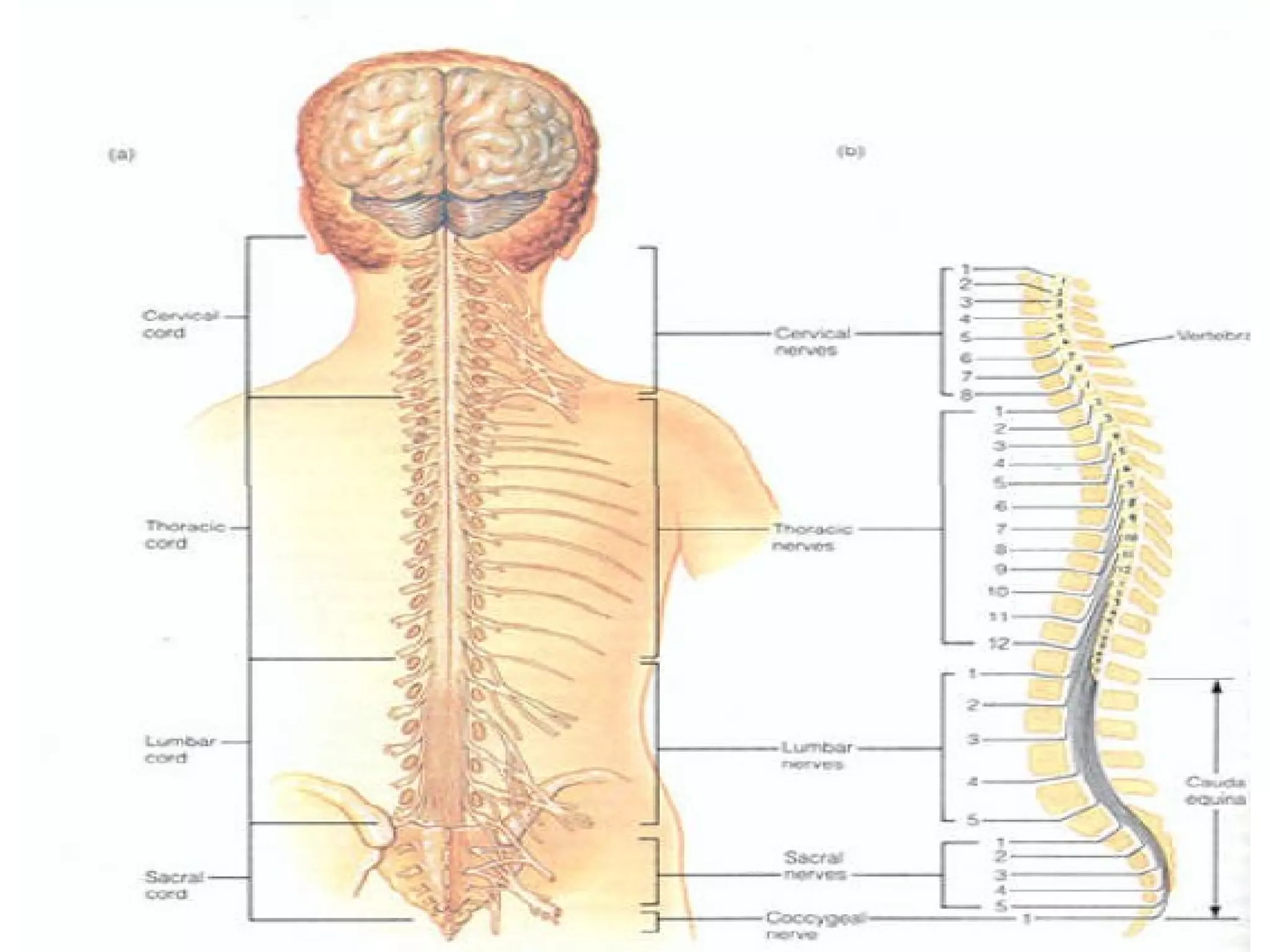
Segmental level required for surgery Operative Site  ----------------------------- Level Lower extremities  T-12 Hip  T-10 Vagina, uterus  T-10 Bladder, prostate  T-10 Lower extremities with tourniquet  T-8 Testis, ovaries  T-8 Lower intraabdominal  T-6 Other intraabdominal  T-4


Local Anesthetics Aminoamide-linked drugs :  Bupivicaine, lidocaine Aminoester-linked drugs :  procaine , tetracaine Agents reversibly bind to neuronal voltage-gated sodium channels and block nerve impulse conduction Affect segmental nerve roots Individual pharmacodynamics of agents depend on lipid solubility, dissociation constant, protein-binding characteristics
Local Anesthetics Effects based on myelination and size Smaller sensory and ANS fibers affected 1 st   Sensation disappears in following order: Pain Cold Warmth Touch Joint Deep pressure Recovery in reverse order
Local Anesthetics surface anaesthesia ——tetracaine infiltration anaesthesia ——procaine, lidcaine etidocaine,  ropivacaine,  conduction anaesthesia ——lidcaine, procaine,  bupivacaine , etidocaine spinal(subarachnoidal)  anaesthesia——lidcaine,  tetracaine, procaine epidural anaesthesia  ——lidcaine, tetracaine, procaine,  bupivacaine ,ropivacaine, etidocaine


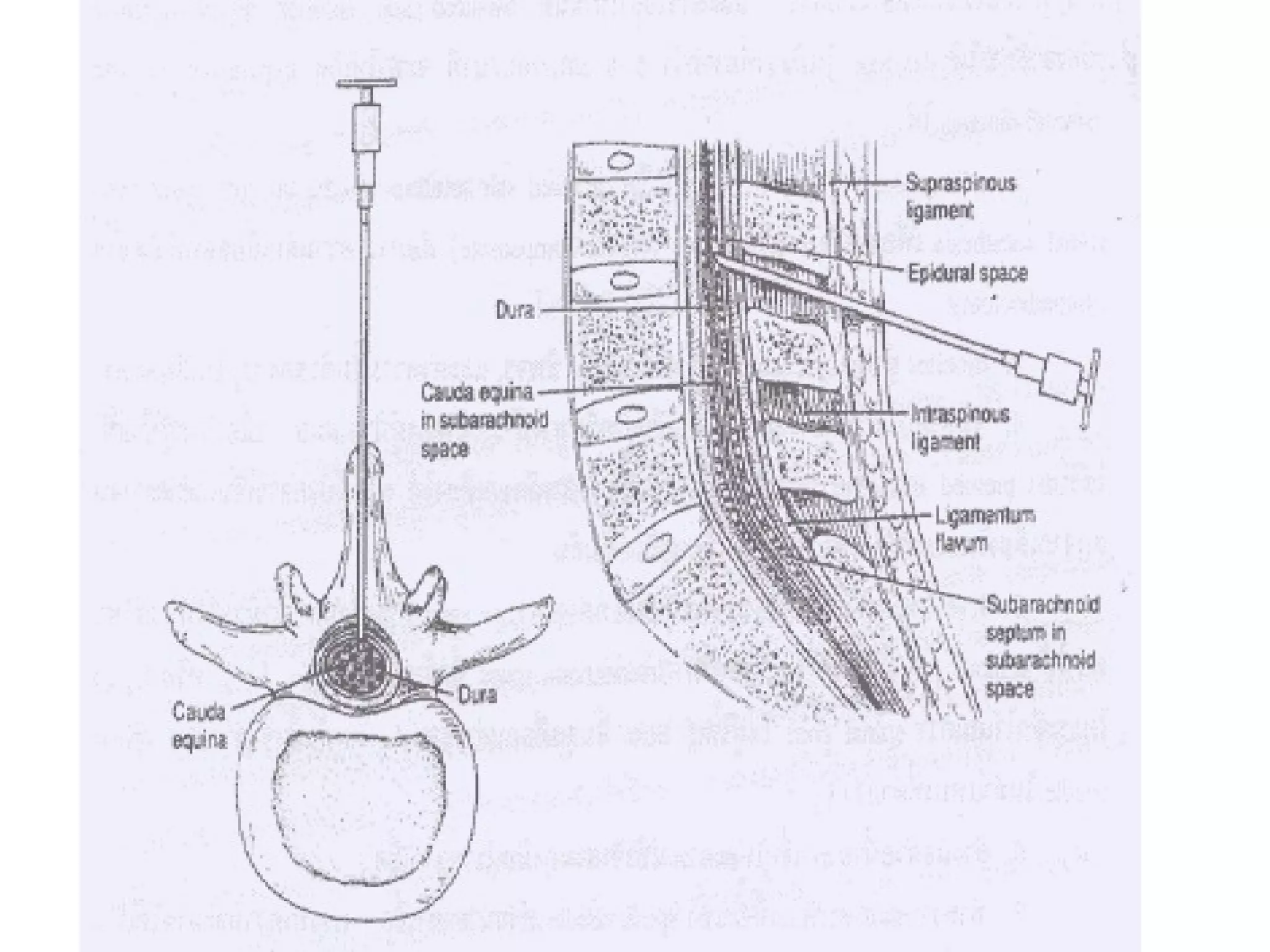
Spinal anesthesia Spinal anesthesia  involves administering local anesthetic into the subarachnoid space. The spinal canal  extends from the foramen magnum to the sacral hiatus. The boundaries of the bony canal are the vertebral body anteriorly, the pedicles laterally, and the spinous processes and laminae posteriorly
Spinal anesthesia Three interlaminar ligaments supraspinous ligament interspinous ligament ligamentum flavum
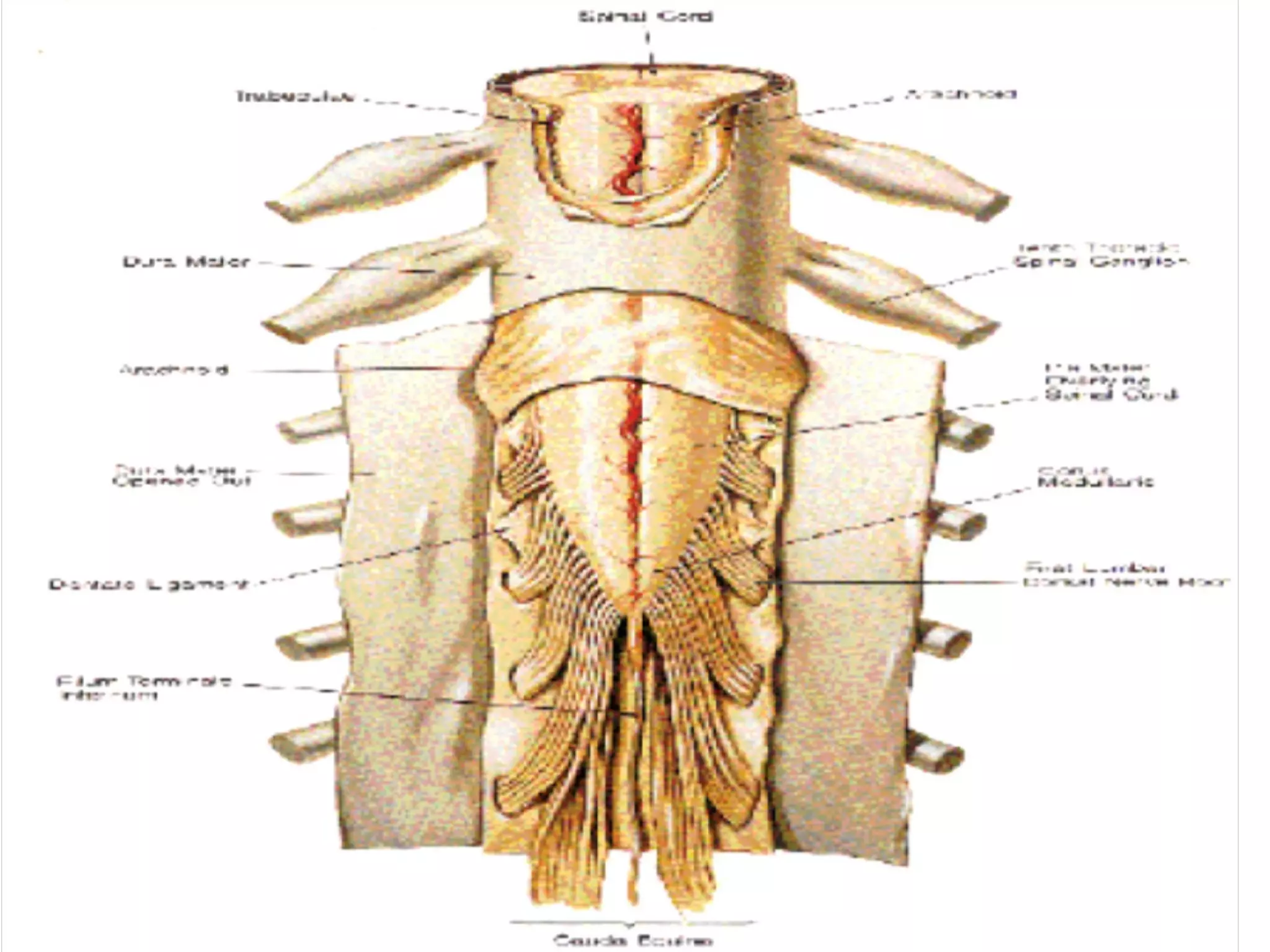
Spinal anesthesia The spinal cord is invested in three  meninges The  pia mater The  dura mater The  arachnoid
Spinal anesthesia subarachnoid space   Extends from the attachment of the dura at  S-2 to the cerebral ventricles above.  The space contains the spinal cord,  nerves, cerebrospinal fluid (CSF),  and blood vessels that supply the cord.
Spinal anesthesia Physiological changes Neural blockade Cardiovascular. Hypotension   Respiratory Visceral effects Neuroendocrine Thermoregulation Central nervous system effects
Spinal anesthesia Determinants of spread  Major factors   Baricity of solution   Position of patients (except isobaric solution)   Dose and volume of drug injected (except isobaric)  Minor factors   Level of injection   Speed of injection/barbotage   Size of needle   Physical status of patients   Intra-abdominal pressure Determinants of duration  Drug used  Dose injected  Presence of vasoconstrictors  Total spread of blockade
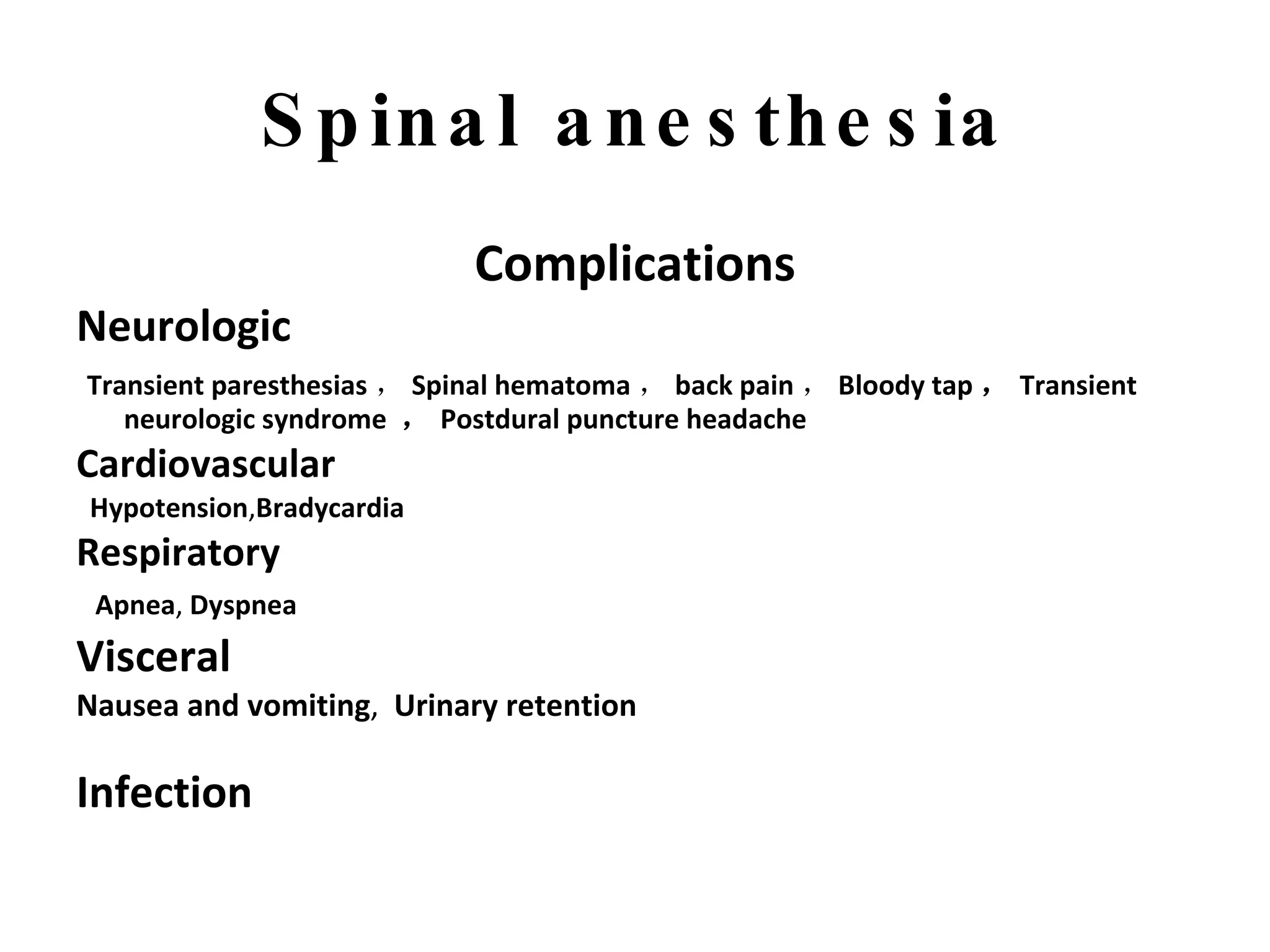
Spinal anesthesia Complications Neurologic Transient paresthesias , Spinal hematoma , back pain , Bloody tap , Transient neurologic syndrome  , Postdural puncture headache   Cardiovascular Hypotension , Bradycardia Respiratory Apnea ,  Dyspnea Visceral Nausea and vomiting ,  Urinary retention Infection
Spinal anesthesia 16ga=1.191mm 18ga=1.024mm 20ga=0.812mm
Epidural anesthesia Needle selection Shorter bevels Steel stylet Longer length Duller tip Correct placement of needle Hanging drop technique Air leakage Loss of resistance Whoosh test
Epidural anesthesia Epidural anesthesia   is achieved by introducing local anesthetics into the epidural space Physiology Neural blockade Cardiovascular Respiratory Coagulation Gastrointestinal
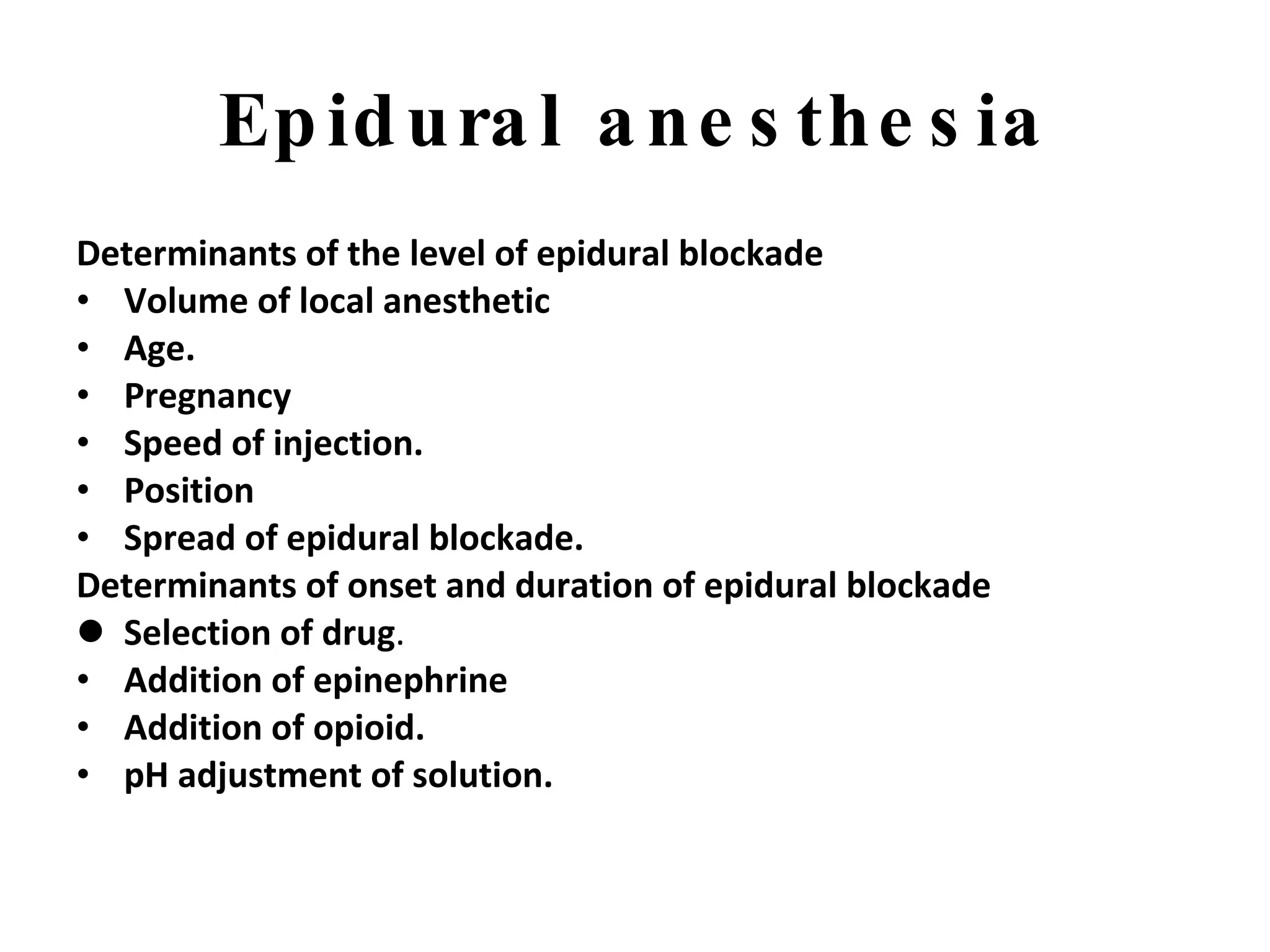
Epidural anesthesia Determinants of the level of epidural blockade Volume of local anesthetic Age.   Pregnancy Speed of injection. Position Spread of epidural blockade. Determinants of onset and duration of epidural blockade Selection of drug . Addition of epinephrine Addition of opioid.   pH adjustment of solution.
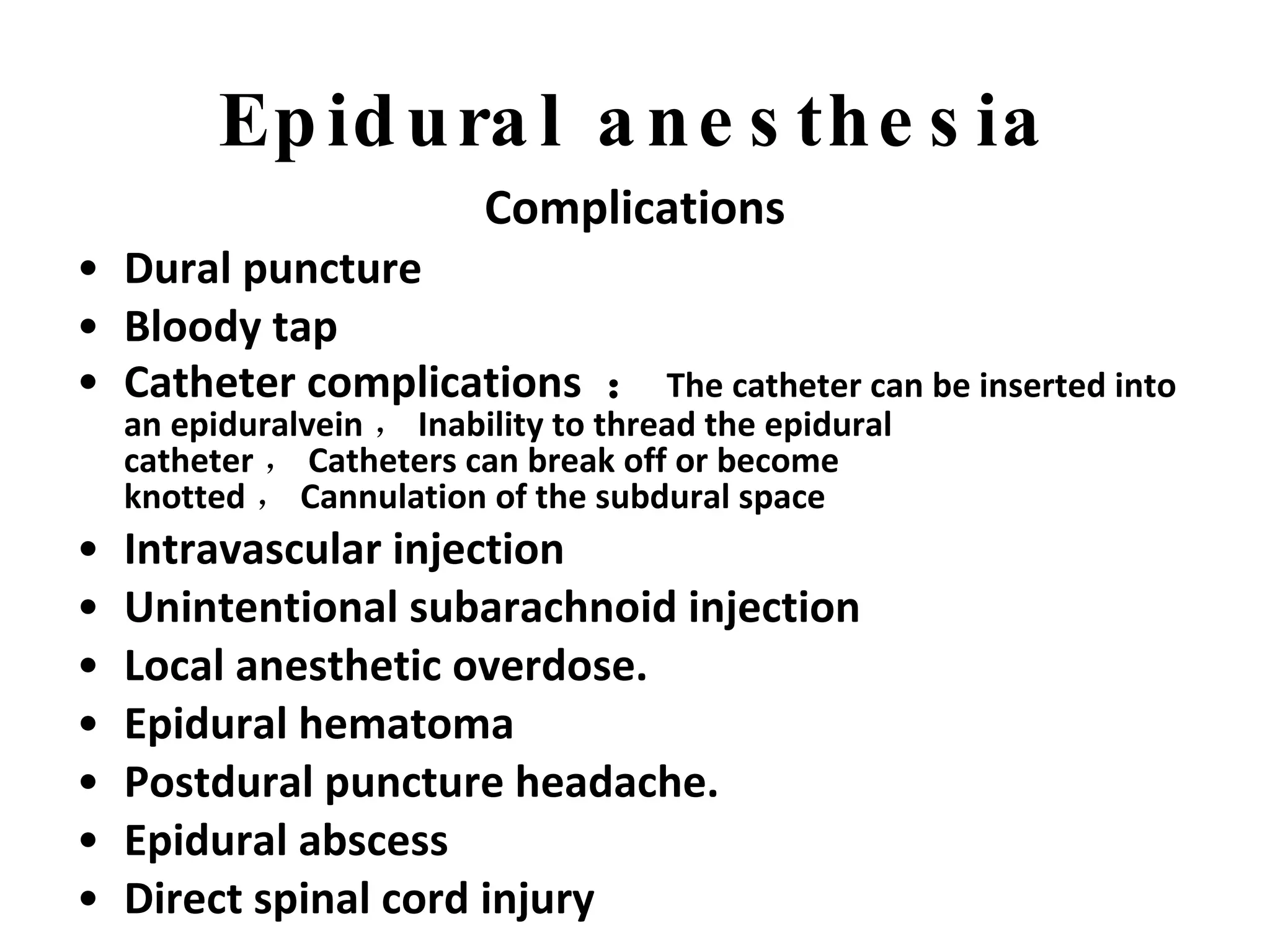
Epidural anesthesia Complications Dural puncture   Bloody tap Catheter complications  : The catheter can be inserted into an epiduralvein , Inability to thread the epidural catheter , Catheters can break off or become knotted , Cannulation of the subdural space Intravascular injection Unintentional subarachnoid injection Local anesthetic overdose. Epidural hematoma Postdural puncture headache.   Epidural abscess Direct spinal cord injury
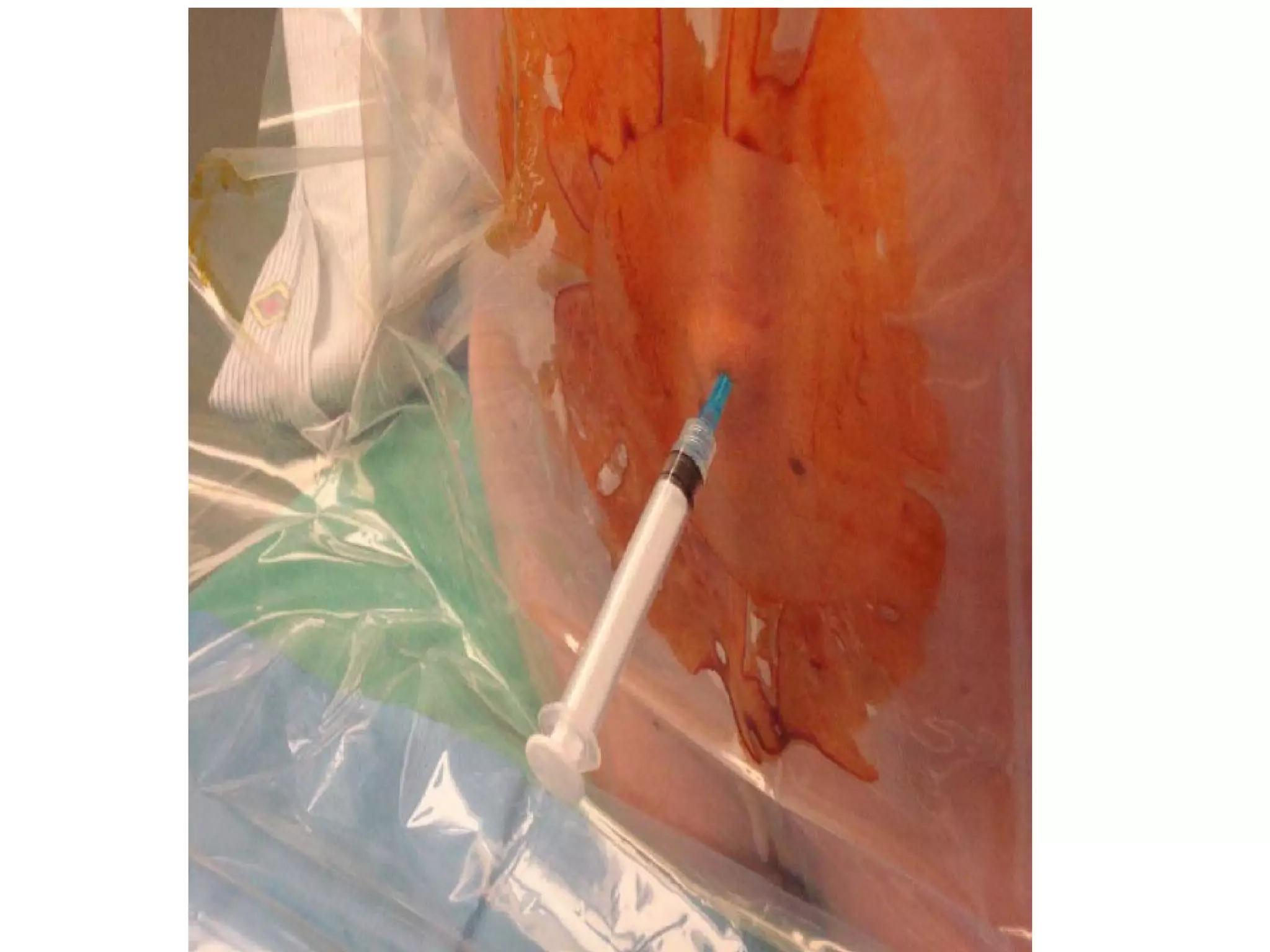
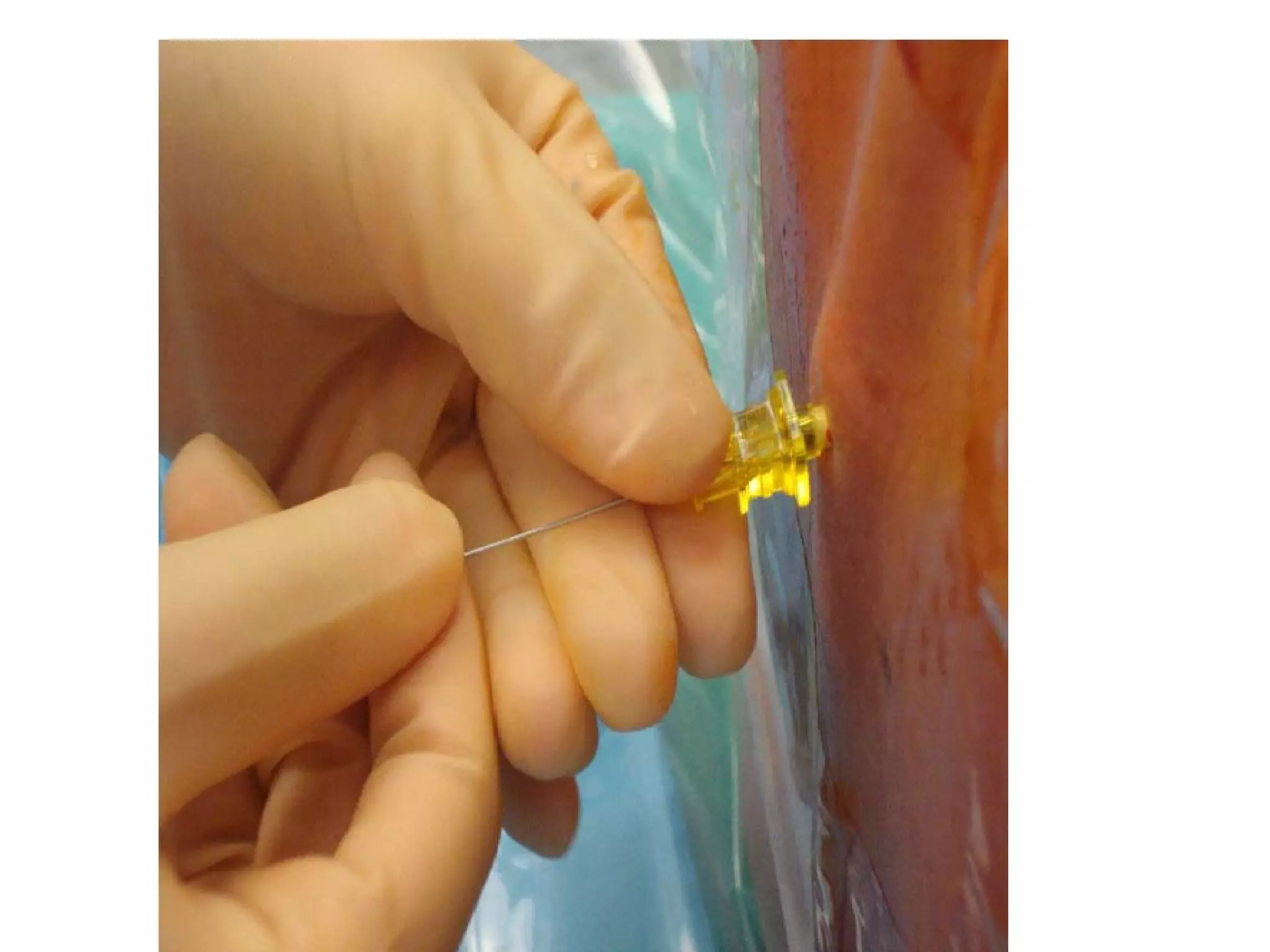
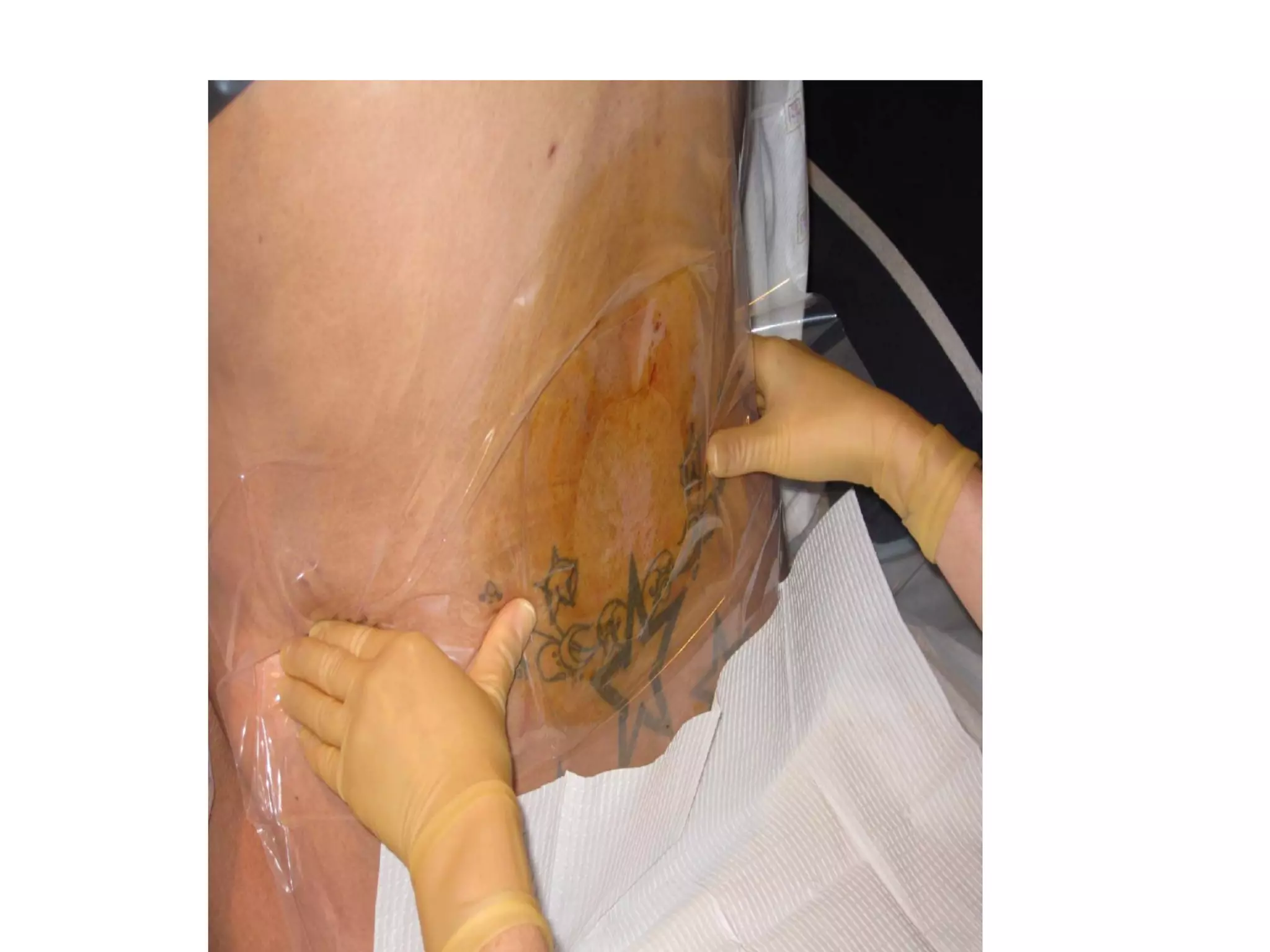
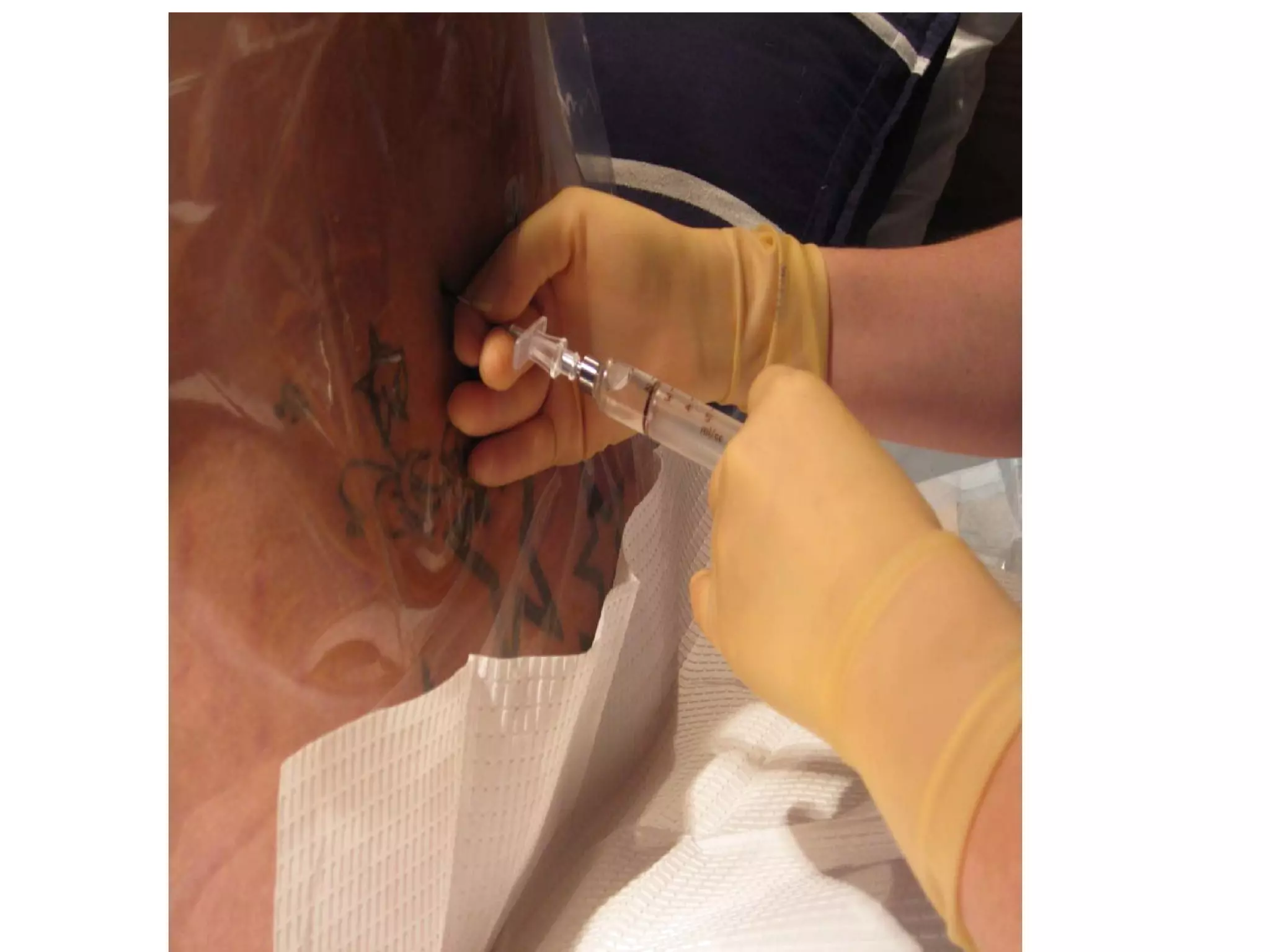
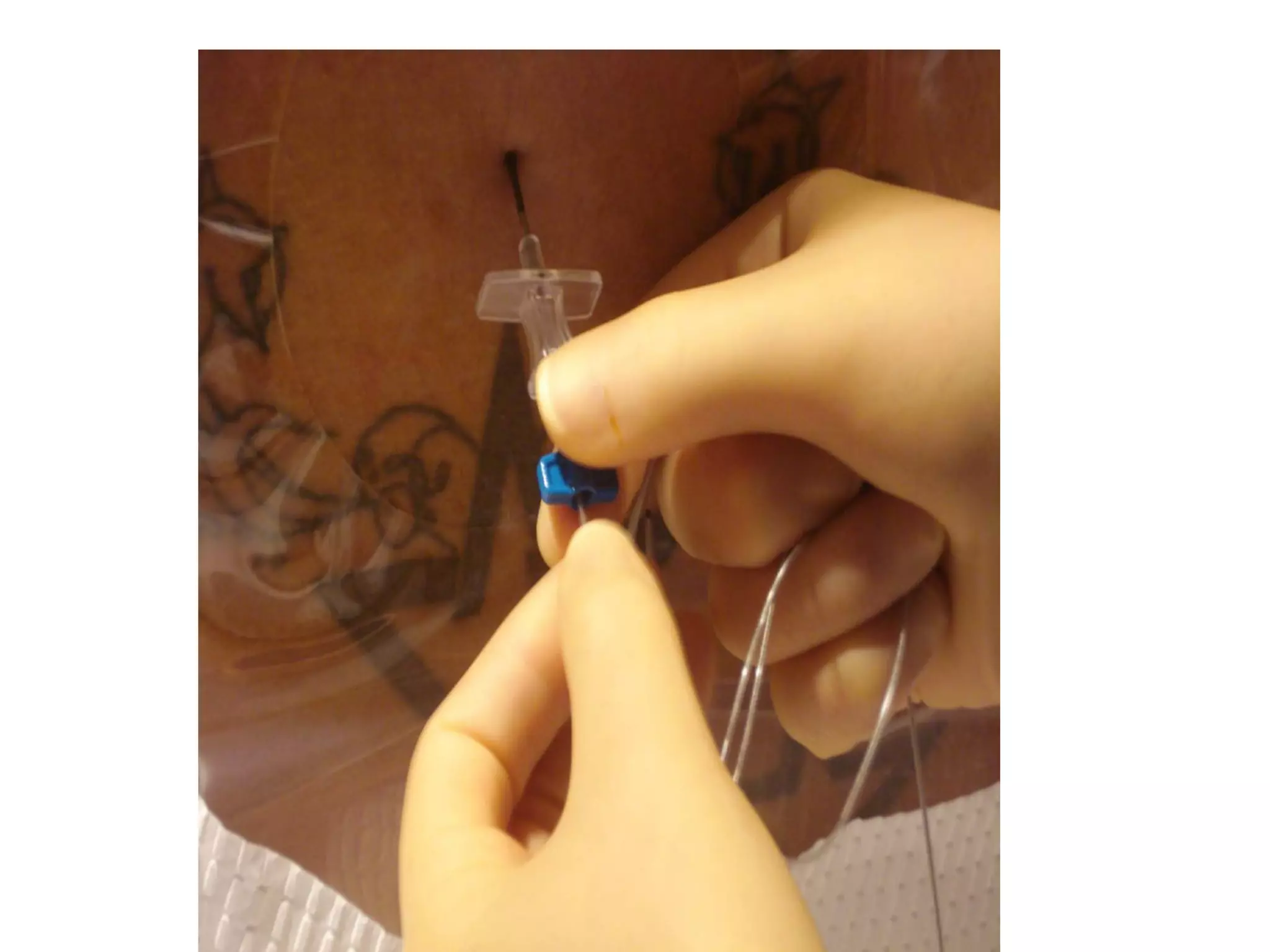
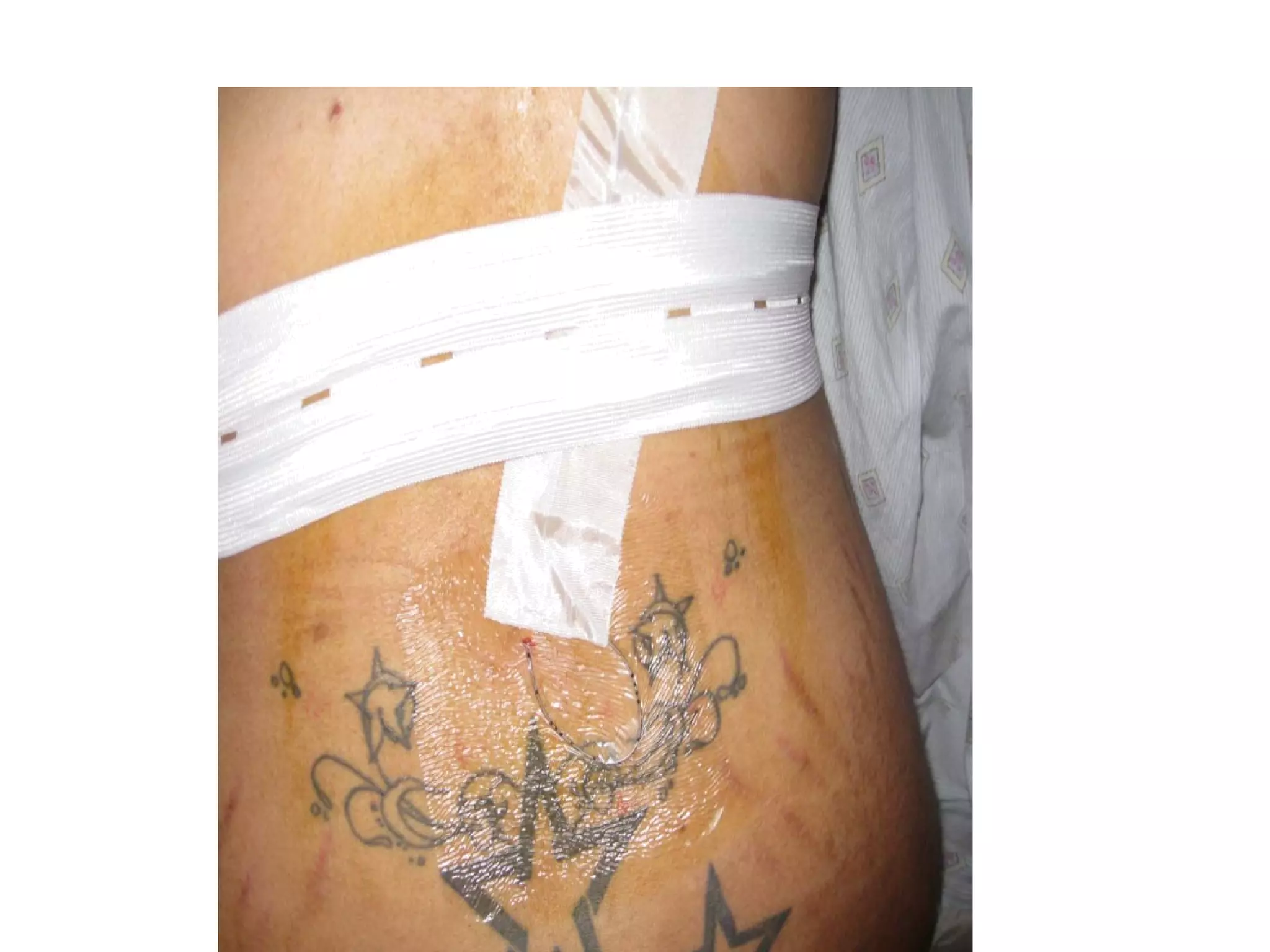
Caudal anesthesia Caudal anesthesia  is obtained by placing local anesthetic into the epidural space in the sacral region Complications  The complications of caudal anesthesia are similar to those of epidural anesthesia
Caudal anesthesia
Caudal anesthesia
Thank you !
Fossum, Fundamentals of orthopedic surgery and fracture management, p. 825 Techniques in Small animal Surgery , 2 nd  Edition, 2002.  Drug Dose Onset (min) Duration (hours) Lidocaine 2% 1 ml/ 3.4 -4.5 kg 10 1-1.5  Bupivacaine (0.25 or 0.5%) preservative free 1ml/4.5kg 20-30 4.5-6 Fentanyl 0.001 mg/kg 4-10 6 Oxymorphone 0.1 mg/kg 15 10 Morphine (preservative free) 0.1 mg/kg 0.03 mg/kg (cats) 23 20 Buprenorphine 0.003-0.005 mg/kg  diluted w/saline 30 12-18
Techniques of Administration Lateral recumbency Ideal if lateralized orthopedic problem Surgical site down for maximal infiltration of agent (at least 5min) Sternal Potentially easier Pelvic limbs drawn cranial  Stretches out ligamentum flavum Expands intervertebral space
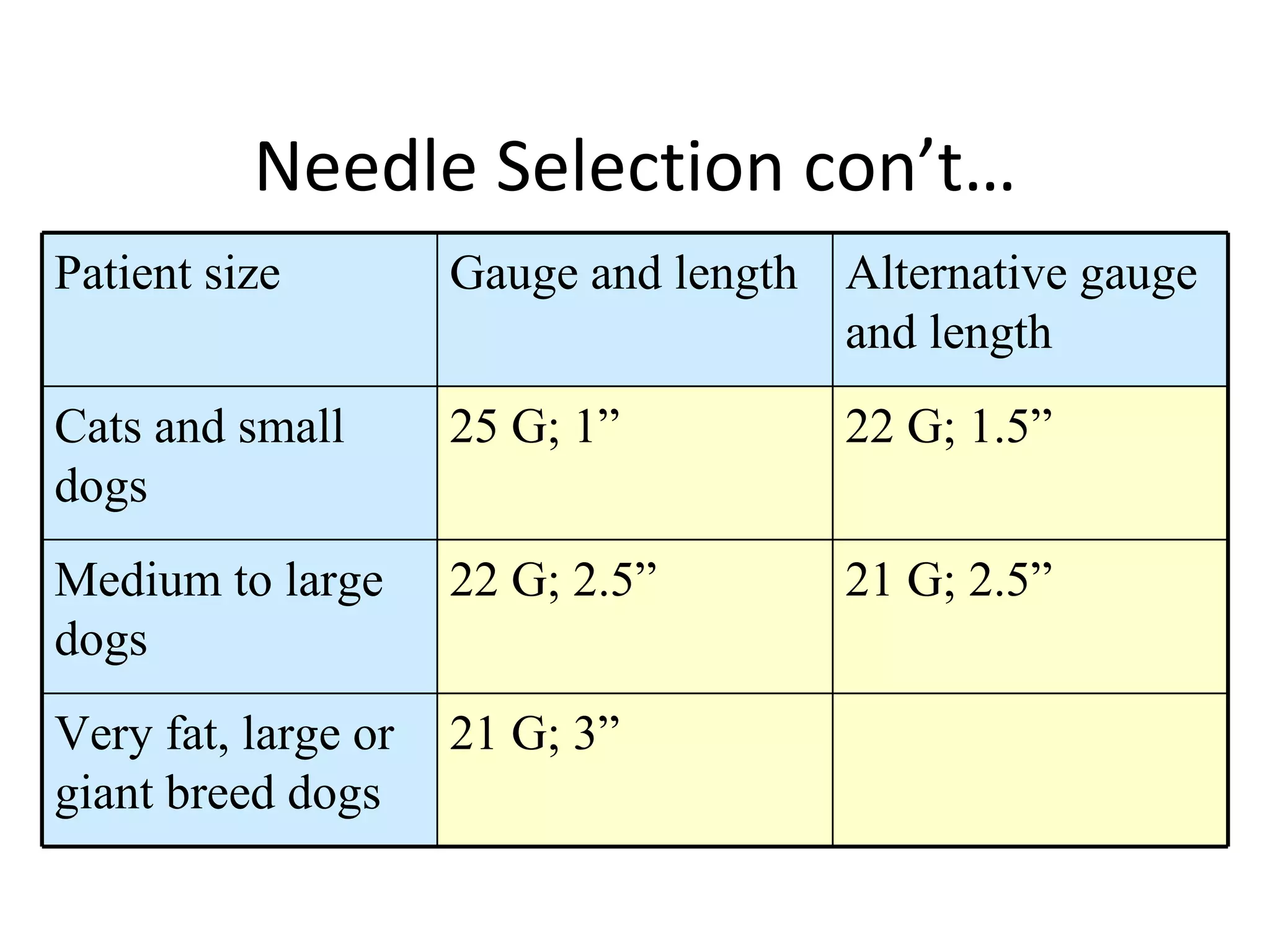
Needle Selection con’t… Patient size Gauge and length Alternative gauge and length Cats and small dogs 25 G; 1” 22 G; 1.5” Medium to large dogs 22 G; 2.5” 21 G; 2.5” Very fat, large or giant breed dogs 21 G; 3”
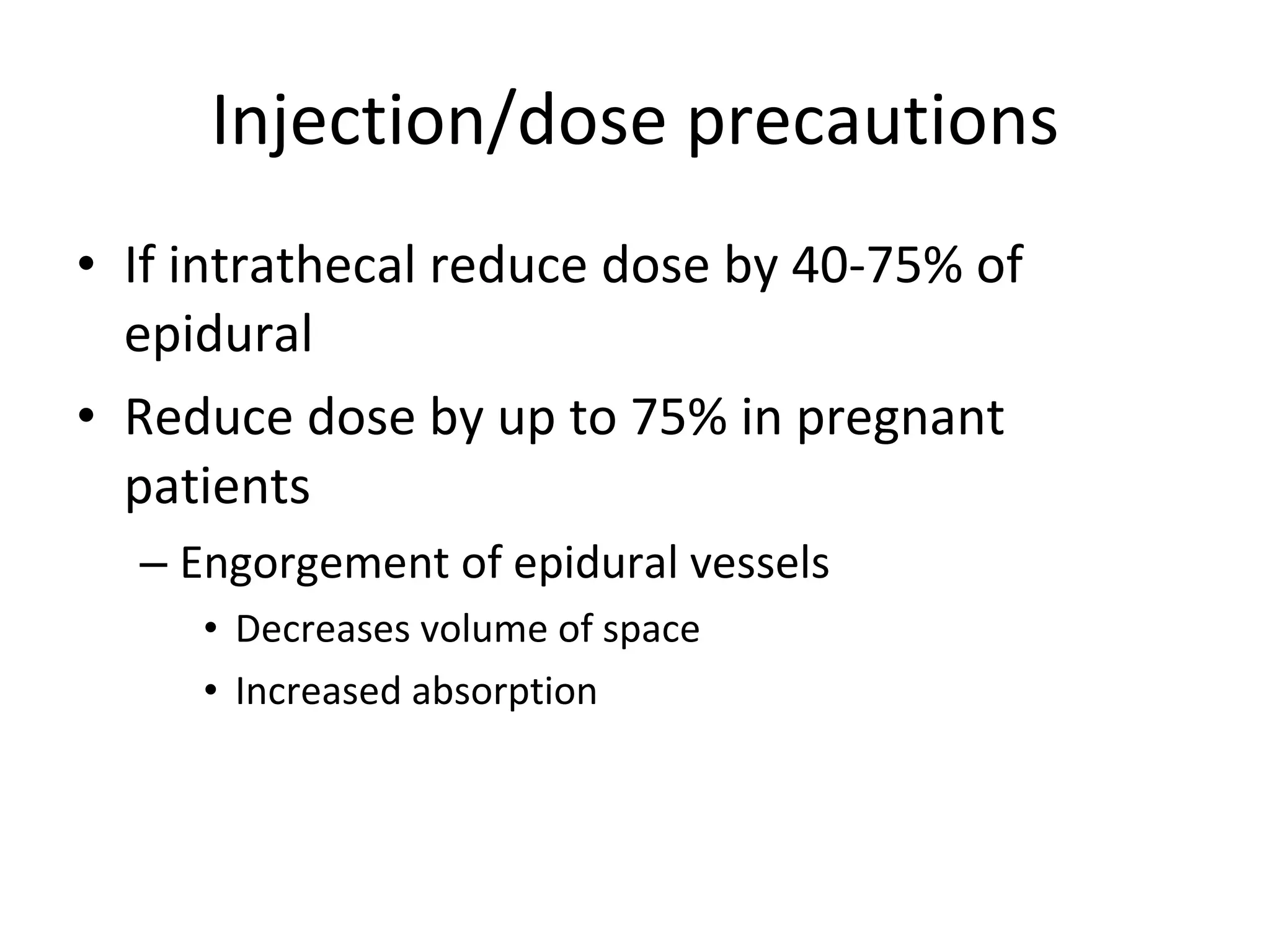
Injection/dose precautions If intrathecal reduce dose by 40-75% of epidural Reduce dose by up to 75% in pregnant patients Engorgement of epidural vessels Decreases volume of space Increased absorption
Post injection Keep head elevated for 10 min. Place affected limb down for 5 min.
Agents Local anesthetics Opioids α -2 agonists Dissociatives
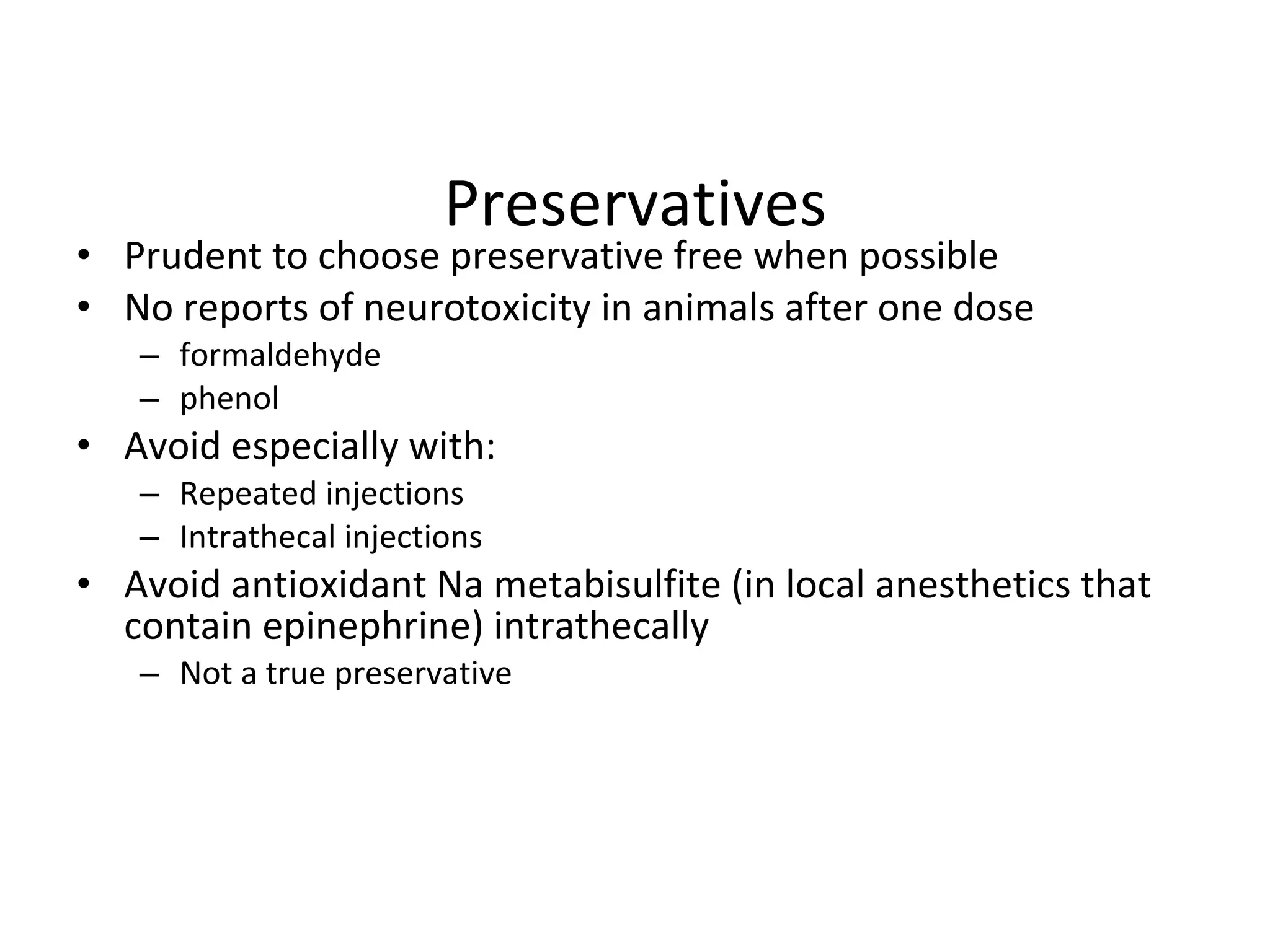
Preservatives Prudent to choose preservative free when possible No reports of neurotoxicity in animals after one dose formaldehyde phenol Avoid especially with: Repeated injections Intrathecal injections Avoid antioxidant Na metabisulfite (in local anesthetics that contain epinephrine) intrathecally Not a true preservative
Local Anesthetics:  Disadvantages Relatively short duration of action Possibility of unwanted motor blockade Potential blockade of spinal sympathetic nerves Cause or aggravate hypotension
Local Anesthetics  Lidocaine Quick onset of action Short-acting  Bupivacaine More potent Slower onset Analgesia with minimal motor blockade High affinity for Na channels (potential for cardiotoxicity)
Lidocaine: Dosages Lidocaine for injection or preservative free 1.0-2.0%  Single LS injection 1ml/5kg lean body weight for caudal procedures 1ml/3.5kg lean BW for abdominal procedures
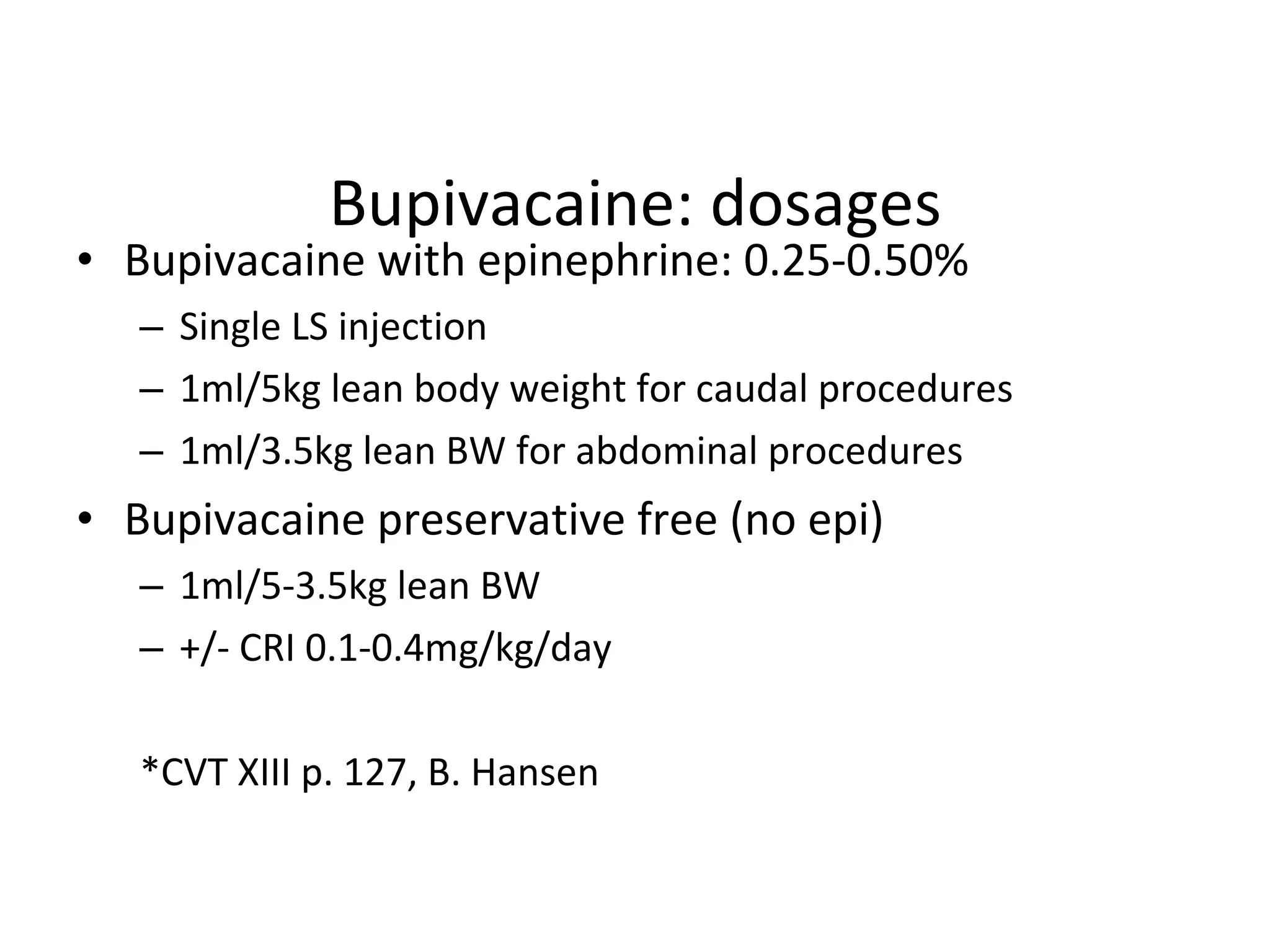
Bupivacaine: dosages Bupivacaine with epinephrine: 0.25-0.50% Single LS injection 1ml/5kg lean body weight for caudal procedures 1ml/3.5kg lean BW for abdominal procedures Bupivacaine preservative free (no epi) 1ml/5-3.5kg lean BW +/- CRI 0.1-0.4mg/kg/day *CVT XIII p. 127, B. Hansen
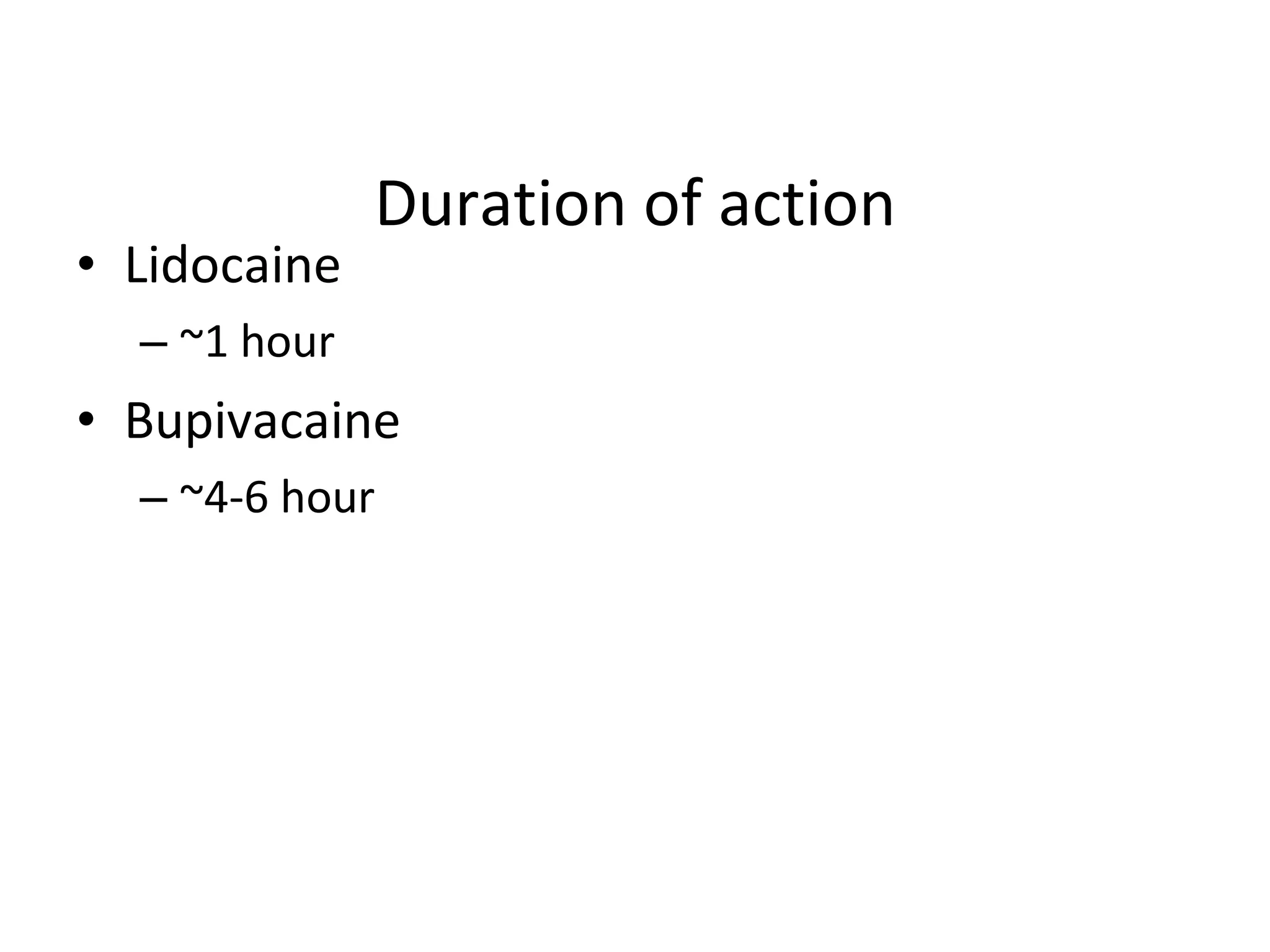
Duration of action Lidocaine ~1 hour Bupivacaine ~4-6 hour
Toxicity  Seizures Crossing of BBB Treat with diazepam Respiratory depression artificial ventilation and oxygen Cardiovascular depression Hypotension Myocardial depression
Opioids  Morphine, Fentanyl, oxymorphone, meperidine, buprenorphine Selectively block pain conduction without: Motor, sensory or sympathetic blockade Central effects MAC reduction Hemodynamic stability Blockade of autonomic response to noxious stimuli
Opioids mechanism of action Bind at opioid receptors on interneurons of superficial laminae of dorsal horn of spinal cord segments Pre/postsynaptic inhibition of afferent transmission (glutamate & substance P) Better for dull aching post-op pain than acute intraoperative Must cross dura to CSF and spinal cord Diffuse across meninges into CSF then SC* Arachnoid mater is main meningeal diffusion barrier Travel thru perineurium of spinal nn. along n. root into SC Absorbed by spinal segmental aa. or epidural vv. and then to brain and SC *Quandt & Rawlings, “Reducing Post-operative pain for dogs: Local Anesthetic and Analgesic Techniques,”  Compendium , pp. 101-111,1996.
Opioid Agents More lipophilic = quicker onset = shorter acting Most to least lipid soluble Fentanyl Buprenorphine Oxymorphone Morphine
Morphine Least lipid-soluble Peak effect ~90 min. May persist for 24 hours Cephalad migration independent of volume
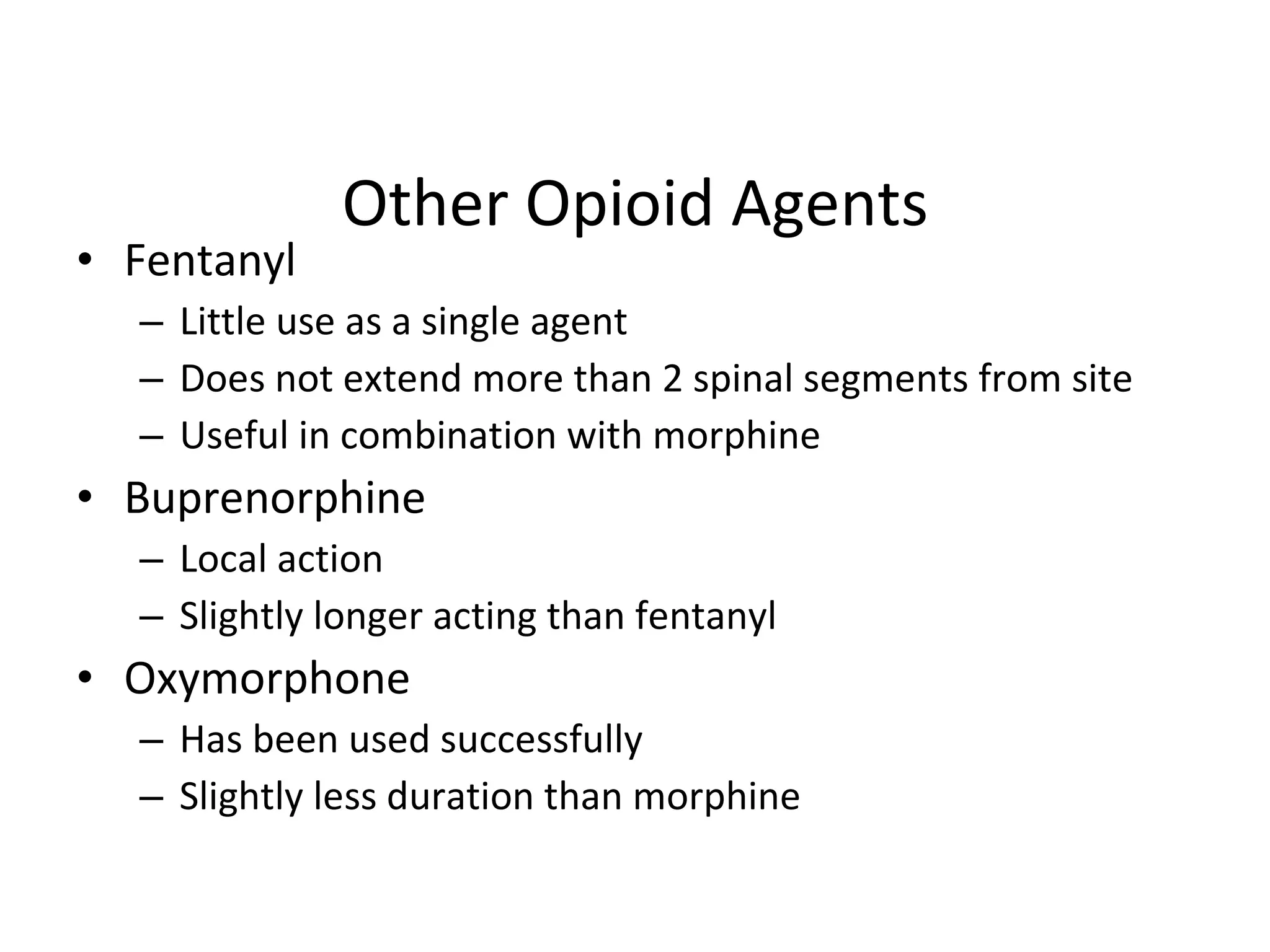
Other Opioid Agents Fentanyl Little use as a single agent Does not extend more than 2 spinal segments from site Useful in combination with morphine Buprenorphine Local action Slightly longer acting than fentanyl Oxymorphone  Has been used successfully Slightly less duration than morphine
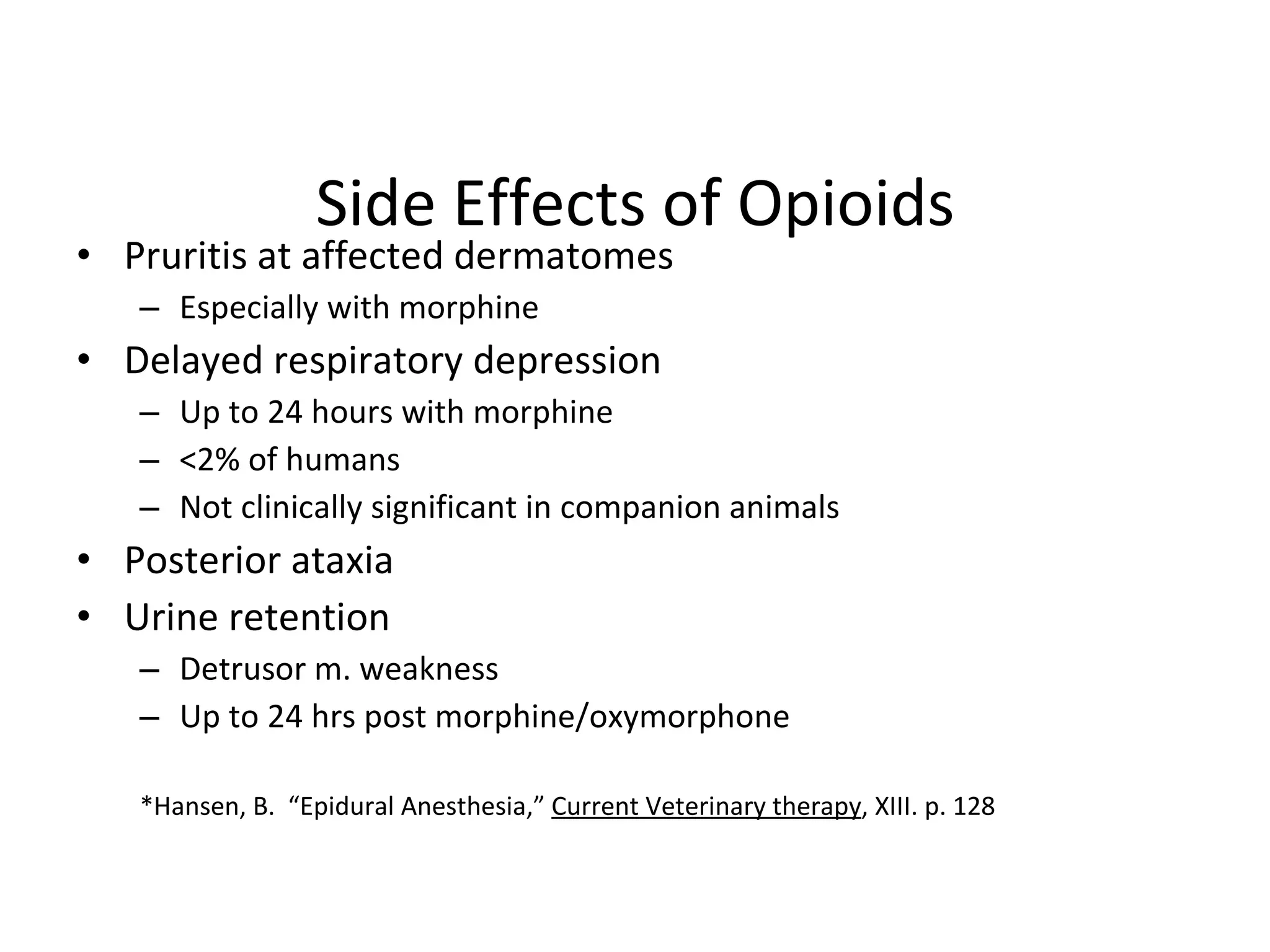
Side Effects of Opioids Pruritis at affected dermatomes Especially with morphine Delayed respiratory depression Up to 24 hours with morphine <2% of humans Not clinically significant in companion animals Posterior ataxia Urine retention Detrusor m. weakness  Up to 24 hrs post morphine/oxymorphone *Hansen, B.  “Epidural Anesthesia,”  Current Veterinary therapy , XIII. p. 128
Intrathecal Injections Accidental entrance into subarachnoid space May see significant central effects Dogs:  sedation and miosis Cats:  agitation and mydriasis Respiratory depression Hyperesthesia If aware of intrathecal location: Reduce by 30-75% of epidural dose Preservative-free, w/o epinephrine
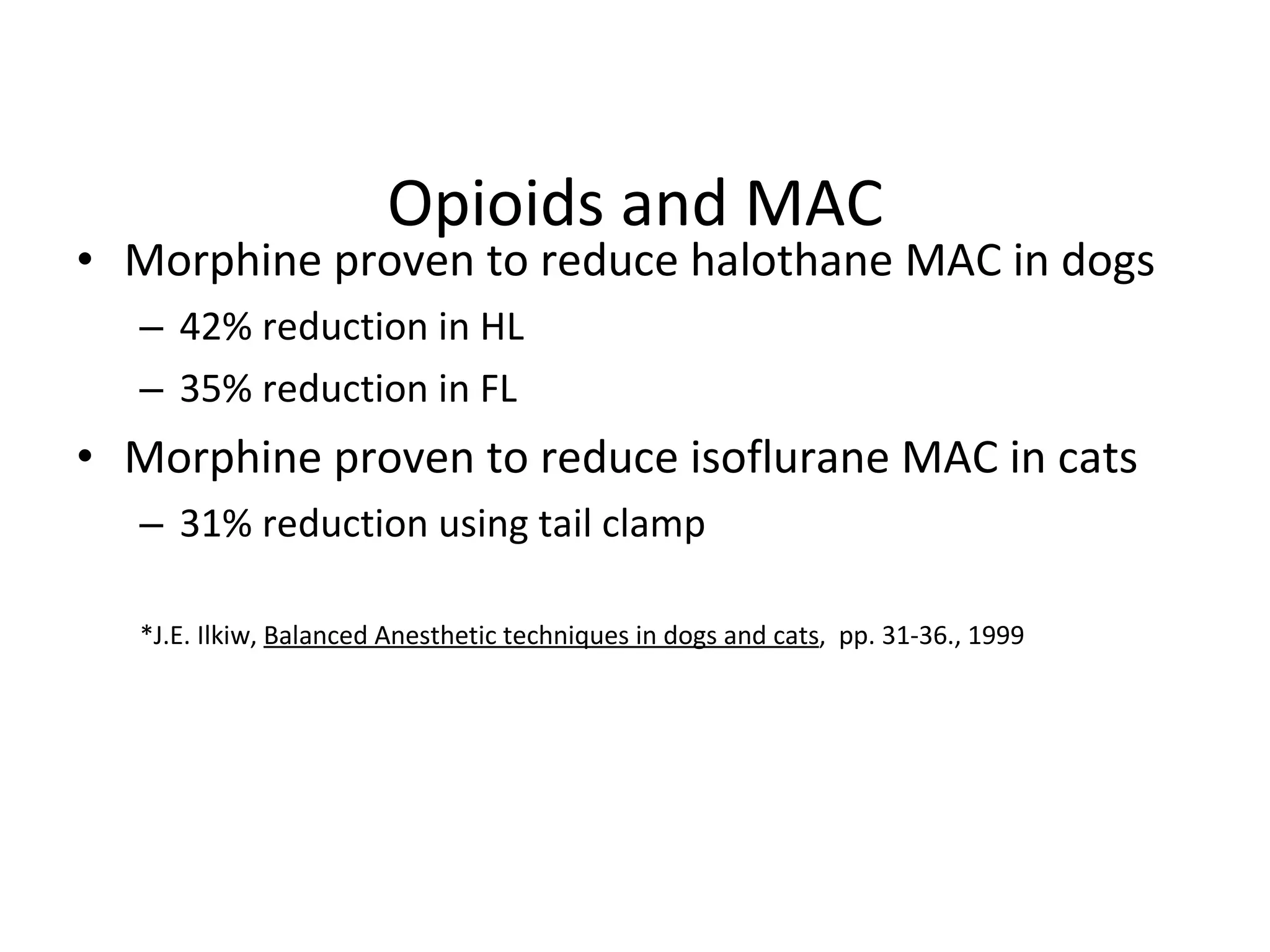
Opioids and MAC Morphine proven to reduce halothane MAC in dogs  42% reduction in HL 35% reduction in FL Morphine proven to reduce isoflurane MAC in cats 31% reduction using tail clamp *J.E. Ilkiw,  Balanced Anesthetic techniques in dogs and cats ,  pp. 31-36., 1999
Synergism of Opioids and Locals Post-op combination of morphine and bupivacaine  Superior analgesia to morphine alone Longer than 24 hours of analgesia *Torske & Dyson, “Epidural Analgesia and Anesthesia,”  Veterinary Clinics of N. America ., p. 859-874, vol. 30, no. 4, July 2000.
α 2 -agonists Xylazine, medetomidine, clonidine, detomidine  Cross dura to bind  α 2  adrenoreceptors and act at dorsal horn (similar to opioids) Work best when combined with other agents ie. Morphine *Hansen, B.  “Epidural Anesthesia,”  Current Veterinary therapy , XIII. p. 128
α 2 -agonists dosages Medetomidine and Morphine 0.005mg/kg medetomidine 0.1mg/kg morphine Effects for 13 hours
Dissociatives Ketamine Blockade of  α  adrenoreceptors Selective suppression of dorsal horn Interactions with opioid receptors 1-2 hour duration 2.0mg/kg
Combinations Opioids and ketamine Opioids and local anesthetics Alpha-2 and opioids Bupivacaine, lidocaine and opioids Etc.
Conclusions Epidurals are an important part of pain management Multimodal therapy Easy to implement

5 regional anesthesia

  • 1.
    Spinal,epidural and caudalanesthesia [email_address]
  • 2.
    HISTORY 1885 Corning- First attempt with epidural cocaine 1891 Quincke - Describes the lumbar puncture technique 1901 use of cocaine as an epidural agent for humans and dogs reported Alternative to general anesthesia 1921 Pagis - First lumbar anesthesia for surgery 1927 E.R. Frank describes use of procaine as a successful alternative 1947 Lidocaine commercially available 1949 Curbelo - First continuous lumbar analgesia with Touhy needle 1963 Bupivicaine commercially available 1979 Cousins - Epidural opioids provide analgesia 1983 Yaksh - Different spinal receptor systems mediating pain 1985 University of Kiel, Germany, Anesthesiology managed acute post-operative pain service Interest wanes as inhalant anesthesia gains favor Cousins & Bridenbaugh, 3rd Edition
  • 3.
    Current Role Significantrole in modern veterinary and human anesthesia and analgesia Important aspect of “balanced anesthesia” concept
  • 4.
    Indications Surgery caudalto the umbilicus Up to and including thoracic limb if using morphine Peritonitis Severe pancreatitis Caudal trauma High risk anesthetic candidates Dystocia Preemptive analgesia
  • 5.
    Contraindications Absolute Patientrefusal. Localized infection at skin puncture site. Generalized sepsis (e.g., septicemia, bacteremia). Coagulopathy Increased intracranial pressure.
  • 6.
    Contraindications Relative Localizedinfection peripheral to regional technique site. Hypovolemia. Central nervous system disease. Chronic back pain. Inexperience of operator
  • 7.
  • 8.
  • 9.
    Segmental level requiredfor surgery Operative Site ----------------------------- Level Lower extremities T-12 Hip T-10 Vagina, uterus T-10 Bladder, prostate T-10 Lower extremities with tourniquet T-8 Testis, ovaries T-8 Lower intraabdominal T-6 Other intraabdominal T-4
  • 10.
  • 11.
  • 12.
  • 13.
  • 14.
  • 15.
  • 16.
  • 17.
  • 18.
    Local Anesthetics Aminoamide-linkeddrugs : Bupivicaine, lidocaine Aminoester-linked drugs : procaine , tetracaine Agents reversibly bind to neuronal voltage-gated sodium channels and block nerve impulse conduction Affect segmental nerve roots Individual pharmacodynamics of agents depend on lipid solubility, dissociation constant, protein-binding characteristics
  • 19.
    Local Anesthetics Effectsbased on myelination and size Smaller sensory and ANS fibers affected 1 st Sensation disappears in following order: Pain Cold Warmth Touch Joint Deep pressure Recovery in reverse order
  • 20.
    Local Anesthetics surfaceanaesthesia ——tetracaine infiltration anaesthesia ——procaine, lidcaine etidocaine, ropivacaine, conduction anaesthesia ——lidcaine, procaine, bupivacaine , etidocaine spinal(subarachnoidal) anaesthesia——lidcaine, tetracaine, procaine epidural anaesthesia ——lidcaine, tetracaine, procaine, bupivacaine ,ropivacaine, etidocaine
  • 21.
  • 22.
  • 23.
  • 24.
  • 25.
  • 26.
  • 27.
  • 28.
  • 29.
  • 30.
  • 31.
  • 32.
  • 33.
  • 34.
  • 35.
  • 36.
  • 37.
  • 38.
    Spinal anesthesia Spinalanesthesia involves administering local anesthetic into the subarachnoid space. The spinal canal extends from the foramen magnum to the sacral hiatus. The boundaries of the bony canal are the vertebral body anteriorly, the pedicles laterally, and the spinous processes and laminae posteriorly
  • 39.
    Spinal anesthesia Threeinterlaminar ligaments supraspinous ligament interspinous ligament ligamentum flavum
  • 40.
    Spinal anesthesia Thespinal cord is invested in three meninges The pia mater The dura mater The arachnoid
  • 41.
    Spinal anesthesia subarachnoidspace Extends from the attachment of the dura at S-2 to the cerebral ventricles above. The space contains the spinal cord, nerves, cerebrospinal fluid (CSF), and blood vessels that supply the cord.
  • 42.
    Spinal anesthesia Physiologicalchanges Neural blockade Cardiovascular. Hypotension Respiratory Visceral effects Neuroendocrine Thermoregulation Central nervous system effects
  • 43.
    Spinal anesthesia Determinantsof spread  Major factors   Baricity of solution   Position of patients (except isobaric solution)   Dose and volume of drug injected (except isobaric)  Minor factors   Level of injection   Speed of injection/barbotage   Size of needle   Physical status of patients   Intra-abdominal pressure Determinants of duration  Drug used  Dose injected  Presence of vasoconstrictors  Total spread of blockade
  • 44.
    Spinal anesthesia ComplicationsNeurologic Transient paresthesias , Spinal hematoma , back pain , Bloody tap , Transient neurologic syndrome , Postdural puncture headache Cardiovascular Hypotension , Bradycardia Respiratory Apnea , Dyspnea Visceral Nausea and vomiting , Urinary retention Infection
  • 45.
    Spinal anesthesia 16ga=1.191mm18ga=1.024mm 20ga=0.812mm
  • 46.
    Epidural anesthesia Needleselection Shorter bevels Steel stylet Longer length Duller tip Correct placement of needle Hanging drop technique Air leakage Loss of resistance Whoosh test
  • 47.
    Epidural anesthesia Epiduralanesthesia is achieved by introducing local anesthetics into the epidural space Physiology Neural blockade Cardiovascular Respiratory Coagulation Gastrointestinal
  • 48.
    Epidural anesthesia Determinantsof the level of epidural blockade Volume of local anesthetic Age. Pregnancy Speed of injection. Position Spread of epidural blockade. Determinants of onset and duration of epidural blockade Selection of drug . Addition of epinephrine Addition of opioid. pH adjustment of solution.
  • 49.
    Epidural anesthesia ComplicationsDural puncture Bloody tap Catheter complications : The catheter can be inserted into an epiduralvein , Inability to thread the epidural catheter , Catheters can break off or become knotted , Cannulation of the subdural space Intravascular injection Unintentional subarachnoid injection Local anesthetic overdose. Epidural hematoma Postdural puncture headache. Epidural abscess Direct spinal cord injury
  • 50.
    Caudal anesthesia Caudalanesthesia is obtained by placing local anesthetic into the epidural space in the sacral region Complications The complications of caudal anesthesia are similar to those of epidural anesthesia
  • 51.
  • 52.
  • 53.
  • 54.
    Fossum, Fundamentals oforthopedic surgery and fracture management, p. 825 Techniques in Small animal Surgery , 2 nd Edition, 2002. Drug Dose Onset (min) Duration (hours) Lidocaine 2% 1 ml/ 3.4 -4.5 kg 10 1-1.5 Bupivacaine (0.25 or 0.5%) preservative free 1ml/4.5kg 20-30 4.5-6 Fentanyl 0.001 mg/kg 4-10 6 Oxymorphone 0.1 mg/kg 15 10 Morphine (preservative free) 0.1 mg/kg 0.03 mg/kg (cats) 23 20 Buprenorphine 0.003-0.005 mg/kg diluted w/saline 30 12-18
  • 55.
    Techniques of AdministrationLateral recumbency Ideal if lateralized orthopedic problem Surgical site down for maximal infiltration of agent (at least 5min) Sternal Potentially easier Pelvic limbs drawn cranial Stretches out ligamentum flavum Expands intervertebral space
  • 56.
    Needle Selection con’t…Patient size Gauge and length Alternative gauge and length Cats and small dogs 25 G; 1” 22 G; 1.5” Medium to large dogs 22 G; 2.5” 21 G; 2.5” Very fat, large or giant breed dogs 21 G; 3”
  • 57.
    Injection/dose precautions Ifintrathecal reduce dose by 40-75% of epidural Reduce dose by up to 75% in pregnant patients Engorgement of epidural vessels Decreases volume of space Increased absorption
  • 58.
    Post injection Keephead elevated for 10 min. Place affected limb down for 5 min.
  • 59.
    Agents Local anestheticsOpioids α -2 agonists Dissociatives
  • 60.
    Preservatives Prudent tochoose preservative free when possible No reports of neurotoxicity in animals after one dose formaldehyde phenol Avoid especially with: Repeated injections Intrathecal injections Avoid antioxidant Na metabisulfite (in local anesthetics that contain epinephrine) intrathecally Not a true preservative
  • 61.
    Local Anesthetics: Disadvantages Relatively short duration of action Possibility of unwanted motor blockade Potential blockade of spinal sympathetic nerves Cause or aggravate hypotension
  • 62.
    Local Anesthetics Lidocaine Quick onset of action Short-acting Bupivacaine More potent Slower onset Analgesia with minimal motor blockade High affinity for Na channels (potential for cardiotoxicity)
  • 63.
    Lidocaine: Dosages Lidocainefor injection or preservative free 1.0-2.0% Single LS injection 1ml/5kg lean body weight for caudal procedures 1ml/3.5kg lean BW for abdominal procedures
  • 64.
    Bupivacaine: dosages Bupivacainewith epinephrine: 0.25-0.50% Single LS injection 1ml/5kg lean body weight for caudal procedures 1ml/3.5kg lean BW for abdominal procedures Bupivacaine preservative free (no epi) 1ml/5-3.5kg lean BW +/- CRI 0.1-0.4mg/kg/day *CVT XIII p. 127, B. Hansen
  • 65.
    Duration of actionLidocaine ~1 hour Bupivacaine ~4-6 hour
  • 66.
    Toxicity SeizuresCrossing of BBB Treat with diazepam Respiratory depression artificial ventilation and oxygen Cardiovascular depression Hypotension Myocardial depression
  • 67.
    Opioids Morphine,Fentanyl, oxymorphone, meperidine, buprenorphine Selectively block pain conduction without: Motor, sensory or sympathetic blockade Central effects MAC reduction Hemodynamic stability Blockade of autonomic response to noxious stimuli
  • 68.
    Opioids mechanism ofaction Bind at opioid receptors on interneurons of superficial laminae of dorsal horn of spinal cord segments Pre/postsynaptic inhibition of afferent transmission (glutamate & substance P) Better for dull aching post-op pain than acute intraoperative Must cross dura to CSF and spinal cord Diffuse across meninges into CSF then SC* Arachnoid mater is main meningeal diffusion barrier Travel thru perineurium of spinal nn. along n. root into SC Absorbed by spinal segmental aa. or epidural vv. and then to brain and SC *Quandt & Rawlings, “Reducing Post-operative pain for dogs: Local Anesthetic and Analgesic Techniques,” Compendium , pp. 101-111,1996.
  • 69.
    Opioid Agents Morelipophilic = quicker onset = shorter acting Most to least lipid soluble Fentanyl Buprenorphine Oxymorphone Morphine
  • 70.
    Morphine Least lipid-solublePeak effect ~90 min. May persist for 24 hours Cephalad migration independent of volume
  • 71.
    Other Opioid AgentsFentanyl Little use as a single agent Does not extend more than 2 spinal segments from site Useful in combination with morphine Buprenorphine Local action Slightly longer acting than fentanyl Oxymorphone Has been used successfully Slightly less duration than morphine
  • 72.
    Side Effects ofOpioids Pruritis at affected dermatomes Especially with morphine Delayed respiratory depression Up to 24 hours with morphine <2% of humans Not clinically significant in companion animals Posterior ataxia Urine retention Detrusor m. weakness Up to 24 hrs post morphine/oxymorphone *Hansen, B. “Epidural Anesthesia,” Current Veterinary therapy , XIII. p. 128
  • 73.
    Intrathecal Injections Accidentalentrance into subarachnoid space May see significant central effects Dogs: sedation and miosis Cats: agitation and mydriasis Respiratory depression Hyperesthesia If aware of intrathecal location: Reduce by 30-75% of epidural dose Preservative-free, w/o epinephrine
  • 74.
    Opioids and MACMorphine proven to reduce halothane MAC in dogs 42% reduction in HL 35% reduction in FL Morphine proven to reduce isoflurane MAC in cats 31% reduction using tail clamp *J.E. Ilkiw, Balanced Anesthetic techniques in dogs and cats , pp. 31-36., 1999
  • 75.
    Synergism of Opioidsand Locals Post-op combination of morphine and bupivacaine Superior analgesia to morphine alone Longer than 24 hours of analgesia *Torske & Dyson, “Epidural Analgesia and Anesthesia,” Veterinary Clinics of N. America ., p. 859-874, vol. 30, no. 4, July 2000.
  • 76.
    α 2 -agonistsXylazine, medetomidine, clonidine, detomidine Cross dura to bind α 2 adrenoreceptors and act at dorsal horn (similar to opioids) Work best when combined with other agents ie. Morphine *Hansen, B. “Epidural Anesthesia,” Current Veterinary therapy , XIII. p. 128
  • 77.
    α 2 -agonistsdosages Medetomidine and Morphine 0.005mg/kg medetomidine 0.1mg/kg morphine Effects for 13 hours
  • 78.
    Dissociatives Ketamine Blockadeof α adrenoreceptors Selective suppression of dorsal horn Interactions with opioid receptors 1-2 hour duration 2.0mg/kg
  • 79.
    Combinations Opioids andketamine Opioids and local anesthetics Alpha-2 and opioids Bupivacaine, lidocaine and opioids Etc.
  • 80.
    Conclusions Epidurals arean important part of pain management Multimodal therapy Easy to implement