

4-MAT Process4-MAT Process
Dr. Bernice McCarthyDr. Bernice McCarthy
About Dr. Bernice McCarthy:About Dr. Bernice McCarthy:
1980-developed an open-ended, holistic1980-developed an open-ended, holistic
teaching modelteaching model
Model takes into consideration individualModel takes into consideration individual
learning styleslearning styles
Focus on left and right brain teachingFocus on left and right brain teaching
strategiesstrategies
The purpose of the model was toThe purpose of the model was to
“raise teacher awareness as to why“raise teacher awareness as to why
some things work with some learnerssome things work with some learners
and other things do not.”and other things do not.”
McCarthy’s model identified fourMcCarthy’s model identified four
types of learners. Each type oftypes of learners. Each type of
learner has a different need in orderlearner has a different need in order
to “invest” in the learning process.to “invest” in the learning process.
Innovative LearnersInnovative Learners
 Interested in personalInterested in personal
meaningmeaning
 Need to have reasonsNeed to have reasons
for learningfor learning
 ““WHY?”WHY?”
 Connect newConnect new
information withinformation with
personal experiencepersonal experience
and convince ofand convince of
usefulness in daily lifeusefulness in daily life
 Cooperative learningCooperative learning
 BrainstormingBrainstorming
 DiscussionDiscussion
Why?Why?
Analytic LearnersAnalytic Learners
 Interested in acquiringInterested in acquiring
facts in order tofacts in order to
deepen theirdeepen their
understanding ofunderstanding of
concepts andconcepts and
processesprocesses
 LecturesLectures
 Independent researchIndependent research
 Analysis of dataAnalysis of data
 Hearing what ”theHearing what ”the
experts” have to sayexperts” have to say
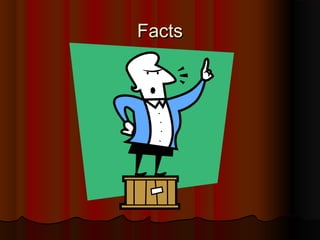
FactsFacts
Common Sense LearnersCommon Sense Learners
 Interested in howInterested in how
things workthings work
 Want to “get in and tryWant to “get in and try
it”it”
 Concrete, experientialConcrete, experiential
learning activitieslearning activities
 ManipulativesManipulatives
 Hands-on tasksHands-on tasks
 Activity-basedActivity-based
application activitiesapplication activities
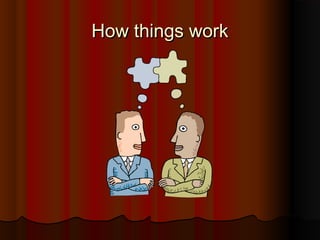
How things workHow things work
Dynamic LearnersDynamic Learners
 Interested in self-Interested in self-
directed discoverydirected discovery
 Rely heavily on theirRely heavily on their
own intuitionown intuition
 Seek to teach bothSeek to teach both
themselves andthemselves and
othersothers
 Independent studyIndependent study
 SimulationsSimulations
 Role playRole play
 gamesgames
Discovery-Teach selves and othersDiscovery-Teach selves and others
Effects of 4-MAT Process:Effects of 4-MAT Process:
Improved retentionImproved retention
Higher achievementHigher achievement
Increased motivationIncreased motivation
Improved thinking skillsImproved thinking skills
Lower remediation (success rates with at-Lower remediation (success rates with at-
risk and special education students)risk and special education students)
4 mat process

4 mat process

  • 1.
    4-MAT Process4-MAT Process Dr.Bernice McCarthyDr. Bernice McCarthy
  • 2.
    About Dr. BerniceMcCarthy:About Dr. Bernice McCarthy: 1980-developed an open-ended, holistic1980-developed an open-ended, holistic teaching modelteaching model Model takes into consideration individualModel takes into consideration individual learning styleslearning styles Focus on left and right brain teachingFocus on left and right brain teaching strategiesstrategies
  • 3.
    The purpose ofthe model was toThe purpose of the model was to “raise teacher awareness as to why“raise teacher awareness as to why some things work with some learnerssome things work with some learners and other things do not.”and other things do not.”
  • 5.
    McCarthy’s model identifiedfourMcCarthy’s model identified four types of learners. Each type oftypes of learners. Each type of learner has a different need in orderlearner has a different need in order to “invest” in the learning process.to “invest” in the learning process.
  • 7.
    Innovative LearnersInnovative Learners Interested in personalInterested in personal meaningmeaning  Need to have reasonsNeed to have reasons for learningfor learning  ““WHY?”WHY?”  Connect newConnect new information withinformation with personal experiencepersonal experience and convince ofand convince of usefulness in daily lifeusefulness in daily life  Cooperative learningCooperative learning  BrainstormingBrainstorming  DiscussionDiscussion
  • 8.
  • 9.
    Analytic LearnersAnalytic Learners Interested in acquiringInterested in acquiring facts in order tofacts in order to deepen theirdeepen their understanding ofunderstanding of concepts andconcepts and processesprocesses  LecturesLectures  Independent researchIndependent research  Analysis of dataAnalysis of data  Hearing what ”theHearing what ”the experts” have to sayexperts” have to say
  • 10.
  • 11.
    Common Sense LearnersCommonSense Learners  Interested in howInterested in how things workthings work  Want to “get in and tryWant to “get in and try it”it”  Concrete, experientialConcrete, experiential learning activitieslearning activities  ManipulativesManipulatives  Hands-on tasksHands-on tasks  Activity-basedActivity-based application activitiesapplication activities
  • 12.
    How things workHowthings work
  • 13.
    Dynamic LearnersDynamic Learners Interested in self-Interested in self- directed discoverydirected discovery  Rely heavily on theirRely heavily on their own intuitionown intuition  Seek to teach bothSeek to teach both themselves andthemselves and othersothers  Independent studyIndependent study  SimulationsSimulations  Role playRole play  gamesgames
  • 14.
    Discovery-Teach selves andothersDiscovery-Teach selves and others
  • 16.
    Effects of 4-MATProcess:Effects of 4-MAT Process: Improved retentionImproved retention Higher achievementHigher achievement Increased motivationIncreased motivation Improved thinking skillsImproved thinking skills Lower remediation (success rates with at-Lower remediation (success rates with at- risk and special education students)risk and special education students)