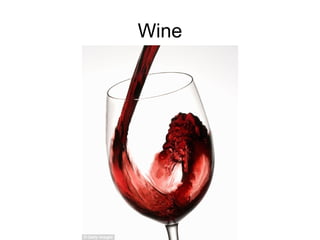
Wine
Defination
Wine and spirit association of Great Britain
• Wine is defined as
– Juice of freshly gathered grapes,
– The fermentation of which has been carried
out in the district of origin
– The local tradition and customs.
Cont..
• As per the definition wine cannot be made
from fruits other than grapes.
• Similarly from the definition it can be
understood that wines made from canned
grapes, tinned grapes or grape pulp
cannot be called as wine as well.
History
• Egyptian records dating from 2500 BC refer to
the use of grapes for winemaking.
• The first wines seem to have originated in the
Middle East.
• There are frequent references to wine in the Old
Testament.
• Wine was also used by early Minoan, Greek,
and Etruscan civilizations. Centuries later the
role of wine for sacramental use in Christian
churches helped maintain the industry after the
fall of the Roman Empire.
Cont..
• The Romans had carried winemaking into much
of Western Europe, especially the Moselle and
Rhine valley sections of France and Germany
and the Danube River valley of Austria.
• Voyages of Columbus and other explorers,
grape cultivation was transported from the Old
World to Mexico, South America, South
Africa, Australia, and California.
• Today wine is produced on all the inhabited
continents.
Types
Wines
Table Sparkling Fortified
Red White Rose White Pink Red white
Dry
Sweet
Dry
Sweet
Dry
Sweet
Aromatized
Grapes
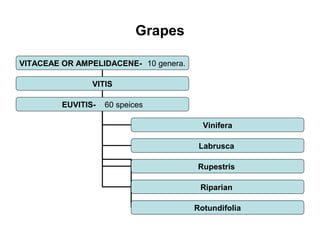
VITACEAE OR AMPELIDACENE- 10 genera.
VITIS
EUVITIS- 60 speices
Vinifera
Labrusca
Rupestris
Riparian
Rotundifolia
Vitis Vinifera
• The species VITIS VINIFERA produces grapes,
which are used for the production of the best
quality wines of the world.
• The species vinifera produces some 5000
different varieties of grapes
• Around 50 of them are used for the production of
wine.
• In 1870 using the labrusca species as graft
saved the vinifera species from phylloxera
vastatrix bug.
Cont..
Grape- Consist of following part
• Stalk – Tannin
• Skin – Yeast, anthrocynin pigment, tannin (very
little)
• Pulp – Fructose sugar, Glucose, tartaric acid,
mallic acid
• Pip – Tannin
Production Process
• Viticulture
• Vinification
• Care of Wine
Viticulture
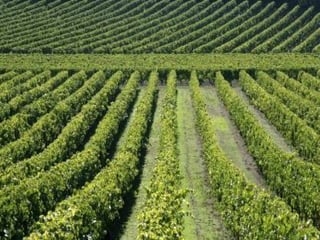
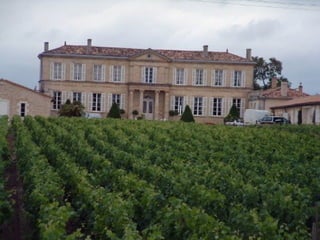
• Area of Growth- 30- 40 lititude
• Soil- chalk or limestone, slate, gravel (coarse sand) and
schist (crumbly form of granite).
• Heat
• Climate
• Temperature- Annual avg. temp 10c
• Humidity – 60% to 80%
Note
 Grapes are not grown by seed
 grafting is done to get the same quality of grapes and
hence the same quality of wine.
 The life span of a vineyard is 30 years.
 The graft spends 14 month in a nursery
 The minimum distance between two vines should be 3
feet and the minimum distance between two rows 3
feet.
 Vine takes around 1 year to bear the grapes but the
plant is not allowed to bear grapes for 4 years to make
the plant more strong and healthy.
Vinification
• Harvesting (Secateur, Refractometer)
• Epluchage (Grading and Weighing)
• Destalking (Egrappoir)
• Crushing (Foulage)( Must weight)
• Vatting
• Chaptalization
• Fermentation- white wine at 19c and red at 29c
• Maceration (Skin is Macerated in red wine)
• Bloom (Saccromyses Ellipsodius )
• Cultured yeast
• Attemperators- Cold water pipes inside the tank
• Malo-lactic fermentation- In red wine only
Care of Wine
• Ageing
• Racking & Fining
• Filtration (Cellulose )- Optional
• Blending (Not in Vintage wines)
– Vintage wines
• Bottling
• Corking (Quercus Sobre)
• Labeling
Meaning of Vintage
• Vintage means gather of grapes and pressing them
& making wine. Therefore every year is vintage
year
• The date on a bottle of wine signifies the year in
which wine was produced.
• Some vineyards bottle and date every year
production. Other dates only the better year.
Cont..
• Champagne and Port date only the wines of
exceptional years in which the different factors of
production like rainfall, sunshine, climate etc are at
its ultimate. Since it is not done every year, the dated
wines are known as “Vintage wines”.
• Note- The wines of a vintage year are not blended
with the wines of the previous year and wines of one
vineyard are not blended with the wine of another
vineyard.
Cask Part
Wine
Wine
Wine

Wine

  • 1.
  • 2.
    Defination Wine and spiritassociation of Great Britain • Wine is defined as – Juice of freshly gathered grapes, – The fermentation of which has been carried out in the district of origin – The local tradition and customs.
  • 3.
    Cont.. • As perthe definition wine cannot be made from fruits other than grapes. • Similarly from the definition it can be understood that wines made from canned grapes, tinned grapes or grape pulp cannot be called as wine as well.
  • 4.
    History • Egyptian recordsdating from 2500 BC refer to the use of grapes for winemaking. • The first wines seem to have originated in the Middle East. • There are frequent references to wine in the Old Testament. • Wine was also used by early Minoan, Greek, and Etruscan civilizations. Centuries later the role of wine for sacramental use in Christian churches helped maintain the industry after the fall of the Roman Empire.
  • 5.
    Cont.. • The Romanshad carried winemaking into much of Western Europe, especially the Moselle and Rhine valley sections of France and Germany and the Danube River valley of Austria. • Voyages of Columbus and other explorers, grape cultivation was transported from the Old World to Mexico, South America, South Africa, Australia, and California. • Today wine is produced on all the inhabited continents.
  • 6.
    Types Wines Table Sparkling Fortified RedWhite Rose White Pink Red white Dry Sweet Dry Sweet Dry Sweet Aromatized
  • 7.
    Grapes VITACEAE OR AMPELIDACENE-10 genera. VITIS EUVITIS- 60 speices Vinifera Labrusca Rupestris Riparian Rotundifolia
  • 8.
    Vitis Vinifera • Thespecies VITIS VINIFERA produces grapes, which are used for the production of the best quality wines of the world. • The species vinifera produces some 5000 different varieties of grapes • Around 50 of them are used for the production of wine. • In 1870 using the labrusca species as graft saved the vinifera species from phylloxera vastatrix bug.
  • 9.
    Cont.. Grape- Consist offollowing part • Stalk – Tannin • Skin – Yeast, anthrocynin pigment, tannin (very little) • Pulp – Fructose sugar, Glucose, tartaric acid, mallic acid • Pip – Tannin
  • 10.
    Production Process • Viticulture •Vinification • Care of Wine
  • 11.
    Viticulture • Area ofGrowth- 30- 40 lititude • Soil- chalk or limestone, slate, gravel (coarse sand) and schist (crumbly form of granite). • Heat • Climate • Temperature- Annual avg. temp 10c • Humidity – 60% to 80%
  • 12.
    Note  Grapes arenot grown by seed  grafting is done to get the same quality of grapes and hence the same quality of wine.  The life span of a vineyard is 30 years.  The graft spends 14 month in a nursery  The minimum distance between two vines should be 3 feet and the minimum distance between two rows 3 feet.  Vine takes around 1 year to bear the grapes but the plant is not allowed to bear grapes for 4 years to make the plant more strong and healthy.
  • 17.
    Vinification • Harvesting (Secateur,Refractometer) • Epluchage (Grading and Weighing) • Destalking (Egrappoir) • Crushing (Foulage)( Must weight) • Vatting • Chaptalization • Fermentation- white wine at 19c and red at 29c • Maceration (Skin is Macerated in red wine) • Bloom (Saccromyses Ellipsodius ) • Cultured yeast • Attemperators- Cold water pipes inside the tank • Malo-lactic fermentation- In red wine only
  • 21.
    Care of Wine •Ageing • Racking & Fining • Filtration (Cellulose )- Optional • Blending (Not in Vintage wines) – Vintage wines • Bottling • Corking (Quercus Sobre) • Labeling
  • 22.
    Meaning of Vintage •Vintage means gather of grapes and pressing them & making wine. Therefore every year is vintage year • The date on a bottle of wine signifies the year in which wine was produced. • Some vineyards bottle and date every year production. Other dates only the better year.
  • 23.
    Cont.. • Champagne andPort date only the wines of exceptional years in which the different factors of production like rainfall, sunshine, climate etc are at its ultimate. Since it is not done every year, the dated wines are known as “Vintage wines”. • Note- The wines of a vintage year are not blended with the wines of the previous year and wines of one vineyard are not blended with the wine of another vineyard.
  • 24.