Foundation Wine Course


            2011

   Copyright © Brian Jamieson
Course aims

• To provide an introduction to the pleasures
  of assessing, understanding and enjoying
  the wines of the world.

• To broaden your experience and increase
  confidence when selecting and offering
  wines.
Introductions

• Name
• Wine Circle experience?
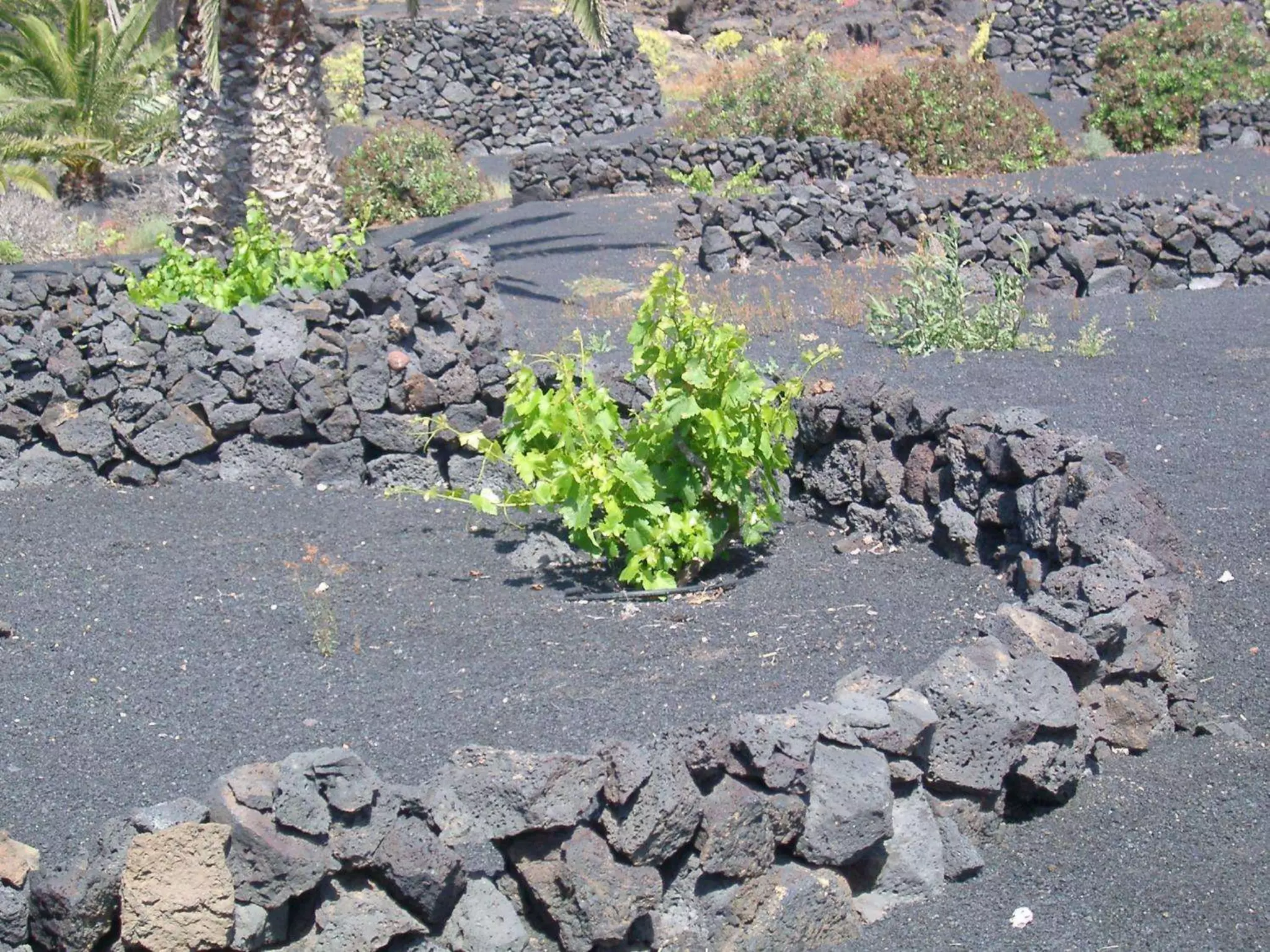
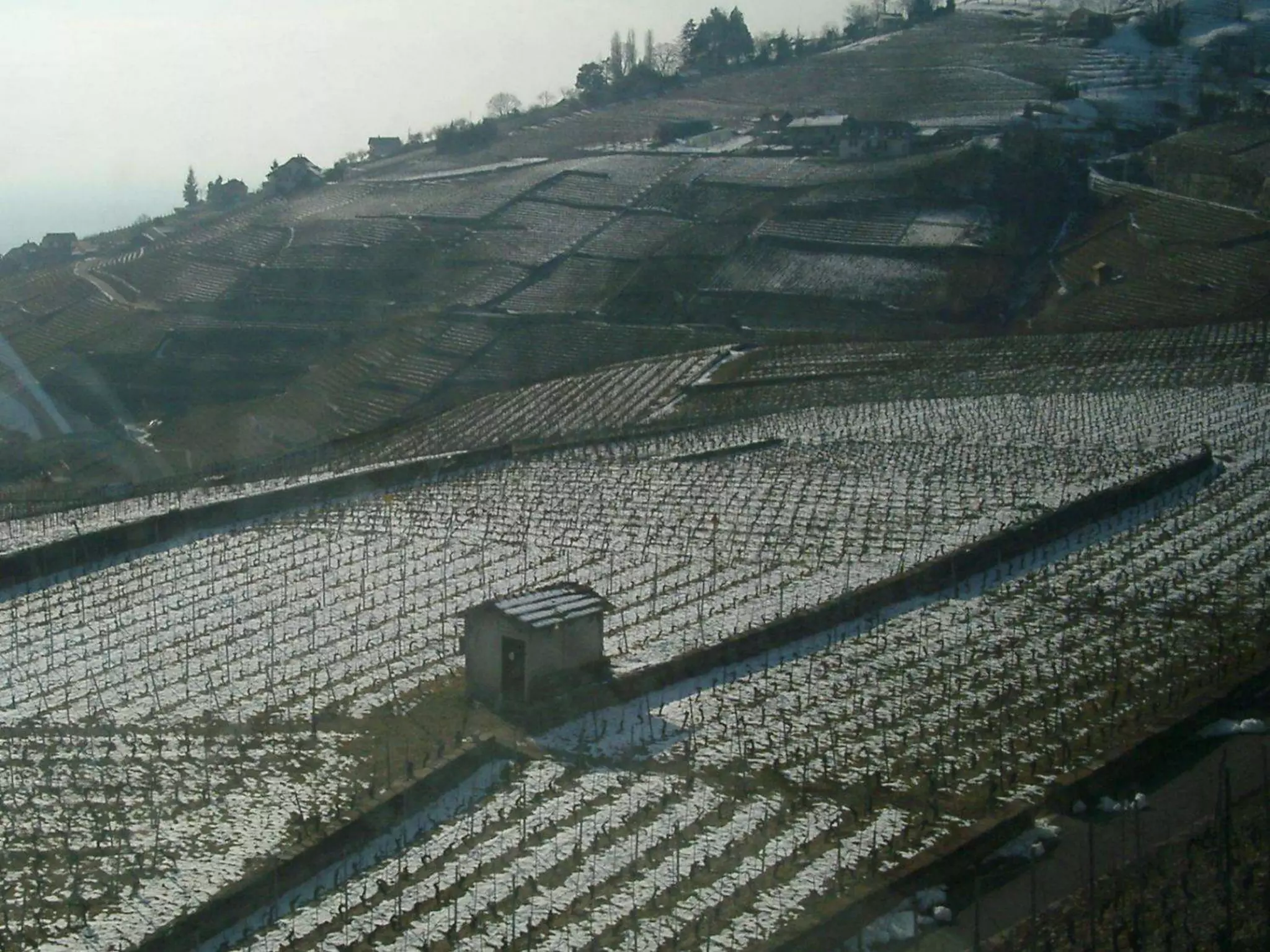
• Any favourite or memorable wine?
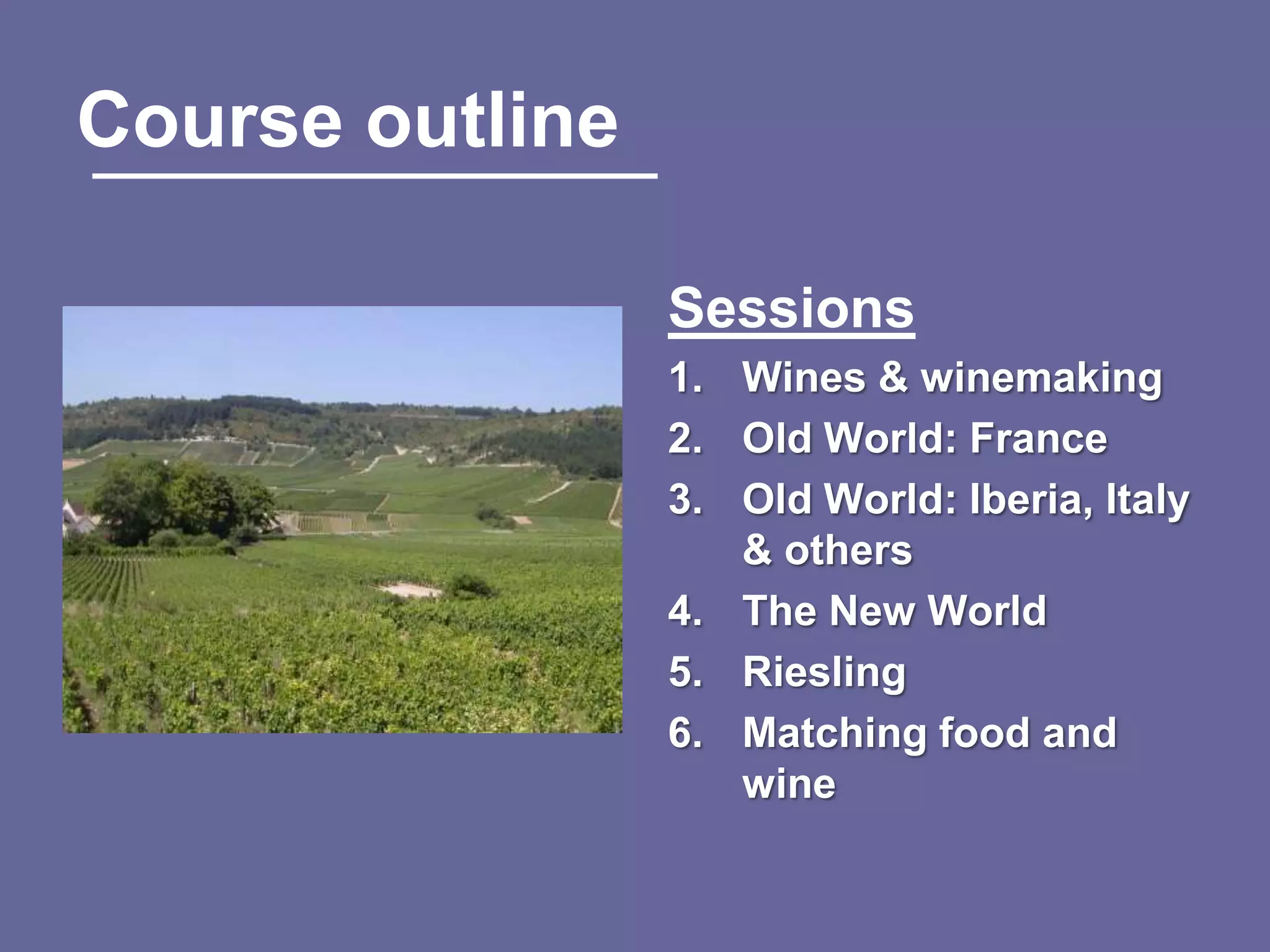
Course outline

                 Sessions
                 1. Wines & winemaking
                 2. Old World: France
                 3. Old World: Iberia, Italy
                    & others
                 4. The New World
                 5. Riesling
                 6. Matching food and
                    wine
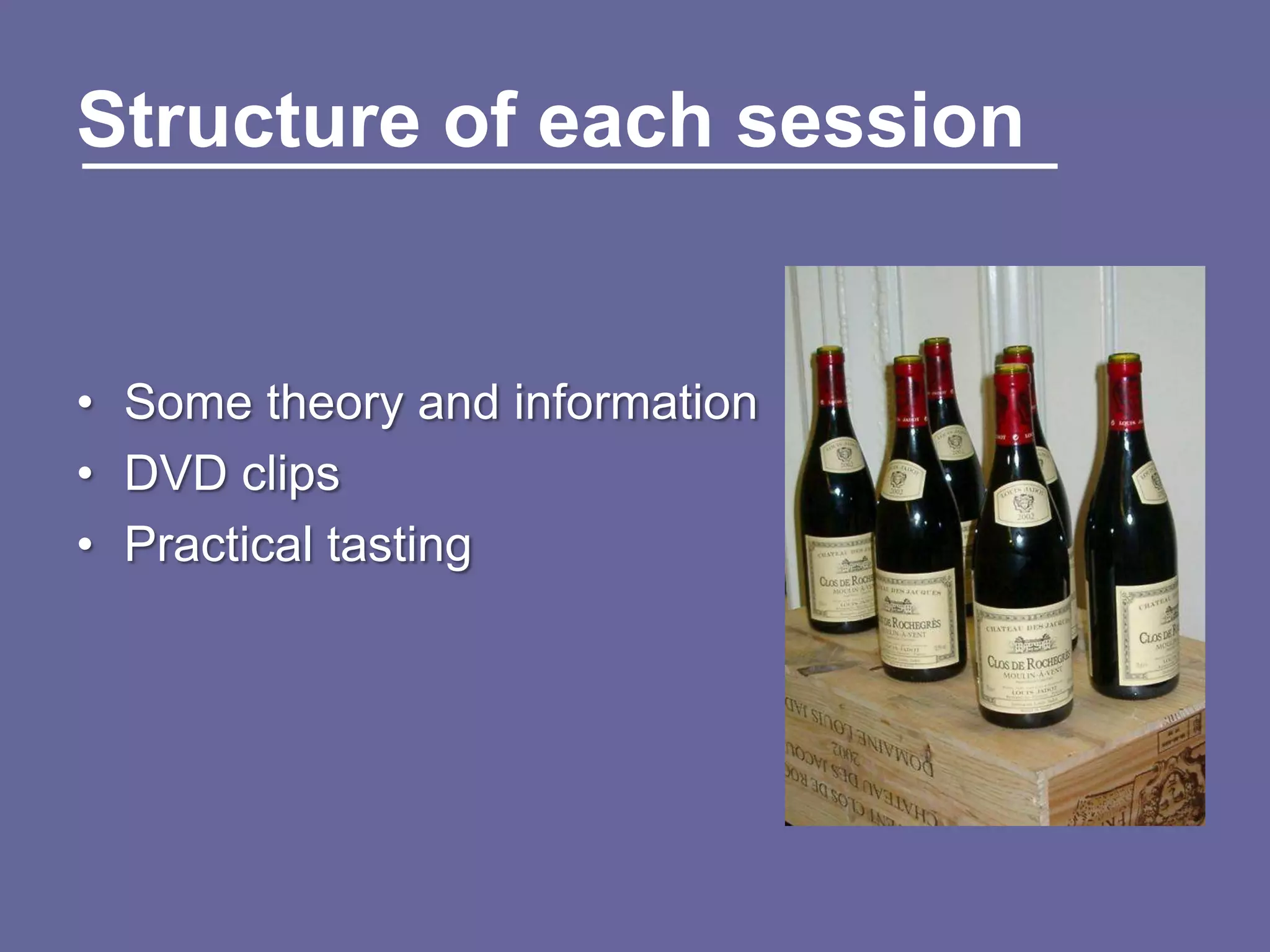
Structure of each session


• Some theory and information
• DVD clips
• Practical tasting
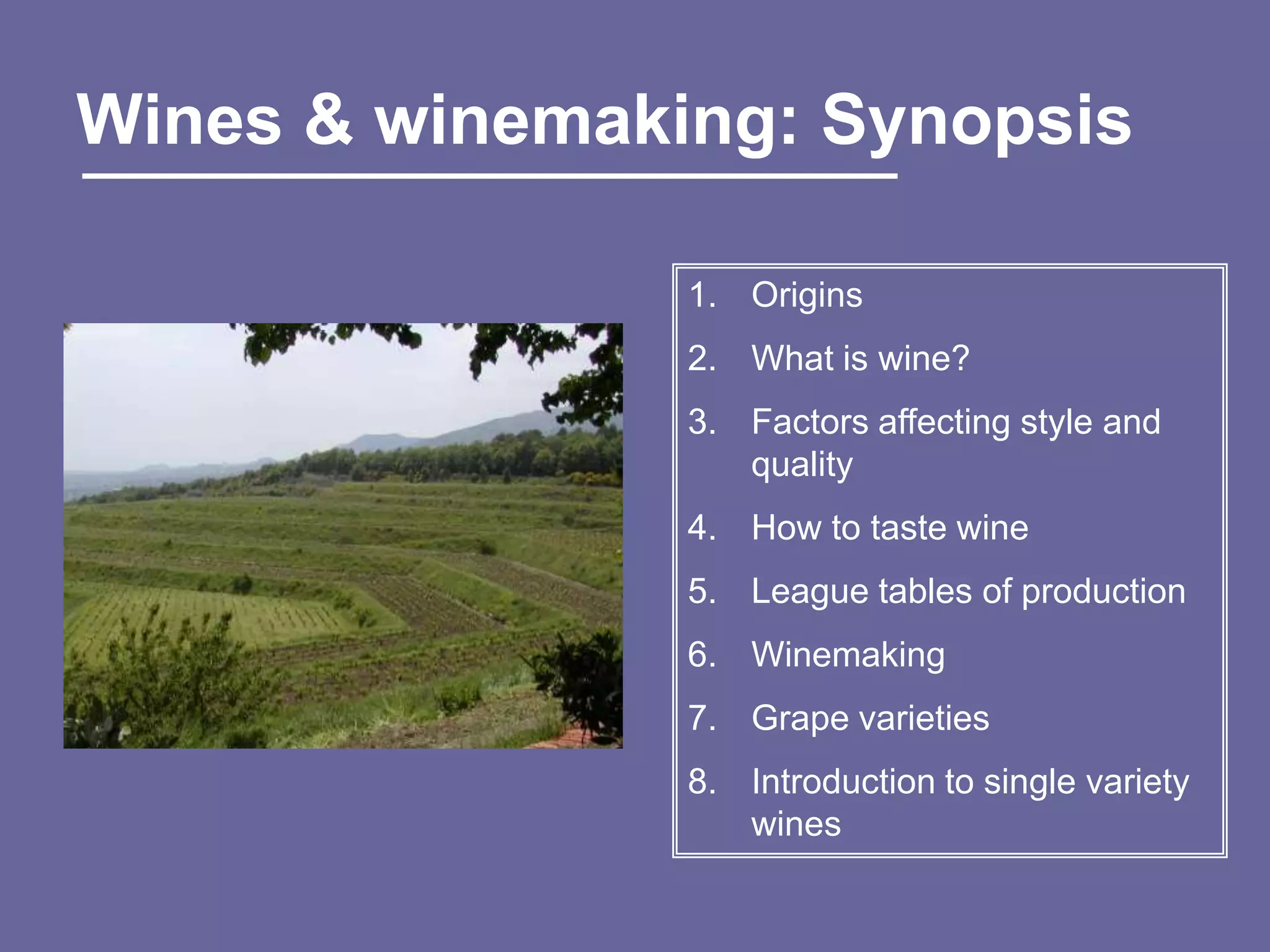
Wines & winemaking: Synopsis

                1. Origins
                2. What is wine?
                3. Factors affecting style and
                   quality
                4. How to taste wine
                5. League tables of production
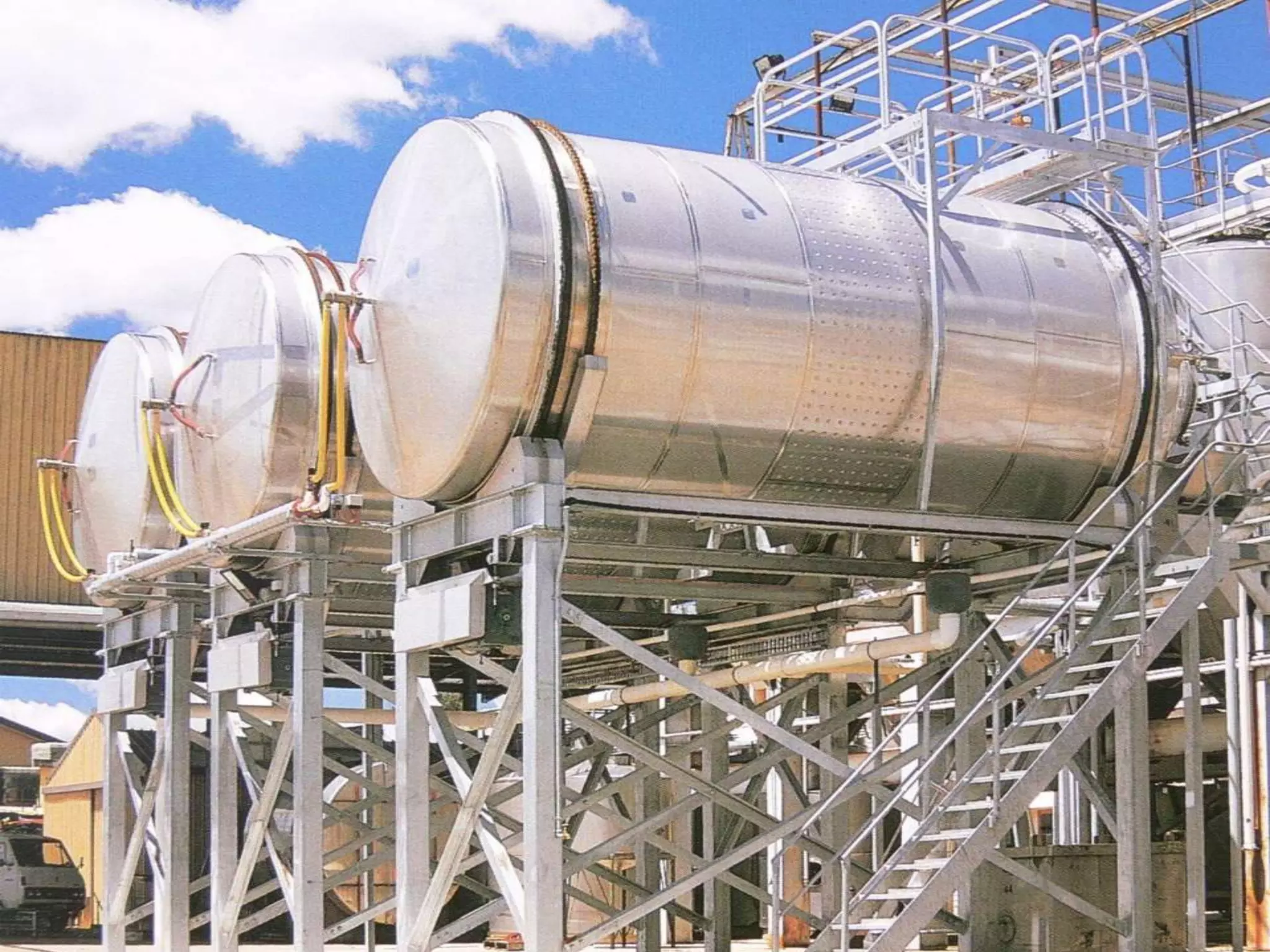
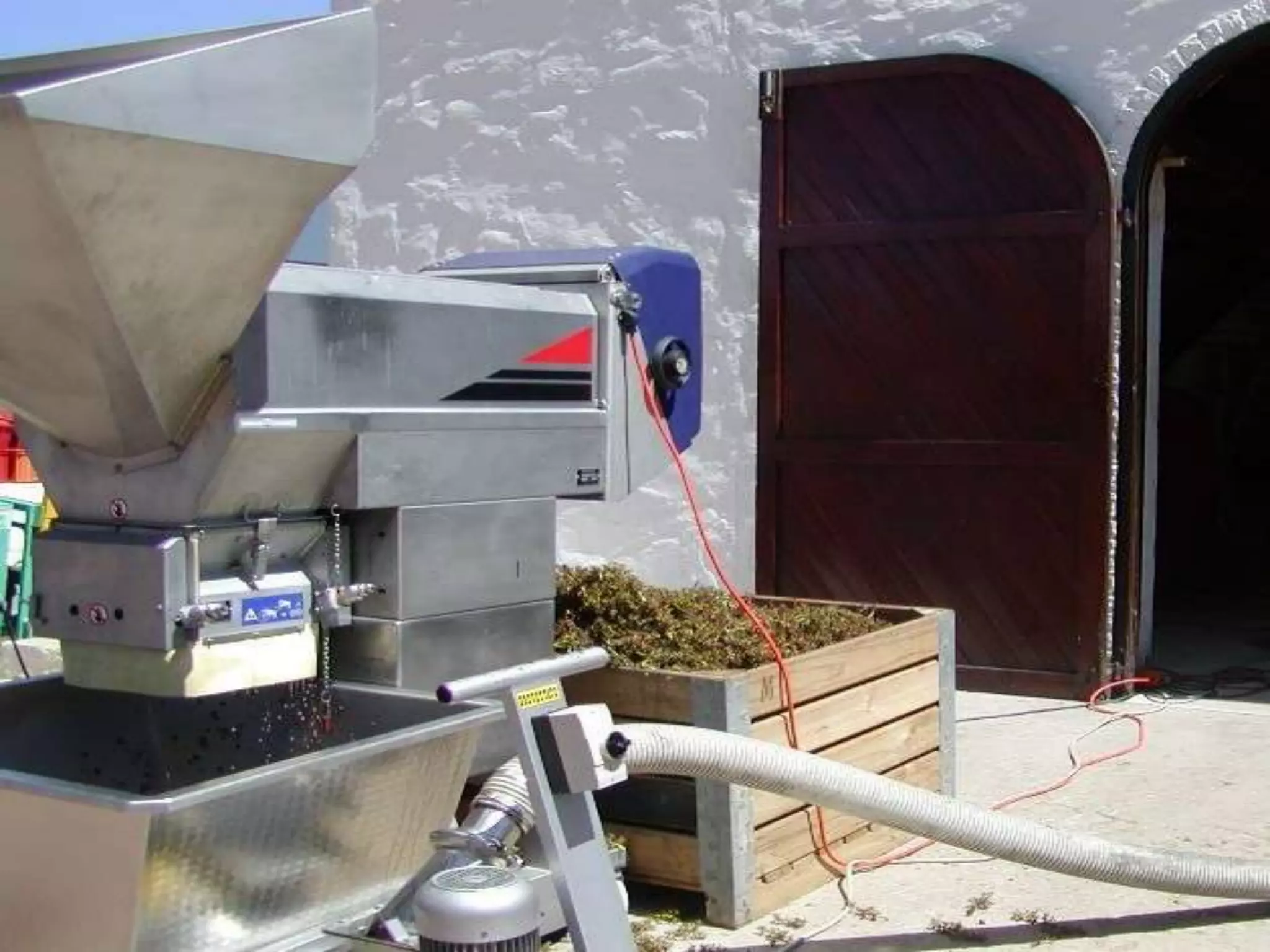
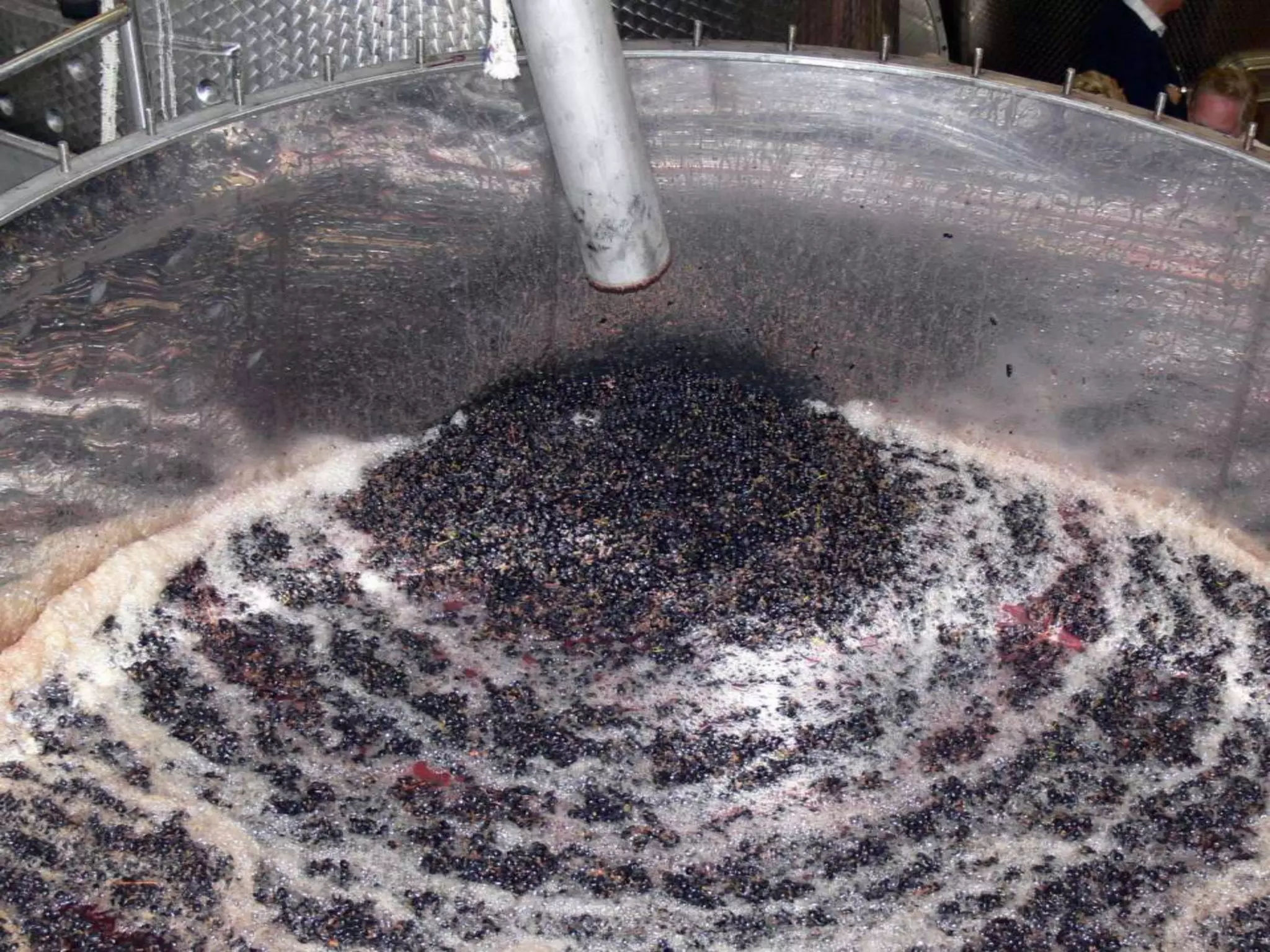
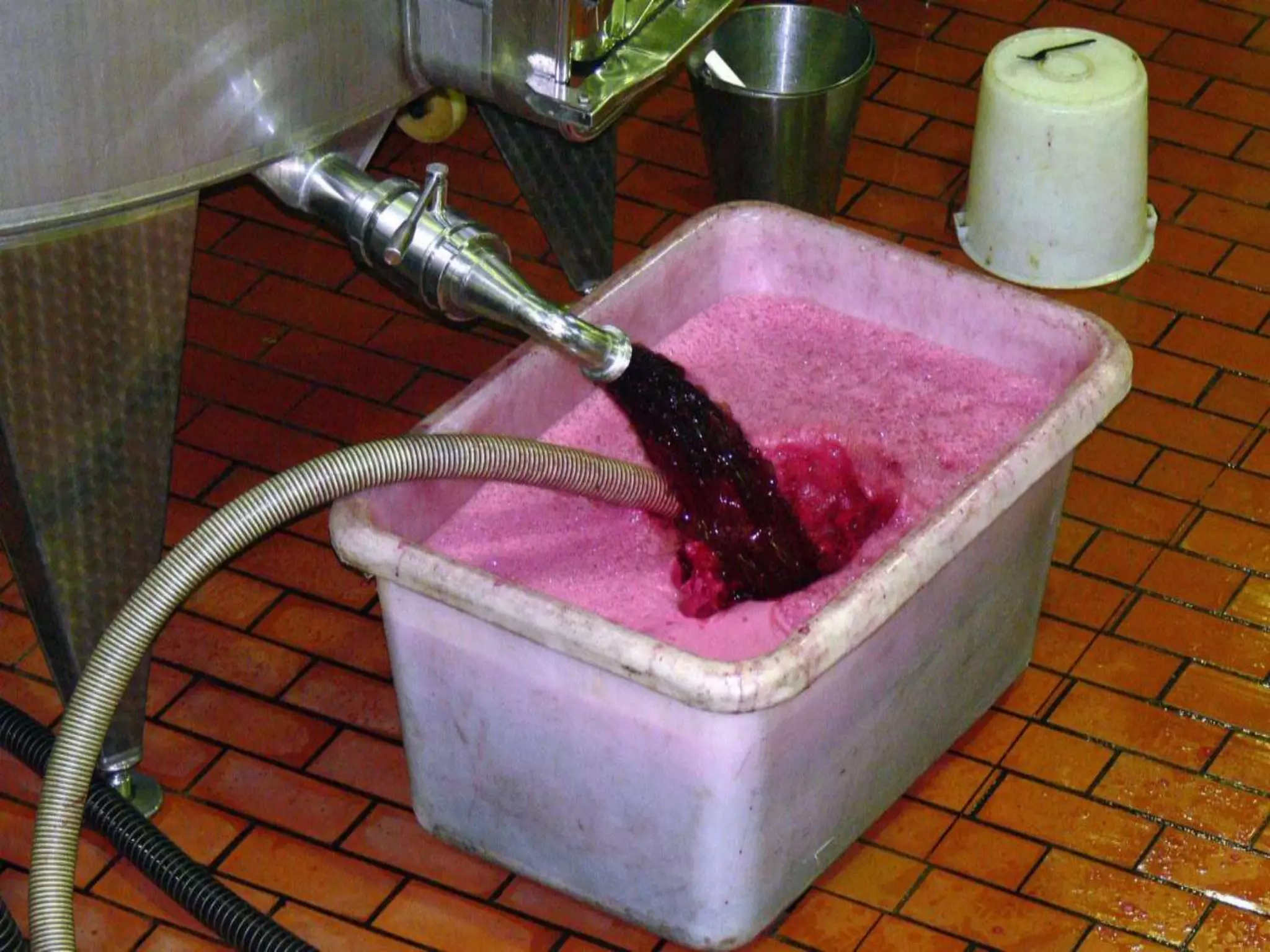
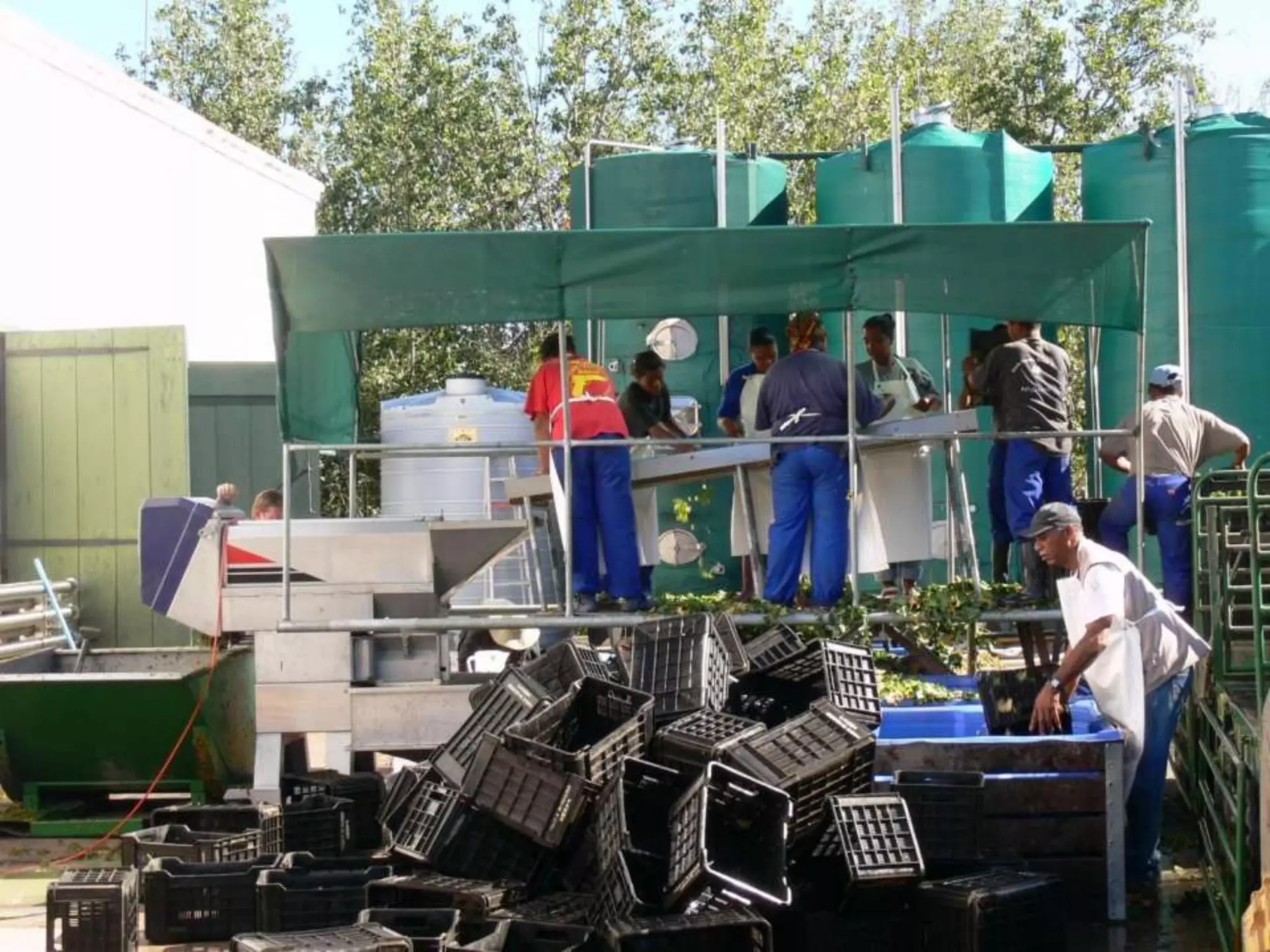
                6. Winemaking
                7. Grape varieties
                8. Introduction to single variety
                   wines
Origins
• Mesopotamia                 10,000 BC
    – Chance discovery of fermentation?
• Egypt & Phoenicia           3,000 BC
    – Phoenicians producing, bottling and trading
      wine
•   Greece                   2,000 BC
•   Italy & Nth Africa       1,000 BC
•   Iberia & France          500 BC
•   Roman Empire [inc. England]
Definitions of wine
   (extracts from EU directives)
• “….fermented juices of freshly gathered grapes
  made [according to local tradition and bottled in
  region of origin …]”
but, under pressure from newer member states, EU eroded
  the above to:

• “….total or partial alcoholic fermentation of fresh
  grapes….or grape must….”
Winemaking chemistry

Grape juice                  Yeast
Sugars: Fructose; glucose    [Natural or cultured]
 Acids: Tartaric and malic
Water: 75%


Ethyl alcohol                Carbon dioxide (gas)
Composition of wine
 – Water                          85%
 – Ethyl alcohol                  12%
 – Glycerol                       1%
 – Everything else                1 – 1.5%
   • Organic acids (Tartaric, Malic, Lactic)
   • Minerals
   • Tannins & other pigments
      – colouring & ageing properties
   • Esters, aldehydes & higher alcohols
      – aroma & taste
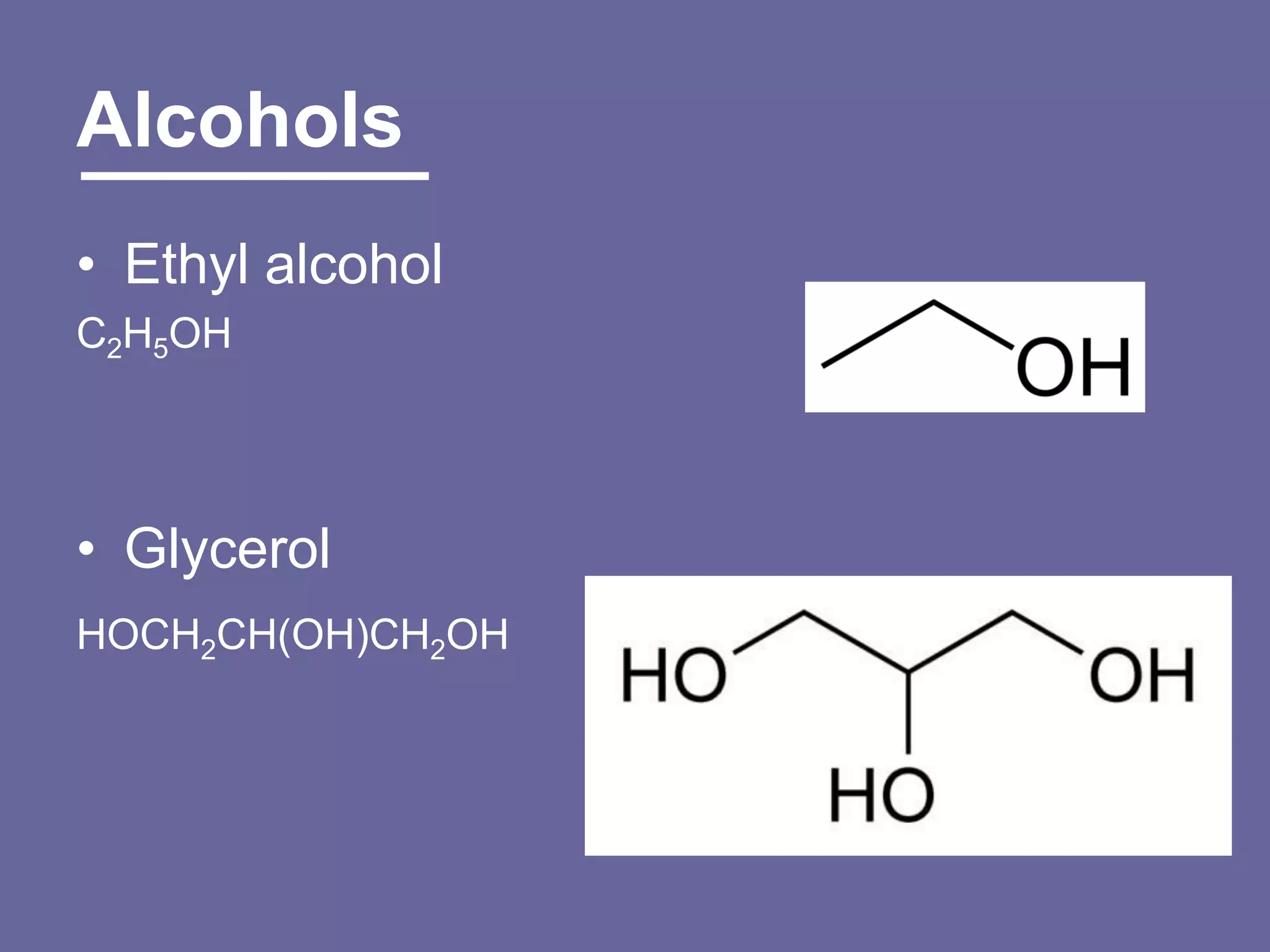
Alcohols
• Ethyl alcohol
C2H5OH


• Glycerol
HOCH2CH(OH)CH2OH
Added ingredients
• Most national regulators allow controlled
  additions of:
  – Sugar, to increase alcohol levels
  – Fruit acids, if natural acidity is low
  – Cultured yeast strains, to improve
    fermentation
  – Sulphur & sulphites, universally used as an
    anti-oxidant, preservative
  – Alcohol, usually grape spirit, to
    fortify/strengthen
How is quality & variety introduced?
    In Vineyard                 Post-harvest
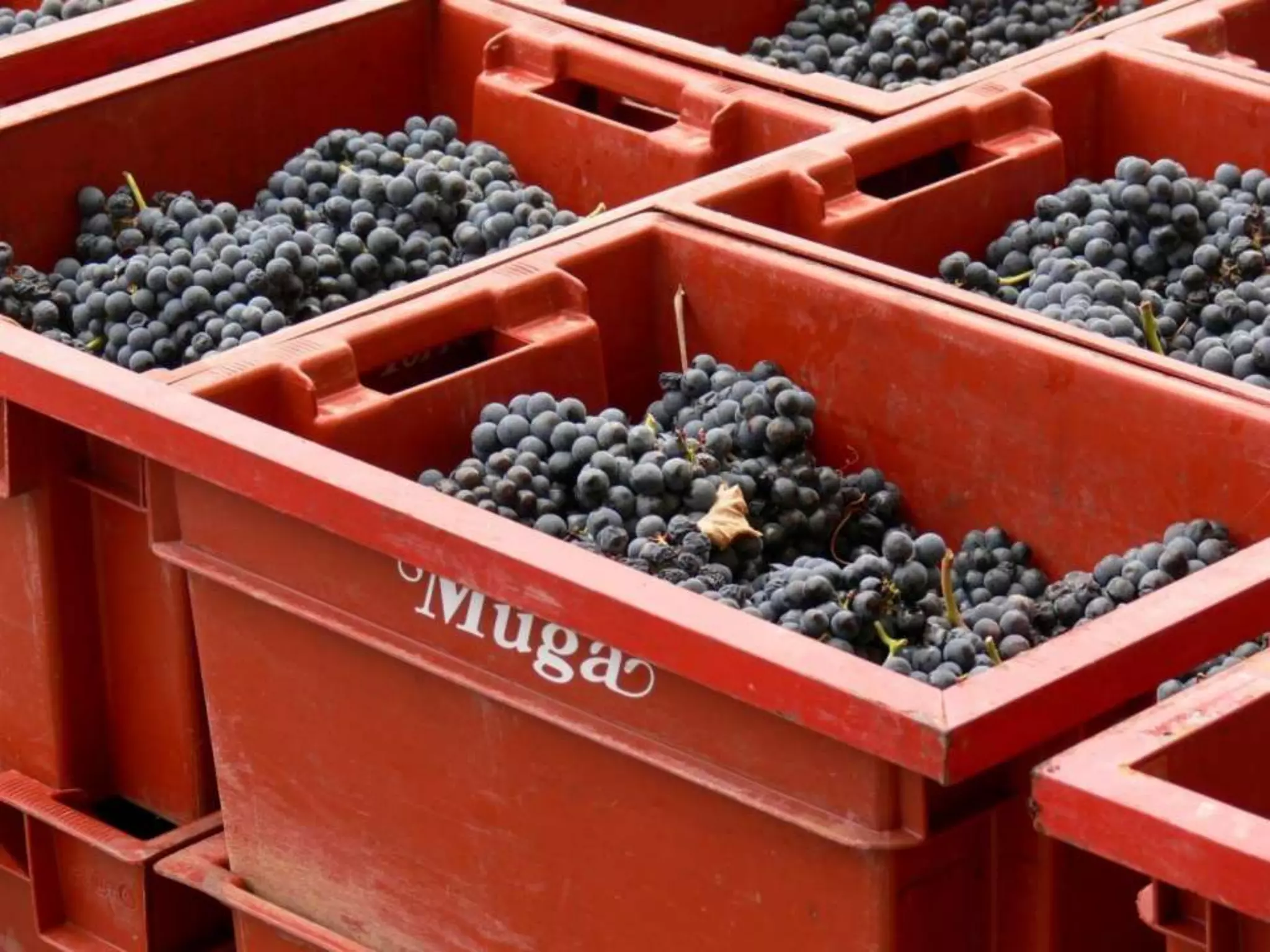
• Grape variety             • Sorting
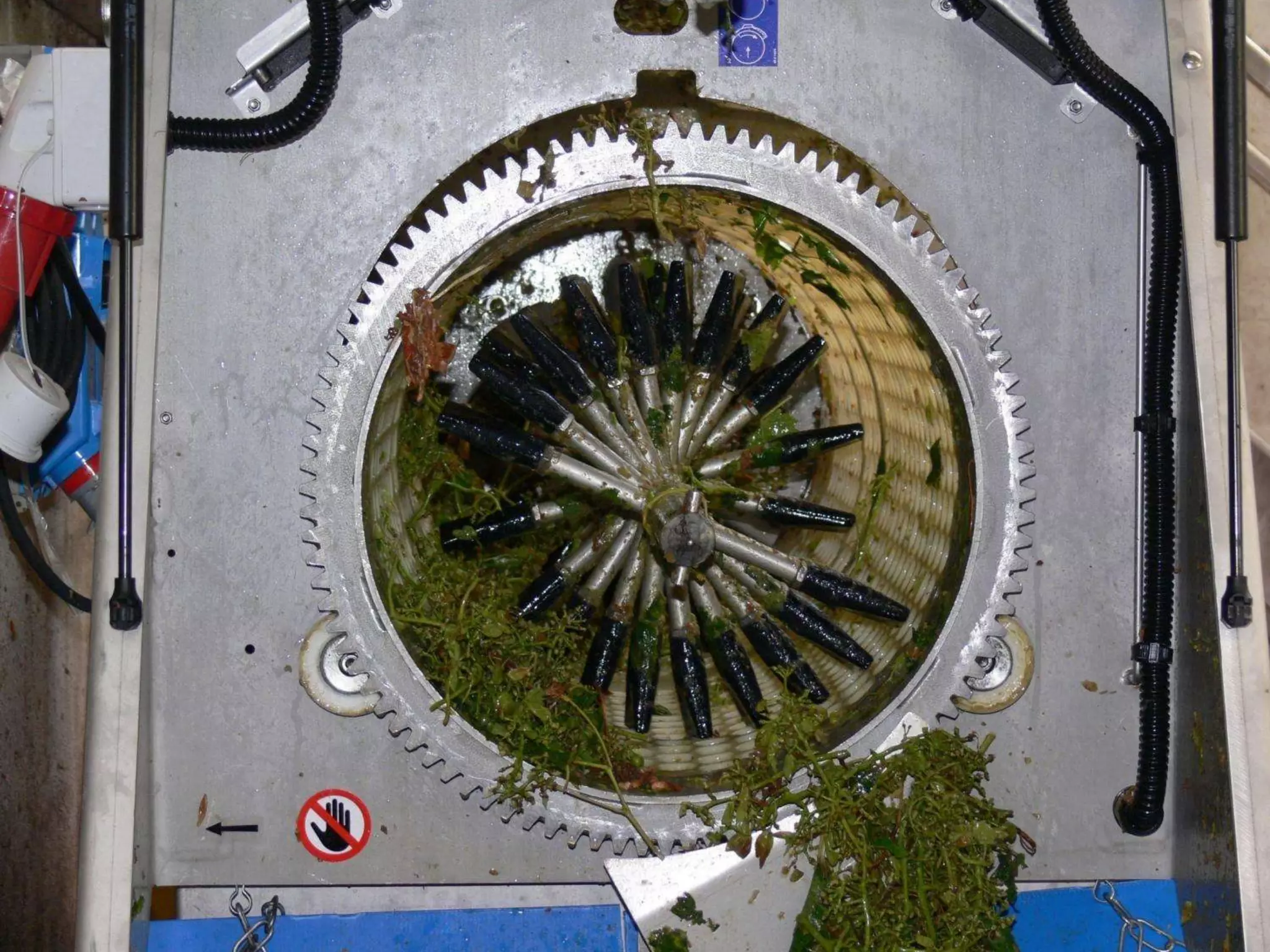
• Geology & soil            •   De-stemming
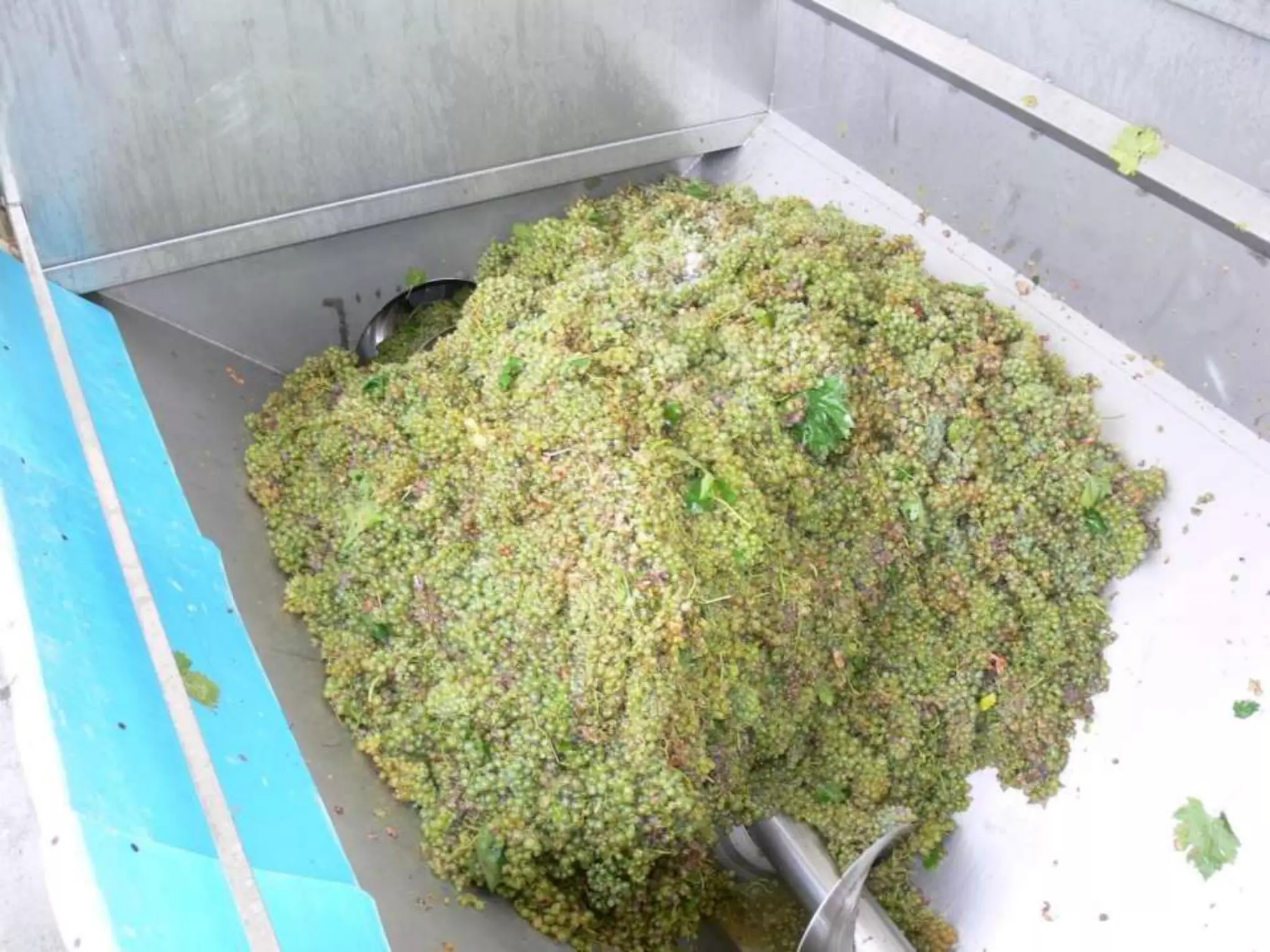
• Climate                   •   Crushing
• Aspect; slope             •   Fermentation
• Culture                   •   Filtration
  (pruning, training of
  vines, etc)               •   Blending
• Weather at harvest        •   Fining
• Time of harvest           •   Maturation
  (residual sugar levels)   •   Bottling/labelling
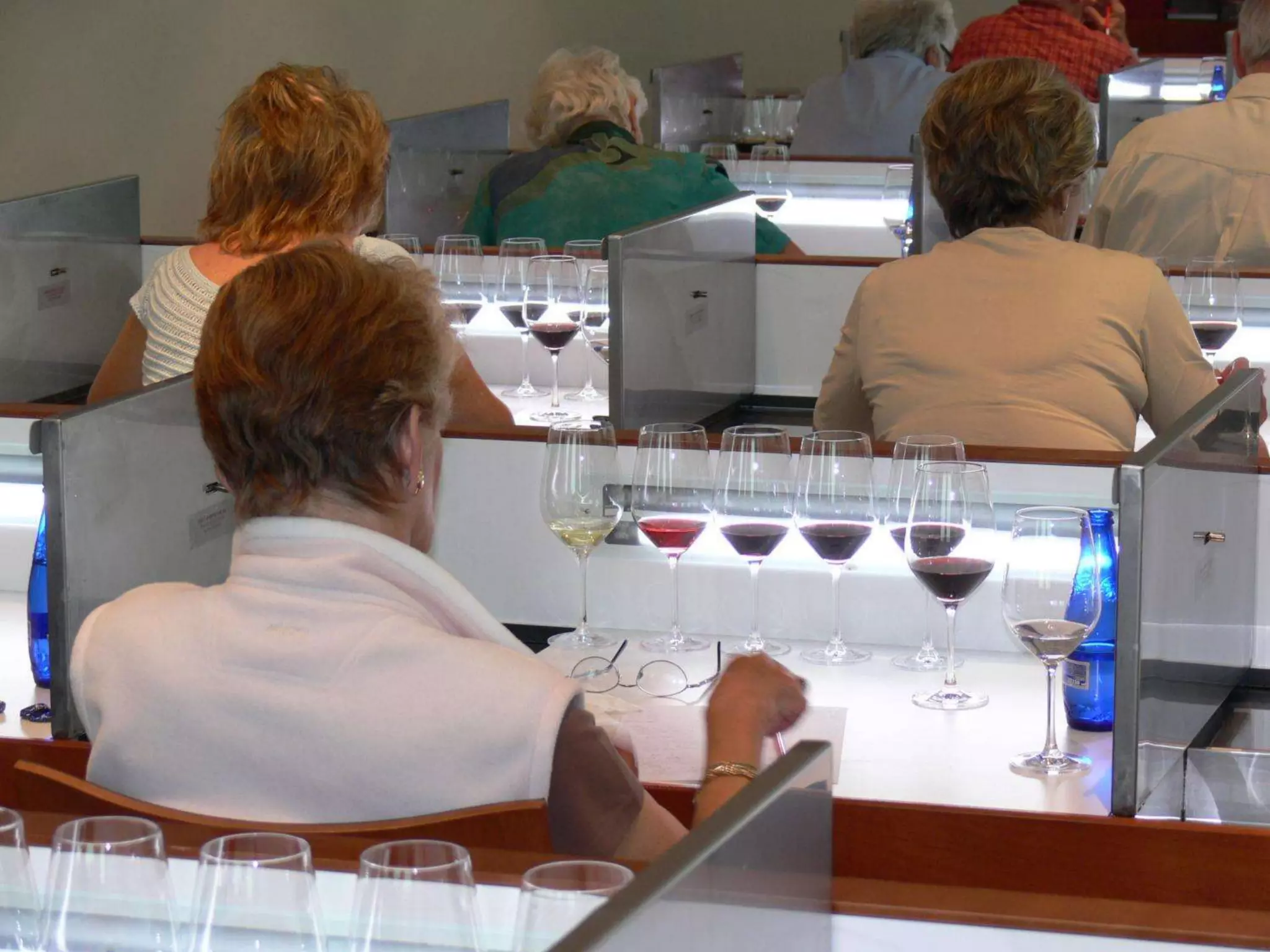
Wine tasting
1. Sight       Eyes

2. Aroma       Nose

3. Palate(taste) Mouth
Tutored wine tasting
1: Sight - Eyes
• Clarity
• Colour
  – rim
  – body; density
• Suggestions of
  – production method – steel or oak
  – age
  – grape variety
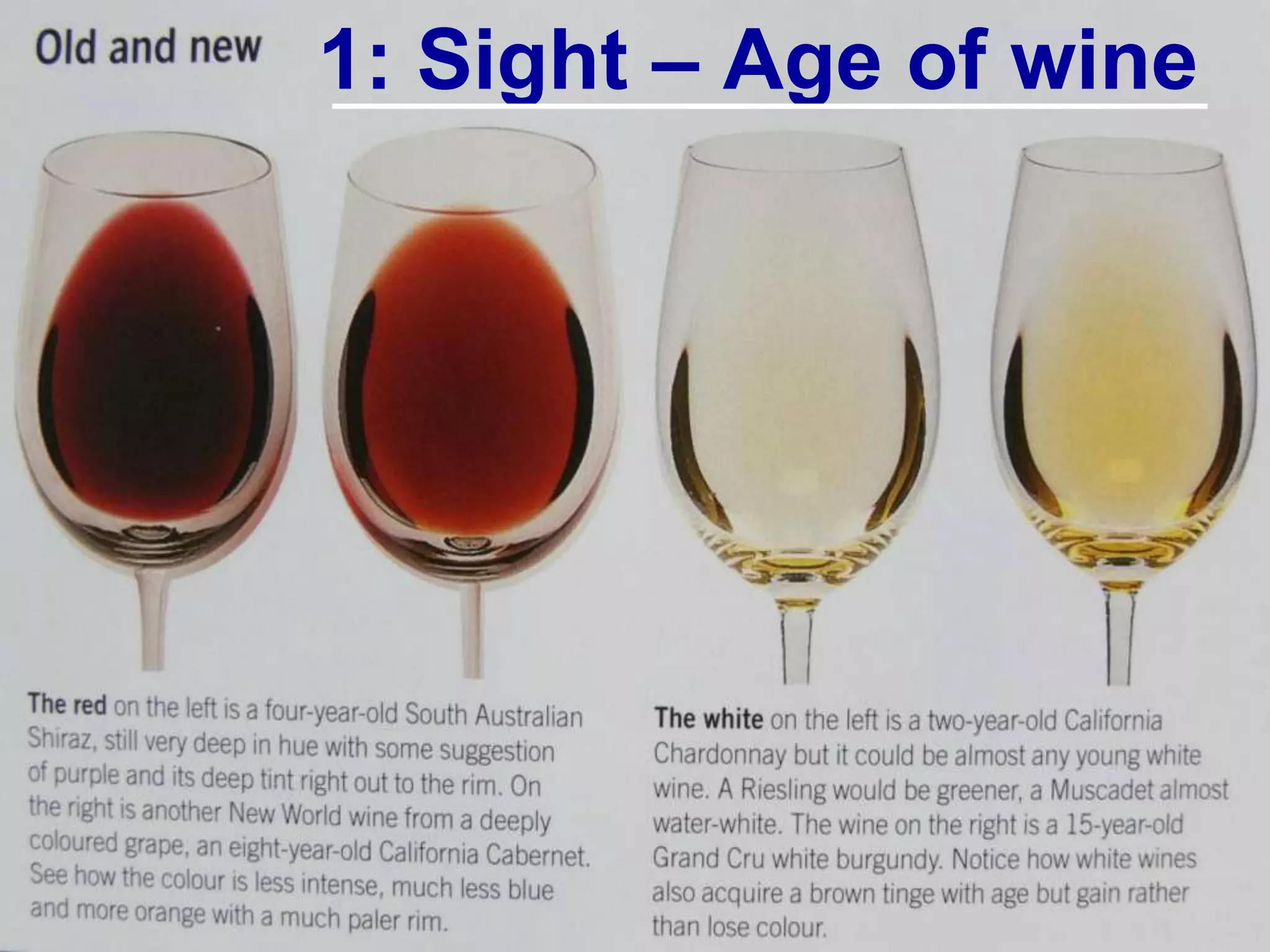
1: Sight – Age of wine
2. Aroma - Nose

• Fresh - Proceed
• Any mustiness – REJECT
  – One bottle in 20 corked
  – Try the cork first for mustiness
• Aromas?
Aroma exercise: 1

    • Lemon
      –1


    • Raspberry
      – 13


    • Vanilla
      – 40
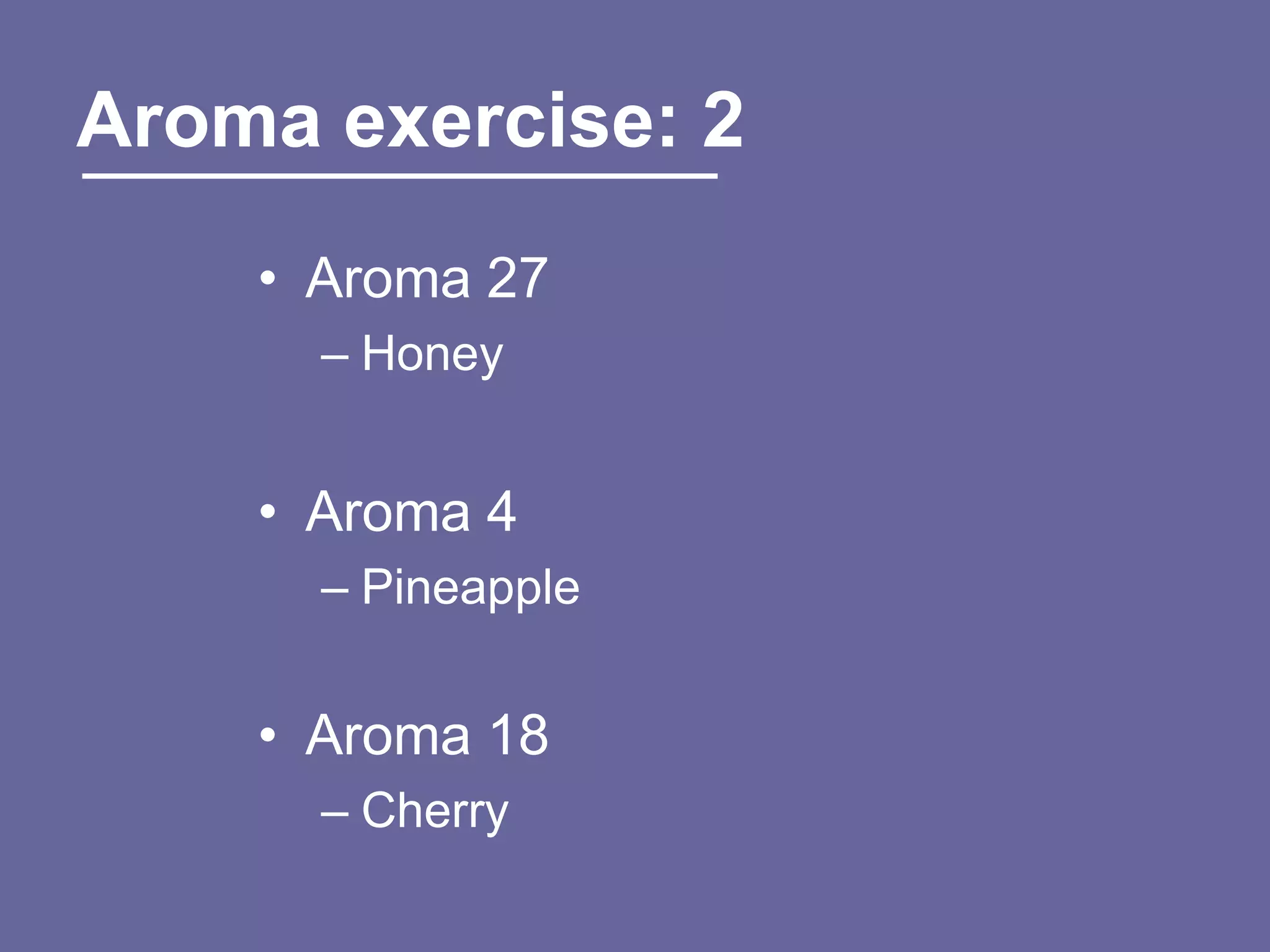
Aroma exercise: 2
    • Aroma 27
      – Honey


    • Aroma 4
      – Pineapple


    • Aroma 18
      – Cherry
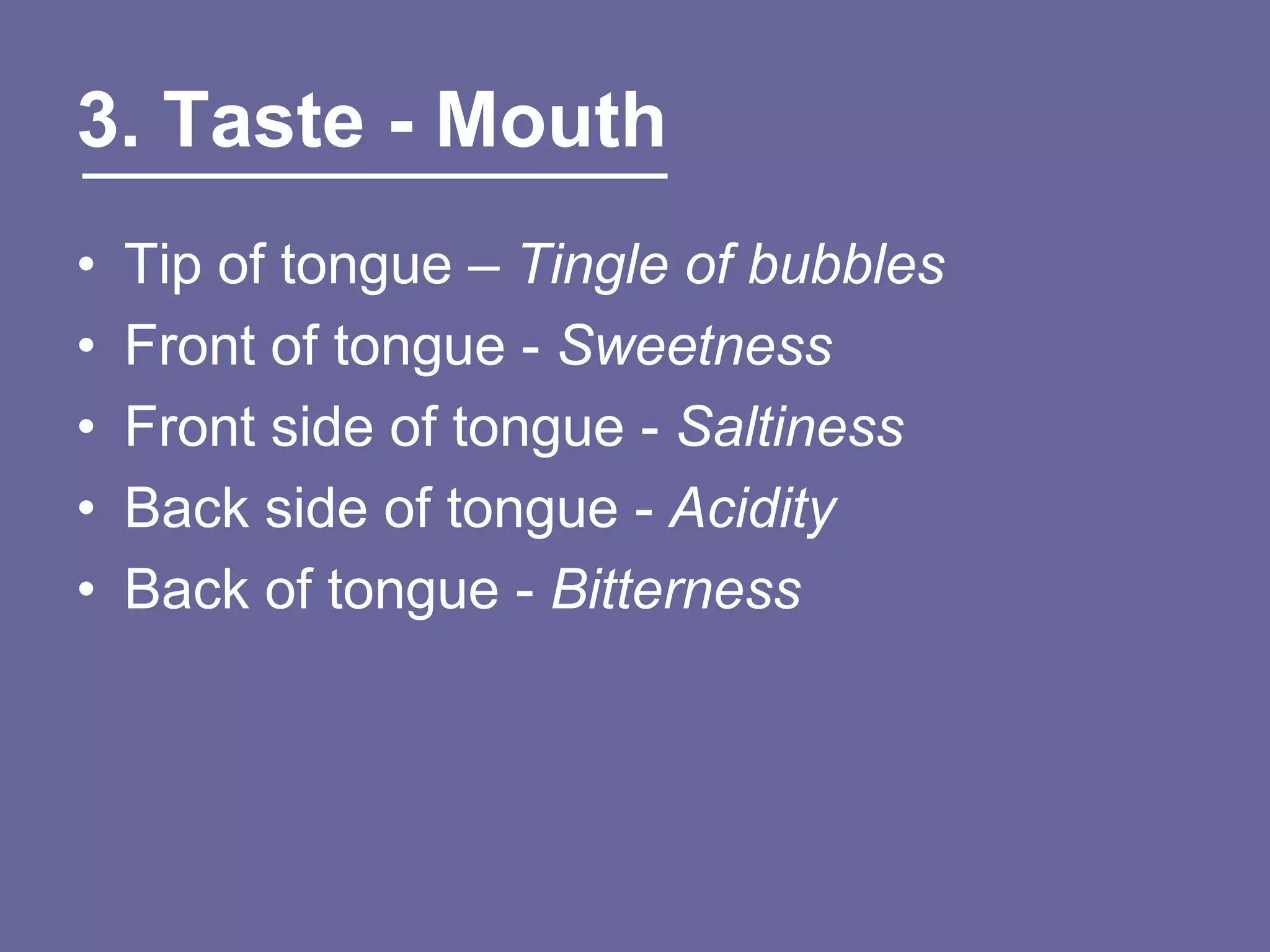
3. Taste - Mouth
•   Tip of tongue – Tingle of bubbles
•   Front of tongue - Sweetness
•   Front side of tongue - Saltiness
•   Back side of tongue - Acidity
•   Back of tongue - Bitterness
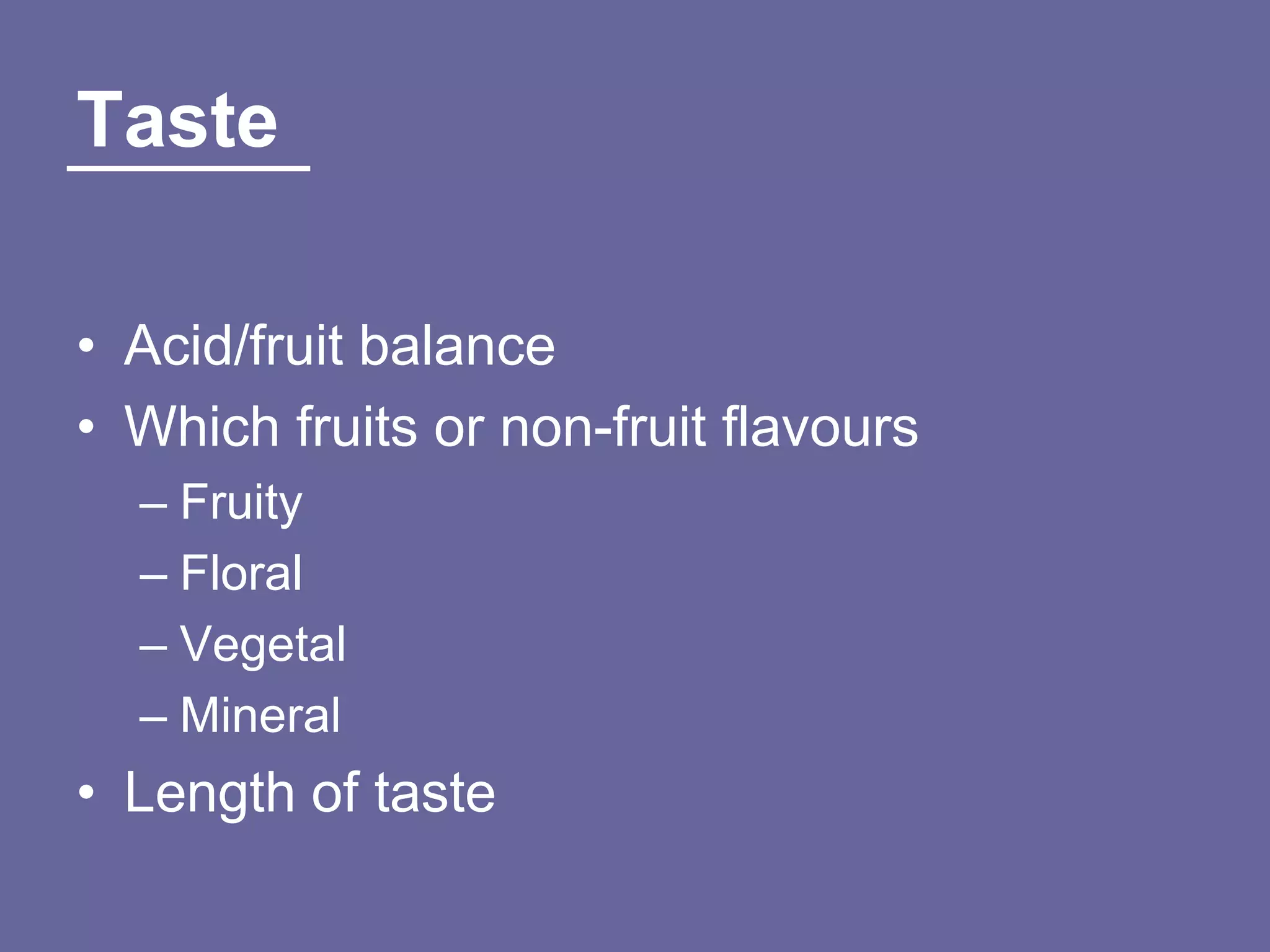
Taste

• Acid/fruit balance
• Which fruits or non-fruit flavours
  – Fruity
  – Floral
  – Vegetal
  – Mineral
• Length of taste
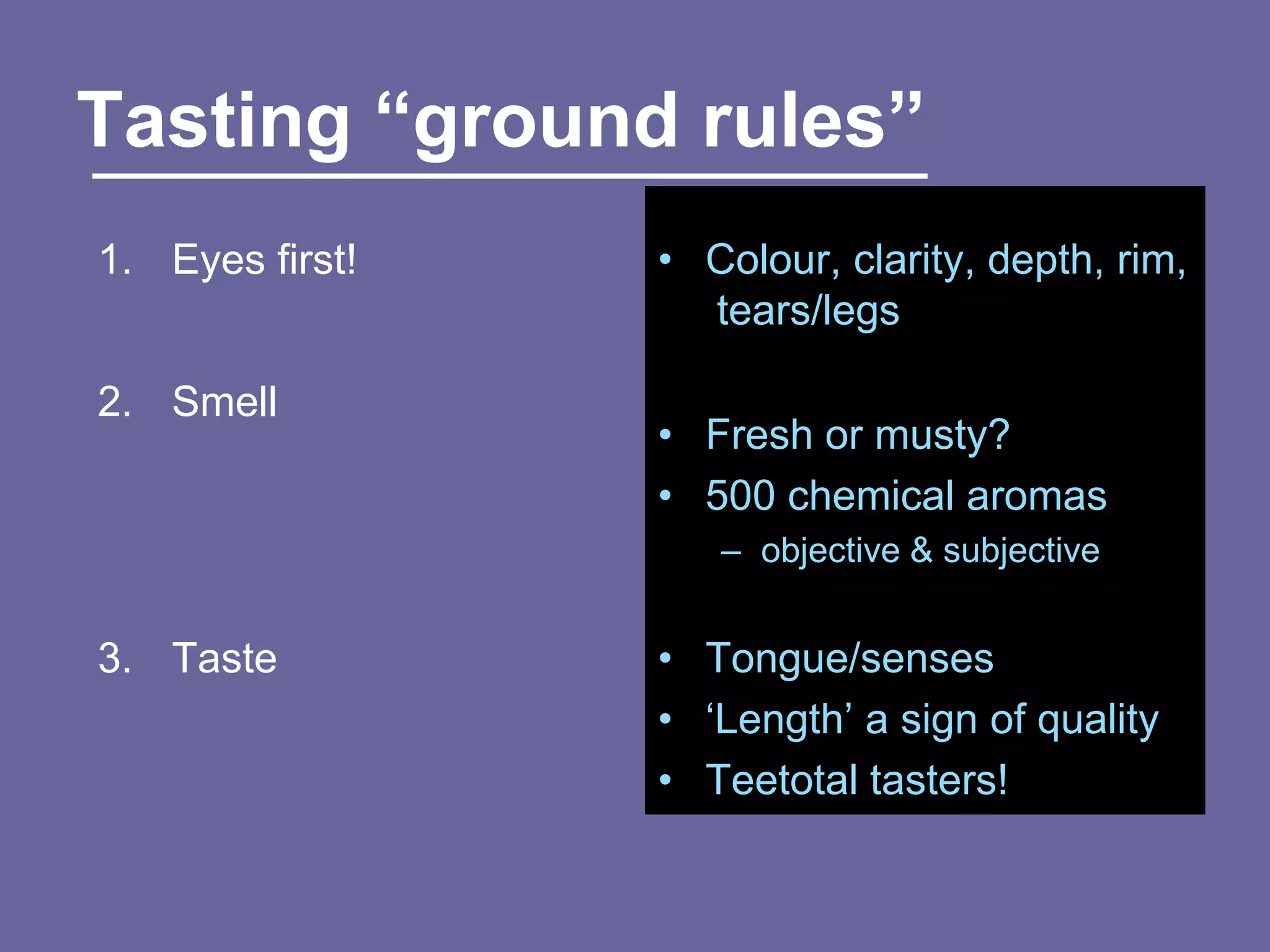
Tasting “ground rules”
1. Eyes first!   • Colour, clarity, depth, rim,
                   tears/legs

2. Smell
                 • Fresh or musty?
                 • 500 chemical aromas
                    – objective & subjective


3. Taste         • Tongue/senses
                 • „Length‟ a sign of quality
                 • Teetotal tasters!
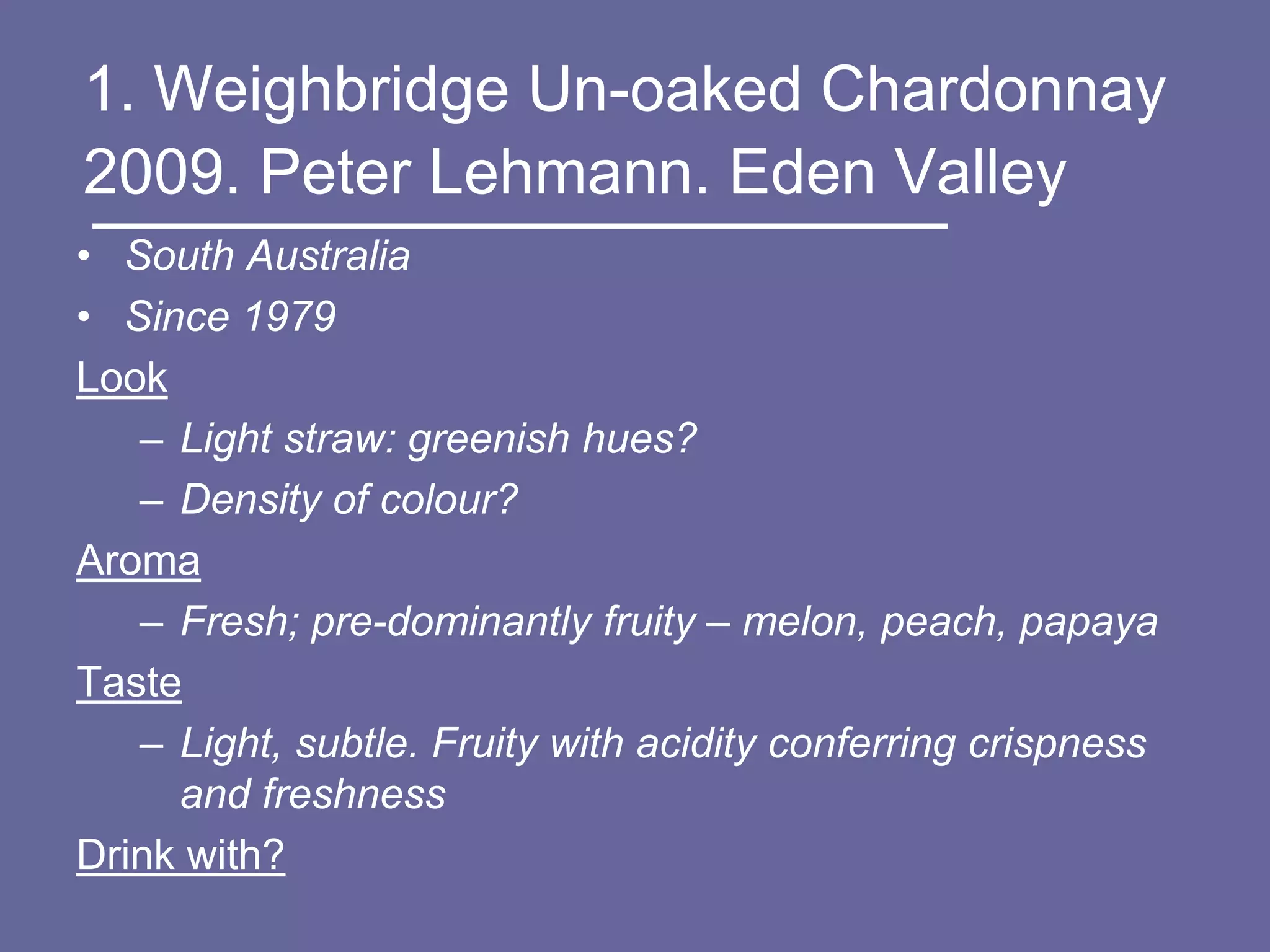
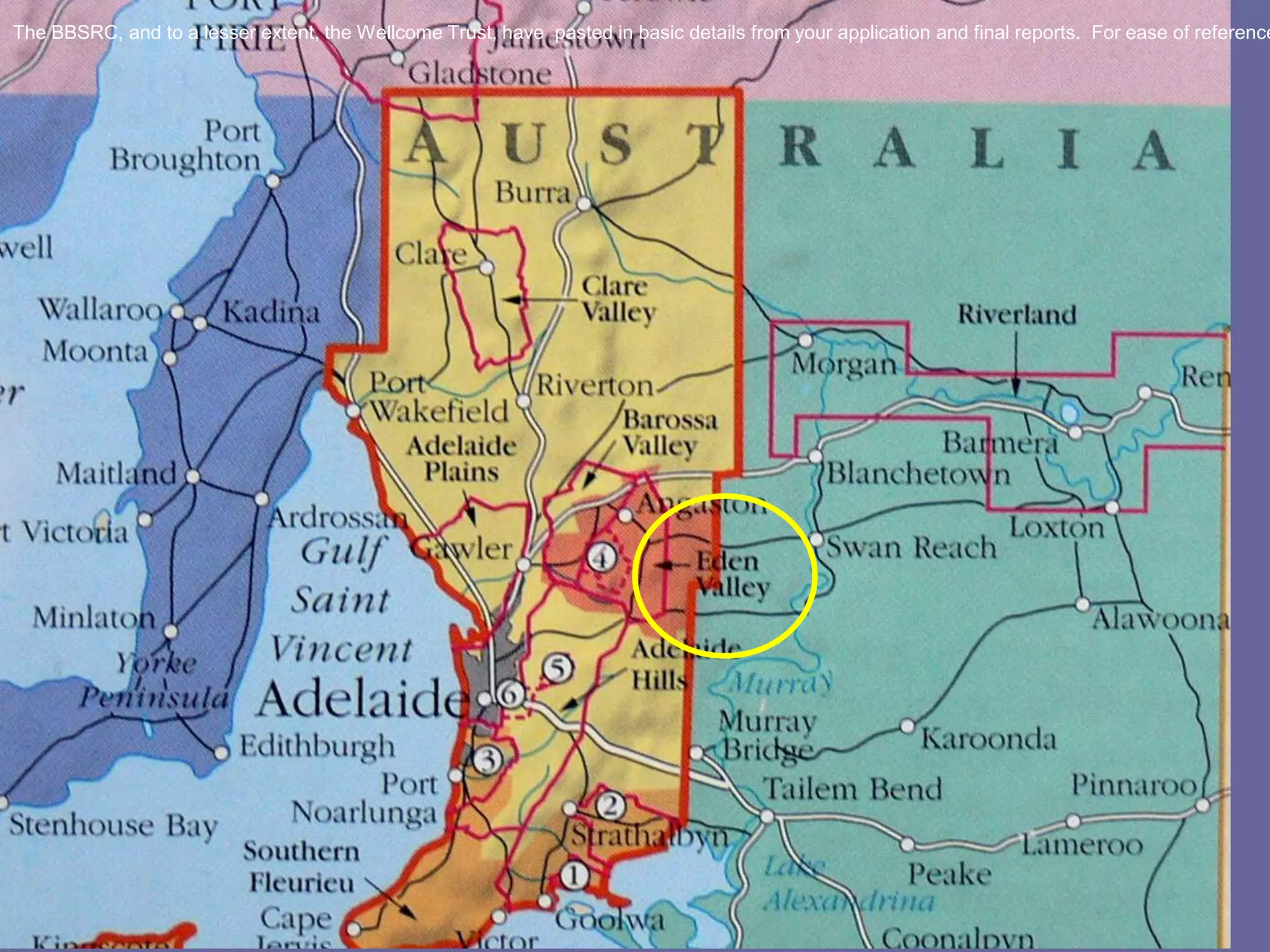
1. Weighbridge Un-oaked Chardonnay
2009. Peter Lehmann. Eden Valley
• South Australia
• Since 1979
Look
   – Light straw: greenish hues?
   – Density of colour?
Aroma
   – Fresh; pre-dominantly fruity – melon, peach, papaya
Taste
   – Light, subtle. Fruity with acidity conferring crispness
     and freshness
Drink with?
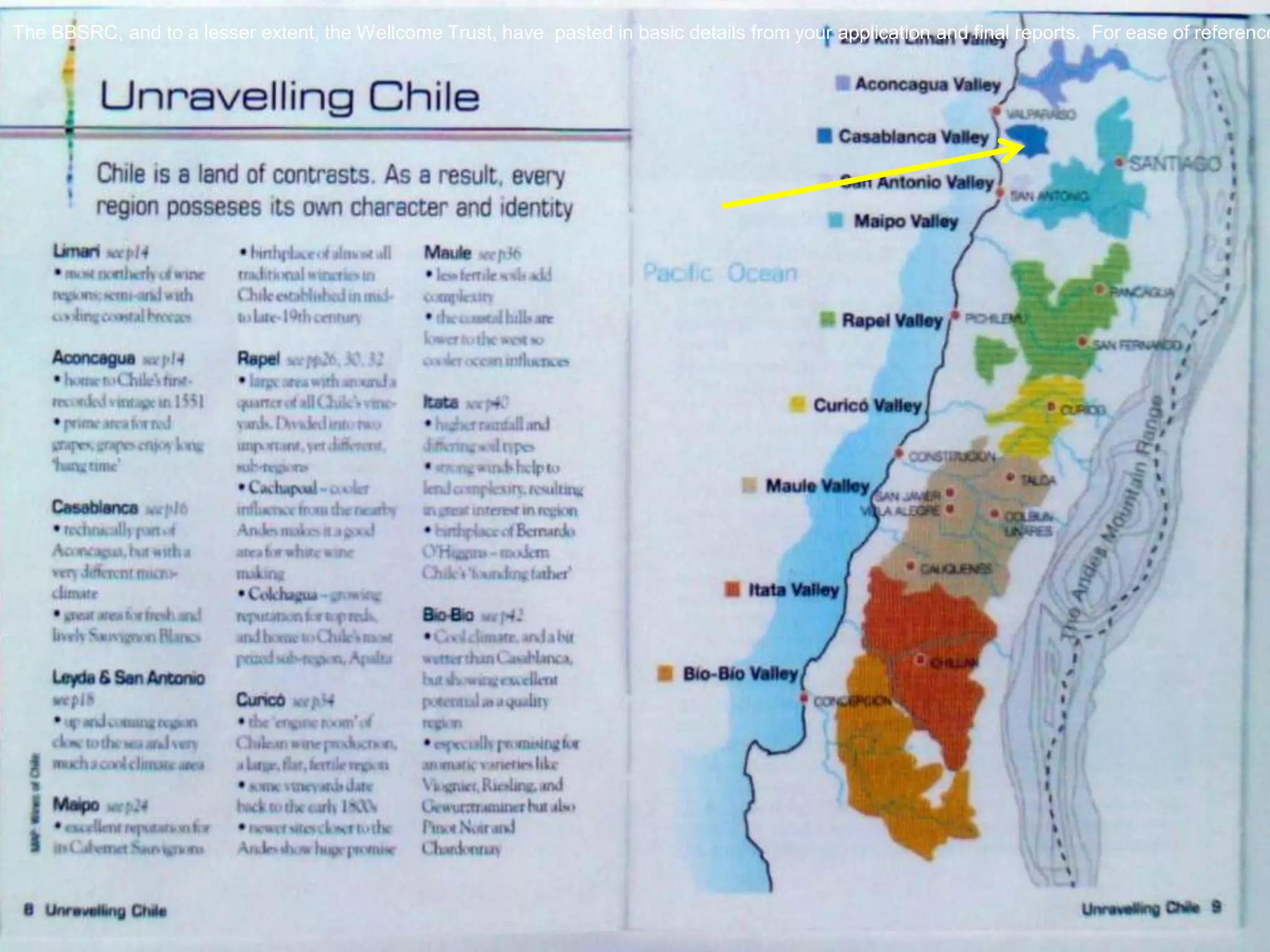
The BBSRC, and to a lesser extent, the Wellcome Trust, have pasted in basic details from your application and final reports. For ease of reference
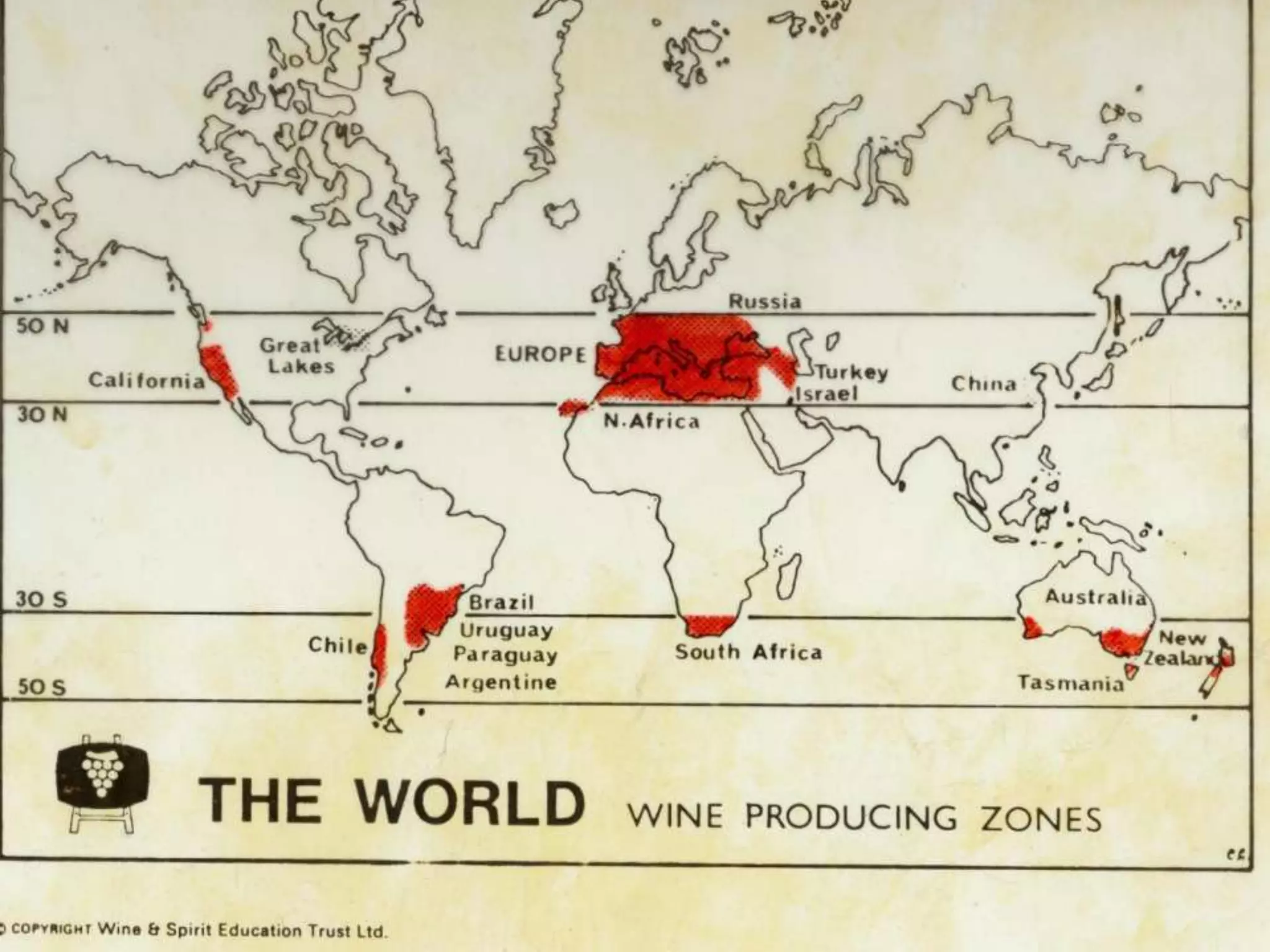
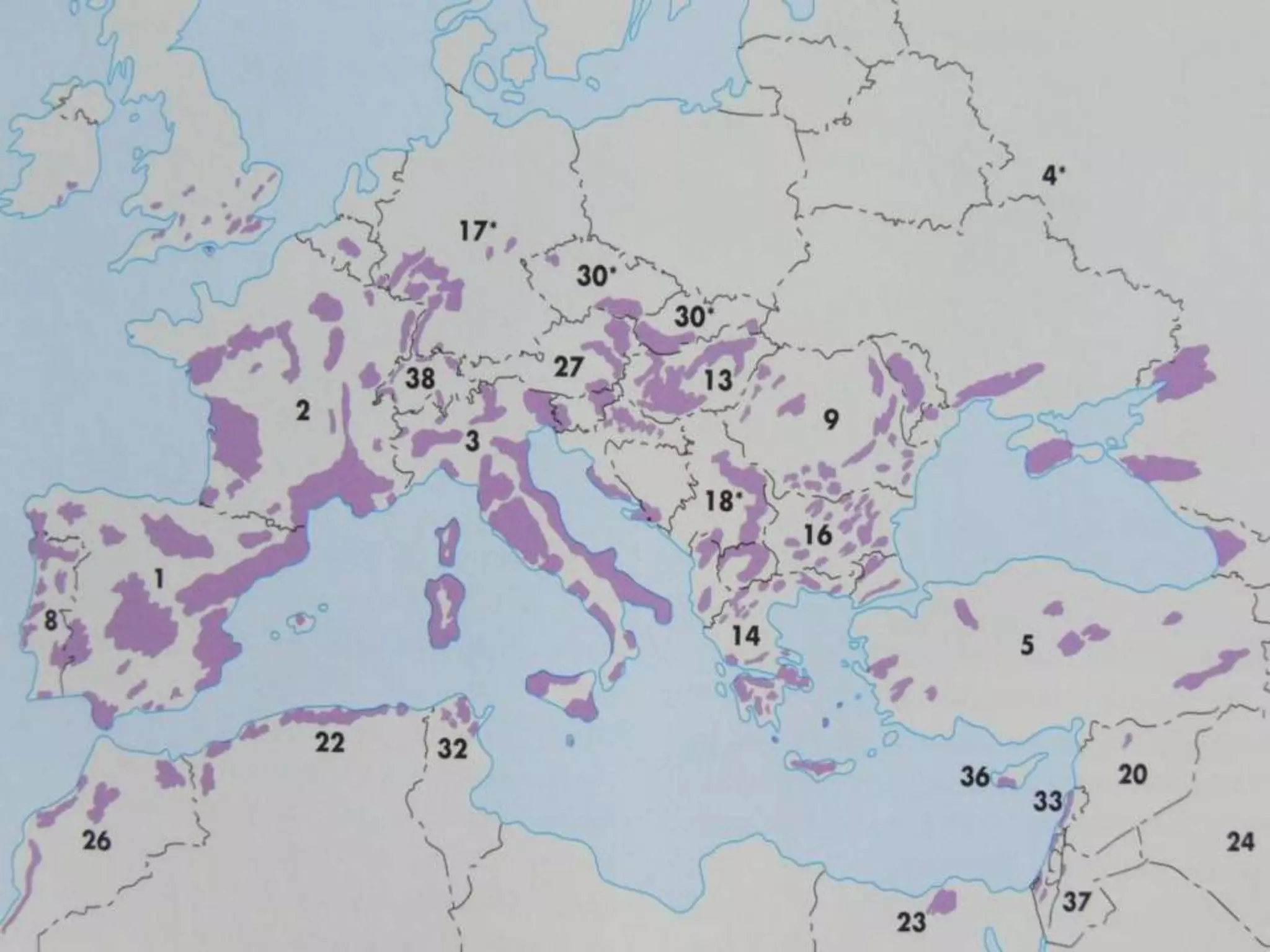
Some facts and figures


 Where is wine produced?
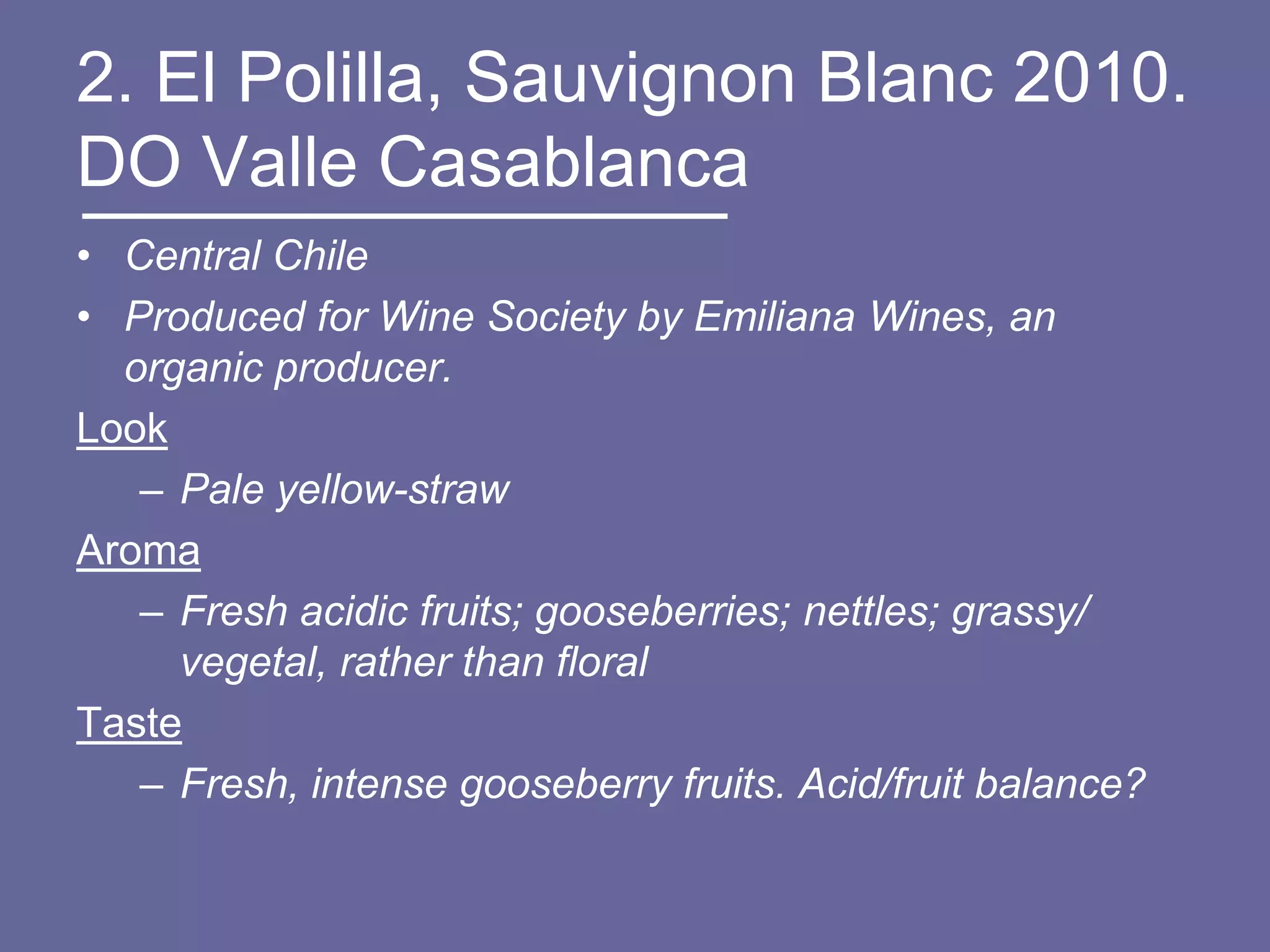
2. El Polilla, Sauvignon Blanc 2010.
DO Valle Casablanca
• Central Chile
• Produced for Wine Society by Emiliana Wines, an
  organic producer.
Look
   – Pale yellow-straw
Aroma
   – Fresh acidic fruits; gooseberries; nettles; grassy/
     vegetal, rather than floral
Taste
   – Fresh, intense gooseberry fruits. Acid/fruit balance?
The BBSRC, and to a lesser extent, the Wellcome Trust, have pasted in basic details from your application and final reports. For ease of reference
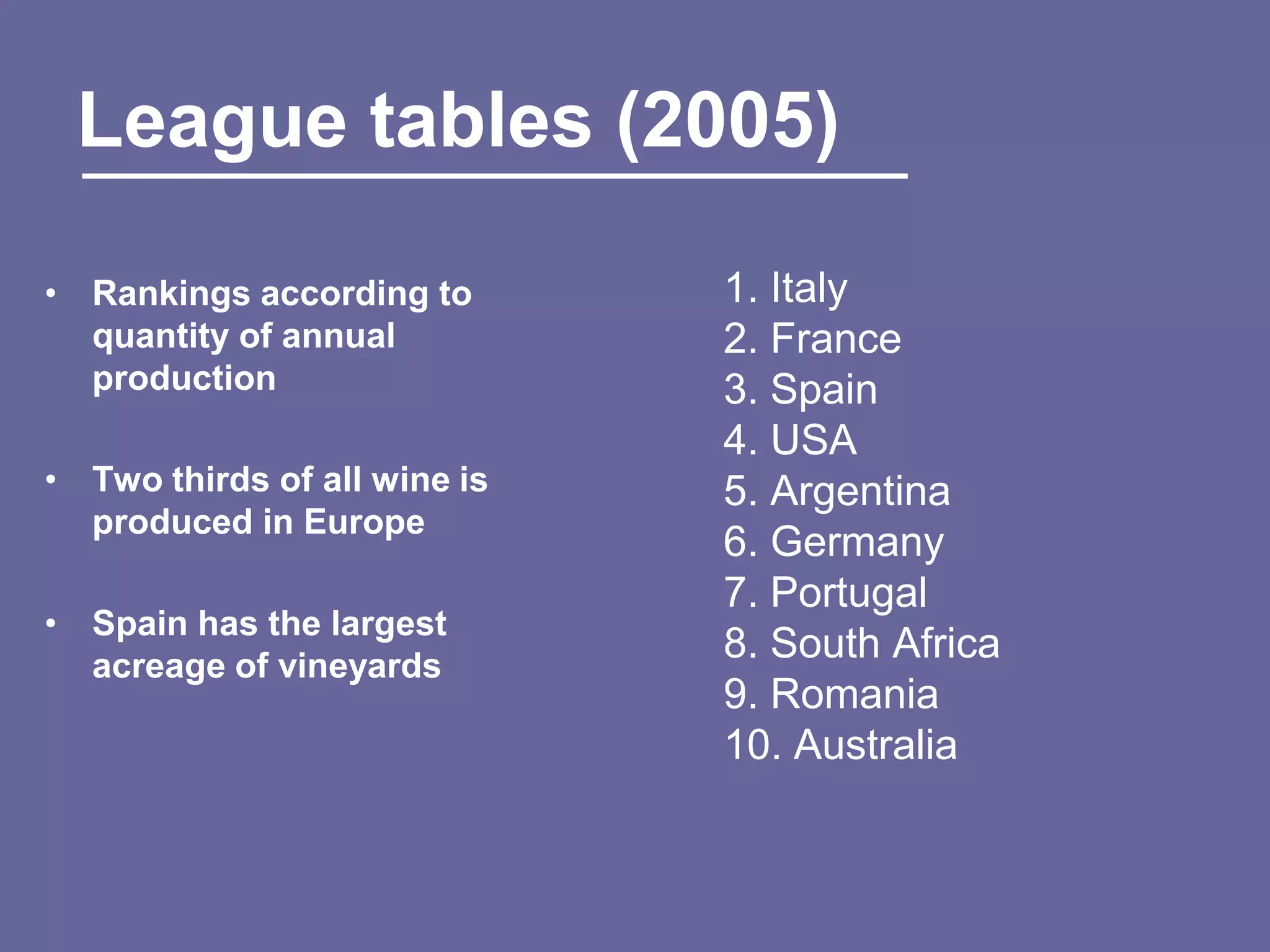
League tables (2005)

• Rankings according to       1. Italy
  quantity of annual          2. France
  production                  3. Spain
                              4. USA
• Two thirds of all wine is   5. Argentina
  produced in Europe
                              6. Germany
                              7. Portugal
• Spain has the largest
  acreage of vineyards
                              8. South Africa
                              9. Romania
                              10. Australia
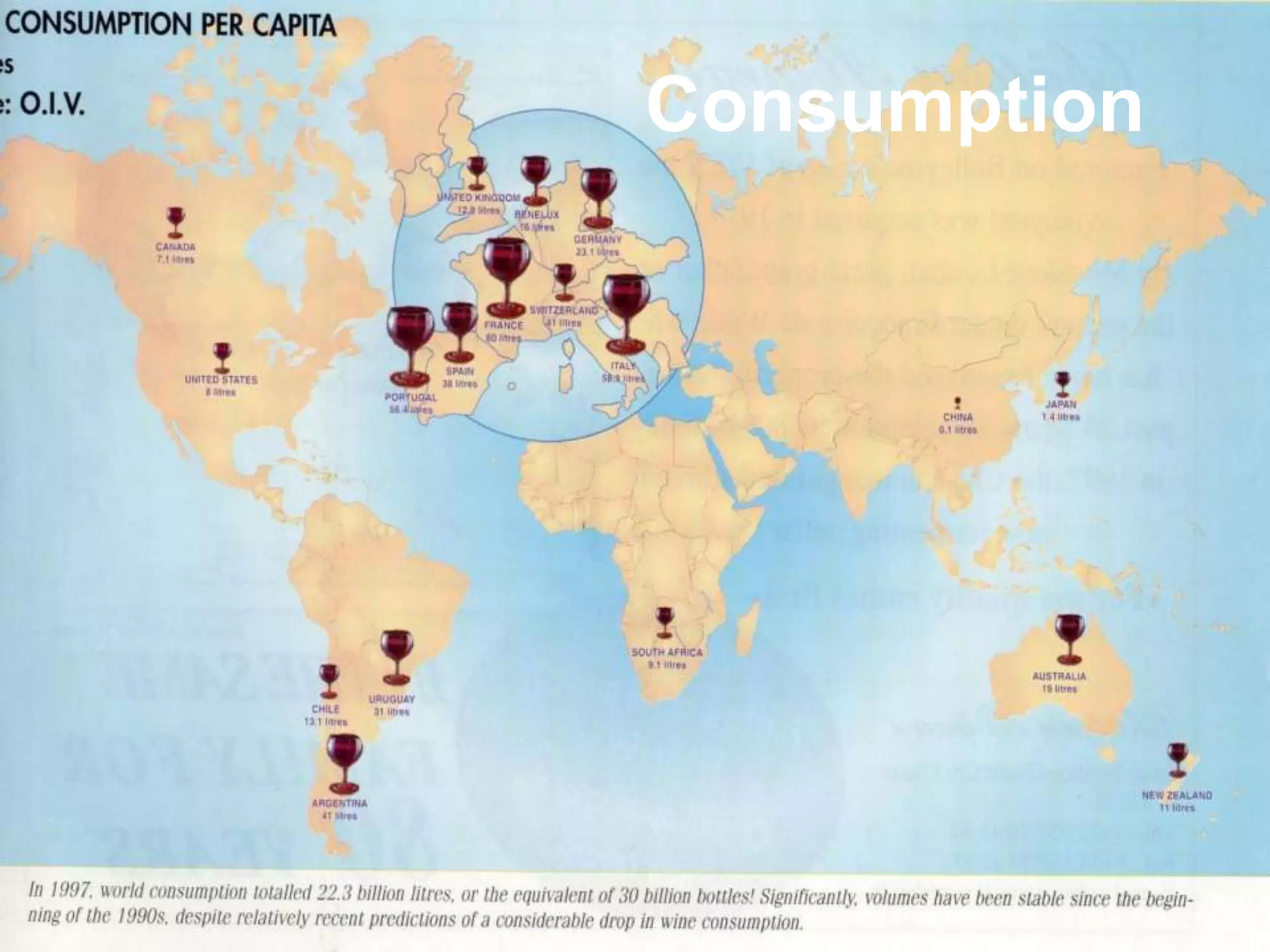
Consumption
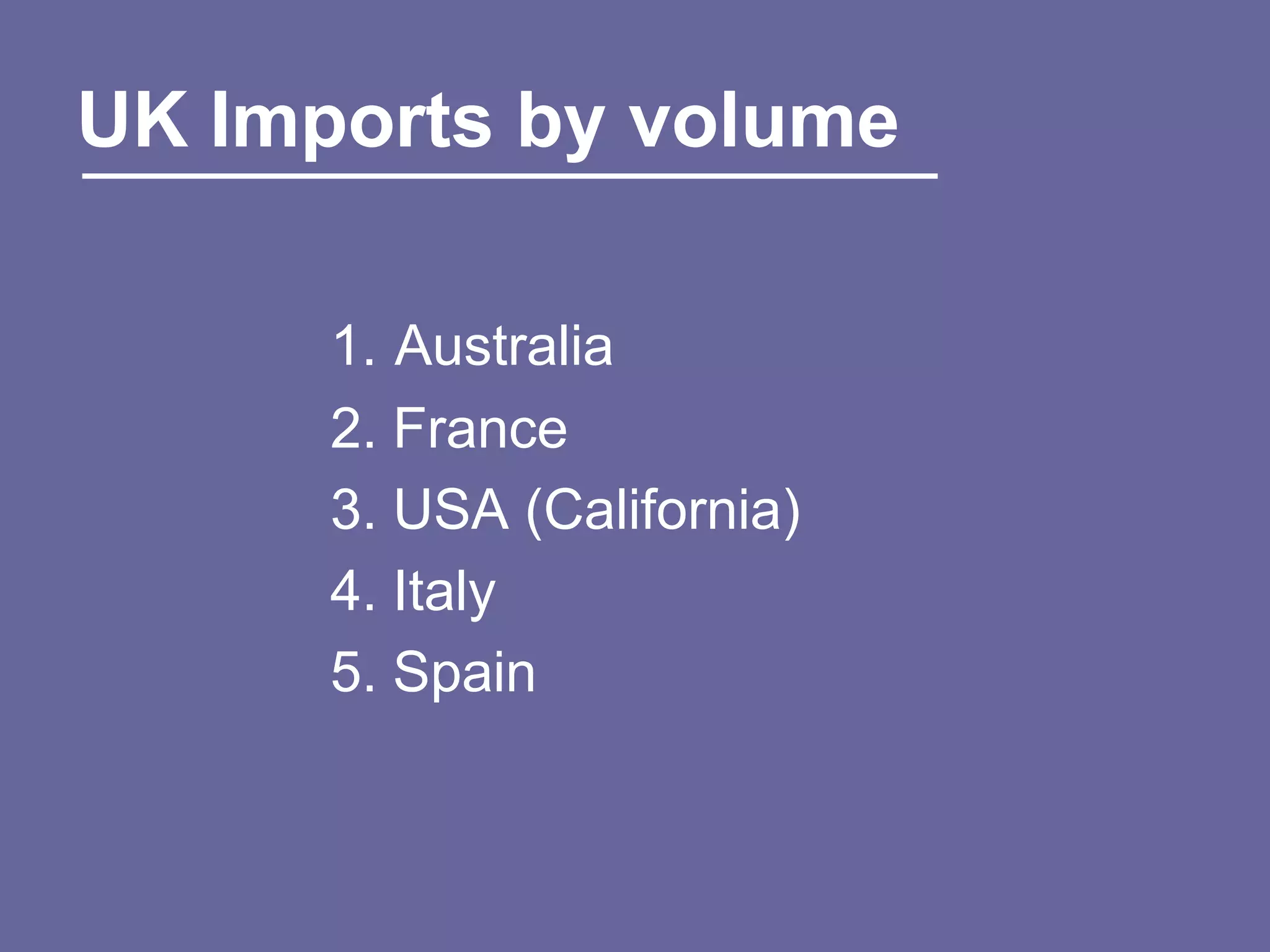
UK Imports by volume

      1. Australia
      2. France
      3. USA (California)
      4. Italy
      5. Spain
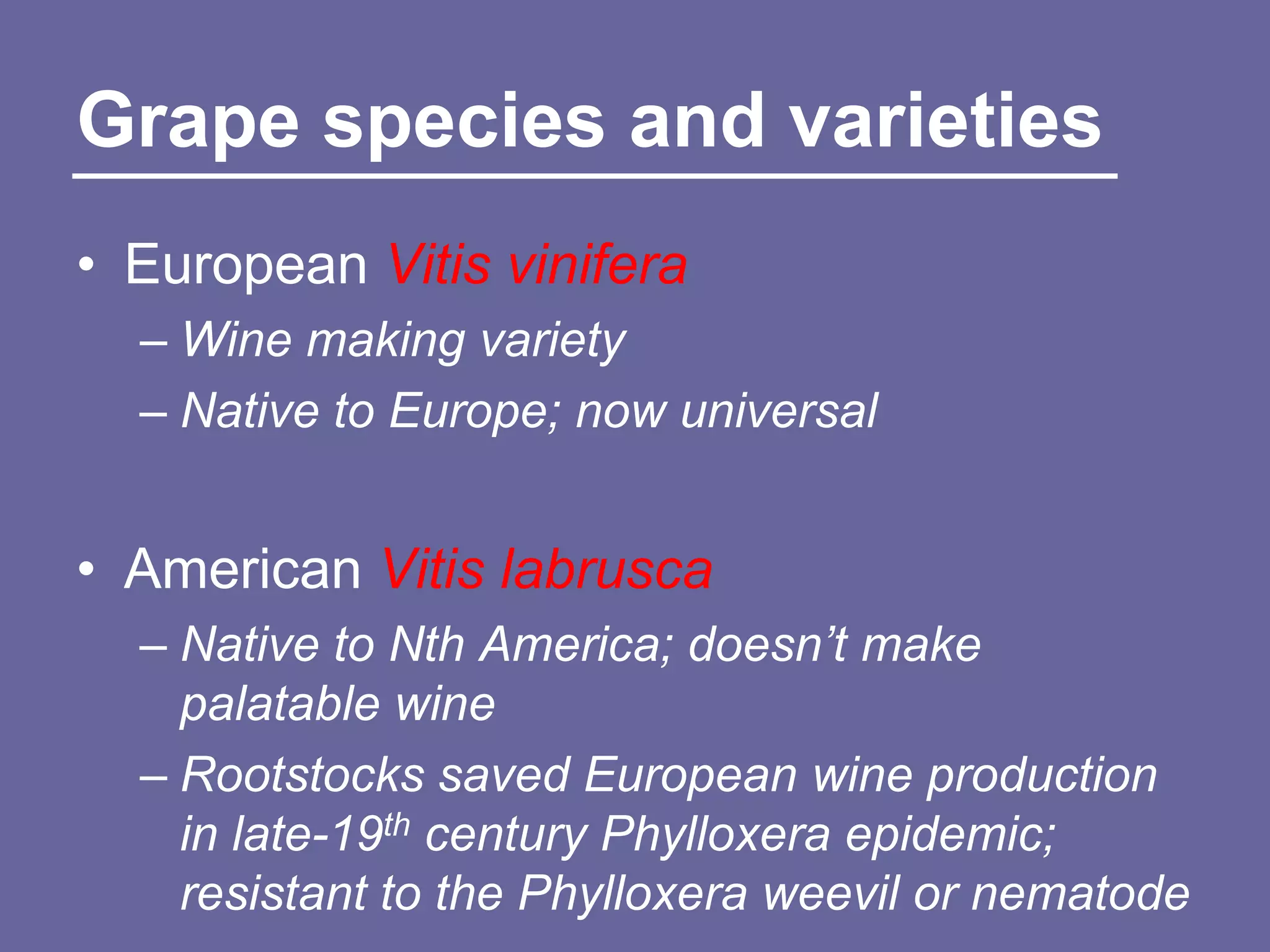
Grape species and varieties
• European Vitis vinifera
  – Wine making variety
  – Native to Europe; now universal


• American Vitis labrusca
  – Native to Nth America; doesn’t make
    palatable wine
  – Rootstocks saved European wine production
    in late-19th century Phylloxera epidemic;
    resistant to the Phylloxera weevil or nematode
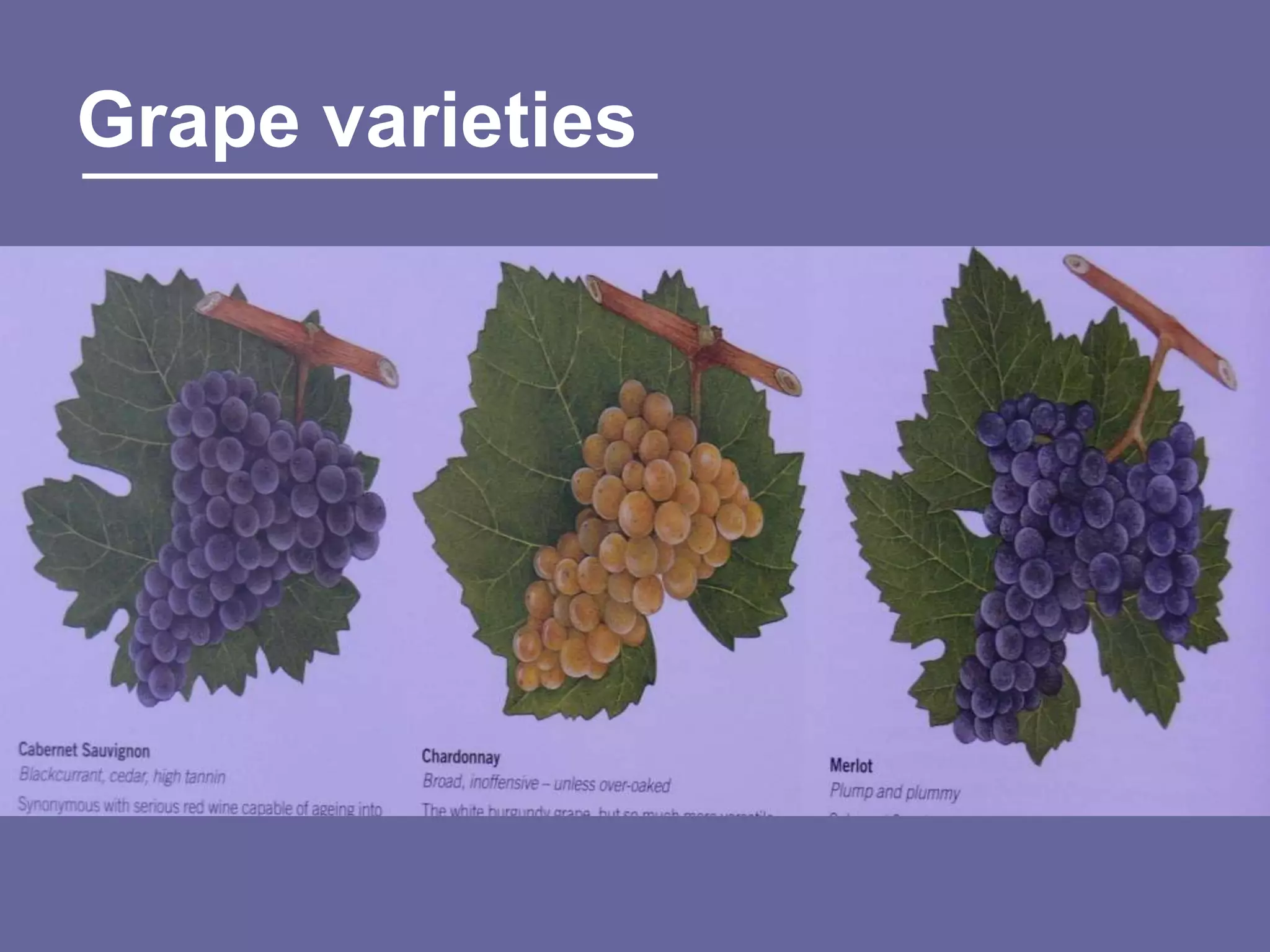
Grape varieties
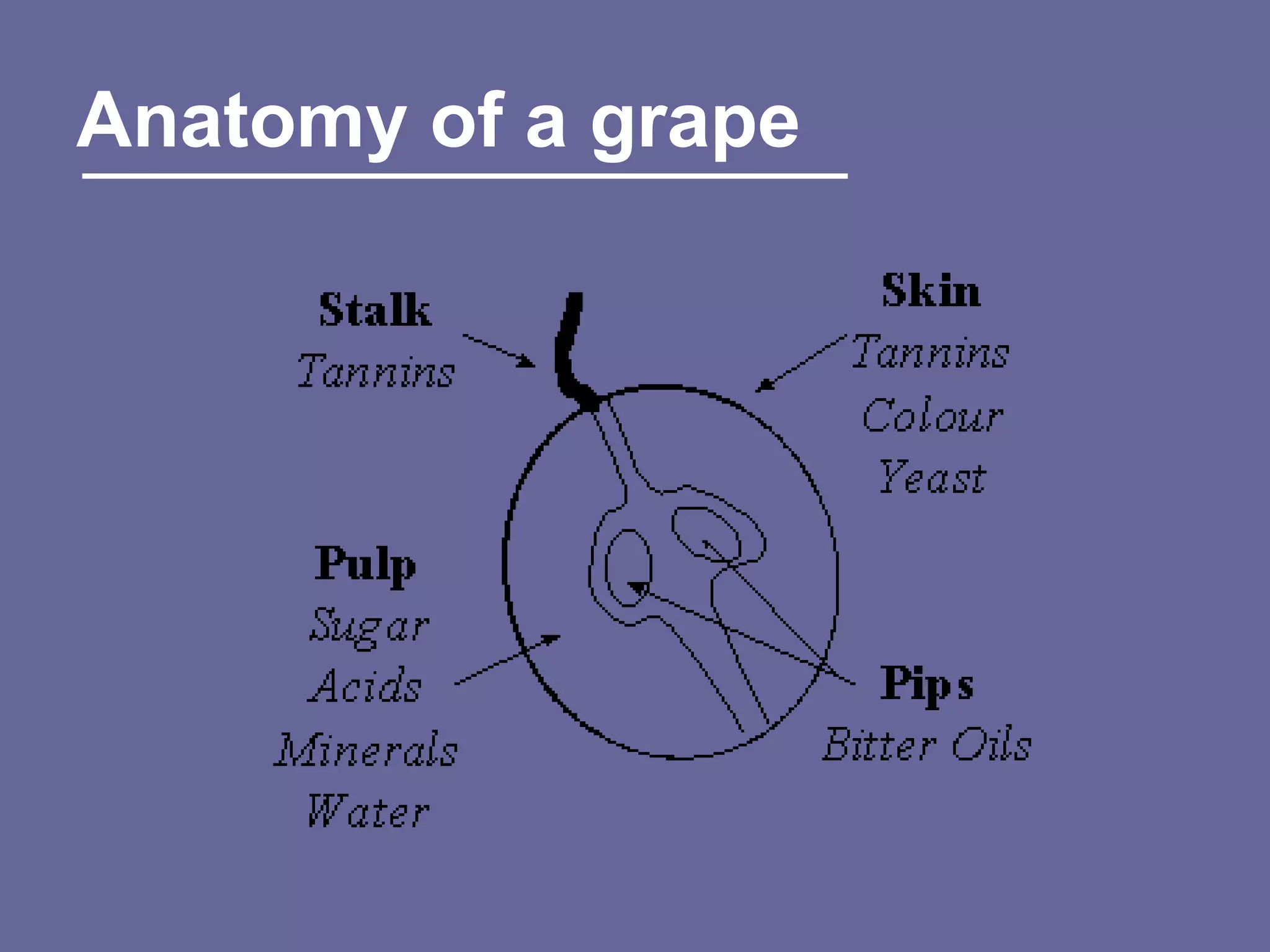
Anatomy of a grape
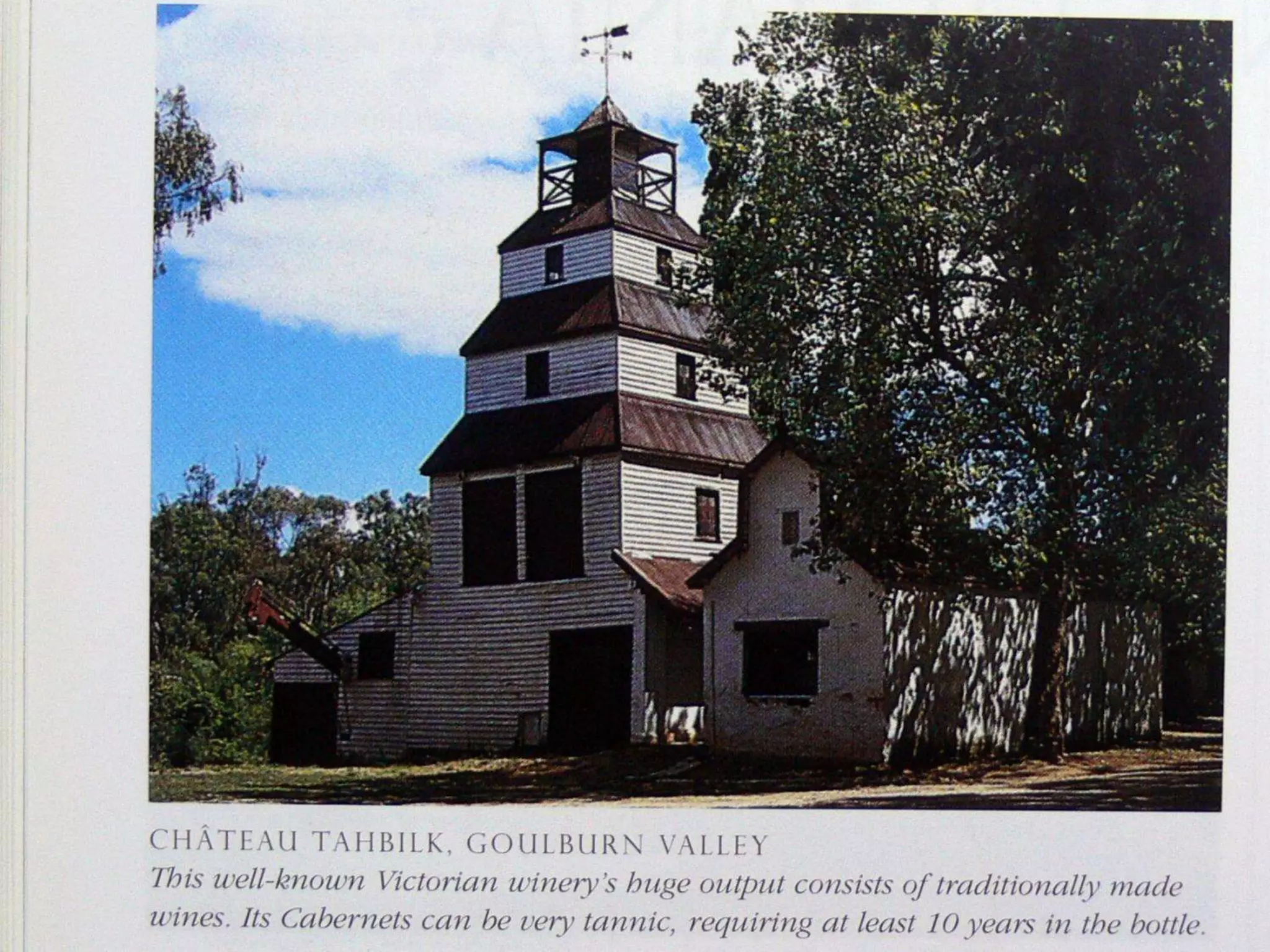
3. Tahbilk, Marsanne 2008.
Nagambie Hills
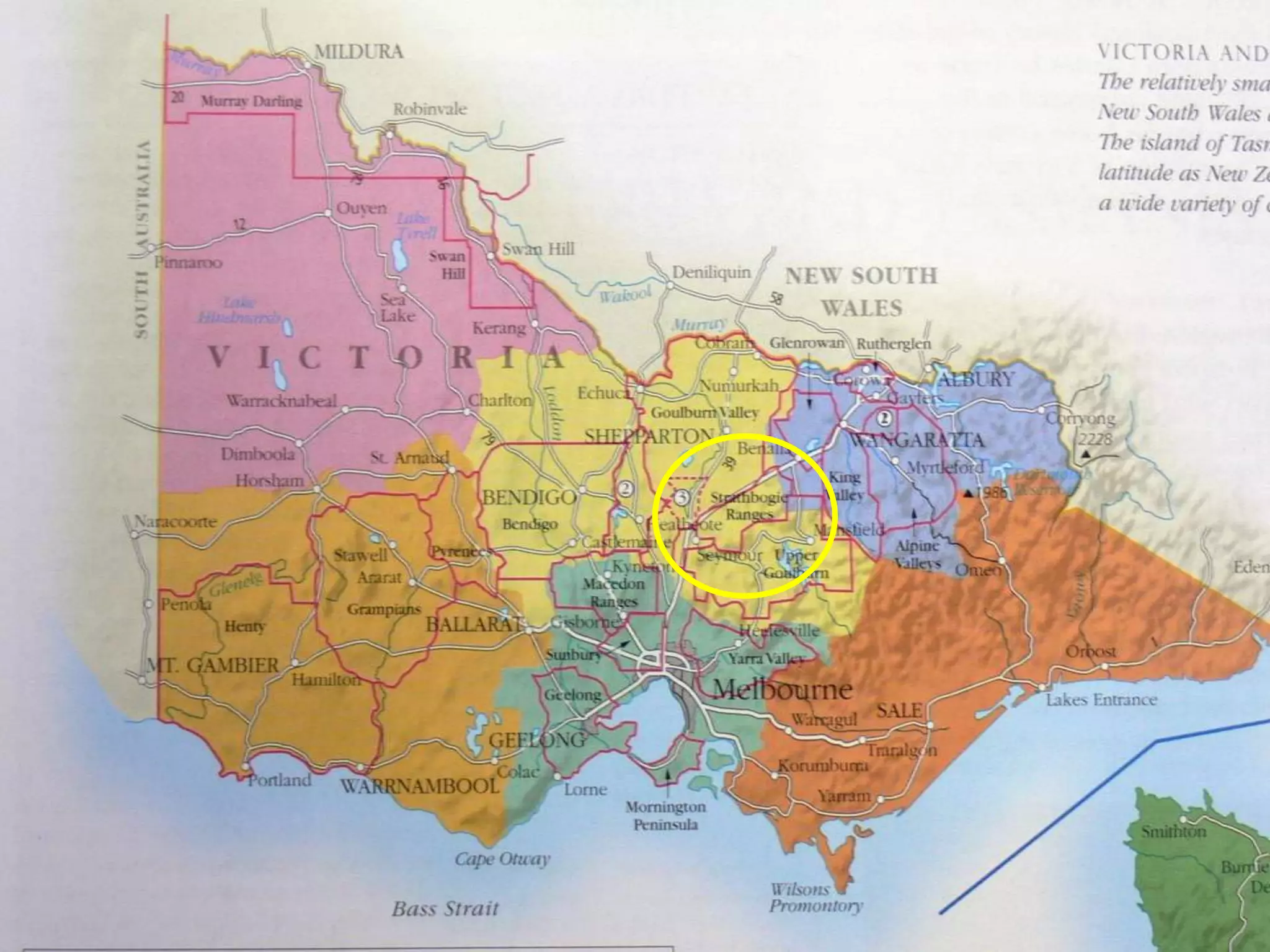
• Central Victoria. Established 1860. ‘Tahbik-tahbik’ – place of many
  waterholes
• ‘Marsanne, one of the world's rarest grape varieties - a wine with it's
  roots in France but its heart in the Nagambie Lakes Region of
  Central Victoria’.
• Look
    – Pale-yellow or straw (will deepen with age)
Aroma
    – Lemon, peach and tropical fruits with a dry mineral raciness; also
      perfumed, floral nose - honeysuckle
Taste
    – Quite full-bodied, even oily, more complex than 1 & 2; the
      flavours of fruits and honeysuckle
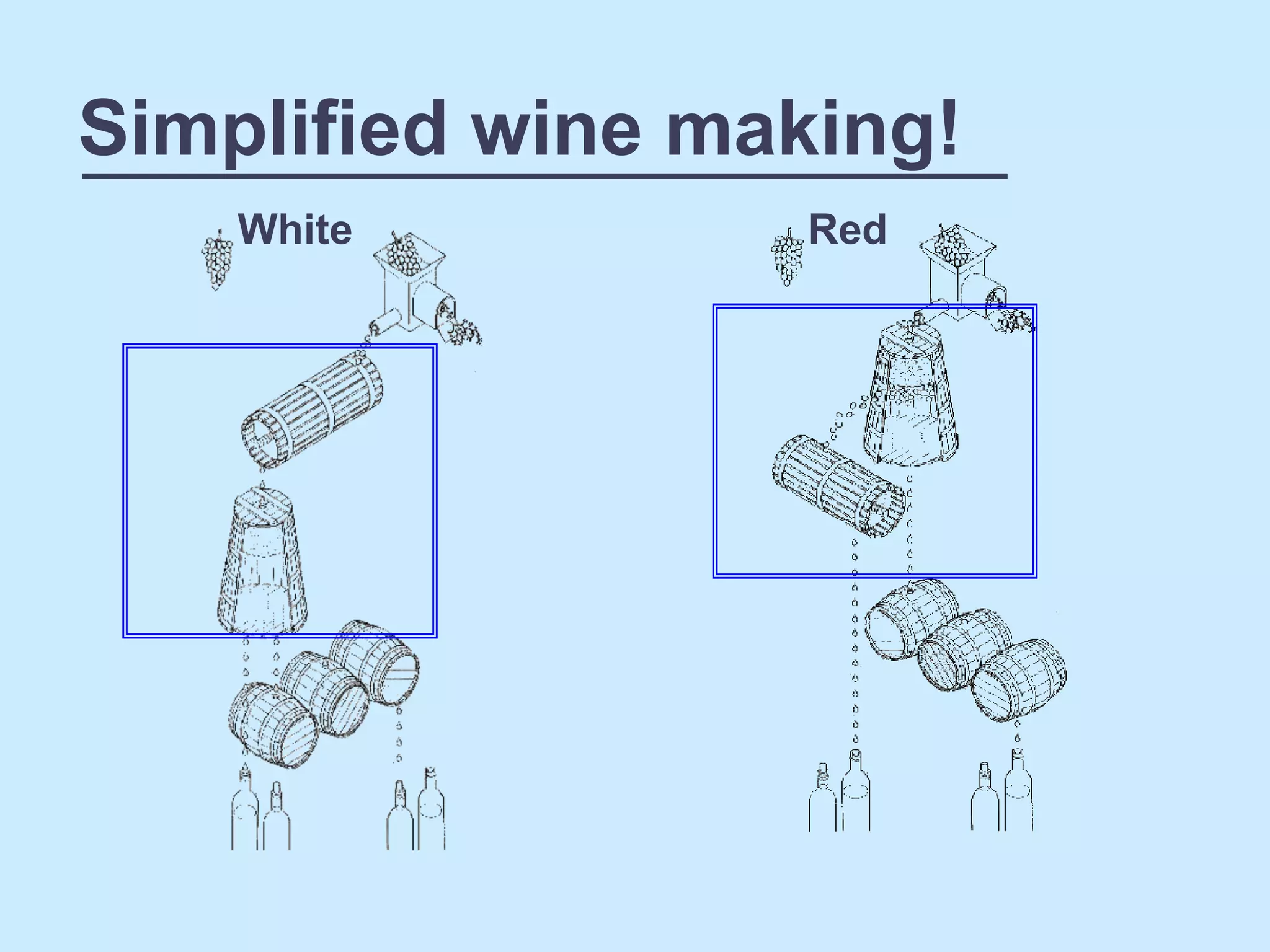
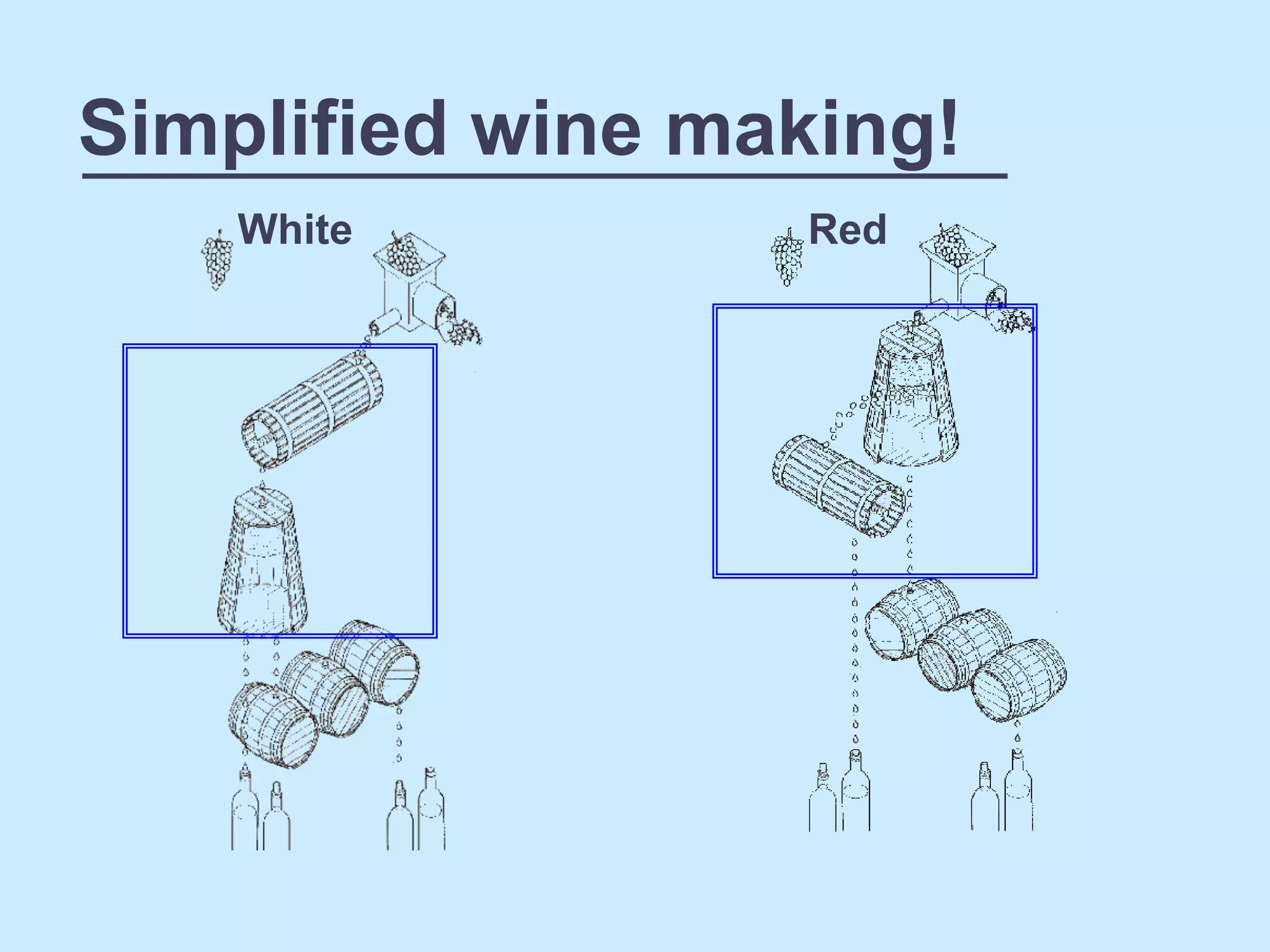
Simplified wine making!
    White         Red
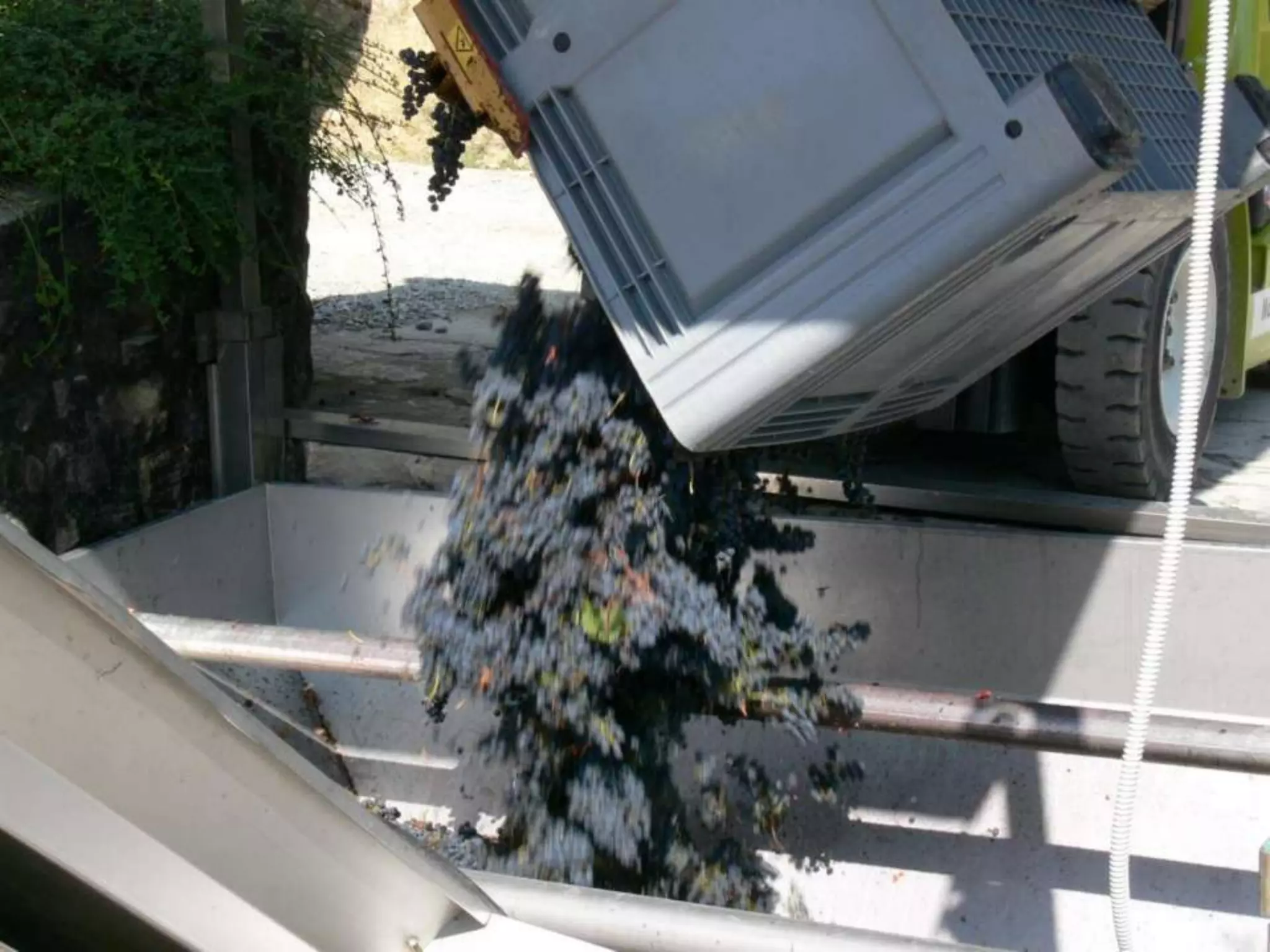
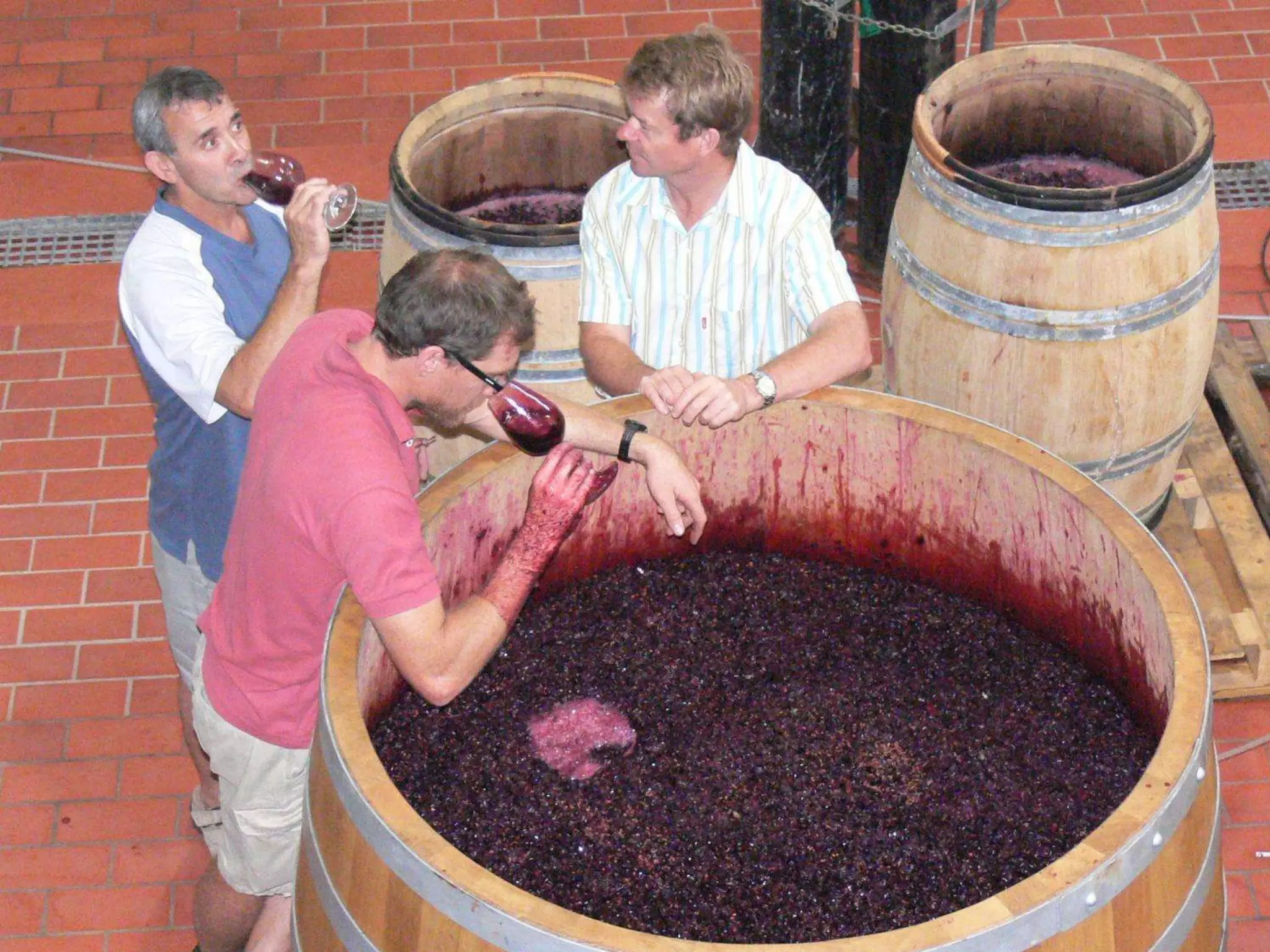
Destemming
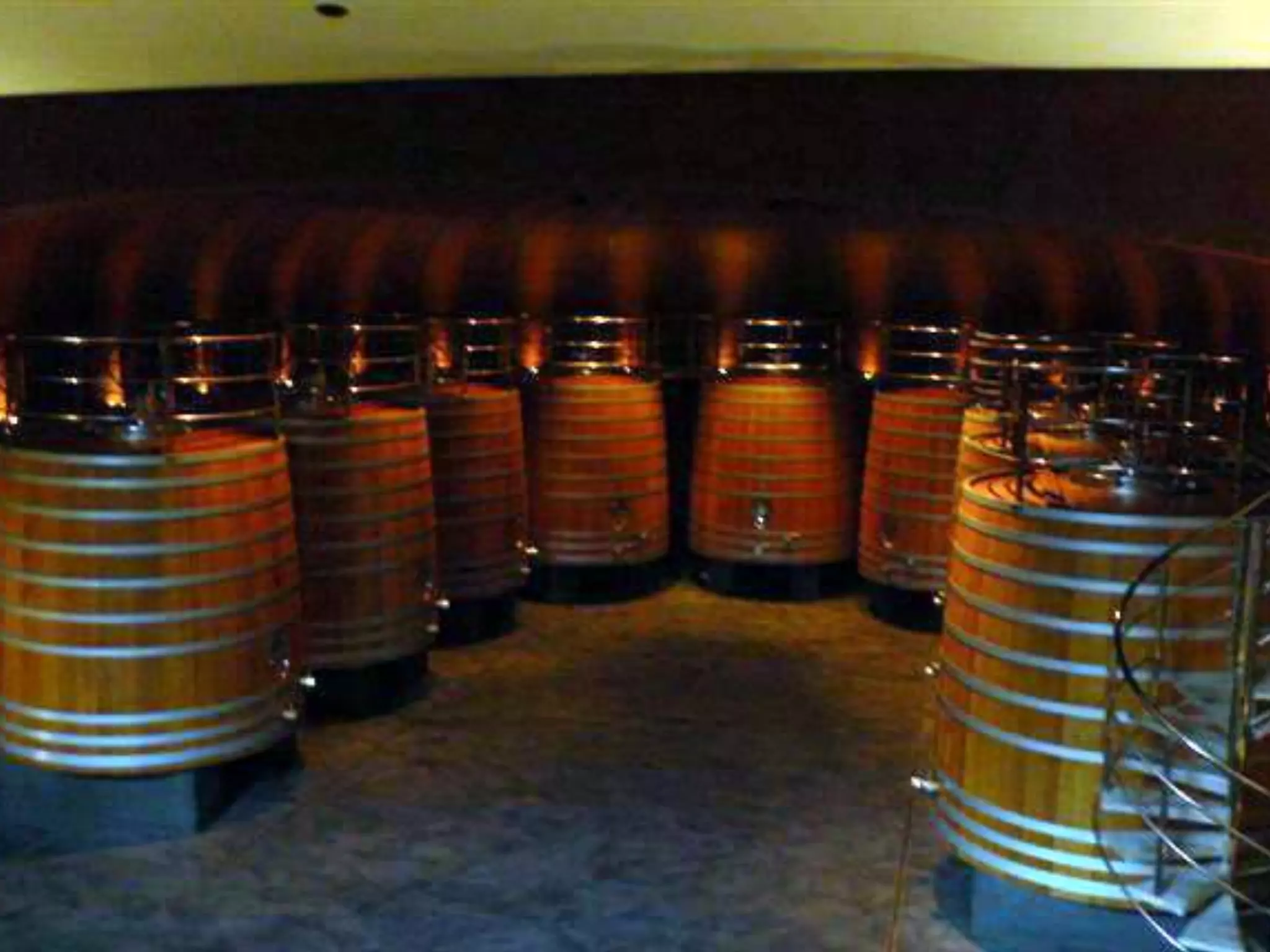
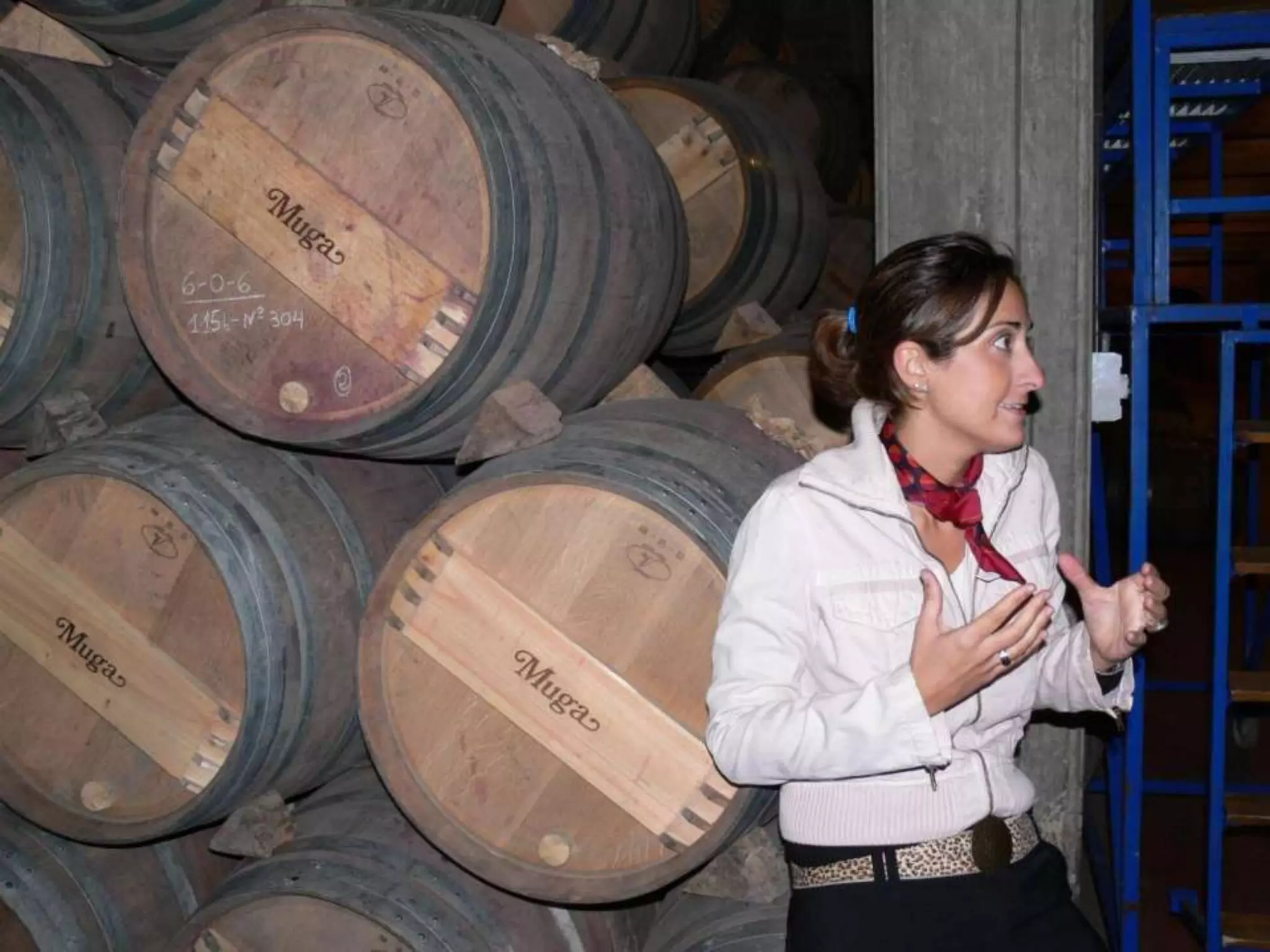
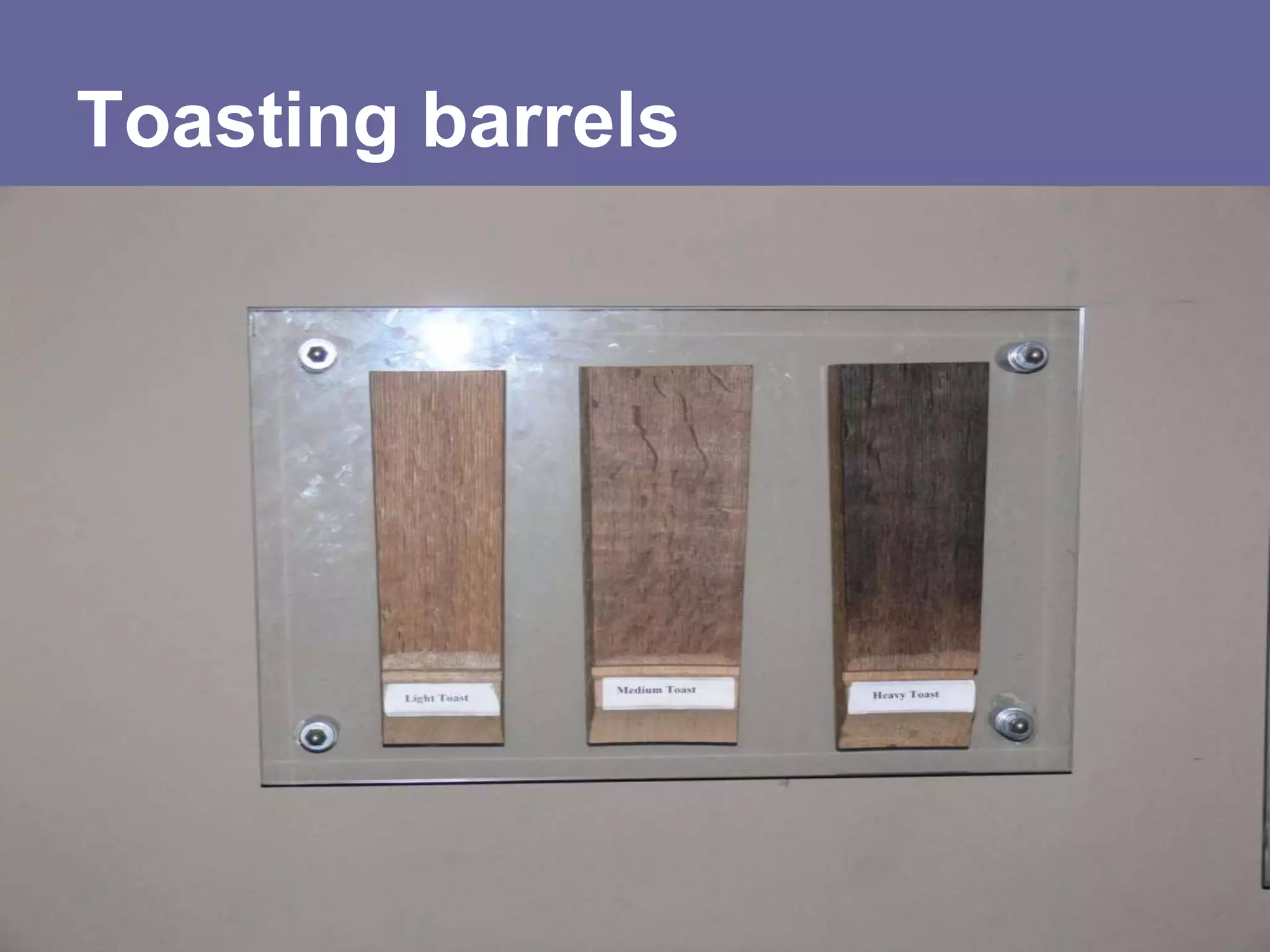
Toasting barrels
Simplified wine making!
    White         Red
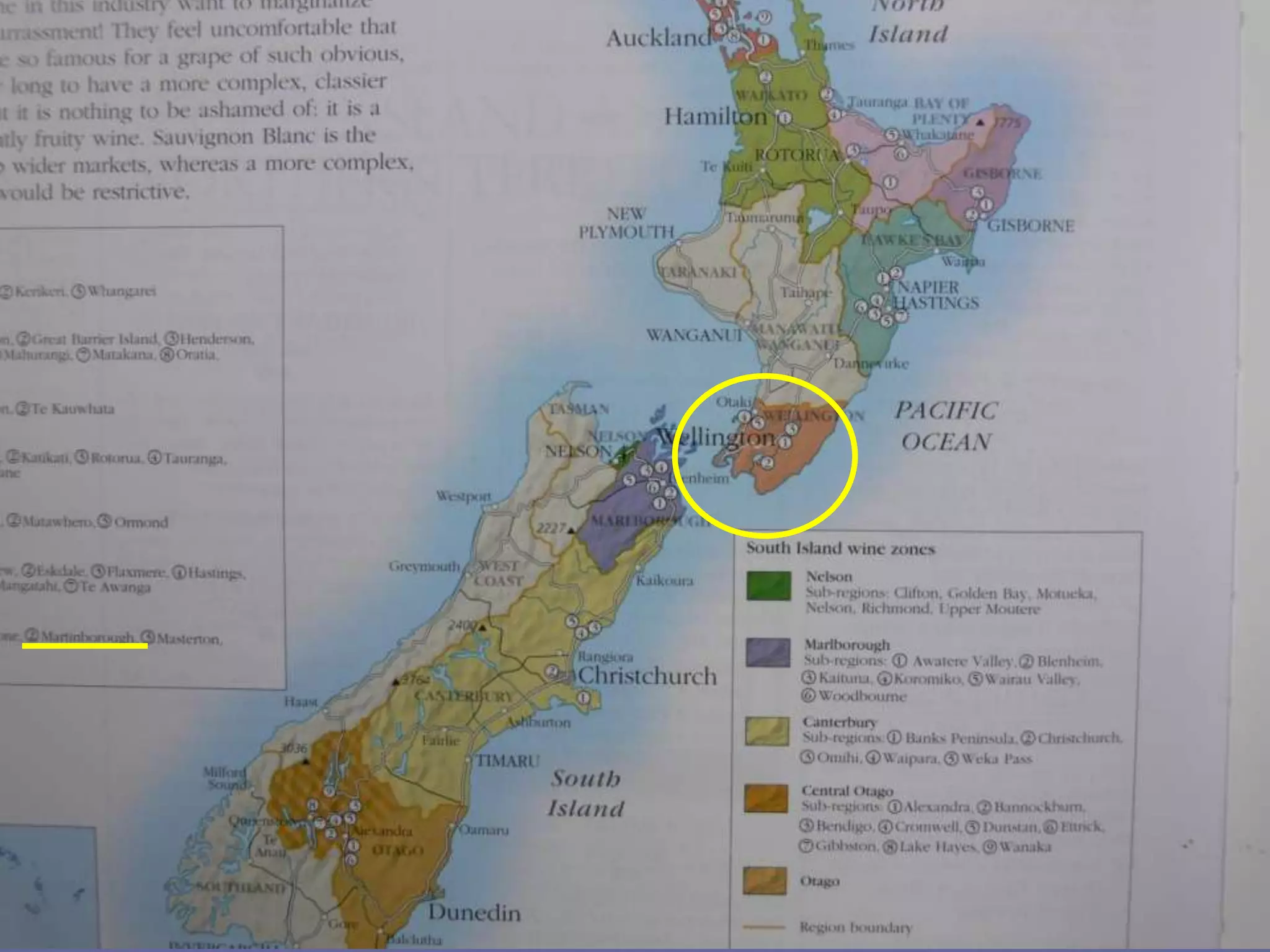
4. Te Tera Pinot Noir 2009.
Martinborough
• North Island, New Zealand
• Selected in 1980 as an area that mimicked the climate
  Burgundy.
• Hand harvest and careful selection of grape bunches.
Look
   – Density of colour?
Aroma
   – Fruity – red berries, cherries.
Taste
   – Fruity with earthy, mineral hints.
   – Complex, dense Pinot noir with soft tannins
   – Burgundian!
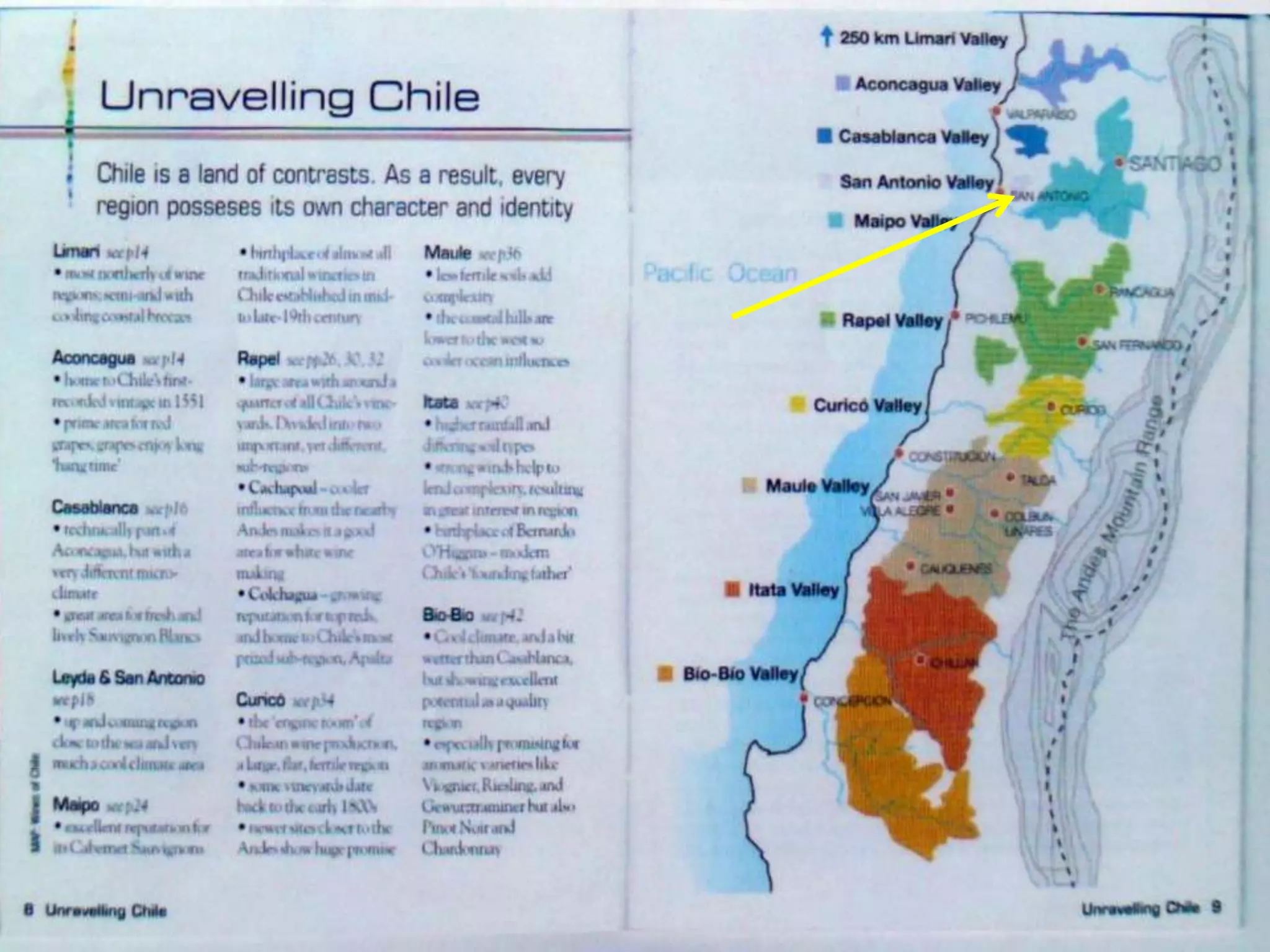
5. Leyda Cahuil Vineyard, Pinot
Noir, 2007. Leyda Valley, Chile
• Cool region near Pacific Ocean.
• Developed in 1990s.
Look
   – Density of colour?
Aroma
   – Fruity – red fruits. Some earthy, spicy background?
Taste
   – Lighter, simpler than 4.
   – Intense cherry and raspberry fruit flavours that are
     complemented with a smooth, velvety finish.
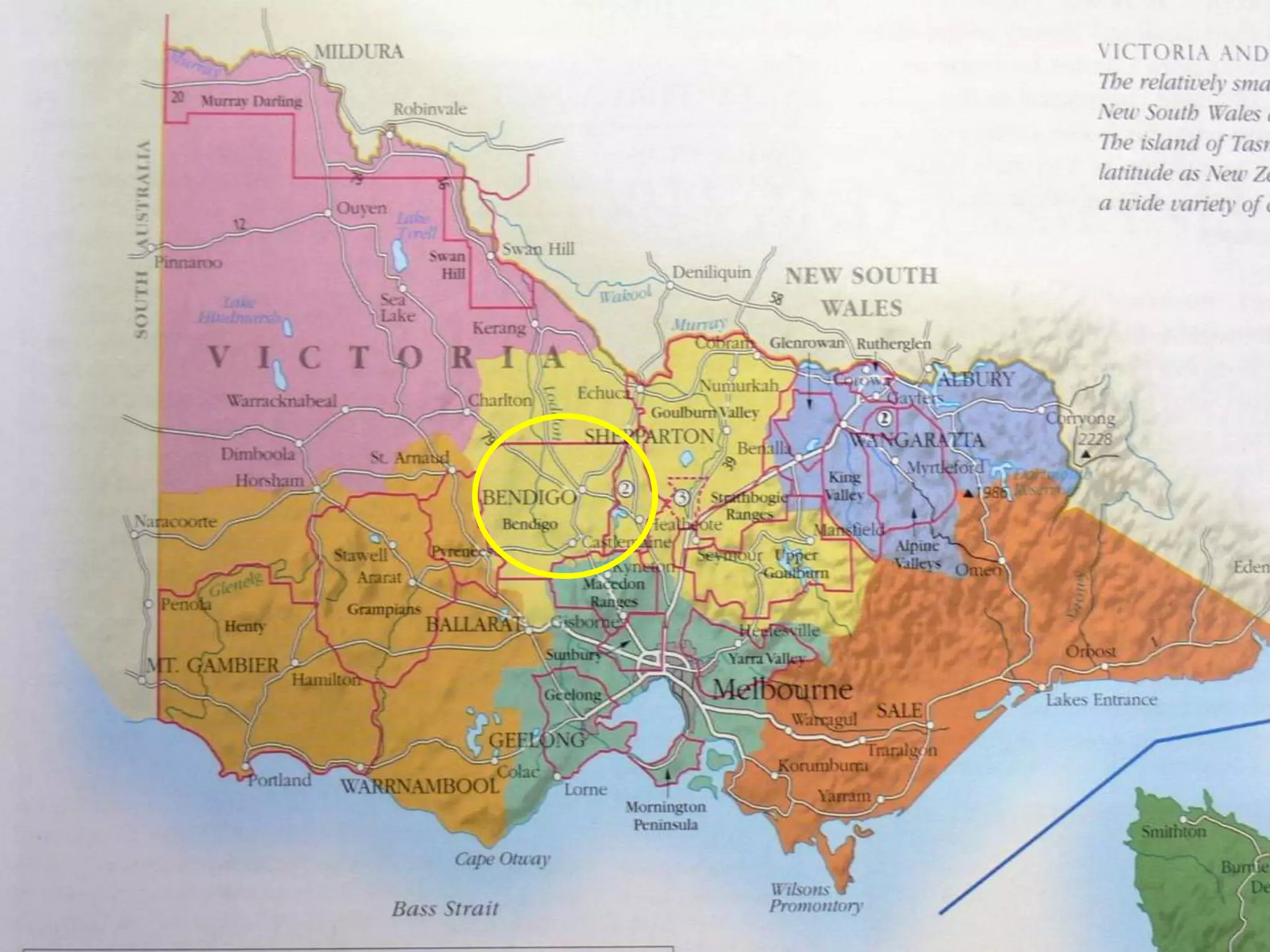
6. Turner‟s Crossing, Cabernet
Sauvignon 2004. Bendigo
• Bendigo, Central Victoria [Loddon River!]
• Selected grapes; matured for 18 months in French oak
Look
   – Density of colour?
   – Rim?
Aroma
   – Vanilla from oak casks
   – Blackcurrants, mulberries, plums, pepper, cloves.
Taste
   – Full-bodied, huge, rich, fruity with hints of the flavours
     of matured red wine:
       • leather, game, tar, cigar box, chocolate
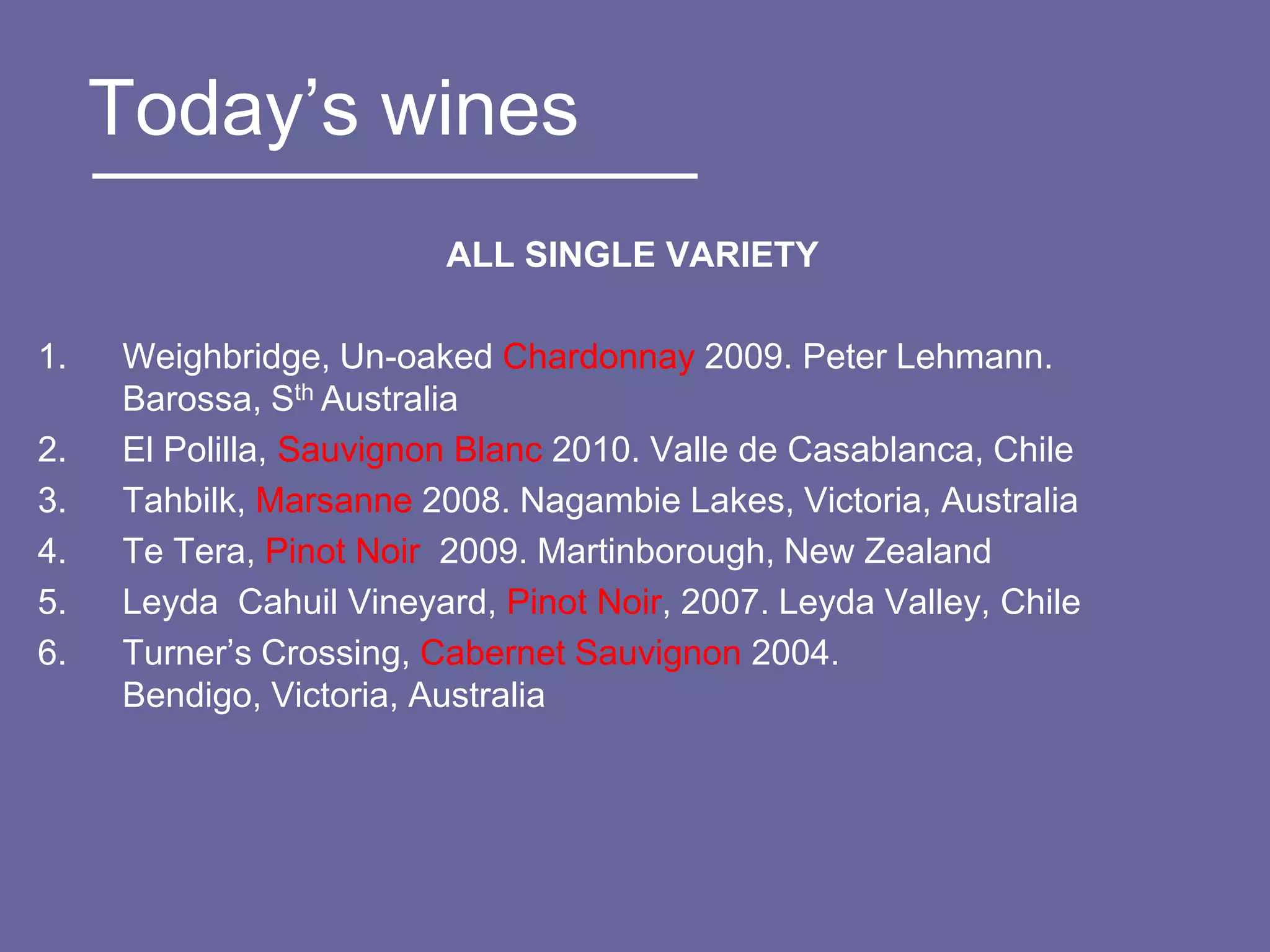
Today‟s wines
                         ALL SINGLE VARIETY

1.   Weighbridge, Un-oaked Chardonnay 2009. Peter Lehmann.
     Barossa, Sth Australia
2.   El Polilla, Sauvignon Blanc 2010. Valle de Casablanca, Chile
3.   Tahbilk, Marsanne 2008. Nagambie Lakes, Victoria, Australia
4.   Te Tera, Pinot Noir 2009. Martinborough, New Zealand
5.   Leyda Cahuil Vineyard, Pinot Noir, 2007. Leyda Valley, Chile
6.   Turner‟s Crossing, Cabernet Sauvignon 2004.
     Bendigo, Victoria, Australia
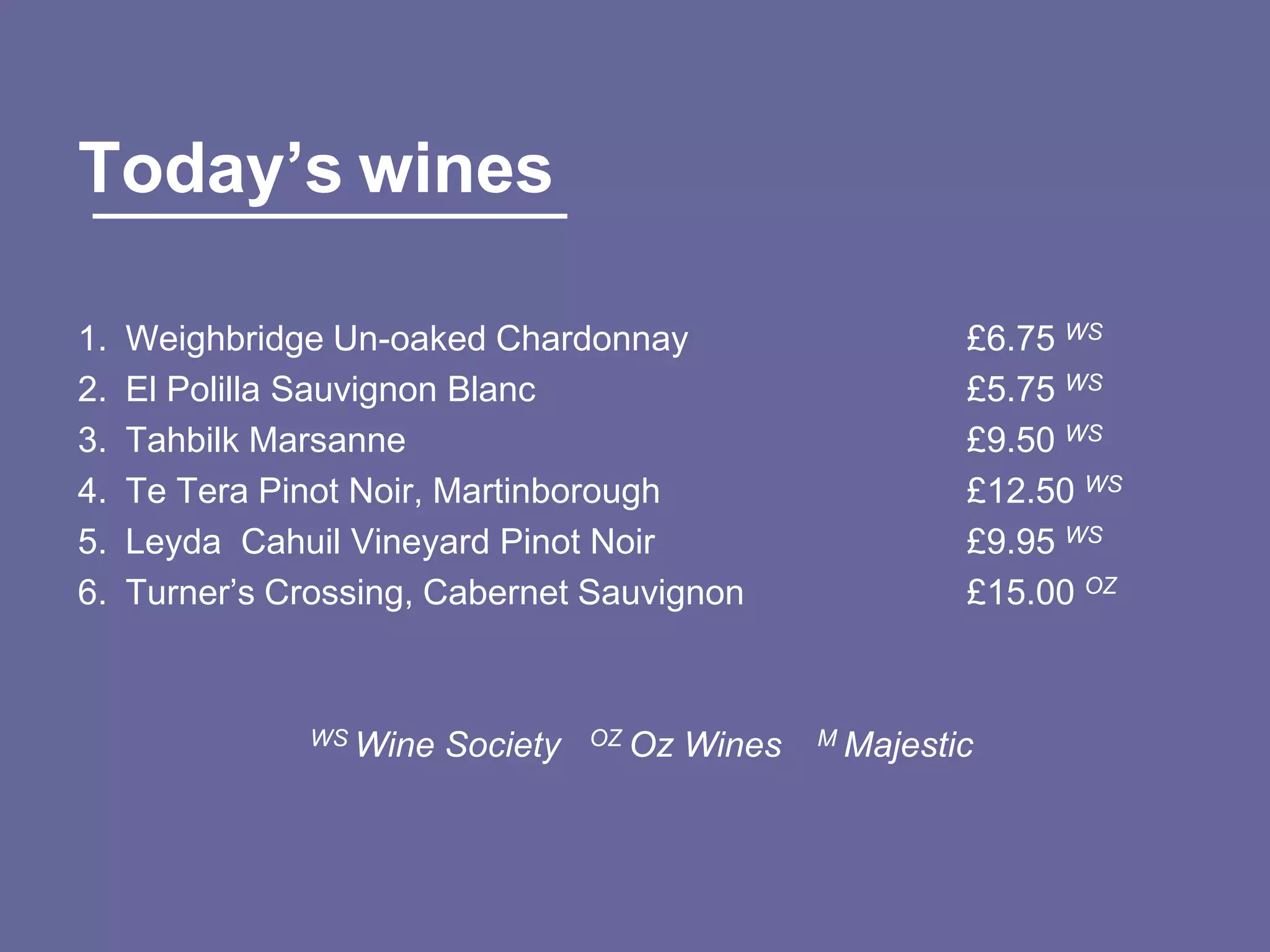
Today’s wines

1.   Weighbridge Un-oaked Chardonnay                         £6.75 WS
2.   El Polilla Sauvignon Blanc                              £5.75 WS
3.   Tahbilk Marsanne                                        £9.50 WS
4.   Te Tera Pinot Noir, Martinborough                       £12.50 WS
5.   Leyda Cahuil Vineyard Pinot Noir                        £9.95 WS
6.   Turner‟s Crossing, Cabernet Sauvignon                   £15.00 OZ


                WS Wine   Society   OZ Oz   Wines   M Majestic
Mystery wine
• By aroma only, which of today‟s wines is
  this?
A reminder

      •   Session II
      •   30 March 2011
      •   2.30pm
      •   French wines
Finally…


           Thank
            you

2011 Foundation Wine Course 1: Winemaking

  • 1.
    Foundation Wine Course 2011 Copyright © Brian Jamieson
  • 2.
    Course aims • Toprovide an introduction to the pleasures of assessing, understanding and enjoying the wines of the world. • To broaden your experience and increase confidence when selecting and offering wines.
  • 3.
    Introductions • Name • WineCircle experience? • Any favourite or memorable wine?
  • 4.
    Course outline Sessions 1. Wines & winemaking 2. Old World: France 3. Old World: Iberia, Italy & others 4. The New World 5. Riesling 6. Matching food and wine
  • 5.
    Structure of eachsession • Some theory and information • DVD clips • Practical tasting
  • 6.
    Wines & winemaking:Synopsis 1. Origins 2. What is wine? 3. Factors affecting style and quality 4. How to taste wine 5. League tables of production 6. Winemaking 7. Grape varieties 8. Introduction to single variety wines
  • 7.
    Origins • Mesopotamia 10,000 BC – Chance discovery of fermentation? • Egypt & Phoenicia 3,000 BC – Phoenicians producing, bottling and trading wine • Greece 2,000 BC • Italy & Nth Africa 1,000 BC • Iberia & France 500 BC • Roman Empire [inc. England]
  • 8.
    Definitions of wine (extracts from EU directives) • “….fermented juices of freshly gathered grapes made [according to local tradition and bottled in region of origin …]” but, under pressure from newer member states, EU eroded the above to: • “….total or partial alcoholic fermentation of fresh grapes….or grape must….”
  • 9.
    Winemaking chemistry Grape juice Yeast Sugars: Fructose; glucose [Natural or cultured] Acids: Tartaric and malic Water: 75% Ethyl alcohol Carbon dioxide (gas)
  • 10.
    Composition of wine – Water 85% – Ethyl alcohol 12% – Glycerol 1% – Everything else 1 – 1.5% • Organic acids (Tartaric, Malic, Lactic) • Minerals • Tannins & other pigments – colouring & ageing properties • Esters, aldehydes & higher alcohols – aroma & taste
  • 11.
    Alcohols • Ethyl alcohol C2H5OH •Glycerol HOCH2CH(OH)CH2OH
  • 12.
    Added ingredients • Mostnational regulators allow controlled additions of: – Sugar, to increase alcohol levels – Fruit acids, if natural acidity is low – Cultured yeast strains, to improve fermentation – Sulphur & sulphites, universally used as an anti-oxidant, preservative – Alcohol, usually grape spirit, to fortify/strengthen
  • 13.
    How is quality& variety introduced? In Vineyard Post-harvest • Grape variety • Sorting • Geology & soil • De-stemming • Climate • Crushing • Aspect; slope • Fermentation • Culture • Filtration (pruning, training of vines, etc) • Blending • Weather at harvest • Fining • Time of harvest • Maturation (residual sugar levels) • Bottling/labelling
  • 14.
    Wine tasting 1. Sight Eyes 2. Aroma Nose 3. Palate(taste) Mouth
  • 15.
  • 16.
    1: Sight -Eyes • Clarity • Colour – rim – body; density • Suggestions of – production method – steel or oak – age – grape variety
  • 17.
    1: Sight –Age of wine
  • 18.
    2. Aroma -Nose • Fresh - Proceed • Any mustiness – REJECT – One bottle in 20 corked – Try the cork first for mustiness • Aromas?
  • 19.
    Aroma exercise: 1 • Lemon –1 • Raspberry – 13 • Vanilla – 40
  • 20.
    Aroma exercise: 2 • Aroma 27 – Honey • Aroma 4 – Pineapple • Aroma 18 – Cherry
  • 21.
    3. Taste -Mouth • Tip of tongue – Tingle of bubbles • Front of tongue - Sweetness • Front side of tongue - Saltiness • Back side of tongue - Acidity • Back of tongue - Bitterness
  • 22.
    Taste • Acid/fruit balance •Which fruits or non-fruit flavours – Fruity – Floral – Vegetal – Mineral • Length of taste
  • 23.
    Tasting “ground rules” 1.Eyes first! • Colour, clarity, depth, rim, tears/legs 2. Smell • Fresh or musty? • 500 chemical aromas – objective & subjective 3. Taste • Tongue/senses • „Length‟ a sign of quality • Teetotal tasters!
  • 24.
    1. Weighbridge Un-oakedChardonnay 2009. Peter Lehmann. Eden Valley • South Australia • Since 1979 Look – Light straw: greenish hues? – Density of colour? Aroma – Fresh; pre-dominantly fruity – melon, peach, papaya Taste – Light, subtle. Fruity with acidity conferring crispness and freshness Drink with?
  • 25.
    The BBSRC, andto a lesser extent, the Wellcome Trust, have pasted in basic details from your application and final reports. For ease of reference
  • 26.
    Some facts andfigures Where is wine produced?
  • 35.
    2. El Polilla,Sauvignon Blanc 2010. DO Valle Casablanca • Central Chile • Produced for Wine Society by Emiliana Wines, an organic producer. Look – Pale yellow-straw Aroma – Fresh acidic fruits; gooseberries; nettles; grassy/ vegetal, rather than floral Taste – Fresh, intense gooseberry fruits. Acid/fruit balance?
  • 36.
    The BBSRC, andto a lesser extent, the Wellcome Trust, have pasted in basic details from your application and final reports. For ease of reference
  • 37.
    League tables (2005) •Rankings according to 1. Italy quantity of annual 2. France production 3. Spain 4. USA • Two thirds of all wine is 5. Argentina produced in Europe 6. Germany 7. Portugal • Spain has the largest acreage of vineyards 8. South Africa 9. Romania 10. Australia
  • 38.
  • 39.
    UK Imports byvolume 1. Australia 2. France 3. USA (California) 4. Italy 5. Spain
  • 40.
    Grape species andvarieties • European Vitis vinifera – Wine making variety – Native to Europe; now universal • American Vitis labrusca – Native to Nth America; doesn’t make palatable wine – Rootstocks saved European wine production in late-19th century Phylloxera epidemic; resistant to the Phylloxera weevil or nematode
  • 41.
  • 42.
  • 43.
    3. Tahbilk, Marsanne2008. Nagambie Hills • Central Victoria. Established 1860. ‘Tahbik-tahbik’ – place of many waterholes • ‘Marsanne, one of the world's rarest grape varieties - a wine with it's roots in France but its heart in the Nagambie Lakes Region of Central Victoria’. • Look – Pale-yellow or straw (will deepen with age) Aroma – Lemon, peach and tropical fruits with a dry mineral raciness; also perfumed, floral nose - honeysuckle Taste – Quite full-bodied, even oily, more complex than 1 & 2; the flavours of fruits and honeysuckle
  • 46.
  • 55.
  • 61.
  • 62.
  • 63.
    4. Te TeraPinot Noir 2009. Martinborough • North Island, New Zealand • Selected in 1980 as an area that mimicked the climate Burgundy. • Hand harvest and careful selection of grape bunches. Look – Density of colour? Aroma – Fruity – red berries, cherries. Taste – Fruity with earthy, mineral hints. – Complex, dense Pinot noir with soft tannins – Burgundian!
  • 65.
    5. Leyda CahuilVineyard, Pinot Noir, 2007. Leyda Valley, Chile • Cool region near Pacific Ocean. • Developed in 1990s. Look – Density of colour? Aroma – Fruity – red fruits. Some earthy, spicy background? Taste – Lighter, simpler than 4. – Intense cherry and raspberry fruit flavours that are complemented with a smooth, velvety finish.
  • 67.
    6. Turner‟s Crossing,Cabernet Sauvignon 2004. Bendigo • Bendigo, Central Victoria [Loddon River!] • Selected grapes; matured for 18 months in French oak Look – Density of colour? – Rim? Aroma – Vanilla from oak casks – Blackcurrants, mulberries, plums, pepper, cloves. Taste – Full-bodied, huge, rich, fruity with hints of the flavours of matured red wine: • leather, game, tar, cigar box, chocolate
  • 69.
    Today‟s wines ALL SINGLE VARIETY 1. Weighbridge, Un-oaked Chardonnay 2009. Peter Lehmann. Barossa, Sth Australia 2. El Polilla, Sauvignon Blanc 2010. Valle de Casablanca, Chile 3. Tahbilk, Marsanne 2008. Nagambie Lakes, Victoria, Australia 4. Te Tera, Pinot Noir 2009. Martinborough, New Zealand 5. Leyda Cahuil Vineyard, Pinot Noir, 2007. Leyda Valley, Chile 6. Turner‟s Crossing, Cabernet Sauvignon 2004. Bendigo, Victoria, Australia
  • 70.
    Today’s wines 1. Weighbridge Un-oaked Chardonnay £6.75 WS 2. El Polilla Sauvignon Blanc £5.75 WS 3. Tahbilk Marsanne £9.50 WS 4. Te Tera Pinot Noir, Martinborough £12.50 WS 5. Leyda Cahuil Vineyard Pinot Noir £9.95 WS 6. Turner‟s Crossing, Cabernet Sauvignon £15.00 OZ WS Wine Society OZ Oz Wines M Majestic
  • 71.
    Mystery wine • Byaroma only, which of today‟s wines is this?
  • 74.
    A reminder • Session II • 30 March 2011 • 2.30pm • French wines
  • 75.
    Finally… Thank you