Fruits value chain development
                                                 Interventions and lessons
                                                                                                                                                                                Knowledge
                                                                                                                                                                                management /
                                                                                                                                                                                Capacity development
Va l u e c h a i n i n t e r v e n t i o n s                                                                                                                                     Ta r g e t i n g


Input supply interventions:
                                                                                                                                                                                Targeting women and farmers
                                                                                                                                                                                with entrepreunial skills willing
                                                                                                                                                                                to invest


                                                                                                                                                                                 Knowledge management / skill
                                                                                                                                                                                 development


Private fruit nurseries and private banana sucker supplies promoted in areas where
markets for fruits looked promising.


                                                                                                                                                                               Access to knowledge through trainings, study tours, farmer field
                                                                                                                                                                               days


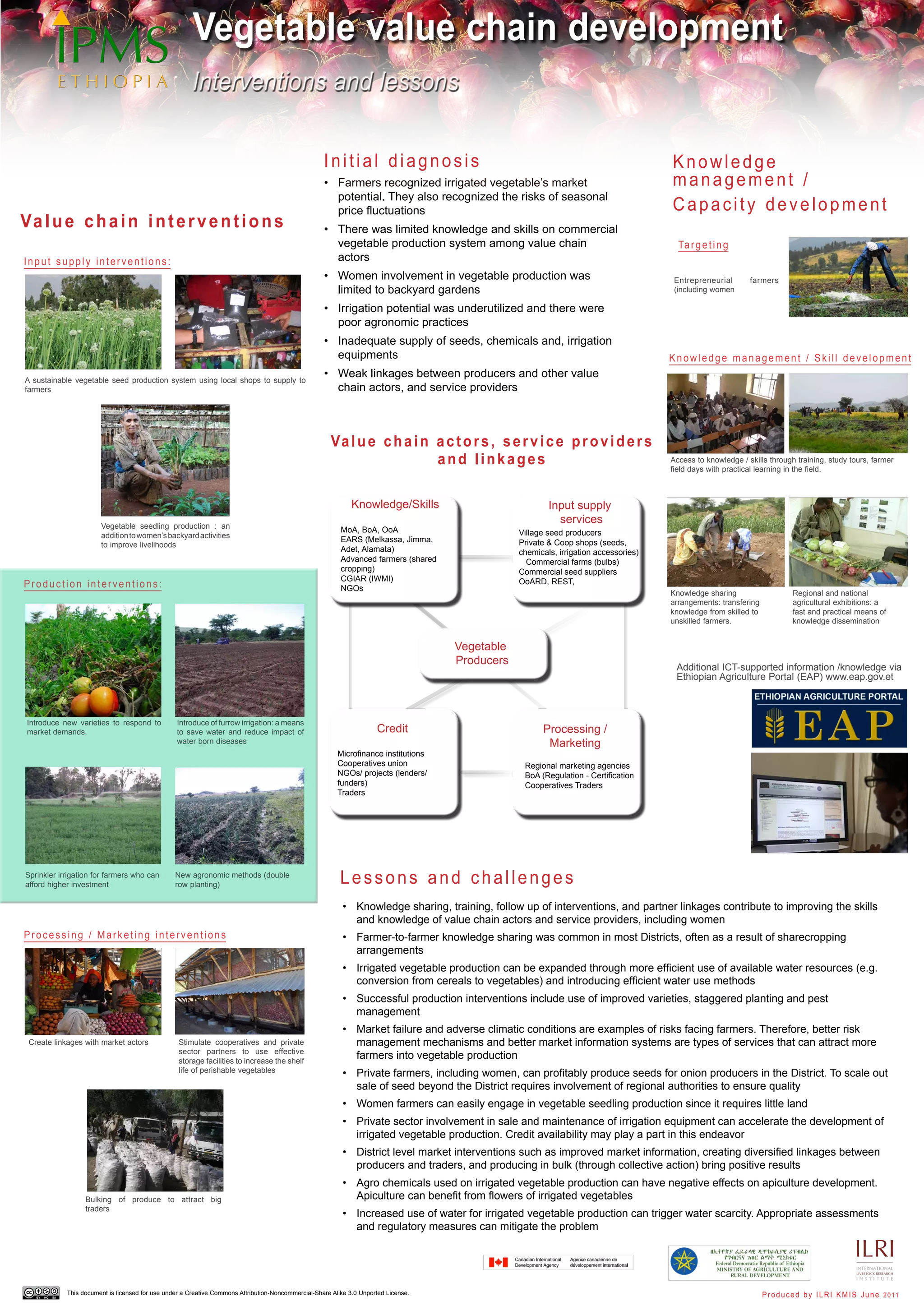
                                                                                        Fruit value chain actors and their
                                                                                                      roles
Creating sustainable fruit seedling          Women earned additional income
supply system at village level               from fruit seedling sales
                                                                                          Knowledge/Skills                                    Input supply
                                                                                       MoARD, BoARD, OoARD
                                                                                                                                                services
                                                                                                                                                                               Knowledge sharing arrangements        Regional and national agricultural
Production interventions:                                                              EARS (Melkassa, Jimma,                         Private nurseries linked to              share-cropping - transfering          exhibitions:   a     fast     and
                                                                                       Adet, Alamata)                                 EARS, Churches, Agro-industry            knowledge from skilled to unskilled   efficient means of knowledge
                                                                                       Advanced farmers (shared                       Private & Coop shops (farm               farmers.                              dissemination
                                                                                       cropping)                                      tools, chemicals, irrigation
                                                                                       CGIAR (IWMI)                                   accessories)
                                                                                       NGOs


                                                                                                                  Fruit Producers

 Introducing varieties with good             Introduction of basin irrigation: a
 international reputation to respond to      means reduce impact of water born
 market demands.                             diseases


                                                                                                 Credit                                       Processing /
                                                                                                                                               Marketing
                                                                                      Microfinance institutions
                                                                                      Cooperatives union                                Regional marketing agencies
                                                                                      NGOs/ projects (lenders/                                                                                   Additional ICT-supported information /
                                                                                                                                        BoARD (Regulation
                                                                                      funders)                                                                                                 knowledge via Ethiopian Agriculture Portal
                                                                                                                                        - Certification
                                                                                      Traders                                                                                                            (EAP) www.eap.gov.et
                                                                                                                                        Cooperatives
                                                                                                                                        Traders


Plant height: a critical feature for tree management and harvesting (dwarf fruiting
trees)
                                                                                       Lessons & Challenges
                                                                                      • Different levels of commercialization of households and Districts require different responses in knowledge, skills, interventions and sets of
                                                                                        actors.
Processing / Marketing interventions                                                  • In all Districts the project has been able to assist in the commercial transformation process of fruit production by introducing and or expanding
                                                                                        the use of improved, grafted fruit varieties (mango, avocado) and bananas in response to market demands, through a participatory market
                                                                                        oriented value chain approach.
                                                                                      • Study tours, in service training and improved access to knowledge through Woreda Knowledge Centres and FTCs enhance public sector
                                                                                        staff capacity to respond to knowledge and skills required for this commercial transformation.
                                                                                      • Irrigation facilities/potentials of farmers was improved through i) study tours, ii) in service training with practical follow up and iii)shared crop-
                                                                                        ping arrangements for knowledge/skills transfer and costs and benefits sharing. There are some examples of positive effects of husband/
                                                                                        wife training and targeting women groups.
                                                                                      • The main intervention was the establishment of a private nursery system aimed at increasing the supply of the improved grafted fruit (mango,
                                                                                        avocado) varieties. This was successful in Districts, which were commercially oriented.
                                                                                      • While private sector involvement can be seen in irrigation equipment/services, further participation, supported with credit, is required for
 Tackling marketing problems training in the use of kerosene burners for rippeing       higher levels of commercialization.
 banana in Metema
                                                                                      • Private nursery operator’s skills in grafting were easily developed and examples of spontaneous adoption of grafting have been observed.
                                                                                        Both man and women are involved in nursery operation.
                                                                                      • Scale of private nurseries was hampered by a lack of scions, which had to be obtained from a few central sources. To reduce this depen-
                                                                                        dency, mother trees were established in each nursery site, which have started providing scions materials after 3 years. At increased levels
                                                                                        of commercialization, these private nurseries should be registered and linked to central sources of improved varieties.
                                                                                      • A commercial farmer to farmer sucker supply system was successfully developed for banana in a commercially oriented District. Future
                                                                                        expansion of the system should consider the development of appropriate phytosanitary arrangements to avoid the spread of soil/plant born
                                                                                        diseases.
                                                                                      • Farmers appreciate improved fruit varieties for their good market potential but also for their relatively short maturity period (2-3 years instead
                                                                                        of 8 years for local varieties).
                                                                                      • More sophisticated market arrangements and actors will be required when commercial quantities of improved fruits increase.
                                                                                      • No negative environmental effects have been observed from fruit development. While not yet visible, positive interactions are expected
                                                                                        with bee keeping.
Small local markets are often insufficient
to absorb the high volume and more
expensive products

Vegetable value chain development: interventions and lessons

  • 1.
    Fruits value chaindevelopment Interventions and lessons Knowledge management / Capacity development Va l u e c h a i n i n t e r v e n t i o n s Ta r g e t i n g Input supply interventions: Targeting women and farmers with entrepreunial skills willing to invest Knowledge management / skill development Private fruit nurseries and private banana sucker supplies promoted in areas where markets for fruits looked promising. Access to knowledge through trainings, study tours, farmer field days Fruit value chain actors and their roles Creating sustainable fruit seedling Women earned additional income supply system at village level from fruit seedling sales Knowledge/Skills Input supply MoARD, BoARD, OoARD services Knowledge sharing arrangements Regional and national agricultural Production interventions: EARS (Melkassa, Jimma, Private nurseries linked to share-cropping - transfering exhibitions: a fast and Adet, Alamata) EARS, Churches, Agro-industry knowledge from skilled to unskilled efficient means of knowledge Advanced farmers (shared Private & Coop shops (farm farmers. dissemination cropping) tools, chemicals, irrigation CGIAR (IWMI) accessories) NGOs Fruit Producers Introducing varieties with good Introduction of basin irrigation: a international reputation to respond to means reduce impact of water born market demands. diseases Credit Processing / Marketing Microfinance institutions Cooperatives union Regional marketing agencies NGOs/ projects (lenders/ Additional ICT-supported information / BoARD (Regulation funders) knowledge via Ethiopian Agriculture Portal - Certification Traders (EAP) www.eap.gov.et Cooperatives Traders Plant height: a critical feature for tree management and harvesting (dwarf fruiting trees) Lessons & Challenges • Different levels of commercialization of households and Districts require different responses in knowledge, skills, interventions and sets of actors. Processing / Marketing interventions • In all Districts the project has been able to assist in the commercial transformation process of fruit production by introducing and or expanding the use of improved, grafted fruit varieties (mango, avocado) and bananas in response to market demands, through a participatory market oriented value chain approach. • Study tours, in service training and improved access to knowledge through Woreda Knowledge Centres and FTCs enhance public sector staff capacity to respond to knowledge and skills required for this commercial transformation. • Irrigation facilities/potentials of farmers was improved through i) study tours, ii) in service training with practical follow up and iii)shared crop- ping arrangements for knowledge/skills transfer and costs and benefits sharing. There are some examples of positive effects of husband/ wife training and targeting women groups. • The main intervention was the establishment of a private nursery system aimed at increasing the supply of the improved grafted fruit (mango, avocado) varieties. This was successful in Districts, which were commercially oriented. • While private sector involvement can be seen in irrigation equipment/services, further participation, supported with credit, is required for Tackling marketing problems training in the use of kerosene burners for rippeing higher levels of commercialization. banana in Metema • Private nursery operator’s skills in grafting were easily developed and examples of spontaneous adoption of grafting have been observed. Both man and women are involved in nursery operation. • Scale of private nurseries was hampered by a lack of scions, which had to be obtained from a few central sources. To reduce this depen- dency, mother trees were established in each nursery site, which have started providing scions materials after 3 years. At increased levels of commercialization, these private nurseries should be registered and linked to central sources of improved varieties. • A commercial farmer to farmer sucker supply system was successfully developed for banana in a commercially oriented District. Future expansion of the system should consider the development of appropriate phytosanitary arrangements to avoid the spread of soil/plant born diseases. • Farmers appreciate improved fruit varieties for their good market potential but also for their relatively short maturity period (2-3 years instead of 8 years for local varieties). • More sophisticated market arrangements and actors will be required when commercial quantities of improved fruits increase. • No negative environmental effects have been observed from fruit development. While not yet visible, positive interactions are expected with bee keeping. Small local markets are often insufficient to absorb the high volume and more expensive products