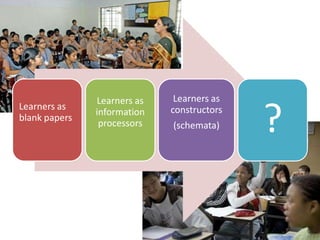
Learners as    Learners as

                                            ?
Learners as                  constructors
               information
blank papers
                processors   (schemata)
Experts say...
      Carl Rogers: each person operates from a
     unique frame of reference in terms of
     building Self Regard or their self concept.
     Self Concept is one's own belief about
     themselves
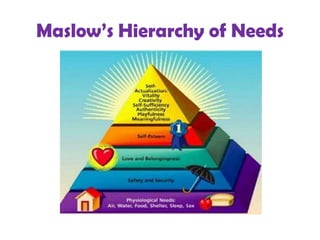
      Abraham Maslow : individual has certain
     needs that must be met in an hierarchical
     fashion, from the lowest to highest.
Maslow’s Hierarchy of Needs
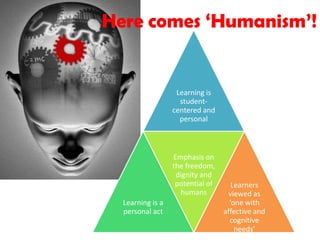
Here comes ‘Humanism’!


                   Learning is
                    student-
                  centered and
                    personal


                  Emphasis on
                  the freedom,
                   dignity and
                   potential of      Learners
                    humans         viewed as
  Learning is a                     ‘one with
  personal act                    affective and
                                    cognitive
                                      needs’
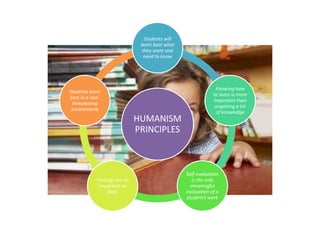
Students will
                               learn best what
                                they want and
                                 need to know


                                                              Knowing how
Students learn
                                                             to learn is more
best in a non-
                                                             important than
 threatening
                                                              acquiring a lot
 environment
                                                              of knowledge
                              HUMANISM
                              PRINCIPLES


                                                 Self-evaluation
            Feelings are as                        is the only
             important as                          meaningful
                 facts                           evaluation of a
                                                 student's work
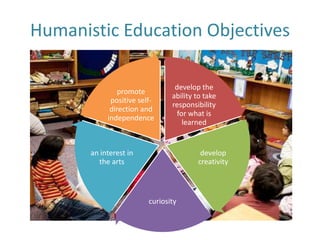
Humanistic Education Objectives

                                 develop the
                promote
                                ability to take
             positive self-
                                responsibility
             direction and
                                  for what is
            independence
                                    learned


       an interest in                    develop
         the arts                       creativity


                         curiosity
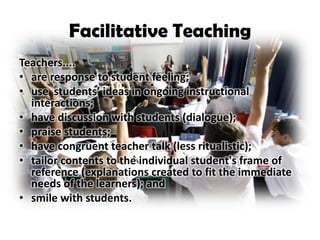
Facilitative Teaching
Teachers....
• are response to student feeling;
• use students’ ideas in ongoing instructional
  interactions;
• have discussion with students (dialogue);
• praise students;
• have congruent teacher talk (less ritualistic);
• tailor contents to the individual student's frame of
  reference (explanations created to fit the immediate
  needs of the learners); and
• smile with students.
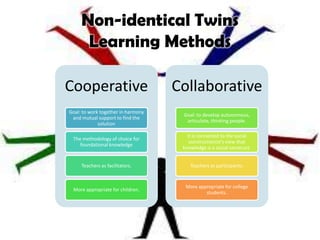
Non-identical Twins
      Learning Methods

Cooperative                         Collaborative
Goal: to work together in harmony
                                     Goal: to develop autonomous,
 and mutual support to find the
                                      articulate, thinking people.
             solution

                                       It is connected to the social
 The methodology of choice for
                                        constructionist's view that
    foundational knowledge
                                     knowledge is a social construct.


     Teachers as facilitators.          Teachers as participants.


                                      More appropriate for college
 More appropriate for children.
                                              students.
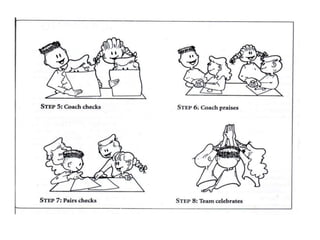
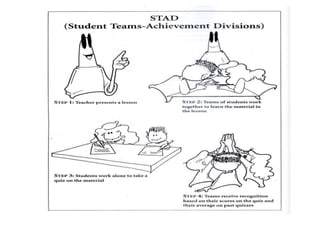
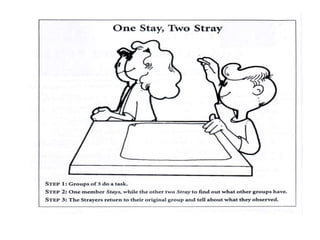
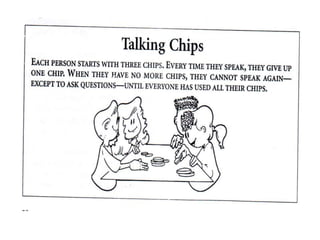
CoLTs
Co (stands for either cooperative or collaborative)
               Learning Techniques
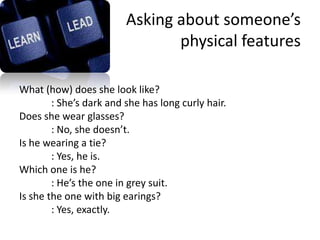
Asking about someone’s
                                physical features

What (how) does she look like?
        : She’s dark and she has long curly hair.
Does she wear glasses?
        : No, she doesn’t.
Is he wearing a tie?
        : Yes, he is.
Which one is he?
        : He’s the one in grey suit.
Is she the one with big earings?
        : Yes, exactly.
Humanism

  • 2.
    Learners as Learners as ? Learners as constructors information blank papers processors (schemata)
  • 3.
    Experts say... Carl Rogers: each person operates from a unique frame of reference in terms of building Self Regard or their self concept. Self Concept is one's own belief about themselves Abraham Maslow : individual has certain needs that must be met in an hierarchical fashion, from the lowest to highest.
  • 4.
  • 5.
    Here comes ‘Humanism’! Learning is student- centered and personal Emphasis on the freedom, dignity and potential of Learners humans viewed as Learning is a ‘one with personal act affective and cognitive needs’
  • 6.
    Students will learn best what they want and need to know Knowing how Students learn to learn is more best in a non- important than threatening acquiring a lot environment of knowledge HUMANISM PRINCIPLES Self-evaluation Feelings are as is the only important as meaningful facts evaluation of a student's work
  • 7.
    Humanistic Education Objectives develop the promote ability to take positive self- responsibility direction and for what is independence learned an interest in develop the arts creativity curiosity
  • 8.
    Facilitative Teaching Teachers.... • areresponse to student feeling; • use students’ ideas in ongoing instructional interactions; • have discussion with students (dialogue); • praise students; • have congruent teacher talk (less ritualistic); • tailor contents to the individual student's frame of reference (explanations created to fit the immediate needs of the learners); and • smile with students.
  • 9.
    Non-identical Twins Learning Methods Cooperative Collaborative Goal: to work together in harmony Goal: to develop autonomous, and mutual support to find the articulate, thinking people. solution It is connected to the social The methodology of choice for constructionist's view that foundational knowledge knowledge is a social construct. Teachers as facilitators. Teachers as participants. More appropriate for college More appropriate for children. students.
  • 10.
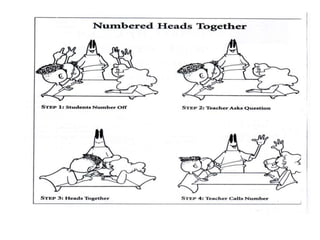
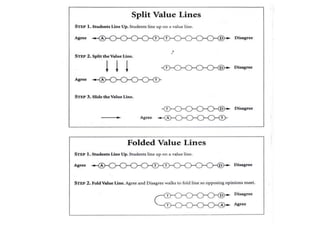
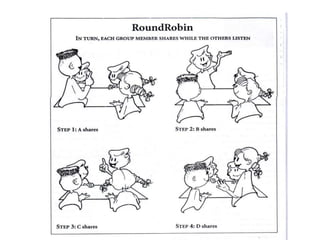
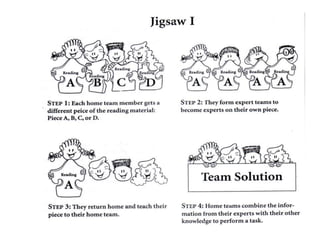
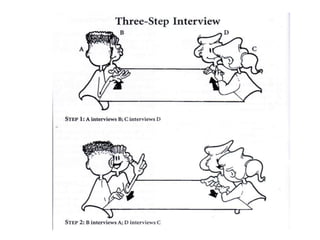
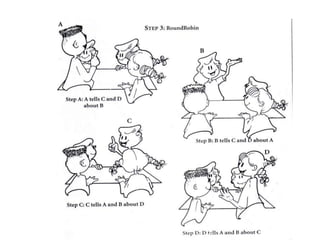
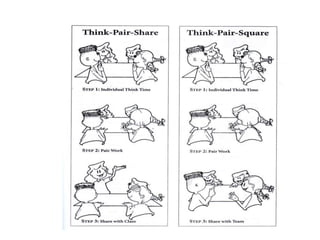
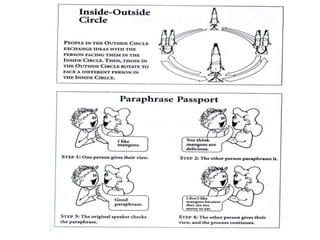
    CoLTs Co (stands foreither cooperative or collaborative) Learning Techniques
  • 31.
    Asking about someone’s physical features What (how) does she look like? : She’s dark and she has long curly hair. Does she wear glasses? : No, she doesn’t. Is he wearing a tie? : Yes, he is. Which one is he? : He’s the one in grey suit. Is she the one with big earings? : Yes, exactly.