The Fracturing of
the Experience
Movement
Dr Bill Gribbons
Director of UX Programs at Bentley University
wgribbons@bentley.edu
@wgribbons
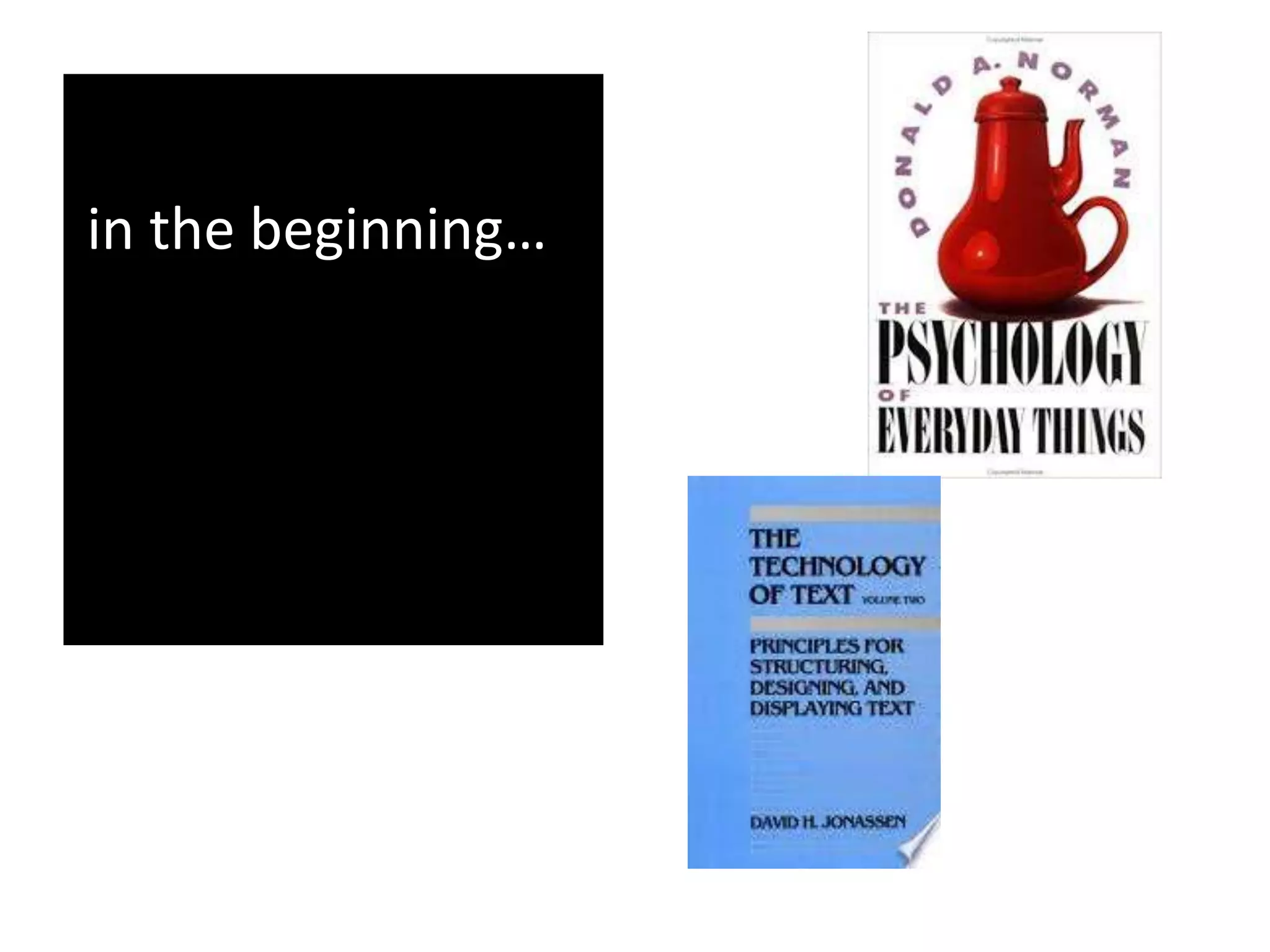
in the beginning…
our journey…
1980
the design
of
everything
our identity was then shaped by a slow
thirty-year focus on the narrow
confines of product design
2018
the gradual re-emergence
of the design of
everything
UX
the design of
everything
every touch-point
with the user …
the total user
experience
we’ve arrived! • we have the respect of the
development community and
business leaders
• we apply our principles and
practices more widely in
previously unimaginable ways
• the number of practitioners
continues to explode
• salaries will continue to
increase forever….
• we can now sit back and enjoy
the fruits of a more than
three-decade effort
or can we?
our success has
not gone
unnoticed…
at the same time we have been
demonstrating and promoting the
value of our work, others have
noticed and they want a piece of
the action and in some cases
complete control of the
experience…
the fracturing
of the experience movement
• customer experience
• experience of place and community
• patient experience
• retail experience
• service design
• play and game design
• design thinking
it’s no longer a
matter of if, it’s a
matter of when…
…okay, it’s already
happening
• experience design graduate
programs are emerging intent on
educating a new class of design
and research professionals
• the next generation of designers
and researchers are considering
this shift
• consulting practices and large
business services groups are
thinking in these terms – they see
the broader opportunities
• human resource groups are
inquiring
reject
complacency…
names matter:
is it time to lose
the “U” from UX?
• names define and shape how
others view us and what we do
• is the “user” descriptor confining
and restrictive?
• consider “design thinking;” where
would that movement be today if
they called it “user thinking”?
• should we consider a gradual
migration to “experience
design”?
• If we don’t do it, will someone
else?
if it’s not broke,
don’t fix it
argument…
… counter argument:
disrupt or be disrupted
consider also, the
changing face of
product design…
• internet of things
• machine learning
• cognitive computing
• conversational user
interface
• the nature of our work is
changing and in some cases
going away
• product strategy is growing
in importance
is our profession
the only one who
will suffer from
this fracturing?
consider the politics of product
management
while competition in any organization
can be positive, it also creates a struggle
for resources, power and control
will the user/customer suffer in this
conflict?
experience design the principles and practices of
experience design apply broadly
to all we design and create. It is a
way of thinking: a problem-
solving approach focused on
people, the activities supported,
and the physical as well as social
environment.
with a deep understanding of
each of these variables, we are
capable of adding value and
enhancing the experience of all
that we create, at every stage of
the journey.
moving forward… at this moment, it is not an all or
nothing commitment
not everyone will embrace a name
change; some will embrace
components of the expanded view of
the discipline and others will
continue to practice UX as we know
it today
this change will not happen
overnight but the time to respond to
this transformation is upon us
questions

The Fracturing of the Experience Movement

  • 1.
    The Fracturing of theExperience Movement Dr Bill Gribbons Director of UX Programs at Bentley University wgribbons@bentley.edu @wgribbons
  • 2.
  • 3.
    our journey… 1980 the design of everything ouridentity was then shaped by a slow thirty-year focus on the narrow confines of product design 2018 the gradual re-emergence of the design of everything UX
  • 4.
  • 5.
    every touch-point with theuser … the total user experience
  • 6.
    we’ve arrived! •we have the respect of the development community and business leaders • we apply our principles and practices more widely in previously unimaginable ways • the number of practitioners continues to explode • salaries will continue to increase forever…. • we can now sit back and enjoy the fruits of a more than three-decade effort
  • 7.
  • 8.
    our success has notgone unnoticed… at the same time we have been demonstrating and promoting the value of our work, others have noticed and they want a piece of the action and in some cases complete control of the experience…
  • 9.
    the fracturing of theexperience movement • customer experience • experience of place and community • patient experience • retail experience • service design • play and game design • design thinking
  • 10.
    it’s no longera matter of if, it’s a matter of when… …okay, it’s already happening • experience design graduate programs are emerging intent on educating a new class of design and research professionals • the next generation of designers and researchers are considering this shift • consulting practices and large business services groups are thinking in these terms – they see the broader opportunities • human resource groups are inquiring
  • 11.
  • 12.
    names matter: is ittime to lose the “U” from UX? • names define and shape how others view us and what we do • is the “user” descriptor confining and restrictive? • consider “design thinking;” where would that movement be today if they called it “user thinking”? • should we consider a gradual migration to “experience design”? • If we don’t do it, will someone else?
  • 13.
    if it’s notbroke, don’t fix it argument… … counter argument: disrupt or be disrupted
  • 14.
    consider also, the changingface of product design… • internet of things • machine learning • cognitive computing • conversational user interface • the nature of our work is changing and in some cases going away • product strategy is growing in importance
  • 15.
    is our profession theonly one who will suffer from this fracturing? consider the politics of product management while competition in any organization can be positive, it also creates a struggle for resources, power and control will the user/customer suffer in this conflict?
  • 16.
    experience design theprinciples and practices of experience design apply broadly to all we design and create. It is a way of thinking: a problem- solving approach focused on people, the activities supported, and the physical as well as social environment. with a deep understanding of each of these variables, we are capable of adding value and enhancing the experience of all that we create, at every stage of the journey.
  • 17.
    moving forward… atthis moment, it is not an all or nothing commitment not everyone will embrace a name change; some will embrace components of the expanded view of the discipline and others will continue to practice UX as we know it today this change will not happen overnight but the time to respond to this transformation is upon us
  • 18.