



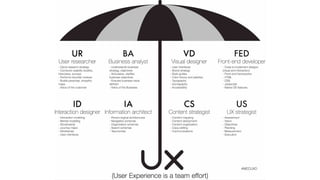
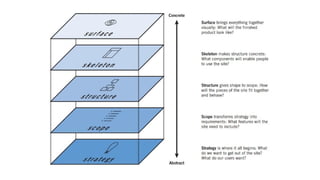













Experience Design
Seminar
Hyper Island, 2016
Andy Sontag
@sontagideology
andy@bespokecph.com
DAY I AGENDA
MORNING/ 9-12
Intro to Experience Design
UX Sprint - Research, Design and Execute.
LUNCH/ 12-13
AFTERNOON/ 13-16
Mapping Digital Media Experiences
Presentation, Reflections.
Intention:
To learn powerful tools for designing and creating
meaningful experiences.
To get into the mindset of rapid prototyping.
To learn through doing.
Desired Outcome:
To have an embodied understanding of practical and
powerful tools for creating experiences.
The Frames:
Workshop = Interaction
You will get out as much as you put in.
Your learning is the focus.
We learn through doing.
Practical stuff
YOU are an experience
designer
Everything you design for
others changes how they
see the world
KAOSPILOTS
I design experience
that build meaningful
relationships
I design experience
that build meaningful
relationships
Who are you?
UX Sprint!
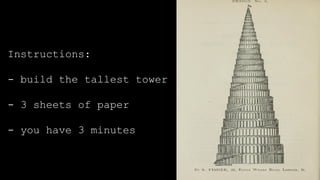
Instructions:
- build the tallest tower
- 3 sheets of paper
- you have 3 minutes
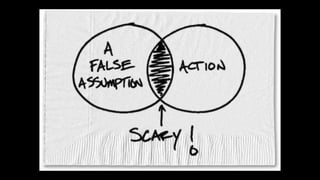
“What are you assuming?”
Always check your
assumptions when designing
“What are you assuming?”
Always check your when
designing
Why
experience
design?
Happiness?
Experiences
≠
Things
Easterlin paradox:
“...Over time, people's satisfaction with the
things they bought went down, whereas their
satisfaction with experiences they spent money
on went up.”
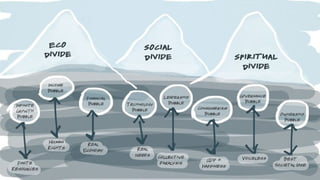
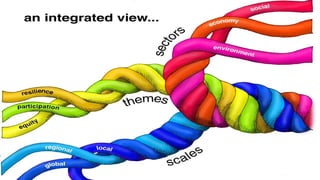
An Integrated View
Big interconnected
challenges. No single
solution.
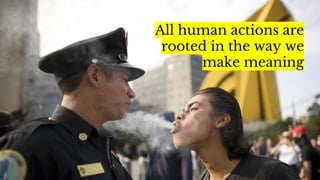
All human actions are
rooted in the way we
make meaning
How we make meaning,
changes how we act.
To change how people act,
we must design experiences
that enables them to make
meaning in new ways.
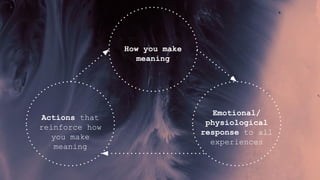
Actions that
reinforce how
you make
meaning
Emotional/
physiological
response to all
experiences
How you make
meaning
• file:
///Users/user/Downloads/10865750_8236796
67710950_2758362813830531856_o.jpg
• file:
///Users/user/Downloads/10865750_8236796
67710950_2758362813830531856_o.jpg
• file:
///Users/user/Downloads/10865750_8236796
67710950_2758362813830531856_o.jpg
What is
experience
design?
EXPERIENCE DESIGN (UX) IS A
FOUNDATIONAL DISCIPLINE FOR
UNDERSTANDING HOW ORGANIZATIONS
CREATING VALUE FOR PEOPLE.
#UX
WHAT IS EXPERIENCE DESIGN?
EXPERIENCE DESIGN IS THE PRACTICE OF DESIGNING PRODUCTS,
SERVICES, ACROSS PHYSICAL AND DIGITAL TOUCH POINTS, WITH A
FOCUS PLACED ON THE QUALITY OF THE USER EXPERIENCE.
WHAT IS EXPERIENCE DESIGN?
EXPERIENCE DESIGN IS THE PRACTICE OF DESIGNING PRODUCTS,
SERVICES, ACROSS PHYSICAL AND DIGITAL TOUCH POINTS, WITH A
FOCUS PLACED ON THE QUALITY OF THE USER EXPERIENCE.
WHAT IS EXPERIENCE DESIGN?
EXPERIENCE DESIGN IS THE PRACTICE OF DESIGNING PRODUCTS,
SERVICES, ACROSS PHYSICAL AND DIGITAL TOUCH POINTS, WITH A
FOCUS PLACED ON THE QUALITY OF THE USER EXPERIENCE.
EXPERIENCE DESIGN IS THE PRACTICE OF DESIGNING PRODUCTS,
SERVICES, ACROSS PHYSICAL AND DIGITAL TOUCH POINTS, WITH A
FOCUS PLACED ON THE QUALITY OF THE USER EXPERIENCE.
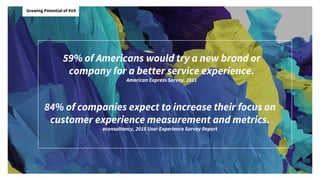
59% of Americans would try a new brand or
company for a better service experience.
American Express Survey, 2011
Growing Potential of #UX
84% of companies expect to increase their focus on
customer experience measurement and metrics.
econsultancy, 2015 User Experience Survey Report
84% of companies expect to increase their focus on
customer experience measurement and metrics.
econsultancy, 2015 User Experience Survey Report
84% of companies expect to increase their focus on
customer experience measurement and metrics.
econsultancy, 2015 User Experience Survey Report
84% of companies expect to increase their focus on
customer experience measurement and metrics.
econsultancy, 2015 User Experience Survey Report
Experience
design
“…The key is an immersive experience, ones where
attention can be total but largely passive.”
- Daniel Goleman
How do
you design an
experience?
Are
Experiences
designable?
Its 1989.
You are a famous and very expensive
experience design agency. You have a new
promising client: Star Video.
Solve their challenge!
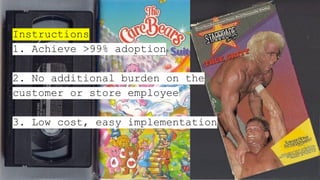
Instructions
1. Achieve >99% adoption
2. No additional burden on the
customer or store employee
3. Low cost, easy implementation
Advice for designers
Experience=
Performance
- expectation
1. Understand
people
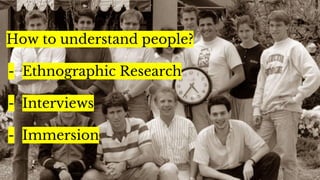
How to understand people?
- Ethnographic Research
- Interviews
- Immersion
Build Empathy,
listen first and
always check your
assumptions
2.Understand what is
meaningful to people
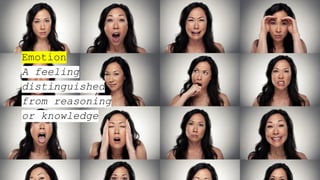
Emotion
A feeling
distinguished
from reasoning
or knowledge
What is
meaning?
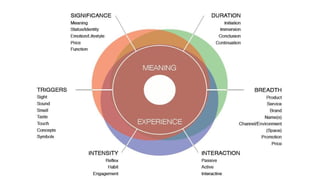
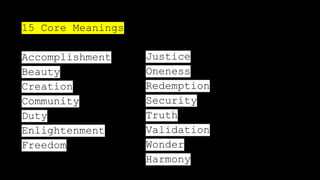
15 Core Meanings
Accomplishment
Beauty
Creation
Community
Duty
Enlightenment
Freedom
Justice
Oneness
Redemption
Security
Truth
Validation
Wonder
Harmony
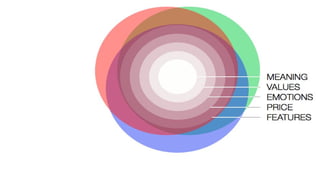
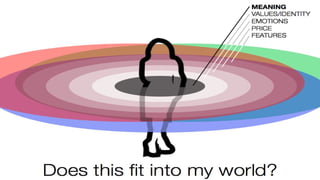
Meaning is the deepest connection
that you can make with your
audience/user/customer. Meaning is
established between people,
between people and objects, people
and places, etc., and it is the
deepest part of those invisible
connections.
- Nathan Shedroff
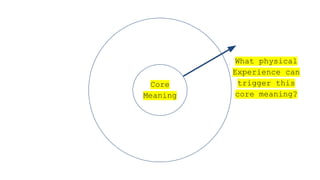
Core
Meaning
What physical
Experience can
trigger this
core meaning?
UX Sprint!
Assemble
your Team!
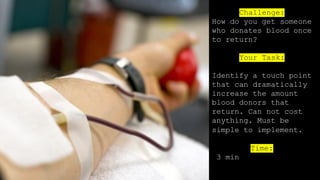
Challenge:
How do you get someone
who donates blood once
to return?
Your Task:
Identify a touch point
that can dramatically
increase the amount
blood donors that
return. Can not cost
anything. Must be
simple to implement.
Time:
3 min
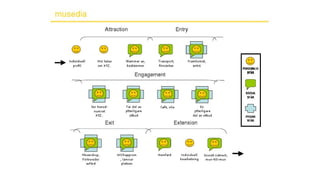
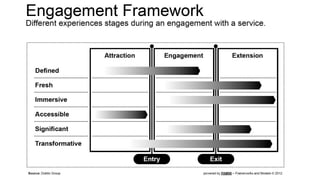
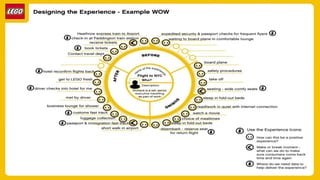
The 5E Experience
Design Model
example
Research
Learn about what is
meaningful to for
Your user– building
empathy.
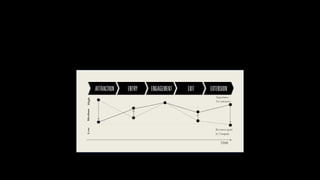
Excitement

The way the person first becomes
aware of and is attracted to the
experience. What captures their
attention
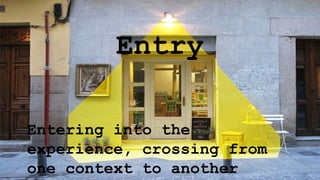
Entry
Entering into the
experience, crossing from
one context to another
Engagement
The Activities that
Hold the participant
in the experience
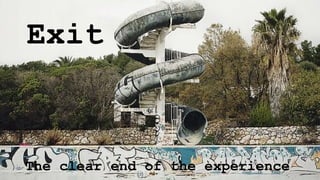
The clear end of the experience
Exit
Extension
An object users can take
with them to ‘extend’
the experience
Questions?
Are you
ready to
try it???
UX Sprint!
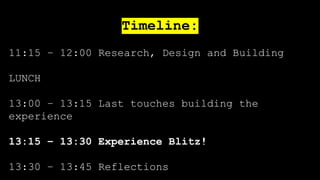
Timeline:
11:15 – 12:00 Research, Design and Building
LUNCH
13:00 – 13:15 Last touches building the
experience
13:15 – 13:30 Experience Blitz!
13:30 – 13:45 Reflections
Four groups:
1. Entry
2. Engagement
3. Exit
4. Extension
Each group prepares an experience for:
max 3 minutes
One coordinator per group, Come to me to
receive instruction
Research
Learn about what is
meaningful to for
Your user– building
empathy.
LUNCH
12:00 - 13:00
Stage the experience!
Reflections
Break
How do measure the
success of your
experience?
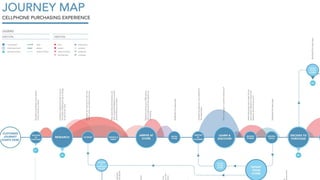
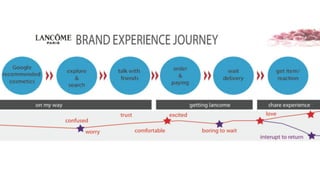
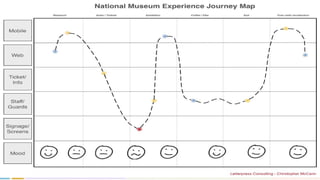
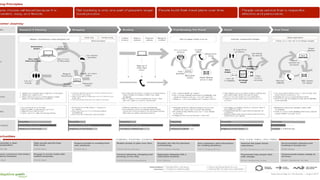
Journey Mapping
Visually illustrates customers’
processes, needs, & perceptions
throughout their interaction and
relationship with an organization
Experience maps are used
to visualize the
experiences of people
when using a product or
service, evaluating each
individual interaction and
Journey mapping helps
designers shift perspective
to think like the user
When Can Journey Mapping
Be Used?
• Understanding & diagnosing experiences
• Designing experiences (redesign
existing, create new)
• Implementing (as blue prints)
• Communicating (align, train, orient)
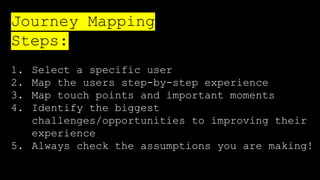
1. Select a specific user
2. Map the users step-by-step experience
3. Map touch points and important moments
4. Identify the biggest
challenges/opportunities to improving their
experience
5. Always check the assumptions you are making!
Journey Mapping
Steps:
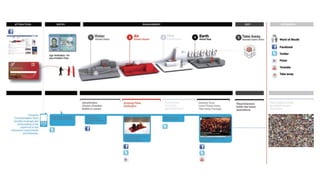
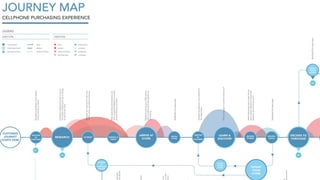
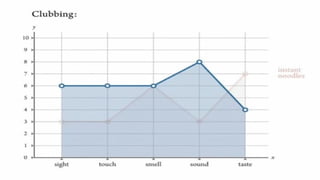
example
example
Bring up your
favorite digital
experience
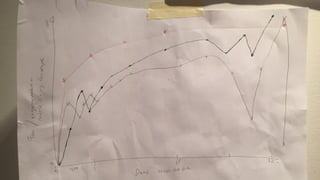
Create an Experience Map:
Your experience map must include:
- Time
- Users important moments
Make sure you can use the same map for 3
people.
Time: 10 min
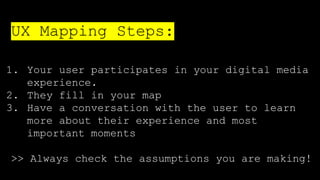
1. Your user participates in your digital media
experience.
2. They fill in your map
3. Have a conversation with the user to learn
more about their experience and most
important moments
>> Always check the assumptions you are making!
UX Mapping Steps:
Map 3 people’s experience of your own
digital media and experience 3 other
people’s digital media.
Total time: 30 min
Break
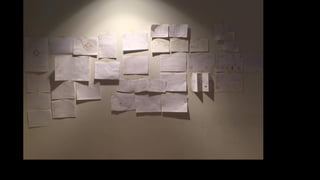
Showcase!
Reflections
What have we learned today?
Core Meaning Model
5E Experience Model
Experience Journey Mapping
THANK YOU!
Andy sontag
andy@bespokecph.com
45 5290 0787
Experience Design
Day II
Hyper Island, 2016
DAY II AGENDA
MORNING/ 09-12
Experience Design - Going Deeper
UX Case - The Marine Museum
LUNCH/ 12-13
AFTERNOON/ 13-16
Journey Mapping, Insights
Presentations!
Trust the Process
Can you just listen?
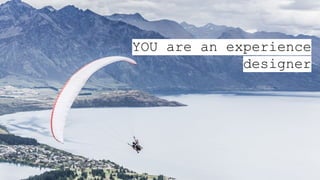
YOU are an experience
designer
Everything you design for
others changes how they
see the world
#UX
Going Deeper
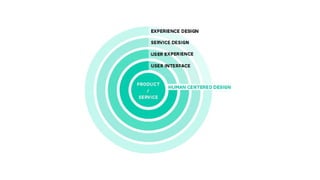
What is Human Centered
design?
Human-centered design is a creative approach to
problem solving. It’s a process that starts with
the people you’re designing for and ends with
new solutions that are tailor made to suit their
needs.
- Ideo
What do humans ‘need’?
What is the difference between
what we need and what we buy?
Good Experience Design is
Good Storytelling
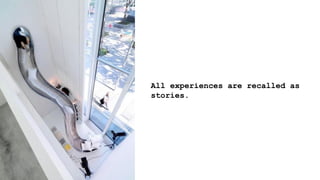
All experiences are recalled as
stories.
What we design ends up
designing us
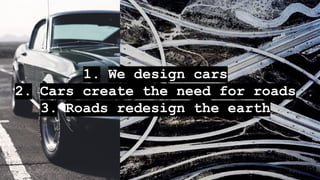
1. We design cars
2. Cars create the need for roads
3. Roads redesign the earth
Break
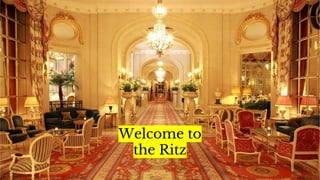
Welcome to
the Ritz
Assemble
your Team!
Brief:
Challenge:
The Ritz needs to increase the satisfaction of its customers,
while still charging a premium prices. They need to reinvent
their customer experince to be more fresh, and young, while
not scaring away old customers.
You task:
Create a ‘scene’ that you would suggest that each Ritz hotel uses
when customers Check in. This scene can last maximum 2
minutes.
UX Case:
The Marine Museum
#fullpower
Assemble
your Team!
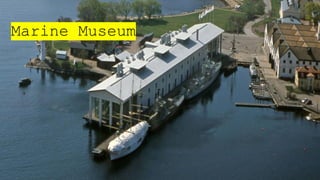
Marine Museum
User
Experience
Research
Even the most seasoned researchers can't
always get people to articulate their unmet
needs. What to do?
How to understand people?
Research Methods:
- Ethnographic Research
- Interviews
Task: UX for a workflow management system that
supports information gathering and reporting.
Biggest challenge: ensuring its compatibility with
team dynamics.
“You don’t want to go in with a blinkered
view that could exclude important
contextual information. Sometimes you
won’t know what’s important until after
your research is complete….”
Ethnographic
Research
Ethnographic
Research
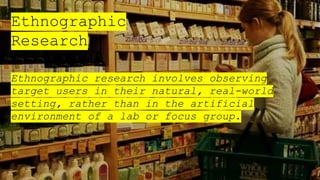
Ethnographic research involves observing
target users in their natural, real-world
setting, rather than in the artificial
environment of a lab or focus group.
Be aware of:
1. Context.
2. Ethics.
3. Assumptions.
Ethnographic
Research
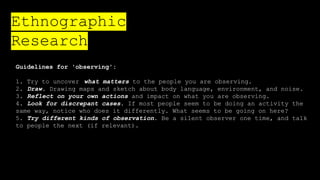
Guidelines for 'observing':
1. Try to uncover what matters to the people you are observing.
2. Draw. Drawing maps and sketch about body language, environment, and noise.
3. Reflect on your own actions and impact on what you are observing.
4. Look for discrepant cases. If most people seem to be doing an activity the
same way, notice who does it differently. What seems to be going on here?
5. Try different kinds of observation. Be a silent observer one time, and talk
to people the next (if relevant).
Ethnographic
Research
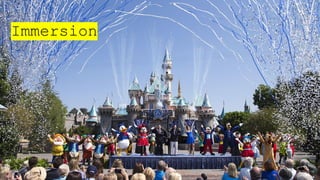
Immersion
Immersive
Research
Immersive research techniques allow you to
capture behaviours, emotions and cognitive
perceptions of individuals in context at the
moment where the individual experiences them.
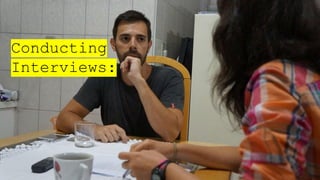
Conducting
Interviews:
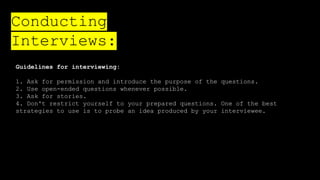
Guidelines for interviewing:
1. Ask for permission and introduce the purpose of the questions.
2. Use open-ended questions whenever possible.
3. Ask for stories.
4. Don't restrict yourself to your prepared questions. One of the best
strategies to use is to probe an idea produced by your interviewee.
Conducting
Interviews:
How to understand people?
Research Methods:
- Ethnographic Research
- Interviews
Challenge:
How can the Marine Museum improve its
customer experience?
Your Task:
User Experience Research, and use the
5E model to make a step-by-step user
journey, including touch points,
customer attitudes, needs, problems
and opportunities.
Deliverables:
1. An experience journey map of the
attraction, entry, engagement, exit
and extension.
2. Actionable insights and
opportunities to improving
customers experience for each
phase, that can be delivered to the
client digitally.
Time:
10:00 - 12:00 Researching Customer Experience
Lunch
13:00 - 13:45 Mapping + Insights
13:45 - 14:15 Creating Point of Departure
Break
14:30 - 15:00 Finishing Presentations
15:00 - 15:30 Presentation
C’est fini
Enjoy! We meet in
the lobby at 11:00
Lunch
Mapping
Insights:
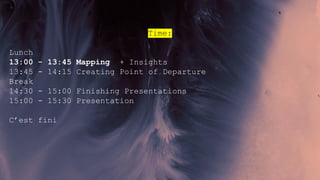
Time:
Lunch
13:00 - 13:45 Mapping + Insights
13:45 - 14:15 Creating Point of Departure
Break
14:30 - 15:00 Finishing Presentations
15:00 - 15:30 Presentation
C’est fini
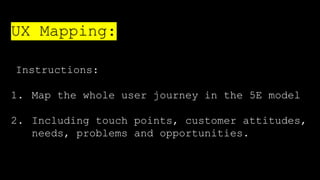
Instructions:
1. Map the whole user journey in the 5E model
2. Including touch points, customer attitudes,
needs, problems and opportunities.
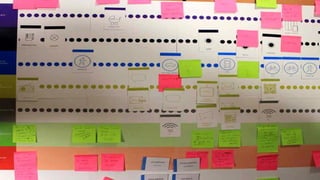
UX Mapping:
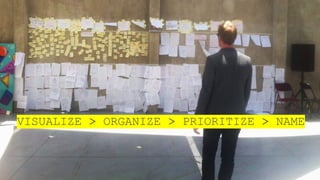
Visualization
VISUALIZE > ORGANIZE > PRIORITIZE > NAME
Generate
insights
An insight is
like a joke,
if you have to
explain it,
it’s not that
good.
MAKE A STATEMENT
“There is a lack of
engagement around the
submarine”
MAKE A STATEMENT
“People love hanging out in
the cafe”
1. Where are the ‘hot’ and ‘cold’ spots in the museum
experience?
2. In what way and where would the visitors like to interact
more? Do they want to interact? Where in the museum
experience are the best opportunities to create
interaction?
3. How can we make the museum a natural place to hang out (for
all ages)? How can people have a more relaxed and natural
relationship to a museum visit? This museum is owned by the
government – therefore by the people.
4. What attraction will get new visitors?
Brief:
Time:
Lunch
13:00 - 13:45 Mapping + Insights
14:00 - 14:15 Creating Point of Departure
Break
14:30 - 15:00 Finishing Presentations
15:00 - 15:30 Presentation
C’est fini
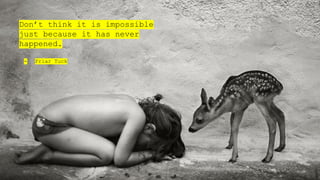
Don’t think it is impossible
just because it has never
happened.
- Friar Tuck
Make ‘what if...’ statements
Attraction:
What if the people heard
about the Marine Museum via
Instagram?
Engagement:
What if they created a
gamified exit?
Prepare your
presentations!
Presentations!
Thank you!!!
andy@bespokecph.com

Experince Design Seminar // Hyper Island