Soil pollution
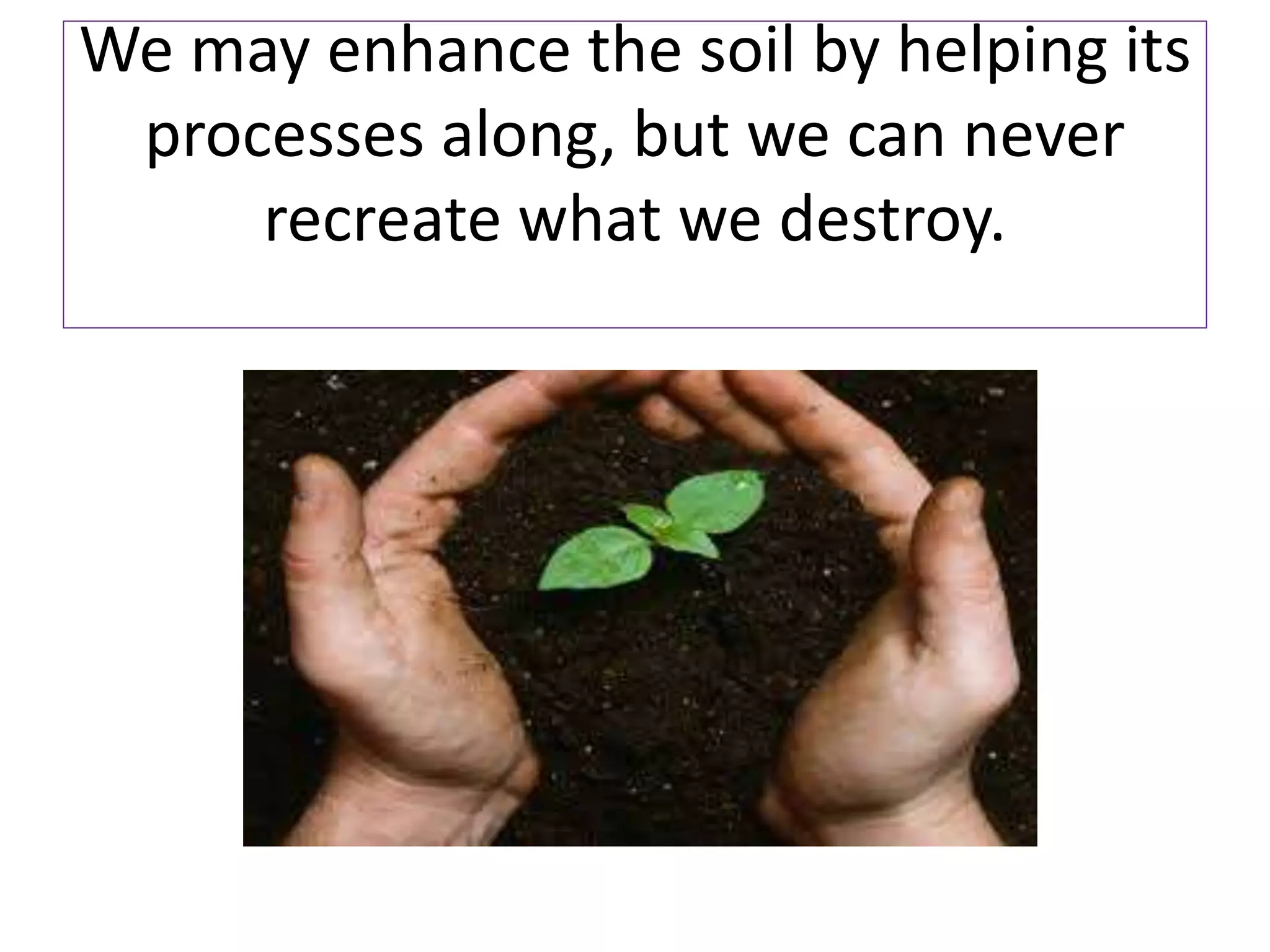
We may enhance the soil by helping its
processes along, but we can never
recreate what we destroy.
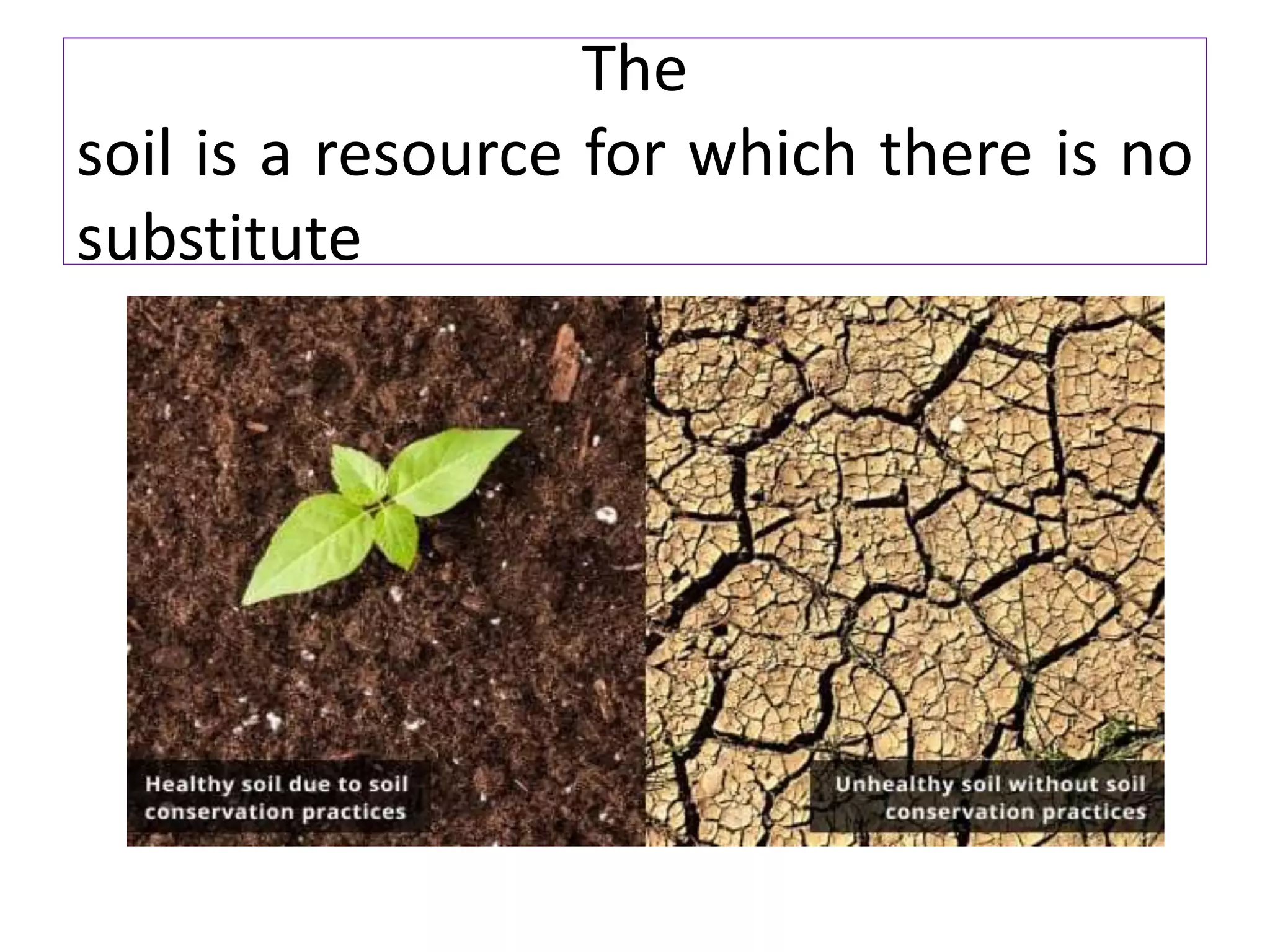
The
soil is a resource for which there is no
substitute
Soil -Definition
Soil is a thin covering over the
land consisting of a mixture of
minerals, organic material, living
organisms, air and water that
together support the growth of
plant life.
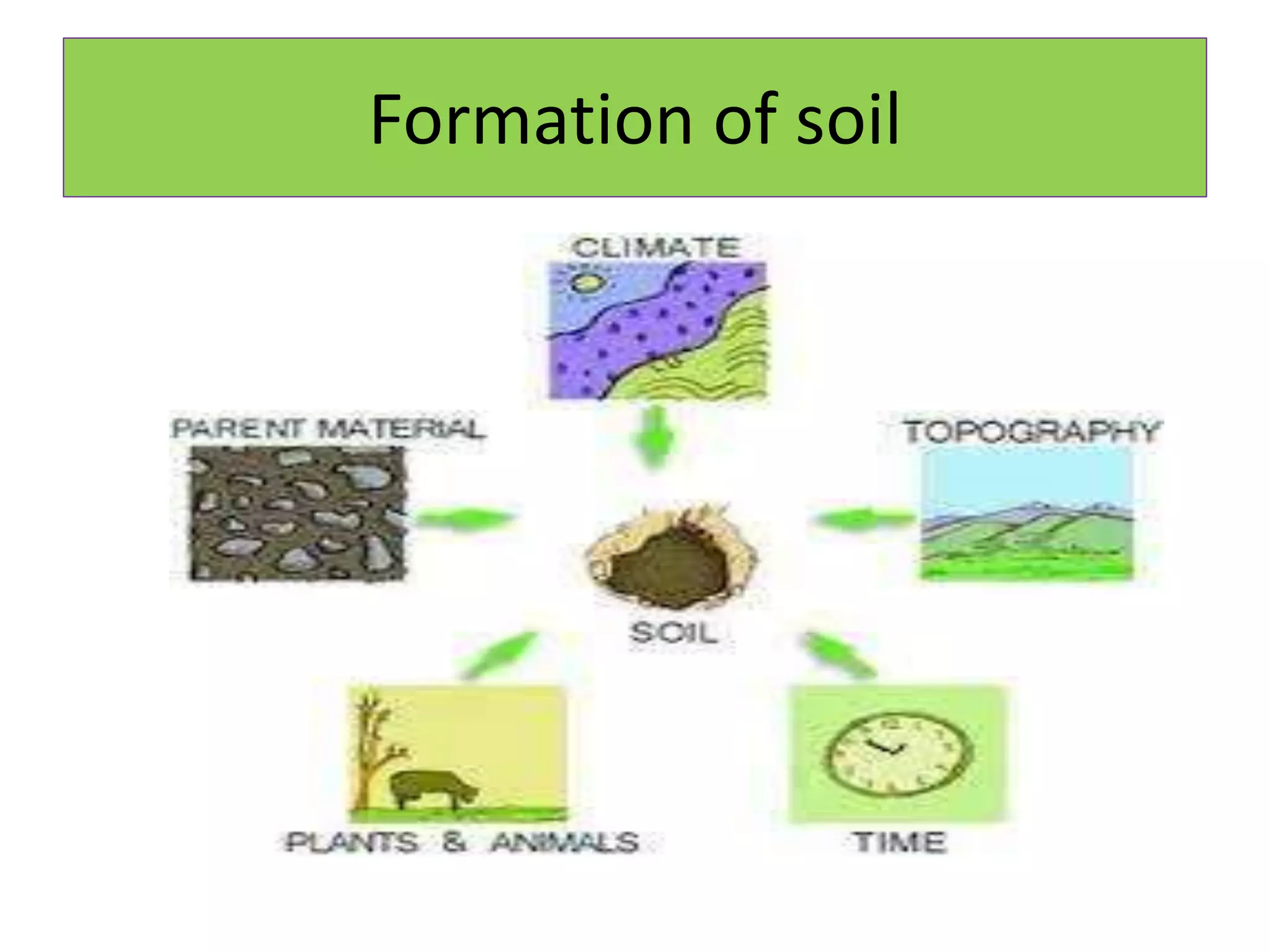
Formation of soil
Formation of soil
Several factors contribute to the formation of
soil from the parent material. This includes
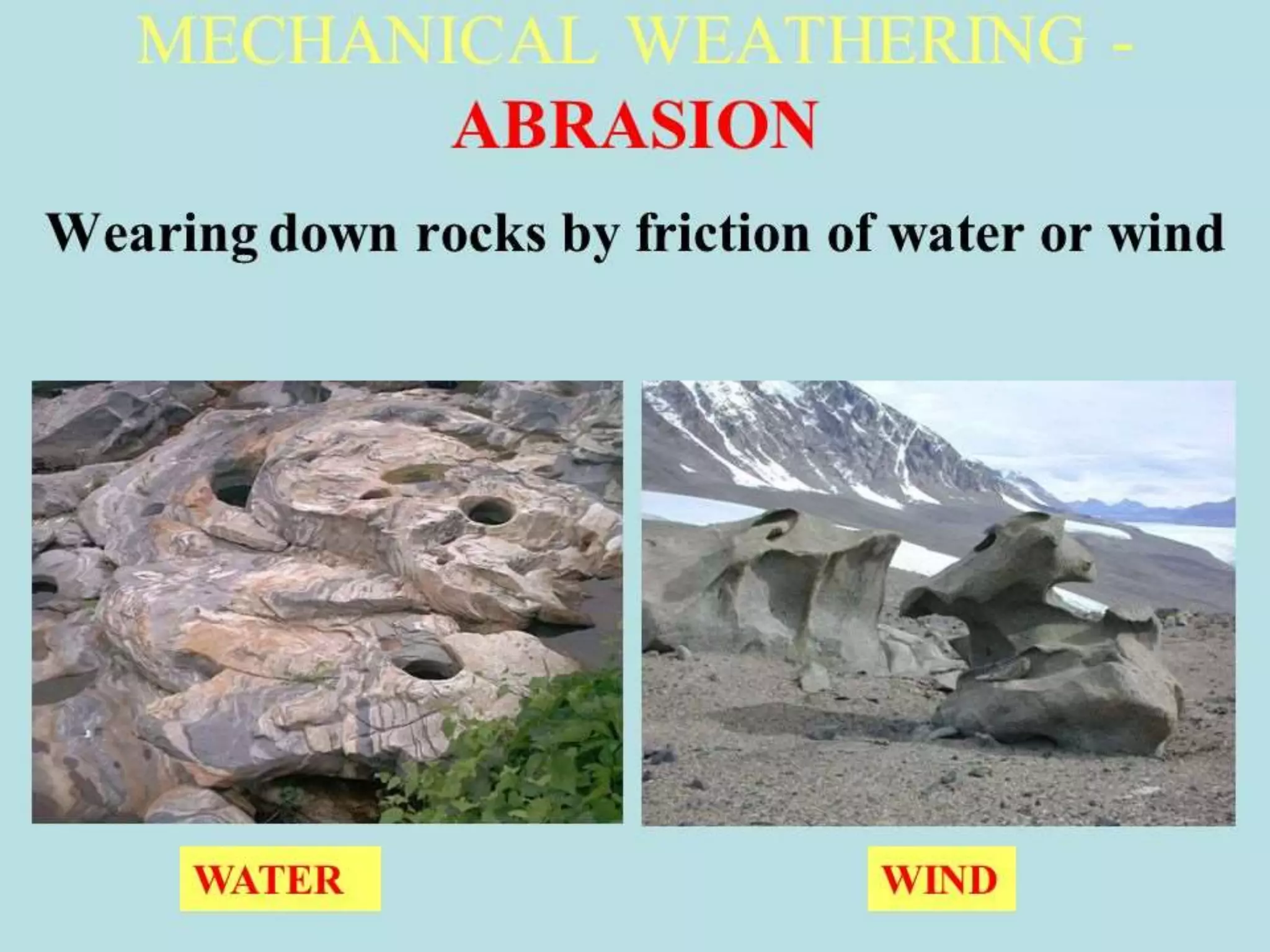
• Mechanical weathering of rocks due to
temperature changes and abrasion,
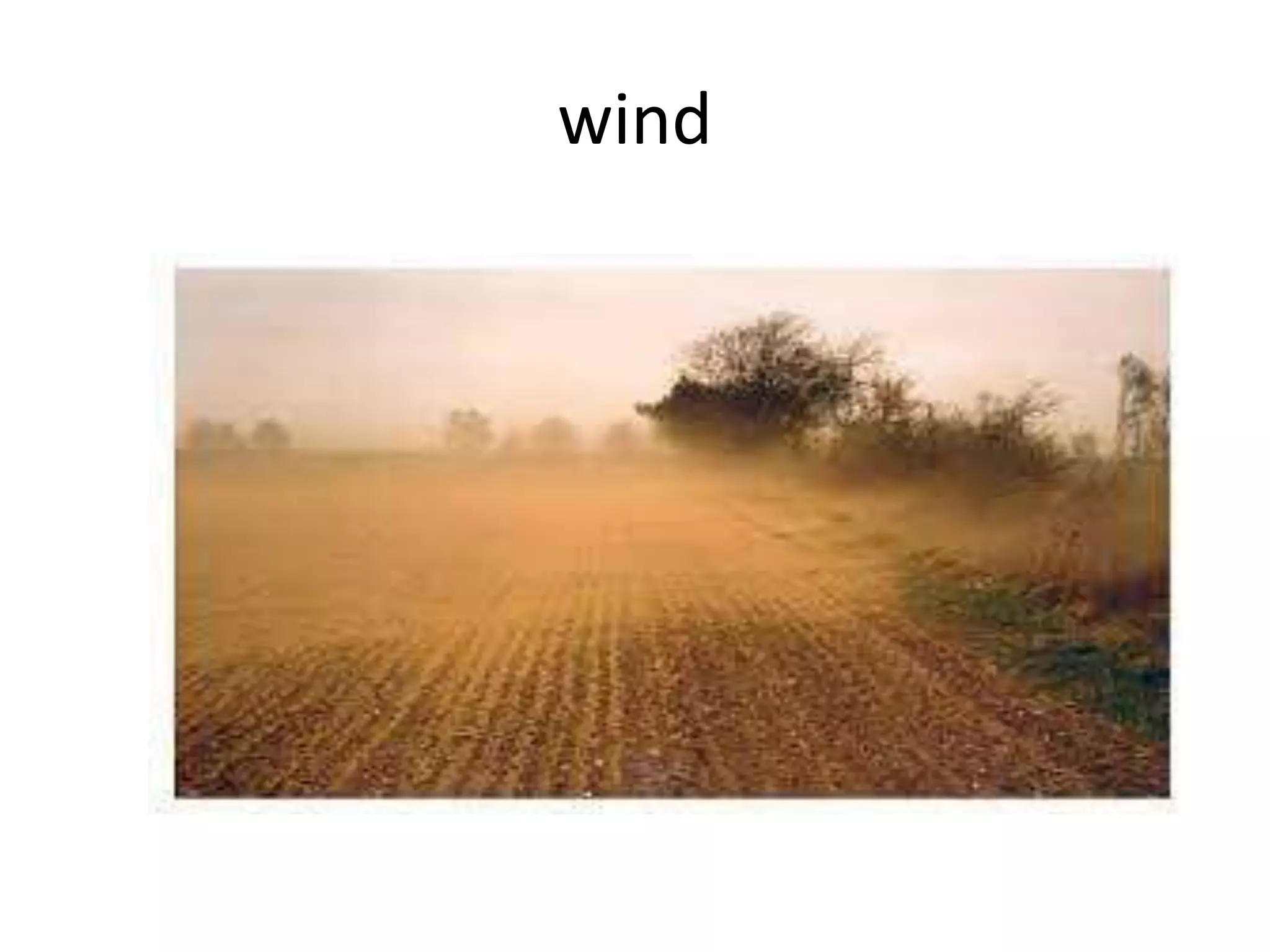
• Wind,
• Moving water,
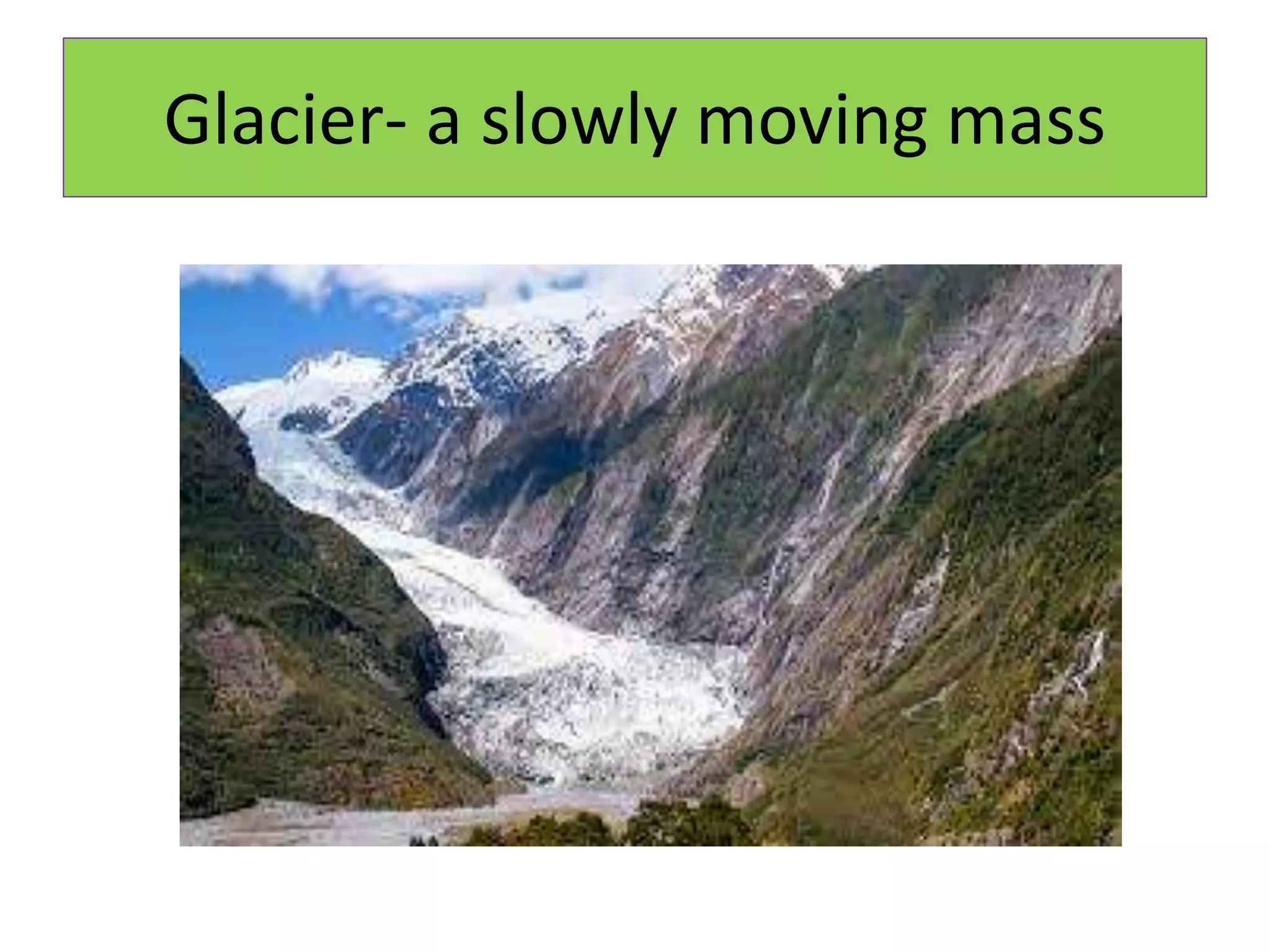
• Glaciers,
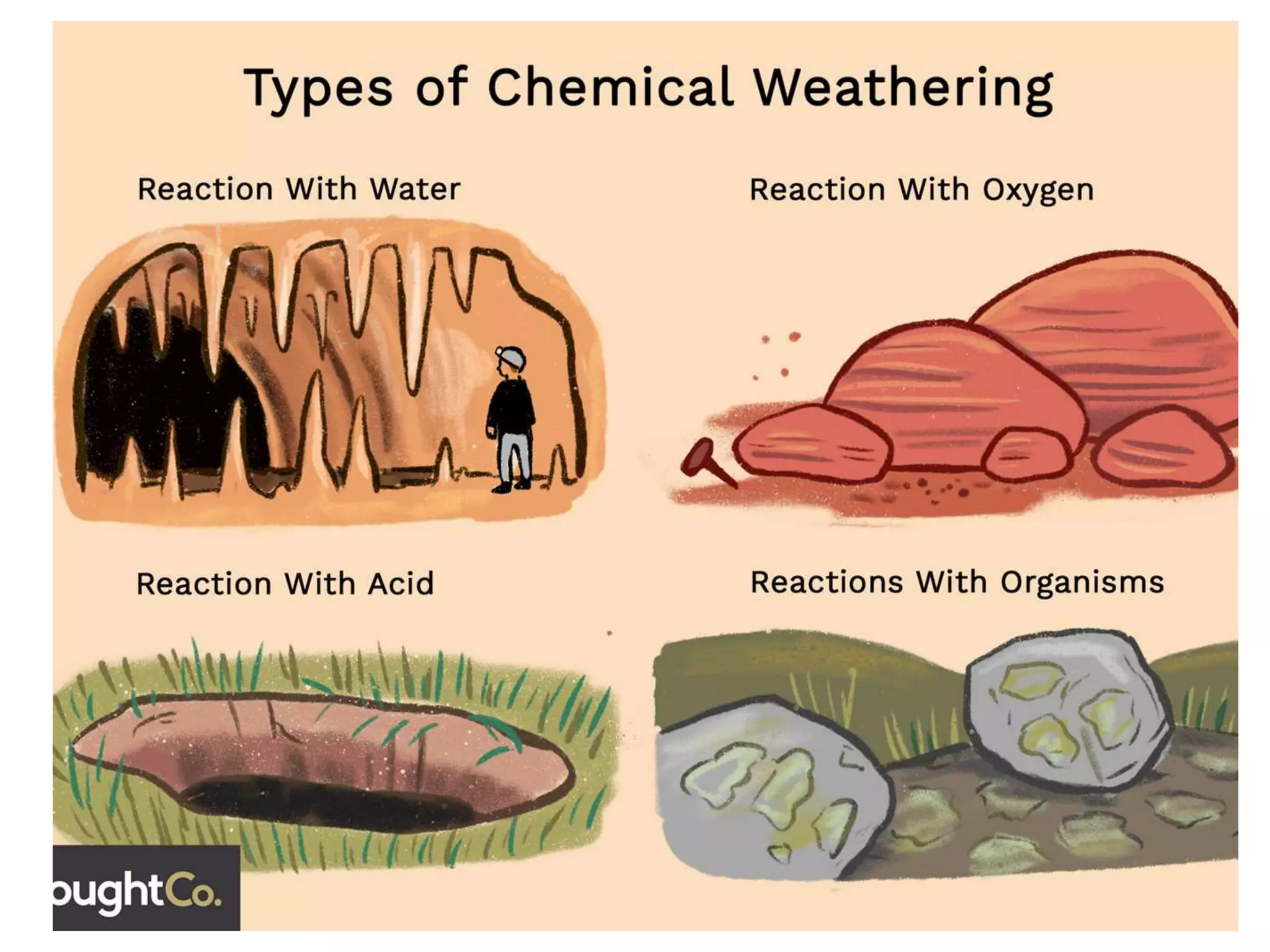
• Chemical weathering activities and
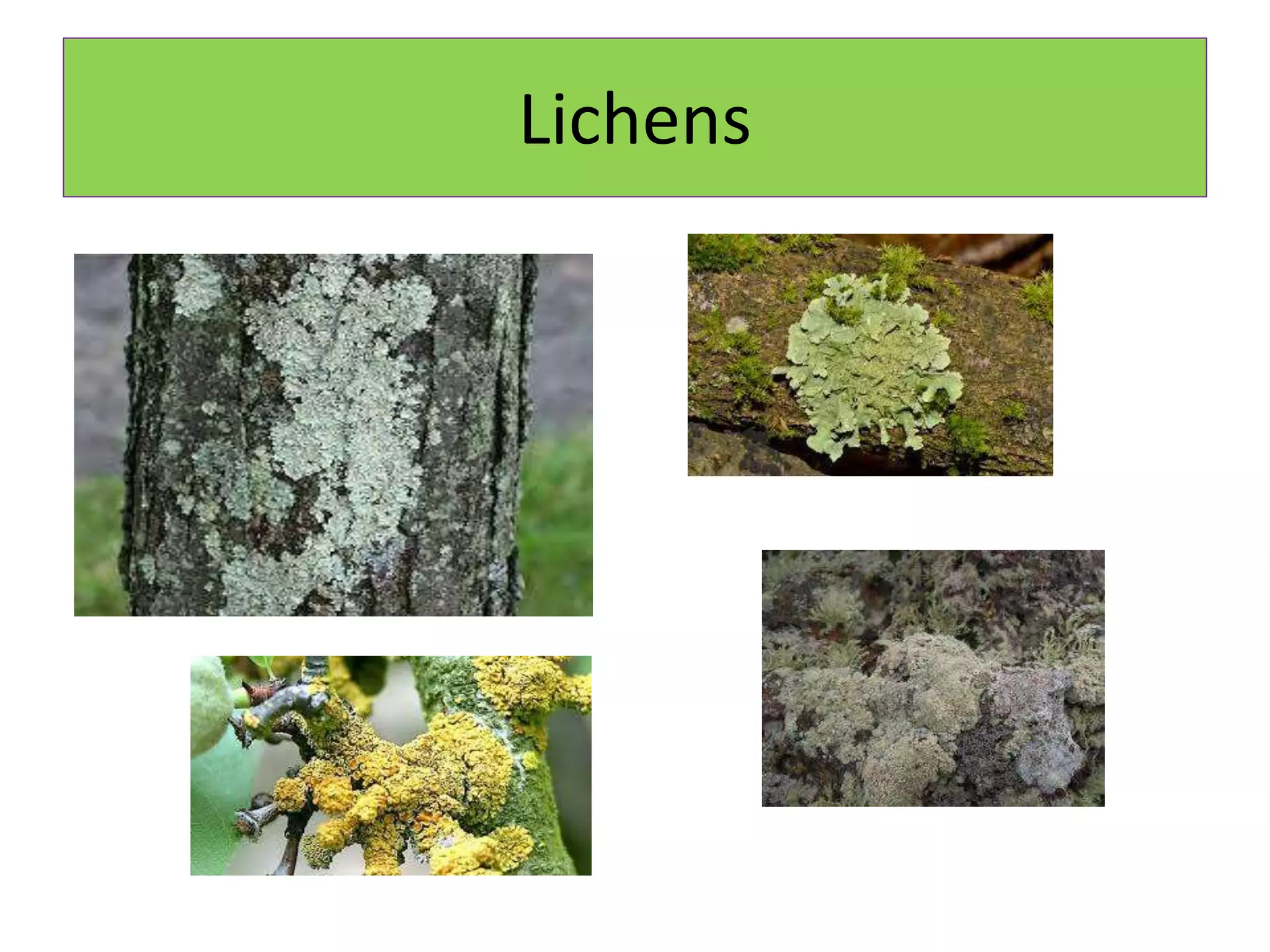
• Lichens.
wind
Moving water
Glacier- a slowly moving mass
Lichens
Climate and Time
Climate and time are also
important in the development of
soils. Extremely dry or cold
climates develop soils very slowly
while humid and warm climates
develop them more rapidly.
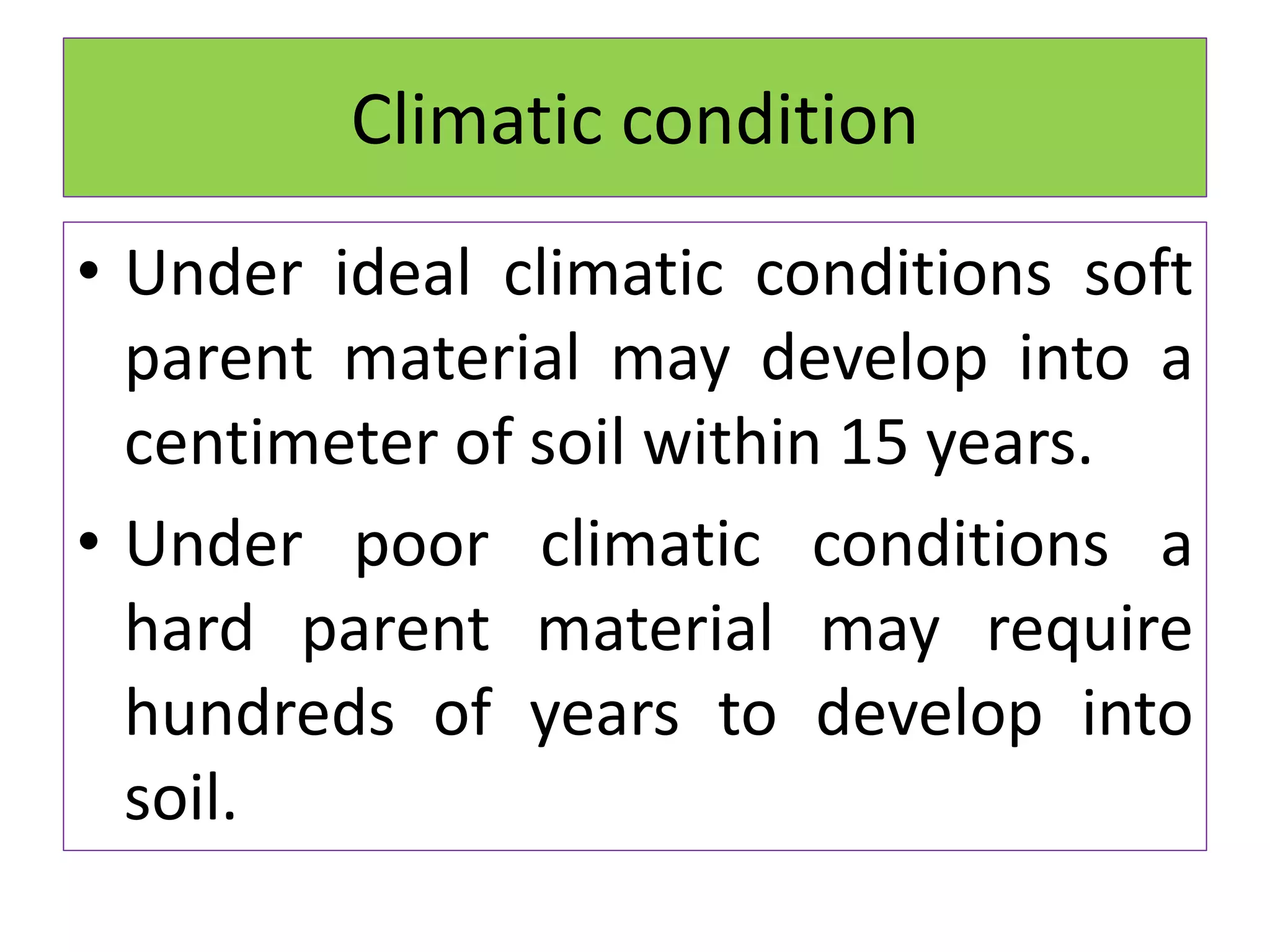
Climatic condition
• Under ideal climatic conditions soft
parent material may develop into a
centimeter of soil within 15 years.
• Under poor climatic conditions a
hard parent material may require
hundreds of years to develop into
soil.
Soil horizon
Mature soils are arranged in a series of
zones called soil horizons.
Each horizon has a distinct texture and
composition that varies with different
types of soils.
A cross sectional view of the horizons
in a soil is called a soil profile.
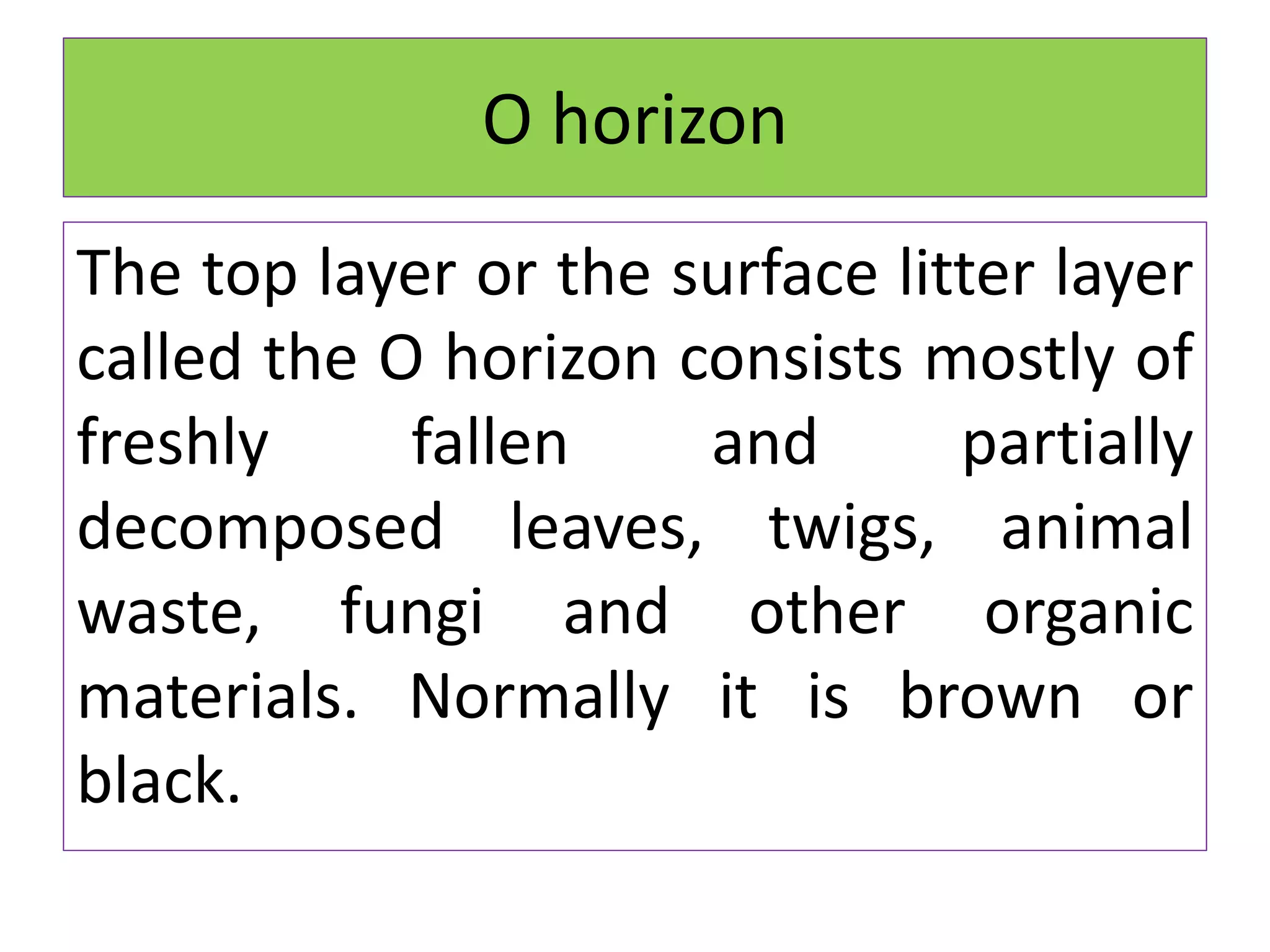
O horizon
The top layer or the surface litter layer
called the O horizon consists mostly of
freshly fallen and partially
decomposed leaves, twigs, animal
waste, fungi and other organic
materials. Normally it is brown or
black.
A Horizon
The uppermost layer of the soil called the A
horizon consists of partially decomposed organic
matter (humus) and some inorganic mineral
particles.
It is usually darker and looser than the deeper
layers.
The roots of most plants are found in these two
upper layers.
These two top layers also contain a large
amount of
Bacteria,
Fungi,
Earthworms and
Other small insects
that form complex food webs in the soil that
help recycle soil nutrients and contribute to soil
fertility.
The B horizon
The B horizon often called
the subsoil contains less
organic material and fewer
organisms than the A
horizon
C horizon
The area below the subsoil is
called the C horizon and consists
of weathered parent material.
This parent material does not
contain any organic materials
C Horizon
The chemical composition of
the C-horizon helps to
determine the pH of the soil
and also influences the soil’s
rate of water absorption and
retention.
CAUSES OF SOIL DEGRADATION
Causes of soil degradation
Erosion
Soil erosion can be defined as the movement of
surface litter and topsoil from one place to
another.
While erosion is a natural process often caused
by wind and flowing water it is greatly
accelerated by human activities such as farming,
construction, overgrazing by livestock, burning
of grass cover and deforestation.
Erosion
Loss of the topsoil makes a soil less
fertile and reduces its water holding
capacity. The topsoil, which is washed
away, also contributes to water
pollution clogging lakes, increasing
turbidity of the water and also leads to
loss of aquatic life.
EROSION
For one inch of topsoil to be formed it
normally requires 200-1000 years
depending upon the climate and soil
type. Thus if the topsoil erodes faster
than it is formed the soil becomes a
non-renewable resource.
• Proper soil conservation measures are used to
minimize the loss of top soil.
Two types of treatment that are generally used.
• Area treatment which involves treating the
land
• Drainage line treatment which involves
treating the natural water courses
• Live check dams which barriers
created by planting grass, shrubs
and trees across the gullies can be
used for this purpose.
• A bund constructed out of stones
across the stream can also be used
for conserving soil and water.
• An Earthen checkbund is
constructed out of local soil across
the stream to check soil erosion and
flow of water.
• A Gabion structure is a bund
constructed of stone and wrapped in
galvanized chain link.
Macro and Micro nutrients
• Fertilizers are very valuable as they replace
the soil nutrients used up by plants.
• The three primary soil nutrients often in short
supply are potassium, phosphorus and
nitrogen compounds. These are commonly
referred to as macronutrients.
• Certain other elements like boron, zinc and
manganese are necessary in extremely small
amounts and are known as micronutrients.
When crops are harvested a large amount of
macronutrients and a small amount of
micronutrients are removed with the crops.
• If the same crop is grown again depleted levels of
thee nutrients can result in decreased yields.
• These necessary nutrients can be returned to the
soil through the application of fertilizers.
• In addition to fertilizers a large amount of
pesticides (chemicals used to kill or control
populations of unwanted fungi, animals or plants
often called pests) are also used to ensure a good
yield.
• Pesticides can be subdivided into several
categories based on the kinds of organisms
they are used to control.
• Insecticides are used to control insect
populations.
• fungicides are used to control unwanted
fungal growth.
• Mice and rats are killed by rodenticides
• Plant pests are controlled by herbicides.
• Organic agriculture advocates avoiding the use
of chemical fertilizers and pesticides.
• Leaving crop residue on the soil and
incorporating it into the soil reduces erosion
and increase soil organic matter.
• Crop rotation is an effective way to enhance
soil fertility, reduce erosion and control pests.
• IPM promotes the use of biopesticides.
• Biopesticides are derived from three
sources: microbial, botanical and
biochemical.
• Microbial pesticides are micro-organisms
such as bacteria, fungus, virus or
protozoa that fight pests through a
variety of ways. They produce toxins
specific to the pests and produce
diseases in them.
• Biochemical pesticides contain
several chemicals that affect the
reproductive and digestive
mechanisms of the pests.
• commonly used biopesticides are
Bacillus thuringiensis (Bt), neem
(Azadirachta indica) and
trichogramma.
Salinization
Irrigated lands can produce crop yields much
higher than those that only use rainwater.
However this has its own set of ill effects.
Irrigation water contains dissolved salts and in
dry climates much of the water in the saline
solution evaporates leaving its salts such as
sodium chloride in the topsoil. The
accumulation of these salts is called salinization.
It stunts plant growth, lower yields and
eventually kill the crop and render the land
useless for agriculture.
These salts can be flushed out of the soil by
using more water. This practice however
increases the cost of crop production and also
wastes enormous amounts of water.
Flushing salts can also make the downstream
irrigation water saltier.
• THANK you
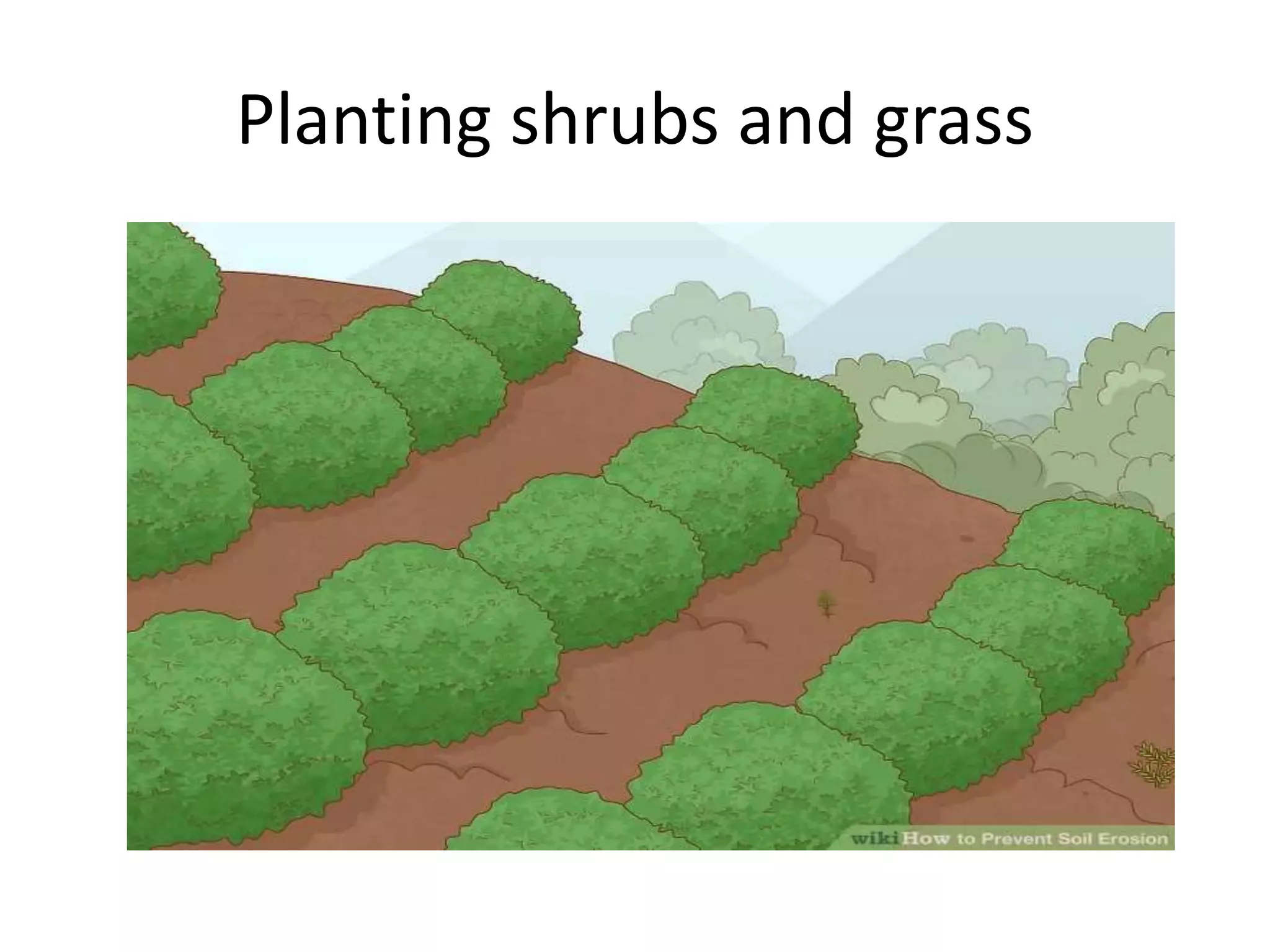
PREVENTION OF SOIL EROSION
Planting shrubs and grass
Add mulch or rocks
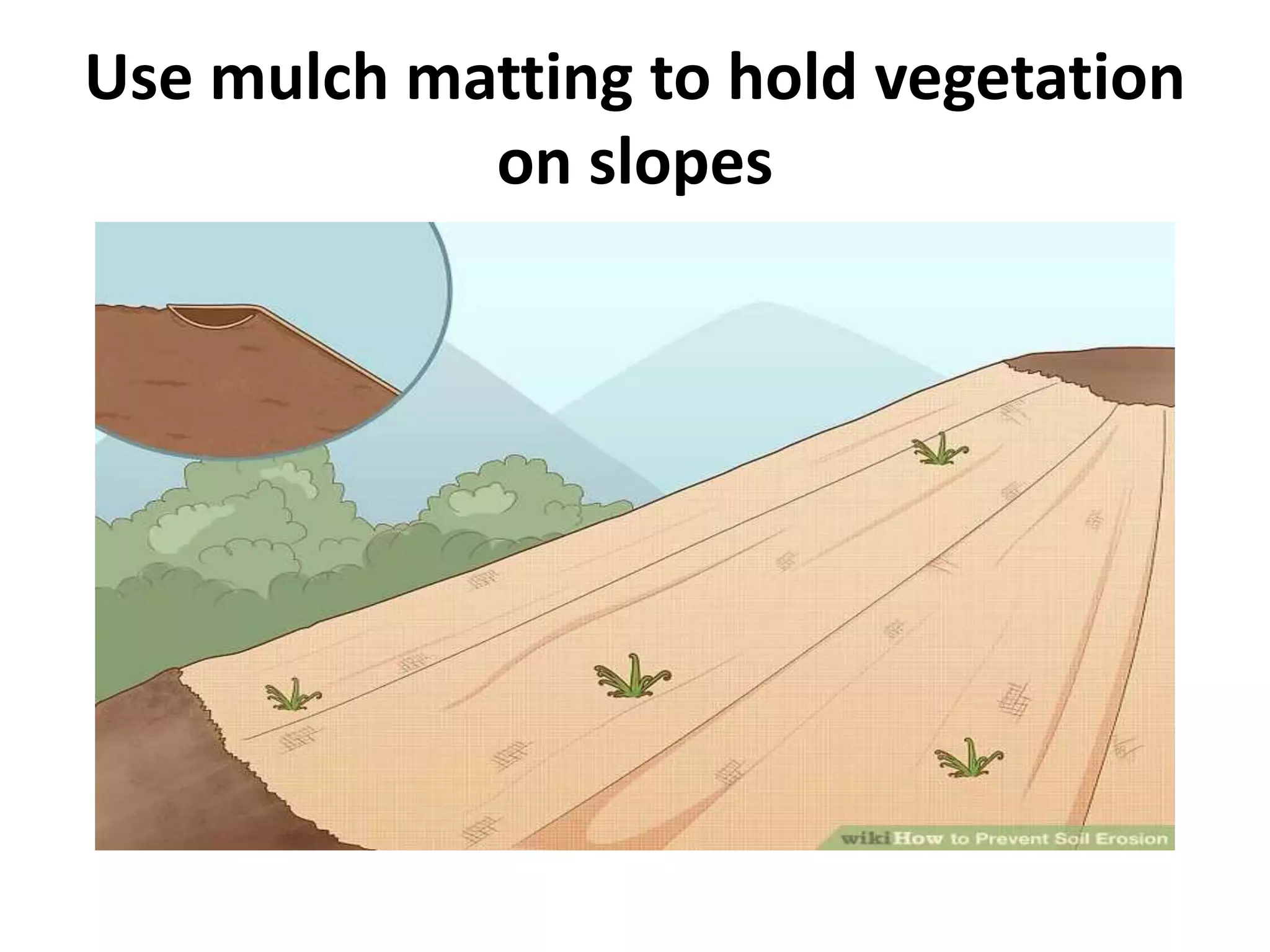
Use mulch matting to hold vegetation
on slopes
Put down fiber logs
Build retaining walls
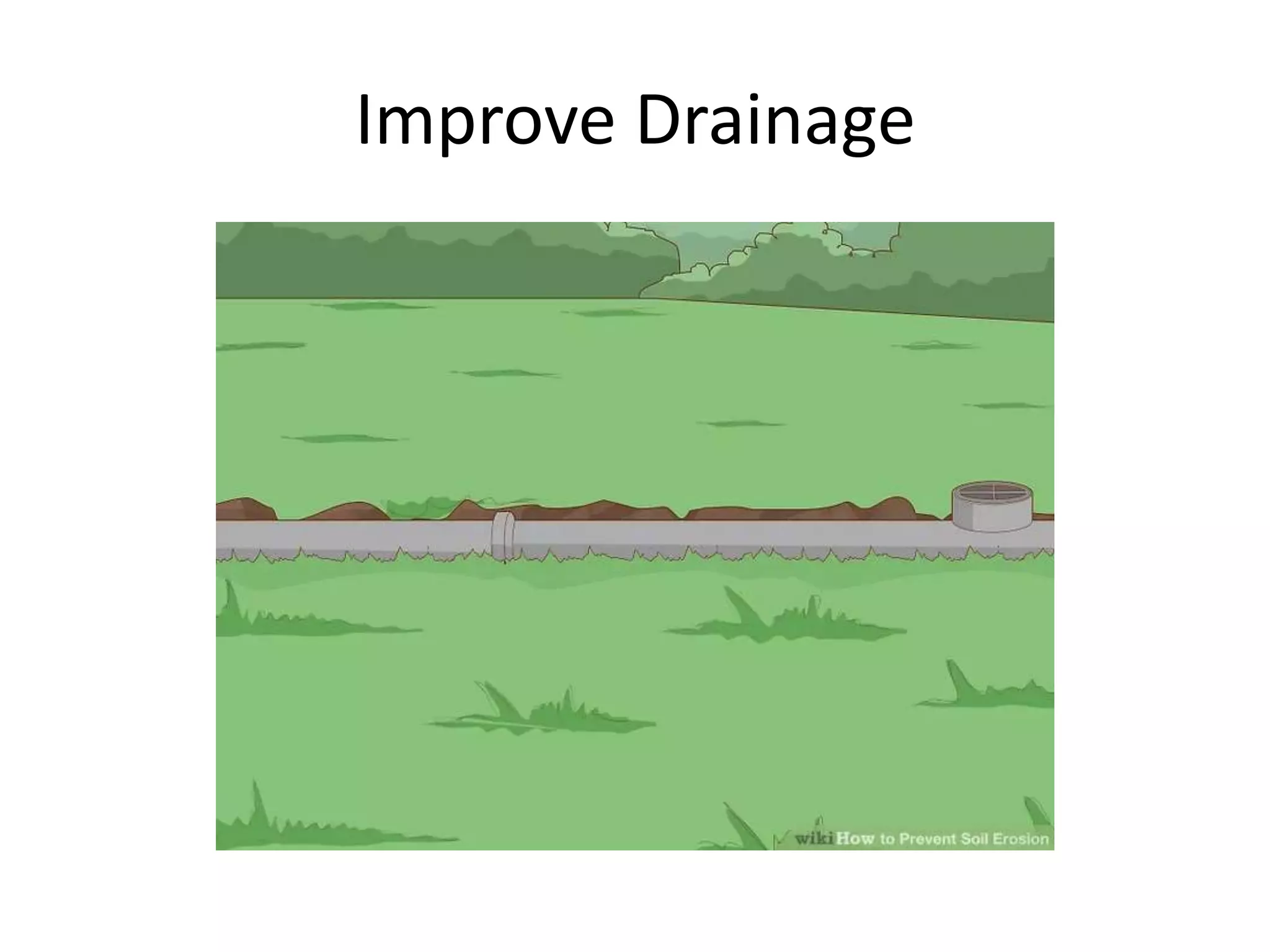
Improve Drainage
Reduce over watering
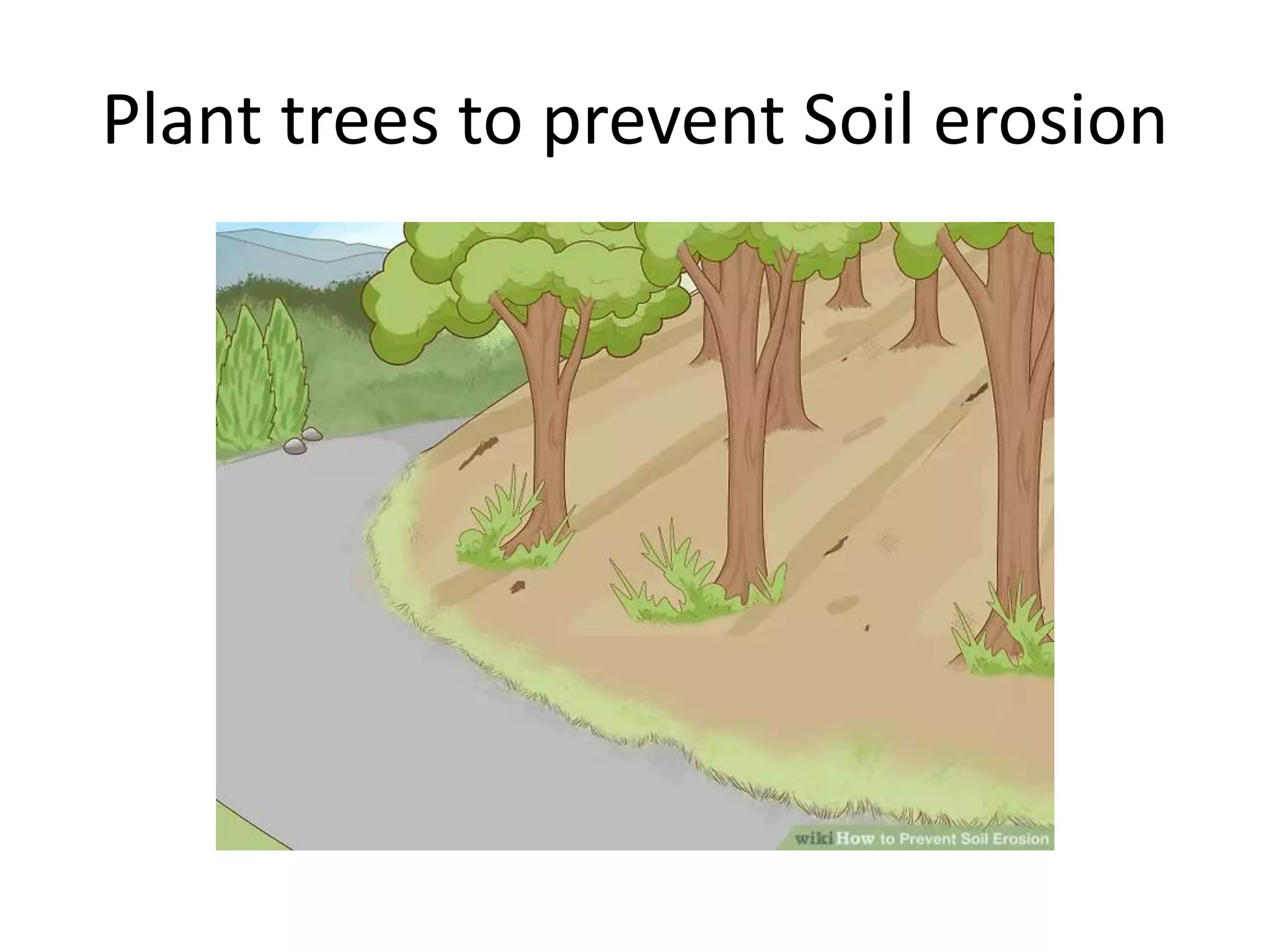
Plant trees to prevent Soil erosion
Soil pollution

Soil pollution

  • 1.
  • 2.
    We may enhancethe soil by helping its processes along, but we can never recreate what we destroy.
  • 3.
    The soil is aresource for which there is no substitute
  • 4.
    Soil -Definition Soil isa thin covering over the land consisting of a mixture of minerals, organic material, living organisms, air and water that together support the growth of plant life.
  • 5.
  • 6.
  • 7.
    Several factors contributeto the formation of soil from the parent material. This includes • Mechanical weathering of rocks due to temperature changes and abrasion, • Wind, • Moving water, • Glaciers, • Chemical weathering activities and • Lichens.
  • 11.
  • 12.
  • 13.
    Glacier- a slowlymoving mass
  • 15.
  • 16.
    Climate and Time Climateand time are also important in the development of soils. Extremely dry or cold climates develop soils very slowly while humid and warm climates develop them more rapidly.
  • 17.
    Climatic condition • Underideal climatic conditions soft parent material may develop into a centimeter of soil within 15 years. • Under poor climatic conditions a hard parent material may require hundreds of years to develop into soil.
  • 19.
    Soil horizon Mature soilsare arranged in a series of zones called soil horizons. Each horizon has a distinct texture and composition that varies with different types of soils. A cross sectional view of the horizons in a soil is called a soil profile.
  • 20.
    O horizon The toplayer or the surface litter layer called the O horizon consists mostly of freshly fallen and partially decomposed leaves, twigs, animal waste, fungi and other organic materials. Normally it is brown or black.
  • 21.
    A Horizon The uppermostlayer of the soil called the A horizon consists of partially decomposed organic matter (humus) and some inorganic mineral particles. It is usually darker and looser than the deeper layers. The roots of most plants are found in these two upper layers.
  • 22.
    These two toplayers also contain a large amount of Bacteria, Fungi, Earthworms and Other small insects that form complex food webs in the soil that help recycle soil nutrients and contribute to soil fertility.
  • 23.
    The B horizon TheB horizon often called the subsoil contains less organic material and fewer organisms than the A horizon
  • 24.
    C horizon The areabelow the subsoil is called the C horizon and consists of weathered parent material. This parent material does not contain any organic materials
  • 25.
    C Horizon The chemicalcomposition of the C-horizon helps to determine the pH of the soil and also influences the soil’s rate of water absorption and retention.
  • 26.
    CAUSES OF SOILDEGRADATION Causes of soil degradation
  • 27.
    Erosion Soil erosion canbe defined as the movement of surface litter and topsoil from one place to another. While erosion is a natural process often caused by wind and flowing water it is greatly accelerated by human activities such as farming, construction, overgrazing by livestock, burning of grass cover and deforestation.
  • 28.
    Erosion Loss of thetopsoil makes a soil less fertile and reduces its water holding capacity. The topsoil, which is washed away, also contributes to water pollution clogging lakes, increasing turbidity of the water and also leads to loss of aquatic life.
  • 29.
    EROSION For one inchof topsoil to be formed it normally requires 200-1000 years depending upon the climate and soil type. Thus if the topsoil erodes faster than it is formed the soil becomes a non-renewable resource.
  • 30.
    • Proper soilconservation measures are used to minimize the loss of top soil. Two types of treatment that are generally used. • Area treatment which involves treating the land • Drainage line treatment which involves treating the natural water courses
  • 31.
    • Live checkdams which barriers created by planting grass, shrubs and trees across the gullies can be used for this purpose. • A bund constructed out of stones across the stream can also be used for conserving soil and water.
  • 32.
    • An Earthencheckbund is constructed out of local soil across the stream to check soil erosion and flow of water. • A Gabion structure is a bund constructed of stone and wrapped in galvanized chain link.
  • 33.
    Macro and Micronutrients • Fertilizers are very valuable as they replace the soil nutrients used up by plants. • The three primary soil nutrients often in short supply are potassium, phosphorus and nitrogen compounds. These are commonly referred to as macronutrients. • Certain other elements like boron, zinc and manganese are necessary in extremely small amounts and are known as micronutrients.
  • 34.
    When crops areharvested a large amount of macronutrients and a small amount of micronutrients are removed with the crops.
  • 35.
    • If thesame crop is grown again depleted levels of thee nutrients can result in decreased yields. • These necessary nutrients can be returned to the soil through the application of fertilizers. • In addition to fertilizers a large amount of pesticides (chemicals used to kill or control populations of unwanted fungi, animals or plants often called pests) are also used to ensure a good yield.
  • 36.
    • Pesticides canbe subdivided into several categories based on the kinds of organisms they are used to control. • Insecticides are used to control insect populations. • fungicides are used to control unwanted fungal growth. • Mice and rats are killed by rodenticides • Plant pests are controlled by herbicides.
  • 37.
    • Organic agricultureadvocates avoiding the use of chemical fertilizers and pesticides. • Leaving crop residue on the soil and incorporating it into the soil reduces erosion and increase soil organic matter. • Crop rotation is an effective way to enhance soil fertility, reduce erosion and control pests.
  • 38.
    • IPM promotesthe use of biopesticides. • Biopesticides are derived from three sources: microbial, botanical and biochemical. • Microbial pesticides are micro-organisms such as bacteria, fungus, virus or protozoa that fight pests through a variety of ways. They produce toxins specific to the pests and produce diseases in them.
  • 39.
    • Biochemical pesticidescontain several chemicals that affect the reproductive and digestive mechanisms of the pests. • commonly used biopesticides are Bacillus thuringiensis (Bt), neem (Azadirachta indica) and trichogramma.
  • 40.
    Salinization Irrigated lands canproduce crop yields much higher than those that only use rainwater. However this has its own set of ill effects. Irrigation water contains dissolved salts and in dry climates much of the water in the saline solution evaporates leaving its salts such as sodium chloride in the topsoil. The accumulation of these salts is called salinization.
  • 41.
    It stunts plantgrowth, lower yields and eventually kill the crop and render the land useless for agriculture. These salts can be flushed out of the soil by using more water. This practice however increases the cost of crop production and also wastes enormous amounts of water. Flushing salts can also make the downstream irrigation water saltier.
  • 42.
  • 43.
  • 44.
  • 45.
  • 46.
    Use mulch mattingto hold vegetation on slopes
  • 47.
  • 48.
  • 49.
  • 50.
  • 51.
    Plant trees toprevent Soil erosion