The Amazing

   Autosomal Dominant
 Polycystic Kidney Disease

     Friday, December 7, 2012

           Wisit Cheungpasitporn, MD.
            PGY-3, Internal Medicine
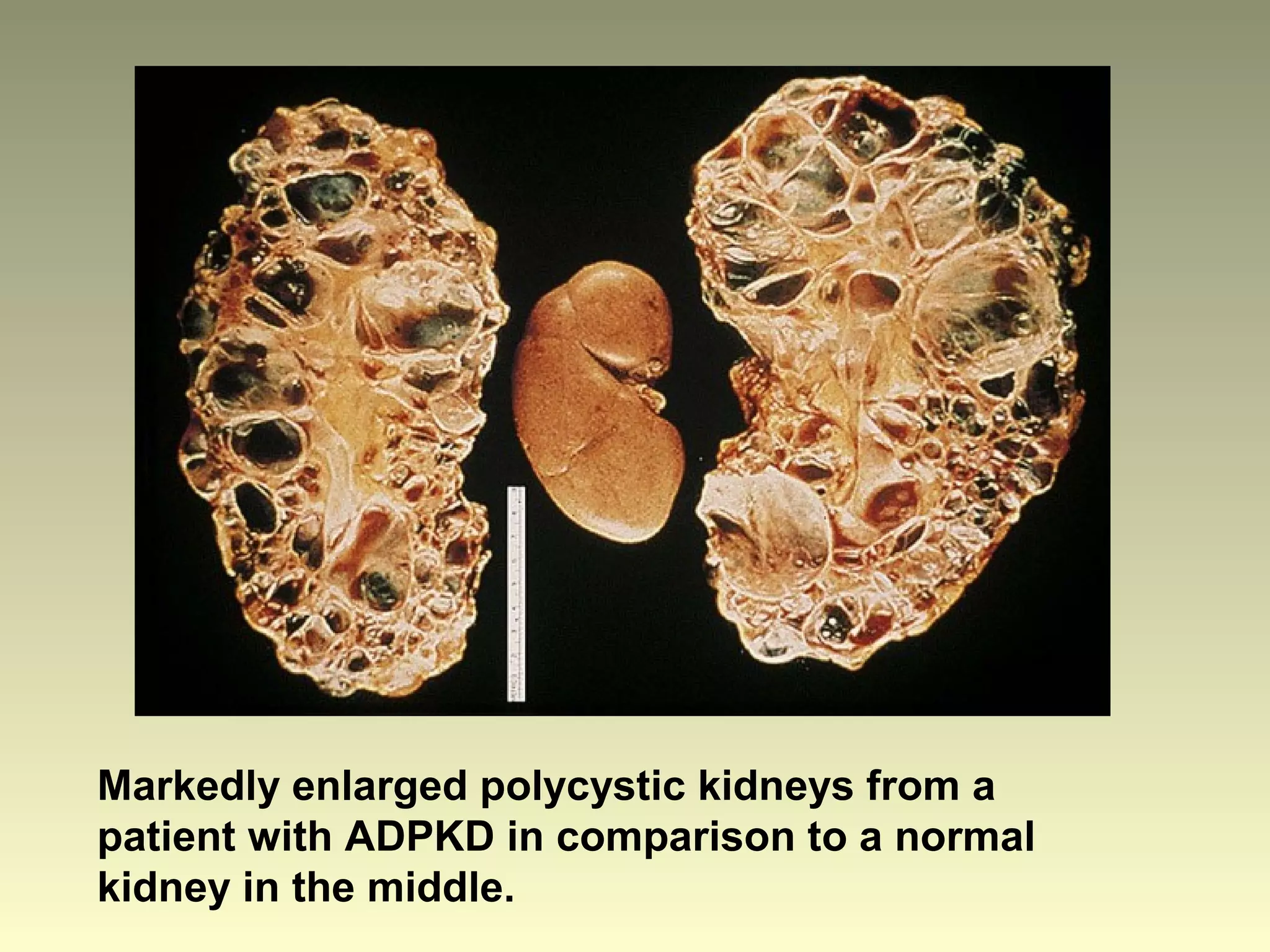
Markedly enlarged polycystic kidneys from a
patient with ADPKD in comparison to a normal
kidney in the middle.
DEFINITION
• ADPKD is a multisystem disorder characterized by
  multiple, bilateral renal cysts associated with cysts in
  other organs, such as liver, pancreas, and arachnoid
  membranes.

• It is a genetic disorder mediated primarily by mutations in
  two different genes and is expressed in an autosomal
  dominant pattern, with variable expression.

• Approximately 5% of patients who initiate dialysis
  annually in the United States.
PKD Genetics
                        Incidence

• Autosomal Dominant    1:500-1,000 live births

• Autosomal Recessive   1:6,000-40,000 live births
Genes in PKD
Gene      Protein
ADPKD1    Polycystin 1
ADPKD2    Polycystin 2

ARPKD     Fibrocystin/polyductin
ADPKD - Molecular Pathogenesis
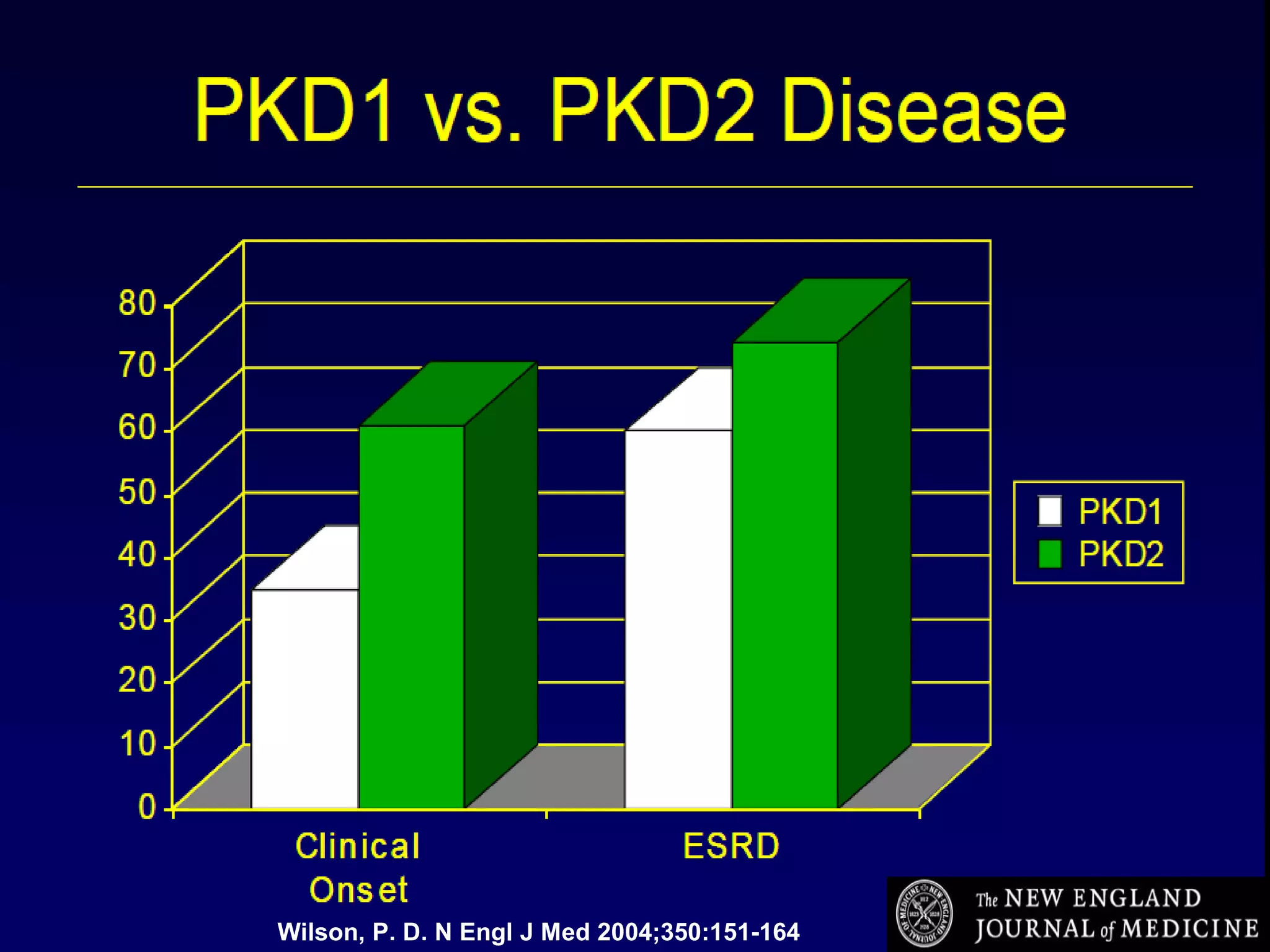
Wilson, P. D. N Engl J Med 2004;350:151-164
Family History of Severity of Renal Disease
          Predicts Mutated Gene in ADPKD
              Median Age of ESRD
               PKD1 ~ 53 years
                 PKD2 ~ 73 years
• Presence of at least one affected family member
  who developed ESRD </= 55 years was highly
  predictive of PKD1 mutation (PPV 100%,
  sensitivity 72%)
• If family member developed ESRD at age >/= 70
  years, then highly predictive of PKD 2 mutations
  (PPV 100%, Sensitivity 74%)
                          Barau et al JASN20: 1833, 2009
Etiology and Pathogenesis
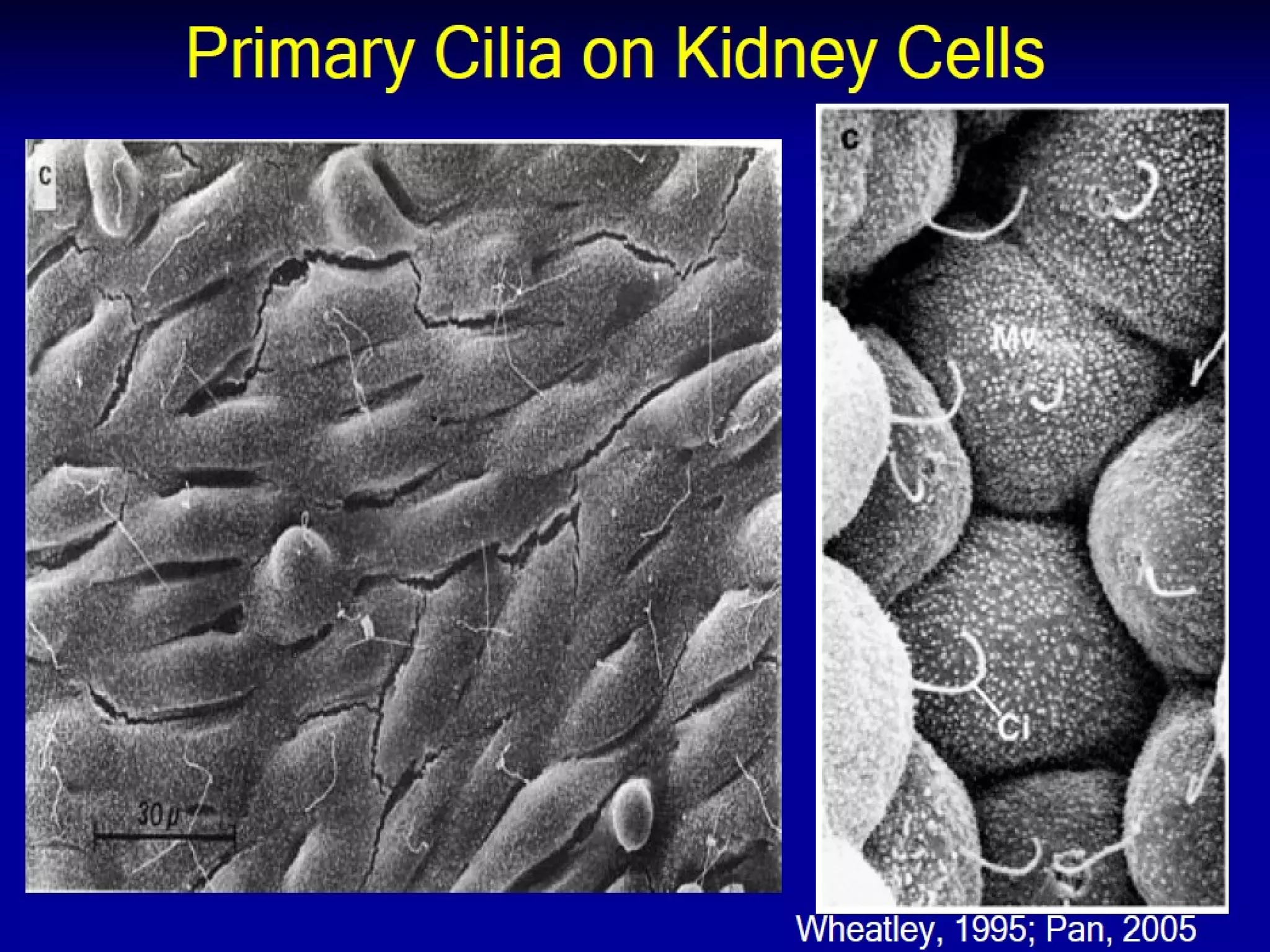
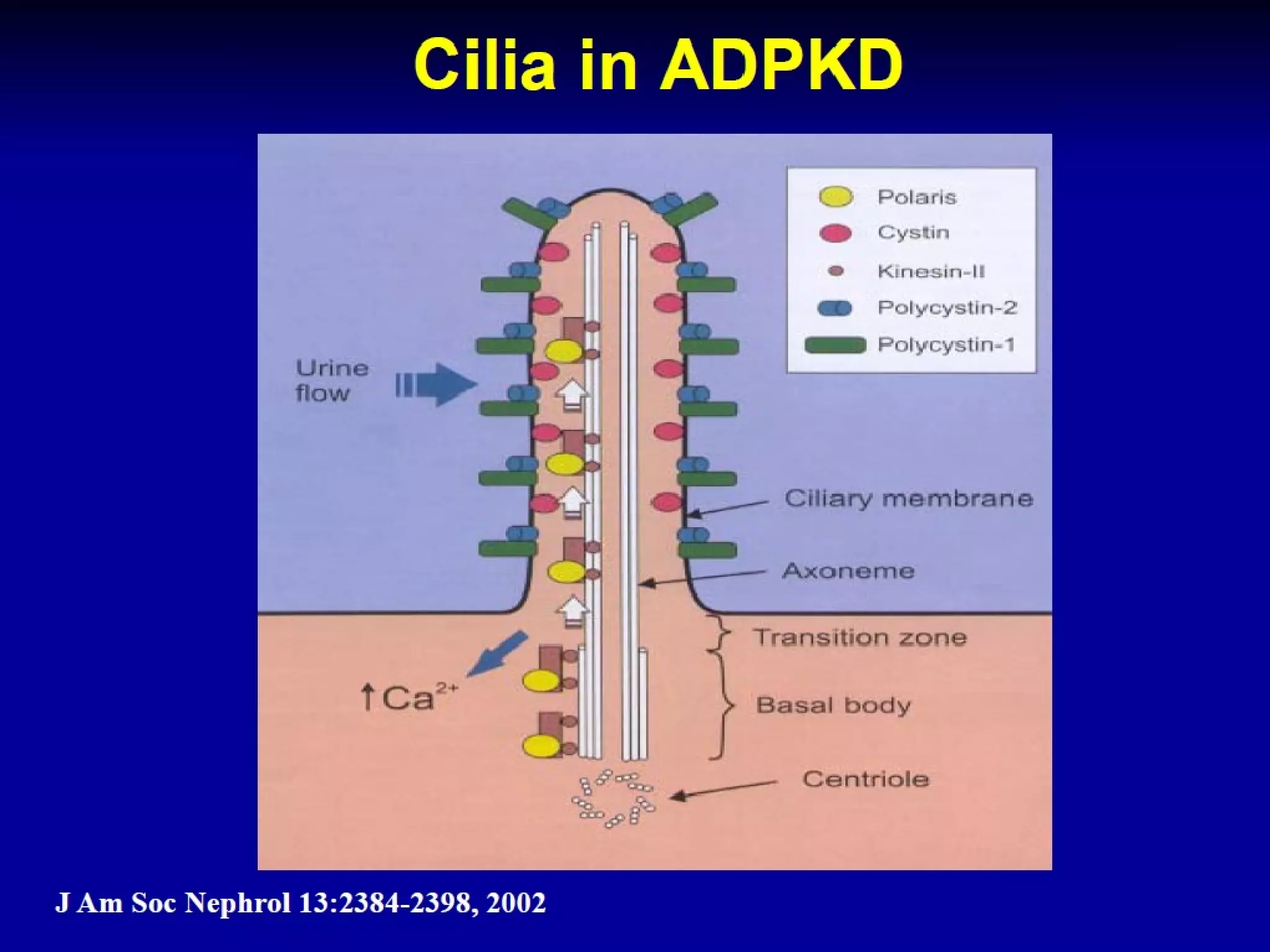
• The polycystic kidney disease (PKD) proteins now
  known as polycystin 1 (PC1) and polycystin 2 (PC2)
  play a critical role in the normal function of the primary
  cilium that is essential to maintaining the differentiated
  phenotype of tubular epithelium.

• Disordered function of polycystins is the basis for
  cyst formation in PKD by permitting a less differentiated
  tubular epithelial phenotype.
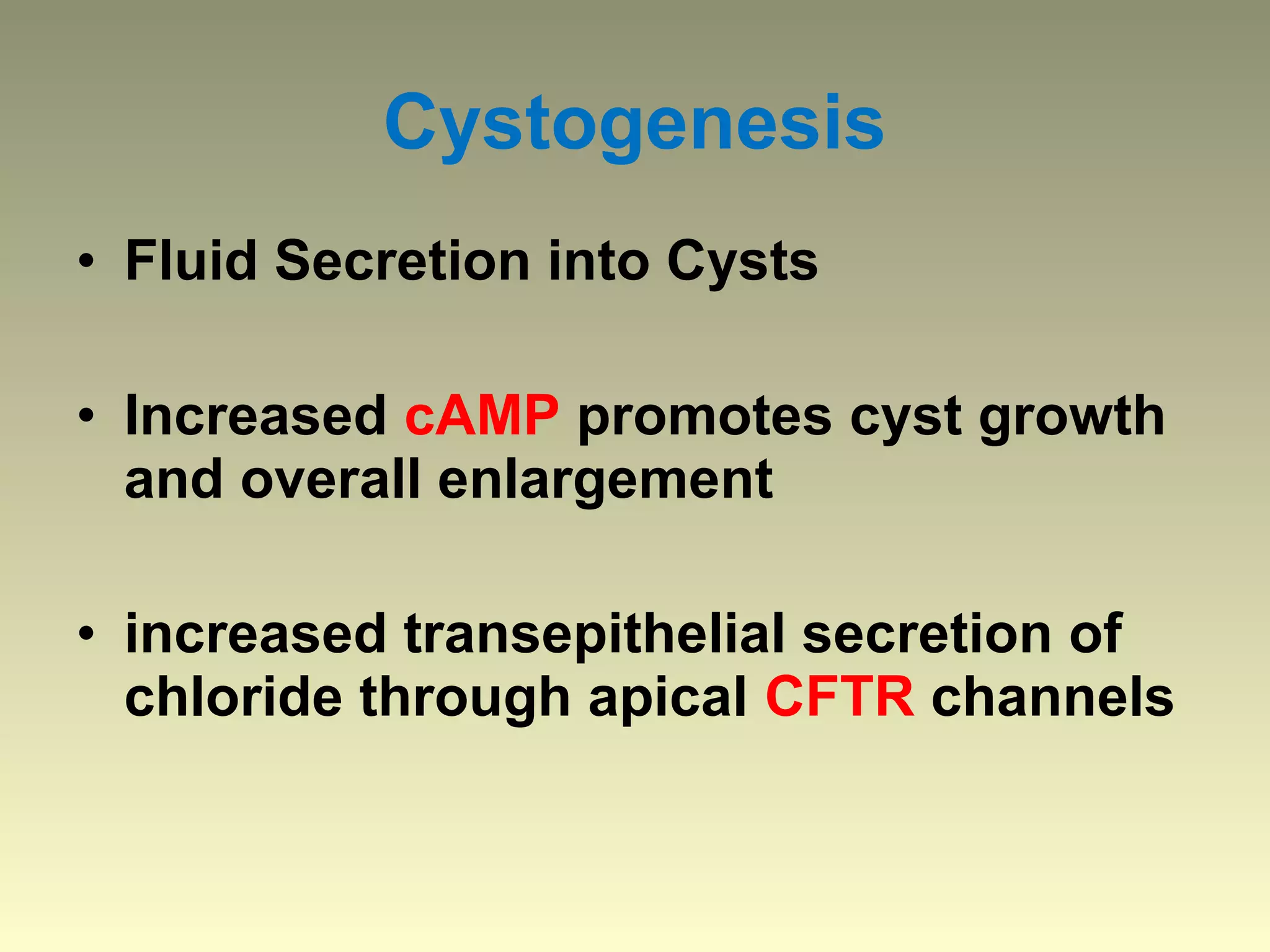
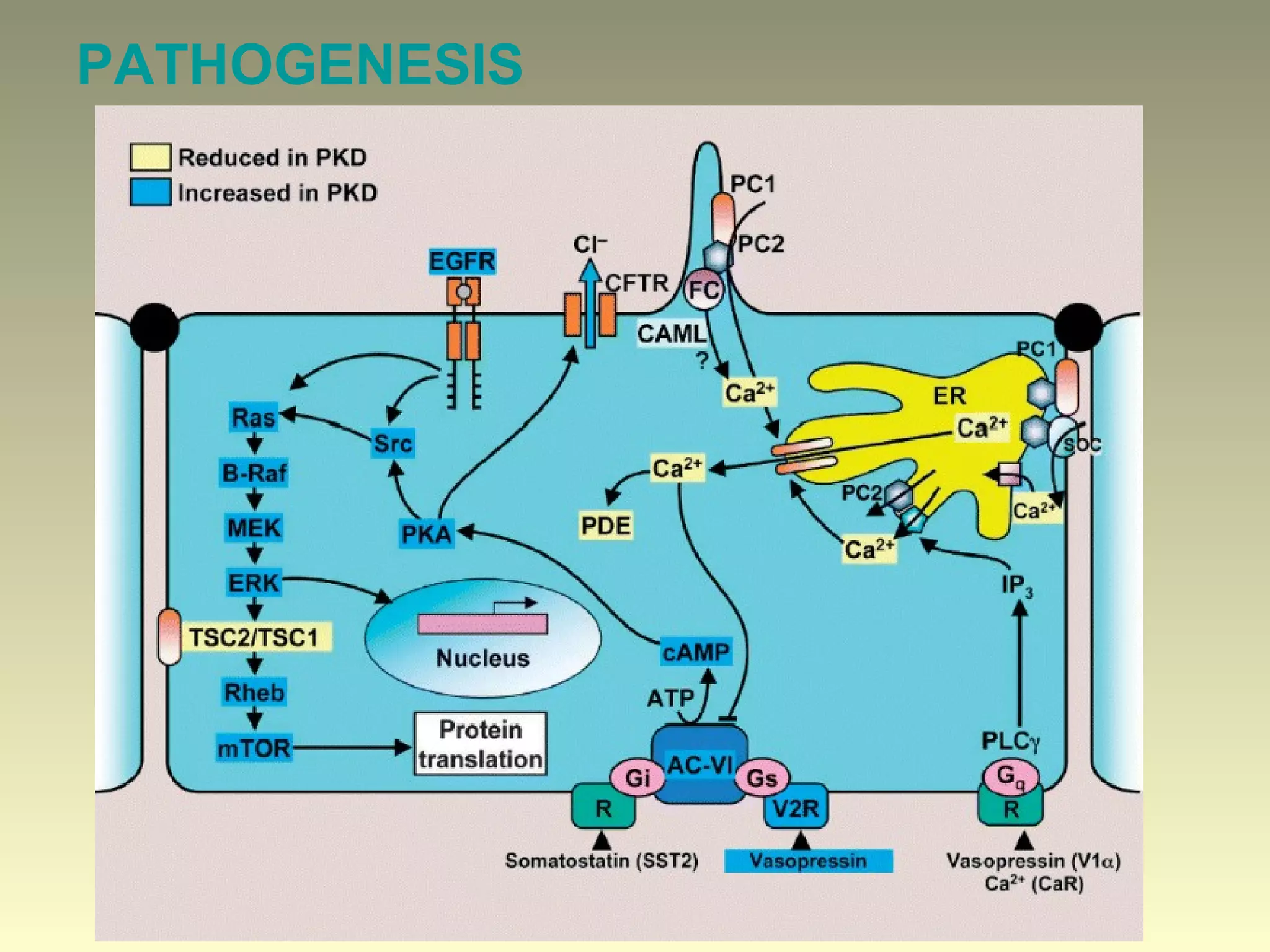
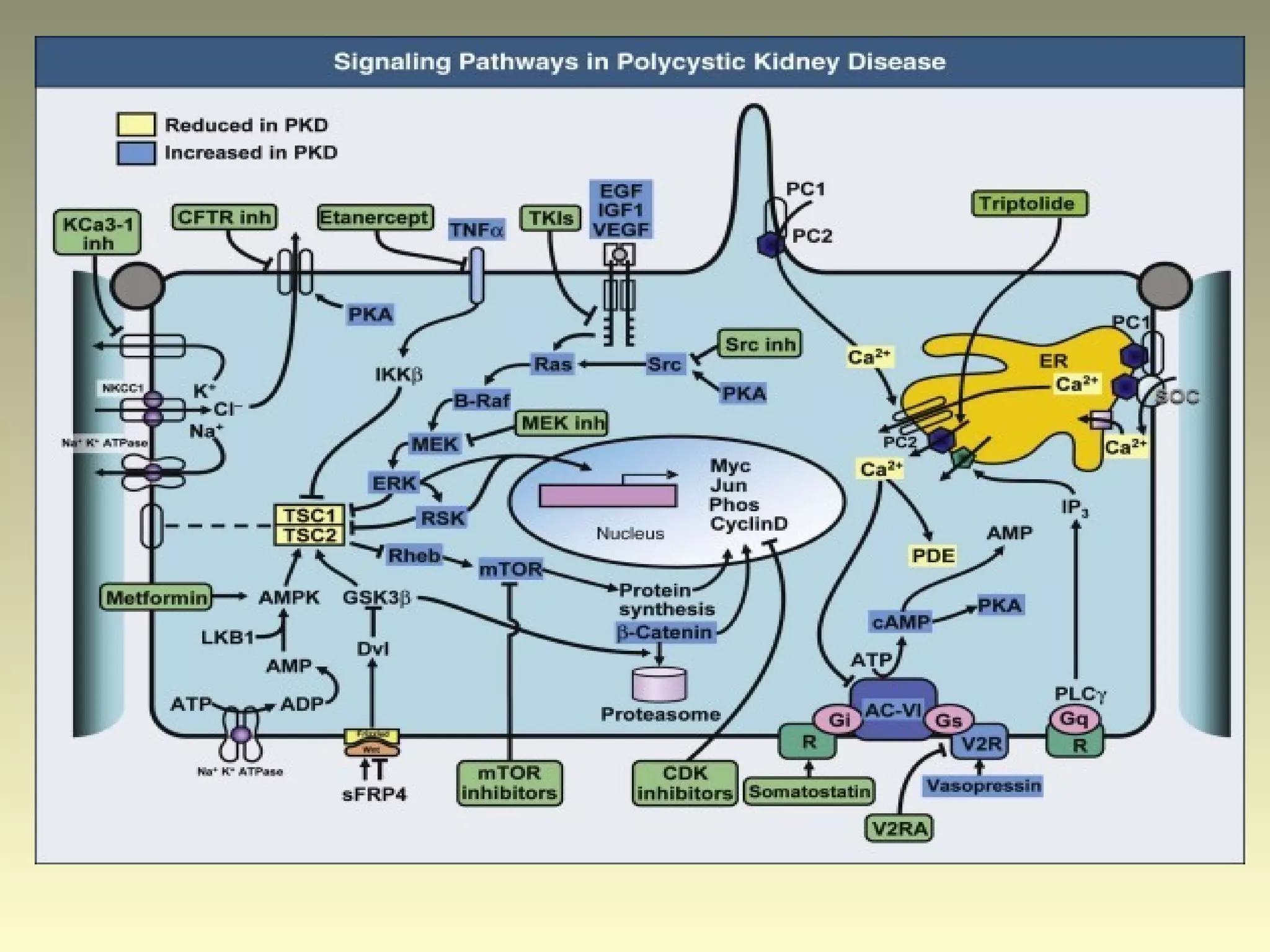
Cystogenesis
• Fluid Secretion into Cysts

• Increased cAMP promotes cyst growth
  and overall enlargement

• increased transepithelial secretion of
  chloride through apical CFTR channels
PATHOGENESIS
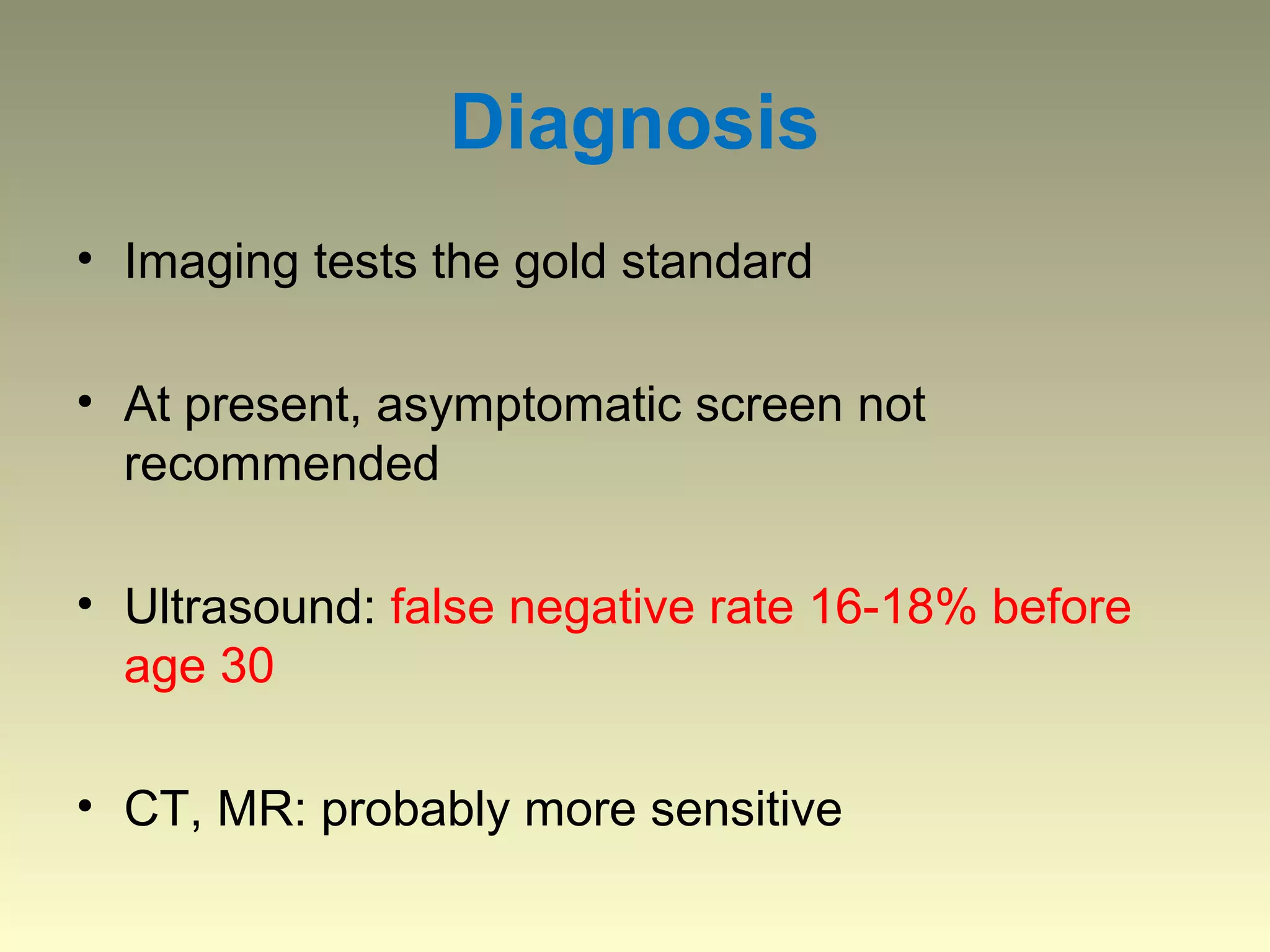
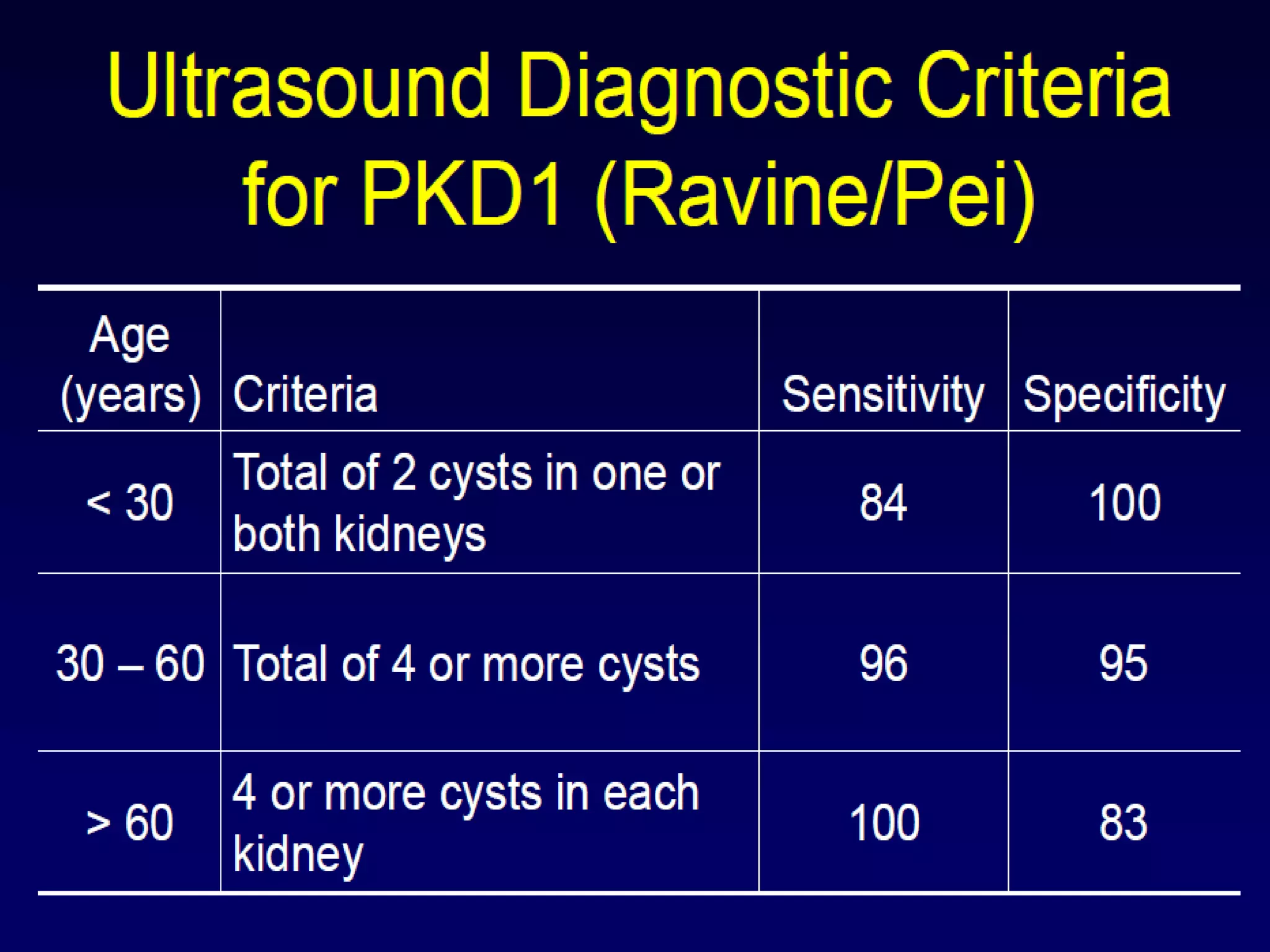
Diagnosis
• Imaging tests the gold standard

• At present, asymptomatic screen not
  recommended

• Ultrasound: false negative rate 16-18% before
  age 30

• CT, MR: probably more sensitive
Genetic Testing
• DNA screen of polycystin 1 and polycystin 2
  available

• Up to 90% detection rate – better with affected
  family members

• Expensive: $2,000-2,500

• Non-important mutation rate unknown
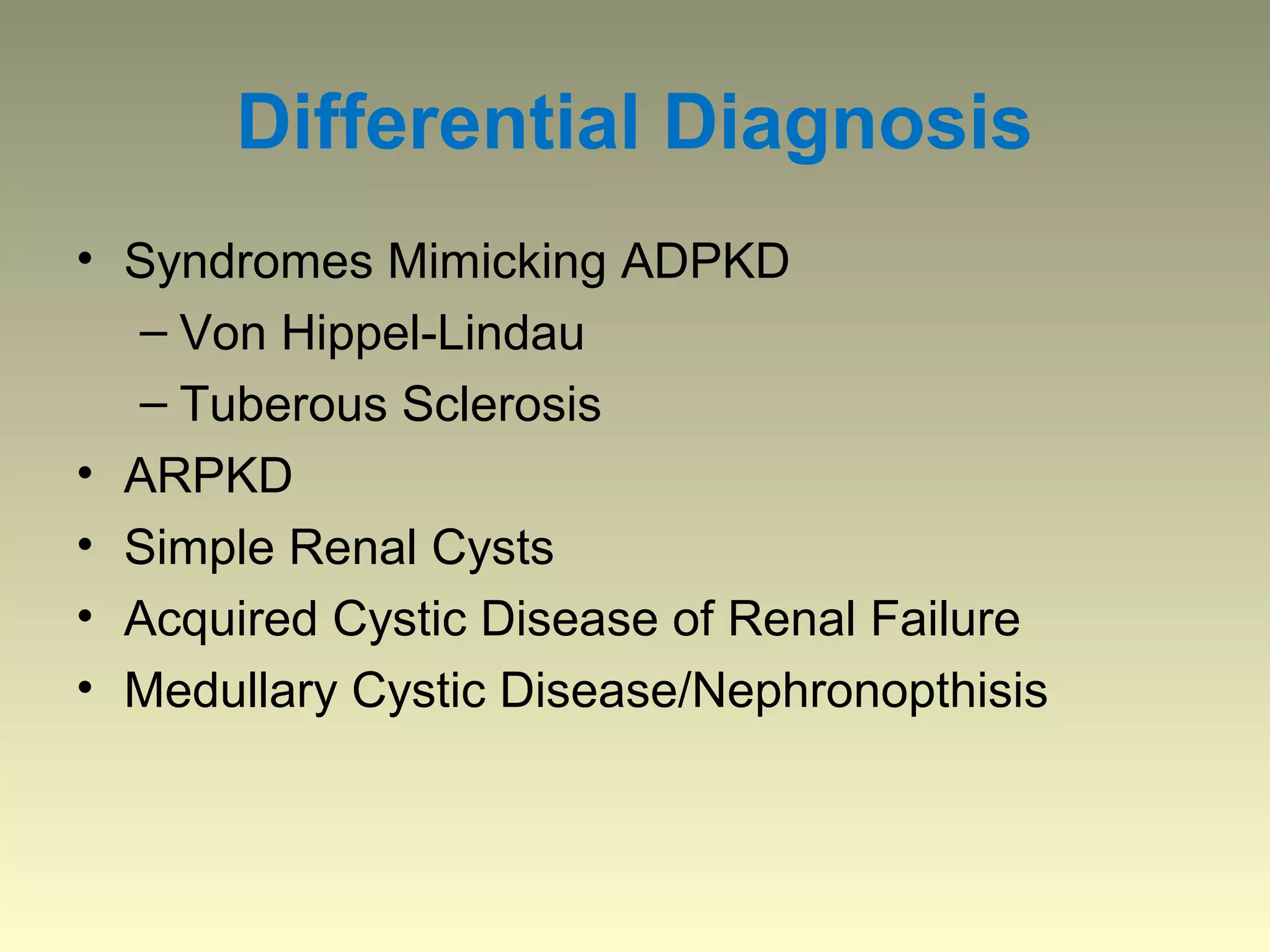
Differential Diagnosis
• Syndromes Mimicking ADPKD
  – Von Hippel-Lindau
  – Tuberous Sclerosis
• ARPKD
• Simple Renal Cysts
• Acquired Cystic Disease of Renal Failure
• Medullary Cystic Disease/Nephronopthisis
Clinical Manifestations

• Renal and extrarenal manifestations of ADPKD have
  been described that cause significant complications.
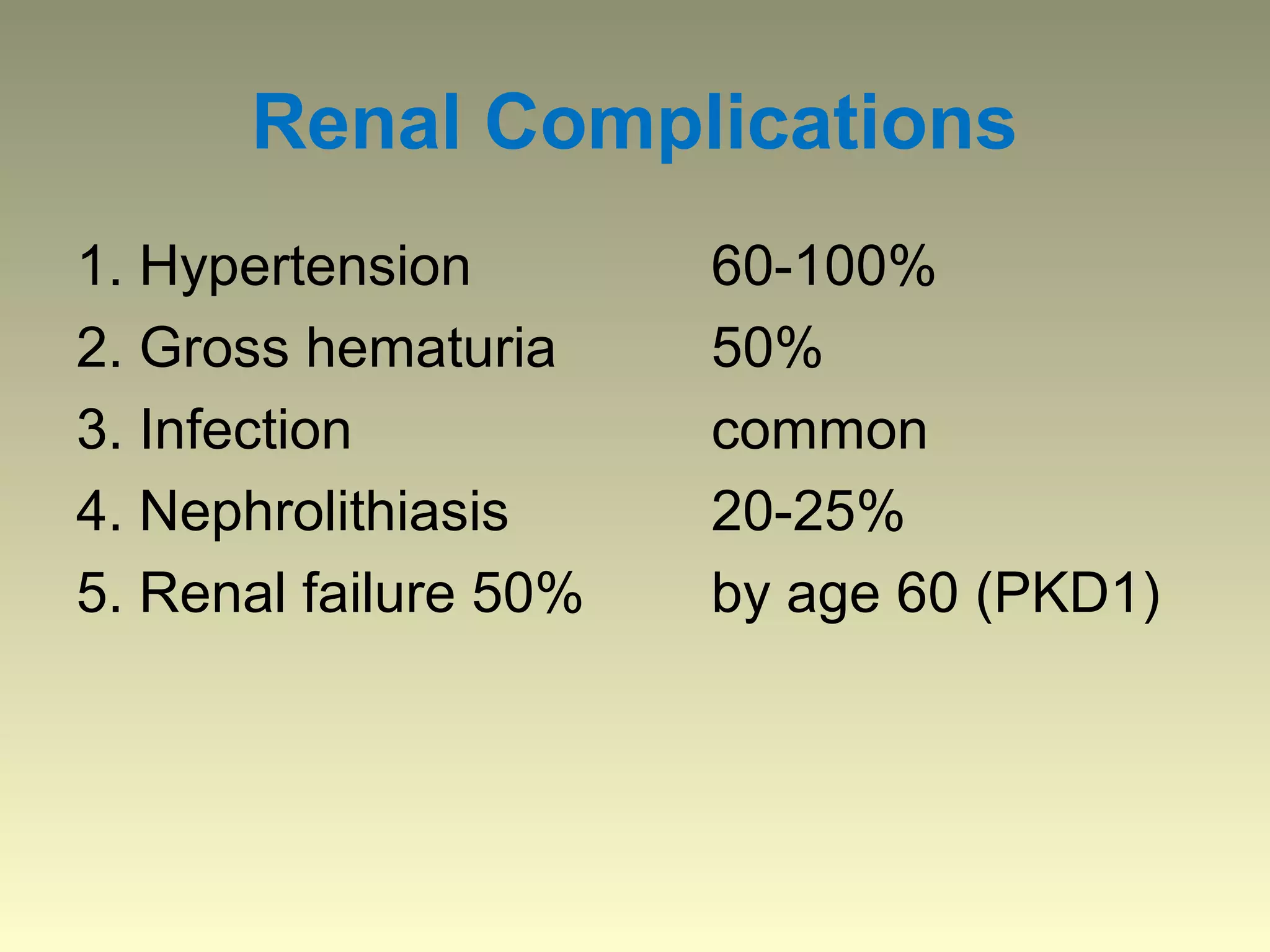
Renal Complications
1. Hypertension        60-100%
2. Gross hematuria     50%
3. Infection           common
4. Nephrolithiasis     20-25%
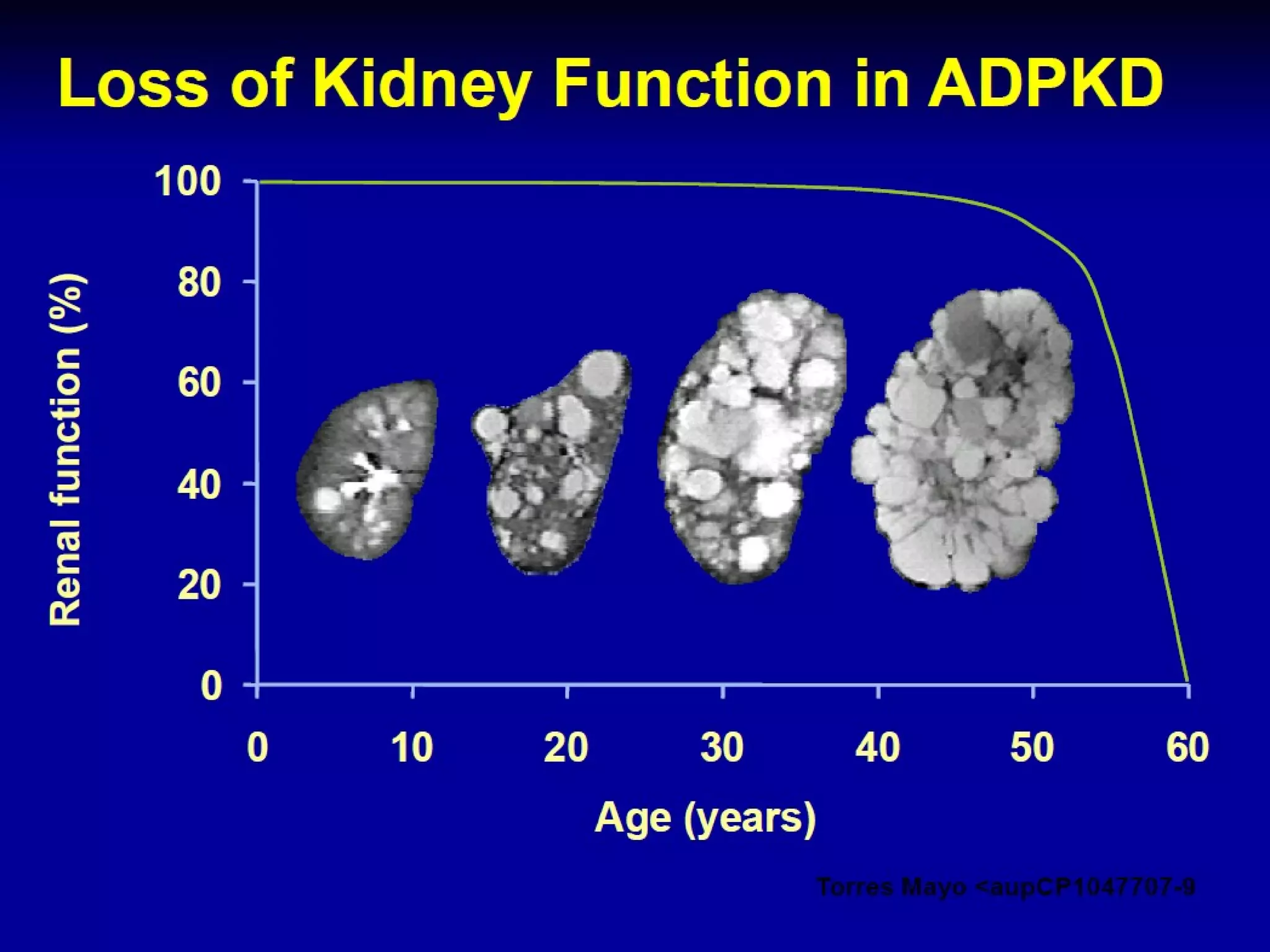
5. Renal failure 50%   by age 60 (PKD1)
Relationship between HTN,
       GFR loss and TKV
• Across all age ranges HTN is noted when
  TKV is ~ 1000 mL (~600 mL/cm height)

• GFR decrease not detected until total
  kidney volume exceeds 1500 ml

• Current US techniques too variable to be
  used as a marker for yearly progression of
  ADPKD                Kidney International, 64: 1035–1045, 2003
                               Kidney International, 64: 2214–2221, 2003
Mechanisms of Hypertension
        in ADPKD


   Normal kidney   ADPKD kidney
Pathogenetic role of RAAS in ADPKD


                  Schrier JASN 20:1888-1893, 2009
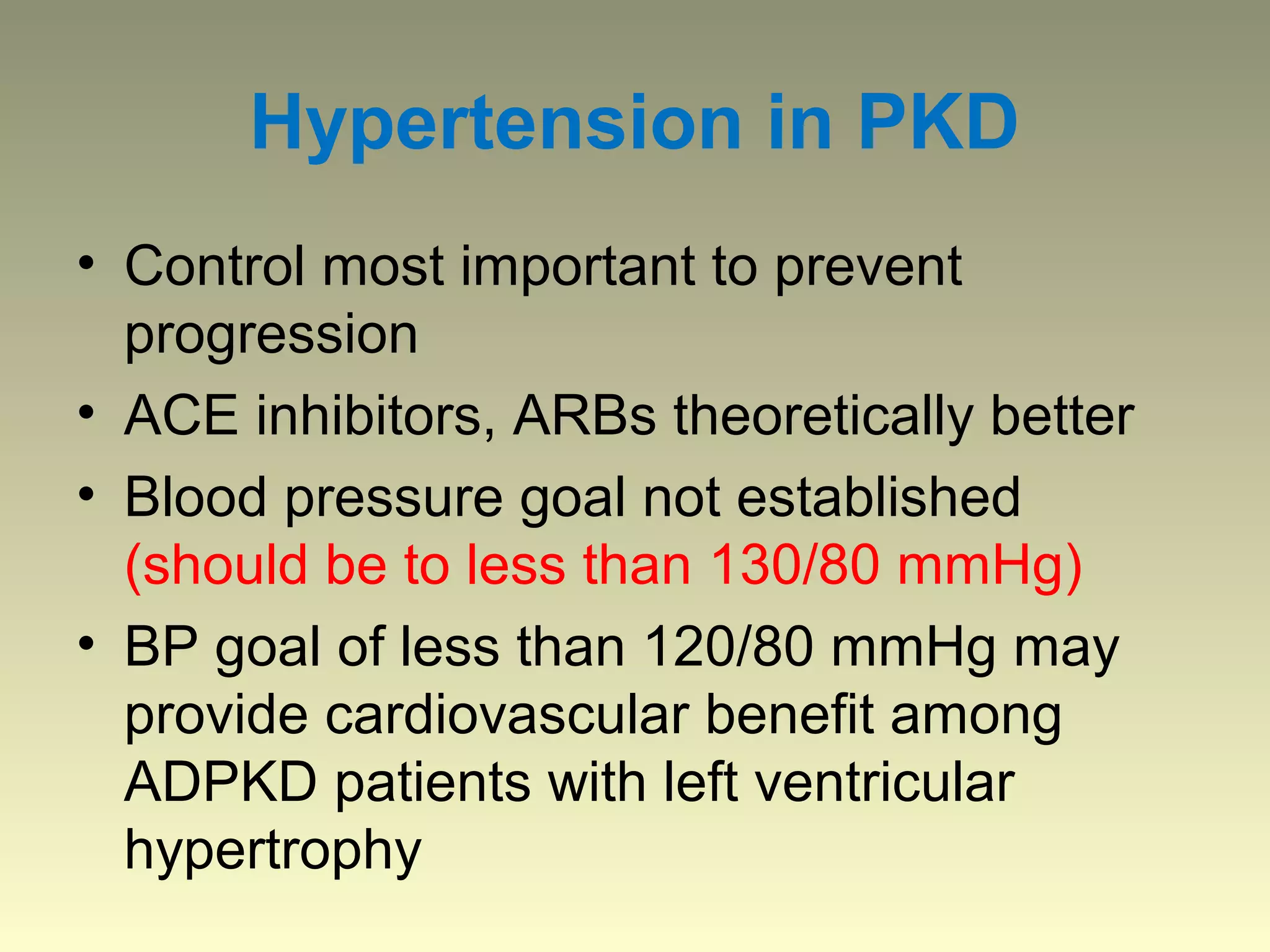
Hypertension in PKD
• Control most important to prevent
  progression
• ACE inhibitors, ARBs theoretically better
• Blood pressure goal not established
  (should be to less than 130/80 mmHg)
• BP goal of less than 120/80 mmHg may
  provide cardiovascular benefit among
  ADPKD patients with left ventricular
  hypertrophy
HALT-PKD
    (Halt Progression of Autosomal
  Dominant Polycystic Kidney Disease)
• Objective: two concurrent randomized, double blinded
  controlled trials to assess the effects of multi-level
  blockade of the renin-angiotensin-aldosterone system
  (RAAS) and aggressive blood pressure control on
  progression of early CKD stage 1-2 and late CKD stage
  3 ADPKD over 5 years period.

• Hypotheses:
   – 1) Blockade of RAAS will significantly reduce renal progression
     as compared to other antihypertensive therapy
   – 2) lower blood pressure will significantly reduce renal
     progression as compared to standard BP target
Diet in PKD
• Avoid caffeine
• No specific diet known
• DASH diet reasonable
Nephrolithiasis in ADPKD
• ~20-36% of patients
• Uric acid (UA) (~50%); Ca Ox (~47%)
• Predisposing factors: hypocitraturia,
  hyperoxaluria, hypercalciuria, urinary stasis from
  expanding cysts, Low urine pH
• Rx: K-citrate, Alkalinization of urine
• Lithotripsy can be performed safely, but residual
  fragments in ~50% of patients
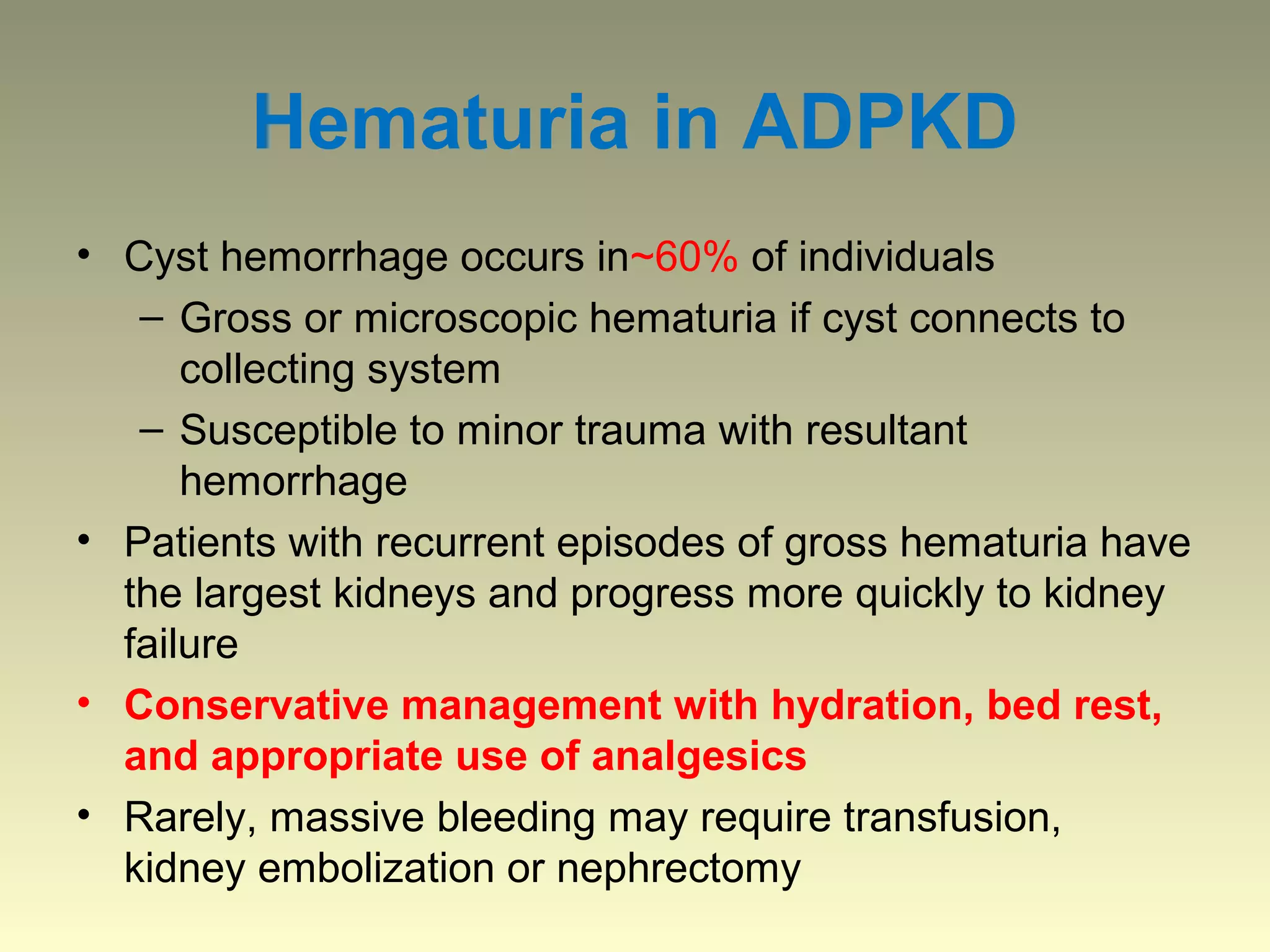
Hematuria in ADPKD
• Cyst hemorrhage occurs in~60% of individuals
   – Gross or microscopic hematuria if cyst connects to
      collecting system
   – Susceptible to minor trauma with resultant
      hemorrhage
• Patients with recurrent episodes of gross hematuria have
  the largest kidneys and progress more quickly to kidney
  failure
• Conservative management with hydration, bed rest,
  and appropriate use of analgesics
• Rarely, massive bleeding may require transfusion,
  kidney embolization or nephrectomy
Kidney Infection in ADPKD
• 30 to 50% (more common in women)
• Cyst infections ~ 0.01 episode/patient/year (10%
  of causes that led to hospitalization)
• Fever and Flank pain are the presenting
  symptoms
• Urine culture may be negative in cyst infection,
  as cysts frequently don’t communicate with the
  collecting system. (E coli ~ 75% of cases )
• +ve urine culture ~39%, +ve blood culture
  ~24% in renal cysts infection
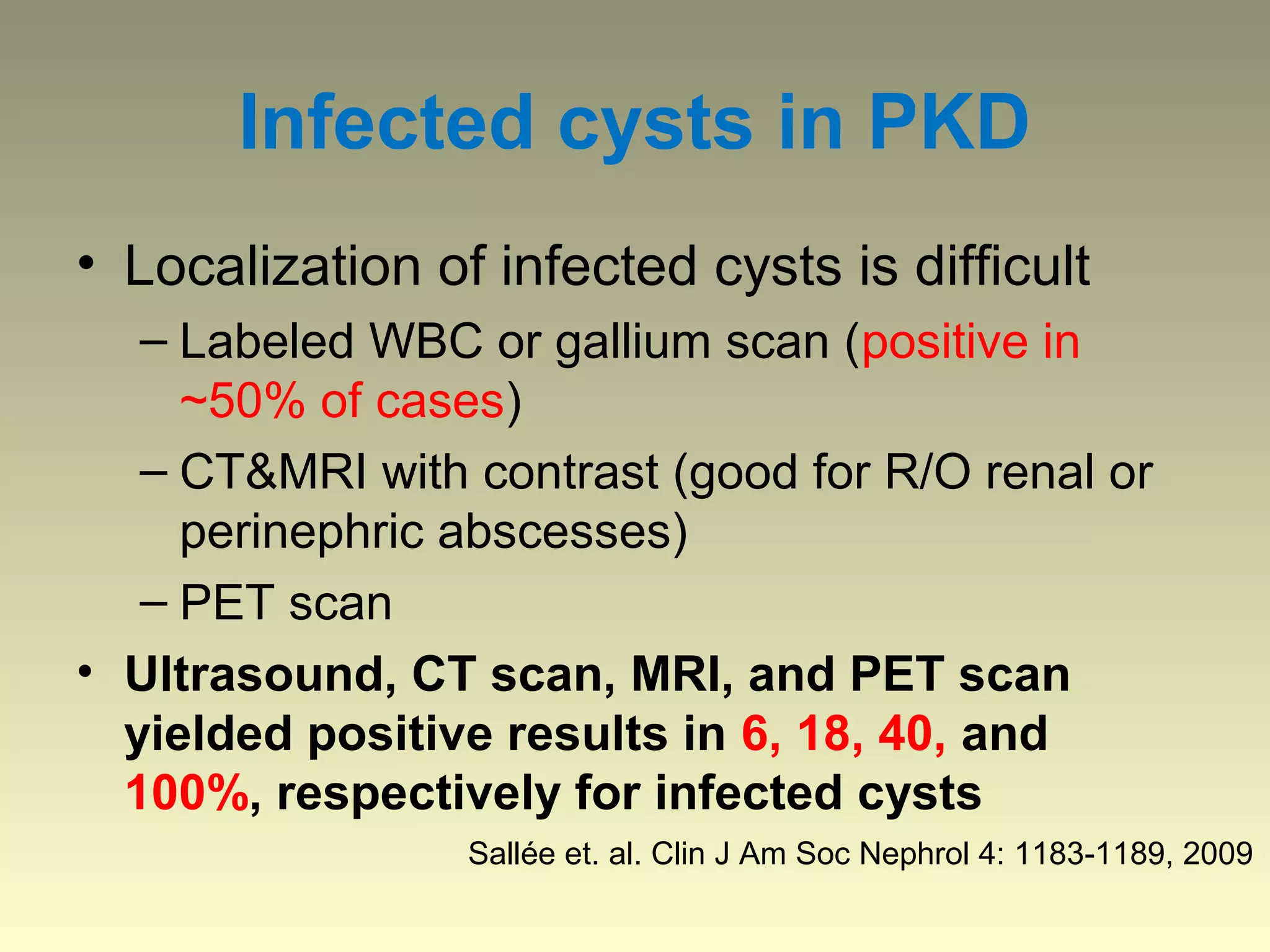
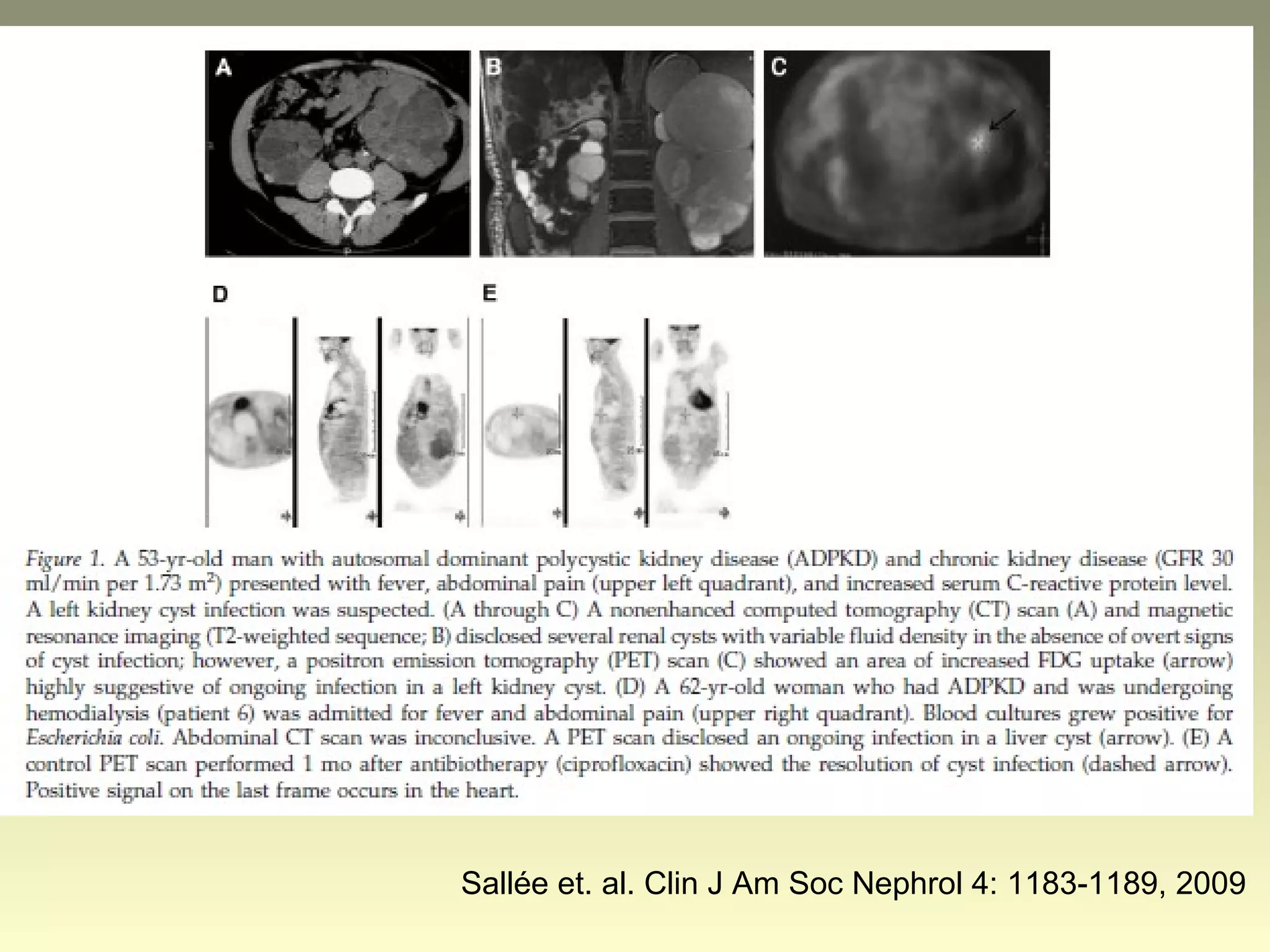
Infected cysts in PKD
• Localization of infected cysts is difficult
   – Labeled WBC or gallium scan (positive in
     ~50% of cases)
   – CT&MRI with contrast (good for R/O renal or
     perinephric abscesses)
   – PET scan
• Ultrasound, CT scan, MRI, and PET scan
  yielded positive results in 6, 18, 40, and
  100%, respectively for infected cysts
                 Sallée et. al. Clin J Am Soc Nephrol 4: 1183-1189, 2009
Sallée et. al. Clin J Am Soc Nephrol 4: 1183-1189, 2009
Antibiotics in PKD
• Some drugs do not penetrate cysts well
• Fluoroquinolones, Tmp-Sulfa,
  chloramphenicol best for cyst penetration
• Percutaneous or operative drainage is
  rarely needed; only refractory infection
• Complicated upper tract: cyst penetrating,
  antibiotics 3-4 weeks
Sallée et. al. Clin J Am Soc Nephrol 4: 1183-1189, 2009
Principal Extrarenal Manifestations
• Hepatic and pancreatic cysts
   – asymptomatic in many patients, but can expand and
     cause pain and infection; rarely massive PLD
• Cardiac valvular abnormalities
   – Mitral valve prolapse, tricuspid and aortic regurgitation
• Intracranial aneurysms
   – Found in approximately 5% of patients with no family
     history and about 22% of patients with family history
     of ICA or SAH
• Seminal vesicle cysts
   – Found in ~39-60% of men; undefined risk of infertility
Liver/GI Complications
1. Liver cysts (94% > 35)
      asymptomatic up to 80%
      symptomatic uncommon (W:M 10:1)
2. Pancreatic cysts ~10%
3. Intestinal diverticuli ~80% pts with ESRD
4. Hernias ~10%
Liver Cysts: Sx and Infection
• With marked hepatomegaly: Heaviness, dull
  ache, Mechanical low back pain, Early satiety
• If fever persists 1-2 wks after antibiotics in
  infected cysts, drainage frequently needed
• Hepatic cyst infection more serious than renal
  cyst infection. Do not delay drainage esp >5cm
• CA 19-9: Marker for Hepatic Cyst Infection? Rise
  (active infection)/ fall (improvement)


                            Kanaan et al AJKD March, 2010
Vascular manifestations of ADPKD.
A, Gross specimen demonstrating bilateral aneurysms of the middle cerebral
arteries.
    90% of aneurysms in anterior circulation
    10% of aneurysms in posterior circulation (greater risk of rupture)
B, Gross specimen demonstrating a thoracic aortic dissection extending into
the abdominal aorta in a patient with ADPKD.
Cerebral Aneurysm in ADPKD

• No family history – 6% prevalence
• Family history – 21% prevalence
• Clinical Symptoms (Ruptured) – pain, stiff
  neck, coma; >50% mortality
• The mean age of rupture of intracranial
  aneurysms is lower in individuals with
  ADPKD than in the general population (39
  years vs 51 years)
Risk of ICA Rupture in ADPKD
In the absence of a history of rupture from a different site, the risk for rupture is:

   %Yr                                           Aneurysm Size
   0.05                                              <10 mm
   1.0                                               10-24 mm
   6.0                                               >24 mm
0.05% per year <10mm. No personal or family hx of SAH
0.5% per year<10 mm. With personal or family hx of SAH


                                                             Betz KI 63:2003
                                                             Gibbs KI 64:2004
Risk Factors for ICA Rupture
1. Most aneurysms have a very low risk of
   rupture and occurs without a family
   history
2. With 2 PKD relatives with SAH the RR=
   2.15
3. F>M and ICA>8mm
4. Pack years of smoking
5. HTN > 10 years
                               Torres 2009
Recommendations for ICA
           Screening
1. Age 20- to 50-year-olds
2. Family Hx of ICA or SAH
3. Personal Hx of SAH
4. Prior to major elective surgery
   (transplant)
5. High risk occupation (Airline Pilots)
6. Need for reassurance?
                                  Torres 2009
Risks of Intervention

• Mortality        0.6-3.5%

• Morbidity        4.1-25.4%
F/U of ICA in ADPKD
• <7 mm                   Observation
• 7-12 mm                 Risk assessment
• >12 mm                       Intervene

• Follow-up with CTA or MRA annually for two to three
  years, and every two to five years thereafter if the
  aneurysm is clinically and radiographically stable.
• It is not unreasonable to reimage newly detected small
  aneurysms at six months.
Treatment
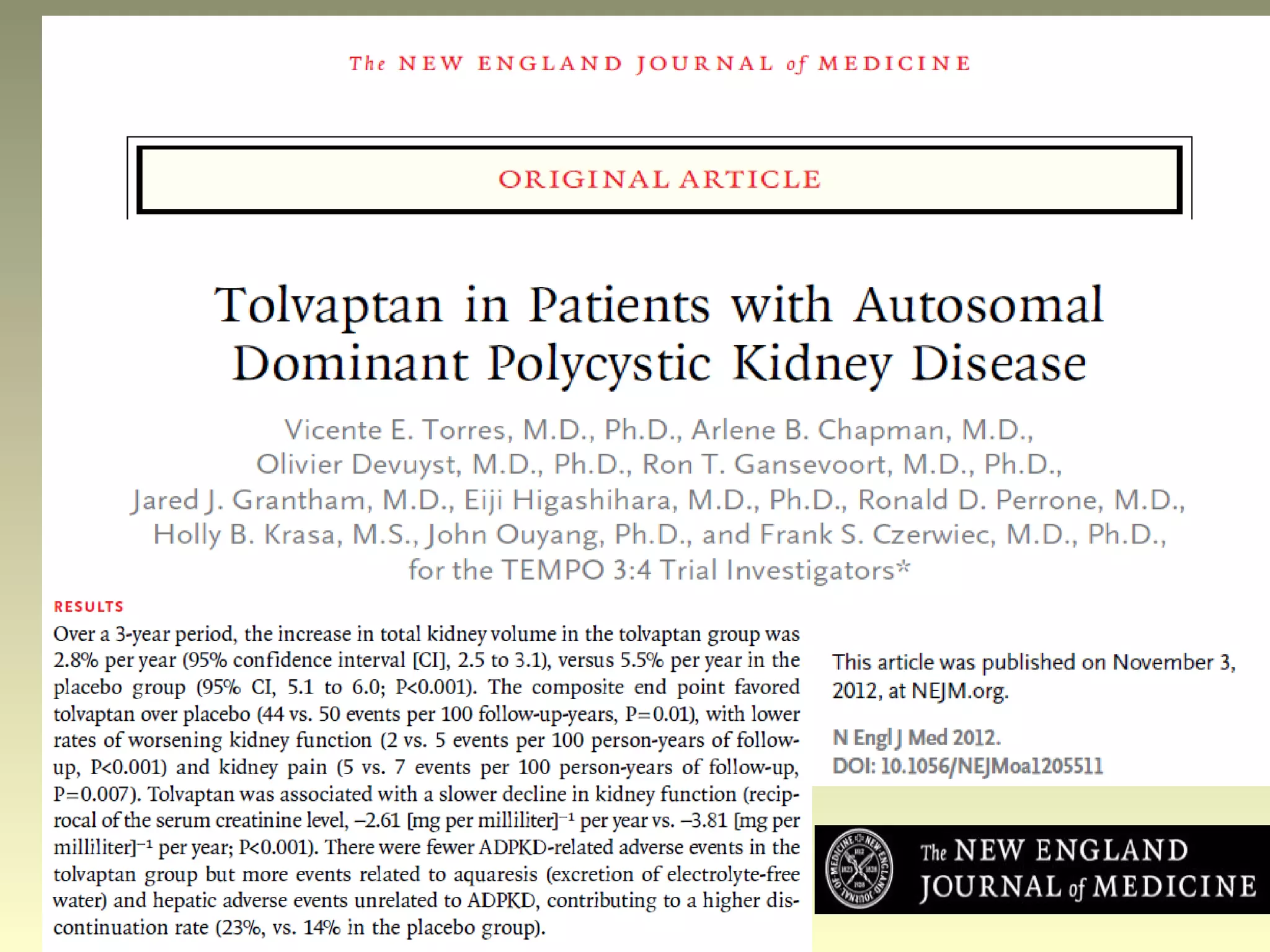
• Novel Treatment
  – V2 receptor antagonists (Tolvaptan)
  – mTOR inhibitors (Rapamycin)
  – Somatostatin
  – EGF receptor antagonists


• Transplantation
  – The treatment of choice for ESRD in ADPKD.
Acknowledgment
• Dr.Knight (& his iPhone5), Dr.LeCates, Dr.Rosen
  (Grandround Preceptors)

• Thank y’all so much for making me smile!!… I love
  Bassett!!

Autosomal Dominant Polycystic Kidney Disease

  • 1.
    The Amazing Autosomal Dominant Polycystic Kidney Disease Friday, December 7, 2012 Wisit Cheungpasitporn, MD. PGY-3, Internal Medicine
  • 2.
    Markedly enlarged polycystickidneys from a patient with ADPKD in comparison to a normal kidney in the middle.
  • 3.
    DEFINITION • ADPKD isa multisystem disorder characterized by multiple, bilateral renal cysts associated with cysts in other organs, such as liver, pancreas, and arachnoid membranes. • It is a genetic disorder mediated primarily by mutations in two different genes and is expressed in an autosomal dominant pattern, with variable expression. • Approximately 5% of patients who initiate dialysis annually in the United States.
  • 4.
    PKD Genetics Incidence • Autosomal Dominant 1:500-1,000 live births • Autosomal Recessive 1:6,000-40,000 live births
  • 5.
    Genes in PKD Gene Protein ADPKD1 Polycystin 1 ADPKD2 Polycystin 2 ARPKD Fibrocystin/polyductin
  • 6.
    ADPKD - MolecularPathogenesis
  • 7.
    Wilson, P. D.N Engl J Med 2004;350:151-164
  • 8.
    Family History ofSeverity of Renal Disease Predicts Mutated Gene in ADPKD Median Age of ESRD PKD1 ~ 53 years PKD2 ~ 73 years • Presence of at least one affected family member who developed ESRD </= 55 years was highly predictive of PKD1 mutation (PPV 100%, sensitivity 72%) • If family member developed ESRD at age >/= 70 years, then highly predictive of PKD 2 mutations (PPV 100%, Sensitivity 74%) Barau et al JASN20: 1833, 2009
  • 9.
    Etiology and Pathogenesis •The polycystic kidney disease (PKD) proteins now known as polycystin 1 (PC1) and polycystin 2 (PC2) play a critical role in the normal function of the primary cilium that is essential to maintaining the differentiated phenotype of tubular epithelium. • Disordered function of polycystins is the basis for cyst formation in PKD by permitting a less differentiated tubular epithelial phenotype.
  • 13.
    Cystogenesis • Fluid Secretioninto Cysts • Increased cAMP promotes cyst growth and overall enlargement • increased transepithelial secretion of chloride through apical CFTR channels
  • 14.
  • 15.
    Diagnosis • Imaging teststhe gold standard • At present, asymptomatic screen not recommended • Ultrasound: false negative rate 16-18% before age 30 • CT, MR: probably more sensitive
  • 20.
    Genetic Testing • DNAscreen of polycystin 1 and polycystin 2 available • Up to 90% detection rate – better with affected family members • Expensive: $2,000-2,500 • Non-important mutation rate unknown
  • 21.
    Differential Diagnosis • SyndromesMimicking ADPKD – Von Hippel-Lindau – Tuberous Sclerosis • ARPKD • Simple Renal Cysts • Acquired Cystic Disease of Renal Failure • Medullary Cystic Disease/Nephronopthisis
  • 22.
    Clinical Manifestations • Renaland extrarenal manifestations of ADPKD have been described that cause significant complications.
  • 23.
    Renal Complications 1. Hypertension 60-100% 2. Gross hematuria 50% 3. Infection common 4. Nephrolithiasis 20-25% 5. Renal failure 50% by age 60 (PKD1)
  • 24.
    Relationship between HTN, GFR loss and TKV • Across all age ranges HTN is noted when TKV is ~ 1000 mL (~600 mL/cm height) • GFR decrease not detected until total kidney volume exceeds 1500 ml • Current US techniques too variable to be used as a marker for yearly progression of ADPKD Kidney International, 64: 1035–1045, 2003 Kidney International, 64: 2214–2221, 2003
  • 26.
    Mechanisms of Hypertension in ADPKD Normal kidney ADPKD kidney
  • 27.
    Pathogenetic role ofRAAS in ADPKD Schrier JASN 20:1888-1893, 2009
  • 28.
    Hypertension in PKD •Control most important to prevent progression • ACE inhibitors, ARBs theoretically better • Blood pressure goal not established (should be to less than 130/80 mmHg) • BP goal of less than 120/80 mmHg may provide cardiovascular benefit among ADPKD patients with left ventricular hypertrophy
  • 29.
    HALT-PKD (Halt Progression of Autosomal Dominant Polycystic Kidney Disease) • Objective: two concurrent randomized, double blinded controlled trials to assess the effects of multi-level blockade of the renin-angiotensin-aldosterone system (RAAS) and aggressive blood pressure control on progression of early CKD stage 1-2 and late CKD stage 3 ADPKD over 5 years period. • Hypotheses: – 1) Blockade of RAAS will significantly reduce renal progression as compared to other antihypertensive therapy – 2) lower blood pressure will significantly reduce renal progression as compared to standard BP target
  • 30.
    Diet in PKD •Avoid caffeine • No specific diet known • DASH diet reasonable
  • 31.
    Nephrolithiasis in ADPKD •~20-36% of patients • Uric acid (UA) (~50%); Ca Ox (~47%) • Predisposing factors: hypocitraturia, hyperoxaluria, hypercalciuria, urinary stasis from expanding cysts, Low urine pH • Rx: K-citrate, Alkalinization of urine • Lithotripsy can be performed safely, but residual fragments in ~50% of patients
  • 32.
    Hematuria in ADPKD •Cyst hemorrhage occurs in~60% of individuals – Gross or microscopic hematuria if cyst connects to collecting system – Susceptible to minor trauma with resultant hemorrhage • Patients with recurrent episodes of gross hematuria have the largest kidneys and progress more quickly to kidney failure • Conservative management with hydration, bed rest, and appropriate use of analgesics • Rarely, massive bleeding may require transfusion, kidney embolization or nephrectomy
  • 33.
    Kidney Infection inADPKD • 30 to 50% (more common in women) • Cyst infections ~ 0.01 episode/patient/year (10% of causes that led to hospitalization) • Fever and Flank pain are the presenting symptoms • Urine culture may be negative in cyst infection, as cysts frequently don’t communicate with the collecting system. (E coli ~ 75% of cases ) • +ve urine culture ~39%, +ve blood culture ~24% in renal cysts infection
  • 34.
    Infected cysts inPKD • Localization of infected cysts is difficult – Labeled WBC or gallium scan (positive in ~50% of cases) – CT&MRI with contrast (good for R/O renal or perinephric abscesses) – PET scan • Ultrasound, CT scan, MRI, and PET scan yielded positive results in 6, 18, 40, and 100%, respectively for infected cysts Sallée et. al. Clin J Am Soc Nephrol 4: 1183-1189, 2009
  • 35.
    Sallée et. al.Clin J Am Soc Nephrol 4: 1183-1189, 2009
  • 36.
    Antibiotics in PKD •Some drugs do not penetrate cysts well • Fluoroquinolones, Tmp-Sulfa, chloramphenicol best for cyst penetration • Percutaneous or operative drainage is rarely needed; only refractory infection • Complicated upper tract: cyst penetrating, antibiotics 3-4 weeks
  • 37.
    Sallée et. al.Clin J Am Soc Nephrol 4: 1183-1189, 2009
  • 38.
    Principal Extrarenal Manifestations •Hepatic and pancreatic cysts – asymptomatic in many patients, but can expand and cause pain and infection; rarely massive PLD • Cardiac valvular abnormalities – Mitral valve prolapse, tricuspid and aortic regurgitation • Intracranial aneurysms – Found in approximately 5% of patients with no family history and about 22% of patients with family history of ICA or SAH • Seminal vesicle cysts – Found in ~39-60% of men; undefined risk of infertility
  • 39.
    Liver/GI Complications 1. Livercysts (94% > 35) asymptomatic up to 80% symptomatic uncommon (W:M 10:1) 2. Pancreatic cysts ~10% 3. Intestinal diverticuli ~80% pts with ESRD 4. Hernias ~10%
  • 40.
    Liver Cysts: Sxand Infection • With marked hepatomegaly: Heaviness, dull ache, Mechanical low back pain, Early satiety • If fever persists 1-2 wks after antibiotics in infected cysts, drainage frequently needed • Hepatic cyst infection more serious than renal cyst infection. Do not delay drainage esp >5cm • CA 19-9: Marker for Hepatic Cyst Infection? Rise (active infection)/ fall (improvement) Kanaan et al AJKD March, 2010
  • 41.
    Vascular manifestations ofADPKD. A, Gross specimen demonstrating bilateral aneurysms of the middle cerebral arteries. 90% of aneurysms in anterior circulation 10% of aneurysms in posterior circulation (greater risk of rupture) B, Gross specimen demonstrating a thoracic aortic dissection extending into the abdominal aorta in a patient with ADPKD.
  • 42.
    Cerebral Aneurysm inADPKD • No family history – 6% prevalence • Family history – 21% prevalence • Clinical Symptoms (Ruptured) – pain, stiff neck, coma; >50% mortality • The mean age of rupture of intracranial aneurysms is lower in individuals with ADPKD than in the general population (39 years vs 51 years)
  • 43.
    Risk of ICARupture in ADPKD In the absence of a history of rupture from a different site, the risk for rupture is: %Yr Aneurysm Size 0.05 <10 mm 1.0 10-24 mm 6.0 >24 mm 0.05% per year <10mm. No personal or family hx of SAH 0.5% per year<10 mm. With personal or family hx of SAH Betz KI 63:2003 Gibbs KI 64:2004
  • 44.
    Risk Factors forICA Rupture 1. Most aneurysms have a very low risk of rupture and occurs without a family history 2. With 2 PKD relatives with SAH the RR= 2.15 3. F>M and ICA>8mm 4. Pack years of smoking 5. HTN > 10 years Torres 2009
  • 45.
    Recommendations for ICA Screening 1. Age 20- to 50-year-olds 2. Family Hx of ICA or SAH 3. Personal Hx of SAH 4. Prior to major elective surgery (transplant) 5. High risk occupation (Airline Pilots) 6. Need for reassurance? Torres 2009
  • 46.
    Risks of Intervention •Mortality 0.6-3.5% • Morbidity 4.1-25.4%
  • 47.
    F/U of ICAin ADPKD • <7 mm Observation • 7-12 mm Risk assessment • >12 mm Intervene • Follow-up with CTA or MRA annually for two to three years, and every two to five years thereafter if the aneurysm is clinically and radiographically stable. • It is not unreasonable to reimage newly detected small aneurysms at six months.
  • 48.
    Treatment • Novel Treatment – V2 receptor antagonists (Tolvaptan) – mTOR inhibitors (Rapamycin) – Somatostatin – EGF receptor antagonists • Transplantation – The treatment of choice for ESRD in ADPKD.
  • 52.
    Acknowledgment • Dr.Knight (&his iPhone5), Dr.LeCates, Dr.Rosen (Grandround Preceptors) • Thank y’all so much for making me smile!!… I love Bassett!!